

International Research Journal of Engineering and Technology (IRJET) e-ISSN: 2395-0056
Volume: 13 Issue: 04 | Apr 2026 www.irjet.net p-ISSN: 2395-0072
MECHANICAL PROPERTIES AND CHARACTERIZATION OF AL7178
HYBRID METAL MATRIX COMPOSITE REINFORCED WITH SiC AND B₄C
B.
Tagoor¹,
B.
Phani Chandra Sekhara Rao², D. Sampath Kumar³, D. Paul Praveen´, Ch. Venkata Krishnaµ
Department of Mechanical EngineeringSeshadri Rao Gudlavalleru Engineering College, Andhra Pradesh, India ***
Abstract - These days, engineers pay close attention to Metal Matrix Composites because they are strong yet light. Instead of just one additive, this study mixes two - Silicon Carbide and Boron Carbide - into Aluminium Alloy 7178. A method called stir casting shapes the new blend into a usable form. Heat brings the metal to about 750 degrees Celsius before mixing begins. Spinning the molten mix at 200 revolutions per minute helps spread the tiny particles evenly. Before adding them, the reinforcing powders get warmed up first. That extra heat makes it easier for materials to bond whileloweringtrappedair pockets. One batch offour samples got made, each with a different mix of added materials. Testing their strength involved pulling them apart, checking resistance to dents, along with looking closely at internal structure. Strength and firmness went up when more reinforcing stuff was included. A peak pull strength of 156.40 MPa showed up in the version holding 6% SiC together with 2% B₄C. This material might work well where light but strong parts are needed, like planes or cars.
Key Words: Metal Matrix Composite, Al7178, Silicon Carbide, Boron Carbide, Stir Casting, Tensile Strength, Hardness
1. INTRODUCTION
Lately, there's been a big jump in needing tough new materials for engineering jobs. Old-style stuff usually falls shortwhenitcomestobeingstrongbutlight,plusstanding uptoheavyuse.Thesenewermixesofmetalandreinforced bitsstartedshowingrealpotentialwhereregularmetalsfail. Heavybutstrong?Nothere.Thesematerialsstaylightwhile resisting damage better than typical metals. As Surappa pointed out, they handle stress more firmly and resist surface loss longer. Strength meets flexibility - Miracle showedhowmetalsoftnessjoinsceramictoughnessneatly insidethem.
AluminiumalloysgetstrongerwhenstufflikeSiliconCarbide orBoronCarbideismixedin.Strengthgoesupbecausetiny bitsinsidecarrymoreweight,sayChawlaandChawla[3], thankstohowforcesmoveacrossthem. Outof all techniques,stircastingstandsoutfor being low costwhenmakingMMCs.AccordingtoHashimandteam[4], consistent mixingspreadsthe reinforcing particles evenly
throughout.Wearresistancegetsaboost-sodoesstrengthfromceramics,Rohatgi[5]pointedout. WorklatelydonebyKumarandteam[6]revealshowmixed reinforcements outperform those using just one type. Because of this finding, the current work looks at making andtestinganaluminum7178mixstrengthenedwithboth siliconcarbideandboroncarbide.
2. LITERATURE REVIEW
Lately, Metal Matrix Composites have caught the eye of engineers thanks to better performance than standard materials. Instead of heavier options, aluminum versions standout-lightweightyetstrongwhenyouconsidertheir mass. Corrosion hardly affects them, while heat moves througheasily,addingtotheirappeal.Becauseofthesetraits, planes,cars,andsupportstructuresoftenrelyonsuchblends. Theirrolegrowswheredurabilityandefficiencymattermost. Aluminiumcompositesshowgreaterstiffnessthanstandard alloys, also standing up better to wear plus holding their shape more reliably. Reinforcement particles boost how muchweightthematerialcanhandle,alongwithitsabilityto resist bending or warping. Because of these traits, such materials fit well where heavy loads are part of daily use. Performancestaysstrongevenwhenstresslevelsclimb. Starting off differently eachtime, Miracle pointed outhow MMCsblendtraitsfrombothmetalsandceramics.Becauseof thismix,theyshowstrongperformancethroughdurability andbetterheattolerance.Whatstandsoutistheirabilityto resistdamagefromfrictionorshapechanges.Ontopcomes the role of the metal base - it adds flexibility along with resilience.Meanwhile,hardparticleswithinaddstiffnessplus load-bearing power. Under intense environments, these materialskeepworkingwithoutfailing.
Chawla and Chawla [3] point out that how well composite materials work ties closely to how the matrix and reinforcementinteract.Sincethematrixholdsthereinforcing particles together, it also carries the load when stress is applied. On the flip side, the reinforcement boosts both strength and rigidity. What makes reinforcement effective comes down to things like particle size, their shape, how they’respreadout,andhowtightlybondedtheyarewhere they meet the matrix. When those particles are evenly dispersed, mechanical traits stay steady across the whole material.
International Research Journal of Engineering and Technology (IRJET) e-ISSN: 2395-0056
Volume: 13 Issue: 04 | Apr 2026 www.irjet.net p-ISSN: 2395-0072
Making aluminum composite materials involves different methods like mixing powders, pressing liquid metal into molds,orswirlingreinforcementsintomeltedmetal.Ofthese options,swirling-calledstircasting-iscommonbecauseit doesnotrequirecomplextools,costsless,runsquickly,while handlinglargebatcheswell.ResearchbyHashimandteam [4] looked closely at this swirling method, showing how adjusting spin rate, heat levels, and duration helps spread hardparticlesevenlythroughthehotmetal.Whenparticles spread without clumping, the material gains strength and performsbetterunderstress. Hard particles like silicon carbide can boost how well aluminum holds up under stress. Rohatgi found these additives make the metal tougher and more resistant to wearingdown.Insteadofsofteningeasily,thematerialresists bending when pushed. Because ithandles pressure better, partslastlongerevenundertoughconditions.Carsoftenuse this mix in pieces that must endure constant rubbing and force-likeenginecylinders,brakes,andmovingrodsinside motors.
Lately,scientistshaveturnedattentiontowardmixturesof metalsstrengthenedbymultiplematerialsatonce.Insteadof justoneadditive,combiningfillerslikesiliconcarbide and boroncarbideintoaluminumbringsbetterresults.Workled by Kumar and team showed these mixed reinforcements boost both strength and resistance to wear beyond what singleadditivescando.Whilehigheramountsoffillertendto improve toughness, too much causes clumping inside the structure.Thatbuilduptendstoweakenflexibilityevenasit hardensthematerialoverall.
Lookingcloser,tinystructuresshowevenspreadofadded particlesinaluminumhelpsthemstickwellandworkbetter together. How it’s made matters just as much, with right amountsneededtoavoidholesorclumping. Itshowsupinresearchthataluminummixesstrengthened with SiC along with B₄C perform better mechanically than standardalloys.Still,howwelltheyworktiescloselytothings likehowmuchreinforcementisadded,howtheparticlesare spreadout,andthewaythey’remade.Withthatinmind,this work looks at producing and analyzing Al7178 hybrid compositesthroughstircasting,checkingstrengthtraitsand whethertheyfitreal-worlduses.
3. MATERIALS AND METHODOLOGY
3.1 Materials Used
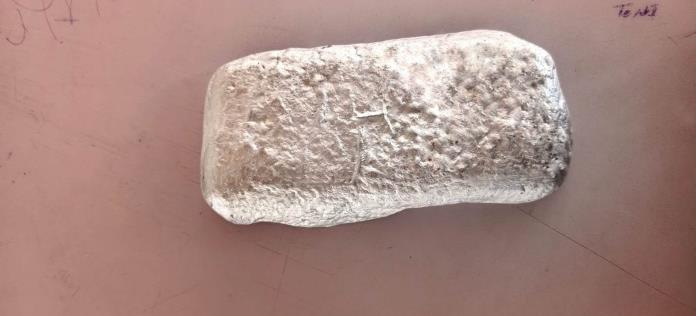
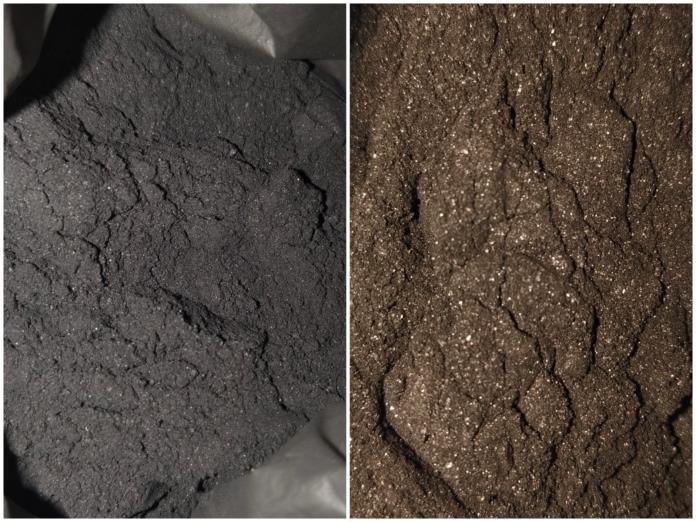
NowcomesalookatwhyAl7178madethecut-itsblendof lightness,toughness,anddependableperformancestoodout. Part of the 7000 group, this metal gets its edge from zinc mixedwithmagnesium.Becauseithandlesstresswellwhile stayinglightweight,industrieslikeaviationleanonitheavily. Startingoff,SiliconCarbide (SiC)alongsideBoronCarbide (B₄C) served as reinforcing agents. Chosen because they resist wear well, stay stable under heat, plus remain extremely hard. Known widely for standing up to heavy
abrasion,SiCbringsstrongstructuralsupport.Meanwhile, B₄C ranks among the toughest substances found - adding seriousrigidityandenhancedhardnesswhenmixedintothe material.
Whenmixedtogether,SiCandB₄Cformablendthathandles stressbetterthanmaterialsreinforcedonlyonce.Onereason theywerepicked?Theyworkwellinsidealuminiumwhile boostingstrength.Whatmattersmostishoweachparthelps theotherholdupunderpressure.
Table 1: ChemicalCompositionofAluminiumAlloy7178
Elemen
Table 2: MechanicalPropertiesofAluminiumAlloy7178
Property Value
UltimateTensileStrength 605MPa
ofElasticity
CompressiveYieldStrength
MPa
GPa
MPa
Mpa
Table 3: MechanicalPropertiesofReinforcement Materials
Property
ElasticModulus(GPa) 410 450–470 Poisson’sRatio 0.14 0.18
Hardness(HV) 2500–2800 2900–3500
CompressiveStrength (MPa) ~3900
Thermal Conductivity (W/m·K) 120–200 30–42
MeltingPoint(°C) ~2730 ~2760
Volume: 13 Issue: 04 | Apr 2026 www.irjet.net p-ISSN: 2395-0072
3.2 Preheating of Reinforcement Particles
Warmth applied ahead of time makes tiny bits stronger insidemetalblends.Here,particlesmadeofsiliconcarbide mixed with boron carbide got heated close to 200–250°C priortoenteringmeltedaluminum. Preheatingkicksoffbydrivingoutdampnessstuckonthe tinyreinforcingbits.Whenwetspotslinger,theymeethot aluminum and form gas bubbles instead. Those pockets showuplaterinsidethemix.Weakspotsfollowwhereair sneaksintothestructure.
Warm things up first, that helps the tiny bits stick better insidemeltedaluminum.Whentheystickwell,bondsgrow stronger and spread out evenly across the mix. On top of that, heating ahead cuts down the gap in heat levels so nothingcoolstoofastormixesunevenly.
3.3 Stir Casting Process
Amixofmetalandhardparticlestookshapethroughstirring during melting, a common way to make aluminum blends becauseitworkswellwithouthighcosts.Thismethodfits bigbatcheseasily,relyingonstraightforwardstepsthatkeep thingsrunningsmoothlyinfactories.
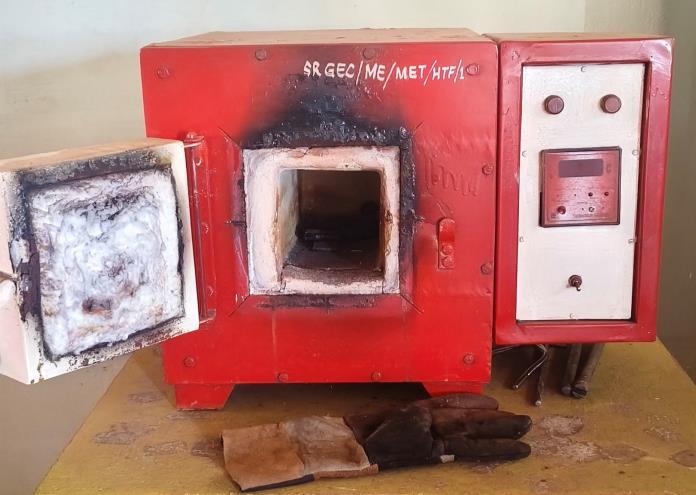
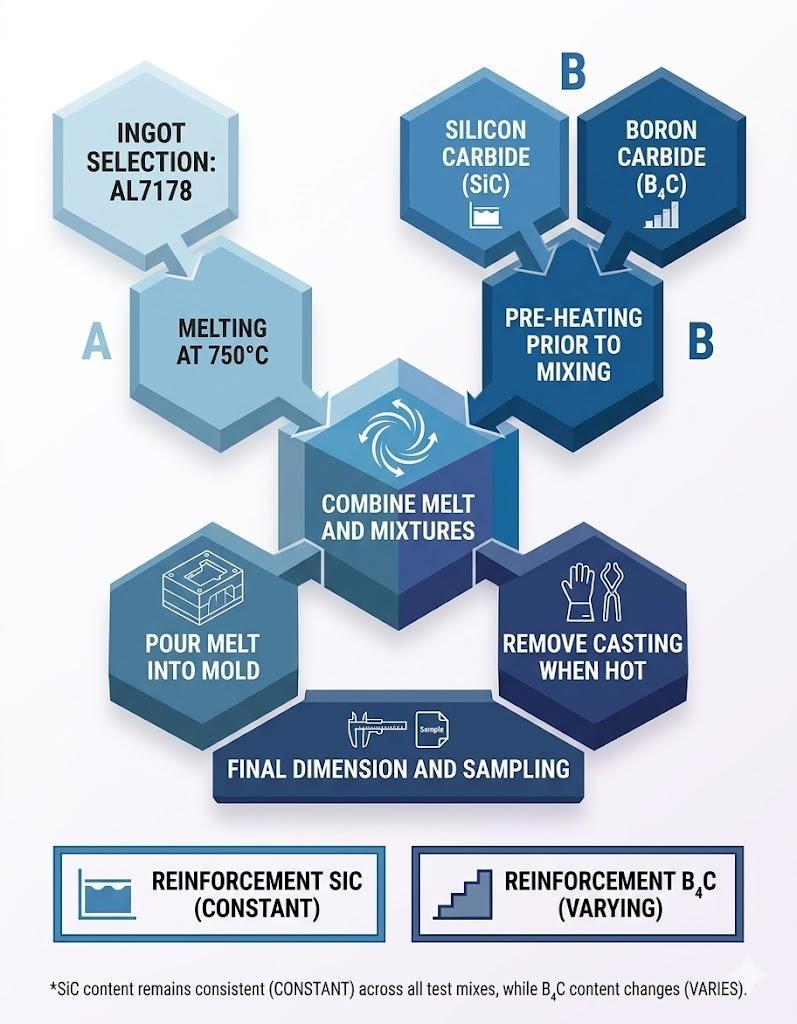
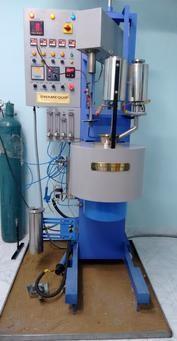
Startingoff,theteamheatedAluminiumAlloy7178insidea furnaceuntilitreachedabout750°C.Onceliquid,theyspun it with a machine-driven mixer running near 200 rpm. Spinning created a swirling motion in the melt. This swirl helpedspreadaddedparticlesevenlythroughoutthemetal. Withoutthatspin,thingswouldn’tmixright.
Into the stirred melt, preheated silicon carbide trickled slowlyalongsideboroncarbidebits.Mixingstayedsmooth becauseeachhandfulenteredoneafteranotherinsteadofall atonce.Forevenspreadacrossliquidmetal,swirlingdidn’t stop too soon. Movement through molten aluminum kept goingjustlongenoughtoblendeverythingwell.
Startwithheatlevelsjustright,alsokeepmixingsteady-this helps spread particles evenly through the material while loweringflaws.Asmoothblendshowsupwhenconditions staystablethroughoutproductionruns.Toofastortoohot messesthingsup,yetbalancesupportscleanerresultsevery time.
International Research Journal of Engineering and Technology (IRJET) e-ISSN: 2395-0056
Volume: 13 Issue: 04 | Apr 2026 www.irjet.net p-ISSN: 2395-0072
3.4 Casting of Composite Material
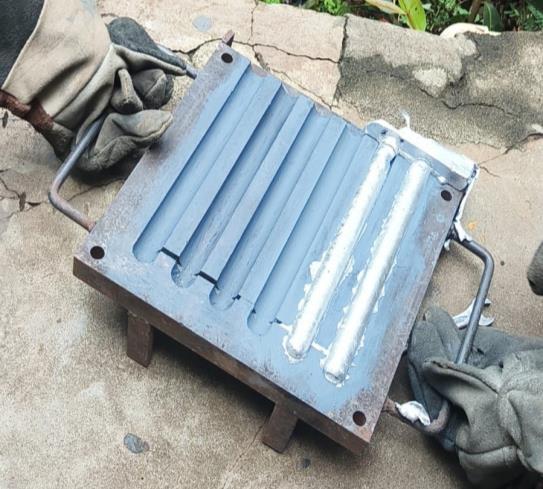
Once the particles mixed evenly, liquid metal moved into warm molds. Because molds were heated ahead of time, temperature differences stayed low. Fast cooling avoided thatwaykeepscracksfromforming.Shrinkholesalsoless likelywhenchangeshappenslowly.
Slowly, the hot liquid metal began to harden into solid chunkswhencooledwithcare.Onlywhenitsetsjustright doestheinsideturnoutsmoothandeven.Arushedstopcan leavehiddenflawsdeepwithin. Oncehardened,outcamethecastpiecesfromtheirmolds, leftsittinguntiltheymatchedtheairaroundthem.
3.5 Reheating Process
Midwaythroughstirring,tinypocketsofairsometimesstay stuck in the hot metal, creating small gaps once cooled. Because of that, each piece was warmed up again after hardeningtoreduceemptyspacesinside. Out comes the gas when heat returns, thanks to loosened bonds inside. Pressure built while cooling fades once warmthflowsbackthrough.Denserbuildupfollows,piece by piece filling gaps left before. Strength climbs as layers settleintotighteralignment.Betterperformanceshowsup inhowitholdsforcenow.
3.6 Composition of Composite Samples
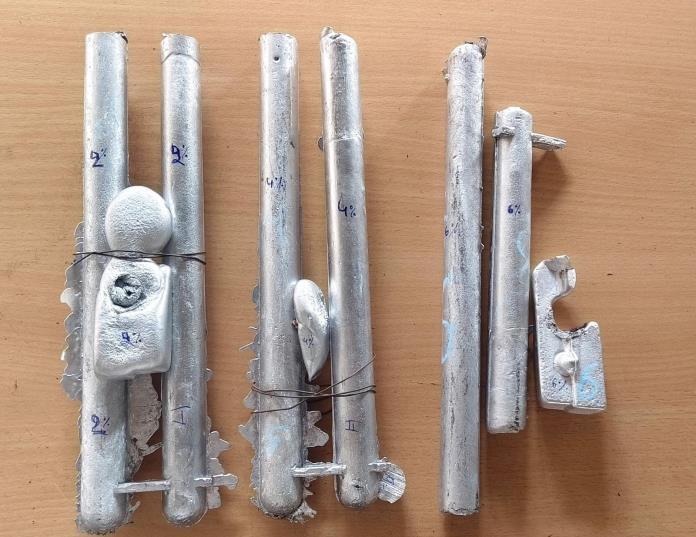
Onewaytocheckhowaddedmaterialschangestrengthwas bymaking fourmixtures.Eachuseda differentamount of SiliconCarbidealongwithBoronCarbide.Theseblendswere builtstepbystepinthelab.Theirresponsesunderpressure becameclearduringtesting.Whatmatteredmostwashow muchofeachhardsubstancewasincluded.
PureAl7178WithoutReinforcement
Al7178with2percentSiCand2percentB4C
Al7178with4percentSiCand2percentB4C
Al7178with6percentSiCand2percentB4C
Starting at different levels of reinforcement shows how it influencesthematerial'sresistancetostretchingalongwith itsfirmness.Whatchangesishowmuchstrongerorstiffer themixbecomeswhenmorefillerisadded.Dependingon theamountused,resultsshiftnoticeablyacrosstests.Each step up alters both stretch limit and surface toughness. Strengthclimbsabithere,whilestiffnessshiftsthere.How faritgoestiesdirectlytohowmuchreinforcementismixed in.
International Research Journal of Engineering and Technology (IRJET) e-ISSN: 2395-0056
Volume: 13 Issue: 04 | Apr 2026 www.irjet.net p-ISSN: 2395-0072
Table 4: CompositionofCompositeSamples
3.7 Specimen Preparation
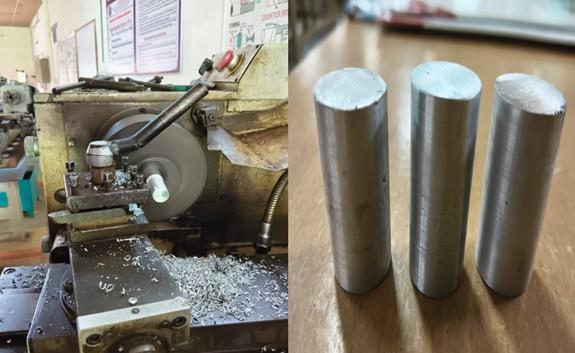
Out of the workshop came oddly shaped chunks, later trimmed by a spinning lathe until they fit what the test needed.Agoodshapematters-sloppyprepleadsstraightto shakynumberswhenstrengthgetschecked. Outofstandardsizescamethetestpieces,shapedforpull andfirmnesschecks.Smoothnessmattered,soeachgotfiled downjustright,keepingshapeaccuratetododgemistakes later. Before any machine touched them, someone looked closely - cracks or tiny holes meant they would not pass. Onlycleanonesmovedforward.
Table 5: SpecimenDimensionsforMechanicalTesting
TensileTest Cylindrical GaugeLength≈50mm
HardnessTest FlatSurface Thickness≈10mm
3.8 Mechanical Testing
The fabricated composite specimens were subjected to mechanicaltestingtoevaluatetheirperformance.
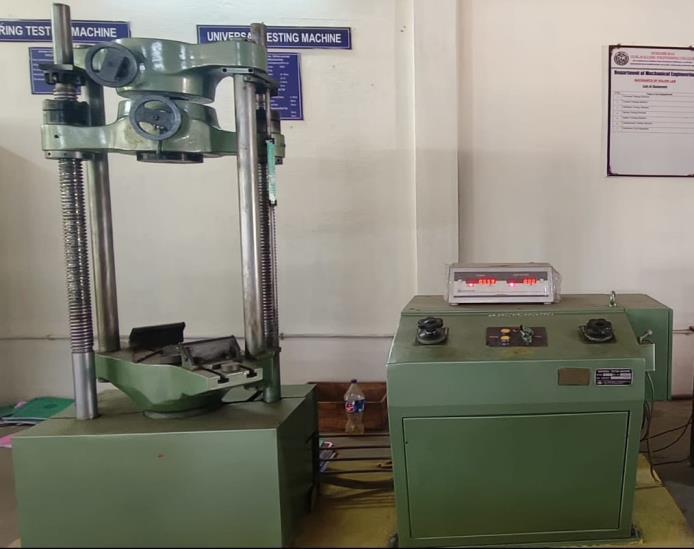
Tensile Test: ConductedusingaUniversalTesting Machine(UTM)todeterminetensilestrengthand deformationbehavior.
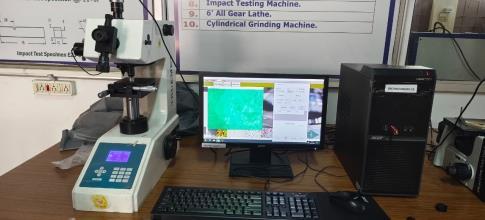
Hardness Test: Conducted using the Vickers microhardness method to measure resistance to indentation.
Microstructural Analysis: Performed using an optical microscope to study particle distribution andbonding.
These tests help in understanding the influence of reinforcementparticlesonthemechanicalpropertiesofthe composite.
4. RESULTS AND DISCUSSION
Among tested specimens, those blended with SiC and B₄C showed shifts in strength when pulled apart. One after another,eachvariantunderwentscrutinyunderahardness indenter.Weightpervolumeemergeddifferentlyacrossthe set. Up close, their internal layouts revealed how grains settledamongparticles.Ratherthanuniformmixes,certain batches carried more filler. Performance trends appeared oncecomparisonsunfolded.Whatchangedmostoftenwas resistancetodenting.Throughlayeredinspection,patterns tookshapewithoutassumption.
4.1 Tensile Test Results
Apull-testonmaterialsshowshowtheystretchandbreak when pulled straight. One moment it sits still; next, slow pullingbeginstillthesamplesplitsapart.Fromthiscomes numberslikemaxloadlimit before breaking, pointwhere permanent bending starts, also how much it stretches.
International Research Journal of Engineering and Technology (IRJET) e-ISSN: 2395-0056
Volume: 13 Issue: 04 | Apr 2026 www.irjet.net p-ISSN: 2395-0072
Watching this unfold gives clues about real-world performanceunderstress.
Table -6: TensileTestResults
Sample
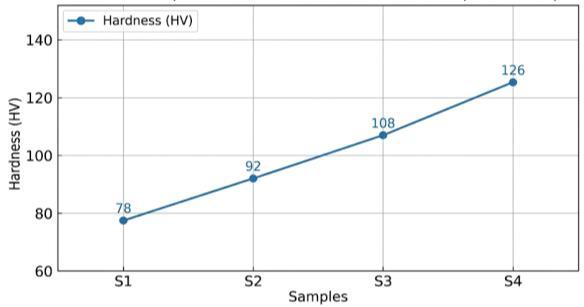
Chart -2:HardnessTest
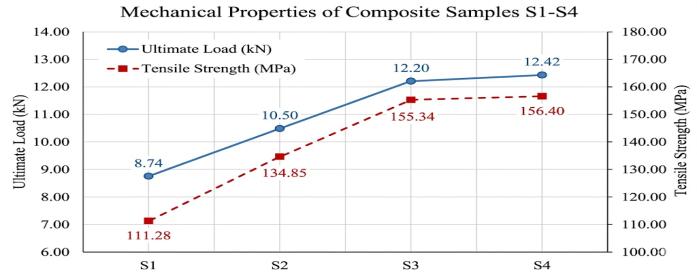
Chart -1:TensileTest
Discussion
Sample 1 (Pure Al7178): Thebasealloyexhibits the lowest tensile strength (111.281 MPa) due to theabsenceofreinforcementparticles.Thematerial undergoeshigherplasticdeformationundertensile loading.
Sample 2 (2% SiC + 2% B₄C): A noticeable improvementintensilestrength(134.845MPa)is observed. The addition of ceramic particles enhancesloadtransferandreducesdeformation.
Sample 3 (4% SiC + 2% B₄C): Tensile strength further increases to 155.335 MPa, indicating improved reinforcement efficiency. Increased particlecontentrestrictsdislocationmotionmore effectively.
Sample 4 (6% SiC + 2% B₄C):Thehighesttensile strength (156.40 MPa) is achieved. The high reinforcement content significantly enhances strength due to strong interfacial bonding and resistancetodeformation.
4.2 Hardness Test Results
Table -7: VickersHardnessResults
Sample
S1 PureAl7178 78
S2 2%SiC+2%B₄C 92
S3 4%SiC+2%B₄C 108
S4 6%SiC+2%B₄C 126
(HV)
Discussion
Sample1: Exhibitsthelowesthardness78HVdue totheabsenceofhardreinforcementparticles.
Sample 2: Hardnessincreasesto92HV,indicating initialstrengtheningeffectofSiCandB₄Cparticles.
Sample 3: Further improvement to 108 HV is observed due to increased particle concentration andresistancetoindentation.
Sample 4: Maximumhardness126HVisachieved due to high reinforcement content, which significantlyrestrictsplasticdeformation.
4.4 Microstructural Analysis
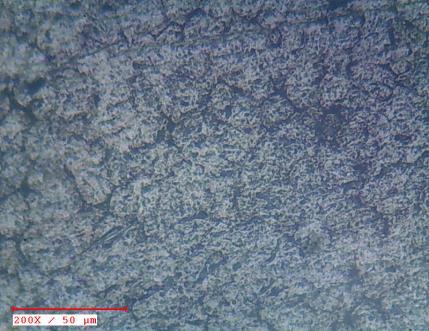
Fig. 11: MicrostructureofPureAl7178Alloyat200× Magnification
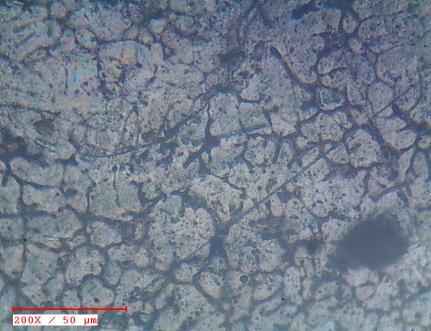
Fig. 12: MicrostructureofAl7178+2%SiC+2%B₄Cat 200×Magnification
International Research Journal of Engineering and Technology (IRJET) e-ISSN: 2395-0056
Volume: 13 Issue: 04 | Apr 2026 www.irjet.net p-ISSN: 2395-0072
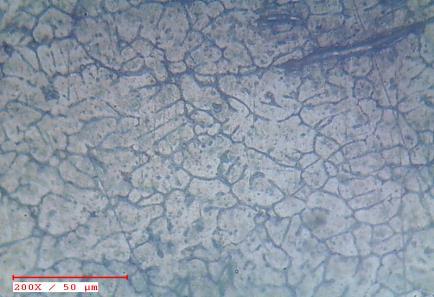
13: MicrostructureofAl7178+4%SiC+2%B₄Cat 200×Magnification
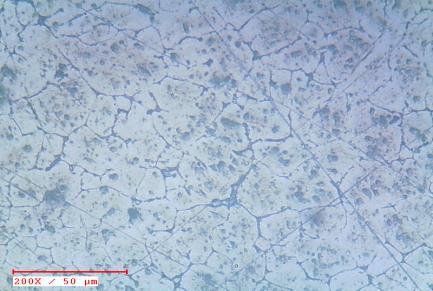
Fig. 14: MicrostructureofAl7178+6%SiC+2%B₄Cat 200×Magnification
Discussion
Sample 1: Uniform aluminium matrix with no reinforcementparticles.
Sample 2: Initial distribution of reinforcement particlesobservedwithminorclustering.
Sample 3: Improved uniformity of particle distributionwithbetterbonding.
Sample 4: Highlyuniformdistributionwithstrong matrix-reinforcement interface and minimal porosity.
4.5 Overall Discussion
The experimental results clearly demonstrate that the additionofhybridreinforcementsignificantlyenhancesthe mechanicalpropertiesofAluminiumAlloy7178.
Key Improvements:
Tensile strength increased from 111.281 MPa → 156.40 MPa
Hardnessincreasedfrom 78 HV → 126 HV
Reasons for Improvement:
Effective load transfer between matrix and reinforcement
Restrictionofdislocationmovement
Stronginterfacialbonding
Uniformparticledistribution
TheresultsconfirmthathybridreinforcementusingSiCand B₄Cprovidesbetterperformancecomparedtounreinforced alloy,makingthematerialsuitableforadvancedengineering applications.
5. CONCLUSIONS
One look at how Al7178 aluminum alloy behaves when mixedwithsiliconcarbideandboroncarbideshowsshiftsin strengthdependingonamountsadded.Insteadofstandard lab-only guesses, real tests measured changes through stirringmethodsusedtoblendmaterialstogether.Eachmix varied slightly - more grit here, less there - to see what sticks,whatbreaks.Becausestructureshapesperformance, tiny hard particles were stirred into molten metal just to watch how things held up afterward. While some blends stiffened under pressure, others gave way sooner than expected. Testing followed every shift, step after change, trackingeachversionlikefootprintsacrosssand. Testsshowthemixoftworeinforcementsboostshowwell aluminumholdsupunderstress.Notjuststronger,ithandles stretchingmuchbetterthanbefore.Fromastartingpointof 111.281 MPa,pullstrengthjumpedto 156.40 MPa when adding 6% SiC along with 2% B₄C. This jump means the material resists breaking more effectively. Hardness also rosesharply-measuredat 78 HV initially,nowreaching 126 HV. Tiny stiff bits inside make it tougher to dent or bend permanently.Withtheseparticlesspreadthrough,themetal pushesbackharderagainstshapechanges. A bit less dense the composite became as more reinforcementwasadded-helpfulwhenlightnessmatters. Scattered throughout the aluminum, the reinforcing bits spreadoutfairlyevenly,stickingwelltothebasestuffwhile leavingalmostnogaps,makingthematerialstrongeroverall. Onethingstandsout-mixingSiCwithB₄CintoAluminium Alloy 7178 boosts both strength and hardness without addingweight.Thisblendholdspromise,especiallyinareas likeplanes,cars,andload-bearingstructures.Whereverlight yettoughmaterialsmattermost,thiscombomightjustfit. Performancestayssharpevenunderdemandingneeds
REFERENCES
[1] Surappa, M. K., “Aluminium Matrix Composites: ChallengesandOpportunities,”Sadhana,vol.28,no.1–2,pp. 319–334,2003.
[2]Miracle,D.B.,“MetalMatrixComposites–FromScience to Technological Significance,” Composites Science and Technology,vol.65,no.15–16,pp.2526–2540,2005.
[3] Chawla, K. K., Composite Materials: Science and Engineering,2nded.,NewYork:Springer,2006.
International Research Journal of Engineering and Technology (IRJET) e-ISSN: 2395-0056
Volume: 13 Issue: 04 | Apr 2026 www.irjet.net p-ISSN: 2395-0072
[4]Hashim,J.,Looney,L.,andHashmi,M.S.J.,“MetalMatrix Composites:ProductionbytheStirCastingMethod,”Journal of Materials Processing Technology, vol. 92–93, pp. 1–7, 1999.
[5] Rohatgi, P. K., “Cast Aluminum-Matrix Composites for Automotive Applications,” JOM, vol. 43, no. 4, pp. 10–15, 1991.
[6] Kumar, A., Singh, R., and Sharma, S., “Mechanical PropertiesofAl-SiC-B₄CHybridMetalMatrixComposites,” MaterialsToday:Proceedings,vol.26,pp.1–6,2020.
[7]Prasad,S.V.,andAsthana,R.,“AluminumMetal-Matrix Composites for Automotive Applications: Tribological Considerations,” Tribology Letters,vol.17, no.3,pp. 445–453,2004.
[8] Lloyd, D. J., “Particle Reinforced Aluminium and Magnesium Matrix Composites,” International Materials Reviews,vol.39,no.1,pp.1–23,1994.
[9] Tjong, S. C., and Ma, Z. Y., “Microstructural and Mechanical Characteristics of In-Situ Metal Matrix Composites,”MaterialsScienceandEngineering:R,vol.29, no.3–4,pp.49–113,2000.
[10]Kok,M.,“ProductionandMechanicalPropertiesofAl₂O₃ Particle-Reinforced 2024 Aluminium Alloy Composites,” JournalofMaterialsProcessingTechnology,vol.161,no.3, pp.381–387,2005.
[11] Suresh, S., Mortensen, A., and Needleman, A., Fundamentals of Metal-Matrix Composites, ButterworthHeinemann,1993.
[12]Clyne,T.W.,andWithers,P.J.,AnIntroductiontoMetal MatrixComposites,CambridgeUniversityPress,1993.
[13]Zhang,P.,Li,F.,andLiu,X.,“MechanicalPropertiesand Microstructure of SiC Reinforced Aluminium Matrix Composites,” Materials Science Forum, vol. 475–479, pp. 2577–2580,2005.
[14] Alaneme, K. K., and Aluko, A. O., “Microstructural Characteristics and Mechanical Behaviour of Aluminium Matrix Composites Reinforced with Alumina and Silicon Carbide,”JournalofMaterialsResearchandTechnology,vol. 1,no.1,pp.60–67,2012.
[15]Kerti,I.,andToptan,F.,“MicrostructuralVariationsin Al–SiC Composites Produced by Stir Casting Method,” MaterialsLetters,vol.62,no.8–9,pp.1215–1218,2008.
[16] Bansal, S., and Saini, J. S., “Mechanical Properties of Aluminium-BasedMetalMatrixCompositesReinforcedwith SiCandB₄C,”MaterialsToday:Proceedings,vol.5,no.2,pp. 5936–5943,2018.
© 2026, IRJET | Impact Factor value: 8.315 | ISO 9001:2008 Certified Journal | Page1187