International Research Journal of Engineering and Technology (IRJET) e-ISSN: 2395-0056

Volume: 09 Issue: 09 | Sep 2022 www.irjet.net p-ISSN: 2395-0072
International Research Journal of Engineering and Technology (IRJET) e-ISSN: 2395-0056
Volume: 09 Issue: 09 | Sep 2022 www.irjet.net p-ISSN: 2395-0072
1Master of Technology in Civil Engineering, Lucknow Institute of Technology, Lucknow, India
2Assistant Professor, Civil Engineering, Lucknow Institute of Technology, Lucknow, India ***
Abstract - After the mixture that containsPortlandcement, fly ash, and finely crushed siliceous filler has been subjected to expansion and hardening, lightweight cement-stone dust blocks can be manufactured by adding air or gas to the mixture. The mixture's ingredients include Portland cement, fly ash and finely crushed siliceous filler. The expansion and hardening procedures need to be performed on the mixture before anything further can be done with it. In the end, this results in the development of a structure that is permeable throughout its whole in its entirety. The inclusion of aluminium metal powder into the mixture may be directly ascribed to the production of porous structures. [Case in point:] [Case in point:] The formation of pores in the structure is the result of a reaction that takes place betweenthecalcium hydroxide that is produced during the hydration of cement and the aluminium metal powder. This reaction results in the release of hydrogen gas, which causes the structure to be porous. In this study, the properties of lightweight cement stone dust blocks are investigatedandcontrastedwiththoseof regular blocks with the same features as well as traditional bricks made from burned clay. Additionally, regular blocks with the same features are compared to bricks traditionally made from burned clay. In addition, regular blocks with the same qualities as bricks typically formed from burnt clay are contrasted with one another in this study. Typically burned clay bricks might be replaced in structures with blocks constructed of lightweight cement-stone dust to lessen the amount of strain that is placed on the structure as a direct consequence of the weight of the structure itself.
Key Words: Foam, Fly ash, Silica, Cellular Lightweight Concrete,Cement.
It is feasible to define lightweight concrete as a kind of concretethatincludesanexpansionagent.Thisisonewayto explain lightweight concrete. This agent acts to raise the volumeofthemixturewhilealsoprovidingotheraspectsto the concrete, such as the capacity to be nailed and a reductionintheamountofweightthatiscontributedtothe finishedproduct.Itismuchlighterthanthenormalkindof concrete.TheUnitedStatesofAmerica,theUnitedKingdom, andSwedenarejustsomeofthecountriesthathaveseenan increaseintheprevalenceoftheuseoflightweightconcrete in recent years. The most notable advantages that come
alongwithusinglightweightconcretearethatithasalower densityandahigherheatconductivitythanothertypesof concrete.Byusingthisstrategy,onemaybeabletoreceive several advantages, some of which include the removal of deadload,anincreaseinconstructionrates,andareduction in the costs connected with shipping and handling. The majoremphasisofthisresearchwasonanalysinghowwell aerated lightweight concrete performed. Specific tests, including those assessing compressive strength, water absorption,anddensity,inadditiontosupplementarytesting and comparisons with different types of lightweight concrete,werecarriedout.Becauseofthereactionthattakes place when pozzolanic admixtures and CaOH come into contactwithoneanother,moreCSHphasesaregenerated. Thisresultsinconcretethatisdenserandmorelong-lasting. Because of their very delayed hydration properties, some extra cementitious materials, such as fly ash, contribute relativelylittletotheearlyagestrengthofthecement.On the other hand, vermiculite is capable of accelerating the hydrationprocessofcementduetoitshighlevelofreactivity with calcium hydroxide. Vermiculite contains several properties.Theuseofpozzolanicadmixturesnotonlylowers emissionsofcarbondioxidebutalsomakesitpossiblefor structurestohavelongerservicelives.This,inturn,lowers the negative impact that these structures have on the environment. Pozzolanicadmixturesareusedinconcrete, mortar, and other building materials. This is due to the increased permeability levels of contemporary concrete buildings,whichallowformoreaggressivematerialstoenter andcreatecorrosiondifficulties.
Despitethis,therehaveonlybeenafewrecentstudiesanda relatively small number of studies done overall on the durabilityperformanceofconcretethatincludespozzolanic by-products. The objective of this study is to compile empirical evidence about the performance of concrete containingvermiculiteandflyashfromthestandpointsof bothitstensilestrengthanditsabrasionresistance.Theuse ofsupplementarycementitiousmaterials(SCM)asapartial substitute for cement is an effective strategy that may be utilisedtodecreasethenegativeimpactthatisexertedon theenvironmentinwhichitislocated.Thismethodhasthe potential to resultinfinancial savings,savingsinterms of energyconsumption,andadecreaseinthequantityofwaste
International Research Journal of Engineering and Technology (IRJET) e-ISSN: 2395-0056
Volume: 09 Issue: 09 | Sep 2022 www.irjet.net p-ISSN: 2395-0072
thatiscreated.Therehavebeenalargenumberofstudies that have been published on the subject of improving the performance of concrete through the partial or complete replacementofPortlandcementwithothertypesofmineral admixtures.Thesestudieshavebeenconductedbothinthe United States and in other countries. Fly ash, silica fume, blast-furnaceslag,andothermaterialsthatarequitesimilar to them are some examples of these admixtures. The advantagesprovidedbymineraladmixturesmaybesummed up as follows: an improvement in workability; increased resistance to thermal cracking; increased resistance to chemicalassaults;andtheproductionofhigh-performance concrete.Concrete'sworkability,mechanicalproperties,and durability may all benefit from the use of sustainable buildingmaterials(SCMs),inadditiontothefactthatthese materials have a positive impact on the surrounding ecosystem. The reactivity of SCMs might be classified as pozzolanic,latent,orhydraulic;alternatively,itcouldbea combinationofthesethreetypesofreactivity.Pozzolanisa type of siliceous substance that, when combined with calciumhydroxideinthepresenceofwaterandtheformof finelysplitparticles,willundergoachemicalreactionthat willresultintheformationofcementitiouscompounds.This chemicalreactionwilltakeplaceintheformoffinelysplit particles. When the pozzolan is already in the form of particles that have been finely divided, this reaction may takeplace.Theword"pozzolan,"whichisusedtodescribe thesubstance,istheorigin ofthe name"pozzolan,"which was given to the substance. Pozzolans can originate from eithernaturallyoccurringsourcesorfromsourcesthatare manufactured intentionally. Pozzolans are naturally occurringchemicalsthatmaybefoundintheenvironmentin avarietyofforms,suchasdiatomaceousearthandvolcanic ash.Pozzolansareusedinavarietyofapplications.Onthe other hand, pozzolans, which are created from the byproductsofindustrialoperations,arethematerialsthat are used in contemporary building construction the most often.Recently,therehasbeenagrowthininterestintheuse of high-reactivity vermiculite in the concrete industry as supplementarycementitiousmaterial.Thisinteresthasbeen spurred on by the fact that this usage of vermiculite is becomingmorecommonplace.Themostrecenteventsthat havetakenplaceintheindustry havehelpedtopiquethis curiosity.Recentoccurrenceshavebeenactingasaprimary motivatingfactorbehindthisrekindledinterest.Themost recenteventsanddiscoveriesinthisareahaveservedasthe fuelforthisreinvigoratedinterestinthesubjectmatter.This interestwasreignitedasaresult.
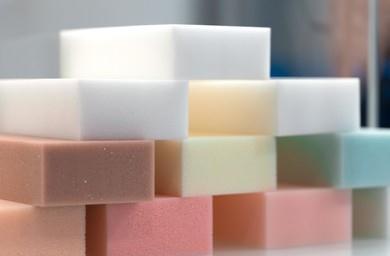
Thestudyofphysicalchemistryiswheretheword"colloidal system"wasfirstdeveloped.Thisphraseisusedtodescribe a foam or foam spray. It is a dispersion of particles in a medium that is continuous, and in this case, the particles taketheformofgasbubbleswhilethemediumisaliquid.In other words, the particles are suspended in a liquid. This
kindofoccurrenceisreferredtoasbubbledispersioninthe scientificcommunity.Whenpeopletalkaboutfoam,theyare oftenreferringtoalightweightsubstancethatmaybeeither stifforsponge-likedependingonthecellularconstitutionof thefoam.
The production of fly ash occurs anytime coal is burnt in boilers,regardlessofwhetherornotsuchboilersareusedin the production of goods or the generation of energy by utilities.Thefourmostcommonkindsofboilersthatburn coal are known as pulverised coal (PC), stoker-fired or movinggrate,cyclone,andfluidized-bedcombustion(FBC) boilers.Themostprevalentkindisknownaspulverisedcoal, orPC,boilers.
Theuseofpulverisedcoalisrequiredforthemosttypical kind of boiler that burns coal to be capable of producing heat.Sinceitistheboilerwiththehighestefficiency,thePC boiler is the one that is used the most often, especially in significant power-producing plants. In an industrial or cogenerationscenario,youmayhavealargerpossibilityof spottingboilersofoneofthemanydifferentvarieties.Thisis something that you should keep in mind. Fly ashes are a byproductofFBCboilers;but,forsomereason,thoseashes arenottakenintoconsiderationonthispage.Flyashesarea byproductofFBCboilers.
Electrostatic precipitators, also known as ESPs, or filter fabriccollectors,more often referredtoasbaghouses, are usedinpowerplantstocollectflyashfromfluegases.Both of these types of collectors have a variety of other names. These two categories of collectors are known by a wide number of other names. The physical and chemical properties of fly ash are impacted in various ways by a
International Research Journal of Engineering and Technology (IRJET) e-ISSN: 2395-0056
Volume: 09 Issue: 09 | Sep 2022 www.irjet.net p-ISSN: 2395-0072
variety of factors, including the type of burning, the provenanceofthecoal,andtheformoftheparticles.
In the literature survey section, we studied the research work related to the research topic which some research workhasbeencompleted,thesummaryofallresearchwork isgivenbelow:
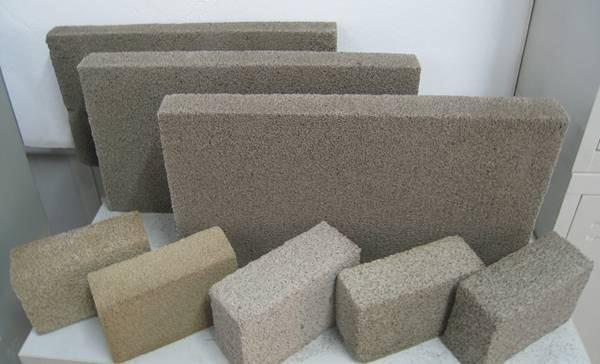
The phrase "cellular lightweight concrete" is what "CLC" standsforwhenit'sabbreviated.Toputitanotherway,CLC mayalsobereferredtoasfoamedconcreteinsomecontexts. TheCLChasquicklybecomeanincrediblypopularmaterial for use in the construction sector as a substitute for traditionalconcretebricks.Thisisbecauseitprovidesusers with a wider range of advantages and potential uses. The foamed concrete is made by first combining Portland cement,flyash,sand,water,andperformedfoaminvariable proportions,andthenmixingthematerialthatisgenerated as a consequence of this combination. This cellular lightweightconcrete,alsoknownasCLC,maybecreatedon buildingsitesusingthesamesortsofmachinesandmoldsas areusedforconventional concrete.Anothernameforthis materialisacellularlightweightaggregate(CLA).
[1] Nandhini, Vallabhy: Thepurposeofthisresearchwasto establishtheviabilityofusingVermiculiteasafineaggregate replacement in concrete composites and to outline the parameters for doing so. The components of concrete composites were tested extensively, and the findings are recorded.Researchlikethismayprovideinformationonthe exact percentage of increase in Compressive and Flexural strengthoftheConcrete,aswellasstatisticsonDurability. Asaresult,vermiculitemaybeconsideredaveryefficient substitute.
[2] Dhanalakshmi , Hameed: Alternativematerialssuchas quarry dust and Marble Sludge power (MSP) were investigated,withtheresultslendingstrongsupporttothe feasibility of using MSP as a filler in SCC manufacture. Additionsofupto30%quarrydust,14%clinkers,and8% limestonepowderwithsilicafumeasamineraladmixture did not affect the self-compacting property. While further research is needed, there have been some conclusive discoveriesaboutHSSCCbehavior.
[3] Shahul. al: InkeepingwiththefindingsofaBecauseof ecologicalandenvironmentalconcerns,experimentalstudy intotheavailabilityofnaturalsandforconcretehasbeenput onholdinrecentyears.Thegoalofthisstudyistoexamine theeffectsofchloridepenetrationonself-compactinggreen concrete (SCGC) made from marble sludge powder (MSP) andquarryrockdust(CRD)obtainedfromdifferenttypesof industrialwaste.Toreducethenumberofporesinconcrete, MSPmaybeusedasafiller.Therefore,thisaidsinincreasing concrete'slongevity.Severalexperimentshavebeencarried out to ascertain the effects of MSP and CRD on SCGC's chlorideresistancewhenusedincombination.Accordingto theresults,CRDwith15%MSPispreferabletoriversand whilemakingSCGC.
[4] Maheshkumar, Tharkrele: developed two foam concretemixestoachievethedesiredplasticdensityof1900 kg/m3,onewithsandandtheotherwithout.Theincreases in strength of foamed concrete are compared to those of conventional concrete using force and percentage results. Eighteen cube specimens are created and analyzed for combinations using physical (Density) and specialized structural(CompressiveStrength)testing.
[5] Raman Kumar et.al: The common sand is used for concrete'sfineaggregate,anessentialmaterialinbuildingall overtheglobe.Tocompletebuildingprojects,sandmustbe mined extensively. Outstanding mining operations are reducingbiodiversity,whichinturnheightensscourdepth andsometimesbooststheriskofasurge.Becauseofthis,it's
International Research Journal of Engineering and Technology (IRJET) e-ISSN: 2395-0056
Volume: 09 Issue: 09 | Sep 2022 www.irjet.net p-ISSN: 2395-0072
becoming more important to use non-conventional componentsinconcrete.
Marbleisanessentialmaterialusedthroughoutthebuilding process.Duringthecleaningandcuttingofmarblesquaresat ahandlingfacility,around20-25percentoftherawmarble is turned into powder form. Using powdered marble is a majorissuefortheenvironment,andthemarblebusinessis to blame. Findings from this study indicate that recycled marblepowdermightbeusedasaviablealternativetosand in the building sector. We analyzed the qualities of the cementbyreplacing10,15,and20%ofit.
[6]Aswathy: revealed When it comes to construction, charred brick isa mustforthecountry.Eco-friendly,nondetrimentalsolutionstonationalproblemsarenowthetop priority.Thefactthatfoammaybeutilizedattemperatures below freezing improves its insulating and soundproofing properties.Foamedcementisbyfarthemostpopularthin cement used in underdeveloped nations. Lightweight Concretesquaresprovideananswerthatmaysatisfyboth therequirementsofthebuildingindustryandthegoalsof thegreenmovement.First,aslurryofcement,flyash,and water is thrown into a typical solid blender, where it is blendedwiththeexpansionofpre-frothedstablefroth.To thatpurpose,weattemptheretocombineset-upsforpieces of4,6,and8inchesinthickness.Thisstudydemonstrates howthisphenomenonhasaffectedtheprogressofconcrete.
[7] Shibi Varghese et.al: about which talk took place Concretethathasbeen"foamed"consistsmostlyofcement, water, fine aggregate, and air. The absence of a coarse aggregatephaseandtheuniformityoftheothertexturesare glaring.foamedconcretetakesonthecharacteristicsofthe binderandthefoamingagent.Chemicalandnaturalfoaming agentsareusedhere.Bindingcomponentsilicafumemakes foam concrete stronger than it would be without. Understanding the effects of silica fume on the characteristics and production of foamed concrete is the focusofthisstudy,whichprovidesasummaryofthecurrent stateofknowledgeinthisarea.
[8]Ali J. Hamad: Because of the air pockets inside the material,aeratedlightweightconcretehasalowerthermal expansioncoefficientthanconventionalconcreteandgreater noise-deadening ability. Specifically, we identify foamed concrete and autoclaved concrete as the primary constituents of aerated lightweight concrete and systematically dissect each to understand their individual properties. Some examples of the many possible components,additives,andapplicationsofaeratedconcrete areshownbelow.Foamedconcreteandautoclavedconcrete aretwotypesofconcretemadeusingdifferentmethods.This review of the literature focuses on aerated lightweight materialsandcoverstopicsincludingporosity,permeability, compressivestrength,andsplittingstrength.
[9] Rameshwar Kalra et.al: showed that there were economic and environmental benefits to using fly ash concrete.It'salsopossiblethatconcreteproductionmight contributetoenvironmentalsustainability.Currently,India only uses around half of its fly ash output. New infrastructureconstructionisatanall-timehighthroughout theglobe,whichisagoodsignfortheglobaleconomyasa whole. Cement is utilized more than any other building material,anditsmanufactureisresponsiblefor7percentof allhuman-causedcarbondioxideemissions.Carbondioxide isthemostdangerousgreenhousegasbecauseitcanraise globaltemperatures.Toofar,nopracticalalternativetoCO2 has been found for use in cement, despite widespread interest in doing so as part of the fight to lower carbon dioxide(CO2)emissions.CharcoaldustintheairTherehas beenarecentshifttowardutilizingbuildingmaterialswitha reducedcementcontent,andconcreteisaprimeexampleof thistendency.Thepurposeofthispaperistodiscusstheuse of fly ash concrete in construction as a solution to (a) the massive disposal of fly ash, by the production of thermal power plants, resulting in environmental degradation throughlargeareasoflandfills,and(b)thehighpercentage ofcarbondioxideemissionsintotheatmospherefromthe cementindustry.
[10] Hanizam Awang et.al: foamedconcreteexperiments using AR-glass, polypropylene, steel, kenaf, and oil palm fiber. Foamed concrete mixtures with a target density of 1000kg/m3wereproducedusingamixratioof(1:1.5:0.45). The fibers were used as filler. Between 0.25 and 0.40 percent, fiber by volume was maintained throughout. To examinetheeffectofthefiberonthedurabilityoffoamed concrete,itspermeabilitytowater,thermalexpansion,and shrinkageweremeasured.Theresultsofastudyintodrying shrinkageshowedthatAR-glassfiberhadthelowestvalue.
[11] M.Shahul Hameed: TheeffectofMSPandCRDonthe toughness and tensile strength of SCC was investigated. Someexamplesofdurabilitytestsincludecompression,split tensilestrength,waterabsorption,permeabilitytochloride ions,electricalresistance,andhalf-cellpotential.Theresults demonstratethatcompressivestrengthmaybeimprovedby usingMSPasareplacementforupto15%oftheCRD.The compressive strength and the split tensile strength are directly proportional to one another. Electrical resistivity was highest in 100% CRD normal concrete, whereas SCC exhibitedasignificantincrease.
[12] A. S. Kanagalakshm: Results from studies analyzing theeffectsofutilizingquarrydustinsteadofsandinfoam concretewereprovided.Thepurposeofthisresearchwasto determinethecompressivestrengthoffoamconcretethat was formulated using quarry dust as a partial sand replacement.Thefeasibilityofusing10%,20%,30%,40%, and 50% quarry dust instead of sand in foam concrete is investigated.Differentquarrydust-to-foamconcreteratios were developed. Concrete made from quarry dust has its
International Research Journal of Engineering and Technology (IRJET) e-ISSN: 2395-0056
Volume: 09 Issue: 09 | Sep 2022 www.irjet.net p-ISSN: 2395-0072
compressive strength measured using cube tests, with results compared to those from tests conducted using a controlfoamconcrete.Ithasbeenshownthatquarrydust foam concrete has a compressive strength that is around 43%morethanthatofcontrolfoamconcrete.
Basedontheresultsoftheexperiment,foamconcreteblocks maybeasuitablealternativetotraditionalburntclaybricks. An assessment of the cost-effectiveness of manufacturing anddeployingfoamconcretebricksiscomplete.
[13] Qin Xin: An analysis of the qualities and production techniques of foam concrete is provided. presents the challengeofcreatingandusingfoamconcrete,explainsthe current level of understanding of the effect of blending materials, admixtures, and fibers on the performance of foamedconcrete,andarguesthatsustainabledevelopment shouldformthebasisofanyfutureworkinthisfield.
[14] Dr.G. Balamurugan: illustratedhowblendingcement with river sand, sea sand, and quarry dust affected the longevity of foam concrete. Cement-to-aggregate ratios of 0:1,1:3,1:2,and1:3byweightareallpossible.Thereafter,it wasmixedwithwaterandthefoamingagent.Afterwaiting theappropriateamountoftime,thegelispouredintoamold of 19 centimetres in length, 9 centimetres in width, and 9 centimetres in height, producing a brick sample. Twentyeight days were spent curing these samples in water. We measuredthecompressivestrengthofthesefoamconcrete bricksatroomtemperatureaftertheyhadcuredfor28days. Aftercuringatroomtemperaturefor28days,sampleswere heatedto100degreesCelsiusfor24hoursbeforeanalysis. Thecompressivestrengthofthesampleswasalsoevaluated aftertheywereheatedto100degreesCelsiusfor24hours andthensubmergedinwater.Thecontrolandexperimental concreteweresubjectedtoheatandcoldshockresistance tests,respectively(Riversandasfiller).Theresultsindicate that sea sand and quarry dust might be used in place of natural river sand in foam concrete without affecting the performanceofthelatter.
[15] Zhifeng Xu: Strawboard-linedcold-formedsteelhighstrengthlightweightfoamedconcrete(CSHLFC)shearwalls are suggested based on the seismic behavior of CFS shear walls. The failure mode, load capacity, ductility, stiffness characteristic,andenergydissipationofsixfull-scaleshear wall specimens were determined by testing. The experiments were conducted using a range of HLFC densities,studsectionareas,wallthicknesses,andvertical loads.Seismicperformanceandfailuremechanismofshear wallswereshowntobemoreinfluencedbyHLFCthanwas previously believed. The wall's ductility and energy absorptioncharacteristicswereprovedbyitsseveralmodes offailure,whichincludedthecrackingandcrushingofHLFC, thecrackingofstrawboards,thelocalbucklingofstuds,and therelativeslidingbetweenHLFCandstuds.Shearstrength and stiffness were improved by the HLFC's compressive bearingcapacityanditsrestrictingimpactonthesteelframe
When the vertical load was increased, the seismic performancesuffered,butitimprovedwithincreasedwall thickness,HLFCdensitygrade,andstudsectionsize.
[16] M.Shahul Hameed and S. S. Sekar: experimental resultssuggestthatbothquarryrockdustandmarblemuck powder may be utilized as drop-in substitutes for sand in concrete. The durability of green concrete against that of naturalsandconcretehasbeenthesubjectofcertainstudies. Concretemadewithquarryrockdustisover14%stronger than conventional concrete, according to studies of its compressivestrength,splittensilestrength,anddurability. The damaging effects of sulfates on concrete were greatly mitigated.Givegreenconcretea tryifyou wanttoreduce yourenvironmentalfootprintwhileincreasingthedurability ofyourconcreteunderextremeconditions.
Thereviewoftherelevantliteraturemakesitclearthatthe performance of cellular lightweight concrete is highly dependentonthekindoffoamingagentandfillersthatare used.Thisisevident.Thedensityoffoamedconcretehasa connection that is inverse to the quantity of foam that is present in the foamed concrete. Protein-based foaming agentsarewhatisrequiredtocompletethetaskathandif thestablefoamistobeproduced.Withinthescopeofthis researcharethetopicsofcompressivestrengthaswellasan air-voidratio.Recycledmaterialssuchasglassandplastic might be put to use as filler if they are in good enough condition.Thecompressivestrengthofconcretemadeusing glass filler foam was found to be much higher when comparedtothatofconcretemadewithplasticfillerfoam.It has been shown that using fly ash in cellular lightweight concrete might potentially result in considerable improvementstotheconcrete'sproperties.
1. DhanalakshmiA,ShahulHameedM,“ReviewStudy on High Strength Self Compacting Concrete”, International Journal of Science Technology & Engineering,Volume4,Issue12,June2018.
2. Shahul Hameed, M., Saraswathy, V., and Sekar, “Chloride Penetration Study on Self-Compacting Green Concrete Using Crusher Rock Dust and MarbleSludgePowderasFineAggregate”,e-journal ofNon-DestructiveTesting•,(NDT),ISSN.No.14354934,Vol.15,No.2,2010.
3. MaheshkumarH.Thakrele“Experimentalstudyon foam concrete “International Journal of Civil, Structural, Environmental and Infrastructure EngineeringResearchandDevelopmentVol.4,No. 1,2014.
International Research Journal of Engineering and Technology (IRJET) e-ISSN: 2395-0056 Volume: 09 Issue: 09 | Sep 2022 www.irjet.net p-ISSN: 2395-0072
4. Raman Kumar, Ankit “An experimental study of marble powder on the performance of concrete” International Journal of Civil Engineering and TechnologyVolume7No.4,2016.
5. Aswathy .M “Experimental study on lightweight foam concrete” International Journal of Civil EngineeringandTechnologyvolume-8,No.8,2017
6. ShibiVarghese,AshikMAshok,AtheenaKJoseph, Shaniyo Emmanuel, Swathylekshmi “ A study on properties of foamed concrete with natural and synthetic foaming agent” International Research JournalofEngineeringandTechnologyVolume:04, No.3,2017.
7. AliJ.Hamad“Materials,Production,Properties,and Application of Aerated Lightweight Concrete” International Journal of Materials Science and EngineeringVol.2,No.2December2014.
8. RameshwarKalra&RaviRana“Areviewonflyash concrete”InternationalJournalofLatestResearch InEngineeringandComputingvol.3,No.2,2015.
9. Hanizam Awang, Muhammad Hafiz Ahmad “Durability Properties of Foamed Concrete with Fiber Inclusion”. World Academy of Science, EngineeringandTechnologyInternationalJournal ofCivilandEnvironmentalEngineeringVol:8,No:3, 2014.
10. Shahul HameedM. A. Sekar A.S.S.L. Balamurugan L.andV.SaraswathyV.“Self-CompactingConcrete Using Marble Sludge Powder and Crushed Rock Dust”KSCEJournalofCivilEngineeringVolume:16, No.6,2012.
11. Dr. A. S. Kanagalakshmi, k. Sasikumar, e. Britto Pravin. “An Investigation On Foam Concrete With QuarryDustReplacementForFillerInMixDesign” International Journal of Emerging Technology in Computer Science & Electronics (IJETCSE) ISSN: 0976-1353Volume13Issue1–MARCH2015.
12. Qin Xin “Research Status of Foamed Concrete InternationalJournalofMultidisciplinaryResearch andDevelopmentVolume3;Issue4;April2016;
13. Dr.G.Balamurugan, K.Chockalingam, M.Chidambaram, M.Aravindha Kumar, M.Balasundaram, “Experimental study on lightweight foam concrete bricks ” International Research Journal of Engineering and Technology (IRJET)Volume:04Issue:04,2017.
14. Zhifeng Xu, Zhongfan Chen, Bashir H. Osmanc, SuhangYang“Seismicperformanceofhigh-strength lightweight foamed concrete-filled cold-formed steel shear walls” Journal of Constructional Steel ResearchVolume:143,2018.
15. M.ShahulHameedandA.S.S.Sekar,“PropertiesOf GreenConcreteContainingQuarryRockDustAnd Marble Sludge Powder As Fine Aggregate ” ARPN JournalofEngineeringandAppliedSciencesVOL.4, NO.4,JUNE2009.
16. M.Iqbalmalik,MuzafarBashirSajadAhmad,Tabish Tariq,UmarChowdhary(2013),”Studyofconcrete involving the use of waste glass as partial replacementoffineaggregate”,Volume-3,PP:08-13.
17. JuanHe,QieGao,XuefengSong,XiaolinBu,Junhong He(2019)“Effectoffoamingagentonphysicaland mechanical properties of Alkali Activated Slag foamedconcrete”CollegeofMaterialsscienceand Engineering, Xian University of Architecture and technology xian 71005.China, Mathematics Department, Baoji University of Arts and Science, Baoji721013,ChinaVolume-226PP:280-287
18. KennoucheSalim,AbdeliHoussam,AmraneBelaid, Hami Brahim (2019) “Reinforcement of building plaster by waste plastic and glass” ICSI 2019 The 3rdInternationalconferenceinstructuralIntegrity, Volume-17,PP:170-176
19. B.Karthikeyan, R.Selvaraj, S.Saravanan (2015) , ”Mechanical propertiesof foamconcrete“Volume 08,No.02,PP:115-119.