International Research Journal of Engineering and Technology (IRJET) e-ISSN: 2395-0056

Volume: 09 Issue: 07 | July 2022 www.irjet.net p-ISSN: 2395-0072
ROAD COURSE SURFACING USING RECYCLED CONSTRUCTION AND DEMOLITION WASTE AGGREGATE
1 RajeevKumar
Research scholar in M.Tech Development of civil Engineering
IEC College of Engineering & Technology, Greater Noida
ABSTRACT
2Prof. Shubhkant Yadav
Associate professor Departments of civil Engineering
IEC College of Engineering & Technology, Greater Noida ***
Inrecentyears,innovationsforrecycling,reuse,andotherwasteutilizationhavearisenfromthemanagementofconstruction anddemolitionwaste(CDW).Environmentallyfriendly constructionpracticesshouldbe pushedtoreducelandfill wasteand the amount of borrowed materials required to complete a project. The environmental impact of building is considerably reduced by reusing CDW materials. This study attempts to determine whether using construction waste as a base pavement layer material is technically feasible. Different types of pavement were tested in the field, including concrete, asphalt, and ceramic waste aggregate. The recycled material's quality was tested on a real stretch of road with actual vehicle traffic. For recycledartificialCDWaggregate,anacceptableload bearingcapabilitywasdetermined.
Keywords: CDW,environmentalimpact,constructionwaste,wasteaggregate
1. INTRODUCTION
Demolition waste is the material left over when a building is demolished. Plasterboard, for example, is hazardous when disposed of in a landfill because it breaks down and releases hydrogen sulphide, a deadly gas. Construction and demolition debrisfromindividualhomes,
1. Emptyingwastestoragefacilitiesinthenearbyareaandaddingweighttothemunicipalgarbage.
2. Asthequalityofmunicipaltrashdeteriorates,compostingbecomesmorechallenging.
3. An estimated 10% to 20% of garbage is channeled into storm drains, where it accumulates and causes blockages (Akhtar,A.;2018).
Industry estimates forecast a shortage of aggregates of up to 55,000 million cubic metres for the housing industry (Arun Kumar. U, 2016). The road sector's objectives will necessitate an additional 750 million m3 of water. Construction and demolitiontrashcanberecycledtoproduceaggregatematerialthatcanbeusedintheindustry(AhmedS.F.U.2012).
Incompliancewithfederal,state,andlocalgovernment requirements,C&Dmaterial shouldbesortedbeforeitistransferred to landfills and other waste treatment facilities. Authorities must first ensure that safety laws for managing and disposing of hazardousmaterialsincludinglead,asbestos,andradioactivematerialshavebeenfollowedbeforedemolitioncancommence. All waste products, including those from building and demolition, are subject to inspection as the focus on sustainable development rises. The only way to access these valuable minerals is by razing existing buildings (Arulrajah, A.; 2011). As natural aggregates become scarcer, recycling construction and demolition waste is becoming increasingly important. There aremanywaystoreuseandrecyclethemintheconstructionprocess(BocciEdoardo,2015)
1.1. Research objectives
1. CDWscanbeenhancedbyreplacingnaturalaggregatewithrecycledaggregate,whichwillbethefocusofthisstudy.
2. ToemployrecycledaggregateasawholeorpartialreplacementforCDWsaggregates.
3. Tocomeupwithnewideasforrecycling,reusing,ordisposingofdemolitionwaste.
International Research Journal of Engineering and Technology (IRJET) e ISSN: 2395 0056 Volume: 09 Issue: 07 | July 2022 www.irjet.net p ISSN: 2395 0072
2. RELATED WORK
Akhtar, A.; (2018). An ongoing study by the Federal Highway Administration's Technical Advisory Group on Pavements is lookingintothepossibilityofincorporatingrecycledcoarseparticlesintohotmixasphalt.AspartoftheNCHRP's598thstudy, RCAwastestedintheunboundpavementlayer.Thisprogrammewasestablishedasaresultofsuchinvestigation.Therearea variety of natural and physical features that must be addressed if RCA is to be used in various transportation infrastructure projects. Arun Kumar.U, (2016) Accordingto his studies,RCA containingasphalt passedall technical requirementsandhad high long term deformation resistance in low class roadway pavements tests in Spain. On the other hand, due to its water sensitivity,theRCAhadashortlife.HuLiqunconstructedavarietyofcement stabilizedbasecoursesusingleftoverclaybricks inplaceofnaturalaggregates.Forcoarseandfinewastebrickaggregate,asubstitutionratioofnomorethan70percentand 90percent,respectively,wasrecommended.BocciEdoardo,(2015).Constructionanddemolitiondebrisisnotgeneratedona regular basis, unlike municipal solid garbage. In some way, the government should develop a system to charge building and demolitiondebris.RecycleditemsarestillanewconceptinIndia,thereforemoreworkisneededtospreadthewordandbuild publictrust.IS456andIRC112banningtheuseofnon naturalmaterialsintheconstructionanddemolitionindustry?Because natural aggregates are scarce in the country, concrete constructions must make use of recycled materials from construction anddemolition.Itissuggestedthatacomprehensiveframeworkbeusedasastartingpointforthedevelopmentofapplicable standards. Regulations and standards that encourage the recycling, repurposing, and reusing of waste derived aggregates should be in place. Barbudo, A.; (2012). Over the last five years, RD aggregates have been used to build and maintain an increasingnumberoflocalgovernmentroads.RDaggregateshavealsobeenused inAustralianroadconstructionforthelast 100years,accordingtothestudy.SincetheendofWorldWarII,recyclinghasbeenwidelypracticedinEurope,accordingto the study's findings. Documents from the C and D recycling show that roads have been reconstructed using stones rescued fromolderonessinceRomantimesAlotofroadconstructionisdonewithRDaggregate.Recycledaggregates havebeenthe subjectofaslewofresearchprojectsaroundtheworld.
3. RESEARCH METHODOLOGY
Amaterial'spossiblehealthandenvironmentalhazards,costeffectiveness,andon the jobperformancemustallbetakeninto accountinordertomakeaninformeddecision.AchemicalshouldbeproperlydisposedofiftheresultsofanEHSexamination are unclear. Physical and chemical properties as well as technological design can then be thoroughly analyzed in order to determineenvironmentalconcerns.Testingmethodologiescanbeusedtoevaluatetheengineeringpropertiesofamaterialif itschemicalandphysicalcharacteristicsaresimilartothoseofcommonlyusedconstructionmaterials(M.M.Reddy,2012).
It is necessary to create a test plan if one does not already exist. Standard materials must be tested and approved by a transportationagencyoralocalpublicworksdepartment.Determinewhetherornotcandidatematerialcanbeusedinplace oftypicalpavingmaterialsthroughcostanalysis(N.Tatlisoz,C.2001).Thewholecostofaroadprojectcanbeestimatedusing life cycle costs thanks to the development of new materials. Field testing of the new material is necessary to acquire information on the road's short and long term performance, respectively. New road materials can be selected based on criteriadevelopedthroughtheuseofperformancestudies(Nwakaire,2020).
4. RESULTS AND DISCUSSION
Inthissection, wewill reviewthefindingsandobservationsmadeintheearlier trials.MaterialssuchasMarshall Properties and a presentation of Marshall Properties are utilized throughout this chapter (N. Tatlisoz, C. 2001). Additionally, DGBM binder content calculation and binder content calculation for DGBM utilizing recycled and virgin coarse aggregates are presented.
4.1. Result of aggregates test
Accordingtothestatistics,onepossibilityworthconsideringfortheconstructionofroadsistheutilizationofwastematerials (Arun Kumar. U, 2016). Given the potential hazards to both the environment and human health posed by some of the waste products from the India age, one ought to proceed with extreme caution (Barbudo, A.; 2012). This inquiry needs to be completed before a particular type of waste material can be used for the construction of roads (R. V. Silva, 2015). Waste
International Research Journal of Engineering and Technology (IRJET) e ISSN: 2395 0056
Volume: 09 Issue: 07 | July 2022 www.irjet.net p ISSN: 2395 0072
materialshavethepotential tobeutilized forfutureenvironmentallyresponsibleroadconstructionsolongas thenecessary technologies,policies,andstakeholderawarenessareinplace(Cameron,D.A.;2012).
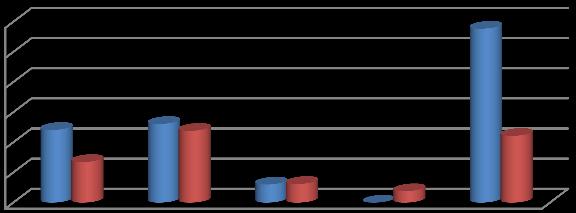
Table.4.8. List of the aggregates tests
S.No. List of aggregate test CWDs Conventional aggregate
Range of test Remark
1. Aggregateimpacttest 12.07% 6.74% <10.00(exceptionally strong), 10.00 20.00(strong)
2. Aggregatecrushing valuetest 13.06% 11.92% <45(wearingcourse), <30(concretepavement)
3. Specificgravityvalue test 3.01 3.10 2 3
4. Waterabsorption valuetest 1.50% 1.89% 1.00 2.00%
5. LossAngeles absorptiontest 28.87% 11.08% <40.00%
1. TheImpactValueofdemolitionaggregatesis12.07%,theseshowstheaggregates'resilience.
Hencethe testedvalues arein optimum range,sowe canuseitin allthelayers excepttop wearing surfacelayer ofroad pavement.
2. Two.TheCrushingValueofdemolitionaggregatesis13.06%,whichfallsbelowthe30%threshold.Inthisway,the aggregatesmightbeemployedinthetoplayer.
3. SomedeconstructionaggregatesfallwithinaspecifiedrangeofSpecificGravity.
4. Theaggregatesarethereforesuitableforuseinroadconstruction.
5. WaterAbsorptionisgreaterthan1.50%indemolitionaggregates.Theaggregatesmeetthestudy'srequirements, hencetheyaresuitable.
6. IntermsofLosAngelesAbrasionValue,demolitionaggregatesgeta28.87percentTherefore;theaggregatecanbe usedintheconstructionofroadpavement.
Consequently, every test involving demolition aggregates was a success, and these materials are ideal for use in the constructionofroads.
Comparative result of aggregate CWDs Conventional aggregate
Figure.4.1. Comparative Test Results of Aggregate
International Research Journal of Engineering and Technology (IRJET) e ISSN: 2395 0056
Volume: 09 Issue: 07 | July 2022 www.irjet.net p ISSN: 2395 0072
4.2. Result of marshal stability test
Table.4.9. List of the marshal stability test
S.No. List of aggregate test CWDs Conventional aggregate Range of test Remark
2. correctedmarshalstability value(inKN) 9.25 10.73 8.2 (minimum)
1. Flowvalue(inmm) 3.00 4.05 3 5 Hencethevalueisin optimumrange,so wecanuseinDBM course.
Corrected marshal stability value
0 2 4 6 8 10 12
Flow value (in mm) corrected marshal stability value ( in KN)
CWDs
Conventional aggregate
Figure.4.2. Comparative corrected marshal stability value
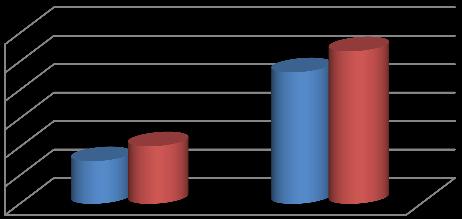
1. TheFlowValueofademolitionaggregateis3.00mm.So,becausetheyaresuitable,theaggregatescanbeusedinthe DBMcourseofpavements.
2. TheCorrectedMarshalStabilityValuefordemolitionaggregateis9.25KN.Thus,itcanbeusedtomakeaDBMcourse foraroadsurface.
5. CONCLUSION
Construction and demolition waste properties were tested as part of a DBM course. A comparison of the impact of conventionalaggregateversusconstructiondemolitionaggregateonthequalityofroadpavement.
1. ItwasdeterminedthatconventionalaggregatehadaMarshallStabilityof10.73kN.
2. Thetypicalaggregatehadanaverageflowof4.05mm.
3. TheCDWaggregate'sMarshallStabilitywasfoundtobe9.25KN.
4. CDWaggregatehadanaverageflowof3.00mm.
Found in construction debris, the Marshall Stability of 10.15 KN meets the MORTH specification parameters for the DBM course. As a DBM course in pavement design, CDW aggregate can be utilized to reduce the requirement for conventional aggregateandtoreducepollution,accordingtothefindingsofthisstudy.CDWaggregatecanonlybeusedinpavementdesign ifanewcrusherandsegregationplantarebuilttohandlethegrowingconstructionsector.TossingCDWrubbishintoariveror landfillishazardoustotheenvironmentbecauseoffastindustrializationandinfrastructuralconstruction.CDWwastecanbe used in road pavement design to reduce pollution on the ground. Disposable digital waste from CDW. Crushing and sorting facilitiesfortraditional aggregate areanalogous tothe need for a CDWwaste recyclingfacility.Nosignificantcostdifference appearstoexist,andtheroadconstructionprocessisidenticalforbothaggregates.
International Research Journal of Engineering and Technology (IRJET) e ISSN: 2395 0056
Volume: 09 Issue: 07 | July 2022 www.irjet.net p ISSN: 2395 0072
5.1. Future recommendation
1. Tobeemployedintransportationinfrastructures,anevaluationofthelong termperformanceofRAC(evenifRCDWA canbeusedinconcrete)isrequired.
2. The amount of water absorbed by a given material varies depending on the source. The water absorption rate of waste materials generated from porous roof tiles, ceramic tiles, and bricks were significantly higher than that of concretedebris.
3. Similartoaggregates,aparticlesizedistributioncurvecanbeusedtoevaluatethegradingofindividualparticles.The RCDW particle size distribution follows a particular pattern. Particle grading could be harmed if compaction leaves certainparticlespartiallycrushedandfractured.
4. Crushed fines from weakly adhering mortar or concrete in C&D waste may act as a bridging agent between coarse particlesinRCA,accordingtothistheory.
5. Increasing the thickness of the base reduces the compressive stress on the C&D waste material at the base's lower levels.A20 mm thickfoundationlayerhasbeenshowntobethemosteffectiveafternumeroustrials.
REFERENCES
Akhtar,A.;Sarmah,A.K.(2018). Construction and demolition waste generation and properties of recycled aggregate concrete: A global perspective. J.Clean.Prod.186,262 281.
Arun Kumar. U, Satyanarayana, P.V.V (2016). A Study on Impact of Industrial Wastes Utilization as Granular Sub Base (GSB) Material in Flexible Pavement Construction. IOSRJournalofMechanicalandCivilEngineering(IOSR JMCE).
Arun Kumar. U, Satyanarayana, P.V.V (2016). A Study on Impact of Industrial Wastes Utilization as Base Course Material in Flexible Pavement Construction. International Journal of Advances in Engineering and Technology (IJAET) ISSN: 22311963Vol.9,Issue1,pp.25 31.
AhmedS.F.U.(2012). Properties of concrete containing construction and demolition wastes and flyash. Americansocietyofcivil engineering,25(12),1864 1870.DOI:10.1061/(ASCE)MT.1943 5533.0000763.
Arulrajah, A.; Piratheepan, J.; Aatheesan, T.; Bo, M.W.; Asce, M. (2011). Geotechnical Properties of Recycled Crushed Brick in Pavement Applications. J.Mater.Civ.Eng.23,1444 1452.
Bocci Edoardo, Cerni Gianluca and Colagrande Sandro (2015). Mechanical Behavior of Asphalt Concrete Containing C&D Recycled Materials. ConferencePaperinRILEMBookseries·October2015.
Barbudo,A.;Agrela,F.;Ayuso,J.;Jiménez,J.R.;Poon,C.S.(2012). Statistical analysis of recycled aggregates derived from different sources for sub base applications. Constr.Build.Mater.28,129 138.