International Research Journal of Engineering and Technology (IRJET) e ISSN: 2395 0056

Volume: 09 Issue: 07 | July 2022 www.irjet.net p ISSN: 2395 0072
International Research Journal of Engineering and Technology (IRJET) e ISSN: 2395 0056
Volume: 09 Issue: 07 | July 2022 www.irjet.net p ISSN: 2395 0072
 Aarushi Dwivedi
Department of architecture, faculty of architecture and ekistics, Jamia Millia Islamia, New Delhi ***
Abstract Traditionalvernaculararchitecturecannotsimply sustain in modern world without some addition and alterations. Only theoretical knowledge is not enough to deal with problems related to future vernacular architecture so practical approaches is required which to be taught in architectural institutions for over all development of vernacular architecture. This thesis will formulate some guidelineswhichcanbeincorporatedinpedagogicalapproach while teaching students and professionals of architecture for overall sustainable development. This research will propose some principles that can be used in a pedagogical approach when teaching architecture students and professionals about overallsustainable developmentModernarchitectureappears to have forgotten about vernacular architecture, the most basic form of meeting human needs. There is still much to be learntfromtraditionalvernacular constructionknowledgein thisage offasttechnicalinnovationand urbanization.Ifthere is one thing to be learned from vernacular architecture, it is thatitservesasafundamentallinkbetweenhumansandtheir surroundings. The aim is to formulate a guideline for pedagogical approach in Architecture education in India to increase the scope of vernacular architecture in current education system. Building designers are embracing regionalism and the knowledge of traditional buildings as a result of the increased strain brought on by recent global environmental challenges, stating that these structures are energy efficient and extremely sustainable.
Key Words: vernacular architecture, Traditional vernacular architecture, modern vernacular architecture
Itisatermusedtocategorizeconstructionmethodsthatuse locally accessible instruments and customs to meet local needs.Vernaculararchitecturetendstoevolveovertimeto reflectthenatural,cultural,andhistoricalcontextinwhichit exists.Ithasoftenbeendismissedasrawandunrefined,but inthemodernform,italsohasproponentswhohighlightits merit.Vernaculararchitectureisarchitecturecharacterized bytheuseoflocalmaterialsandskills,usuallywithoutthe supervisionofqualifiedarchitects.
Vernacularbuildingsofthepastcontainedhousesandplaces belonging to residents. Traditionally, these houses were madeavailableandusedvernacularskillsbytheownerand building contractors with related environmental
consequences and facilities. All vernacular architecture styleshaveestablishedcultures,populationsandwaysoflife withvaluesthatconformtothem(PAUL,1983)
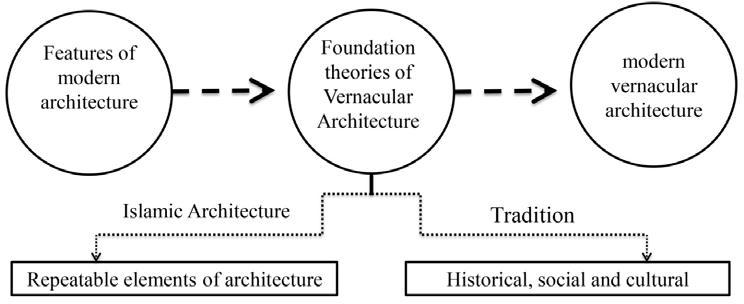
Theauthorsproposedaneducationalmodelforvernacular architectureinordertoconcentrateparticularemphasison vernacular architectural design as well as educational approaches focused on conventional and contemporary values.
Inthisstudy,theauthorperformsastudyforastudyInthis study, a questionnaire was given to Msc students and architectstouseanacceptableresearchorientation.There were7questionsinthequestionnaire,including3primary questionsand4substitutequestions.Thesurveyconsisted of 53 subjects irrespective of ethnicity, including 32 engineersand21MScstudents.
International Research Journal of Engineering and Technology (IRJET) e ISSN: 2395 0056
Volume: 09 Issue: 07 | July 2022 www.irjet.net p ISSN: 2395 0072
1stYear HistoryofArts(2Creditunits)
2nd Year Introduction to Traditional Architecture and Techniques(2Creditunits)
3rdYear TraditionalArchitectureandTechniques(3Credit units)
4th Year Modern Trends in Traditional Architecture (3 Creditunits)
Fig 2:
Incontemporaryarchitecturemethods,theresearchanduse of experience and skills. For vernacular architecture compliantwiththefuturearchitecture,threetechniquesand thesimpletrendscanbeconsidered.
The proper description and interpretation of the roles of vernacularandconventionalarchitecture.
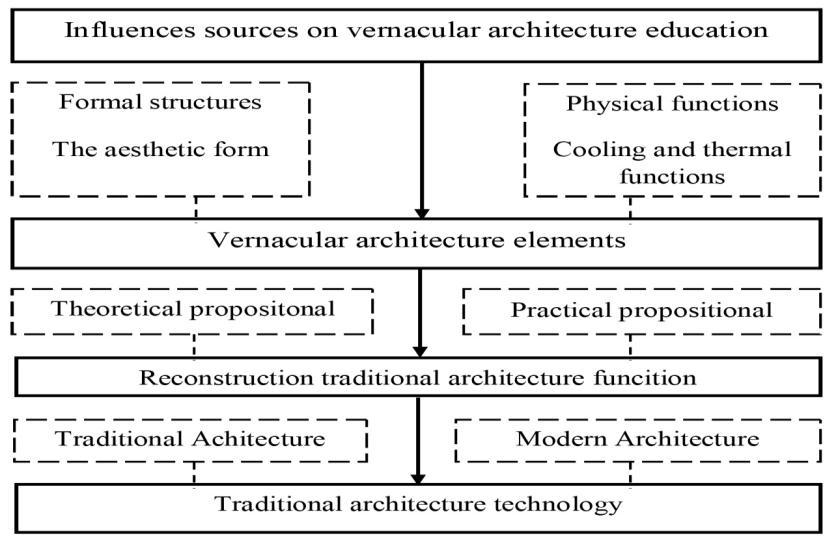
Definition of concepts and success of typical elements of architecture.
Restorationofandconvergenceoftraditionalarchitectural technologiesforfuturearchitecture
Architecture should be investigated as a cultural practice and the ongoing continuity of human beliefs in order to resolvevernaculararchitecture,sothatplannerscanbecome acquainted with the dramatic developments in contemporaryculture.
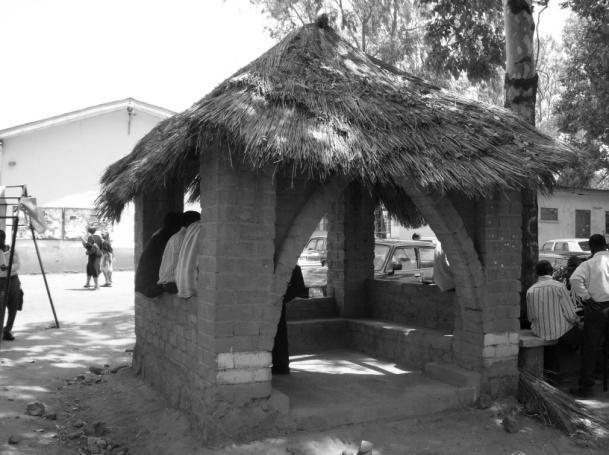
ResearchofpedagogicalmethodsusedattheUniversityof Jos, Nigeria, for the teaching of vernacular architecture modules. The extent of student interest in vernacular architecturewasinfluencedbytheimprovementsmadeto theteachingofthemodules.
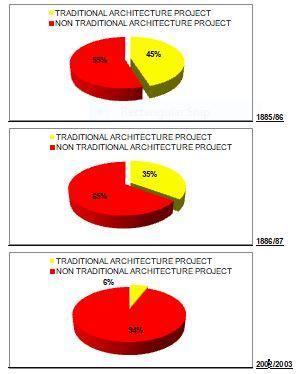
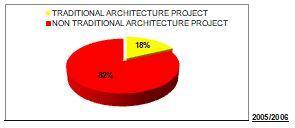
This research uses secondary evidence to follow a longitudinalapproachcoveringatotalof20years.Thedata contains reports of dissertations from students received fromfiveacademicsessionsbetween1985/86 2005/06.In itsprogram,onlythearchitecturalschoolatAhmaduBello University,ZariainNigeria,whichwasoneoftheeight,had as many as four courses of socio cultural content. With a broadsocio culturalcontent,sixcourses.
Fig 3: Traditionalhutsbuiltbystudentsforthe3rdand 4thyeargroupprojectsin1997and1998sessions
International Research Journal of Engineering and Technology (IRJET) e ISSN: 2395 0056
Volume: 09 Issue: 07 | July 2022 www.irjet.net p ISSN: 2395 0072
ThephilosophyoftheUniversityofJosArchitectureSchool focusesonfosteringnatureandculturethroughdesignand thisisexpressedinthenumberofcoursesinthecurriculum that have socio cultural content. From the 1999/2000 session, less emphasis was placed on fieldwork and live buildprojects,andintheconventionaldesignmodule,the pedagogy of making was prominently eliminated as a teaching methodology and replaced with analytical work. Dailyevaluationsontheefficacyorimprovementsmadeto pedagogicalmethodsareimplementedandTheimpactson student cognitive standards of new course inclusions or removals are not checked out by the school authorities. Students’participationintraditionalarchitectureclasses,as shown in their ability to pursue traditional architecture relatedprojectsfortheirBScdissertations,wasdiminished.
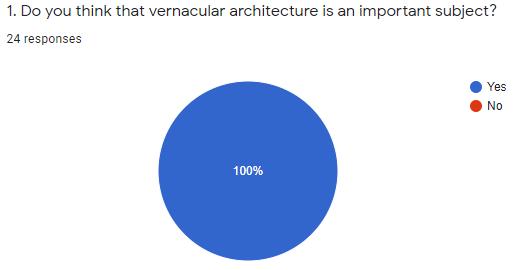
100%resultinclinedtowardsyes,allfacultythingthat vernaculararchitectureisanimportantsubject


s purpose
Both29.2%facultythingthatvernacularisintroduceinboth 2nd and3rd yearorallyear.
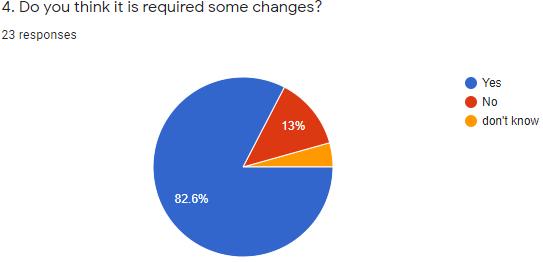
2.6%facultythingthatvernaculararchitectureneedsome changesintheircurriculum
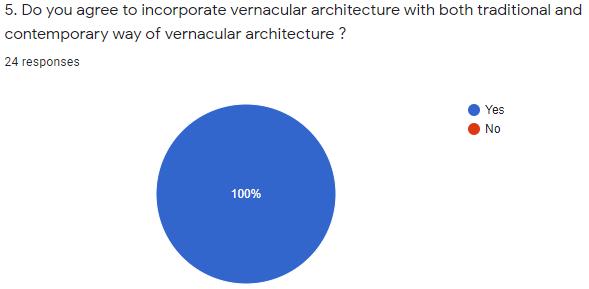
Incorporationofbothtraditionalandcontemporarywayin vernaculararchitecturepreferbythefaculty
International Research Journal of Engineering and Technology (IRJET) e ISSN: 2395 0056
Volume: 09 Issue: 07 | July 2022 www.irjet.net p ISSN: 2395 0072
[6] UrbanVernacularshouldbedweltupon!Vernacularis stillassociatedwiththewider'Rural'.Howeverthisis notthecase.
[7] Engagedstudentswithpracticalworkfortheirbetter understandingofvernaculararchitecture
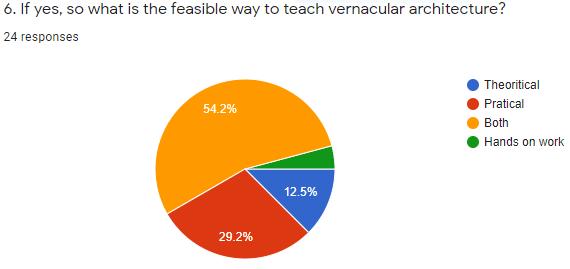
[8] Follow both practical and theoretical method for vernaculareducation
Mostofthefacultywantsthatvernaculararchitectureshould beteachwithbothpracticalandtheoretical
[1] Itshouldnotbeincludedasanelectivecourse.Itdeals withnature,whichiswhyitshouldbeincludedinthe basiccurriculum.Becauseitisavitalsubject,itshould betaughtalongsidethecoresubjects.
[2] Some courses require longer study time, and vernacular architecture is one of them. It should be taughtmoresystematically.
[3] Examine how climate, behavior, culture, and locally availableresourcesinfluenceandmodifyvernacular architecture.
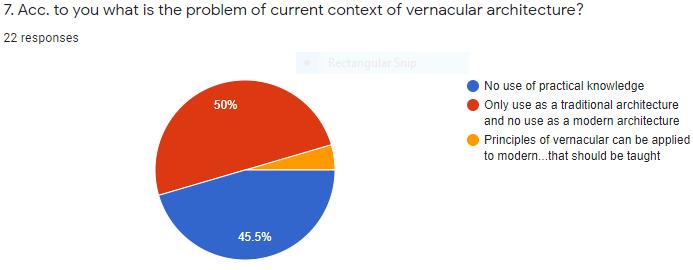
Most of the issue of current context of vernacular architectureisthatthereisnouseofpracticalknowledgein thecourseandnouseofcontemporaryarchitectureinthe syllabusonlytraditionalarchitectureuseisthere
8.Suggestsomenewmethodologythroughwhichvernacular architectureshouldbetaughtintheB.Arch.toimprovethe importanceandfutureofvernaculararchitecture?
[1] Toincorporatethemindesignstudiosothatstudents candesignandlearn.
[2] Vernacular architecture should be taught in every b.Arch course so that student can explore old constructiontechniques.
[3] There should be proper knowledge of modern and traditional technique and also some practical work should be introduce in this subject instead of theory only.
[4] Engagementofstudentswithruralcrafts,artisansand local building materials and techniques by allowing them to stay in a particular place for some time , identifyingtheissuesandproposesomethingnewor applytheprinciplestodesignsomethinginthemodern context.Notonlybuildingbutfurniture,crafts,etcwith aliveprojectwouldbegreatlearningforstudents
[5] Since the recent time calls for sustainable built environment,startingwithvernaculararch.Willbeof greatvaluetotheenvironment.
[4] It should also explore the connections between buildings and the fabric of a place, as well as the human environment and human society relationships.
[5] Understandingvernaculararchitectureentailsmore thanevaluatingastructureoracollectionofbuildings justonthebasisoftheiraestheticfeatures.Students mustbeinformedwiththecountry'shistoryand/or philosophyinordertounderstandthearchitecture.
[6] The study of vernacular architecture should be combined with the architectural design studio in ordertoeliminatetheadditionalcostoffieldwork.
[7] Studentsalsorequirefieldworkthatexposesthemto vernacular architecture in its natural environment. Only fieldwork will offer the student with firsthand knowledgeofthevariouscomponentsofvernacular architecturalspace,aswellassociological,economic, and cultural phenomena that are manifested in the organizationofhumaninstitutionsandcontributeto thecreationofavernacularstyle.
[8] In this, the function of the instructor is also crucial. Teachers should choose a vernacular architectural example based on their knowledge for classroom study and field visits, and instructors should participateinfieldworkandbuildingrecordingwith theirstudents.
[9] It is equally critical that architecture students comprehend the role of vernacular architecture in
International Research Journal of Engineering and Technology (IRJET) e ISSN: 2395 0056
Volume: 09 Issue: 07 | July 2022 www.irjet.net p ISSN: 2395 0072
societyfromtheperspectiveofculturalanthropology (Hershberger,1988).
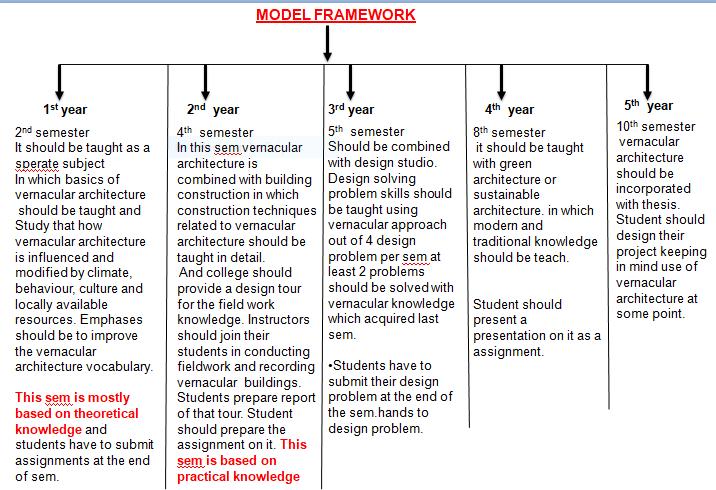
[10] Thepracticeofvernaculararchitectureasacultural phenomenamustbeinvestigated.Studentswouldbe abletoincorporatetheircultureintotheeducational system and express themselves using a vocabulary that they are comfortable with if they used this approach to studying vernacular architecture. It is also intended that students would be able to build their own conceptual approach to solving design challengesbasedonthisfoundation.
[11] To address vernacular architecture, researchers shouldlookintoitasaculturalphenomena,aswellas the continuous stability of human values, so that designers can keep up with modern society's rapid changes. Architectural education programmes must give pupils with a thorough understanding of the society'shistoryandculture.
understandingofvernaculararchitecture.Ifwelookat theglobaltrendinvernaculararchitectureeducation, we can see that the vernacular architecture that is taught at various architectural institutions places a strong emphasisontheoreticalknowledgeaswell as practicaltechniques.
[3] With future globalization in mind, vernacular architecture knowledge cannot be adopted as is without certain additions and adjustments. Some alterationstovernaculararchitecturearerequiredin orderforittobeusedforsustainabledevelopmentin the future, and it should be taught to architectural professionals and students with a balanced practical andtheoreticalknowledge.
[4] After reviewing the literature and conducting a case study, I discovered that certain colleges do not adequately teach vernacular architecture, thus it should not be an elective course. It is an important subject that should be taught in the same manner as coresubjects.
[5] Withoutsomeadditionsand adjustments,traditional vernacular architecture cannot simply survive in the modern world. Only theoretical knowledge will not sufficetoaddressissuesrelatingtofuturevernacular architecture;practicaltechniques,whichwillbetaught in architectural schools, will be required for overall vernacular architecture development. The study of vernaculararchitectureshouldbecombinedwiththe architecturaldesignstudiotoreducethecostoffield work.
[1] Oliver, Paul, 1997. Encyclopaedia of Vernacular Architecture of the World, Cambridge University Press.
[1] Modernarchitectureappearstohaveforgottenabout vernaculararchitecture,whichisthemostbasicform of meeting human needs. There is still much to be learnt from traditional vernacular construction knowledgeinthisageoffasttechnicalinnovationand urbanization.Ifthereisonethingtobelearnedfrom vernacular architecture, it is that it serves as a fundamental link between humans and their surroundings. Building designers are embracing regionalismandtheknowledgeoftraditionalbuildings asaresultoftheincreasedstrainbroughtonbyrecent global environmental challenges, stating that these structures are energy efficient and extremely sustainable.
[2] For overall sustainable development, architects and architecture students must have a strong
[2] https://blog.marcantonioarchitects.com/traditional architecture faq/
[3] Foruzanmehr, Ahmadreza,. Fergus, Nicol,. 2008. Towardsnewapproachesforintegratingvernacular passive cooling systems into modern buildings in warm dry climates of Iran; Network for Comfort andEnergyUseinBuildings,AirConditioningand the Low Carbon Cooling Challenge“, Cumberland Lodge,Windsor,UK,27 29thJulyLondon.
[4] https://encyclopedia2.thefreedictionary.com/Archi tectural+Education
[5] https://www.slideshare.net/sslele456/vernacular architecture
[6] https://www.sciencedirect.com/science/article/ab s/pii/S0197397596000562
[7] Oliver,Paul,1983.PerfectedforNeeds:Vernacular Architecture in Education. Habitat International, 7(5 6):337 383
[8] https://swayam.gov.in/nd2_cec19_ar01/preview
[9] https://academicjournals.org/journal/IJVTE/article full text pdf/094B31654372
[10] http://pubs.sciepub.com/ajcea/3/2/2/
International Research Journal of Engineering and Technology (IRJET) e ISSN: 2395 0056 Volume: 09 Issue: 07 | July 2022 www.irjet.net p ISSN: 2395 0072 © 2022, IRJET | Impact Factor value: 7.529 | ISO 9001:2008 Certified Journal | Page1900