
Development & Future of Lithium-ion Batteries
Bhagyashree Ankush Alandkar
Abstract – This researchpaper provides users with an overviewoflithium ionbatteriesandtheirexpansioninthe futureandother solutionsthatwecanuseinthecurrent yearandintheyearstocome.

Lithium batteries often power our gadgets, but the equipmentitselfisrareand,byextension,cheap,lithiumis not readily available, and the cost of mining and refining canproduceahugebudget.applications. Li ionbatteries are a powerful source of digital power in the modern mobile phone community, used exclusively for mobile phones and laptops. The commercial success of Li ion batteries in the 1990's was not just a nightmare, but the result of in depth research and the contribution of many great scientists and engineers. Then many efforts were made to improve the performance of Li ion batteries, achievingsomesignificantprogress.Inordertomeetthe growingdemandforenergystorage,especiallyinthemost popular electric vehicles, intensive research is needed to develop the next generation Li ion batteries with incredibleimprovements,includingsomeimprovedpower and volumetric power density, mobility, charge level, stability,andsafety. Therearestillsignificantchallengesto thedevelopmentofthenextgenerationofLi ionbatteries. New battery concepts should be further developed to extend be yond Li ion batteries in the future. In this tutorialreview,thefocusisonintroducingbasicconcepts, highlighting recent developments, and discussing the challenges associated with Li ion batteries. A brief discussion on the widely read "Li ion batteries" is also provided.
Key Words Li ionbatteries,gadgets
1. INTRODUCTION
Li ionbatteries,asoneofthemostadvancedrechargeable batteries,haveattractedalotofattentionoverthelastfew decades. They are currently the leading mobile energy sourcesinportableelectronicdevices,usedexclusivelyfor mobile phones and laptops. Li from the last two decades, aboutthesametimeasLi ionbatteries were onsale.Asa person may have noticed in his daily life, the increasing efficiencyofmobileelectronicsisalwaysdemandingbetter Li ionbatteries.Forexample,charging acellphonewitha gradual increase in efficiency as the current phone will improve the qualityof lifeofa person. Anotherimportant growing market for Li ion batteries electric vehicles and hybrids,requirenextgeneration.
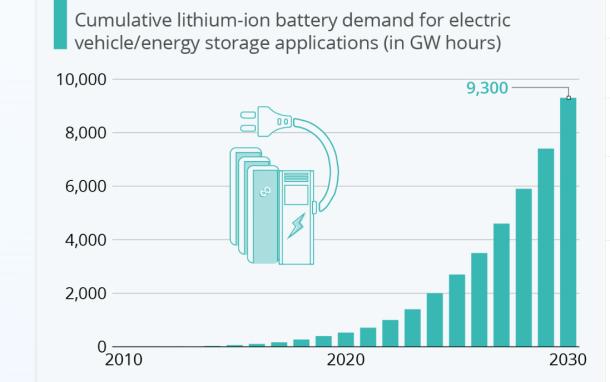
Li ionbatterieshavenotonlyhighpower,highcapacity,high chargingrate,longlife,butalsosurprisinglyimprovedsafety performance and low cost. In the USA, the Obama administrationhassetitselftheambitiousgoalofhavinga millionintegratedvehiclesontheroadby2015.Thereare similar programs to promote electric and hybrid vehicles. The demand for Li ion batteries is growing rapidly, especially with the demand for electric vehicles. It is expectedthatapproximately100hoursGWLi ionbatteries are needed to meet the demands from consumer consumptionandelectricvehiclesandlatertakeupalmost 50% of Li ion battery sales by 2018. In addition, Li ion batterieswillalsobeusedtopreventperiodicandvariable green energy supply from renewable re sources, such as solar and wind, in order to smooth out the difference betweenenergysupplyanddemand.Forexample,additional solarenergygeneratedduringthedaycanbestoredinLi ion batteriesthatwillprovideenergyatnightwhensunlightis notavailable.LargegridLi ionbatteriesforusewillrequire thenextgenerationofbatteriestobeproducedatlowcost.
I hope to present a complete review of other Lithium ion battery solutions and programs to make that solution effectiveinthispost.
2. APPLICATION OF LITHIUM-ION BATTRIES
Lithium ion battery (Li ion) is an advanced battery technologythatuseslithiumionasakeycomponentofits electrochemistry.Ithasawidevarietyofapplicationsin everydaylife.
HomeBatteryUse:Disposablebatteriesenableitemssuch asremotecontrols,flashlight,etc.Rechargeablebatteries such as alkaline batteries used in cell phones, digital cameras, portable video game consoles, etc. Advanced batteriessuchaslithiumbatterieshavealotofpower,for example:laptopsandotherdevices.
BatteryUseinHealthTools:Artificiallimbs,hearingaids, insulinpumps,battery poweredvalveassistancede vices. Mercurybatteriescanbeusefulforphotolightmetersand electronic devices such as real time clocks in electronic devices.
MedicalBatteryUse:TheECGheartmonitorisconnected tothebatterysothatitcanbemovedwiththepatientand kept open to indicate the patient's priorities. Hospitals userechargeablebatteries,suchaslithium ionbatteries andnickel cadmiumbatteries.
M. Sc IT, Keraleeya Samajam (Regd.) Dombivli’s Model College, Maharashtra, India
International Research Journal of Engineering and Technology (IRJET)
Volume: 09 Issue: 04 | Apr 2022 www.irjet.net
Battery Use in Management and Construction: Hard workingbatteriesareusedtopowerdevicessuchasfork lifts because they emit air and carbon monoxide while burningcanbeseenasdangerousinconfinedworkplaces. Lead acid battery is used to start, light, and light cell phones.
Battery Use in Firefighting and Emergency Response: Batteriesusedinradiosareveryimportantinresponding to emergencies. These radios use large batteries tohold large charges. flashlights, ECGs and even metal or fire detectors use batteries. Every day these machines help savelives.
BatteriesUsedinMilitaryOperations:Batteriespowerthe radiosusedforcommunication.Eveninfraredmirrorsare powered by batteries. Lithium provides longevity for devices,andsilveroxidebatteriesareusedinmilitaryand submarines.
Battery Use in the Car: Electric Car Battery (EVB) is commonly used in cars. This battery is used to power electric motors for electrical vehicles. Electric car batteries are often recharged. Lithium ion batteries are oftenusedinelectricvehicles.
3. CHALLENGES IN LITHIUM-ION BATTRIES
Li ionbatterieshavebeenonsaleforalmosttwodecades. Thetechnologyisconsideredrelativelyadvancedbasedon currentbatterychemistry.Li ionbatteriesarewidelyusedin portable electronics, including cell phones and laptop computer, and are beginning to play a growing role in electricvehicles.Lithium ionbatterieswillalsoberecycled into sustainable energy grids to con serve sustainable energy produced from renewable sources. The growing demand for energy storage requires further upgrades to existingLi ionbatteriesandnext generationupgrades.
Li ion batteries, in particular, reduce the cost of Li ion batteries. It remains a major challenge to develop a new battery chemistry to replace existing Li ion battery technology.
ThermalRunway:Li ionbatteriesaretemperaturesensitive and voltage sensitive. Protected area with temperatures rangingfrom10°Cto+55°C.Thefirstchanceofalithium ionbatteryistheelectrolyte,whichisinitscore,ignitingthe flame.Asthebatterytemperaturerisesabove~80°C,the exothermicreactionrateonthebatteryincreases.
There are various reasons for overheating, as well as overcharging, exposure to high / low temperatures, rapid externalorinternalcircuits.Internaldeficiencyisoneofthe firstcausesofheatloss.
ISSN: 2395 0056
ISSN: 2395 0072
ShortInternalCircuits:Abuseandoverchargingcancreate faster internal circuits. As the battery turns full of lithium ion,itexpands.Toomuchlithiumcanautomaticallyde press thebatteryandjeopardizetheinternalinstallation.Inafew cases, overcharging can result in an electron undertaking metaldepositbetweenelectrodes.
Chargingproblems:Thebatteryshouldbefullychargedata temperature of +5 ° C to + 45 ° C. Li ion batteries, when overheated or overcharged, must undergo major damage suchasheatdissipationandcellexplosion.Excesscharging willstopwithinthedecayofthecathodematerial,asaresult oftheremovalofelectrolyte.
4. ALTERNATIVE SOLUTION FOR LITHIUM ION BATTRIES
The use of Graphene is set to bring significant changes to batteriesbyincreasingtheirdensityandmayevenexceed theLiionbattery.
Sodium IonBatteries
Fromanimportantpoint,sodiumisthemostdirectformof lithium. The chemistry is very similar, and the current technologyiscompatiblewithsodiumionswhilesodiumis moreabundantandcheaperthanlithium.Theredoxpower ofsodiumisalsoverysimilartothatoflithiumleadingtothe same voltages of the battery. The main drawback is that sodiumhaslowgravimetriccapacityofcomparedtolithium. Sodium and lithium both release the same electron when they form ions, but sodium is three times heavier. This makessodiumacandidateforchancesofconvertinglithium to devices where total weight is availableit is important. However,lowcostandhighdancingmakesodiumattractive tothegridfinishapplications.AlthoughmostcurrentLi ion techniqueisrelatedtosodium,graphite basedanodeisnot the same. This is said to be in both high sodium ionic radiation(1.02Å)andweakchemicalbonds.betweenNa ion andcarbonsubstances.
Zinc IonBatteries
Zinc ionbatteriesre chargedisoneofthemostpromising waystosavegridpower.Theyaresaferthanlead containing batteries. Some of these are easier to melt and absorb comparedto,forexample,magnesium.MetallicZnanodes are stable than Mg but suffer from dendrite formation. Ramanianodestabilitycausesmostsearchestore focuson thecathodeandelectrolyte.ToyotaHydrogenfuelcellsstill connecttohydrogenfuelvehiclesandarenottheonlyones workingtofindasolution.Why?However,heatinghydrogen produces water only as a product, it is more efficient and cleaner than lithium, when it comes to producing and reusingitattheendofacar'slife. Butthereisonestumbling block,anditisgreat.Wecannotcurrentlyproduceenough
Issue:
Journal of Engineering and Technology
hydrogenwithoutswitchingtofossilfuel,whichisnottrue. Researchers around the world are working on genetically modified algae and other ways to convert water into hydrogen,butatpresenthydrogenisrelativelyinexpensive to produce. If someone is able to break the hydro gen conundrum,however,itmaybeeasiertousethanlithium ionbatteries.
Lithium sulfurbatteries
Thisisnotavisionforadeepfuture lithium sulfurbatteries werecomingandcouldbesoldwithinafewyears.Thatis,if bettertechnology doesnot comefirst. Sony isworking on thistechnologyandsays thatnewlithium sulfur batteries will have 40% higher power and production costs lower than today's lithium ion batteries. There are problems, as theelectrodesdropveryfastincommercialuserightnow, but many institutions are working on a solution to this stumbling block. Lithium sulfur may be the centre of the lithium ioncentre,ratherthanfollowingveryfast,butitis ontrackandwillbeasignificantimprovement.
GraphenesupercapacitorsBatteries
candisappearsignificantlyorlessovernightifwecanfinally becomenanotechnologyexpertsandproduceastableand usable version of graphene. Yes, that could mean we get betterbatteries,too,butgraphenesupercapacitorsshouldbe thebestoption.Supercapacitorscanchargeanddischarge much better than batteries. So, alt although holding less powerperunitvolume,candoamuchbetterjobofpower supply and recharge. If we can really make them with graphene, we will achieve energy density through weight conservationandimprovedpackaging. Onceweareableto do it commercially, it will change the world of material science, textile technology and much more. We have been tryingtoskiptheriddleofgrapheneforoveradecadeand some of the world's most prominent minds have been shortenedtothepresent.They’llgetthere,we’resureabout that,butwedon’tknowwhenwe’llhavethegraphenesheets availablecommercially.
Aluminium graphitebatteries
Stanford University has developed an aluminium battery thatcanreducechargingtimes.Thesmartphonecanbefully charged in 60 seconds and the car can charge in minutes. Currently1.5vpowerisnotenoughforacar,decentphone, ormoreorlessthananythingelse,butresearchersarenot enough.toworkwith.Withaluminiumwithapoorlycharged cathodeandgraphiteanode,itissafe,lightweightandhas the potential to improve power density. We are not even close to a complete battery, which is sold in aluminium graphite.Butitcouldbeforfuturereference.
Bioelectrochemicalbatteries
Thistechnologyusesanaerobicbacteriatoprocessacetate intheformofreduction/oxidationthatreleaseselectrons. That is not close enough, so electrochemical bio batteries will not be an option for a while. Once reached, the bio electrochemicalbatteryofthebatterywillbecomeanatural bed for solar panels, as researchers adjust the battery to holdpowerfor16hoursandreleaseitoverthenexteight. Technicallythebacteriacanreproduce,andthebatteryhas almost no life, but there are many hurdles that must be overcomebeforethislithium ionalternativecanbecomea realityinmanufacturing.
Solarpanels
at present, solar panels do not work in a horrible way. Basically, they suck. Fisker Karma had a solar roof and provided only one mile of extra width, but this should change.ElonMuskdoeshardworkonthesolarroof,Nano technology can provide quantum jumps on its own, and futuresolarpanelswill be muchbetter.Theywouldbe so nice,infact,thatthewholecarareacouldbeasolarpanelfor yearstocome.Willthatbeenoughtopowerthecar?Thereis alongwaytogoandthepanelsneedtogetbetter,butthey will get better. So future cars can be completely self sufficientandmaybeabletoregainpower
Solidstatebatteries
Solidstate(SSD)batterieshavehelpedtakedatastoragetoa whole new level in lap tops and similar technologies can advancebatterytechnology.Technically,solidbatteriescan provide the same type of thin film batteries can give you more than lithium ion. Solid state batteries will not only offerefficiencyandpackagingadvantages,butwillalsobe muchsafer..Theriskoffireisreducedtoalmostzeroand Tesla'srecentcrashprovedthepotentialbonus.Thebattery can last a lifetime, and the weather will not affect its efficiency
Li IonBatteriesUsePorous
Lithium ionBatteries(LIBs)arewidelyusedingridenergy storageandhybridelectricvehicles,butcommercialLibite anode batteries cannot meet the high energy storage requirements. (1 3) Other theoretical materials of high theory are made, such as silicon / carbon compounds, carbon dioxide, transition metal chalcogenides, and transition metaloxides.
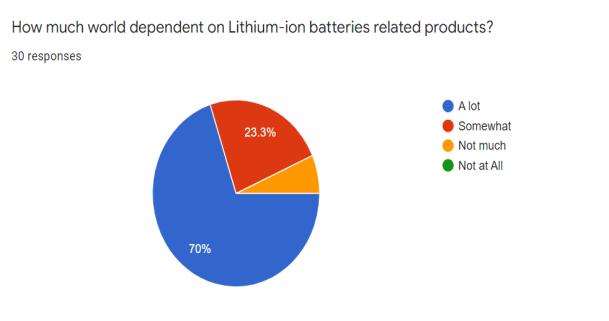
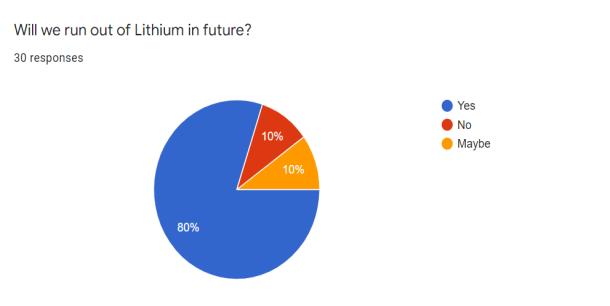
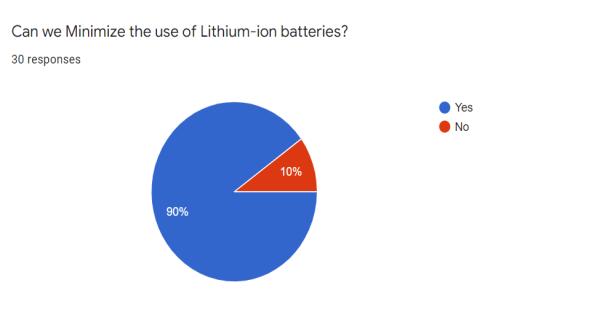
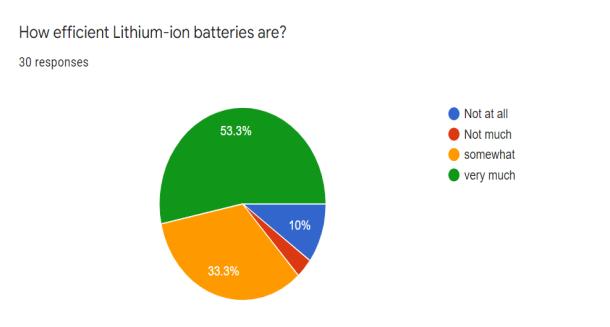
Engineering and Technology
6. CONCLUSION
Insummary,almosteveryoneintheworldisaffectedbyLi ion batteries. Li ion commercial success Batteries are the result of extensive research and the involvement of many great scientists over the decades. Recently, considerable efforthasbeenputintoimprovingtheperformanceofLi ion batteries, achieving some degree of success. Significant problemsremain.IntensiveresearchisneededtoachieveLi ionbatteriesforthenextgeneration.Privateorganizations investheavilyresearchanddevelopmentofLi ionbatteries thatcouldleadtomoreadvancedproductsinachievingthe positiveimpactsthatareimportanttooursociety.Categories canmakedonationsbytakingideasandideasoutofthebox. Batterysafetyandcontinuousbatteriesshouldreceive the attention and attention they deserve in the future. New batteryideasneedtobedevelopedtomovebeyondLithium ion batteries in the future. LCA and TEA are good Li ion batterytestingtoolsforthenextgenerationandbe yondLi ionbatteries.
7. ACKNOWLEGEMENT
Iamoverwhelmedalltoldhumblenessandthankfulnessto acknowledgemydepthtoanyorallthosethathavehelped me to place these concepts, well on top of the amount of simplicityandintoonethingconcrete.
Iwouldliketoexpressmyspecialthanksofgratitudeto Asst.Prof. Gauri Ansurkar who gave me the golden opportunity to do this wonderful research on the topic "Development&futureofLithium ionbatteries",whichalso helped me in doing a lot of Research and I came to know about so many new things. I am really thankful to her. I expressmydeepestgratitudetowardsourresearchpaper guideforhervaluableandtimelyadviceduringthephasesin research. I would like to thank her for providing all the facilitiesandsupportastheco coordinator.
Anytryatanylevelcan’tbesatisfactorilycompletedwhile not the support and steering of my oldsters and friends helped me in gathering totally different info, aggregation informationandguidingmefromtimetotimeinmakingthis paper, despite of their busy schedules, they gave me differentideasinmakingthisprojectunique.
8. REFERENCES
2395
https://www.euronews.com/green/2022/02/09/we re facing a lithium battery crisis what are the alternatives
Wikipediafor Lithium-ionbattery
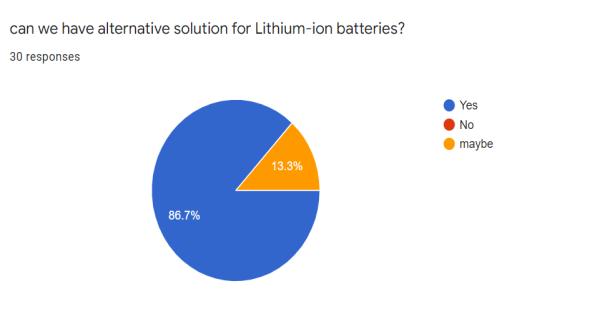
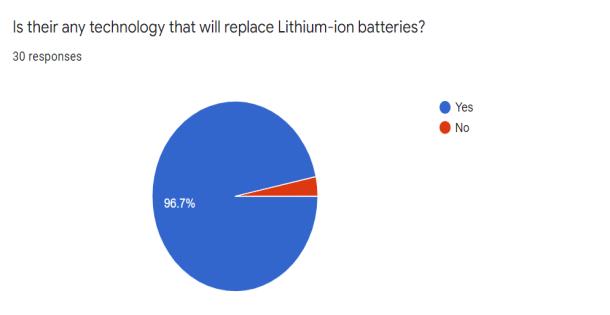
Figure,charts andsurvey
VKhb1vA1UzDc26Mi2B26r_DW38zwDnjndNE8xA/viewfor m?usp=sf_link