A scholarly review on revealing the influence of unforeseen sub-factors in the study of adaptive thermal comfort in classrooms of primary and secondary school environments
 P.Kishorekumar khizaraadil
Abstract: Abstract: According to ANSI/ASHRAE-standard 55 definition, thermal comfort is "the state of mind that reflects happiness with the thermal environment and is evaluated subjectively." Because of this, a building's status regarding the health and welfare of its occupants, including characteristics of design, analysis, and operation, could enhance energy efficiency, promote health, and provide a comfortable built environment One-fifth of the world's population spends more than 30% of their time in educational facilities like schools and universities, which are among the most important. Poor thermal comfort in schools can significantly impact students' health and academic performance Due to their greater core body temperatures and underdeveloped thermoregulation capacities, children are more vulnerable to higher temperatures than adults. Hence a Thoughtful school design and operation can improve thermal comfort, health, and performance. There are several studies conducted worldwide addressing adaptive thermal comfort, but only very few of the studies focus on the
education sector in which comparatively fewer studies have been conducted on adaptive thermal comfort in non-airconditioned classrooms at school premises. This paper conducts a scholarly review in revealing the unforeseen sub-factors (Age, Gender, seasonal change, Local thermal comfort, Socioeconomic, Adaptive Behaviour, Passive cooling and heating, Building refurbishment, Building envelop, Orientation, Placement of windows, Assessment model) that are influencing the four main factors of thermal comfort (air temperature, radiant temperature, metabolic rate, and clothing insulation) prescribed by the standards from the papers published in past the 15 years in adaptive thermal comfort in a classroom environment of primary and secondary school.
Keywords- Thermal comfort, indoor environment, socio-economic, building envelop, assessment model, adaptive thermal behavior
1. Introduction:
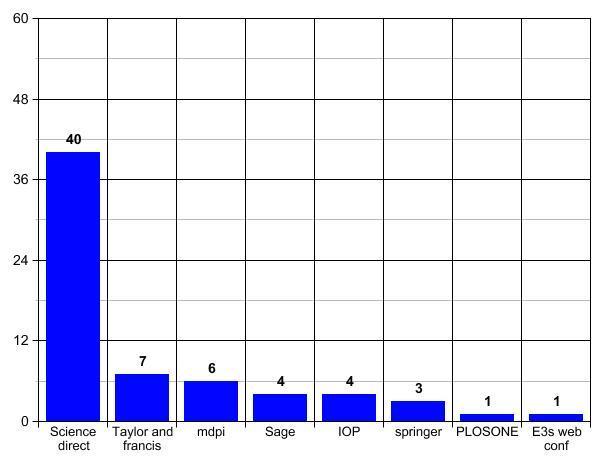
Inmoderncivilizations,themajorityofpeople'stimeisspentindoors. Childrenspendmoretimeatschoolthaninany other building, except in their homes, emphasizing the need to maintain appropriate indoor thermal conditions in these facilities. Initial studies in primary and secondary grades consistently point to lower temperatures recommended for schools than for individuals [1] A student's performance and well-being are significantly impacted by the thermal environment quality of a classroom. In this regard, the current study was conducted to investigate the evolution of classroom-based thermal comfort studies over the preceding years [2] According to prior research, children frequently experience temperature differences from adults, which should be considered when designing energy-efficient and comfortable learning spaces. Additionally, the use of various models to analyzeadaptive thermalcomfort can have an impacton theresultsof fieldstudiesandshould beinvestigatedthoroughly [3].Additionally,itappearsthattherearen't anycriteriaforthermalcomfortineducationalfacilities,giventhelawsalreadyinplace,suchasISO7730[6]ASHRAE55 [7,] and EN 16798-1seems to be not sufficient to provide comfortable conditions for students and teachers. These recommendations, which don't take into account due to the preferences of specific pupils and teachers, are based on research done in labs[6] or field studies using comfort data gathered from healthy adults in buildings all over the world[9][10] Indeed,standardsarefrequentlybasedondose-responsemodelsthatcannotaccountforpeople'sindividual preferencesandneedsandwerefrequentlyestablishedforcontextslikeoffices;asaresult,theydonottakeintoaccount thespecificsofeducationalbuildings.Thisemphasizestheneedforadditionalresearchintowhethertheadaptivecomfort modelcanbeappliedtochildreninitscurrentform. Otherfactorsbesidesthoseoutlinedbycomfortstandardsinfluence the way individuals perceive heat in classrooms. Further investigation is necessary given the properties of buildings[4] and social variables that may affect inhabitants' thermal perception [5], thus this paper conducts a scholarly review on exposingtheinfluenceofunforeseenfactorsontheprescribedforeseenfactors(air temperature,radianttemperature,air velocity, humidity, metabolic rate, and clothing insulation) in the adaptive thermal comfort level of the primary to secondaryschoolchildreninsidetheclassroomenvironmentforthepastfifteenyearsfromthetimeofthestudy.whichis shownin Fig2.
International Research Journal of Engineering and Technology (IRJET) e-ISSN:2395-0056
Volume: 09 Issue: 10 | Oct 2022 www.irjet.net p-ISSN:2395-0072
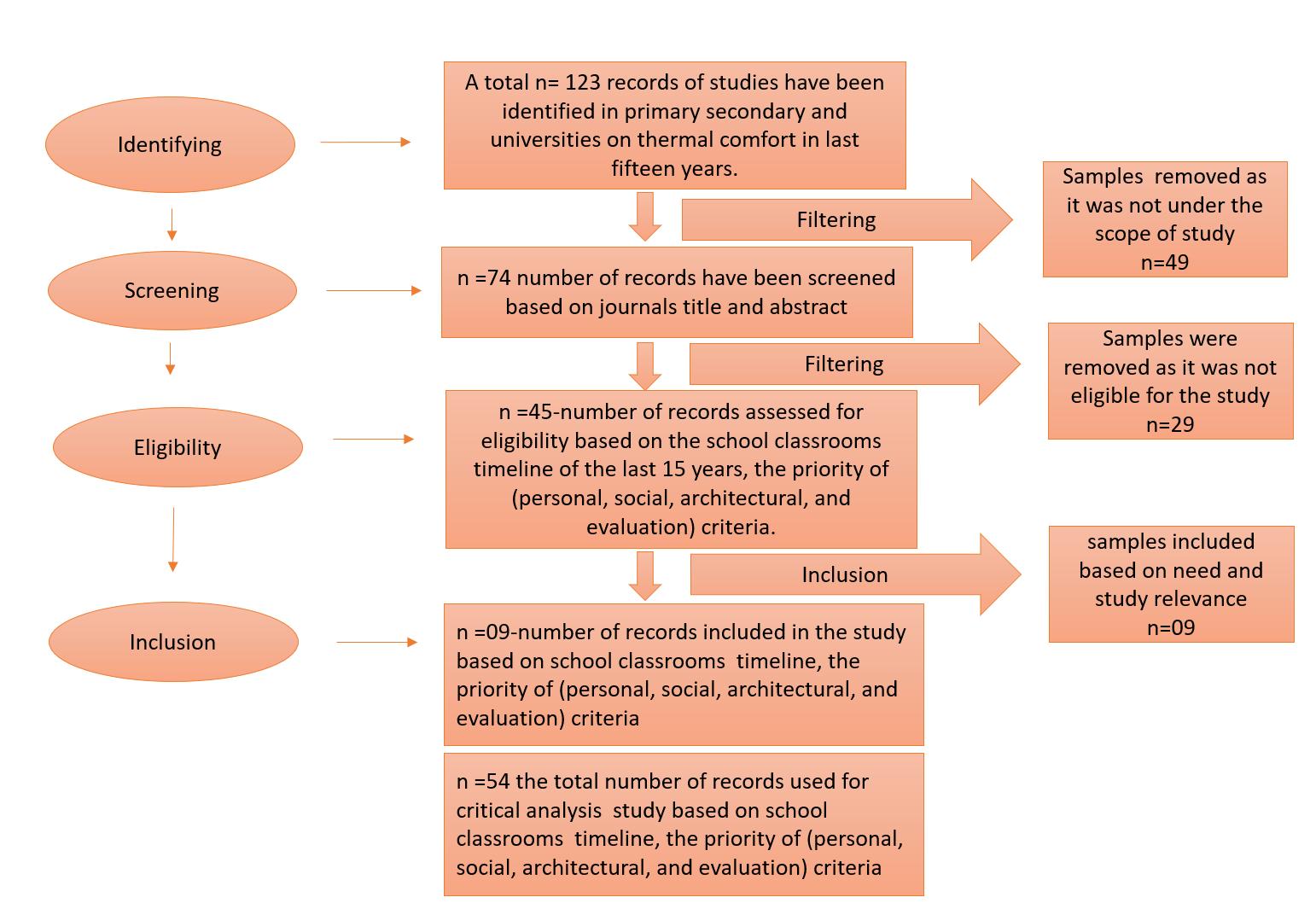
Figure1:ApplicationofthePRISMAmethodology
The total number of records obtained from the search of the database is 123, which includes thermal studies in all educationsectorsfromScopusandscientificjournals,thesecollecteddatahavebeenfurtherscreenedtotherecordof74 based on journals title and abstracts related to primary and secondary school and further, these obtained data has been assessedforeligibilitybasedonperiod,thepriorityoffourmaininfluencingfactors(metabolicrate,clothinginsulation,air temperature, radiant temperature,) that are prescribed by the standards from the preceding study of 45 on adaptive thermalcomfortintheprimaryandsecondaryschoolclassroomenvironment. Aftertheinclusionofcertainstudiesbased ontheperiodandpriority,atotalof54recordshavebeenusedforthereview
Table-4. Thisinvestigation ofinfluencingfactorshasbeencarried out underdifferent levels ofcriteria: personal,social, architectural,andevaluationwhichasdiscussedinthefollowing
International Research Journal of Engineering and Technology (IRJET) e-ISSN:2395-0056
Volume: 09 Issue: 10 | Oct 2022 www.irjet.net p-ISSN:2395-0072
Influence of subfactor personal and social criteria:
Seasonal change influences children’s multitudinous affections caused by the axes of climatic conditions [11]. Childrenaremoresensitivetotemperaturechange[12] Theyearlycomfortzonesfornaturallyventilatedareasspecified in ASHRAE Standard 55 are generally found to be lower than the ASHRAE-recommended range[13] Children in primary schoolarehighlysensitivetooutsidetemperaturechanges.Incontrast,secondaryschoolanduniversitystudentsaremore abletodescribetheirexperienceswiththermalsensationandarebetterabletomakeday-to-daymodificationsincluding adjustinggarmentlevels,openingandclosingwindows,andturningonandoffceilingfans[2] Themajorityofcomplaints from students were related to thermal comfort during the summer and solar penetration[14] The most common complaints from students were related to the temperature in warm seasons [15], and the thermal sensations were also relatedtotheiradaptivethermalbehavior,suchasstudentspreferredtoincreasethefanspeedtoachievethermalcomfort duringthesummerseasonandtoclosethewindowsandwearextra,thickerclothingduringthewinterseason[17].Given theimpactthatlocaldiscomfortcanhaveonhowanenvironmentisperceived[3],theseadjustmentsarecrucialindefining thermal acceptability in naturally ventilated classrooms[2] and differences in thermal sensitivity, with students in locations exposed to greater weather variations demonstrating greater thermal adaptability than those in more equable weather districts[16]. Additionally, a significant correlation between the neutral temperature and the mean monthly outdoor temperature was discovered [18] To present a more comprehensive and accurate picture of temperature
International Research Journal of Engineering and Technology (IRJET) e-ISSN:2395-0056
Volume: 09 Issue: 10 | Oct 2022 www.irjet.net p-ISSN:2395-0072
neutrality and the thermal comfort range, additional studies involving more such schools located in various climatic regionsneedtobeconducted[19].
Socio-economic factors and their influence on clothing insulation:
Compared to adults, children are more vulnerable to extreme temperatures[4]. Compared to adults, children were moresensitivetoalterationsintheirmetabolism [20]. Children'scomforttemperaturesdecreaseandtheirsusceptibility tooverheatingduringwarmerseasonscanbeascribedtofewerpersonaladaptationbehaviors[21],whichhasapositive impact on students' efficiency and well-being [22] Behavior regulation, which primarily altered the amount of clothing worn, was the main way that students were able to adapt to the classroom's temperature [23] Elements related to behavioralnorms,schooloperations,andbuildingdesignalsoappearedtohaveasignificantimpactonstudents'thermal comfort[24] Theconsideredclothinglevelinwinterishigherthaninsummer [25] Dependingupontheirsocioeconomic status, children's thermal adaptive behavior varies [26] Children from less privileged backgrounds typically adjust to colder climates worse than those from more privileged backgrounds. This may be due to youngsters having to adapt to extremethermalcircumstancesathome,whichcausesthemtoexpectlowertemperaturesinschool,Additionallycurrent laws have not been sufficient to provide children witha comfortable environment to learn, especially those from low socioeconomic situations [27] However, there are very few heating systems, and those that do work only sporadically becauseoffinanciallimitations[28].Thisshowsthatthereisastrongcorrelationbetweeneconomicdifficultiesandhealth issues [29]. According to a study, male and female children adapt to clothing somewhat differently, with the females showingmoreadaptation[30].Alsofoundadifferenceinneutraltemperaturebetweenbothgenders[31].Becausefemale studentshadhighertolerancelevelsthanmalestudents[32],theacceptabilitylimitsofthemalestudentswerepushedto the warm side of the thermal continuum [33] We must take into account not just the physical variables but also the psychological andsocial conditions thatmayaffecta person'soverall well-beinginanysetting [34] Therefore, thereisa requirement for a distinct set of norms or standards for pupils of various ages and educational stages [2] Children frequently exhibit different thermal sensations than adults, therefore this should be taken into account when designing cozyandenergy-efficientlearningspaces[3]
Table1:Theclassificationoftherecedingstudyunderpersonalandsocialcriteria
Author and year Country School level Naturally ventilated-NV/Air conditionAC/Combination of both CM
Season Methodology (Rational, Adaptive, and Both)
Influencing subfactors on main factors under personal and social criteria
Rf/no (R.L.Hwang2009) Taiwan Primary + Secondary school-NV Autumn –Winter Both Seasonal change outdoor temperature change (metabolic rate +clothing insulation)
[13] (W.Zeiler2009) Netherlan ds Primaryschool-AC Spring–Winter Rational age (metabolic rate) [60] (K.E.Al.Rashid i-2009) Kuwait Secondaryschool-AC N/A both Gender (metabolicrate) [31] (S.T.Mors2011) Netherlan ds Primary + Secondary school-NV winter, spring, summer
rational Gender (clothing insulation) [30] M.Puteh2012) Malaysia Secondary-NV Monsoo nseason other Local thermal comfort (metabolic rate +clothing
[59]
International Research Journal of Engineering and Technology (IRJET) e-ISSN:2395-0056
Volume: 09 Issue: 10 | Oct 2022 www.irjet.net p-ISSN:2395-0072
insulation
Choyimanikan diyil, K. (2012)
India Primaryschool-NV Summer and winter
rational outdoor temperature change (metabolic rate +clothing insulation
[11] (D.Teli-2012) UK Primaryschool-NV Spring–Summer Both age (metabolic rate) [4] (E.Z.E.Conceic ao-2012) Portugal Kindergarten-MM Summer –Winter both Age gender (metabolic rate +clothing insulation) (H.H.Liang2012) Taiwan Primary +Secondary school-NV Autumn –Winter adaptive outdoor temperature change (metabolic rate +clothing insulation
[18] (V.D.Giuli2012) Italy Primaryschool-NV spring Adaptive outdoor temperature change (metabolic rate +clothing insulation
[15] (M.C.Katafygio tou -2014) Cyprus Secondaryschool N/A Others Age, adaptive behavior (metabolic rate +clothing insulation)
[36] (H.yun-2014) Korea Kindergarten-NV Spring–Summer Both age,gender (metabolicrate) [20] (V.D.Guili2015) Italy Primaryschool-CM Midseas on Both Seasonalchange, building maintenance and refurbishment, psychology (metabolic rate +clothing insulation)
[14] (R.D.Dear2015) Australia Secondaryschool-CM Summer Both Local thermal comfort and (metabolicrate)
Choyimanikan diyil, K. (2016).
India Primaryschool-NV Summer and winter
rational Seasonal change in outdoor temperature Change
[16]
[11]
© 2022, IRJET | Impact Factor value: 7.529 | ISO 9001:2008 Certified Journal | Page1044
International Research Journal of Engineering and Technology (IRJET) e-ISSN:2395-0056
Volume: 09 Issue: 10 | Oct 2022 www.irjet.net p-ISSN:2395-0072
(metabolicrate + clothing insulation) (S.Haddad2019) Iran Primaryschool-CM Autumn –Summer –Winter
both Seasonalchange outdoor temperature change (metabolicrate + clothing insulation)
[12]
(Y.Liu-2016) China Secondaryschool-NV Winter Rational socio-economic condition (clothing insulation)
[28] (R.M.S.F.Alme dia-2016) Portugal Primary + SecondaryNV spring Both agegender, (Metabolicrate) [52] (A.M.Molina2017) Spain Primaryschool-CM Autumn –Winter Rational age, Socio-behaviour (metabolicrate + clothing insulation)
[50] (M.Terbicock2017) Chile Primaryschool-NV Summer –Winter adaptive socio-economic condition (clothing insulation)
[27] (A.Montazami -2017)
UK Primaryschool-NV Summer adaptive socio-economic condition And Sociobehaviour (clothing insulation)
[26] (Manoj kumar- 2018) India Kindergarten to university-NV Summer, winter, spring, autumn
Rational Seasonal change outdoor temperature change age, social behavior (metabolic rate +clothing insulation)
[2] (J.Kim-2018) Australia PrimaryandsecondaryNV Autumn Both Age,Social Behavior (metabolic rate +clothing insulation)
[58] (S. Mishan 2019) Nepal Secondaryschool-NV Autumn Adaptive Age,Gender (metabolic rate [32]
© 2022, IRJET | Impact Factor value: 7.529 | ISO 9001:2008 Certified Journal | Page1045
International Research Journal of Engineering and Technology (IRJET) e-ISSN:2395-0056
Volume: 09 Issue: 10 | Oct 2022 www.irjet.net p-ISSN:2395-0072
+clothing insulation) (M.A.Campano -2019) Spain Secondaryschool-CM Autumn –Summer –Winter
[5] (Y.H.Chen2019) Taiwan Primaryschool-NV Summer Others Age, psychological behavior (metabolic rate +clothing insulation)
Both Age,Social Behavior (metabolic rate +clothing insulation)
[37] (S.P.Korsavi2020) UK Primaryschool-CM All seasons Adaptive
Seasonal change outdoor temperature change (metabolic rate +clothing insulation)
[21] (J.Jiang-2020 China Secondaryschool-CM winter Both Seasonal change outdoor temperature change (metabolic rate +clothing insulation)
[23] (H.A.Khatri2020) Arabia Secondaryschool-AC Summer Both age,gender (metabolic rate +clothing insulation)
[33] (C.M.Rodrigue z-2021) Colombia Primary+Secondary Summer -winter Both Age (metabolic rate) [24] betty lala2022) India Primaryschool summer and winter
Rational Seasonal change outdoor temperature change (metabolic rate +clothing insulation)
Summary of the review:
[17]
FromtheaboveanalysisTable-1,itindicatedthatthechildrenshowhighsensitivitytothermalcomfort,thishasbeen identifiedduetopoormetabolicratefromtheprecedingstudies.Thesemetabolicratesareinfluencedbytheirage,gender, and local thermal comfort also it varies based on seasonal change, where clothing insulation plays important role in thermaladaptation,especiallyduringthewinterandrainyseasonsamongchildren. Ithasbeendeterminedthatchildren's socioeconomic status and local thermal comfort also have a significant impact on the insulation of their clothing. For example, wearing additional, thicker clothing was a common practiceamong students to reduce the chilly indoor air temperatureinclassroomsduringthewinter,thoughthiswasdifficultforthekidsfromlowsocioeconomicbackgrounds, proving the adage that the poorest in society are most affected by economic conditions. The fact that only a few schools
© 2022, IRJET | Impact Factor value: 7.529 | ISO 9001:2008 Certified Journal | Page1046
International Research Journal of Engineering and Technology (IRJET) e-ISSN:2395-0056
Volume: 09 Issue: 10 | Oct 2022 www.irjet.net p-ISSN:2395-0072
have heating systems, and those that do only occasionally work because of financial restrictions, along with the fact that studentspreferredturningupfansinthesummer,allpointtotheallegedfactthateconomicconditionsaremoststrongly associatedwithhealthissues. Anotherfindingfromthe analysisisthatstudents'thermal sensitivityvariesdependingon where they are located. Those who are exposed to more extreme weather variations have greater thermal adaptability thanthosewholiveinareaswithmoreconsistentweatherpatterns;thismaybebecausetheyhavegoodmetabolicrates foradjustingtolocalthermalsensations,buttherehavebeenrelatively fewstudiesonthissubfactor.Thereforethereisa scopefordetermininganassessmentmodeladdressingtheseunforeseensub-factorssuchas
• Age
• Gender
• seasonalchange
• Localthermalcomfort
• Socioeconomic
• Adaptive
Behaviour
tostudyadaptivethermalcomfortintheprimaryandsecondaryschoolclassroomenvironmentunderpersonalandsocial criteria
Influence of subfactors architectural criteria:
ThequalityoffreshairisdeterminedbytheCO2content,whereastheairtemperatureisthoughttobeakeyelement thataffectsthermalcomfort[61] Thechildrenperceivedtheairtobefresherandclassroomairqualitytobeconsideredto improve the task performance of the students[62] though the indoor air temperature has been influenced by outdoor climate [23] hence there is a need in complying with the design criteria regarding indoor air temperatures and CO2 concentrations[63]tocreateenvironmentsthatreflectchildren'sthermalpreferences,adviceisneededinschoolbuilding designandrefurbishmentbasedonthermalcomfortstudywithchildren[35].Sincetheairtemperatureandmeanradiant temperature have a significant impact on determining thermal comfort votes [64], in addition to other factors like air velocityandhumidity,itisimportanttoresearchthesignificanceofthesevariablesinschoolbuildingsandresearchingthe impact [36] of the school's thermal comfort behaviorwas found to improve the indoor climate, and a refurbishment intervention in the exterior walls and windows was implemented [34] A primary focus on reducing heating loads by protecting window openings to reduce incident solar radiation while maintaining appropriate interior environmental quality exacerbates the effects of poor ventilation and air purifier systems along with the inadequacy of present thermal systems [5] The effects of ventilation rate and solar heat gain must be simultaneously considered in classroom window designtoobtainthebalancepoint[37] Higherstandardsmustbesetinthedesignofschoolbuildingsusingcriteriabased on children to account for children's sensitivity to extreme heat, summer comfort, global warming trends, and the challenge of designing school buildings with acceptable year-round thermal and energy performance [38] [39] When comparedtooutdoorsettings,thetemperatureenvironmentwithin mightalsobeappropriatelyguaranteed.Bycorrectly measuring and assigning the fenestration places as well as the geometry of the space cross-section, you may promote natural ventilation [40]. We requirea suitablemanuallyregulatedairing routine to providethermal comfort [22]andthe mechanically ventilated classroom had the greatest estimated average air-change rate [41]. The claimed efficiency is mostly caused by the poor building envelope, incorrect heating and lighting system control, a lack of appropriate legal actions,and,mostimportantly,alackofinterestinthereportedefficiency[42] Studentsfavortheindoorairqualityofthe renovated classrooms, and the school with the worst microclimate conditions was likewise considered the worse for building-related and psychological reasons [14] Additionally, including passive features in school buildings is necessary [19] and extremely successful in delivering indoor thermal comfort on hot and sunny days[44] to keep them thermally comfortable throughout the year while utilizing the amount of energy in the structures. The Classroom Comfort Index (ventilation type, window frame color, floor material, and frequency of vacuum cleaning) and the Classroom Symptom Index (location of school building, heating system, solar devices impeding opening windows or ventilation) are linked to thephysicalbuildingcharacteristicsoftheclassrooms[45] thecomfortofthestudentand,thus,theirhealth,attitude,and performance can be improved by reconsidering and adjusting the operation of energy systems in a retrofitted building [46] Asaresult,installingairconditioninginprimaryschoolsmaynotbenecessaryasitcouldresultinexcessiveenergy useandcarbonemission[47].Instead,passivedesignisadvisedtobeusedinthedevelopmentandmaintenanceofschool buildings. Additionally, there is a lot of possibility for passive design to adapt to children'srequirements by using lower classroomtemperatures[48].
International Research Journal of Engineering and Technology (IRJET) e-ISSN:2395-0056
Volume: 09 Issue: 10 | Oct 2022 www.irjet.net p-ISSN:2395-0072
Table2:TheclassificationoftherecedingstudyunderArchitectural criteria
Author and year Country School level Naturally ventilatedNV/Air conditionAC/Combination of both CM
Season Methodology (Rational, Adaptive, and Both)
Influencing subfactors on main factors under arhitectural criteria
Rf/no
[57] (P.Wargocki2013) Denmark Secondary schoolAC Summer rational Building envelope (openings, materials, and passive cooling/heatin gTechnique)
C.Nitatwichit2011) Thai Primary N/A other Building envelope orientation and window Openings
[56] (D.Teli-2014) UK Primaryschool-NV Summer Both building maintenance and refurbishment
[41]
[35] (J.Gao-2014) Denmark Primaryschool-AC All seasons Adaptive Building envelope (openings, materials, and passive cooling/heatin gTechnique)
System(R.M.S. F.Almedia2015)
Portugal Secondary schoolCM Spring–Summer –Winter
Others building maintenance and refurbishment
[43] (K.T.Huang2015) Taiwan Primaryschool-NV Autumn –Spring–Summer
Adaptive Building envelope (openings, materials, and passive cooling/heatin gTechnique)
[34]
[40] (L.D.Pereira2015) Portugal Secondary schoolNV spring Rational building maintenance and refurbishment, psychology
AradhanaJind al- 2018) India Middle school, senior-NV Monsoo n and winter
Both Building envelope (openings,
[19]
International Research Journal of Engineering and Technology (IRJET) e-ISSN:2395-0056
Volume: 09 Issue: 10 | Oct 2022 www.irjet.net p-ISSN:2395-0072
materials, and passive cooling/heatin gTechnique)
(B.Hamzah2018) Indonesia Secondary school.NV summer Rational Building envelope (openings, materials, and passive cooling/heatin gtechnique)
[48]
(P.M.Bluyssen -2018) Netherlands Primaryschool-NV spring others Building envelope (openings, materials, and passive heating /cooling Technique)
[45] (S.Monna2019) Palestina Secondary schoolCM All seasons others Building envelope (openings, materials, and passive heating/ cooling Technique)
[44] (T.Colinart2019) France Secondaryschool All seasons others Building envelope (openings, materials, and passive heating/ cooling Technique)
(C.M.CalamaGonzalez2019)
Spain Secondary schoolNV All seasons Adaptive Building envelope (openings, materials, and passive heating/ cooling Technique)
(C.Munonye2020) Nigeria Primaryschool-NV Autumn –Spring Both Building envelope (openings, materials, and passive heating/ cooling Technique)
[46]
[39]
[47]
International Research Journal of Engineering and Technology (IRJET) e-ISSN:2395-0056
(C.Heracleous -2020) Cyprus Secondary schoolCM Summer –Winter Adaptive Building envelope (openings, materials, and passive heating/ cooling Technique)
(F.C.Barbosa2020) Portugal Secondary schoolCM Spring–Winter Others building maintenance and refurbishment,
Summary of the review:
[22]
[55]
According to the study mentioned above in Table 2 air temperature has an impact on thermal comfort, and CO2 concentrationinfluencesthequalityoffreshair.Freshairperceptionalsosignificantlyaffectsstudents'workperformance, thermal adaptability, and indoor air quality. The indoor air quality has been further influenced by the outdoor climate whichshowsanimpactcertainlyonthechildrenintheiradaptivethermalbehaviorhabitsandpsychologicalexpectation. Itisalsofoundthatairtemperaturealongwithmeanradianttemperaturehasasignificantimpactinfluenceinevokingthe level of thermal comfort vote inside the building compared to other factors such as air velocity, and humidity. The challenge of designing school buildings with acceptable year-round thermal comfort and energy performance with architectural criteria for primary and secondary school students arises as a result of the need to provide suitable ventilationandairpurifiersystemsalongwiththecurrentthermalsystem.Itisfoundfromthestudythatthesechallenges canbeaddressedbytheinfluenceofthe sub-factorssuchasbuildingenvelopeenhancestheheatingandlightingsystem, passive design to provide positive environmental control system and operation, working with electrical fans and other HVACsystems, andthepositioningofthewindowsandblindsinnaturallyventilatedclassroomsalsosignificantlyaffects adaptive thermal comfort. Renovation and maintenance are also regarded as subfactors since they can assist operation andhaveabeneficialeffectonadaptivethermalcomfort.Henceithasbeenconfoundingthattheseunforeseensubfactors
• Passivedesign
• Buildingmaintenanceandrefurbishment
• Buildingenvelop
• Orientation
• Placementofwindow
Which can support determining an assessment model to study adaptive thermal comfort in the primary and secondary schoolclassroomenvironmentunderarchitecturalcriteria.
Assessment model and its influence on evaluation criteria:
Childrenshoweda basicawarenessoftopicsliketemperatureandheating whenaskedaboutcomfort, butthey didn'tappeartounderstandthedistinctionbetweenthetwo.Whentreatingchildren,theadaptiveapproachmustbetaken into account [49] Teachers' and students' subjective assessments of indoor thermal comfort were shown to differ, with studentsexhibitingahigherandmorecomplicatedthreshold[50] Asaresult,theinquiryconsideredvariousmethodsfor determiningthepercentageofdissatisfiedsamples.Ifthecorrectexpectancyfactorisknownbasedonadirectquestionon theacceptabilityunderdifferentclimaticareas,Fanger's basicapproachfortheassessmentofthermalcomfortiseffective alsoinnaturallyventilated environmentsandcould be helpful to obtain more precise expectancyfactorvalues [51]. The predicted mean vote-predicted percentage of dissatisfaction (PMV/PPD) are model used to determine children's actual thermalsensationandpercentagedissatisfiedinthethermalcomfortinvestigationinclassrooms[12].Themetabolicrate mustbeadjustedwhenusingthePMVanalyticalapproach,thustheidealmethodistousechildren'sbodysurfaceareaasa correction factor [52]. When comparing results from real votes and votes based on thermal sense, the adaptive models usedtodeterminestudents'neutraltemperaturesproducedidenticalfindings(TSV).Theadaptivemodel emergedasthe
Volume: 09 Issue: 10 | Oct 2022 www.irjet.net p-ISSN:2395-0072 © 2022, IRJET | Impact Factor value: 7.529 | ISO 9001:2008 Certified Journal | Page1050
International Research Journal of Engineering and Technology (IRJET) e-ISSN:2395-0056
Volume: 09 Issue: 10 | Oct 2022 www.irjet.net p-ISSN:2395-0072
most effective approach for illuminating kids' thermal comfort in tropical elementary schools [53]. A poor decision may result in a flawed assessment of the overall quality of the indoor environment. Planning subjective surveys in circumstancesthatdonotenablein-depthresearchoftheentirebuildingorrecurrentanalysisinrepresentativemoments mayleadtothis[54].
Table3:TheclassificationoftheprecedingstudyundertheEvaluationcriteria
Author and year Country School level Naturally ventilatedNV/Air conditionAC/Combination of both CM
Season Methodology (Rational, Adaptive, and Both)
Influencing subfactors on main factors under Evaluation critera
Rf/no
[49] (F.R.A.alphan o-2013)
(K.Fabbri2013) Italy Kindergarten Autumn rational Assessment model Social(age gender, Metabolism)
Italy Primary + Secondary-NV Summer –Winter rational Assessment model and prediction (Fanger's model of assessment)
[52]
[51] (R.M S F Alme dia-2016) Portugal Primary + Secondary-NV Spring Both Assessment model and prediction Social(age gender, Metabolism)
(L.Pistore2019) Italy Secondary school.NV Heating season Rational Building envelope (openings, materials, and passive heating/ cooling Technique) assessment model
(S.Haddad2019) Iran Primary schoolCM Warm season
Rational Assessment model and prediction Social(age gender, Metabolism)
(B.Hamzah2020) Indonesia Primaryschool-NV Spring Both Assessment model and prediction Social(age gender, Metabolism)
[54]
[12]
[53]
International Research Journal of Engineering and Technology (IRJET) e-ISSN:2395-0056
Volume: 09 Issue: 10 | Oct 2022 www.irjet.net p-ISSN:2395-0072
Summary of the review:
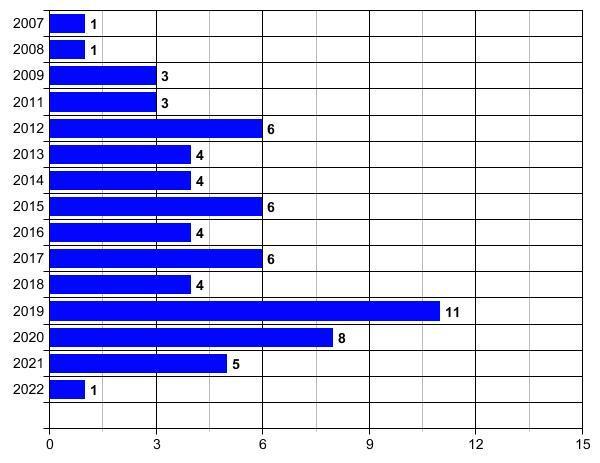
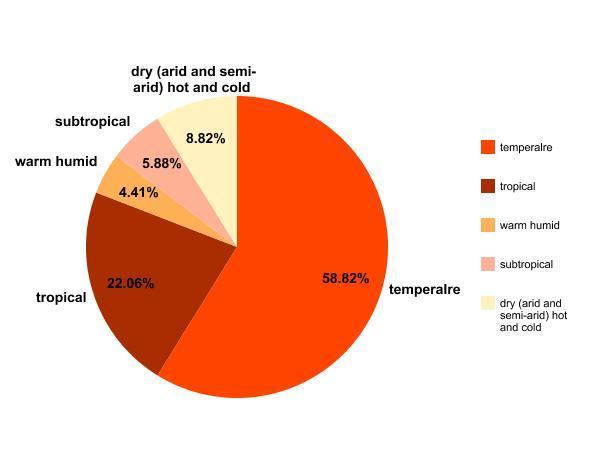
It is challenging for children to understand questions and discussions about thermal comfort and fundamental conceptsliketemperatureandheatingbecausetheyappeartonotunderstandthedistinctionbetweenthem,accordingto thestudymentionedaboveinTable3.Childrenwithhighandmoredifficultyinachievingthethresholdforindoorthermal comfort, and also the adaptive model is considered to be one of the best methods for exploring thermal comfort in elementary school, also while using the predicted mean vote (PMV) analytical approach, the metabolic rate must be determined,andtousechildren’sbodysurfaceasacorrelationfactor.Furtherconsideringthepsycho-pedagogicalpointof questionnaire elaboration to providean in-depth understandingofthedifference betweencomfortand temperatureand also fanger’s basic approaches for the assessment of thermal comfort has been considered to be one of the effective methods for assessing thermal comfort in naturally ventilated (NV) classroom environment with rightly known expectancy factor Further, the studies need to be focused on the specific climatic zone, where some of the zones worldwidestillhaven’tbeenmuchexploredFig-4.
Figure4:Percentageoffifteenyearsofthermalcomfortstudiesconducted undercertainclimaticzonesinprimaryand secondaryschool(2007-2022)
Hencethesestudiesindicatethatconsideringa strongchildren-basedassessmentmodelisoneofthemainfactorswhich areinfluencedbyunforeseensubfactorssuchas
• Expectancyfactor
• Children’sbodysurface/metabolicrate
• Psycho-pedagogicalissue
• Climaticzone
tostudyadaptivethermalcomfortintheprimaryandsecondaryschoolclassroomenvironmentunderevaluationcriteria.
International Research Journal of Engineering and Technology (IRJET) e-ISSN:2395-0056
Volume: 09 Issue: 10 | Oct 2022 www.irjet.net p-ISSN:2395-0072
Table4:Theinfluenceofunforeseenfactorsontheforeseenfactorsundersignificantcriteriainthermaladaptabilityfor schoolchildreninsideaclassroomenvironment.
Foreseen the main factor unforeseen sub-factor
No.fo journal highlighting the influence of unforeseen subfactor on the foreseen main factor
Classified under criteria
Metabolic rate
Clothing insulation
Air temperature
Radiant temperature
Assessment model
Age
Gender
seasonalchange
Localthermalcomfort
Socioeconomic
AdaptiveBehaviour
Passivedesign
Building maintenance andrefurbishment
Buildingenvelop
Orientation
Placementofwindow
Psycho-pedagogical issue
Expectancyfactor
Children’s body surface /metabolic rate
Climaticzone
31
Personalcriteria + Socialcriteria
Architectural criteria
16
6 Evaluation criteria
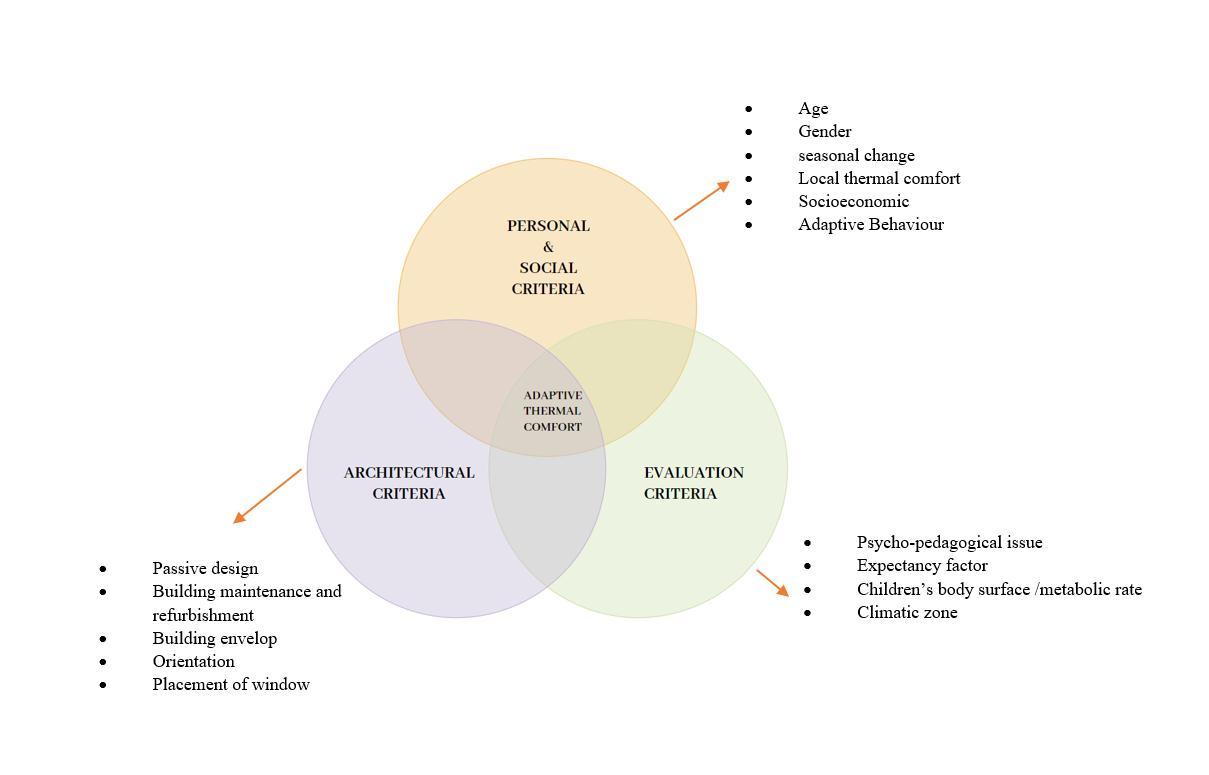
Figure5:Theconceptualassessmentmodel
International Research Journal of Engineering
and
Technology (IRJET) e-ISSN:2395-0056
Volume: 09 Issue: 10 | Oct 2022 www.irjet.net p-ISSN:2395-0072
3. Conclusion and future direction of the study:
The metabolic rate of the school children has been influenced by seasonal change, local thermal comfort, and also their age, and gender it can also have scope for further missing attributes in the preceding study such as height, weight, and size of the children. In further, the seasonal change that led to clothing insulation of these children is certainly influenced by their socioeconomic condition this impacts children, especially those from economically weaker or lowincome sections, this could be one of the issues that could negatively impact the student’s performance and their well being in most of the developing or under developing countries government school classroom environment. From the abovestudy,ithasbeenobservedthatWhenitcomestoairtemperature,andradianttemperature,asfactorsthebuilding characteristics play an important role which is influenced by building passive design, building maintenance, and refurbishment placement of windows has an unavoidable impact on the students in thermal adaptability, task performance and well being. From the above review, there has been a gap in determining whether the children-based assessment model is one of the main factors which are influenced by unforeseen subfactors such as expectancy factor, children’sbodysurface/metabolicrate, Psycho-pedagogicalissueandclimate,asitisdifficultforchildrentoexpresstheir thermal perception compared to adults with a straight direct approach, it is a challenging task for the researchers to address these attributes in a holistic approach that can further help in conducting a field study under a case-specific to determinetheirimpactlevelinthestudy.
Forthis,thestudyhastobeconductedunderthreemajorcriteriasuchas Fig-51.personalcriteria(Age,Gender,seasonal change, and, Local thermal comfort) and social criteria (Socioeconomic, Adaptive Behaviour) 2. Architectural criteria (Passivecoolingandheating,Buildingrefurbishment,Building envelope,Orientation,Placementofwindow)3.Evaluation criteria (Expectancy factor, Children’s body surface /metabolic rate, Psycho-pedagogical issue, and climatic zone) Additionally,investigationsmustconcentrateonaparticularclimaticzonebecausemanyoftheworld'szoneshavenotyet been sufficiently examined. Fig-4. Thus from the above literature investigation, it has been revealed that the four main influencing factors of thermal comfort (air temperature, radiant temperature, metabolic rate, and clothing insulation) prescribed by the standards have been certainly influenced by unforeseen subfactors such as (Age, Gender, seasonal change,Localthermalcomfort,Socioeconomic,AdaptiveBehaviour,Passivecoolingandheating, Buildingrefurbishment, Buildingenvelop,Orientation,Placementofwindow, Assessmentmodel) Hencetheseidentifiedsub-factorscanactasan additional attribute for the assessment of adaptive thermal comfort in primary and secondary school children in a classroom environment, to check further, the study will be directed at developing an assessment model with these attributeswithaspecificcasestudyofprimaryandsecondaryschoolchildreninaclassroomenvironmentunderaspecific climaticzoneinIndiaasthereareonlyveryfewstudieshavebeenidentifiedforthiscontext.
Reference:
[1] Zomorodian,Z.S.,Tahsildoost,M.,&Hafezi,M.(2016).Thermalcomfortineducationalbuildings:Areviewarticle. RenewableandSustainableEnergyReviews,59,895–906.https://doi.org/10.1016/j.rser.2016.01.033
[2] Singh,M.K.,Ooka,R.,Rijal,H.B.,Kumar,S.,Kumar,A.,&Mahapatra,S.(2019).Progressinthermalcomfortstudies in classrooms over the last 50 years and way forward. Energy and Buildings, 188–189, 149–174. https://doi.org/10.1016/j.enbuild.2019.01.051
[3] Lamberti, G., Salvadori, G., Leccese, F., Fantozzi, F., & Bluyssen, P. M. (2021). Advancement on thermal comfort in educational buildings: Current issues and way forward. Sustainability, 13(18), 10315. https://doi.org/10.3390/su131810315
[4] Teli,D.,Jentsch,M.F.,&James,P.A.B.(2012).Naturallyventilatedclassrooms:Anassessmentofexistingcomfort modelsforpredictingthethermal sensationandpreferenceof primaryschool children.EnergyandBuildings,53, 166–182.https://doi.org/10.1016/j.enbuild.2012.06.022
[5] Campano, M. Á., Domínguez-Amarillo, S., Fernández-Agüera, J., & Sendra, J. J. (2019). Thermal perception in mild climate:Adaptivethermalmodelsforschools.Sustainability,11(14),3948.https://doi.org/10.3390/su11143948
[6] Iso, I. (2005). 7730: Ergonomics of the thermal environment Analytical determination and interpretation of thermal comfort using calculation of the PMV and PPD indices and local thermal comfort criteria. Management, 3(605),e615.
International Research Journal of Engineering and Technology (IRJET) e-ISSN:2395-0056
Volume: 09 Issue: 10 | Oct 2022 www.irjet.net p-ISSN:2395-0072
[7] ASHRAE,&A.(2004).ASHRAEstandard55:Thermalenvironmentalconditionsforhumanoccupancy.
[8] EN 16798-1. Energy Performance of Buildings-Ventilation for Buildings-Part 1: Indoor Environmental Input ParametersforDesignandAssessmentofEnergyPerformanceofBuildingsAddressingIndoorAirQuality,Thermal Environment,Lighting,andAcoustics;CEN:Brusselles,Belgium,2019
[9] Humphreys,M.,Nicol,F.,&Roaf,S.(2015).Adaptivethermalcomfort:Foundationsandanalysis.Routledge.
[10] De Dear, R., Brager, G., & Cooper, D. (1997). Developing an adaptive model of thermal comfort and preference. MacquarieUniversity.
[11] Choyimanikandiyil,K.(2013).Occupants’comfortinschoolbuildings.Int.J.Chem.Environ.Biol.Sci.,1,675–677. http://www.isaet.org/images/extraimages/D1013039.pdf
[12] Haddad, S., Osmond, P., & King, S. (2019). Application of adaptive thermal comfort methods for Iranian schoolchildren. Building Research and Information, 47(2), 173–189. https://doi.org/10.1080/09613218.2016.1259290
[13] Hwang, R. L., Lin, T. P., Chen, C. P., & Kuo, N. J. (2009). Investigating the adaptive model of thermal comfort for naturally ventilated school buildings in Taiwan. International Journal of Biometeorology, 53(2), 189–200. https://doi.org/10.1007/s00484-008-0203-2
[14] De Giuli, V., Zecchin, R., Corain, L., & Salmaso, L. (2015). Measurements of indoor environmental conditions in Italian classrooms and their impact on children’s comfort. Indoor and Built Environment, 24(5), 689–712. https://doi.org/10.1177/1420326X14530586
[15] DeGiuli,V.,DaPos,O.,&DeCarli,M.(2012).IndoorenvironmentalqualityandpupilperceptioninItalianprimary schools.BuildingandEnvironment,56,335–345.https://doi.org/10.1016/j.buildenv.2012.03.024
[16] de Dear, R., Kim, J., Candido, C., & Deuble, M. (2015). Adaptive thermal comfort in Australian school classrooms. BuildingResearchandInformation,43(3),383–398.https://doi.org/10.1080/09613218.2015.991627
[17] Lala,B.,Murtyas,S.,&Hagishima,A.(2022).Indoorthermal comfortandadaptivethermal behaviorsofstudents in primary schools located in the humid subtropical climate of India. Sustainability, 14(12), 7072. https://doi.org/10.3390/su14127072
[18] Liang, H. H., Lin, T. P., & Hwang, R. L. (2012). Linking occupants’ thermal perception and building thermal performance in naturally ventilated school buildings. Applied Energy, 94, 355–363. https://doi.org/10.1016/j.apenergy.2012.02.004
[19] Jindal,A.(2018).ThermalcomfortstudyinnaturallyventilatedschoolclassroomsinacompositeclimateofIndia. BuildingandEnvironment,142,34–46.https://doi.org/10.1016/j.buildenv.2018.05.051
[20] Yun, H., Nam, I., Kim, J., Yang, J., Lee, K., & Sohn, J. (2014). A field study of thermal comfort for kindergarten children in Korea: An assessment of existing models and preferences of children. Building and Environment, 75, 182–189.https://doi.org/10.1016/j.buildenv.2014.02.003
[21] Korsavi, S. S., & Montazami, A. (2020). Children’s thermal comfort and adaptive behaviors; UK primary schools during non-heating and heating seasons. Energy and Buildings, 214, 109857. https://doi.org/10.1016/j.enbuild.2020.109857
[22] Heracleous, C., & Michael, A. (2020). Thermal comfort models and perception of users in free-running school buildingsofEast-Mediterraneanregion. Energy and Buildings, 215,109912.
[23] Jiang, J., Wang, D., Liu, Y., Di, Y., & Liu, J. (2020). A field study of adaptive thermal comfort in primary and secondary school classrooms during the winter season in Northwest China. Building and Environment, 175, 106802.https://doi.org/10.1016/j.buildenv.2020.106802
International Research Journal of Engineering and Technology (IRJET) e-ISSN:2395-0056
Volume: 09 Issue: 10 | Oct 2022 www.irjet.net p-ISSN:2395-0072
[24] Rodríguez, C. M., Coronado, M. C., & Medina, J. M. (2021). Thermal comfort in educational buildings: The Classroom-Comfort-DatamethodappliedtoschoolsinBogotá,Colombia.BuildingandEnvironment,194,107682. https://doi.org/10.1016/j.buildenv.2021.107682
[25] Conceição, E. Z. E., Gomes, J. M. M., Antão, N. H., & Lúcio, M. M. J. R. (2012). Application of a developed adaptive modelintheevaluationofthermalcomfortinventilatedkindergarten-occupiedspaces.BuildingandEnvironment, 50,190–201.https://doi.org/10.1016/j.buildenv.2011.10.013
[26] Montazami,A.,Gaterell,M.,Nicol,F.,Lumley,M.,&Thoua,C.(2017).Impactofsocialbackgroundandbehavioron children’s thermal comfort. Building and Environment, 122, 422–434. https://doi.org/10.1016/j.buildenv.2017.06.002
[27] Trebilcock,M.,Soto-Muñoz,J.,Yañez,M.,&Figueroa-SanMartin,R.(2017).Therighttocomfort:Afieldstudyon adaptive thermal comfort in free-running primary schools in Chile. Building and Environment, 114, 455–469. https://doi.org/10.1016/j.buildenv.2016.12.036
[28] Liu, Y., Jiang, J., Wang, D., & Liu, J. (2017). The indoor thermal environment of rural school classrooms in Northwestern China. Indoor and Built Environment, 26(5), 662–679. https://doi.org/10.1177/1420326X16634826
[29] Murtyas, S., Toosty, N. T., Hagishima, A., & Kusumaningdyah, N. H. (2021). Relation between occupants’ health problems, demographic and indoor environment subjective evaluations: A cross-sectional questionnaire survey studyinJavaIsland,Indonesia.PLOSONE,16(7),e0254460.https://doi.org/10.1371/journal.pone.0254460
[30] TerMors,St,Hensen,J.L.M.,Loomans,M.G.L.C.,&Boerstra,A.C.(2011).Adaptivethermal comfortinprimary school classrooms: Creating and validating PMV-based comfort charts. Building and Environment, 46(12), 2454–2461.https://doi.org/10.1016/j.buildenv.2011.05.025
[31] Al-Rashidi, K. E., Loveday, D. L., & Al-Mutawa, N. K. (2009). Investigating the applicability of different thermal comfort models in Kuwait classrooms operated in hybrid air-conditioning mode. In Sustainability in energy and buildings(pp.347-355).Springer,Berlin,Heidelberg.
[32] Mishan, S., & Bahadur, R. H. (2019, July). Study on adaptive thermal comfort in naturally ventilated secondary schoolbuildingsinNepal.InIOPConferenceSeries.Earthandenvironmentalscience(Vol.294,No.1,p.012062). IOPPublishing
[33] Al-Khatri, H., Alwetaishi, M., & Gadi, M. B. (2020). Exploring thermal comfort experience and adaptive opportunities of female and male high school students. Journal of Building Engineering, 31, 101365. https://doi.org/10.1016/j.jobe.2020.101365
[34] Pereira,L.D.,Cardoso,E.,&daSilva,M.G.(2015).Indoorairqualityauditandevaluationonthermalcomfortina schoolinPortugal.IndoorandBuiltEnvironment,24(2),256–268.https://doi.org/10.1177/1420326X13508966
[35] Teli, D., Jentsch, M. F., & James, P. A. B. (2014). The role of a building’s thermal properties on pupils’ thermal comfort in junior school classrooms as determined in field studies. Building and Environment, 82, 640–654. https://doi.org/10.1016/j.buildenv.2014.10.005
[36] Katafygiotou, M. C., & Serghides, D. K. (2014). Thermal comfort of a typical secondary school building in Cyprus. SustainableCitiesandSociety,13,303–312.https://doi.org/10.1016/j.scs.2014.03.004
[37] Chen,Y.H.,Hwang,R.L.,&Huang,K.T.(2019,September).Sensitivityanalysisofenvelopedesignonthesummer thermal comfort of naturally ventilated classrooms in Taiwan. In IOP Conference Series. Materials science and engineering(Vol.609,No.4,p.042035).IOPPublishing
[38] Teli, D., Bourikas, L., James, P. A. B., & Bahaj, A. S. (2017). Thermal performance evaluation of school buildings using a children-based adaptive comfort model. Procedia Environmental Sciences, 38, 844–851. https://doi.org/10.1016/j.proenv.2017.03.170
International Research Journal of Engineering and Technology (IRJET) e-ISSN:2395-0056
Volume: 09 Issue: 10 | Oct 2022 www.irjet.net p-ISSN:2395-0072
[39] Calama-González,C.M.,Suárez,R.,León-Rodríguez,Á.L.,&Ferrari,S.(2019).Assessmentofindoorenvironmental quality for retrofitting classrooms with an egg-crate shading device in a hot climate. Sustainability, 11(4), 1078. https://doi.org/10.3390/su11041078
[40] Huang,K.T.,Huang,W.P.,Lin,T.P.,&Hwang,R.L.(2015).Implementationofgreenbuildingspecificationcredits for better thermal conditions in naturally ventilated school buildings. Building and Environment, 86, 141–150. https://doi.org/10.1016/j.buildenv.2015.01.006
[41] Gao, J., Wargocki, P., & Wang, Y. (2014). Ventilation system type, classroom environmental quality, and pupils’ perceptions and symptoms. Building and Environment, 75, 46–57. https://doi.org/10.1016/j.buildenv.2014.01.015
[42] Theodosiou, T. G., & Ordoumpozanis, K. T. (2008). Energy, comfort, and indoor air quality in nursery and elementary school buildings in the cold climatic zone of Greece. Energy and Buildings, 40(12), 2207–2214. https://doi.org/10.1016/j.enbuild.2008.06.011
[43] Almeida,R.M.S.F.,&deFreitas,V.P.(2015).IEQassessmentofclassroomswithanoptimizeddemand-controlled ventilationsystem.EnergyProcedia,78,3132–3137.https://doi.org/10.1016/j.egypro.2015.11.769
[44] Monna,S.,Baba,M.,Juaidi,A.,Barlet,A.,&Bruneau,D.(2019,November).Improving thethermalenvironmentfor schoolbuildingsinPalestine,theroleofpassivedesign.InJournalofPhysics:ConferenceSeries(Vol.1343,No.1,p. 012190).IOPPublishing.
[45] Bluyssen,P.M.,Zhang,D.,Kurvers,S.,Overtoom,M.,&Ortiz-Sanchez,M.(2018).Self-reportedhealthandcomfort of school children in 54 classrooms of 21 Dutch school buildings. Building and Environment, 138, 106–123. https://doi.org/10.1016/j.buildenv.2018.04.032
[46] Colinart, T., Bendouma, M., & Glouannec, P. (2019). Building renovation with prefabricated ventilated façade element:Acasestudy.EnergyandBuildings,186,221–229.https://doi.org/10.1016/j.enbuild.2019.01.033
[47] Munonye,C.,&Ji,Y.(2021).Evaluatingtheperceptionofthermalenvironmentinnaturallyventilatedschoolsina warmandhumidclimateinNigeria.BuildingServicesEngineeringResearchandTechnology,42(1),5-25
[48] Hamzah,B.,Gou,Z.,Mulyadi,R.,&Amin,S.(2018).Thermalcomfortanalysesofsecondaryschoolstudentsinthe tropics.Buildings,8(4),56.https://doi.org/10.3390/buildings8040056
[49] Fabbri, K. (2013). Thermal comfort evaluation in kindergarten: PMV and PPD measurement through datalogger andquestionnaire.BuildingandEnvironment,68,202–214.https://doi.org/10.1016/j.buildenv.2013.07.002
[50] Martinez-Molina, A., Boarin, P., Tort-Ausina, I., & Vivancos, J. L. (2017). Post-occupancy evaluation of a historic primary school in Spain: Comparing PMV, TSV, and PD for teachers’ and pupils’ thermal comfort. Building and Environment,117,248–259.https://doi.org/10.1016/j.buildenv.2017.03.010
[51] d’Ambrosio Alfano, F. R. D. A., Ianniello, E., & Palella, B. I. (2013). PMV–PPD and acceptability in naturally ventilatedschools.BuildingandEnvironment,67,129–137.https://doi.org/10.1016/j.buildenv.2013.05.013
[52] Almeida,R.M.S.F.,Ramos,N.M.M.,&DeFreitas,V.P.(2016).Thermalcomfortmodelsandpupils’perceptionin free-running school buildings of a mild climate country. Energy and Buildings, 111, 64–75. https://doi.org/10.1016/j.enbuild.2015.09.066
[53] Hamzah,B.,Mulyadi,R.,Amin,S.,&Kusno,A.(2020).Adaptivethermalcomfortofnaturallyventilatedclassrooms ofelementaryschoolsinthetropics.InIOPConferenceSeries.Earthandenvironmentalscience(Vol.402,No.1,p. 012021).IOPPublishing.
[54] Pistore, L., Pittana, I., Cappelletti, F., Romagnoni, P., & Gasparella, A. (2020). Analysis of subjective responses for theevaluationoftheindoorenvironmentalqualityofaneducationalbuilding.ScienceandTechnologyfortheBuilt Environment,26(2),195–209.https://doi.org/10.1080/23744731.2019.1649460
International Research Journal of Engineering and Technology (IRJET) e-ISSN:2395-0056
Volume: 09 Issue: 10 | Oct 2022 www.irjet.net p-ISSN:2395-0072
[55] Barbosa, F. C., De Freitas, V. P., & Almeida, M. (2020). School building experimental characterization in Mediterraneanclimateregardingcomfort,indoorairquality,andenergyconsumption.EnergyandBuildings,212, 109782.https://doi.org/10.1016/j.enbuild.2020.109782
[56] Wargocki, P., & Wyon, D. P. (2013). Providing better thermal and air quality conditions in school classrooms wouldbecost-effective.BuildingandEnvironment,59,581–589.https://doi.org/10.1016/j.buildenv.2012.10.007
[57] Nitatwichit, C., Khunatorn, Y., Tantakitti, C., & Tippayawong, N. (2012). Simulation of flow and thermal comfort zones in a Thai state school. Journal of the Chinese Institute of Engineers, 35(1), 115–128. https://doi.org/10.1080/02533839.2012.625152
[58] Kim,J.,&deDear,R.(2018).Thermalcomfortexpectationsandadaptivebehavioralcharacteristicsofprimaryand secondary school students. Building and Environment, 127, 13–22. https://doi.org/10.1016/j.buildenv.2017.10.031
[59] Puteh, M., Ibrahim, M. H., Adnan, M., Che’Ahmad, C. N., & Noh, N. M. (2012). Thermal comfort in the classroom: Constraints and issues. Procedia – Social and Behavioral Sciences, 46, 1834–1838. https://doi.org/10.1016/j.sbspro.2012.05.388
[60] Zeiler, W., & Boxem, G. (2009). Effects of thermal activated building systems in schools on thermal comfort in winter.BuildingandEnvironment,44(11),2308–2317.https://doi.org/10.1016/j.buildenv.2009.05.005
[61] Talarosha, B., Satwiko, P., & Aulia, D. N. (2020). Air temperature and CO2 concentration in naturally ventilated classrooms in a hot and humid tropical climate. In IOP Conference Series. Earth and environmental science (Vol. 402,No.1,p.012008).IOPPublishing
[62] Wargocki, P., & Wyon, D. P. (2007). The effects of outdoor air supply rate and supply air filter condition in classrooms on the performance of schoolwork by children (RP-1257). HVAC&R Research, 13(2), 165–191. https://doi.org/10.1080/10789669.2007.10390950
[63] Simanic, B., Nordquist, B., Bagge, H., & Johansson, D. (2019). Indoor air temperatures, CO2 concentrations and ventilation rates: Long-term measurements in newly built low-energy schools in Sweden. Journal of Building Engineering,25,100827.https://doi.org/10.1016/j.jobe.2019.100827
[64] Koch, W. (1962). Relationship between air temperature and mean radiant temperature in thermal comfort. Nature,196(4854),587–587.https://doi.org/10.1038/196587a0
[65] Auliciems,A.(1969).Thermalrequirementsofsecondaryschoolchildreninwinter.JournalofHygiene,67(1),59–65.https://doi.org/10.1017/s0022172400041425
[66] Wong,N.H.,&Khoo,S.S.(2003).Thermalcomfortinclassroomsinthetropics.EnergyandBuildings,35(4),337–351.https://doi.org/10.1016/S0378-7788(02)00109-3
[67] Kwok, A. G., & Chun, C. (2003). Thermal comfort in Japanese schools. Solar Energy, 74(3), 245–252. https://doi.org/10.1016/S0038-092X(03)00147-6
[68] Kwok, A. G. (1998). Thermal comfort in tropical classrooms.TRANSACTIONS-AMERICAN SOCIETY OF HEATING REFRIGERATINGANDAIRCONDITIONINGENGINEERS,104,1031-1050.
[69] Humphreys, M. A. (1977). A study of the thermal comfort of primary school children in summer. Building and Environment,12(4),231–239.https://doi.org/10.1016/0360-1323(77)90025-7
[70] Auliciems, A. (1975). Warmth and comfort in the subtropical winter: A study in Brisbane schools. Journal of Hygiene,74(3),339–343.https://doi.org/10.1017/s0022172400046854
International Research Journal of Engineering and Technology (IRJET) e-ISSN:2395-0056 Volume: 09 Issue: 10 | Oct 2022 www.irjet.net p-ISSN:2395-0072
[71] Humphreys,M.A.(1974).ClassroomTemperature,Clothing,and Thermal Comfort AStudyofSecondarySchool Children in Summertime. Building Research Establishment Current Paper 22/74. Reprinted from The Building Services Engineer (JIHVE), 41,191-202.
[72] Auliciems,A.(1973).Thermalsensationsofsecondaryschoolchildreninsummer.JournalofHygiene,71(3),453–458.https://doi.org/10.1017/s002217240004643x
[73] Auliciems, A. (1972). Classroom performance as a function of thermal comfort. International Journal of Biometeorology,16(3),233–246.https://doi.org/10.1007/BF01553735
[74] Chen,P.Y.,&Chan,Y.C.(2019,November).Developingthemethodologytoinvestigatethethermalcomfortofhothumidclimatesunderdifferentventilationmodes.In.IOPPublishing.