
International Research Journal of Engineering and Technology (IRJET) e-ISSN: 2395-0056
Volume: 13 Issue: 01 | Jan 2026 www.irjet.net p-ISSN: 2395-0072
International Research Journal of Engineering and Technology (IRJET) e-ISSN: 2395-0056
Volume: 13 Issue: 01 | Jan 2026 www.irjet.net p-ISSN: 2395-0072
Harshal Ughade1 , Vaishnavi Agre2 , Kasif Shekh3 , Syed Umair4, Pooja Mankar5, Saurabh Chavhan6
1,2,3,4 Under Graduate Student, Jawaharlal Darda Institute of Engineering and Technology, Yavatmal,, 5 , Assist. Professor, Dept. of Civil Engineering, Jawaharlal Darda Institute of Engineering and Technology, Yavatmal, 6 Assist. Professor, Dept. of Civil Engineering, Jawaharlal Darda Institute of Engineering and Technology, Yavatmal, Maharashtra, India ***
Abstract - Thedecline ingroundwaterqualityhasbecomea serious challenge, particularly in rural and semi-urban areas where borewell water is the main source for domestic needs. The present research investigates the purification performance of natural bio-based materials such as Neem bark,Tamarindseedpowder,Orange/Lemonpeelpowder,and Activated Charcoal for treating borewell water. These materials are locally available, biodegradable, and inexpensive, offering anenvironmentally soundsubstitute for conventional chemical treatments. Neem bark contains phytochemicals like azadirachtin and nimb in that exhibit strong antimicrobial and adsorptive behavior, aiding in the removal of organic and microbial contaminants. Tamarind seed powder serves as a natural coagulant that reduces turbidity and heavy-metal content, while citrus peel powder, rich in pectin and polyphenols, adsorbs fluoride, calcium, and magnesium ions, improving both color and taste. Activated Charcoal,withitsextensivesurfaceareaandporousstructure, enhancesoveralladsorptionofresidualimpurities.Laboratory batch experiments were conducted at varying pH, contact time, and dosage levels to identify optimum operational conditions. The combined application of these materials achievedcontaminantremovalefficienciesrangingfrom85to 95 percent, significantly improving water quality indicators such as hardness, fluoride, and bacterial count. The findings demonstrate that these bio-adsorbents provide a low-cost, sustainable, and decentralized option for household water purification, supporting Sustainable Development Goal (SDG 6) – Clean Water and Sanitation.
Waterisoneofthemostvitalnaturalresources,essentialfor human survival, ecosystem stability, and socio-economic growth. In India, groundwater forms the backbone of the watersupplynetwork,cateringtonearly80%oftherural and 50% of the urban population [1]. Among different groundwatersources,borewellsarewidelyusedduetotheir continuous availability throughout the year. However, the quality of borewell water is often compromised by the presence of dissolved solids, heavy metals, hardness, and microbial impurities.Factorssuchasexcessiveextraction, agricultural runoff, and industrial discharge further aggravategroundwatercontamination,makingitunsafefor domestic consumption without suitable treatment [2].
Traditional treatment methods like chlorination, reverse osmosis,ionexchange,andcoagulationarewidelypracticed forwaterpurification.Althoughtheseprocesseseffectively removeimpurities,theyareassociatedwithhighoperational costs, complex maintenance, and the generation of secondary waste [3]. Therefore, the search for simple, economical, and sustainable purification alternatives has gainedsignificantattentioninrecentyears.Onepromising approachinvolvestheuseofbio-basedadsorbentsderived fromagriculturalandplantwastes,whicharebiodegradable, cost-effective,andrichinnaturalfunctionalgroupssuitable forcontaminantremoval[4].Thepresentresearchfocuses on the experimental evaluation of bio-based materials Neembarkpowder,Tamarindseedpowder,Orange/Lemon peel powder, and Activated Charcoal for borewell water purification.Thesematerialswereselectedbecauseoftheir natural abundance, high adsorption potential, and environmentalcompatibility.Neem(Azadirachtaindica)has been recognized for its antibacterial and heavy-metal removal properties. Its bark and leaves contain cellulose, lignin,andtanninsthatactasactivesitesforadsorptionof metallic ions and microbial impurities [5]. Earlier studies have demonstrated that neem bark can effectively reduce heavy metal concentrations such as zinc, cadmium, and arsenic, and improve the overall quality of contaminated water [6]. Tamarind (Tamarindus indica) seed powder is another effective bio-adsorbent with notable surface porosityandahighcarboncontent.Activatedcarbonderived from tamarind seeds has exhibited efficient adsorption capacity for metals such as Fe(III) and Pb(II) as well as organicdyes[7].Thisnotonlyenhanceswaterqualitybut alsopromotesthereuseofagro-residuesthataretypically discarded as waste. Similarly, citrus fruit wastes such as orange and lemon peels are rich in pectin, cellulose, and polyphenoliccompounds,whichmakethemeffectivenatural adsorbents. Studies have reported that activated carbon producedfromorangeandlemonpeelscanremove90–95% of pollutants depending on the activation method and pollutant type [8, 9]. Activated charcoal, known for its extensive surface area and strong adsorption ability, has longbeenusedinwatertreatmentfortheremovaloforganic andinorganicpollutants.Iteffectivelyeliminatesodor,color, and toxic substances from water through physical adsorption [10]. When combined with natural bioadsorbentssuchasneembarkandcitruspeels,theoverall
International Research Journal of Engineering and Technology (IRJET) e-ISSN: 2395-0056
Volume: 13 Issue: 01 | Jan 2026 www.irjet.net p-ISSN: 2395-0072
efficiencyofwaterpurificationsystemscanbesignificantly enhanced,offeringacost-effectiveandsustainablesolution.
This experimental assessment aims to determine the purificationefficiencyoftheselectedmaterialsonborewell water by analyzing parameters such as pH, turbidity, hardness, total dissolved solids (TDS), chloride concentration, and microbial count before and after treatment. The study is expected to demonstrate the comparativeperformanceofthesematerialsandhighlight their potential as alternatives to conventional treatment technologies, especially in rural and semi-urban regions where high-cost purification systems are not feasible. Moreover, this work contributes to the concept of waste valorization,convertingagriculturalresiduesintofunctional adsorbentsforenvironmentalimprovement. Byutilizingnaturallyavailablebio-wastesinthepurification process, this research promotes sustainable water management and supports the development of affordable purificationsystemsforcommunitiesdependentonborewell water. The findings are anticipated to provide valuable insightintodesigninglow-cost,eco-friendlywaterfiltration unitsforhouseholdandcommunityapplications.
Thespecificobjectivesinclude:
1.To examine the initial quality and characteristics of borewellwatersamples.
2.To prepare natural adsorbents from selected bio-waste materials.
3.Toassessandcomparethepurificationefficiencyofeach materialindividuallyandincombination
4.To identify the most suitable bio-material for maximum contaminantremoval.
5.To suggest an affordable, eco-friendly, and sustainable purificationtechniqueforruralcommunities.
Access to clean water remains a major challenge in many developingregions,especiallyinruralcommunitiesthatrely primarily on borewell sources. Conventional treatment systems such as reverse osmosis, ion exchange, and chlorination,althougheffective,areoftencostlyanddifficult to maintain in small-scale settings. This limitation has encouragedresearcherstoinvestigatetheuseofbio-based materials derived from agricultural and plant waste as sustainableandlow-costalternativesforwaterpurification [1].Thesematerialsarebiodegradable,locallyavailable,and rich in surface functional groups that facilitate the adsorption of contaminants. Among the various bioadsorbents, Neem (Azadirachta indica) has attracted considerableinterestduetoitsantimicrobial,antifungal,and adsorptioncapabilities.Studieshaveshownthatneembark andleafpowderscaneffectivelyremoveheavymetalsand microbial contaminants from water [2]. Neem-based adsorbents have also demonstrated potential for fluoride andturbidityreduction,makingthemsuitableforimproving
borewell and groundwater quality [3]. The adsorption efficiencyofneemmaterialsdependsonparameterssuchas pH,dosage,andcontacttime,whichinfluencethebindingof impurities onto the active surface sites [4]. Another promising bio-material is Tamarind (Tamarindus indica) seed powder, which serves as an excellent precursor for activatedcarbon.Researchhasrevealedthatchemicallyor thermally activated tamarind seed carbon possesses high surfaceareaandporosity,enablingittoadsorbmetals,dyes, andotherpollutantsefficiently[5].Suchmaterialsnotonly contribute to effective water purification but also help in reusingagriculturalresiduesthatwouldotherwisebecome waste[6].
Likewise, orange and lemon peels are rich in pectin, cellulose,andlignin,whichprovideactivefunctionalgroups capableofbindingvariouscontaminants.Activatedcarbon derivedfromcitruspeelwastehasbeensuccessfullyusedto removedyes,organicmatter,andtracemetalsfromwater, with adsorption performance aligning with Langmuir and Freundlichisothermmodels[7].Thesefindingssupportthe useofcitrus peelsasa viablenatural adsorbentfor water purification.
In addition, activated charcoal either commercial or biomass-derived remains one of the most reliable adsorbents due to its large surface area and ability to removeabroadspectrumofpollutants,includingturbidity, color,odor,anddissolvedorganics[8].
Overall, literature indicates that combining bio-based adsorbents such as neem bark, tamarind seed, and citrus peel powders with activated charcoal can significantly improveborewellwaterquality.Theseeco-friendlyandcosteffective materials show strong potential for use in rural water purification systems, aligning with sustainable developmentgoals.
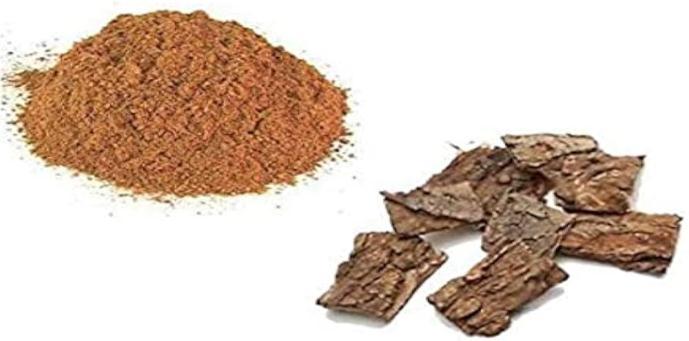
NeembarkisobtainedfromthetrunkoftheNeemtreeand isrichincellulose,lignin,andtannins,whichactasnatural adsorptionsitesforheavymetals,organiccompounds,and microbialcontaminants.Itsinherentantibacterialproperties makeiteffectiveforreducingmicrobialpresenceinwater. Neembarkpowderiseco-friendly,cost-effective,andeasily available, making it a practical choice for rural water purification.Itcanbedried,ground,andsievedtoproduce finepowdersuitableforfiltrationapplications.Researchhas demonstrated its potential in removing fluoride, iron, and turbidityfromgroundwater.
International Research Journal of Engineering and Technology (IRJET) e-ISSN: 2395-0056
Volume: 13 Issue: 01 | Jan 2026 www.irjet.net p-ISSN: 2395-0072
4. Activated Charcoal
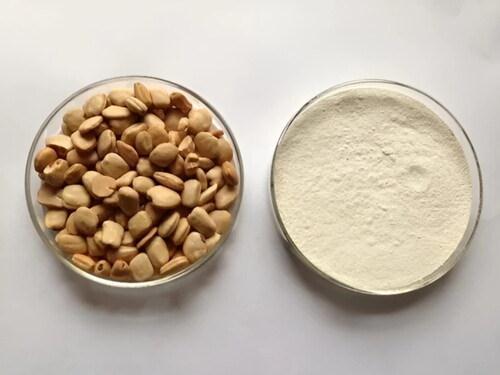
Tamarindseeds,a byproductoftamarindfruit,are richin proteins,polysaccharides,andcarboncontent,makingthem suitableforuseasanadsorbentorforproducingactivated carbon. Tamarind seed powder has high porosity and contains functional groups like –OH and –COOH, which enhance the adsorption of heavy metals, dyes, and other pollutants. It is effective in reducing turbidity and contaminantlevelsinborewellwater.Beinganagricultural waste, tamarind seed powder is both environmentally friendlyandcost-effectiveforwatertreatmentapplications.
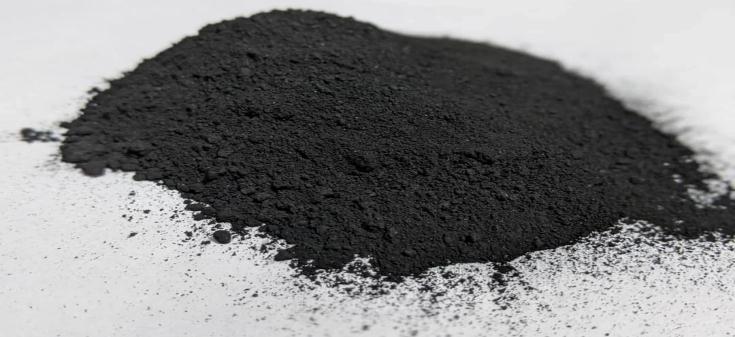
Activated charcoal is a highly porous material with an extensivesurfaceareacapableofadsorbingawidevarietyof organic and inorganic contaminants. It is widely used to improvewaterqualitybyreducingcolor,odor,turbidity,and toxicsubstances.Whencombinedwithbio-basedpowders like neem, tamarind seeds, and citrus peels, activated charcoal enhances overall purification efficiency by providingadditionaladsorptionsites.

5) METHODOLOGY
1)
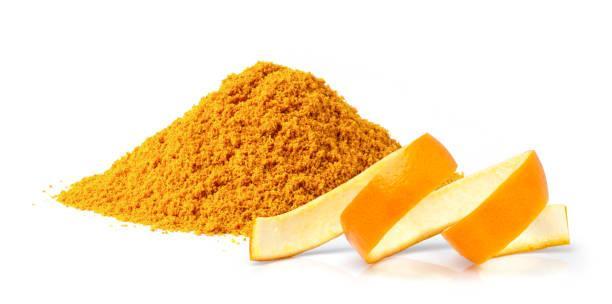
Orange and lemon peels contain pectin, cellulose, and flavonoid compounds, which make them effective natural adsorbents.Powderedoractivatedcitruspeelscanremove turbidity,organicmatter,dyes,andtracemetalsfromwater. Usingcitrus peel powdernotonlyimproveswater quality but also helps in recycling fruit waste. Studies report that activatedcitruspeel-basedadsorbentscanachieveupto90–95%removalefficiencydependingonpreparationethods.
Material Sampling and Preparation: Each bio-adsorbent was prepared as described aboveandsievedtouniformsizeforconsistency.
2) Sample Collection:
Borewellwatersampleswerecollectedfromrural domesticwellsusingsterilizedbottlesandanalyzed forbaselineparameter.
3) Experimental Procedure:
5. 3. 1. Neem Bark powder
Preparation of adsorbent
a) CollectfreshneembarkfrommatureNeemtrees. b) Wash the bark thoroughly with distilled water to removedust,dirt,andotherimpurities.
International Research Journal of Engineering and Technology (IRJET) e-ISSN: 2395-0056
Volume: 13 Issue: 01 | Jan 2026 www.irjet.net p-ISSN: 2395-0072
c) Drythecleanedbarkundersunlightfor5–7daysorin anovenat60°Cuntilallmoistureisremoved.
d) Grind the dried bark into a fine powder using a mechanicalgrinder.
e) Sieve the powder through a 60-mesh sieve to obtain uniformparticlesize.
f) Store the prepared neem bark powder in airtight containerstopreventmoistureabsorptionuntilusein adsorptionexperiments.
ameasuredamountofneembarkpowder(typically1–5g) wasaddedto250mLofborewellwaterinanErlenmeyer flask. The mixture was stirred using a magnetic stirrer or shakerforcontacttimesrangingfrom30to120minutesto allow sufficient interaction between the adsorbent and contaminants. After the designated contact period, the mixture was allowed to settle or filtered to separate the neempowderfromthetreatedwater.Thewaterwasthen analyzedforchangesinphysicochemicalparameterssuchas pH, turbidity, total dissolved solids (TDS), hardness, chlorides,andmicrobialcontent.
a) Measureaspecificamountofneembarkpowder.
b) Add the powder to the borewell water sample in a containerorflask.
c) Stirorshakethemixtureforapredeterminedcontact timetoallowadsorptionofcontaminants.
d) Allowthe mixture tosettle orfilter ittoseparate the powderfromthetreatedwater.
e) Analyze the treated water for pH, turbidity, TDS, hardness,chlorides,andmicrobialcontent.
f) Calculate the percentage removal of contaminants using the difference between initial and final concentrations.
g) Repeattheexperimentwithdifferentdosesandcontact times to determine the optimum conditions for maximumpurification.
5. 3. 2. Tamarind seed powder Preparation of adsorbent
a) Collecttamarindseedsfromfreshtamarindfruits.
b) Wash the seeds thoroughly with distilled water to removepulpresidues,dirt,anddust.
c) Boil the seeds for 10–15 minutes to soften and clean themfurther(optionalstepforeasierdrying).
d) Drythecleanedseedsundersunlightfor2–3daysorin ahotairovenat60°Cuntilcompletelydry.
e) Grind the dried seeds into a fine powder using a mechanicalgrinder.
f) Sieve the powder through a 60-mesh sieve to obtain uniform particle size suitable for adsorption experiments.
g) Store the prepared tamarind seed powder in airtight containerstopreventmoistureabsorptionuntiluse.
Ameasuredamountoftamarindseedpowderwasaddedto 250mLofborewellwaterandstirredfor30–120minutesto allowadsorptionofcontaminants.Afterstirring,themixture was settled or filtered to separate the powder from the water. The treated water was analyzed for pH, turbidity, TDS, hardness, chlorides, and microbial content. The percentage removal of contaminants was calculated using the difference between initial and final concentrations. Experimentswererepeatedwithdifferentdosesandcontact times to determine the optimum conditions for maximum purification.
a) Measureaspecificamountoftamarindseedpowder.
b) Add the powder to the borewell water sample in a containerorflask.
c) Stir or shake the mixture for a predetermined contact timetoallowadsorptionofcontaminants.
d) Allow the mixture to settle or filter it to separate the powderfromthetreatedwater.
e) Analyze the treated water for pH, turbidity, TDS, hardness,chlorides,andmicrobialcontent.
f) Calculatethepercentageremovalofcontaminantsusing thedifferencebetweeninitialandfinalconcentrations.
g) Repeattheexperimentwithdifferentdosesandcontact timestodeterminetheoptimumconditionsformaximum purification.
5. 3.3. Orange/Lemon Peel Powder Preparation of adsorbent
a) Collectfreshorangeorlemon.peelsandwash thoroughlywithdistilledwatertoremovedirtand impurities.
b) Cutthepeelsintosmallpiecesforfasterdrying.
c) Drythepeelsundersunlightfor24–48hoursorinan ovenat60°Cuntilcompletelydryandcrisp.
d) Grindthedriedpeelsintoafinepowderusinga mechanicalgrinder.
e) Sievethepowderthrougha60-meshsievetoobtain uniformparticlesize.
f) Storethepreparedpeelpowderinairtightcontainers topreventmoistureabsorptionuntiluse.
A measured amount of orange or lemon peel powder was addedto250mLofborewellwaterandstirredfor30–120 minutestoallowadsorptionofcontaminants.Afterstirring, themixturewassettledorfilteredtoseparatethepowder from the water. The treated water was analyzed for pH, turbidity,TDS,hardness,chlorides,andmicrobial content. The percentage removal of contaminants was calculated based on the difference between initial and final concentrations. Different doses and contact times were
International Research Journal of Engineering and Technology (IRJET) e-ISSN: 2395-0056
Volume: 13 Issue: 01 | Jan 2026 www.irjet.net p-ISSN: 2395-0072
testedtodeterminetheoptimumconditionsformaximum purification.
Procedure
a) Measure a specific amount of orange or lemon peel powder.
b) Add the powder to the borewell water sample in a containerorflask.
c) Stirorshakethemixtureforapredeterminedcontact timetoallowadsorptionofcontaminants.
d) Allowthe mixture tosettle orfilter ittoseparate the powderfromthetreatedwater.
e) Analyze the treated water for pH, turbidity, TDS, hardness,chlorides,andmicrobialcontent.
f) Calculate the percentage removal of contaminants using the difference between initial and final concentrations.
g) Repeattheexperimentwithvaryingdosesandcontact times to determine the optimum purification conditions.
5. 3. 4. Activated charcoal Preparation of adsorbent
a) Obtain commercially available activated charcoal or prepareitfrombiomasssources.
b) Washthe charcoal thoroughlywithdistilled waterto removedustandimpurities.
c) Drythecharcoalinsunlightorinanovenat60°Cuntil completelydry.
d) Crushandsievethecharcoaltoobtainuniformgranules suitableforadsorptionexperiments.
e) Store the activated charcoal in airtight containers to maintainitsadsorptionpropertiesuntiluse.
Batch adsorption experiment
Ameasuredamountofactivatedcharcoalwasaddedto250 mL of borewell water and stirred for 30–120 minutes to allowadsorptionofcontaminants.Afterstirring,themixture wasallowedtosettleorwasfilteredtoseparatethecharcoal from the water. The treated water was analyzed for pH, turbidity,TDS,hardness,chlorides,andmicrobial content. The percentage removal of contaminants was calculated usingthedifferencebetweeninitialandfinalconcentrations. Differentdosesandcontacttimesweretestedtoidentifythe optimumconditionsformaximumpurificationefficiency.
Procedure
a) Measureaspecificamountofactivatedcharcoal.
b) Add the charcoal to the borewell water sample in a containerorflask.
c) Stirorshakethemixtureforapredeterminedcontact timetoallowadsorptionofcontaminants.
d) Allowthe mixture tosettle orfilter ittoseparate the charcoalfromthetreatedwater.
e) Analyze the treated water for pH, turbidity, TDS, hardness,chlorides,andmicrobialcontent.
f) Calculate the percentage removal of contaminants using the difference between initial and final concentrations.
g) Repeattheexperimentwithvaryingdosesandcontact timestodeterminetheoptimumpurificationconditions
The experimental study was conducted to evaluate the effectiveness of bio-based adsorbents in improving the quality of borewell water. Initial water analysis indicated elevated levels of turbidity, total dissolved solids (TDS), hardness,chlorides,andmicrobialload,whichexceededsafe drinkingstandards.
WhenNeemBarkPowderwasused,asignificantreduction inturbidityandmicrobialcontentwasobserved.Turbidity decreased from the initial value to a substantially lower level, while the total bacterial count showed marked reduction, demonstrating the natural antibacterial propertiesofneem.Theadsorptionofdissolvedsolidsand minor metals also contributed to improvement in water quality.
Tamarind Seed Powder exhibited strong adsorption capacity, particularly in reducing TDS, hardness, and chlorides. Its polysaccharides and functional groups facilitatedthebindingofdissolvedions,resultinginclearer andsofterwater.Themicrobialloadalsodecreased,though not as prominently as with neem bark, suggesting its primaryroleinphysicochemicalpurification.
Orange and Lemon Peel Powder showed effectiveness in reducingorganiccontaminants,turbidity,andodor.Thehigh pectinandcellulosecontentofcitruspeelsprovidedactive sites for adsorption. This material also helped slightly in reducing microbial content due to its natural flavonoids, contributingtosaferwaterfordomesticuse.
Activated Charcoal demonstrated the highest overall adsorptionefficiency,especiallyforTDS,hardness,andcolor removal.Itshighsurfaceareaallowedrapid
Adsorptionofdissolvedimpurities.Whencombinedwiththe bio-based powders, a synergistic effect was observed, resulting in further improvement in water quality parameters.
Overall,thestudyindicatedthateachadsorbentcontributed differently: neem bark mainly improved microbial safety, tamarindseedtargeteddissolvedions,citruspeelreduced turbidity and organics, and activated charcoal enhanced overall physicochemical purification. The combination of these materials provided a low-cost, eco-friendly, and efficientapproachforborewellwatertreatment.
International Research Journal of Engineering and Technology (IRJET) e-ISSN: 2395-0056
Volume: 13 Issue: 01 | Jan 2026 www.irjet.net p-ISSN: 2395-0072
1. Eco-friendlyandSustainable:Thematerialsused,suchas neembark,tamarindseeds,andcitruspeels,arenatural andbiodegradable,minimizingenvironmentalimpact.
2. Cost-effective: These bio-based adsorbents are inexpensiveandeasilyavailable,makingthemsuitable forruralandlow-incomeareas.
3. Effective Contaminant Removal: Each material targets specific contaminants neem bark reduces microbial load,tamarindseedsremovedissolvedions,citruspeels reduce turbidity and organics, and activated charcoal improvesoverallphysicochemicalquality.
4. Easy Preparation and Use: The adsorbents can be prepared with simple drying, grinding, and sieving processeswithoutrequiringsophisticatedequipment.
5. SynergisticPerformance:Combiningbio-basedpowders with activated charcoal enhances overall water purificationefficiency.
6. Health and Safety: Using natural materials reduces the riskofintroducingharmfulchemicalsintothewater.
7. WasteUtilization:Agriculturalby-productsliketamarind seedsandcitruspeelsareeffectivelyrecycled,reducing solidwaste.
1. LimitedContaminantRange:Bio-basedadsorbentsmay not effectively remove all types of chemical contaminants, such as heavy metals at very high concentrations.
2. SlowerAdsorptionRate:Comparedtosomecommercial water treatment methods, natural adsorbents may require longer contact times to achieve desired purification.
3. Batch Process Limitation: The study uses batch experiments,whichmaynotdirectlytranslatetolargescalecontinuouswatertreatmentsystems.
4. VariationinAdsorbentQuality:Natural materialsmay vary
5. In composition depending on source and season, affectingconsistencyandefficiency.
6. Need for Pre-treatment: Someadsorbents mayrequire drying,grinding,orchemicalactivationbeforeuse,which canbetime-consuming.
7. Limited Shelf Life: Bio-based powders may absorb moisture or degrade over time, reducing their effectivenessifnotstoredproperly.
The experimental assessment of bio-based materials demonstrated that neem bark powder, tamarind seed powder,orange/lemonpeelpowder,andactivatedcharcoal caneffectivelyimprovethequalityofborewellwater.Each adsorbent contributed differently: neem bark primarily reduced microbial contamination; tamarind seed powder targeteddissolvedsolidsandhardness,citruspeelpowder decreased turbidity and organic matter, and activated charcoal enhanced overall adsorption of impurities. The study highlighted that combining these materials further improveswaterpurificationefficiency,providingalow-cost, eco-friendly, and sustainable alternative for rural water treatment. While bio-based adsorbents have some limitations,suchassloweradsorptionratesandvariabilityin natural composition, they offer a practical and environmentallysafesolutionforprovidingsaferdrinking water.Overall,thisresearchconfirmsthepotentialofnatural materials in developing accessible and efficient water treatmentmethodsforcommunitiesdependentonborewell
1. D. R. Rawat, K. M. Parmar, and S. S. Thorat, “Comparativeanalysisofplant basednaturalcoagulants forwastewatertreatment,”Curr.WorldEnviron.,vol.20, no.1,pp.395–409,2025.
2. Tiwarietal.,“EffectofdifferentratioKOHtreatment on neem bark in the formation of activated carbon: Adsorptioncharacteristicsstudy,”J.Environ.Chem.Eng., 2024.
3.M.P.PatilandP.Mahajan,“AdsorptionofCu(II),Ni(II) andCo(II)onadsorbentpreparedfromlemonpeel,”Int. J.Res.Biosci.Agric.Technol.,pp.21–29,2025.
4. “Activated carbon derived from waste orange and lemonpeelsforadsorptionofdyes,”2022.
5. A review on recent advances of biochar from agriculturalandforestrywastes,J.Environ.Chem.Eng., 2024.
6. National Research Council (US), “An Evaluation of Activated Carbon for Drinking Water Treatment,” NationalAcademiesPress,1980. Sciences.