
International Research Journal of Engineering and Technology (IRJET) e-ISSN:2395-0056
Volume: 11 Issue: 09 | Sep 2024 www.irjet.net p-ISSN:2395-0072

International Research Journal of Engineering and Technology (IRJET) e-ISSN:2395-0056
Volume: 11 Issue: 09 | Sep 2024 www.irjet.net p-ISSN:2395-0072
Srirangan Saravanan¹, Subash Velusamy², A C Mariappan³, G Peter Packiaraj⁴
1,2Final Year B.E Marine Cadets, PSN CET, Tirunelveli, Tamil Nadu
3,4Assistant Professor, Department of Marine Engineering, PSN CET, Tirunelveli, Tamil Nadu***
ABSTRACT
Traditional diesel-electric propulsion systems are so flexible because of one of their major advantages. The power generation units (gensets) are only electrically powered connected to the electric propulsion system. This makes it easier to replace the units with new energy sources such as future fuel-powered engines, batteries or fuelcells.
Diesel-electric propulsion systems continue to be a solid choice for ships that have a significant hotel load, such as cruise ship need to move with varying speeds, such as offshore and special vessels The current decarbonisation requirements mean that many more types of vessels are consideringtoadoptelectricpropulsion.
Real-Time Adjustments Electric motors can respond quicklytocontrolinputs, makingthemidealfor AI systems that need to make rapid, precise adjustments during maneuvering. This responsiveness helps in complex operations such as docking, collision avoidance, and navigatingtightspaces.
Precision and Control Electric motors provide smooth and precise control, which is crucialfor accurate maneuvering. A systems can leverage this precision to optimize movementandhandling.
Efficiency Electric propulsion systems are more efficient than traditional diesel engines. This efficiency translates to better performance in maneuvering situations where quickresponsesareneeded
Integration with AI automation can fully abstract the complexities of marine maneuvering. By integrating with electric motors, AI systems can manage real-time adjustments to optimize navigation, collision avoidance, anddockingprocedures.
Reduced Emissions Electric motors produce zero emissions at the point of use, which aligns with increasing environmental regulations and goals for cleaner marine operations.
Keywords: ElectricalPropulsion,AIAutomation.
Electric marine propulsion is your flexible, Future-proof choice. Flexibility is a must for your Propulsion system becausesomanythingsinShippingareuncertain.
Flexibility protects you from uncertainty, for example, abouttheavailabilityandcostofsustainablefuels.
If you are not sure about the additional power sources thatwill supportyourcombustion engine,youwill need flexibility. And you will also need it when you do not know exactly which operational profile will be dispatched.
In marine propulsion, electric motors are increasingly used for their efficiency, reliability, and reduced environmental impact. The use of electric motors in maneuvering ships involves several key principles and technologies
2.1 Electric Motor Basics: Electric motors convert electrical energy into mechanical energy. In marine propulsion, these motors can drive propellers or other propulsion mechanisms directly, or through a reduction gearbox.
2.2 Speed Control: Electric motors can be precisely controlled using various methods. Common techniques include:
2.3 Variable Frequency Drives (VFDs): These adjust the frequency and voltage supplied to the motor, enablingsmoothcontrolofmotorspeedandtorque.
2.4 Direct Current (DC) Motor Control:ForDCmotors, speed control is achieved by varying the voltage applied tothemotor.
2.5 Maneuvering and Automation: In modern marine vessels, automation systems assist in maneuvering by integrating
International Research Journal of Engineering and Technology (IRJET) e-ISSN:2395-0056
Volume: 11 Issue: 09 | Sep 2024 www.irjet.net
2.6 Automated Control Systems: These systems use sensors and algorithms to manage speed, direction, and positioning.
2.7 Dynamic Positioning Systems (DPS): These systemsuseGPSandothersensorstomaintainavessel's positionandheadingautomatically.
2.8 Integrated Bridge Systems (IBS): These provide centralizedcontrolofnavigationandpropulsionsystems, enhancingmaneuverabilityandeaseofoperation.
2.9 Speed and Position Control: The combination of electric motors and automation allows for precise speed andpositioncontrol.Forinstance:
2.10 Feedback Mechanisms: Sensors monitor the vessel’s speed and position, sending data to the control systemtomakereal-timeadjustments.
2.11Pre-ProgrammedManeuvers: Automation can execute predefined maneuvering patterns for docking, avoidingobstacles,orothercomplexnavigationtasks.
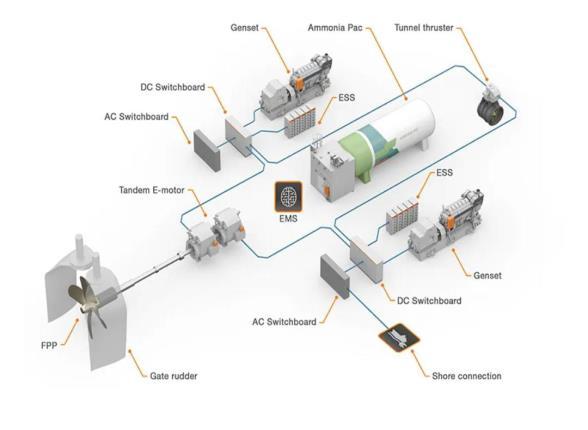
3.COMPONENTS
3.1 Variable Frequency Drive (VFD): Controlthespeed torqueofanelectricmotor
3.2 Electric Motor: Drivesamechanicalsystem.
3.3 Ultrasonic Transducer: Emits and receives ultrasonicwaves.
3.4 Microcontroller or Signal Processor: Processesthe signalsfromtheultrasonictransducer.
3.5 Power Supply and Wiring: To power the componentsandconnectthem.
p-ISSN:2395-0072
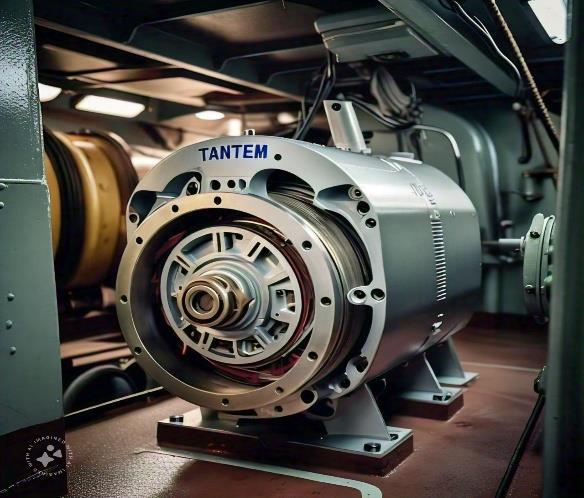
Dual-Motor Configuration: Atantem motormightrefer toasystemwithtwoelectric motorsworkingintandem, possiblyforincreasedpowerortorque.
Sequential or Phased Operation: It could imply a motor that operates in stages or phases, perhaps using different winding configurations or control strategies Speedisabove10000rpm
A Cornerstone of Modern Ship Navigation Ultrasonic sensors, employing high-frequency sound waves to measure distance, have revolutionized various industries, including marine navigation. In maritime applications, these sensors offer a reliable, efficient, and cost-effective solution for determining a ship’s direction, controllingitsspeed,andenhancingoverallsafety.

International Research Journal of Engineering and Technology (IRJET) e-ISSN:2395-0056
Volume: 11 Issue: 09 | Sep 2024 www.irjet.net p-ISSN:2395-0072
Ultrasonic sensors operate on the principle of time-offlight.They emit a series of high-frequencysound pulses andmeasurethetimeittakesforthesepulsestotravelto a target and return. By calculating the time difference andknowingthespeedofsoundinwater,thesensorcan determine the distance to the target with remarkable accuracy.
DirectionSensing:Ultrasonicsensorscanbemountedon thehullofaship,facingthe
water.Bymeasuringthedistancetothewatersurfaceon bothsidesoftheship,thesensorcandetectanydeviation fromastraightcourse.Ifthedistancetothewateronone sideisshorterthantheother,itindicatesthattheshipis veering towards that side. This information can be used toadjusttheship’sheadingtomaintainadesiredcourse.
SpeedMeasurement:Ultrasonicsensorscanalsobeused to measure a ship’s speed through the water. By measuring the time it takes for a sound pulse to travel a known distance through the water, the sensor can calculate the ship’s speed. This data can be used for navigation, fuel efficiency optimization, and compliance withspeedregulations.
Obstacle Detection: Ultrasonic sensors can be used to detect obstacles in the water, such as submerged rocks, reefs, or other ships. This is particularly important in shallow waters or areas with high traffic. By detecting obstacles in advance, the ship’s captain can take evasive actiontoavoidcollisions
Variable Frequency Drives (VFDs): These adjust the frequency and voltage supplied to the motor, enabling smoothcontrolofmotorspeedandVV
DirectCurrent(DC)MotorControl:ForDCmotors,speed control is achieved by varying the voltage applied to the motor.
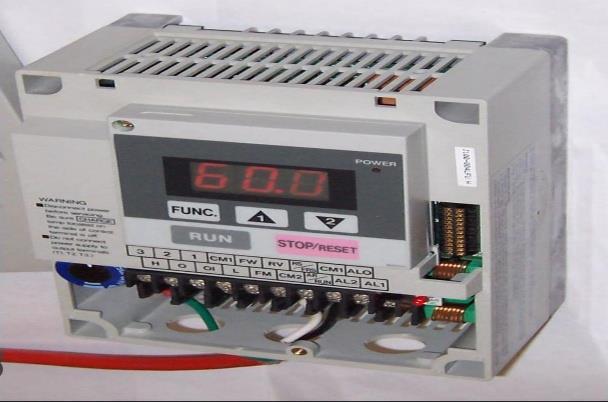
Automated Control Systems: These systems use sensors and algorithms to manage speed, direction, and positioning.
Dynamic Positioning Systems (DPS): These systems use GPSandothersensorstomaintainavessel’spositionand headingautomatically.
Integrated Bridge Systems (IBS): These provide centralizedcontrolofnavigationandpropulsionsystems, enhancingmaneuverabilityandeaseofoperation.
Speed and Position Control: The combination of electric motors and automation allows for precise speed and positioncontrol.
Marine internal combustion engine Electric motor marine propulsion
1.prodicitivecontrol 1.realtimecotrol
2.variableprecision 2.highprecision
3.slowerresponse Immediateresponse
4.variableefficiency 5.highefficiency
5.maintanceinhigh 5.maintanceinless
6.highwearandtear 6.lesswearandtear
7.emmsionishigh 7.zeroemmision
7.ADVANTAGES
7.1Advantages of Electric Motors in Marine Propulsion
Efficiency:Electricmotorsarehighlyefficient,converting electrical energy into mechanical energy with minimal losses. This translates to fuel savings and reduced emissions.
Controllability: Electric motors provide precise and instantaneous control over speed and direction. This is crucial for maneuvering in confined spaces or challengingconditions.
Environmental Benefits:Electricmotors can be powered byrenewableenergysources,reducingrelianceonfossil fuelsandminimizingenvironmentalimpact
Precise Control: Electric motors allow for fine-tuned control of thrust, enabling ships to maneuver with greateraccuracyandagility.
International Research Journal of Engineering and Technology (IRJET) e-ISSN:2395-0056
Volume: 11 Issue: 09 | Sep 2024 www.irjet.net p-ISSN:2395-0072
Quick Response: Electric motors can respond quickly to changes in direction or speed, making them ideal for avoiding obstacles or maneuvering in emergency situations.
Reduced Noise and Vibration: Electric motors operate more quietly and produce less vibration than traditional diesel engines, improving comfort for passengers and crew.
Intelligent Decision Making: AI algorithms can analyze various factors, such as ship position, speed, and environmental conditions, to make optimal decisions regardingpropulsion.
AdaptiveControl:AI-poweredsystemscanautomatically adjust motor speed and direction to maintain desired courseandspeed,eveninchallengingconditions.
Energy Optimization: AI can optimize energy consumption by selecting the most efficient propulsion modebasedonthecurrentoperatingconditions.
Imagine a large container ship equipped with electric motors. As the ship approaches a port, the AI system analyzes the surrounding environment, including other vessels,buoys,andthedepthofthe water.Based on this information, the AI determines the optimal speed and directionformaneuvering.
The electric motors are then commanded to adjust their speed and direction accordingly. The AI system continuously monitors the ship’s progress and makes real-time adjustments as needed. This ensures that the ship can safely navigate through the port, avoiding collisions and minimizing delays. electric motors offer significant advantagesin marine propulsion, particularly for maneuvering. When combined with AI automation and speed control, electric motors can provide precise control,improvedefficiency,andreducedenvironmental impact.Thistechnologyispoisedtoplayacrucialrolein thefutureofmarinetransportation
Ultrasonicsensorshavebecomeanindispensabletoolfor modern ship navigation. Their ability to accurately measure distance and detect obstacles has significantly enhanced safety and efficiency in maritime operations. Astechnologycontinuestoadvance,wecanexpecttosee evenmoreinnovativeapplicationsofultrasonic
[1] Electric Propulsion for Ships by J. G. Woud and D. Stapersma. A comprehensive Guide on electric propulsion systems in Ships, discussing automation, maneuvering,AndspeedcontrolISBN:978-1860946344
[2] Control Strategies for Electric Marine Propulsion Systems: A Review – Ocean Engineering Journal This paper reviews Various control strategies for electric Propulsioninmarineapplications,withaFocusonAIand automation in maneuvering DOI: 10.1016/j.oceaneng.2020.108042
[3] AI-BasedAdaptive Control for Marine Propulsion Systems– IEEE Transactions on Industrial Electronics A research paper of AI- based adaptive control system of Optimization electric propulsion during ship DOI: 10.1109/TIE.2020.3040959
[4]ElectricShipTechnologiesSymposium(ESTS)IEEE Xplore Proceedings from the ESTS conference often include papers on electric propulsion and AI in marine applications with focus on maneuverability and speed controlConferenceSeries:ISSN1944-9889
[5] Application of Fuzzy Logic and AI in Ship Maneuring Control Systems Journal of Marine Science and Technology this paper discusses the use of fuzzy logic and AI with improving maneuvering and speed control in electric propulsion systems. DOI: 10.1007/s00773-019-00627-1
Biographies


I am pursuing B.E final year Marine Engineering cadet at PSN College of Engineering & Technology, Tirunelveli,TamilNadu.
I am pursuing B.E final year Marine Engineering cadet at PSN College of Engineering & Technology, Tirunelveli,Tamilnadu
International Research Journal of Engineering and Technology (IRJET) e-ISSN:2395-0056
Volume: 11 Issue: 09 | Sep 2024 www.irjet.net p-ISSN:2395-0072


Guide cum Assistant Professor PSN College of Engineering & Technology, Tirunelveli, Tamil Nadu. Also having 15 years’ experience in Oil and Gas industries.
Specialization in NDT and worked varies Gulf Countries
Project Guide cum Assistant Professor PSN College of Engineering & Technology, Tirunelveli, Tamil Nadu. MEO Class-IV Marine Engineer and WorkedvariesCountries
© 2024, IRJET | Impact Factor value: 8.315 | ISO 9001:2008