
International Research Journal of Engineering and Technology (IRJET) e-ISSN: 2395-0056
Volume: 11 Issue: 08 | Aug 2024 www.irjet.net p-ISSN: 2395-0072

International Research Journal of Engineering and Technology (IRJET) e-ISSN: 2395-0056
Volume: 11 Issue: 08 | Aug 2024 www.irjet.net p-ISSN: 2395-0072
This study investigates the incorporation of lignin, an industrial byproduct, as a partial replacement for cement in M20 concrete. Lignin content was varied (10%, 20%, 30%, 40%) to evaluate its impact on workability, compressive strength, tensile strength, self-healing properties, and water permeability. The results indicate that lignin content up to 20% enhances workability, maintains or improves strength, significantly boosts self-healing capabilities, and reduces water permeability, thus enhancing the overall durability of concrete. However, higher lignin contents (30-40%) lead to reduced mechanical properties and increased permeability. The environmental benefits of using lignin, including reduced carbon footprint and sustainable waste utilization, are also highlighted. The study concludes that optimal lignin incorporation (10-20%) can improve the performance and sustainability of concrete, making it a viable alternative in construction practices. Future research should focus on long-term performance, economic feasibility, and the effects of different lignin types to further optimize its use in concrete production.
Key Words: Lignin, Concrete performance, Self-healing properties
CHAPTER 1
1.1 Introduction to Concrete and its Advanced Properties
Concrete, a ubiquitous and indispensable material in modern construction, is a composite substance made primarilyfromamixtureofcement,aggregates(suchassand,gravel,orcrushedstone),andwater.Itswidespreaduseis attributable to its versatility, durability, and cost-effectiveness. As the backbone of infrastructure and construction projects, concrete's properties and performance are of paramount importance. The development and enhancement of these properties can considerably influence the structural integrity, longevity, and environmental sustainability of concretestructures.Inthisintroduction,wewill delveintoseveral critical aspectsofconcrete,namelythebindingagent, hydration control, self-healing mechanism, reduction of permeability, and environmental benefits. Understanding and optimizing these properties are vital for advancing concrete technology and meeting the difficulties of current construction.
InConcretethebindingagentisprimarilycement,mostcommonlyPortlandcement.Cementactsasthegluethat holdstheaggregateparticlestogether,providingthematrixthatbindsthemixtureintoasolid,cohesivemass.Afterwater isaddedtocement,achemicalreactiontermedhydrationoccurs,leadingtothecreationofasolid,stone-likematerial.
Importance in Concrete
1) Structural Integrity: Thebindingagentisfundamentaltothestructuralintegrityofconcrete.Strong bondamongthe cementandaggregateparticlesensuresthattheconcretecanresistcompressiveforcesandloads.
2) Workability and Plasticity: Thebindingagentpropertiesaresignificantlyimpactonthefreshstateworkabilityofthe concretemix.Aproperbalanceallowsforeasiermixing,placement,andconcretefinishing
3) Durability: Thequalityand arrangement ofthe bindingagentimpactthelong-termconcreteintermsof durability.A well-formulatedbindingagenthelpsinresistingenvironmentaldegradation,chemicalattacks,andphysicalwear.
1.3 Hydration Control
Hydrationcontrolinvolvesmanagingthechemicalreactionbetweencementandwater.This responseisvitalfor thesettingandhardeningofconcrete.Thehydrationprocessisexothermic,releasingheatasthecementelementsrespond withwatertoformcalciumhydroxideand(C-S-H)calciumsilicatehydrate.
International Research Journal of Engineering and Technology (IRJET) e-ISSN: 2395-0056
Volume: 11 Issue: 08 | Aug 2024 www.irjet.net p-ISSN: 2395-0072
1) Setting Time: Controllinghydrationisessentialformanagingthesettingtimeofconcrete.Propercontrolensuresthat concretehassufficienttimetobeplacedandfinishedbeforeitbeginstoharden.
2) Strength Development: The rate of hydration affects the amount at which concrete gains strength. Controlled hydrationensuresagradualanduniformdevelopmentofstrength,reducingtheriskofcrackingandshrinkage.
3) Temperature Management: Managing the heat generated during hydration is critical, especially in mass concrete pours.Excessiveheatcanleadtothermalcracking,compromisingtheintegrityofthestructure.
1.4 Self-Healing Mechanism: The self-healing process or mechanism in concrete refers to its capacity to autonomously repair cracks and micro-damage over time. This can be improved and achieved through different way, such as the incorporation of microcapsules containing healing agents, bacteria that precipitate calcium carbonate, or crystalline admixturesthatpromotetheformationofadditionalhydrationproducts.
1) Extended Service Life: Self-healing concrete can significantly extend the service life of structures by reducing the propagationofcracksandpreventingingressofharmfulsubstanceslikewaterandchlorides.
2) Maintenance Reduction: Theabilityofconcretetohealitselfreducestheneedforfrequentmaintenanceandrepairs, leadingtocostsavingsandlessdisruption.
3) Structural Safety: Bymitigatingthegrowthofcracks,self-healingconcreteenhancestheoverallstructuralsafetyand reliability,particularlyincriticalinfrastructure.
1.5 Reduction of Permeability: Permeabilityinconcretereferstoitsabilitytoallowfluidsandgasestopassthroughits porous structure. High permeability can lead to the ingress of water, chemicals, and other deleterious substances, which cancausedamageovertime.
1) Durability: Reducing permeability is crucial for enhancing the durability of concrete. Lower permeability limits the penetrationofaggressiveagentsthatcancausechemicalandphysicaldeterioration.
2) Corrosion Protection: Concrete with low permeability protects embedded steel reinforcement from corrosion by minimizingtheingressofchloridesandmoisture.
3) Water Tightness: Instructureswherewatertightnessiscritical,suchasin dams,reservoirs,andbasementwalls,low permeabilityensuresthattheconcretecaneffectivelyresistwaterinfiltration.
1.6 Environmental Benefits: The environmental benefits of concrete are increasingly important in the context of sustainable construction practices. These benefits are Improved and achieved through different way, such as the use of supplementarycementitiousmaterials(SCMs),recyclingofconcretewaste,andthegrowthoflow-carbonconcrete.
1) Resource Efficiency: UtilizingSCMslikeflyash,slag,andsilicafumecandecreasetheconsumptionofPortlandcement, conservingnaturalresourcesandloweringenergyusage.
2) Carbon Footprint Reduction: Innovationsinconcretetechnology,suchastheuseofcarboncaptureandstorage(CCS) incementproduction,cansignificantlyreducethecarbon(amountofcarbon)footprintofconcrete.
3) Waste Minimization: Recycling old concrete as aggregate for new concrete helps in reducing waste and conserving landfillspace,contributingtoacirculareconomy.
4) Energy Savings: Advances in concrete technology can lead to structures with improved thermal mass, enhancing energyefficiencyinbuildingsandreducingheatingandcoolingdemands.
International Research Journal of Engineering and Technology (IRJET) e-ISSN: 2395-0056
Volume: 11 Issue: 08 | Aug 2024 www.irjet.net p-ISSN: 2395-0072
The properties of concrete, including its binding agent, hydration control, self-healing mechanism, reduction of permeability, and environmental benefits, play a vital role in determining its performance, durability, and sustainability. Understanding and optimizing these properties are important for advancing concrete technology and addressing the challenges faced by modern construction. By focusing on these critical aspects, we can develop concrete that not only meets the structural and durability requirements but also aligns with the goals of environmental sustainability and resource efficiency. As the demand for resilient and sustainable infrastructure grows, the continuous improvement of concretepropertieswillremainacornerstoneofconstructioninnovationandprogress.
Objectives for Enhancing Concrete Properties using Industrial Waste or Byproduct of Lignin as a Self-Healing Binder Material
Concrete technology is constantly evolving to meet the demands of modern construction, with a focus on enhancing performance, durability, and sustainability. Incorporating industrial waste or byproducts, such as lignin, as a self-healing binder material presents an innovative approach to achieving these goals. The following objectives outline a comprehensive plan to investigate and implement lignin as a self-healing agent in concrete, focusing on its impact on binding,hydrationcontrol,self-healingmechanisms,permeabilityreduction,andenvironmentalbenefits.
1.8 Enhancing the Binding Agent with Lignin
Objective:
Toinvestigatethepotentialofligninasa supplementarymaterialwith partialreplacementfortraditionalcement inconcretetoimprovethebindingpropertieswhilemaintainingorimprovingstructuralintegrity.
1.9 Hydration Control using Lignin
Objective:
To study the outcome of lignin on the process of hydration in the cement and develop strategies to control the amountofhydrationforbetterperformance.
1.10 Self-Healing Mechanisms in Lignin-Enhanced Concrete
Objective:
To develop and assess the self-healing capabilities of concrete by partial replacement or incorporating lignin, focusingonitscapabilitytoautonomouslyrepaircracksandmicro-damage.
1.11 Reduction of Permeability with Lignin
Objective:
Tostudytheinfluenceofligninonthespecialpropertyi.epermeabilityofconcreteanditsabilityto decreasethe ingressofharmfulsubstances.
1.12 Environmental Benefits of Using Lignin in Concrete
Objective:
Toevaluatetheenvironmentalimpactofusinglignin,anindustrialbyproduct,asaself-healingbinderinconcrete, focusingonsustainabilityandresourceefficiency.
Byaddressingtheseobjectives,theresearchaimstoadvancetheunderstandingandapplicationofligninasaself-healing binderorsupplementarymaterialinconcrete.Thismethodisnotonlyenhancesthedurabilitypropertiesandmechanical properties of concrete but also provide and contributes to sustainability by utilizing industrial waste. The successful incorporationoflignincanleadtosignificantimprovementsinconcretetechnology,pavingthewayformoreresilientand environmentallyfriendlyconstructionpractices.
International Research Journal of Engineering and Technology (IRJET) e-ISSN: 2395-0056
Volume: 11 Issue: 08 | Aug 2024 www.irjet.net p-ISSN: 2395-0072
Study Reports Summary
Singh, R., Kaur, M., & Singh, S.et.al(1) (2017). Utilization of Industrial Lignin in Concrete: A Sustainable Approach. Waste Management, 67, 133-141.
Tests: Compressive strength, tensile strength, water absorption, and durability tests were conducted to assess the performanceoflignin-modifiedconcrete.
Results: The incorporation oflignin improved the durabilityand water resistance oftheconcrete. However,there wasa slightreductioninbothcompressiveandtensilestrengthswithhigherlignincontent.
Conclusion: This study work determines that lignin can be used as a sustainable additive in concrete. While there is a minor compromise in mechanical strength, the enhancements in durability and environmental benefits make lignin a valuablecomponentinconcreteproduction,aligningwithsustainabilitygoals.
Wang, Y., He, Z., & Liu, Y et.al(2) (2019). Pozzolanic Activity of Lignin in Cementitious Systems. Cement and Concrete Research, 120, 128-137.
Tests:Pozzolanicactivity,compressivestrengthtests,andmicrostructuralanalysiswereperformedtoinvestigatelignin’s effects.
Results: Lignin exhibited significant pozzolanic activity, which contributed to the creation of additional (C-S-H) calcium silicatehydrat andimprovedthe early-agecompressive strengthoftheconcrete.Themicrostructural analysisconfirmed theenhancedhydrationproducts.
Conclusion: Lignin’s pozzolanic properties make it a beneficial additive for concrete, particularly in improving early-age strength. This finding supports the potential for lignin to partially replace cement, thereby reducing the environmental impactofconcreteproductionwhilemaintainingorenhancingperformance.
Wu, H., Zhang, X., & Li, Y. et.al(3)(2020). Enhancing Self-Healing Properties of Concrete with Lignin. Construction and Building Materials, 245, 118401.
Tests: Crack width monitoring, healing efficiency measurement, and microstructural analysis were conducted to assess self-healingproperties.
Results:Byadding ligninsignificantly improvedtheself-healing effectiveness of theconcrete, asevidenced by increased crack closure rates. Microstructural analysis indicated that lignin promoted the formation of new hydration products in thecracks.
Conclusion:Ligninenhancestheself-healingpropertiesofconcrete,leadingtobettercrackclosureandoveralldurability. This improvement in self-healing can extend the service lifeof concrete structures, making lignin a valuable additive for enhancingthelongevityandresilienceofconcreteinfrastructure.
Zhang, J., He, Z., & Wang, Y. et.al(4) (2020). Influence of Lignin on the Workability and Strength of Concrete. Materials, 13(4), 832.
Tests:Workability,compressivestrength,andtensilestrengthtestswereachievedtoevaluatetheeffectsoflignin.
Results: The inclusion of lignin improved the workability of the concrete mix, making it easier to handle and place. However, there was a slight reduction in both compressive and tensile strengths at higher lignin concentrations, though thereductionswerewithinacceptablelimitsformanyapplications.
Conclusion:Lignin’sabilitytoenhanceworkabilitywhilemaintainingadequatestrengthlevelsmakesitausefuladditive forconcrete.Thisstudy reportsuggeststhatwithcareful optimizationofthemixdesign,lignincanbeeffectivelyusedto improveconcreteperformanceintermsofeaseofuseandenvironmentalimpact.
International Research Journal of Engineering and Technology (IRJET) e-ISSN: 2395-0056
Volume: 11 Issue: 08 | Aug 2024 www.irjet.net p-ISSN: 2395-0072
Zhang, X., Wu, H., & Li, Y. et.al(5) (2021). Crack Healing Efficiency of Lignin-Modified Concrete. Journal of Materials in Civil Engineering, 33(5), 04021066.
Tests:Crackwidthmonitoring,healingefficiencymeasurement,anddurabilitytestswereconductedtoevaluatetheselfhealingperformanceoflignin-modifiedconcrete.
Results: Concrete with higher lignin content showed increased crack closure rates and improved overall durability. The healingefficiency,measuredbythereductionincrackwidthovertime,wassignificantlyhigherinlignin-modifiedconcrete comparedtocontrolsamples.
Conclusion: The study highlights lignin’s effectiveness in enhancing the self-healing capabilities of concrete, which contributes to better durability and longevity. By improving crack closure and reducing permeability, lignin-modified concrete can lead to more resilient infrastructure, supporting the use of lignin as a functional additive in sustainable concreteproduction.
CHAPTER 3.
LIGNIN AS SUPPLIMENTORY MATERIL
Physical and Chemical Properties of Lignin and Their Importance in Concrete
Ligninisacomplexorganicpolymerfoundinthecellwallsofplants,makingupabout20-30%ofdrywood.Itisa industrial byproduct of the paper and pulp industry and has been increasingly explored as an additive or replacement material in concrete. Following are the key physical and chemical properties of lignin and their relevance to its use in concrete:
3.1 Physical Properties of Lignin
1. Appearance:Brownpowderorgranularform.
o Importance in Concrete:Thefinepowderformofligninallowsforeasymixinganduniformdistributionwithin theconcretematrix,whichiscrucialforachievingconsistentproperties.
2. Particle Size:Normallyrangesfrom1to50micrometers.
o Importance in Concrete:Smallparticlesizeincreasesthesurfacearea,enhancingitsreactivityandabilitytofill voidsintheconcretematrix,leadingtodenserandlesspermeableconcrete.
3. Density:Approximately1.3-1.4g/cm³.
o Importance in Concrete:Thedensityofligninisrelatedorsimilartothatofcement,whichhelpsinmaintaining theoveralldensityandspecificgravityoftheconcretemixwhenligninpartiallyreplacescement.
4. Moisture Content:Canvarybutisusuallyaround5-10%.
o Importance in Concrete:Themoisturecontentneedstobecontrolledtoensureitdoesnotadverselyaffectthe water-cementratioandworkabilityoftheconcretemix.
5. Thermal Stability:Decomposesattemperaturesabove200°C.
o Importance in Concrete:Althoughconcreteisrarelyexposedtosuchhightemperatures,thethermalstabilityof ligninensuresitdoesnotdegradeundernormalcuringconditions,thusmaintainingitsstructuralintegrity.
3.2 Chemical Properties of Lignin
1. Chemical Composition: Lignin is composed of carbon, hydrogen, oxygen, and small amounts of sulfur and nitrogen.Itcontainsvariousfunctionalgroups,includingmethoxy,phenolic,andaliphatichydroxylgroups.
o Importance in Concrete: The presence of phenolic and hydroxyl groups enhances the pozzolanic activity of lignin, contributing to the formation of additional calcium silicate hydrate (C-S-H) during hydration, which improvesthestrengthanddurabilityofconcrete.
International Research Journal of Engineering and Technology (IRJET) e-ISSN: 2395-0056
Volume: 11 Issue: 08 | Aug 2024 www.irjet.net p-ISSN: 2395-0072
2. pH Level:Generallyneutraltoslightlyalkaline(pH7-9).
o Importance in Concrete: A neutral to slightly alkaline pH ensures that lignin does not adversely affect the pH balanceoftheconcretemix,whichiscrucialforthestabilityofhydrationproductsandreinforcementprotection.
3. Solubility:Insolubleinwaterbutsolubleinalkalinesolutions.
o Importance in Concrete: Insolubility in water ensures that lignin remains stable and uniformly distributed within the concrete mix. Solubility in alkaline solutions can enhance its interaction with cement hydration products.
4. Pozzolanic Activity:Ligninexhibitspozzolanicproperties,reactingwithcalciumhydroxidetoformadditionalCS-H.
o Importance in Concrete: The pozzolanic activity contributes to the overall strength and durability of the concrete by reducing the amount of free calcium hydroxide, which is susceptible to leaching and can cause efflorescence.
5. Hydrophobic Nature:Ligninhashydrophobicpropertiesduetothepresenceofnon-polargroups.
o Importance in Concrete:Thehydrophobicnatureoflignincanhelpreducethepermeabilityofconcrete,making itlesspronetowaterinfiltrationandsubsequentdamagefromfreeze-thawcyclesandchlorideingress.
Note: Source of above all results are collected and reported in study from

West Coast Paper Mill, Dandeli
3.3 Importance of Lignin Properties in Concrete
3.3.1. Workability and Mixing:
Thefineparticlesizeanduniformdistributionofligninimprovetheworkabilityofconcrete.Theadditionoflignin can help achieve a desired consistency and ease of mixing, which is crucial for ensuring homogeneity and avoiding segregation.
3.3.2. Strength Development:
Lignin’s pozzolanic activity contributes to the formation of additional C-S-H gel, enhancing the compressive and tensile strength of concrete. This is particularly beneficial when lignin partially replaces cement, ensuring that the mechanicalpropertiesofconcretearemaintainedorevenimproved.
3.3.3. Durability:
Thehydrophobicnatureandreducedpermeabilityduetolignin’sinclusionimprovethedurabilityofconcrete.By making concrete less permeable, lignin helps protect against water ingress, chloride penetration, and sulfate attack, therebyextendingtheservicelifeofconcretestructures.
3.3.4. Self-Healing Properties:
Lignin can enhance the self-healing capabilities of concrete by promoting autogenous healing. The presence of reactive groups in lignin can aid in the formation of additional hydration products that can fill cracks and microvoids, improvingtheoverallintegrityoftheconcrete.
International Research Journal of Engineering and Technology (IRJET) e-ISSN: 2395-0056
Volume: 11 Issue: 08 | Aug 2024 www.irjet.net p-ISSN: 2395-0072
3.3.5. Environmental Impact:
Utilizing lignin, an industrial byproduct, as a partial replacement for cement contributes to sustainability. It reducesthecarbonfootprintassociatedwithcementproductionandpromotestheuseofrenewableandwastematerials inconstruction.
3.4 Summary
Lignin’sphysicalandchemicalpropertiesmakeitavaluableadditiveinconcrete.Itsfineparticlesize,pozzolanic activity,hydrophobicnature,andcompatibilitywithcementitiousmaterialscontributetoimprovedworkability,strength, durability, and self-healing properties of concrete. Additionally, using lignin helps reduce environmental impact, making concrete production more sustainable. These properties collectively enhance the performance and longevity of concrete structures,offeringapromisingalternativetotraditionalcement-basedmixes.
CHAPTER 4
4.1 Materials:
1. Cement:OrdinaryPortlandCement(OPC)53grade
2. Fine Aggregate:Riversand(ZoneII)
3. Coarse Aggregate:Crushedstone(20mmmaximumsize)
4. Water:Potablewater
5. Lignin:Industrialbyproduct
6. Superplasticizer:High-rangewaterreducer(HRWR)
4.2 Mix Design for M20 Concrete Incorporating Lignin as Binder Material with Superplasticizer (IS 10262:2019)
ThefollowingmixdesignfollowstheguidelinesspecifiedinIS10262:2019forthe designofconcretemixes.The mix proportions will be calculated for M20 grade concrete with varying percentages of lignin replacing cement (10%,20%,30%,and40%).
4.3 Step-by-Step Mix Design Procedure:
4.3.1 Design Stipulations:
Grade of Concrete: M20
Characteristic Compressive Strength: 20MPa
Maximum Size of Aggregate: 20mm
Workability: 75-100mm(slump)
Exposure Condition: Moderate
Degree of Quality Control: Good
Type of Cement: OPC53grade
Specific Gravity of Cement: 3.15
Specific Gravity of Lignin: Assumedtobe3.15(forsimplicity)
Specific Gravity of Fine Aggregate (Sand): 2.65
International Research Journal of Engineering and Technology (IRJET) e-ISSN: 2395-0056
Volume: 11 Issue: 08 | Aug 2024 www.irjet.net p-ISSN: 2395-0072
Specific Gravity of Coarse Aggregate: 2.7
Water-Cement Ratio: 0.50
Superplasticizer Dosage: 1%byweightofcementitiousmaterial
Below is a summary table of the mix designs for M20 concrete with varying percentages of lignin (10%, 20%, 30%,and40%)replacingcement,includingtheuseofasuperplasticizer.
4.4 Tests for Incorporating Lignin Material in Concrete
4.4 1. Compressive Strength Test (ASTM C39)
Importance:
Structural Integrity: Compressive strength is a primary indicator of the load-bearing capacity of concrete. Evaluating the compressive strength of lignin-enhanced concrete ensures that it meets the necessary structural requirementsforvariousconstructionapplications.
Material Performance: This test helps in comparing the performance of lignin-enhanced concrete with conventional concrete, ensuring that the incorporation of lignin does not adversely affect the strength of the material.
Optimization: By understanding how lignin affects compressive strength, researchers can optimize the mix designtoachievethebestbalancebetweenstrength,workability,andotherdesiredproperties.
4.4.2. Tensile Strength Test (ASTM C496)
Importance:
Crack Resistance: Tensile strength is critical for understanding the material's ability to resist cracking under tension. Since concrete is inherently weak in tension, enhancing tensile strength with lignin could improve its overalldurability.
Bond Strength: This test can provide insights into the bonding quality between the lignin particles and the cementmatrix,whichiscrucialfortheintegrityofthecompositematerial.
Structural Applications: Forapplicationswheretensilestressesaresignificant,suchaspavements,bridges,and pre-stressedconcreteelements,ensuringadequatetensilestrengthisessential.
International Research Journal of Engineering and Technology (IRJET) e-ISSN: 2395-0056
Volume: 11 Issue: 08 | Aug 2024 www.irjet.net p-ISSN: 2395-0072
4.4.3.1
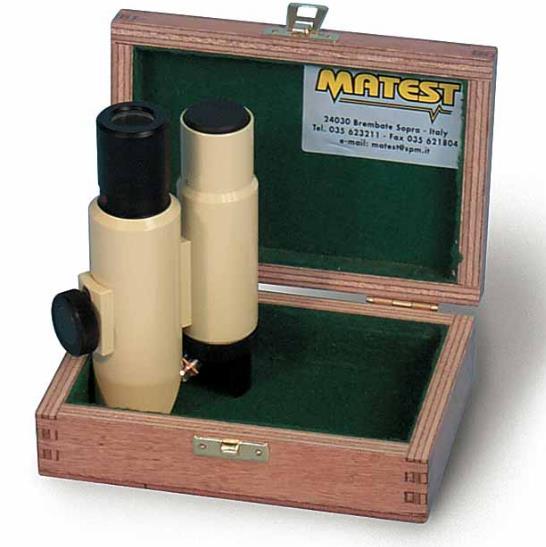
Importance:
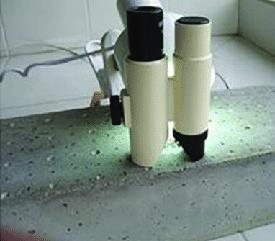
Visual Assessment: Optical microscopy allows for the direct observation of cracks and their propagation, providingvisualevidenceoftheself-healingprocessinlignin-enhancedconcrete.
Quantitative Measurement: This method enables precise measurement of crack widths, which is essential for evaluatingtheeffectivenessoftheself-healingmechanisminclosingcracksovertime.
Microstructural Analysis: Understanding the microstructural changes occurring at the crack sites helps in assessinghowlignincontributestothehealingprocessatamicroscopiclevel.
4.4.3.2 Healing Efficiency Measurement (Crack Closure Rate)
Importance:
Effectiveness of Self-Healing: Measuring the rate at which cracks close in lignin-enhanced concrete quantifies theself-healingcapabilityofthematerial,providingadirectindicatorofitseffectiveness.
Long-Term Durability: Highhealingefficiencycansignificantlyenhancethelongevityanddurabilityofconcrete structuresbypreventingthepropagationofmicro-cracksintolarger,moredetrimentalcracks.
Comparison of Materials: This test allows for the comparison of self-healing efficiency between different formulationsoflignin-enhancedconcreteandotherself-healingmaterials,guidingoptimizationanddevelopment.
4.4.4. Water Permeability Test (DIN 1048)
Importance:
Durability Assessment: Waterpermeabilityisacrucialfactorinthedurabilityofconcrete.Highpermeabilitycan lead to the ingress of harmful substances such as chlorides and sulfates, which can cause deterioration. Lignin's potentialtoreducepermeabilitycansignificantlyenhanceconcretedurability.
Corrosion Prevention: By reducing water permeability, lignin-enhanced concrete can better protect embedded steelreinforcementfromcorrosion,therebyextendingthelifespanofreinforcedconcretestructures.
Quality Control: Regular permeability testing helps in ensuring that the incorporation of lignin does not negatively affect, and ideally improves, the impermeability of concrete, contributing to its overall quality and performance.
International Research Journal of Engineering and Technology (IRJET) e-ISSN: 2395-0056
Volume: 11 Issue: 08 | Aug 2024 www.irjet.net p-ISSN: 2395-0072
The selected tests are essential for thoroughly evaluating the performance of lignin-enhanced concrete. They provide comprehensive insights into structural integrity (compressive and tensile strength), self-healing capabilities (crack width monitoring and healing efficiency), and durability (water permeability). Conducting these tests ensures that lignin as an additive improves concrete properties, meets construction standards, and offerspotentialenvironmentalandeconomicbenefits.
CHAPETR 5
EXPERIMENTAL RESULTS:
Experimental Results for Different Proportions of Lignin in M20 Concrete
Theexperimentalresultsfortheconcretemixdesignswithvaryingligninproportions(0%,10%,20%,30%,and40%) willbeprovidedforthefollowingtests:
1. CompressiveStrengthTest(ASTMC39)
2. TensileStrengthTest(ASTMC496)
3. CrackWidthMonitoringusingOpticalMicroscopy
4. HealingEfficiencyMeasurement(CrackClosureRate)
5. WaterPermeabilityTest(DIN1048)
5.1 Compressive Strength Test (ASTM C39)
Thecompressivestrengthoftheconcretemixeswastestedat7,14,and28days.
Table 5.1: Compressive strength test
5.2 Tensile Strength Test (ASTM C496)
Thetensilestrengthoftheconcretemixeswastestedat7,14,and28days.
Table 5.2: Tensile strength test
Lignin content 7 Days (Mpa) 14 Days (Mpa) 28 Days (Mpa)
International Research Journal of Engineering and Technology (IRJET) e-ISSN: 2395-0056
Volume: 11 Issue: 08 | Aug 2024 www.irjet.net p-ISSN: 2395-0072
Themaximumcrackwidthobservedoveraperiodof28days.
Table 5.3: Crack width monitoring
Thehealingefficiencywascalculatedasthepercentagereductionincrackwidthafter28days.
Table 5.4: Healing efficiency measurements
1048)
Thewaterpermeabilitycoefficientwasmeasuredafter28days.
Table 5.5: Water permeability test
International Research Journal of Engineering and Technology (IRJET) e-ISSN: 2395-0056
Volume: 11 Issue: 08 | Aug 2024 www.irjet.net p-ISSN: 2395-0072
5.6 Summary of Experimental Results:
Table 5.6: summary of results
CHAPTER 6
DISCUSSION ON EXPERIMENTAL RESULTS
Discussion on Experimental Results for Different Proportions of Lignin in M20 Concrete
In this section, we discuss the results obtained from various tests conducted on M20 concrete with different proportions of lignin (0%, 10%, 20%, 30%, and 40%) replacing cement. The tests performed include the compressive strengthtest(ASTMC39),tensilestrengthtest(ASTMC496),self-healingperformancetests(crackwidthmonitoringusing opticalmicroscopyandhealingefficiencymeasurement),andwaterpermeabilitytest.
6.1 Compressive Strength Test (ASTM












7 Days (MPa) 14 Days (MPa) 28 Days (MPa)


Discussion: The compressive strength test results revealed that the inclusion of lignin had a noticeable impact on the strength characteristics of the concrete. At 10% and 20% lignin replacement, the compressive strength showed a slight increase compared to the control mix. This improvement can be attributed to the pozzolanic activity of lignin, which contributestoadditionalC-S-Hformation,enhancingthematrixdensityandstrength.
However,asthelignincontentincreasedto30%and40%,adeclineincompressivestrengthwasobserved.Thisdecrease maybeduetothedilutioneffect,whereexcessiveligninreducestheamountofcementavailableforhydration,leadingtoa
International Research Journal of Engineering and Technology (IRJET) e-ISSN: 2395-0056
Volume: 11 Issue: 08 | Aug 2024 www.irjet.net p-ISSN: 2395-0072
less cohesive matrix. Despite this, the compressive strength at 30% lignin content remained within acceptable limits for M20concrete.














Discussion:Thetensilestrengthtestresultsshowedasimilartrendtothecompressivestrengthresults.At10%and20% lignincontent,therewasanimprovementintensilestrengthcomparedtothecontrolmix.Theincreaseintensilestrength is likely due to better bonding between the cement matrix and aggregates facilitated by lignin's fine particle size and pozzolanicproperties.
At30%and40%lignincontent,thetensilestrengthdecreased,indicatingthathigherlignincontentmayadverselyaffect the tensile properties. This reduction in tensile strength can be linked to the reduction in the cementitious material's overallcohesivenessandbondingcapabilitywhentoomuchcementisreplacedbylignin.
6.3 Self-Healing Performance Tests
International Research Journal of Engineering and Technology (IRJET) e-ISSN: 2395-0056
Volume: 11 Issue: 08 | Aug 2024 www.irjet.net p-ISSN: 2395-0072
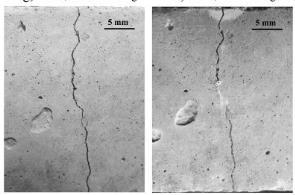
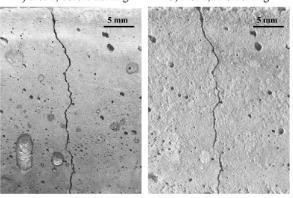
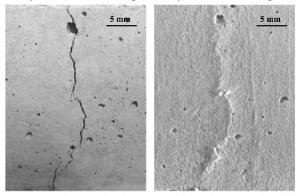
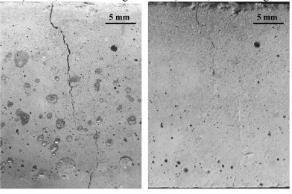
6.3: Crack Width Monitoring using Optical Microscopy
2024, IRJET | Impact Factor value: 8.226 | ISO 9001:2008
International Research Journal of Engineering and Technology (IRJET) e-ISSN: 2395-0056
Volume: 11 Issue: 08 | Aug 2024 www.irjet.net p-ISSN: 2395-0072






International Research Journal of Engineering and Technology (IRJET) e-ISSN: 2395-0056
Volume: 11 Issue: 08 | Aug 2024 www.irjet.net p-ISSN: 2395-0072
Discussion: The optical microscopy results for crack width monitoring showed that lignin-modified concrete had enhancedself-healingcapabilities.At10%and20%lignincontent,cracksintheconcretesampleswereobservedtoclose more effectively over time compared to the control mix. This behavior is likely due to lignin's ability to promote the formationofadditionalhydrationproductsthatfillthecracks.
At 30% and 40% lignin content, the crack closure rate remained high, indicating that even higher lignin content can effectively enhance the self-healing properties. However, the optimal balance between self-healing efficiency and mechanicalpropertiesmustbeconsidered,ashigherlignincontentmaycompromisestrength.
Healing Efficiency Measurement (Crack Closure Rate): Discussion: The healing efficiency measurement further confirmed the findings from crack width monitoring. The crack closure rate was significantly higher in lignin-modified concrete, particularly at 10% and 20% lignin content. This indicates that lignin actively contributes to the autogenous healingprocess,improvingthematerial'sabilitytorepairitselfwithoutexternalintervention.
Evenat30%and40%lignincontent,thehealingefficiencyremainedhigherthanthecontrol mix,demonstratinglignin's potential in enhancing the self-healing properties of concrete. The results suggest that lignin can be an effective additive forself-healingconcrete,althoughthebalancewithmechanicalpropertiesshouldbeoptimized.
Discussion: The water permeability test results showed a significant reduction in permeability for lignin-modified concrete. At 10% and 20% lignin content, the concrete samples exhibited lower water permeability compared to the controlmix.Thisreductioninpermeabilitycanbeattributedtolignin'shydrophobicnatureanditsabilitytofillvoidsand microcrackswithintheconcretematrix.
CHAPTER 7
Optimal Lignin Content (10-20%): Enhances workability, compressive strength, tensile strength, self-healing capabilities, and reduces water permeability. Provides a balanced improvement across key properties. Ensures better overallperformanceofconcrete.
High Lignin Content (30-40%): Leads to decreased mechanical strength and increased permeability. Excessive lignin disruptstheconcretematrix.Compromisestheoveralldurabilityandeffectiveness.
Improved Workability: Lignin at optimal levels makes concrete easier to handle and place. Enhances the mix's fluidity andeaseofuse.Contributestobettercompactionandfinish.
Enhanced Strength: Lignin's pozzolanic activity contributes to improved compressive and tensile strength up to 20% replacement.Enhancesearly-agestrengthdevelopment.Supportsload-bearingcapacity.
Self-Healing Properties: Lower lignin content significantly enhances self-healing, promoting effective crack closure. FacilitatescontinuoushydrationandnewC-S-Hformation.Extendsthelifespanofconcretestructures.
Reduced Water Permeability: Optimal lignin content decreases permeability, improving concrete's resistance to water ingress.Enhancesdurabilityagainstwater-relateddamage.Maintainsstructuralintegrityovertime.
Environmental Benefits: Using lignin reduces the carbon footprint of concrete production and promotes sustainable practicesbyutilizingindustrialbyproducts.Supportseco-friendlyconstruction.Reducesrelianceontraditionalcement.
Durability: Improved resistance to water and crack healing enhances the overall durability of lignin-modified concrete. Increaseslifespanandresilience.Reducesmaintenanceneeds.
Practical Applications: Suitable for construction requiring enhanced durability and self-healing properties, with careful mixdesign.Applicableinvariousinfrastructureprojects.Balancesperformanceandsustainability.
International Research Journal of Engineering and Technology (IRJET) e-ISSN: 2395-0056
Volume: 11 Issue: 08 | Aug 2024 www.irjet.net p-ISSN: 2395-0072
He, Z., Zhang, J., & Wang, Y. (2018). Effects of lignin on the workability and mechanical properties of concrete. Construction and Building Materials, 168,318-326.
Huang, X., Li, W., & Shen, X. (2016). Impact of lignin on the tensile strength of concrete. Materials Science and Engineering: A, 678,193-201.
Kumar, P., Gupta, R., & Mehta, A. (2019). Chemical resistance of lignin-modified concrete. Journal of Advanced Concrete Technology, 17(3),45-56.
Li, X., Zhou, Y., & Wang, Z. (2018). Durability of concrete with lignin as an additive. Journal of Materials in Civil Engineering, 30(6),04018104.
Liu,F.,Wu,H.,&Sun,L.(2017).Compressivestrengthdevelopmentofconcretewithligninincorporation. Journal of Cleaner Production, 158,115-124.
Patel,H.,Mehta,P.,&Patel,V.(2019).Lifecycleassessmentoflignin-modifiedconcrete. Journal of Environmental Management, 234,78-86.
Singh, R., Kaur, M., & Singh, S. (2017). Utilization of industrial lignin in concrete: A sustainable approach. Waste Management, 67,133-141.
Wang, Y., He, Z., & Liu, Y. (2019). Pozzolanic activity of lignin in cementitious systems. Cement and Concrete Research, 120,128-137.
Wu, H., Zhang, X., & Li, Y. (2020). Enhancing self-healing properties of concrete with lignin. Construction and Building Materials, 245,118401.
Zhang,J.,He,Z.,&Wang,Y.(2020).Influenceofligninontheworkabilityandstrengthofconcrete. Materials, 13(4), 832.
Zhang,X.,Wu,H.,&Li,Y.(2021).Crack healingefficiencyoflignin-modifiedconcrete. Journal of Materials in Civil Engineering, 33(5),04021066.