
International Research Journal of Engineering and Technology (IRJET) e-ISSN: 2395-0056
Volume: 11 Issue: 08 | Aug 2024 www.irjet.net p-ISSN: 2395-0072

International Research Journal of Engineering and Technology (IRJET) e-ISSN: 2395-0056
Volume: 11 Issue: 08 | Aug 2024 www.irjet.net p-ISSN: 2395-0072
Shanaya Malhotra
Student, Sat Paul Mittal School, Punjab
OBJECTIVE- ‘This paper aims to explore the rising trend of de-influencing as a counter movement against late capitalist society’shyperconsumerism.’
Abstract: This paper shows that the social media influencers have essentially formed consumer behaviour, with influencersregularlyseenastrustedfigureswhosesupportcandrivepatternsand deals.Inanycase,thedevelopmentof "deinfluencers" has presented a counter-movement, challenging what the conventional influencers demonstrate. Deinfluencersstudyoverconsumptionandthecommercializationofsocialmedia,encouraginggatheringsofpeopletoreexaminetheirobtainingchoices.Thistheoryinvestigatestheflowbetweeninfluencersanddeinfluencers,lookingattheir effect on shopping behaviour, brand methodologies, and the broader suggestions for computerized showcasing. The pressurebetweenthesetwostrengthsreflectsadevelopingmindfulnessofthemoralandmentalmeasurementsofonline impact, signalling a potential move in how customers connect with social media and make acquiring choices. They think about highlighting the advancing scene of impact where genuineness, straightforwardness, and moral contemplations progressivelyplayacentralpartinformingbuyerbeliefsanddevotion.
KEY WORDS:Influencers,Market,Brands,ContentCreator
WhyIchosethistopic:
Being a student who is studying Psychology, Economics and Mass Media in school, I have always been interested in how psychology interacts with economics. I wanted to explore more about the factors that influence impulsive buying and how it contradicts with the act of de-influencing, which in the recent years has increased but not many are aware of this term or how it works.
1. Introduction:
Consumer behaviour has taken a significant turn in the past few years. The use of social media and online platforms for increasing the demand of goods has risen in recent times. According to influencermarketinghub.com, “An influencer is someone who has the power to affect the purchasing decisions of others because of his or her authority, knowledge, position,orrelationshipwithhisorheraudience.”Thustheimpactofsocialmediaonthepurchaseofgoodsandservicesis extremelylarge.Whilethisisbeneficialfortheproducersandinfluencers,itmaynotbeasadvantageoustotheconsumers. Theuseofinfluencermarketingstrategyhasalsoledtothepracticeofhyper-consumptionwhichaccordingtoDBpedia,is the “consumption of goods beyond one's necessities and the associated significant pressure to consume those goods, exerted bysocial media,as those goods shapeone'sidentity.” This behaviour of hyper consumption led to certain people “De-promoting”products.Thesepeople,insteadofmotivatingsocialmediaviewerstobuyaproduct,gavethemreasonsto notbuyit.Thisgaverisetothecontradictorymovementknownasde-influencing.
De-influencingisatrendwhosemainmotiveisto“educatethegeneralpublicontheneedtodivestawayfromobtainingor upholdinganexcessofproductsthatarenotneededin dailylives,”accordingtoenvironmentaleducator,IsaiasHernandez. Itissomethingthathasincreasedrapidlyoverthepastfewyears.
Perception- Theperceptionthataconsumerhastowardsaproductorthebrandinfluenceshisorherdecisiontobuythe product.Perceptionistheinterpretationofinformationbyapersontoreachaconclusion.Iftheinformationperceivedby the person is in favour of the product, the consumer usually ends up buying the product. Perception may involve certain factorsthatinfluence the purchaseofa product. Ifa consumer findstheproduct to be good in itsappearance, hemay be attractedbythebeautyofitandmayendupbuyingtheproductbeingignorantoftheuseoftheproduct.
International Research Journal of Engineering and Technology (IRJET) e-ISSN: 2395-0056
Volume: 11 Issue: 08 | Aug 2024 www.irjet.net p-ISSN: 2395-0072
Stress- Manytimesindividualsfeeltheneedtobuysomethingsimplybecausetheyareanxiousorstressed.Theymightnot havetheneedtobuytheproductbuttheytendtotakeshoppingasastressbusterwhichinfluencesthemtobuyproducts whiletheyarestressed.
Motivation- The consumer tends to buy a particular product when he or she internally feels the desire to do so. A consumerisdrivenbyhisneedwhichmotivateshimtobuya product.Theneedsoftheindividualdependonhislifestyle, tastesandpreferences.
3. Different ways of Marketing and how they contribute to hyperconsumption
Digital Marketing
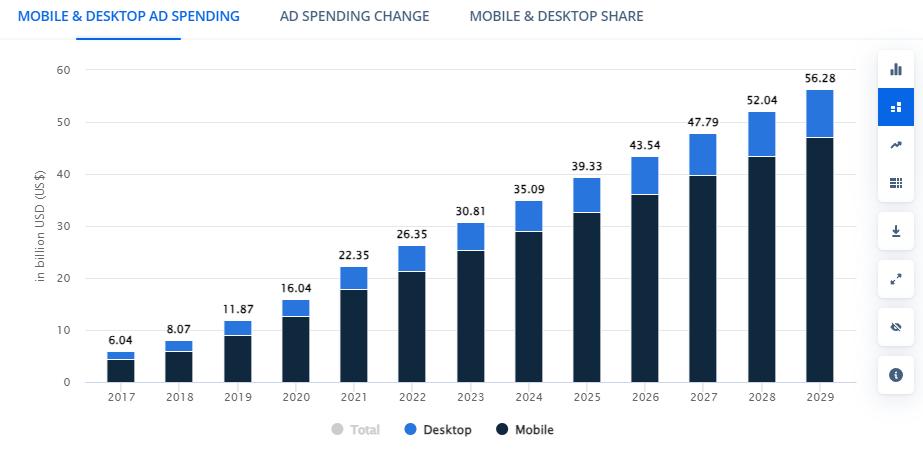
Digitalmarketingisthewayofsellingproductsandservicesthroughonlineplatformsandnetworkingsites.Itincludesany type of publicity or advertisement of products through online platforms. According to market.us, Digital marketing is expectedtorisefrom67.5billionUSDin2023to310.9billionUSDin2033.Thismeansthatitisthepublicityofproducts at large on the online platform which is pursuading an individual tobuy a commodity which may or may not be particularlyuseful.Thisalsoresultsinanimplicationthatthenumberofgoodsbeingpurchasedthroughonlineplatforms areincreasing,pointingtowardsoverorhyperconsumptionofgoods.
Offline Marketing
Offline Marketing implies the selling of products and services through mediums like newspapers, and other offline platformswhereonlinesitesornetworksdonotplaya role.Accordingto Mycodelesswebsite,“7outof10driversmake purchasing decisions while driving.” This is because they see a billboard advertising a particular product and while they aredriving,theyintendtodecidetobuytheproduct.Thismayleadtobuyingaproductjustbecauseitwasinsomebody’s sight,whereinactualtheymightnotbuyit.
Social Media Marketing- Itisa typeofdigital marketingwheresocialmediaisusedasa basisforsellingtheproductor service.Itisthroughsocialmediathataproductisadvertisedorpublicisedwhichinfluencespeopletobuytheproduct.It includesappslikeInstagram,Youtube,Facebooketc.Brandstendtopayinfluencersandcontentcreatorstopromotetheir productsand servicesonsocial media.Theychoosethe influencerson the basisof thepopularityofthe brandaswell as theinfluencer.For example, theBollywoodcelebrity,Deepika PadukonehaspromotedthebrandDysononherInstagram page. click here. This might have caused people to buy the product just because a famous celebrity is promoting it, believingthatitwouldbeofgreatvalue.
Content Marketing- Itisatypeofinboundmarketingwhicheducatedpeopleabouttheinformationrelatedtotheproduct orservice.Itincludesblogs,videos,E-guidesetc.AdobeAcrobatonitsYouTubechannel, Acrobat’shasuploadedvideose foradvertisingandmarket,
International Research Journal of Engineering and Technology (IRJET) e-ISSN: 2395-0056
Volume: 11 Issue: 08 | Aug 2024 www.irjet.net p-ISSN: 2395-0072
4. Difference between Influencing and de-influencing.
An influencer is the person who can attract consumers and persuade them to buy a particular product and service. Influencers,onsocialmediaencouragetheirfollowerstobuyacertainproductorservicebythemselvespromotingitand postingaboutit.Influencersonsocialmediahavebeenanimportantmarketingstrategywhichhashelpedalotofpeople selltheirproductandservice.Influencers,throughtheircontent,sharetheirexperiencesandviewsaboutaproductwhich encouragespeopletobuyitduetotheirpopularity.
Ontheotherhand,De-influencingistheoppositeofinfluencing.Itpersuadespeoplenottobuysomething.De-influencing onsocial mediaisa form of influencermarketing wherecontentcreatorsshare their experiences with products honestly with the consumers to influence their purchase regarding the product. The influencers talk about the problem of sustainabilityandwastegenerationthatisconnectedwithaproductanditsindustrywhichmotivatespeopletonotbuyit. Somede-influencerssuggestpeopletoavoidsomething,whereastherearecertainde-influencerswhomotivatepeopleto notwastemoney.
5. How does influencing cause hyperconsumerism?
Influencing persuades consumers to buy a product, targeted influencing grabs the attention of the consumers by presentingtrendinganduptodateproductswhichare hardfortheconsumerstoresist,whichthereforecauseimpulsive buying.Accordingtothe Bureau of Labor Statistics,theimpulsivepurchaseofcommonitemssuchasclothes andshoes had increased from 20221 to 2022 by 5.1% and 6.2%. According to a Bankrate survey conducted for the American population, research showed that around 60% of the social media users regret making a certain purchase due to hyper consumption through social media. About 25% of the respondents of the survey said that the reason for their impulsive buyingbehaviouristoappearsuccessfulonsocialmedia.OnethirdoftherespondentsoftheIpsossurveystatedthatthey boughtaproductimpulsivelyduetoitsirresistibleprice.
6. List of De-influencers (Forget the influencers. Here come the ‘deinfluencers’ | CNN)
1. Mikayla Mains
MikaylaMainsisa28yearsoldfromSt.Louiswhosaysshehasaconnectionwiththede-influencingworld.According toher,socialmediamarketingcanpressuriseapersontobuypriceygoodstofeelgoodabouthimself.
2. Michelle Skidelsky
Canadian de-influencer, Michelle Skidelsky created a post to tell her TikTok followers about not needing a new wardrobeeveryseason.
3. Khabane Lame
(What Is Deinfluencing? Unpacking TikTok’s Unlikeliest Shopping Trend | Vogue) (@khaby.lame),acontentcreatorfoundinternetfamecreatingtakedownsofso-calledlifehacks,andconnectedwith theworldthroughreflectinghisfrustrationaboutunnecessaryproducts.
4. Alyssa Stephanie ("Deinfluencing" Is the Anti-Influencer Trend Rich With Paradoxes - Business Insider)
Content creator, Alyssa Stephanie (@alyssastephanie) posted a video on tik tok regarding products she would encouragepeoplenottobuy.
5. Katie Hub
Content creator, Katie Hub, (@katiehub.org)postedavideoontiktokDe-influencingoneoftheworld’smostpopular brands:Dior.
6. WHY IS THERE A NEED OF DE-INFLUENCERS?
As the users of social media increased day by day, the influencer marketing strategy became more and more popular. Brands started to increase reaching out to influencers and content creators to promote their products and services. The increasingnumberofsocialmediausersthereforeledtoanincreaseinthenumberofbuyersthroughsocialmedia.
● POPULARITY OF THE INFLUENCERS-In most cases, many products became popular just because content creatorswerepromotingthem.Themorepopularthecontentcreatorsortheinfluencerswere,thegreaterwasthe
International Research Journal of Engineering and Technology (IRJET) e-ISSN: 2395-0056
Volume: 11 Issue: 08 | Aug 2024 www.irjet.net p-ISSN: 2395-0072
impactontheaudience.Thisledtopeoplebuyingcertainproductsjustbecausesomeonefamouswaspromoting them,whereinrealitytheproductsmaynotbeasusefulasportrayedonsocialmedia.Thispracticecontributedto the birth of De-influencing, where certain content creators needed to tell their audience why they need not buy certainproducts.
● INCREASING COST OF PRODUCTS- Asthenumberofbuyersthroughsocialmediaareincreasing,thedemandfor theproductsalsoincrease,whichinturncausesthepriceoftheproductstorise.Theriseinpriceofgoodsbeing marketed through social media proves to be a cause to let people know if spending a large amount of money on thoseproductsisworthitornot.Forthisreason,there isaneedofde-influencingpeopleagainstthoseproducts whichdonotmeettheamountofmoneythatisactuallyspentonthem.
● INCREASE IN INCOME OF INFLUENCERS- Whenbrandsarepromotedthroughcontentcreators,thecreatorsare paidforthepromotion.Asthereisanincreaseintheinfluencermarketingstrategy,theincomeofthecreatorsalso increases.Thismeansthatsomeofthecreatorswouldbewillingtopromotetheproductsthatwouldbenefitthem, irrespectiveofthefactthattheyareusefulornot.Thisactionwouldbewrongwhichwouldneedsomeonegiving actualinsightaboutproductstopeople,thereforegivingrisetoDe-influencing.
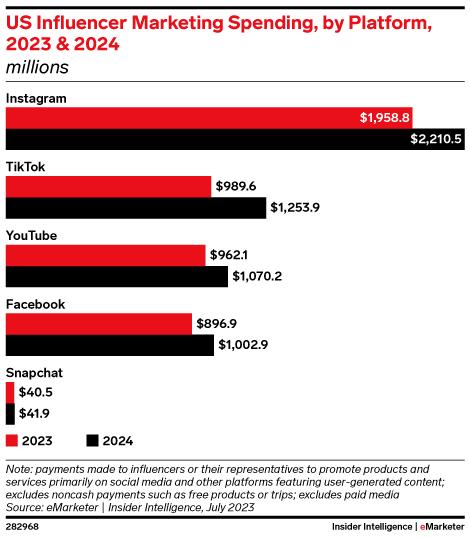
Timesareextremeforinfluencers,withafewbeingexaminedfortheircooperationandtricksandothersbeingscrutinized for different wrongdoings. And that's not all. All over on TikTok, we see plenty of recordings empowering customers to think twice before buying certain influencer-recommended items. Is this the modern time of the de-influencers? Are the days of influencers telling us what to purchase, what to wear, what to observe and who to take after coming to a conclusion? Since the beginning of the year, the TikTok community, and more especially Era Z, has been showing that they'reencouragedbyinfluencers,acommunalopinionthathasgivenrisetothehashtag"de-influencing."Thistermasof nowsumsmore than 150 million views onthe stage. It'sdemonstrating especially well known within the excellence and wayoflifecommunities,whereitsupposedlygotits beginning..Influencersareknowntohaveawesomeinfluenceonthe buyingchoicesoftheircommunityofdevotees.Agreeingtoa2020KantarthinkabouttransferredbyShowcasingPlunge, morethanaquarterofthecommonpopulationhasmadeabuybasedonasuggestionfromaninfluencer.Aratethatrises to 44% for Gen Z. But their control has certain risks beneath.. Their devotees are presently more mindful of influencers' promoting procedures.Waybetter educated,theyaregetting tobeprogressivelyvocal,approximatelytakingstepstonot behoodwinked.AmodernwaveofrecordingsonTikTokcriticizeinfluencers.Theserecordingstaketheframeofsubstance makers,or"conventionalclients,"whosetouttouncoverthetruth,mostlytheitemsthatinfluencersneedustopurchase. Theyencourageclientstocarefullyconsidertheirbuysandtoabstainfrombuyingandtosparetheirmoney.Theirpointis toassistotherclients notdropfora trick orindeedanover-hypeditem whose price doesn'tlive up totheconsideration. Theserecordingshavegivenrisetotheterm"de-influence."
International Research Journal of Engineering and Technology (IRJET) e-ISSN: 2395-0056
Volume: 11 Issue: 08 | Aug 2024 www.irjet.net p-ISSN: 2395-0072
a. PercentageofSocialMediaUsers:
International Research Journal of Engineering and Technology (IRJET) e-ISSN: 2395-0056
Volume: 11 Issue: 08 | Aug 2024 www.irjet.net p-ISSN: 2395-0072
b. PercentageofInfluencersonaparticularPlatform:
9. CALCULATIONS:
a. SocialMediaUsers:
Ingraph,x-axisasyearsfrom2017to2027andY-axiswillshowsocialmediausers(inbillions) Let’sconsider2017as1,2009as2……..2027as11. Aftermanuallydrawinggraphandonexcel. Weconcludedquadraticequationcoversmaximumnumberofplotsconsideringy=ax2+bx+c.
Graph1:Actualvscalculatedsocialmediausers
Formula: y= -0.012*x2+0.46*x 2.25
Where “y” represents no. of social media users (in billions) and “x” represents 1, 2, 3…… (1 represents 2017, 2 represents2018andsoon).
International Research Journal of Engineering and Technology (IRJET) e-ISSN: 2395-0056
Volume: 11 Issue: 08 | Aug 2024 www.irjet.net p-ISSN: 2395-0072
b. GlobalInfluencerMarket:
In graph, x-axis as years from 2015 to 2023 and Y-axis will show revenue of Facebook/Instagram (in billions dollars)
Let’sconsider2015as1,2016as2……..2023as9.
Aftermanuallydrawinggraphandonexcel.
Weconcludedquadraticequationcoversmaximumnumberofplotsconsideringy=ax3+bx2+cx+d.
Graph2:ActualvscalculatedFacebookrevenue.
Formula: y= =-0.258*x3 +3.76*x2-9.07*x+9.46
Where“y”representsrevenueofFacebook/Instagram(inbillionsdollars) And“x”represents1,2,3……(1represents2015,2represents2016andsoon).
c. IndianInfluencerMarket(inbillionIndianrupees):
Ingraph,x-axisasyearsfrom2020to2026andY-axiswillshowIndiaInfluencerMarket(inbillionsRupees) Let’sconsider2020as1,2021as2……..2026as7. Aftermanuallydrawinggraphandonexcel. Weconcludedquadraticequationcoversmaximumnumberofplotsconsideringy=a*bx
International Research Journal of Engineering and Technology (IRJET) e-ISSN: 2395-0056
Volume: 11 Issue: 08 | Aug 2024 www.irjet.net p-ISSN: 2395-0072
Graph3:ActualvscalculatedIndianinfluencermarket
Formula: y= 5.17*(1.35 ) ^x
Where “y” represents Indian Influencer Market (in billions rupees) and “x” represents 1, 2, 3…… (1 represents 2020,2represents2021andsoon).
Thereis36%increaseinIndianinfluencermarketsaspertheactualdata.
10. Conclusion:
Theimpactofsocialmediaidentitieshasdevelopedexponentiallyinalongtime,drivingtoacriticalincrementwithinthe showcaseforinfluencers.Thisrisehasbeendrivenbytheabilityofinfluencerstoputthroughwithgroupsofonlookerson an individual level, making beliefs and cultivating a sense of relatability. As a result, influencers have ended up effecting operations of shopper behavior, regularly driving incautious buying choices among their supporters. The data and calculationsdisplayedearlierclearlyshowthatthisslantisn'taspersistentasitwerebutisadditionallyquickeningdayby day. Influencers use their stages to form powerful substance that resounds with their audience's wants and desires. This frequently leads to watchers making unconstrained buys, driven by the fear of losing out (FOMO) or the conviction that they are adjusting themselves with a specific way of life or community. The capacity of influencers to produce such solid enthusiasticreactionsunderscorestheirviabilityinformingshopperbehavior,butittooraisesconcernsalmostthemoral suggestions of such influence, particularly when it comes to empowering rash investing. The developing advertise for influencershighlightstheprogressivelyimperativeparttheyplaywithinthepublicizingandshowcasingbiologicalsystem. Brandsarecontributingmoreintenselyininfluencerassociations,recognizingthecoordinateaffectthesepeoplehaveon driving deals. In any case, as the market expands, so as well does the require for straightforwardness and responsibility, bothfrominfluencersandthebrandstheyspeakto.Inconclusion,theinfluenceradvertiseisonasoakupwarddirection, contributing to an increment in incautious buying among customers. As the information proposes, this slant is likely to proceeddeveloping,requiringamorebasicexaminationofthehonesinsidethisindustry.Theriseofdeinfluencers,while stillinitsbeginningstages,mayofferanoffset,advancingmoremindfulconsumptionandchallengingthestandardssetup byconventionalinfluencers.Bethatasitmay,thedominanceofinfluencersinformingbuyerbehaviorremainsacapable constrainwithinthecurrentadvancedscene.
Endingthepaperbyquoting,‘Youwillneverinfluencetheworldbytryingtobelikeit,herecomesdeinfluncers.”
11. References:
1. https://www.mlive.com/business/2024/05/the-links-between-social-media-influencers-and-consumerism-howto-be-more-intentional-with-what-youre-buying.html
International Research Journal of Engineering and Technology (IRJET) e-ISSN: 2395-0056
Volume: 11 Issue: 08 | Aug 2024 www.irjet.net p-ISSN: 2395-0072
2. https://www.emarketer.com/content/instagram-leads-influencer-marketing-even-marketers-spread-budgetsacross-social-channels
3. https://edition.cnn.com/2023/06/11/us/deinfluencing-tiktok-trend-explained-cec/index.html
4. https://www.forbes.com/councils/forbesagencycouncil/2023/08/23/deinfluencers-how-these-hiddendissuaders-are-changing-influencer-marketing/
5. https://blog.squarelovin.com/influencer-marketing/deinfluencing-trend-en/
6. https://mailchimp.com/resources/what-is-influencer-marketing/
7. https://www.bigcommerce.com/articles/ecommerce/influencer-marketing/
8. https://www.statista.com/statistics/1294803/india-influencer-marketing-industry-value/
9. https://www.vox.com/culture/23950580/deinfluencing-tiktok-shop-influencer-culture-consumerism
10. https://www.dazeddigital.com/life-culture/article/58129/1/the-rise-of-the-deinfluencer-tiktok-recessionoverconsumption
11. https://economictimes.indiatimes.com/tech/technology/the-deinfluencing-trend-reflects-a-growing-desire-forauthenticity-online/articleshow/101630943.cms?from=mdr
12. https://influencermarketinghub.com/influencer-marketing/
13. https://www.statista.com/statistics/1092819/global-influencer-market-size/
12. Biographies :
Shanaya Malhotra:
- ReceivedacertificateaswellasscholarshipfromICSEforsecuring97%marksinclassXboards
- ReceivedmeritforsecuringhighestmarksinCommercialStudies(100)andhighestmarksinPunjabi(99)inclass Xboardexams.
- AppointedastheHousecaptainofSatPaulMittalSchool,Ludhianain2023andasTheCulturalsecretaryin2024.
- Appointed as the Cultural head in The Satyan Innovation Fest 4.0 and compered for various events in school includingtheVIPvisitofDrShashiTharoorandDrDeepakVohra.
- VolunteeredatAshirwadNgo’sEducationDepartmenttohelpwithdifferentlyabledchildrenandadults.
- President of the Economics Club where we conduct several activities for the students giving them more informationaboutthesubjectandtheeconomymarket.
- BaggedGoldinZonalaswellasRegionallevelBadmintontournament.
- BaggedFirstpositioninzonalleveldeclamationcompetitionandwillnowproceedtoRegionals.
Undertheguidanceof:
Dr. Mamta Jain
- M.Sc(Mathematics)(Doublegoldmedalist)
- M.Phil(ComputerApplications)withhonorsFromUniversityofRoorkee(nowIITRoorkee)
- PhD(Mathematics)-Variouspaperspublishedininternationaljournals
- FormerLeadAuditorISO9001,ISO-22000SchoolAccreditationExaminerbyQCI
- 26yearsofteachingexperience
- VariousResearchPaperPublished
Er. Raunaq Jain
- B.EMechanicalEngineeringFromThaparInstituteofEngineeringandTechnology
- DistrictPhysicsTopper
- ContentWriterandgraphicdesigner
- MechanicalMentorfromsession2019-2020
- TechnicalDataAnalystatDeloitte