
International Research Journal of Engineering and Technology (IRJET) e-ISSN: 2395-0056
Volume: 11 Issue: 08 | Aug 2024 www.irjet.net p-ISSN: 2395-0072

International Research Journal of Engineering and Technology (IRJET) e-ISSN: 2395-0056
Volume: 11 Issue: 08 | Aug 2024 www.irjet.net p-ISSN: 2395-0072
Yash Jigneshkumar Panchal1
1B.E – Civil Engineering from K.K Wagh Institute of Engineering Education and Research College in Nashik, Maharashtra ***
Abstract - The focus on sustainability and inclusivity in smart city developments is becoming increasingly important as cities seek to address the challenges of urbanization and climate change. By integrating ethical practices, equitable access, and community engagement, cities can harness the power of AI and other technologies to create more resilient and responsive urban environments.
Key Words: Urban Planning, Artificial Intelligence, Construction,Cost
Artificial Intelligence (AI) is increasingly becoming a cornerstone in urban planning and smart city development,transforming thewaycitiesdesign,manage, and deliver services. By leveraging AI, cities can adopt more adaptive and holistic approaches to urban environments, significantly enhancing their functionality and livability.
1. Key Contributions of AI in Urban Planning and Smart City Development
2. Enhanced Decision-Making:
o Predictive Analytics:AIcanprocessandanalyze large datasets to forecast urban trends, such as population growth, traffic patterns, and environmental changes, enabling more informed andstrategicplanningdecisions.
o Data-Driven Insights:PlannerscanuseAItogain insights from various data sources, improving policy-makingandurbandesign.
3. Efficient Urban Operations:
o Automation: AI automates routine tasks, such as traffic management and waste collection, increasing operational efficiency and freeing up humanresourcesformorecomplextasks.
o Real-Time Monitoring: AI systems can provide continuous monitoring of city infrastructure and services,allowingforquickresponsestoissuesas theyarise.
4. Resource Management:
o Demand Prediction: AI can predict the demand for resources like water, energy, and transportation, enabling cities to allocate resourcesmoreefficientlyandreducewaste.
o Optimization:Algorithmsoptimizevariousurban functions, such as public transit scheduling and energydistribution,toenhanceservicedelivery.
5. Tailored Public Services:
o Personalization: AI analyzes data to provide customized public services, such as healthcare and education, that meet the specific needs of residents.
o Responsive Services: Cities can use AI to adapt servicesinrealtimebasedonchangingconditions andcitizenfeedback.
6. Innovations Driven by AI
o Higher Efficiency: AI streamlines processes, reducing inefficiencies and improving overall city operations.
o Lower Costs: Automation and optimization lead tocostsavingsininfrastructuremaintenanceand servicedelivery.
o Improved Quality of Life: AI enhances public safety, reduces congestion, and improves environmentalconditions,contributingtoabetter qualityoflifeforresidents.
7. Challenges of Integrating AI
1. Data Privacy:
o Protecting citizen data is crucial to maintaining trust and compliance with regulationslikeGDPR.
2. Algorithmic Bias:
o AI systems can unintentionally reinforce biases if not carefully designed and monitored, leading to unequal treatment ofdifferentgroups.
3. Cybersecurity:
o As cities become more connected, they must protect against cyber threats that could compromise infrastructure and personaldata.
International Research Journal of Engineering and Technology (IRJET) e-ISSN: 2395-0056
Volume: 11 Issue: 08 | Aug 2024 www.irjet.net p-ISSN: 2395-0072
8. Future Trends and Considerations
o Sustainability: AI can drive sustainability by optimizing energy use, reducing emissions, and enhancingwastemanagement.
o Human-Centered Design: AIapplicationsshould focus on improving the human experience, ensuringaccessibility,andpromotinginclusivity.
9. Unlocking AI's Potential
To fully leverage AI's potential in urban planning and smartcitydevelopment,itisessentialto:
o Address Challenges: Develop strategies to mitigate data privacy concerns, reduce bias, and enhancecybersecurity.
o Capitalize on Opportunities: Use AI to drive innovation, enhance livability, and build resilient urbanenvironments.
AIissettorevolutionizeurbanplanninganddevelopment, much like it is transforming other industries. By understanding and addressing the associated challenges, cities can harness AI's potential to create smarter, more livable urban spaces. As AI technology continues to advance,itwillundoubtedlyplayapivotal roleinshaping the future of cities and improving the lives of their inhabitants.
1.1 AI-powered generative design instruments for city planning
AI-powered generative design tools are transforming urban planning by offering innovative solutions and enhancing the efficiency of design processes. These advanced tools use algorithms and machine learning to quicklyanalyze vast datasets and generate complex urban layouts.Here'showAIisreshapingurbanplanningandthe benefits it brings:
1. How AI is Transforming Urban Planning
2. Complex Problem-Solving:
o AI can generate diverse urban solutions by considering various factors such as economic viability, environmental impact, and social needs. This comprehensive approach allows planners to addresscomplexchallengesanddevelopbalanced urbanplans.
3. Rapid Prototyping:
o AI enables planners to quickly visualize potential future scenarios, allowing for more flexible and dynamic design processes. Rapid prototyping
helps cities adapt to changes and test different approachesefficiently.
4. Adaptability:
o Generative design tools allow for continuous improvementandevolutionofcityplansbasedon new requirements and data. This adaptability ensuresthaturban environments remain relevant andeffectiveinthelongterm.
5. Benefits of Utilizing AI in Urban Planning
1. Efficiency:
o AI streamlines the planning process, saving time and resources by automating tasks and reducing manual labor. Planners can focus on strategic decisionmakingratherthanrepetitivetasks.
2. Data Integration:
o AI easily incorporates diverse datasets, including demographic, geographic, and environmental information, into the planning phase. This holistic approach leads to more informed and effective urbandesigns.
3. Stakeholder Engagement:
o AI enhances stakeholder communication by providing clear visualizations and simulations of proposed plans. These tools make it easier for stakeholders to understandandengagewiththeplanning process,leadingtomorecollaborativeand inclusivedecision-making.
6. Popular AI-Powered Generative Design Tools
Urban planners have access to a range of advanced AIdriventools:
1. Autodesk’s Generative Design Software:
o This tool uses AI to explore thousands of design solutions that meet specific goals and constraints. Planners can evaluate different options quickly and choose the mostsuitabledesignfortheirneeds.
2. Sidewalk Labs’ Delve:
o Delve employs machine learning to optimizeurbanlayoutsforfactorssuchas sunlight,accessibility,anddensity.Ithelps planners create environments that enhancelivabilityandsustainability.
Artificial Intelligence (AI) is at the forefront of revolutionizing smart city development, significantly
International Research Journal of Engineering and Technology (IRJET) e-ISSN: 2395-0056
Volume: 11 Issue: 08 | Aug 2024 www.irjet.net p-ISSN: 2395-0072
enhancingefficiencyandcost-effectiveness.Byintegrating AI into urban management systems, cities can optimize resources, predict maintenance needs, and streamline operations, leading to improved urban living standards. Here’sacloserlookathowAIistransformingsmartcities:
Artificial intelligence's involvement in the creation of smart cities
1. Resource Optimization:
o AI algorithms analyze vast datasets to ensure the efficient distribution of resources such as energy andwateracrossthecity'sgrid.Thisoptimization minimizes waste and ensures that resources are utilizedwheretheyaremostneeded.
2. Predictive Maintenance:
o Machinelearningmodelsaccuratelypredictwhen infrastructure components require repairs, preventing costly breakdowns and prolonging asset lifespan. This proactive approach reduces maintenance costs and minimizes service disruptions.
3. Traffic Management:
o AI-driven systems help reduce congestion by adjusting traffic signal timings in real-time based on current traffic conditions. This results in smoother traffic flow, reduced travel times, and loweremissionsfromidlingvehicles.
Case Studies: AI Enhancing Urban Living
1. Barcelona:
o Barcelona uses artificial intelligence to manage irrigation and park maintenance effectively, saving water and reducing expenses. AI systems optimize watering schedules based on weather conditions and soil moisture levels, promoting sustainablegreenspacemanagement.
2. Singapore:
o Singapore's dynamic public bus routing system employs AI to optimize routes and schedules, enhancing the commuter experience while minimizing operational costs. The system adapts to fluctuating passenger demand and traffic conditions,improvingservicereliability.
Infrastructure Efficiency
1. Smart Grids:
o AI-powered electricity distribution systems reduce waste and manage loads more effectively
during peak times. Smart grids use predictive analytics to balance supply and demand, enhancing grid reliability and reducing energy losses.
2. Intelligent Buildings:
o AI integration allows for smart energy managementinsidebuildings,significantlycutting downonelectricitybillsandcarbonemissions.AI systems optimize heating, cooling, and lighting basedonoccupancyandexternalconditions.
By integrating advanced artificial intelligence technologies, cities are setting new standards for sustainability and fiscal responsibility. Generative design, discussed above, is just one aspect of this complex evolution toward smarter urban environments. Urban plannersareleveragingthesetoolstocreatecost-effective, efficientcityscapes.
The benefits of artificial intelligence extend beyond the scope of smart city development. AI-powered writing platforms like Quill and Ink and QuikAI offer significant advantages in various industries, including content creation and blogging. These tools automate and enhance content generation, making it more efficient and tailored tospecificaudiences.
AI's transformative power is reshaping urban environments, highlighting its potential to create sustainable, cost-effective cities. As cities continue to evolve, AI will play a pivotal role in addressing both current and future challenges, ultimately shaping the futureofurbanliving.
ArtificialIntelligence(AI)playsacrucialroleinpromoting sustainability and livability in smart cities by enabling efficient resource management and improving the quality of life for residents. Through the integration of AI technologies, cities can adopt eco-friendly practices and becomemoreresilienttoenvironmentalchallenges.Here's how AI contributes to creating sustainable and livable urbanenvironments:
AI's Fundamental Contribution to Smart Cities' Sustainability and Liveability
By incorporating AI into city systems, local governments can utilize real-time data analysis to make informeddecisionsthatpromotesustainablepracticesand enhancethewell-beingofresidents.
International Research Journal of Engineering and Technology (IRJET) e-ISSN: 2395-0056
Volume: 11 Issue: 08 | Aug 2024 www.irjet.net p-ISSN: 2395-0072
AI-Powered Energy Optimisation and Carbon Footprint Reduction
1. Smart Energy Grids:
o AI algorithms manage electricity flow to ensure efficient energy use, reduce waste, and minimize the city's carbon footprint. Energy distribution is optimised and demand patterns are adjusted by smartgrids.
2. Adaptive Lighting Systems:
o AI-equipped streetlights adjust brightness based on human activity and natural light conditions, significantly reducing energy consumption without compromising safety. This dynamic lighting approach minimizes light pollution and savesenergy.
3. Building Management Systems:
o AI optimizes heating, ventilation, and air conditioning (HVAC) systems within buildings, resultinginsubstantialenergysavings.AIsystems lower energy use and emissions by adjusting temperature settings in response to occupancy andmeteorologicalconditions.
Improving Liveability with Waste Management and Intelligent Transportation Systems.
1. AI in Transportation:
o Intelligent transportation systems use AI to predict traffic patterns and optimize routes, reducing emissions and saving commuters time. Real-time traffic data allows for dynamic adjustmentstopublictransitschedulesandtraffic signals,improvingefficiency.
2. Waste Management Optimization:
o AI-driven waste sorting and collection processes increase recycling rates and decrease landfill dependency.AIsystemsanalyzewastepatternsto optimize collection routes and improve recycling operations, leading to more sustainable waste managementpractices.
AI-Powered Solutions for Sustainable and Livable Cities
By implementing AI-powered solutions, smart cities address current sustainability challenges while setting a standard for future urban development practices. AI integration in city planning not only enhances resilience against environmental problems but also improves residents'dailylives.
Future Prospects and Innovations
As we explore sustainability and livability further, advancements in AI technologies promise even greater progress in constructing cities that are both smart and people-centric. For example, AI-powered content creation platforms like Junia AI, the best AI writer of 2024, can
revolutionize various aspects of city building by offering globalreach,SEOtools,anduser-friendlyfeatures
These advancements streamline processes and ensure cities remain at the forefront of innovation and efficiency, benefiting both the environment and residents. AI technologies will continue to drive sustainable urban development, fostering smarter, more livable cities that prioritizeenvironmentalstewardshipandqualityoflife.
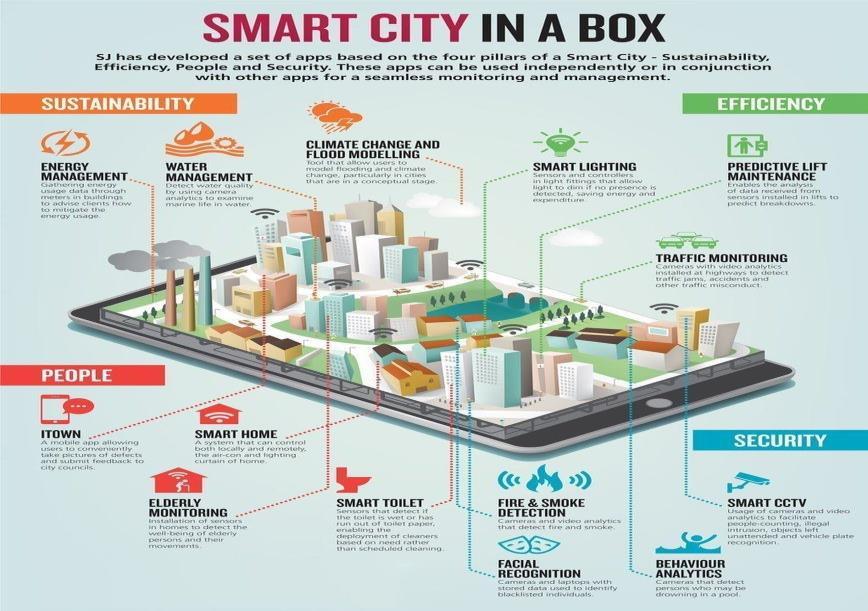
3. Making Better Decisions in Urban Planning with Data-Driven Insights
Artificial Intelligence (AI) is poised to transform urban planning by providing data-driven insights that enhance decision-making. By leveraging AI, city planners can make informed choices that cater to the needs of current and future generations. Here’s how AI contributes to better decision-makinginurbanplanning:
How AI Aids Decision-Making for Urban Planning
1. Predicting Future Trends:
o AI analyzes historical and real-time data to identify patterns and trends, allowing planners to anticipate future changes and make proactive decisions. This foresight helps in preparing for demographic shifts, infrastructure needs, and environmentalchanges.
2. Simulating Different Scenarios:
o AI gives planners the ability to model different situationsandevaluatethepossibleeffectspriorto execution. This capability allows for a better understanding of the consequences of different decisions, reducing risks and enhancing the effectivenessofurbanplanningstrategies.
International Research Journal of Engineering and Technology (IRJET) e-ISSN: 2395-0056
Volume: 11 Issue: 08 | Aug 2024 www.irjet.net p-ISSN: 2395-0072
3. Analyzing Spatial Data:
o AI technologies provide extensive spatial analytic skills, assisting planners in optimising land use, identifying high-demand locations, and understandinggeographical trends. This insightis crucial for efficient resource allocation and sustainableurbandevelopment.
Examples of AIin Urban Planning
1. Traffic Flow Analysis:
o AIisverybeneficialforanalysingtraffictrends.By studying traffic data from GPS devices, traffic cameras, and other sources, AI algorithms can identify congestion hotspots and potential bottlenecks, enabling cities to develop more efficienttransportationnetworks.
2. Demographic Analysis:
o AI enhances demographic analysis by examining data such as population density, age distribution, andincomelevels.Thisanalysisprovidesplanners with a deeper understanding of the current and future needs of communities, informing resource allocation and planning for essential services like schools,healthcare,andpublictransportation.
The Useof AIWritingSoftware in Urban Planning
In urban planning, it is essential to communicate ideas and plans effectively so that stakeholders can understand them. AI writing software offers tools that help planners communicate complex concepts more effectively and efficiently.Thesetoolscanassistin:
o Generating Reports and Presentations: AI can quickly generate comprehensive reports and visually appealing presentations that convey urbanplanningideasclearly.
o Summarizing Data: AI tools can process large amounts of data, summarizing key insights for stakeholders.
o Writing Project Descriptions:AIhelpscraftclear andconcisedescriptionsofprojectsandproposals.
o Creating Maps and Diagrams: AI can generate visually engaging maps and diagrams that aid in illustratingurbanplanningconcepts.
While AI writing software cannot replace human creativity and critical thinking, it serves as a valuable resource for urban planners, saving time and effort in the documentationprocess.
To fully harness AI's potential in urban planning, city planners must acquire the necessary skills. A comprehensive AI curriculum tailored specifically for urban planning professionals can provide the knowledge and hands-on experience needed to master AI concepts andapplications.
By embracing these technological advancements and investinginAIeducation,citiescanmakebetterdecisions, createmoresustainableurbanenvironments,andimprove the quality of life for their residents. AI's integration into urbanplanningpromisesafuturewherecitiesarenotonly smarter but also more responsive to the needs of their inhabitants.
4. Predictive analytics and natural language processing to engage citizens in participatory urban planning.
Predictiveanalyticsandnaturallanguageprocessing(NLP) inparticulararetwoAItechnologiesthatarebeingutilised more and more to improve public participation in urban planning. Through the use of these technologies, urban planners may get important knowledge about the requirements and preferences of the local population, promoting more inclusive and interactive planning procedures.
Natural language processing and predictive analyticscan enhancepublic involvement.
Predictive Analytics:Thistechnologycananalyzevast amountsof data to identifypatternsand trends, providing urbanplannerswithinsightsinto:
Forecasting Growth and Needs: Predictive models can forecast residential growth, traffic patterns, and public service requirements. For instance, they can suggest optimal locations for new parks or transportation hubs based on projected population increases or shifts in commuterroutes.
Trend Prediction: Predictive analytics can also identify emerging lifestyle and demographic trends, helping cities adapt proactively to future changes.
Natural Language Processing (NLP): NLP tools are instrumental in interpretingcitizen feedback from various sources,includingsurveys,socialmedia,andpublicforums. Keyapplicationsinclude:
Sentiment Analysis: By analyzing social media and other online platforms, NLP can gauge public opinion on urban projects, offering planners a deeperunderstandingofcommunitysentiments.
Enhanced Communication: NLP enables more effective communication through AI-enabled channels like chatbots and voice assistants, which provide instant responses to public queries and facilitate hands-free interaction for greater inclusivity.
1. Chatbots and Voice Assistants: o Chatbots provide instant responses to citizens'queries,enhancingpublicservice accessibilityandengagement.
International Research Journal of Engineering and Technology (IRJET) e-ISSN: 2395-0056
Volume: 11 Issue: 08 | Aug 2024 www.irjet.net p-ISSN: 2395-0072
o Voice Assistants offer hands-free interaction, making it easier for all residents, including those with disabilities, to participate in urban planningdiscussions.
2. Forum and Social Media Analysis:
o NLP tools can analyze discussions on public forums and social media platforms to derive insights into community concernsandpreferences.
While AI technologies offer significant potential for enhancing citizen engagement in urban planning, several challengesmustbeaddressed:
1. Complex Integration: Integrating AI into existing urban systems is complex, requiring urban planners to navigate intricate policy landscapes andlegacyinfrastructure.
2. Data Scarcity and Quality:
o Data Collection: Robust AI systems rely oncomprehensivedatasets,butcollecting such data can be challenging due to logisticaldifficultiesandprivacyconcerns.
o Data Quality: Ensuring high-quality and accessible data is critical for effective AI applications.
3. Privacy and Ethical Considerations:
o Privacy Policies: Cities must establish stringent data privacy policies to protect individuals' information while allowing forbeneficialdatause.
o Consent Frameworks: Implementing informed consent frameworks can empower citizens regarding their data usage.
4. Bias and Fairness:
o Algorithmic Transparency: Transparency in AI decision-making processes is essential to build trust and mitigatebiases.
o Inclusive Data Sets:Diversedatasetsare necessary to ensure AI systems do not perpetuateexistinginequalities.
As AI technologies continue to evolve, there will be an increasing focus on sustainability and inclusivity in smart city developments. By balancing technological advancements with human-centric approaches, cities can leverage AI as a transformative force, creating more
resilient and responsive urban environments. This involves:
Ethical Practices: Ensuring AI systems are developedandusedethically.
Equitable Access: Making urban planning processesinclusiveandaccessibletoallresidents.
Community Engagement: Involving citizens actively in the planning process to create spaces thatreflecttheirneedsandaspirations.
Citiescanfullyutilizeartificialintelligence(AI)tobuild more sustainable, habitable, and inclusive urban environments by tackling these issues and concentrating onthesedirectives.
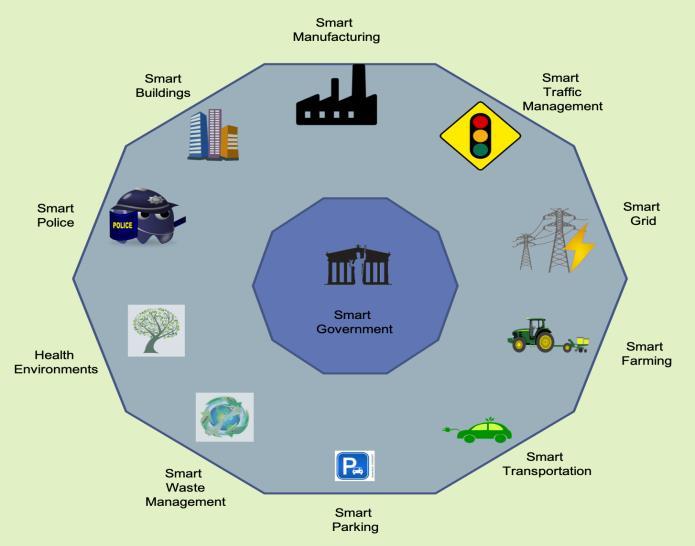
AI's integration into urban planning and smart city development presents transformative opportunities to create cities that are not only more sustainable and efficient but also more enjoyable to live in. Here's how AI can reshape urban environments and the challenges that mustbenavigated:
While AI offers numerous benefits, there are several challenges that need careful consideration to ensure its successfulimplementation:
1. Data Availability and Quality:
o Data Scarcity: AI systems require extensive datasets to function effectively. Collecting comprehensive and highquality data can be challenging due to logisticalandprivacyconstraints.
International Research Journal of Engineering and Technology (IRJET) e-ISSN: 2395-0056
Volume: 11 Issue: 08 | Aug 2024 www.irjet.net p-ISSN: 2395-0072
o Data Quality: Ensuring the accuracy and reliabilityofdataiscrucialforeffectiveAI applicationsinurbanplanning.
2. Privacy and Ethical Concerns:
o Privacy Protection: Implementing AI systems must be balanced with strong dataprivacymeasurestoprotectcitizens' personalinformation.
o Consent and Transparency: Clear frameworks for informed consent and transparencyindatausearenecessaryto buildpublictrust.
3. Algorithmic Bias:
o Bias Mitigation: AI algorithms can inadvertently perpetuate existing biases if not carefully designed and tested. Ensuringdiverseandrepresentativedata setsisessentialtoavoidbiasedoutcomes.
o Fairness and Inclusivity: AI systems must be designed to promote fairness andinclusivity,ensuringthatallresidents benefitfromtechnologicaladvancements.
Tofullyharness the potential ofAIinurbanplanningand smart city development, stakeholders must proactively address these challenges and focus on ethical and inclusivepractices.Thisinvolves:
Collaborative Approach: Engaging interdisciplinaryteams,includingurbanplanners, data scientists, and policymakers, to develop AI solutions that are well-integrated into urban systems.
Public Engagement: Involving citizens in the planning process to ensure that AI-driven solutionsreflecttheirneedsandpriorities.
Continuous Monitoring: Regularly assessing the impact of AI systems and making necessary adjustments to ensure they meet ethical standardsandpublicexpectations.
By carefully navigating these challenges, cities can leverageAItocreateurbanenvironmentsthatarenotonly smarter and more efficient but also more sustainable and enjoyableforallresidents.
https://iransmarts.com/smart-cities-urban-designconcept-urban-design-plan-eco-city/ https://www.britannica.com/science/noise-pollution Designing The Future: Ai Assisted Urban Planning And ArchitecturebyHemantParulekar https://www.archdaily.com/1012951/artificialintelligence-and-urban-planning-technology-as-atool-for-city-design