
International Research Journal of Engineering and Technology (IRJET) e-ISSN: 2395-0056
Volume: 11 Issue: 07 | July 2024 www.irjet.net p-ISSN: 2395-0072

International Research Journal of Engineering and Technology (IRJET) e-ISSN: 2395-0056
Volume: 11 Issue: 07 | July 2024 www.irjet.net p-ISSN: 2395-0072
C. Uday Krishna*3 , P. G Scholar, Annamacharya institute of technology and science Tirupati - 517501
P. C. Prakash1 Assistant Professor, Department of Mechanical Engineering, Annamacharya institute of technology and science Tirupati – 517520
M. Balaji2 , Assistant Professor, Department of Mechanical Engineering, Annamacharya institute of technology and science Tirupati - 517520
Abstract - Composites with an aluminium metal matrix have become a significant material in the field of composite materials and particulate reinforced aluminium MMCs has receivedimportanceduetotheirsuperiortechnicalproperties. The research of the influence of processing parameters on better mechanical characteristics is vital because it has a substantial impact on the performance of the product, even thoughpowdermetallurgicallymanufacturedaluminiumMMCs found applications where superior mechanical properties are required. In this experiment, TiO2 particles with mean diameters of23,37,and67mandvariedweightfractions of2, 4, and 6% were added to a TiO2/Al 7075 metal matrix composite via powder metallurgy. For each composite, a thorough analysis was conducted to determine how the sinteringtemperatureaffectedthematerial'sdensity,porosity, andmechanical,ortensile,andhardness,qualities.Theimpact of the size and amount of reinforcement, the sintering temperature, and other process parameters on the microstructural and mechanical characteristics of the composites was thoroughly investigated. The experimental examination revealed that excellent sintering could be accomplishedupto500°C. Structurepropertyinteractionscan only be related in terms of density, porosity, microstructure, compressive strength, and hardness with smaller-sized TiO2 reinforcement. Sintered density/porosity do not supplement withcorrespondingattributesonhardnesswithincreasedTIO2 size, especially withhigher temperature.This is due to possible matrix TIO2 achieved, heat partition and its impact on matrix flowstress,aswellaspotential poolingoragglomerationwhile dealing with coarse- and medium-sized reinforcing
Key Words: Powder metallurgy, Scanning Electron Microscope, Porosity, density, compressive strength and hardness
AluminumanditsalloysarelightweightsilveryWhitemetal belongingtotheperiodictable'sprimaryGroup13(IIIa,or borongroup).Themostcommonnonferrousmetalandmost plentifulmetallicelementinthecrustofEarthisaluminium. Aluminiumneveroccursinnatureinitsmetallicformdueto its chemical activity, but practically all rocks, plants, and
animals contain some amount of aluminium compounds. Aluminiummakesuparound8%ofthetotalweightofthe outer16km(10miles)oftheEarth'scrust,withoxygenand siliconcominginsecondandthird,respectively.Potashalum, or aluminium potassium sulphate, KAl(SO4)2√12H2O, is knownbyitsLatinname,aluminium,whichcomesfromthis term.
1.1.1 Superior properties / Advantages
Lightweight
Processingcapability&formability
Strength
Corrosionresistance
Recyclability
Costeffectiveness
Conductselectricityevenbetterthan copper
Easilycoloredbyanodization,andholds paintextremelywell
Itactsasagoodthermalconductor
Itishygienicandmagnetically neutral
1.1.2 Inherent properties /Disadvantages
Itisabrasivetotooling
Itismoreexpensivethansteel
Itisnotquiteasstrongassteel
Itismoredifficulttoweldthansteel
Fasterdecelerationincrash
Itcanbeeasilydent
Aluminiumwouldexpandabouttwice thanthatofsteel
1.1.3 Applications
The excellent characteristics of aluminum alloys, includingtheirlowdensity,highstrength,resistance to corrosion, and good formability, make them usefulacrossmultipleindustries.Afewofthemost popularaluminumalloysareusedintransportation, electrical applications, consumer goods, medical equipmentandconstruction.
International Research Journal of Engineering and Technology (IRJET) e-ISSN: 2395-0056
Volume: 11 Issue: 07 | July 2024 www.irjet.net p-ISSN: 2395-0072
Aluminium matrix composites (AMCs) are a class of lightweight, highly functional materials systems that centrearoundaluminium.volumepercentagesbetween afewpercentandseventypercent.AMCs'propertiescan be adjusted to meet the needs of various industrial applicationsbyselectingtherightmatrix,reinforcement, andprocessingroutecombinations.
3.1
TofindoutmoreabouttheAl7075-TiO2composite's mechanical properties and microstructure, experimental studies were conducted. This Chapter presents the experimental setup and experimental techniques utilized for characterization of the compositeinthisinvestigation.Abriefexplanationof thecomposite’spreparationandcharacterizationforits microstructuralandmechanicalpropertiesisincluded in an overview of the setup. The final section of this chapter highlights the approach used for the current investigation.Twostagesoftheexperimentalinquiry havebeencompleted.Theprocessingofthecomposite is the initial stage. The composite is examined for its mechanicalandmicro-structuralcharacteristicsinthe secondstage.
3.4.1 Work piece Materials
Asthecomposite'smatrixmaterial,Al7075powderwith an average particle size of 60-120µm is used. As reinforcements for the composite, titanium oxide particleswithaverageparticlesizesof23,37,and67µm are used. Tables 3.1 to 3.3, respectively, list the parametersofthematrixandreinforcementmaterialas well as the chemical makeup of the matrix aluminium alloy.
Table 3.4.1 a) Composition of Al7075 S.No. Element Composition
3.2
Themethodologyflowchart,whichisdescribedbelow, inordertomeettheproject'sgoals.
Combiningthedesiredcontent(Al7075&TiO2) byusingplanetarytypeballmillinginorderto gethomogenousmixture.
As reinforcements for the composite, titanium oxide particles with average particle sizes of 23, 37,and67µmareused.
Thefinishedcompositespecimensarethenplaced in a muffle furnace under air circumstances for four hours at each of three different sintering temperatures,namely400,450,and500°C.
Then,allthecooledspecimensareartificiallyaged inthesamemufflefurnacefor8hoursat200°C.
Conductingphysical,micro-structural,mechanical testing,studyingthehardness,density,porosity& compressivestrength.
3.3 OBJECTIVES
Mixingofpowder
Fabricationofdieandpunch
ColdCompactionprocess
Sinteringtemperature
Descriptionofthespecimen
Table 3.4.1 b) Properties of TiO2
International Research Journal of Engineering and Technology (IRJET) e-ISSN: 2395-0056
Volume: 11 Issue: 07 | July 2024 www.irjet.net p-ISSN: 2395-0072
Powder metallurgy is defined as mixing different metal powders to create semi-finished and finished goods componentsbycompressingitaftercompressingsubsequent heatingatelevatedtemperatureinafurnacewithagradually increasing environment in order to achieve the necessary strength and density without losing shape. The method of powder metallurgy usually comprises these four fundamentalsteps:powdermanufacture,powderblending, compacting,andsintering.
The process of compacting metal powder in a die by applying high pressure is known as powder compaction. The punch tool forms the bottom of the cavity when the tools are held in a vertical configuration. After being compressedintoashape,thepowderisreleasedfromthe diecavity.Thepartsmayrequireverylittleextraworkfor theirintendeduseinanumberoftheseapplications,which wouldresultinverycost-effectivemanufacture.Theamount of pressure applied has a direct relationship with the density of the compressed powder. For metal powder compaction, pressures ranging from 10,000 kg/mm³ to 50,000kg/mm³arefrequentlyused
Thetechniqueoftakingmetalpowderandputtingitintoa mouldordieiscalledsolidstatesintering.Thematerialis compressedintothemouldandthenexposedtohighheat for an extended amount of time. The porous aggregate particles bond whenheated, and whenthe powdercools, thebondssolidifyintoasinglepiece.
Threephasescanbethoughtofastheprocessofsintering. In the first, powder particles stay distinct but neck development happens quickly. Particles diffuse into one anotherandthestructurerecrystallizesduringthesecond phaseofdensification,whichisthemostintense.
Inthethirdphase,densificationproceedsatasignificantly slowerrateandisolatedporestypicallytakeonaspheroidal shape.InSolidState,theterms"solidstate"Sinteringisjust thetermdescribingthesolidstateinwhichthematerialis induringthebondingprocess;inotherwords,itindicates that the material was not melted in order to produce an alloy.
A recently developed method for high-speed sintering includesheatingtheasperitiespreferentiallyinapowderby running a strong electrical current through it. Where
migrationisdesired,themajorityoftheenergyisusedto meltthatareaofthecompact.
3.4.4
Die pressing (molding):
It is a method of compacting powder that uses uniaxial pressure to compress powder held between two stiff punchesinadie.
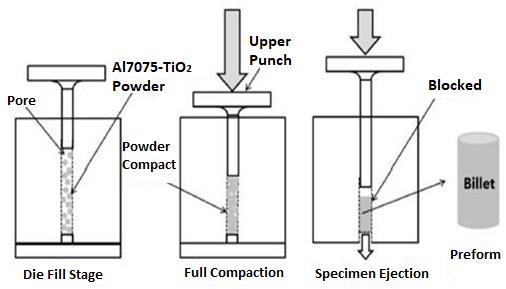
a) Die fill stage
Die pressing (uniaxial):
Itworkswellforproducingsimplepartsinlargequantities (isostatic pressing is an alternate way). The die pressing method'splanisshowninthefigure.
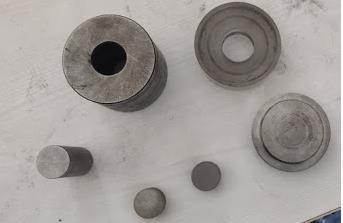
b) Die set preparation
Thefollowingstepsmakeupthepressingprocess:
i) Die filling: Aprecisequantityofpowderisinjectedinto thediecavityatthispoint.
ii) Compaction: An upper punch presses down on the powderatasetpressure.Therangeofpressureis69MPato 1000MPa.
Depending on the type of press, the characteristics of the powderfilling,thesizeandgeometryoftheitem,andother factors,thepressingcyclerepeats400–5000timesperhour. Powderdiespressingisdoneusinghydraulicandmechanical pressesthatcanholdloadsofupto750tons.
Volume: 11 Issue: 07 | July 2024 www.irjet.net p-ISSN: 2395-0072
Coldpressingistheprocessofdiepressingthatisdone at roomtemperature.Hotpressingisthetermforpressingthat takesplaceatahighertemperature.Hotpressingmakesit possible to get greater compact density and improved compaction
Thermal processing the furnace can be used for melting copper and gold, sintering ceramic parts and components, andgeneral-purposelaboratoryheattreatingapplications.It is a double-layered piece of equipment with an energyefficient heating element and air conditioning system that consistently provides amazing performance. Excellent temperaturehomogeneityisensuredbytheuniqueceramic fibreinsulationfoundinthiscruciblefurnace.Theworking temperature of the unit is 1100°C, with a maximum operatingtemperatureof1200°C.
Wefurthermoreprovidecustommanufacturingfacilitiesto ourclientsinordertosatisfytheiruniqueneedsandproject specifications.Wecanalsomanufactureourcruciblefurnace withthenecessaryheatingelementtype,temperaturerange, and other settings. This equipment is given with great warranty and after-sales support throughout India and internationallyataveryaffordableprice.
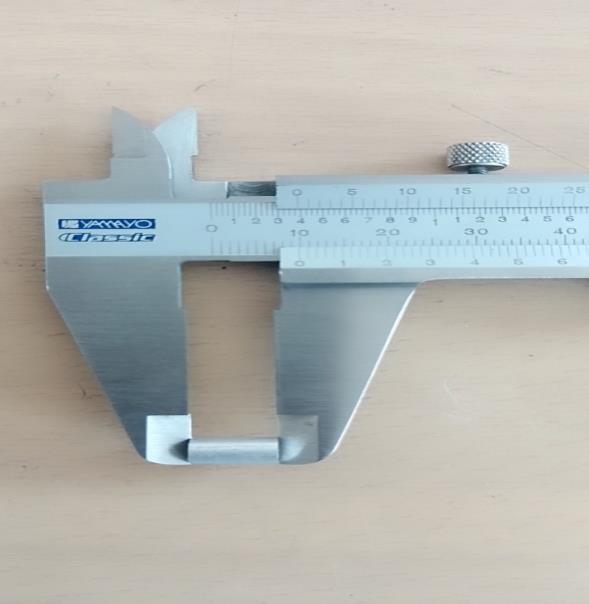
Themechanicalalloyingmethodinvolvesmixingthematrix andreinforcementparticleswiththehelpofplanetarytype ball milling.Theimageof thedeviceisdisplayedinFigure 3.4.5b.bysintering.Inacompressionmouldingmachine,the coldcompactionprocedureiscompleted.Thepowdersare shaped into 25 mm long and 8 mm diameter cylindrical specimens. Figure 3.4.5 c, show images compression mouldingequipmentandFigure3.4.5d,showimagesofthe muffle furnace used for ageing as well as the compression moulding equipment. In Figure 3.4.5 e, samples of the manufactured composite specimens are also displayed. At room temperature, the consolidation is done under 1.5 N/mm2ofpressure Thefinishedcompositespecimensare thenplacedinamufflefurnaceunderaircircumstancesfor fourhoursateachofthreedistincttemperatures400,450, and 500°C for the sintering process. After that, all of the cooled specimens are artificially aged for eight hours at 200°Cinthesamemufflefurnace.Afterthat,chilldownwith regularwater.
In a ball mill, the mechanical alloying process introduces hard dispersion particles into a comparatively soft metal matrix.
Theresultingcompositepowdersarenextcoldcompacted andcemented,followed.
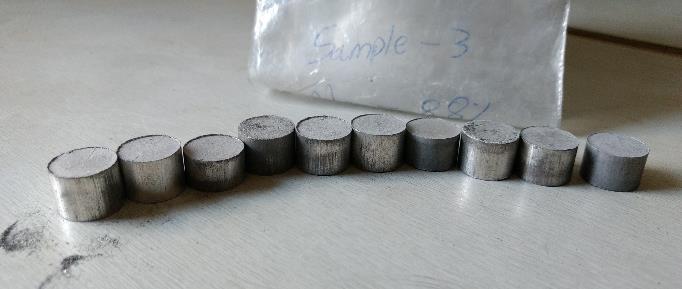
3.5 TESTING THE COMPOSITE FOR MICROSTRUCTURE, PHYSICAL AND MECHANICAL PROPERTIES
3.5.1
Scanning electron microscope (SEM) micrographs demonstrate how well distributed the dispersion reinforcementparticlesarethroughoutthematrix
3.5.2
Theequationbelowisusedtogetthemassdensityofthe composite sample. After heat treatment, the specimens' densitiesaremeasured.
ρ=(Mass/volume)(kg/m3)
3.5.3
Based on the theoretical and experimental values of the composites' density, the porosity of the sample is ascertained.Porosityisdeterminedusingtheformulain Equation(3.3).
Porosity = (Theoretical Density – Calculated Density/TheoreticalDensity)*100(%)(3.3)
The mixing of two different materials, one of which is a very soft matrix material and the other of which is very hard reinforcing particles, may have been compacted, leading to the porosity of the composite specimens. Equation3.1isusedtocalculatethecalculateddensityand thetheoreticaldensitybyapplyingthemixesrule.
3.5.4
The mechanical properties of composite materials reinforced with ceramic particles depend on the matrix properties,mutualwettabilityattheinterphase,volumeof the reinforcing phase, and the size of the reinforcement particles (Kaczmar et al 2000). Vickers hardness testers are used to determine the hardness of heat-treated composites(sinteringfollowedbyageing)undera1000g
International Research
Volume: 11 Issue: 07 | July 2024 www.irjet.net
load. Ten seconds pass while the load is applied. A minimumofthreehardnessreadingsarerecordedforeach specimenatvarioussitesonthetestsamplesinorderto excludeanypotentialsegregationimpact.
A universal testing equipment with a 50 KN capacity is usedtoDeterminethecomposites'compressivestrength. A traversal speed of 0.125 meters per minute the compressiveloadisgiventothecompositespecimens.A room-temperature environment is used for the compressiontest.
4.1 INTRODUCTION
ThequalityofsinteringoftheAMCisnormallyevaluated intermsofhardness,compressivestrength,porosity,and density. The processing may be through liquid state (casting) or through particulate state (Sintering). The driving force for casting is the heat extracted and consequent nucleation and interface formation, while sustainingtoheattopromote/facilitatedgrainboundary meeting/grainboundarysintering(inthecaseofpowder metallurgy/compaction).Hencetemperatureisacritical factorinfluencingthesinteringqualityofcompositeswith varyingmeltingpointandheattransfercoefficientofthe ingredients making it material specific for achieving desired results. Al-TiO2 metal matrix composites with differentsizeofTiO2 particle(23-67µm)weightfractions (2-6 %) was sintered (compacted through powder metallurgyroute).
Table 4.1
4.2 MICROGRAPHS OF COMPOSITE POWDERS
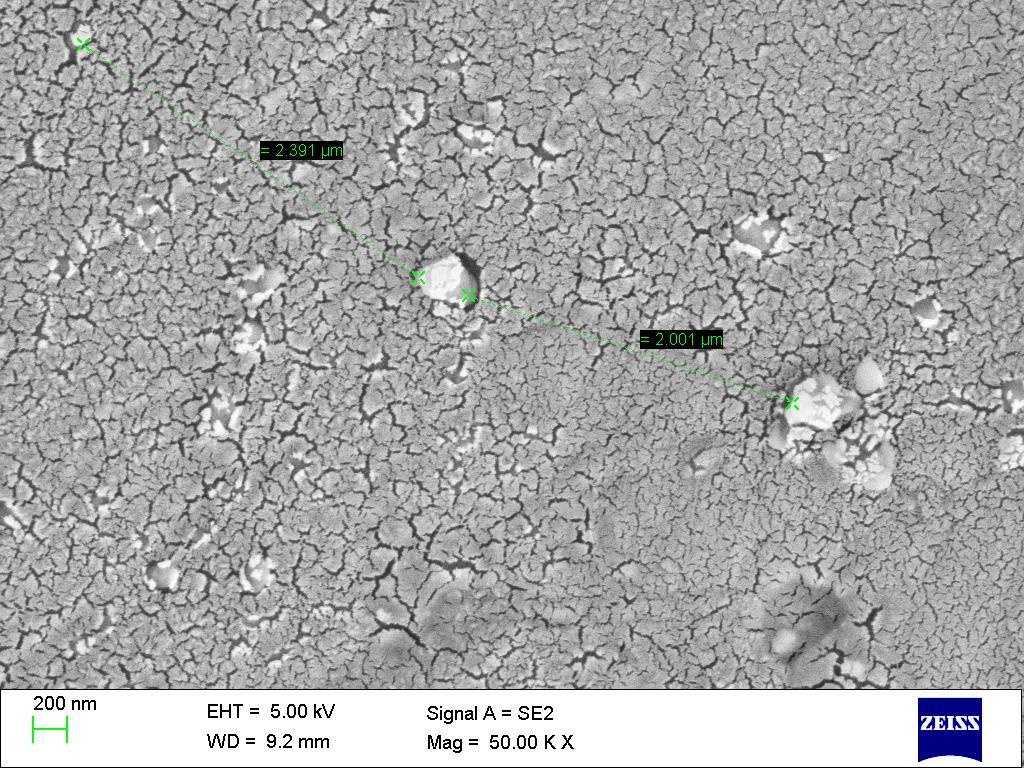
Figures 4.1 a-h display the SEM micrographs of pure aluminiumalloypowder,compositepowdersofaluminium alloyandTiO2particulateswithvaryingweightfractions(2, 4,and6%),andaverageparticlesizes(23,37,and67µm). The homogeneous distribution of the reinforcement TiO2 particleswithinthealuminiumalloymatrixisconfirmedby the SEM micrographs. Aluminium powder appears in spherical form and silicon carbide particles in irregular crystallineform.Higherweightfractionandhigherparticle size composite powder appears to be more crystalline
International Research Journal of Engineering and Technology (IRJET) e-ISSN: 2395-0056
Volume: 11 Issue: 07 | July 2024 www.irjet.net p-ISSN: 2395-0072
whereas at lower weight fraction and lower particle size compositepowder,thestructureappearstobesoftandmore isotropic.
SmallersizedTiO2withmediumweightfractionandhigher order sintering temperature results in reduced order of porosity. Smaller sized TiO2 with medium weight fraction and sintering temperature of 500°C facilitating better sinterability. Increased weight fraction of TiO2 and minimum sintering temperature results in increased porosityin37 µmwithall weightfractions(2,4and6%) andathighersinteringtemperatureof500°Cresultsingood sinterability.CoarserTiO2(67µm)with2%weightfraction and500ºCassociatedwithgrainflowofmatrixmaterial67 µm TiO2 is with 4 wt.% at 500°C with formation of compound(contrastedaluminiumgrain)67µmTiO2with6 wt.% at 500°C absence of compound formation and good sinterability. The above figure shows that the SEM micrograph of aluminium alloy image captured at 37 µm with6%weightfraction,
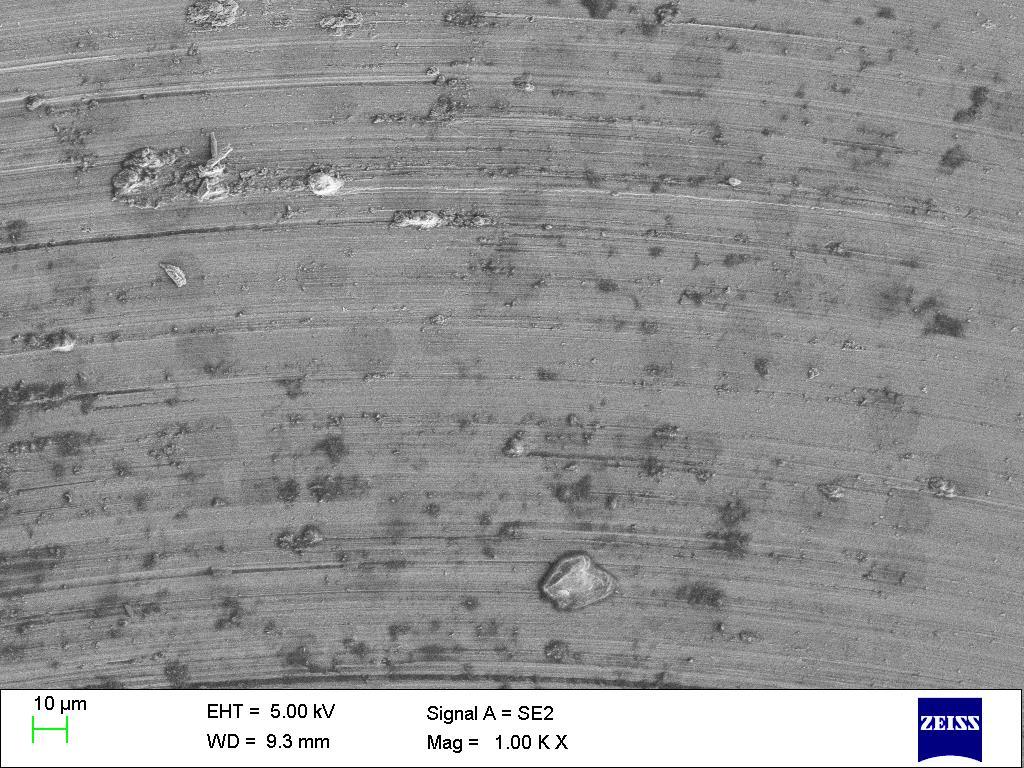
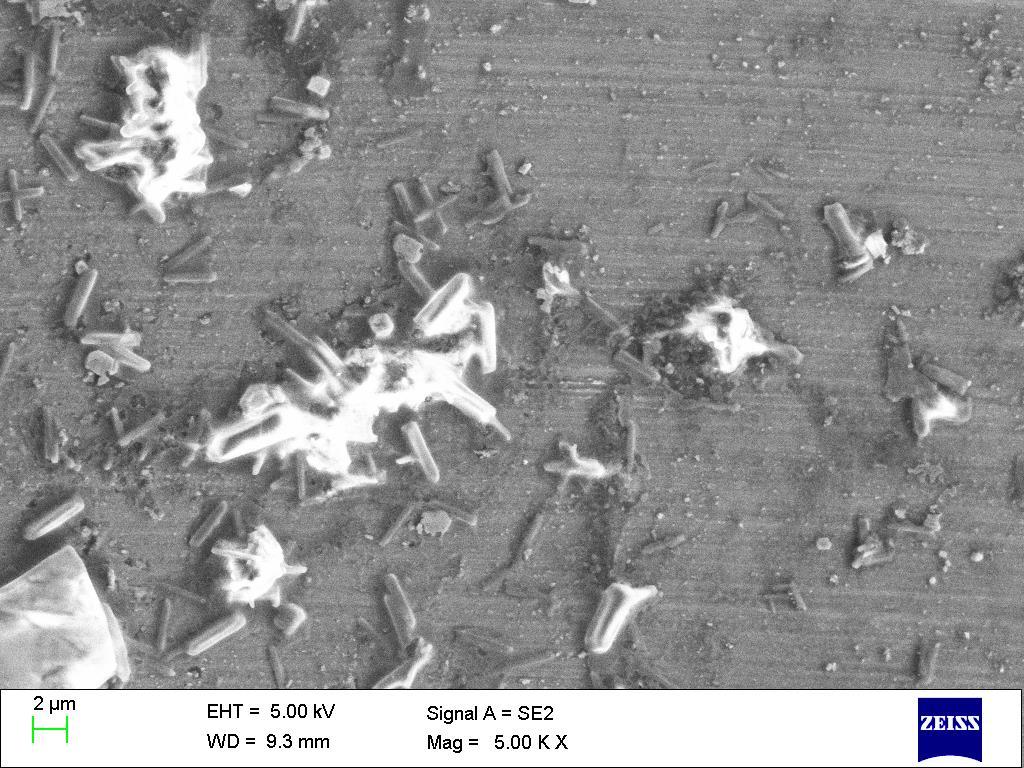
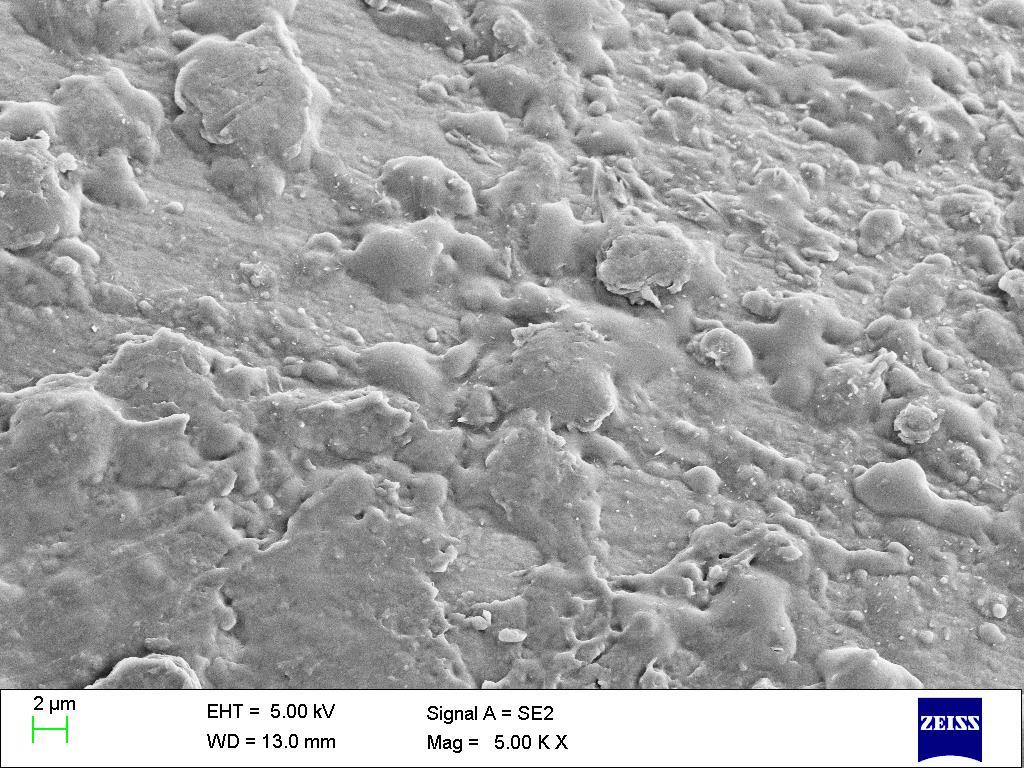
Figures4.band 4.c illustratetheestablishmentof bonding betweenAl7075andTiO2usingSEMmicrographsat2µm and1µm.
International Research Journal of Engineering and Technology (IRJET) e-ISSN: 2395-0056
Volume: 11 Issue: 07 | July 2024 www.irjet.net p-ISSN: 2395-0072
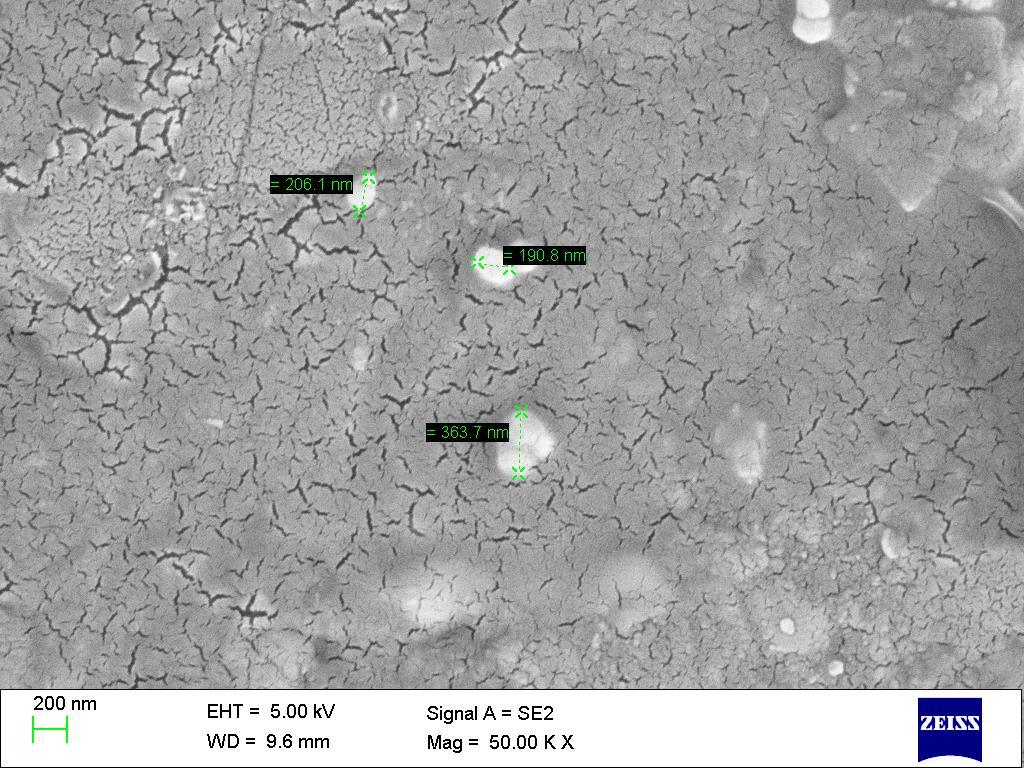
Figure.4.f
Scanning Electron Microscope micrograph at 23 µm size with 6% WF
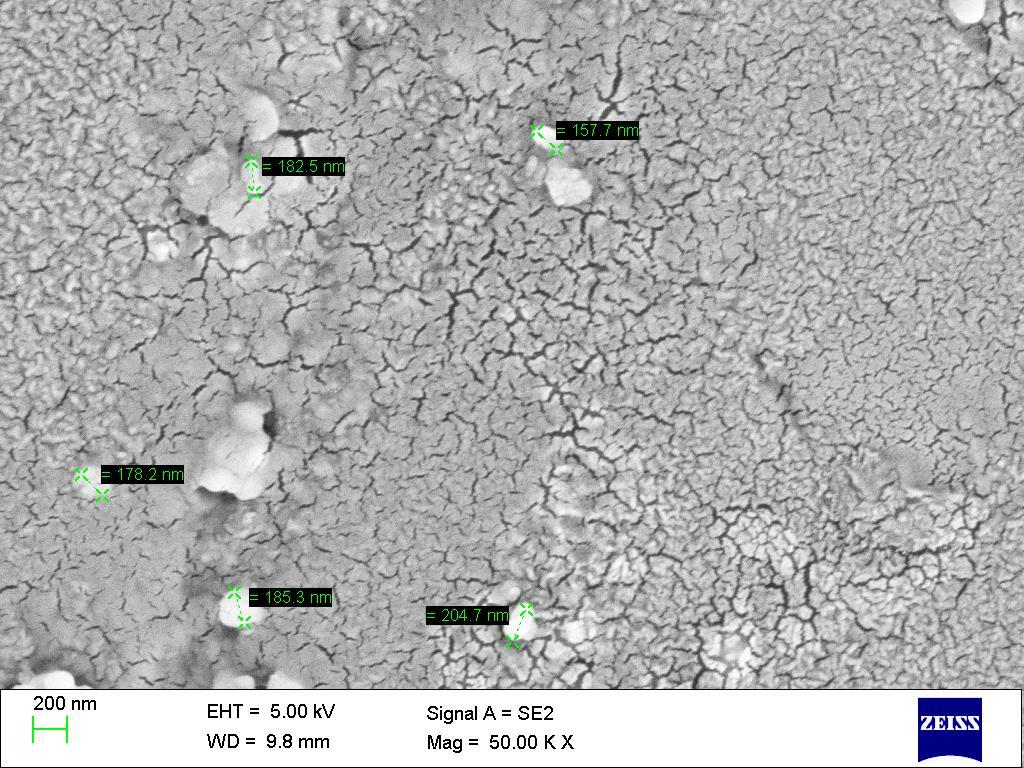
Figure. 4.g
Scanning Electron Microscope micrograph at 67 µm size with Wf 6%
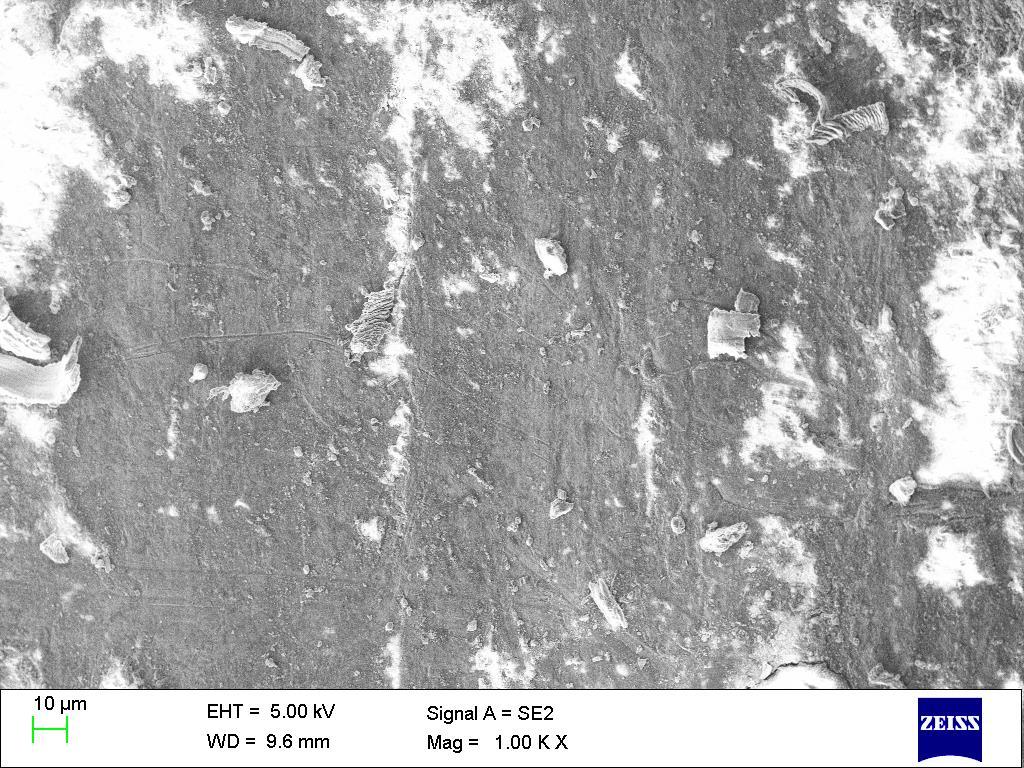
Figure. 4.h
Scanning Electron Microscope Micrograph 37 µm with TiO2 6% WF
from the figures 4.e, 4.f, g we can observe that the SEM micrograph at 67 µm with WF= 6% are shown the pores formed in different sizes. The pores reduced in due to the
TiO2 with increased weight fraction and sintering temperature5000Cresultsinincreasedporosityin37µm.
Table4.1liststhecommonphysicalcharacteristicsthatare noticed, such as density and porosity, as well as the structuralmechanicalcharacteristics,includinghardnessand compressive strength. Table 4.3 and Figure 4.3 show the typicalobservedeffectsofsinteringtemperatureondensity forvariouscomposites.
of Specimen
WithTiO2thatissmallerinsize(23µm),thedensityremains relatively constant up to 500ºC, after which a discernible increaseisobserved.Therefore,theflowstressofaluminium decreases with smaller sized TiO2 reinforcement just at 500°C,permittingsimplermatrixflowandimprovedgrain boundarymeeting/sintering.Sinteringdensityalsorisesas weight fraction does. More weight percentage of reinforcement leads to a narrower matrix space, which facilitates better grain boundary sintering and greater densities.
WithmediumsizedTiO2(37µm),thetrendofinfluenceon densityisquitedifferent.Whilewith6%wt.fraction,Density increases gradually with temperature; for low-medium weight fractions, density increases only to a point over 500°C. With 2% and 4% wt. fractions, only a marginal differenceindensitybetween23and37µmsizecanbeseen upto500ºC.However,withsinteringtemperatureof500°C, adistinctriseindensitycanbeseenwith37µmsizedTiO2. With coarse TiO2 particle, barring low weight fraction, mostlythesintereddensitydropsdownwithtemperature. Relativelyhigherdensityseenwithlowertemperaturecan be attributed to the size effect, while significance of heat conducted and consequent heat partition between matrix and reinforcement particle is seen with the reduction of densitywithincreasingtemperature.
Forallweightpercentagesofreinforcementin67µmTiO2 composites, the density decreases as the sintering temperaturerises.Thismaybedueinadequatecompaction withhigherparticlesizeorformationofcompoundaffecting wettabilityofthematrixmaterialalso.
International Research Journal of Engineering and Technology (IRJET) e-ISSN: 2395-0056
Volume: 11 Issue: 07 | July 2024 www.irjet.net p-ISSN: 2395-0072
The variation of porosity with sintering temperature is showninFigure4.4.Reductioninporositywithincreasing wt.%canbeseen.However,unlikethecaseofdensity,the porosity is seen to progressively drop with increase in temperature. The reduction in porosity above 500°C is supplemented with the observed rise in density. Possibly swellingofmatrixparticlesuptoacertaintemperatureand possibleoxidationinthesurficialregioncancontributeto thisphenomenon.
With 37 m, the porosity tends to down with increasing temperature,especiallyabove500°C.Thisismostlyinorder withtheobservationondensity.With67µmTiO2,porosity mostlydropsdownwithweightfraction.However,amixed mode of relationship with temperature can be seen. With smallerweightfraction,theporositytendstodropdownup to 500°C, above which a rise can be seen. This is supplementedwiththeobservationondensity.With4%wt. fraction,porosityisstableupto500°C,risingwithincreasing temperature,whichsupportsthedensitymeasurement.With higherweightfraction,porosityincreasesupto500°Cand getsetwithhighertemperature.
temperaturefacilitatesbettercompaction.Itisseenthatwith increasing size of the TiO2, the MMC exhibits relatively higherordercompressivestrength.Also,despiteincreased porosity,highercompressivestrengthcanbeseen.Thiscan be attributed to effective dispersion strengthening of the compositestructurewithsizeoftheTiO2.Itisseenthatwith 23µmTiO2thecompressivestrengthofsinteredspecimen increases with sintering temperature, while it drops with highertemperature.Amixedmodeofrelationshipbetween porosityandcompressivestrengthofMMCcanbeseenwith coarserTiO2reinforcement.
Figure5.3illustratesthesinteringperformanceofaluminium matrix composite with 37 µm TiO2. Up to 500°C, a rise in compressivestrengthisobserved,followedbyadropwith highertemperatures.Referringtodensity/porosityitisseen thatariseindensityisassociatedwithreductioninporosity could have resulted in matrix crazing and consequent reductionincompressivestrength.
The matrix material's response to compressive loading greatly influences how the MMC responds to it. The compositematerial'sparticlestrengtheningandthematrix material's flow stress both affect the matrix material's response.
Table 4.4: Porosity % values
Figure.4.4: Comparison of Porosity %
MMCcontaining23µmand37µmTiO2reinforcedexhibits around6%porositywithlowertemperatureandaround610%athighertemperature.However,MMCcontaining67µm TiO2exhibitsawidevariationinporosity.
Structuralpropertiesofsinteredcomposite,suchasdensity and porosity, can influence the relative properties such as hardnessandcompressivestrength.Figure4.5.1depictsthe typicalmonitoredfluctuationinAMC'scompressivestrength that is impacted by the size of the reinforcement TiO2 particleandthesinteringtemperature-Withsmallersize(23 µm)TiO2reinforcedcomposite,compressivestrengthrises progressively with sintering temperature also high wt.% enhances the compressive strength. With increasing sinteringtemperature,bettercompactionandstrengthare madepossiblebythemetal's(matrix)decreasedflowstress. Thedrivingforceforsinteringisgraingrowthandinterface (boundary) formation. As such, higher wt. % and
International Research Journal of Engineering and Technology (IRJET) e-ISSN: 2395-0056
Volume: 11 Issue: 07 | July 2024 www.irjet.net p-ISSN: 2395-0072
WithsmallersizedTiO2(23µm),theMMCexhibitsaslight rise in hardness with sintering temperature. Figure 4.6.2 shows the typical observed fluctuation of hardness of the MMC as impacted by sintering temperature and reinforcement.Thehardnessalsoincreaseswithwt.%ofthe reinforcement. The hardness characteristic is almost supplemented by the observation on porosity. There is a noticeableoverallincreaseinMMC'shardnesswith37µm TiO2overMMCwith23µmTiO2.Upto500°C,thehardness increases proportionately with the sintering temperature; beyondthat,adeclineisevident.
Withsmallersized(23µm)TiO2,ariseinsintereddensity, reduced porosity with sintering temperature is associated withincreasedhardness.However,with37µmTiO2,arisein densityandreductioninporositywithsinteringtemperature is associated with a mild reduction in hardness. The observation unequivocally shows that there is a threshold sinteringtemperatureof500°C,abovewhichnodiscernible structure-propertylinkcouldbeseen.
Figure shows the typical measured fluctuation in MMC's hardness with TiO2 particles of 67 µm in size. Hardnessisobservedtodecreaseupto500°C,afterwhichit increases. In MMC, particulate reinforcement can improve compressive strength by limiting matrix displacement or flow. The hardness can be enhanced above a specific temperature by a potential interaction between TiO2 and aluminium.Acoarsergrainsizeof67µmwouldresultina heatpartitionbetweenTiO2andaluminiumthatwouldaffect bothcompressivestrengthandhardness,potentiallydueto insufficient matrix flow. TiO2's tiny size (23 µm) is fully indicative of density through sinterability. Hardness, compressive strength, and porosity all complement one another.
Reducedhardnessandcompressivestrengtharelinkedtoan increaseindensitywithsinteringtemperaturewhenthesize is37µm,particularlyathighersinteringtemperatures.
Reduced porosity/increased density can constraint the matrix material during compression, resulting in matrix crazing and observed reduction in compressive strength. Apart from % weight fraction, an increase in size of reinforcementTiO2resultsinincreasedhardness.However, sintering temperature is highly sensitive to size of the reinforcement.WithmediumsizedTiO2,sinteredhardness increasesupto500°C,whileitisinvariantupto500°Cwith 67 µm TiO2. Hardness increases with 67 µm TiO2 and decreases with 37 µm TiO2 at higher order sintering temperatures.
Table 4.6.1 Hardness test values
The purpose of this investigation was to examine the Al 7075-TiO2 analysis was conducted to determine how the sintering temperature affected the material's density, porosity,compressivestrength,hardness,microstructural propertiesofthecomposites.Thefollowingconclusionswere made:
Al 7075-TiO2 composites with different weight fractions(2-6%) anddifferentsizeofTiO2 particle(23-67 µm) was sintered (compacted through powder metallurgy route) by mechanical alloying process with the help of planetarytypeballmilling.
• The homogeneous dispersion of the reinforcement TiO2 particles throughout the matrix of the aluminium alloy is confirmedbytheSEMmicrographs. SmallersizedTiO2 with mediumweightfractionandsinteringtemperatureof500°C facilitatingbettersinterability,increasedporosityin37µm with all weight fractions (2, 4 and 6%) and at higher sinteringtemperatureof500°Cresultsingoodsinterability. WithmediumsizedTiO2(37µm),sinteringtemperatureof 500°Cand6%weightfraction,adistinctriseindensitycan beseenwith37µmsizedTiO2.
The case of density, the porosity is seen to progressively drop with increase in temperature. With 37 µm,theporositytendstodownwithincreasingtemperature, especially at 500°C. This is mostly in order with the observationondensity.
The sintering performance of aluminium matrix composite with 37 µm TiO2. Up to 500°C, a rise in compressivestrengthisobserved,followedbyadropwith highertemperatures.
Thehardnessisrelativelyincreasingwithsintering temperature up to 500°C with 37 µm TiO2. The hardness characteristicisalmostsupplementedbytheobservationon porosity a rise in sintered density, reduced porosity with sinteringtemperatureisassociatedwithincreasedhardness.
International Research Journal of Engineering and Technology (IRJET) e-ISSN: 2395-0056
Volume: 11 Issue: 07 | July 2024 www.irjet.net p-ISSN: 2395-0072
[1] Ray H. Baughman, Anwar A. Zakhidov, walt A de Heer “carbon nanotubes-the Route toward Applications “ScienceVol297,(2002)pp.787-792.
[2] I. Sridhar Karthic R. Narayanan “Processing and characterizationofMWCNTreinforcedaluminummatrix composites”JMaterSci44(2009)pp.1750–1756.
[3] K. Singhal, Renu Pasricha, Satish Teotia, Girish Kumar and R.B. Mathur (2011) “Fabrication and characterizationofAl-matrixcompositesreinforcedwith amino-functionalized carbon nanotubes” Composites ScienceandTechnologyvol.72,pp.103–111.
[4] A.M.K.Esawi,K.Morsi,A.Sayed,M.TaherandS.Lanka (2010)“Effectofcarbonnanotube(CNT)contentonthe mechanical properties of CNT- reinforced aluminium composites”CompositesScienceandTechnologyvol.70, pp.2237–2241.
[5] C.Parswajinan,B.VijayaRamnath,C.Elanchezhian,S.V. Pragadeesh, P.R. Ramkishore, V. Sabarish (2014) “InvestigationonMechanicalPropertiesofNanoFerrous Composite”ProcediaEngineeringvol.97,pp.513-521.
[6] S.R.Malik,M.A.Maqbool,S.Hussain,H.Irfan―carbon Nanotubes:Description,PropertiesandApplicationsJ PakMaterSoc2008;2(1).
[7] Kwon, park, Silvain, kawasaki, Investigation of carbon nanotube reinforced aluminium matrix composite materials,Compos.Sci.Technol.Vol70(No.3),2010,p 546-550.
[8] Esawi, Morsi, Sayed, Taher, Lanka. Effect of Carbon nanotube(CNT)contentonthemechanicalpropertiesof CNT-reinforced aluminium composites, Composite ScienceandTechnology(vol70),2010,2237-2241.
[9] Anilkumar, H.C., H.S. Hebbar, and K.S. Ravishankar, Mechanicalpropertiesofflyashreinforcedaluminium alloy(Al6061)composites.Intl.Jl.ofMech.&Materials Engg.6(1):p.41-45(2011).
[10] Baughman, R.H., A.A. Zakhidov, and W.A. de Heer, Carbon Nano-tubes the Route Toward Applications.Science,297(5582):p.787(2002).
[11] Mdogangun.Sustainablenano.[cited
[12] 2016 08/11]; Available from: http://sustainable-nano.com/2014/03/04/turningplastic-bags-into-carbon-nanotubes/(2014).
[13] Ruoff, R.S. and D.C. Lorents, Mechanical and thermalpropertiesofcarbonnanotubes.Carbon,33(7): p.925-930(1995).
[14] Ebbesen,T.W.,etal.,Electricalconductivityof individualcarbonnanotubes.Nature,382(6586):p.5456(1996).
[15] Tanaka, K., et al., electronic properties of carbon nanotube. Chemical Physics Letters, 1994. 223(1):p.65-68(1994).
[16] Zhang,Z.andC.M.Lieber,Nanotubestructure andelectronicpropertiesprobedbyscanningtunneling microscopy. Applied Physics Letters, 62(22): p. 27922794(1993).
[17] X.C.TONGandH.S.FANG,Al-TiCCompositesin Situ–Processed by Ingot Metallurgy and Rapid Solidification Technology: Part I. Microstructural Evolution, METALLURGICAL AND MATERIALS TRANSACTIONSAVOLUME29A,MARCH1998 875.
[18] S. Pournaderi, S. Mahdavi, F. Akhlaghi, FabricationofAl/Al2O3compositesbyin-situpowder metallurgy(IPM),PowderTechnology229(2012)276–284.
[19] Z. Sherafat, M.H. Paydar, R. Ebrahimi, Fabrication of Al7075/Al, two phase material, by recycling Al7075 alloy chips using powder metallurgy route, Journal of Alloys and Compounds 487 (2009) 395–399.
[20] ZHU Fu-long, YUAN Hai-bin, YU Qing-chun, YANG Bin, XU Bao-qiang, DAI Yong-nian1, Behavior of titanium dioxide in alumina carbothermic reductionchlorination process in vacuum, Transaction of nom ferrousmetalssocietyofchina,21(2011),1855-1859.
[21] F.Akhlaghi,S.A.Pelaseyyed,Characterization of aluminum/graphite particulate composites synthesized using a novel method termed ―in-situ powdermetallurgy,MaterialsScienceandEngineeringA 385(2004)258–266.
[22] RajmohanT,PalanikumarKandRanganathanS 2013Evaluationofmechanicalandwearpropertiesof hybrid aluminium matrix composites Transactions of NonferrousMetalsSocietyofChina232509–17.
[23] Ralph B, YuenH and Lee WB 1997 The processingofmetalmatrixcomposites anoverviewJ. Mater.Process.Technol.63339–5.
2024, IRJET | Impact Factor value: 8.226 | ISO 9001:2008
International Research Journal of Engineering and Technology (IRJET) e-ISSN: 2395-0056
Volume: 11 Issue: 07 | July 2024 www.irjet.net p-ISSN: 2395-0072
[24] Diaz P, Edirisinghe MJ and Ralph B 1996
Microstructuralchangesandphasetransformationsina plasma-sprayed zirconia-yttriatitania thermal barrier coatingSurf.Coat.Technol.82284–90.
[25] Baradeswaran A and Perumal A E 2013
Influence of B4C on the tribological and mechanical propertiesofAl7075–B4CcompositesCompositesPart B:Engineering54146–52.
[26] Sivananthan S, Ravi Kand Samuel CS J 2020
Effect of SiC particles reinforcement on mechanical propertiesofaluminium6061alloyprocessedusingstir castingrouteMater.TodayProc.21968–70.
[27] AhamadN,MohammadA,SadasivuniKKand GuptaP2020Phase,microstructureandtensilestrength ofAl–Al2O3–Chybridmetal.
[28] matrixcompositesProc.Inst.Mech.Eng.Part CJ.Mech.Eng.Sci.2342681–93.
[29] Kumar RV, Keshava murthy R, Perugu CS, AlipourMandSiddarajuC2021Influenceofhotrolling onfrictionandwear behaviourofAl6061-ZrB2insitu metalmatrixcompositesJ.Manuf.Processes69473–90.
[30] Doddamani S and Kaleemulla M 2017
Experimental investigation on fracture toughness of Al6061–graphite by using circumferential notched tensile specimens Frattura ed Integrità Strutturale 11 274–81.
[31] Suchendra K and Reddy MS 2022 Study on microstructure, mechanical and fracture behavior of Al2O3-MoS2 reinforced Al6061 hybrid composite FratturaeIntegritaStrutturale16244–53.
[32] Ravikumar M, Reddappa H, Suresh R and Reddy MS 2021 Experimental studies of different quenching mediaonmechanical andwear behaviorof Al7075/SiC/Al2O3 hybrid composites Frattura ed IntegritàStrutturale1520–31.
[33] RavikumarM,ReddappaH,SureshR,BabuE and NagarajaC2021 Study on micro-nano sized Al2O3 particlesonmechanical,wearandfracturebehaviorof Al7075 Metal Matrix Composites Frattura e Integrita Strutturale15166–78.
[34] Alagarsamy S and RavichandranM2019 Synthesis, microstructure and properties of TiO2 reinforced AA7075 matrix composites via stir casting routeMater.Res.Express608651.
[35] Mater.Res.Express9(2022)116509NHugar et al Kumar GV, Rao C and SelvarajN2012 Studies on
mechanical and dry sliding wear of Al6061–SiC compositesPartB:Engineering431185–91.
[36] VanTrinhP,LeeJ,KangB,MinhPN,Phuong DDandHongSH2022Mechanicalandwearpropertiesof SiCp/CNT/Al6061hybridmetalmatrixcompositesDiam. Relat.Mater.124108952ChaithanyasaiA,VakchorePR and Umasankar V2014 The micro structural and mechanical property study of effects of EGG SHELL particlesonthealuminum6061ProcediaEngineering97 961–7.
[37] GaoM,ChenTJandZhangZX2021Formation ofTiAlSiintermetallicsduringheatingTi-A356Almixed powder compact at semisolid temperature Journal of MaterialsScience&Technology94247–63.
[38] Devaraju A, Kumar A and Koti veerachari B 2013InfluenceofadditionofGrp/Al2O3pwithSiCpon wear properties of aluminum alloy 6061-T6 hybrid compositesvia frictionstir processingTransactionsof NonferrousMetalsSocietyofChina231275–80.
[39] Shivananda Murthy KV, Girish DP, Keshava murthyR,VarolTandKoppadPG2017Mechanicaland thermal properties of AA7075/TiO2/Fly ash hybrid compositesobtainedbyhotforgingProgressinNatural Science:MaterialsInternational27474–81.
[40] RavikumarM,SureshR,ReddappaH,MohanY R,NagarajaCandBabuE2021Investigationsontensile fractographyandwearcharacteristicsofAl7075-Al2O3SiC hybrid metal matrix composites routed through liquid metallurgical techniques Frattura ed Integrità Strutturale15160–70.
[41] Soltani S, Azari Khosroshahi R, Taherzadeh Mousavian R, Jiang Z-Y, Fadavi Boostani A and BrabazonD2017Stircastingprocessformanufactureof Al–SiCcompositesRareMetals36581–90.
[42] AhamadN,MohammadA,SadasivuniKKand Gupta P 2020 Structural and mechanical characterizationofstircastAl–Al2O3–TiO2hybridmetal matrixcompositesJ.Compos.Mater.542985–97.
[43] Rao CP, Bhagya shekar M and Viswanath N 2014MachiningbehaviorofAl6061-flyashcomposites ProcediaMaterialsScience51593–602.
[44] Tzamtzis S, Barekar N, BabuNH, Patel J, Dhindaw B and Fan Z 2009 Processing of advanced Al/SiC particulate metal matrix composites under intensive shearing–Anovel Rheo-process Composites PartA:AppliedScienceandManufacturing40144–51.