
International Research Journal of Engineering and Technology (IRJET) e-ISSN: 2395-0056
Volume: 11 Issue: 06 | Jun 2024 www.irjet.net p-ISSN: 2395-0072
International Research Journal of Engineering and Technology (IRJET) e-ISSN: 2395-0056
Volume: 11 Issue: 06 | Jun 2024 www.irjet.net p-ISSN: 2395-0072
Pranoti S. Koli1 , S. S. Chavan2
1M.Tech Student, Dept. of Civil Engineering, T.K.I.E.T. Warananagar, Kolhapur, Maharashtra, India
2Assistant Professor, Dept. of Civil Engineering, T.K.I.E.T. Warananagar, Kolhapur, Maharashtra, India
Abstract - Wakurde lift irrigation scheme is under Maharashtra Krishna Valley Development Corporation (MKVDC). A scheme is located in Wakurde of Sangali district, Maharashta State, India. It is major ongoing irrigation project of Krishna basin basically implemented for irrigating areas of Shirala and Valava Tal. in Sangali district also Karad Tal. in Satara district. Techno-economic viability of project is one of the important key factor having significant contribution in success of lift irrigation scheme. The aim of this study is to check economic feasibility of LIS and asses it’s social impact, as it is important to know that whether the project is beneficial or not. For this purpose, we calculated the economic feasibility and sanctioning of projects by working out benefit to cost ratio and Internal Rate of Return (IRR). The purpose of this study is to overcome problems is execution and cost-time overruns. We assessed actual facts and problems in implementation of this LIS. We also studied practical irregularities while running this scheme. In this study suggestions are given to improve efficiency of project and to overcome actual on field problems.
Key Words: MKVDC, economic feasibility, socio-economic impact, Lift Irrigation System, cropping pattern, benefit to cost ratio.
Wakurde Lift Irrigation Scheme is under Warana Irrigation Project which is located on Warana River in Krishna basin. It is proposed to lift water from (LBC) Left BankCanalofWaranaproject.Itconsistsofmain2partsand again first part divided into 3 stages and second part is dividedinto2stages.Aspertheoriginalstandardapproved bytheCorporationin1998,itwasplannedtoirrigate15775 hectaresofirrigatedareabypumpingwaterinoneareain3 phases.
AspertheproposedsecondRAAofthisscheme,a total irrigated area of 28,035 hectares is proposed to be irrigatedas12,275hain3phasesunderPart1and15,760 hain1phaseunderPart2.Totalcultivatedcommandareaof Wakurde LIS project is 33,062 ha. Out of that irrigable commandareais28,035ha.Thecropstructureproposedin thefirstRAAapprovedwas126%and123%forSangliEast andSangliWestrespectively.Ithad20%canecropforboth theregions.Accordingtotheproposedcropstructure,173.36 gallonsofwaterisrequiredforModifiedPenmanmethodfor irrigation.
Aneconomicfeasibilityofprojectisworkedoutby BenefittoCostratio(B/Cratio)andInternalRateofReturn (IRR)methodswhichareconsideredaseconomicanalysis methods.
India’sultimateirrigation potential is140million hactersbutonly87millionhactersisutilizedthroughmajor, medium,minorirrigationprojectandgroundwater.Thisgap canbereducedbyusingirrigationsystemofhigherwater useefficiency.Theconventionalmethodforconveyingwater forirrigationinIndiahascertainlimitationsasevaporation losses,seepagelosses,landacquisitionandthefts.Inorderto overcome these drawbacks, pipe distribution network system is best alternative. It is necessary to search innovativealternativeformodernizationofexistingwater distribution network system. There are various irrigation methods available but an importance of ‘Lift Irrigation Scheme’isunique.Thetotal8%LISofMaharashtrairrigates 22000haoflandwhichfinancesRs.6462.5million.
Basically, lift irrigation schemes are used to lift water from lower level to higher level mainly consists of watersources(suchasdams,K.T.weirs,rivercanals),lifting medium and conveying medium. Dams and canals are constructed to increase irrigated area at lower level than dam level but scarcity of water remained the problem for higherareas.
India is mainly an agricultural country and water resources plays vital role in irrigation. Now a days, industrializationdemandsformorewateravailabilitywhich leadstoreducewateravailableforirrigation.Stressdueto waterscarcityincreasingdaybyday.Toreducethiswater scarcityandmeetrapidwaterdemandofirrigation,adoption ofnewirrigationmethodsisessential.
Warna and Krishna rivers are two major rivers whichflowinMaharashtrastateandarelinkedtogetherby WakurdeLISinTal-Shirala,Dist-Sangali
Anoriginaladministrativeapprovaloftheproject, the first Revised Administrative Approval (RAA) and proposedadministrativeapprovaldetailsareasfollows:
Volume: 11 Issue: 06 | Jun 2024 www.irjet.net
Table1.2.1AdministrativeApproval(AA)details
A. PHASE1-EconomicFeasibilityAnalysis:
In this study, economic feasibility of project is worked out by using two methods of economic analysis. These methods are benefit to cost ratio (B/Cratio)andInternalRateofReturn(IRR).
1. Method1:BenefittoCostRatio:
TheBCRcomparesthepresentvalueofall benefitsgeneratedfromaproject tothepresent valueofallcosts.
BCR>1:Projectwillgiveprofitablereturns
BCR=1:Projectwillneithergiveprofitnorloss
The water requirement has been met with the maximumefficiencyof64.13percentforproposed2200ha area and remaining 24803 ha. area is proposed to be irrigated for eight months through newly closed pipeline system.
WakurdeLISisimplementedbypumping2.77per unitofwaterannuallyinleftcanalofWaranaproject.There arethreephasesofleftbank24kmcanalas:6515ha.inTal. ShiralaofDist.Sangali,3560 ha.inTal.WalvaofDist.Sangali & 2200 ha. in Tal. Karad of Dist. Satara It is planned to irrigateatotalareaof12275ha.inpart1and15760ha.in part2.Thedetailsaregivenbelow:
Table1.2.2Areatobeirrigated Sr.
1.3 OBJECTIVES
1. Tounderstand/examinewaterdistributionscenario ofWakurdeLIS.
2. TocheckeconomicviabilityofWakurdeLIS.
3. Toassessocio-economicimpactofscheme.
4. To recommend measures to be taken to increase plannedbenefits
BCR<1:Projectwillnotbeprofitable
Thebenefitcostratioiscalculatedbydividingthe present value of benefits by that of costs and investments.
Where:
BCR=BenefitCostRatio
PV=PresentValue
CF=CashFlowofaperiod(classifiedasbenefit andcost,respectively)
i=DiscountRateorInterestRate
N=TotalNumberofPeriods
t=PeriodinwhichtheCashFlowsoccur
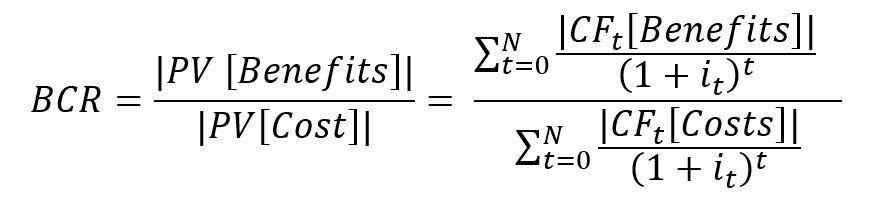
FormulaforBCR(BenefitCostRatio)
2. Method2:InternalRateofReturn(IRR):
Itisthediscountrateatwhichaproject’sreturns become equal to its initial. Internal rate of return (IRR)isthepercentageofreturnsthataprojectwill generate within a period to cover its initial investment.
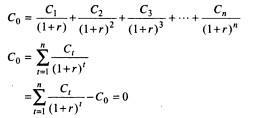
FormulaforIRR(InternalRateofReturn)
International Research Journal of Engineering and Technology (IRJET) e-ISSN: 2395-0056
Volume: 11 Issue: 06 | Jun 2024 www.irjet.net p-ISSN: 2395-0072
Socio-economicstudyiscarriedoutwith followingaspects:
1. Toassessocio-economicimpactofscheme.
2. Torecommendmeasurestobetakentoincrease plannedbenefits.
In this phase 2, project is studied with socio-economic aspect by analyzing impact on varioussocialfactors.Foranassessmentofsocioeconomic impact of scheme, factors affecting feasibilityofLISareconsideredandanalysisisdone to check for which factors Wakurde LIS will be efficient.ActualproblemsinimplementationofLIS arefound out byoverall study.Overall analysisis carried out to overcome these drawbacks then suggestionsaregiventoimprovebenefitsfromLIS project.
PointsnoticedwhilepracticalexecutionofWakurdeLIS:
1. Croppatternisnotbeingfollowedbyfarmers.
2. Operationofvalvesisimproper.
3. Scouringofpipesanditsmaintenanceproblems.
4. Irregularity in distribution of water as per requirement
5. Problemsduetobreakdownofelectricitysupply
6. Difficultiesinfloodingsituation
7. Limitation on irrigation potential of particular watersource
8. Illiteracyoffarmersleadingtoimproperoperation ofliftirrigationsystem
3. RESULTS AND DISCUSSION:
FromEconomicAnalysis,forWakurdeLiftIrrigation Scheme,thetotalcostworkedouttobeRs.908.44Crorethat is181000Rs.perHectare.BenefitCostRatiooftheprojectis 1.43 which is nearly equal to 1.5 and is approved by corresponding Government authority. Hence project is efficient. Internal Rate of Return (IRR) of the project is 14.78% which is more than 12% which fits the project criteria. Hence the project is efficient and economically feasible.
From socio-economic analysis, the factors which affect feasibility of LIS are location, availability of water sources, proposed cropping pattern, water conveyance systems. Many points were came to notice while actual implementationofLISsuchasoperationofLIS,unfollowing proposed cropping pattern, pressure in pipes, souring & maintenance of pipe distribution system, distribution of water, electricity supply, limitation on irrigation potential, problemsinlandacquisition,illiteracyoffarmers.
Suggestions/recommendationstoimprove plannedbenefits
1. A technical authority should be appointed for execution and operation of water distribution system
2. Croppatternsshouldbefollowedbyfarmers.
3. Regular inspection and maintenance should be carriedouttocheckblockageinpipes.
4. Pressure should be checked properly while designingandoperatingliftirrigationsystem.
5. Cleaningofcanalsandsedimentremovalshouldbe doneperiodically.
6. Distributionofwatershouldbeasperrequirement andthereshouldbecheckonwastageofwater.
7. Pipedistributionnetworkshouldbepreferredover canaldistributionsystem.
ThestudyconcludesthatB/Cratioofprojectis1.43 which is nearly equal to 1.5 hence implementation of this project is profitable. Internal Rate of Return (IRR) for this projectisworkedoutas whichisgreaterthan12.5%hence projectwillgiveprofitablereturns.Fromthesetwomethods ofeconomic feasibilitystudy(Phase1),itisconcludedthat projectisfeasible.
Secondphaseofprojectistoassesssocio-economic impact of scheme and recommend measures to increase plannedbenefits.Fromsocio-economicstudyofWakurdeLIS, itisconcludedthateveniftherearesomeproblemsinactual implementation of LIS, LIS is more efficient by using Pipe Distribution Network (PDN) also planned benefits will increaseifimplementationiscarriedoutwithrecommended measures.
[1] Vidya Purandare, Dr.V.H.Bajaj (IOSR Journal of HumanitiesAndSocialScience,Volume22,Issue1,Ver. 5, Jan. 2017) “Economic Appraisal of Lift Irrigation Schemes-BenefitCostRatio&InternalRateofReturn: CaseStudyofMhaisalLiftIrrigationScheme”
[2] SeemaShiyekarandNandkumarKPatil(International ResearchJournalofEngineeringandTechnologyIRJET) Volume: 04 Issue: 01 | Jan -2017 “Design of Lift IrrigationSystem-AngarasACaseStudy”
[3] VidyaPurandare,Dr.V.H.Bajaj(InternationalJournalof Innovative Research in Science, Engineering and Technology IJIRSET Vol. 5, Issue 2, February 2016) “WaterAvailabilityAnalysis:CaseStudyofLiftIrrigation Scheme”
[4] José Donizetti de Lima, Marcelo Gonçalves Trentin, Gilson Adamczuk Oliveira, Dayse Regina Batistus,
International Research Journal of Engineering and Technology (IRJET) e-ISSN: 2395-0056
Volume: 11 Issue: 06 | Jun 2024 www.irjet.net p-ISSN: 2395-0072
Dalmarino Setti (Int. J. Engineering Management and Economics, Vol. 5, Nos. 1/2, 2015) “A systematic approach for the analysis of the economic viability of investmentprojects”
[5] M.S. Luhach, R.K. Khatkar, V.K. Singh and R.S. Khatry (Agricultural Economics Research Review Vol. 17 (ConferenceNo.)2004pp107-113)“EconomicAnalysis ofSprinklerandDripIrrigationTechnologyinHaryana”
[6] Techno-economic viability of lift irrigation scheme: macrostudy-chapter-iii