
International Research Journal of Engineering and Technology (IRJET) e-ISSN:2395-0056
Volume: 11 Issue: 06 | Jun 2024 www.irjet.net p-ISSN:2395-0072
International Research Journal of Engineering and Technology (IRJET) e-ISSN:2395-0056
Volume: 11 Issue: 06 | Jun 2024 www.irjet.net p-ISSN:2395-0072
Harsh Mourya1, Dipti Ranjan Tiwari2
1Master of Technology, Computer Science and Engineering, Lucknow Institute of Technology, Lucknow, India
2Assistant Professor, Department of Computer Science and Engineering, Lucknow Institute of Technology, Lucknow, India ***
Abstract - In today's rapidly evolving landscape of web services, the demand for robust and effective frameworks to facilitate seamless communication between diverse services has never been greater. This comprehensive review delves deepintotheassessmentofthefunctionalityandperformance ofintegratedwebservices frameworks. Drawingupona wide array of sources and empirical research, this review thoroughly examines the fundamental features and capabilitiesofthese frameworks.Itmeticulouslyanalyzesthe methodologies employed to gauge the efficacy of these frameworks in promoting smooth interoperability and harmonious interaction among different services. Moreover, this paper delves into the evaluation of various performance metrics utilized to ascertain the responsiveness, scalability, and reliability of integrated web services frameworks when confronted with varying workloads and environmental conditions.Byconsolidatinginsightsfromamyriadofstudies, this review aims to provide valuable insights into the strengths, weaknesses, and future trajectories of integrated webservicesframeworks,therebypropellingadvancementsin the realm of web service integration technologies. Through this exploration, the review seeks to illuminate the intricate nuances of these frameworks, offering a roadmap for their optimization and innovation in the ever-evolving digital landscape.
Key Words: Web services, Integration frameworks, Effectiveness assessment, Performance evaluation, Interoperability,Scalability
Evaluating the Efficacy and Performance of an Integrated InternetServicesFrameworkmarksanotableachievement in the continuous development of internet service technologies. The history of this undertaking can be contextualized within the broader landscape of the increasingdependenceoninternetservicesforfacilitating communication and data interchange among diverse systems.Thegenesisofthisevaluationcanberetracedtothe early2000swheninternetservicesbegantogainpopularity as a means to enable interoperability among various software applications. As organizations progressively embraced Service-Oriented Architecture (SOA) principles, thenecessityforastandardizedframeworktoamalgamate, oversee,andenhanceinternetservicesbecameevident.The
initialphasesofevaluatingtheefficacyandperformanceof integratedinternetservicesframeworksentailedidentifying thefundamentalrequirementsandobstaclesencounteredby organizations in this domain. Scholars and professionals conducted extensive research to comprehend the factors influencing the success or failure of internet service integrationendeavors.Throughoutthe2000sandintothe 2010s, the landscape of internet service technologies continuedtoevolverapidly.ProtocolssuchasSOAP,REST, and subsequently GraphQL emerged, providing distinct approachestoformulatingandexecutinginternetservices. Additionally, progressions in cloud computing, containerization, and microservices architecture further transformed the manner in which internet services were developed and deployed. Amidst this backdrop of technologicalinnovationandindustrypatterns,researchers commencedformulatingmethodologiesandframeworksfor appraising the efficacy and performance of integrated internet services frameworks. These endeavors encompassed various facets such as scalability, dependability,security,andinteroperability,reflectingthe complexnatureofinternet serviceintegration.Bythelate 2010sandearly2020s,thebodyofknowledgeonevaluating theefficacyandperformanceofintegratedinternetservices frameworks had substantially expanded. This knowledge base empowered organizations to make well-informed decisions when selecting, implementing, and enhancing internet service integration solutions, ultimately contributing to the progression of digital transformation initiativesacrossdiversesectors.
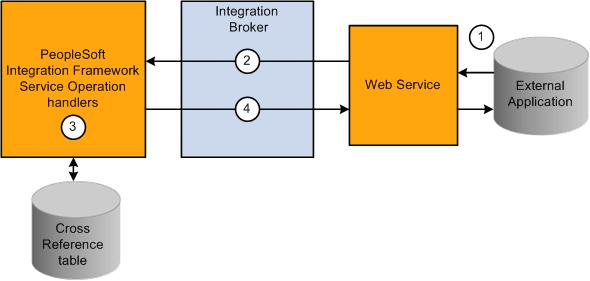
AnIntegratedWebServicesFrameworkisacomprehensive solution that includes a variety of tools, protocols, and standardsdesignedtosimplifythecreation,deployment,and maintenance of web services within a unified ecosystem. Thisframeworkcoversdifferentaspectsofthewebservices stack, such as service description, implementation, invocation, discovery, composition, security, monitoring, management,testing,versioning,andlifecyclemanagement. Byofferingacohesiveenvironmentforthedevelopmentand administrationofwebservices,thisframeworkstreamlines the development process, improves interoperability, strengthens security measures, and enables seamless integration across various systems and applications. Its
International Research Journal of Engineering and Technology (IRJET) e-ISSN:2395-0056
Volume: 11 Issue: 06 | Jun 2024 www.irjet.net p-ISSN:2395-0072
importance is particularly notable in complex enterprise environments wheremultipleservicesrequiresecureand efficient interaction through standardized web service interfaces.
2.1.Importance
Evaluating the effectiveness and performance of an organizationiscrucialforitssuccessinvariousindustries and sectors. Regularly assessing different aspects of operations, products, and strategies allows businesses to identify areas for improvement, optimize resource utilization, and ensure alignment with overall objectives. These evaluations not only increase efficiency and productivity but also strengthen quality control, risk management, and strategic planning efforts. Additionally, they promote a culture of responsibility and continuous enhancement, encouraging innovation and adaptability to meet the changing demands of the market. By comparing themselves to industry standards and compliance regulations, companies can stay ahead of the competition while showcasing their dedication to excellence and regulatory requirements. Ultimately, the methodical assessmentofeffectivenessandperformanceisessentialfor making well-informed decisions, sustaining growth, and building resilience in a constantly evolving business environment.
2.2.Purpose of Integrated Web Services Framework.
The primary objective of an Integrated Web Services Framework istoprovideorganizations witha unifiedand standardizedenvironmentforthecreation,implementation, supervision, and incorporation of web services. This framework is designed to streamline the development process by offering a wide range of tools, libraries, and protocols, ultimately saving time and resources while ensuringcompliancewithindustrynorms.Itsmainaimisto enhance interoperability by facilitating seamless communicationanddataexchangeamongdifferentsystems and platforms. Moreover, the framework emphasizes
securitymeasuressuchasauthentication,authorization,and encryption to protect sensitive data shared between services.Italsosupportsscalability,allowingwebservicesto handle increased workloads and adjust to evolving requirements effectively. Additionally, the framework simplifies management tasks through monitoring and administrative tools, while also encouraging the reuse of modular components to enhance maintainability and promote best practices. In summary, the Integrated Web ServicesFrameworkiscrucialinenablingorganizationsto constructdurable,scalable,andinteroperablesystemsthat meettheirbusinessneedsefficiently.
2.3.Principle of Integrated Web Services Framework.
TheessenceofanIntegratedWebServicesFrameworklies in establishing a cohesive environment that facilitates the development,deployment,management,andintegrationof webservices.Atitsfoundation,theframeworkunderscores theimportanceofindustrystandardscompliance,promoting interoperability,andensuringseamlessintegrationacross varioussystemsandplatforms.Byemphasizingmodularity and reusability, it fosters the creation of scalable and sustainablecomponents,therebyenhancingefficiencyand maintainingarchitecturalconsistency.Securityisofutmost importance, with robust mechanisms in place for authentication,authorization,anddataprotectionintegrated throughouttheframework.Theframework'sflexibilityand extensibility are key, allowing for adaptation to changing business requirements and technological advancements. Prioritizingsimplicityanduser-friendlinesshelpsminimize complexityandacceleratedevelopmentprocesses.Lifecycle management features support ongoing enhancements, ensuringthatservicesareup-to-date,well-maintained,and aligned with organizational goals. Monitoring and managementtoolsofferinsightsintoperformanceandusage metrics,enablingproactivemaintenanceandoptimization strategies.Ultimately,theframeworkaimstoprovidecosteffectivesolutionsthatoptimizevalueandfosterinnovation withinorganizations'webserviceecosystems.
3.COMPONENTS OF WEB SERVICES FRAMEWORK.
A Web Services Framework typically consists of various essential components that work together to support the creation,implementation,administration,andutilizationof webservices.Thesecomponentsencompass:
3.1.Service Description Language (e.g., WSDL, OpenAPI)
ServiceDescriptionLanguage(SDL)isacrucialcomponent intheworldofwebservices,asitplaysakeyroleindefining thestructure,operations,andendpointsoftheseservices.By providing a standardized framework for describing the interfaceofaservice,SDLensuresthatdevelopersandusers haveaclearunderstandingofhowtheservicefunctions.This
International Research Journal of Engineering and Technology (IRJET) e-ISSN:2395-0056
Volume: 11 Issue: 06 | Jun 2024 www.irjet.net p-ISSN:2395-0072
includes detailing the input and output parameters, the variousoperationsthattheservicesupports,andtheformats inwhichmessagesareexchanged.Inessence,SDLservesas a sort of blueprint for web services, guiding their implementation and usage in a consistent and efficient manner.Itsimportancecannotbeunderstated,asitnotonly facilitates communication between different systems and platformsbutalsoenhancestheoverallinteroperabilityand functionalityofwebservicesinthedigitallandscape.
3.2.Service Implementation Framework (e.g., Spring Boot, Flask)
TheServiceImplementationFrameworkisacomprehensive setofresourcesdesignedtoassistdevelopersincreatingand deployingwebservices.Thisframeworkoffersawiderange of tools and libraries that streamline the process of implementingwebservices.Itprovidesfeaturesspecifically tailoredformanagingHTTPrequests,manipulatingdata,and facilitatingcommunicationwithdatabasesorotherexternal systems. By utilizing the Service Implementation Framework, developers can enhance the efficiency and effectivenessoftheirwebserviceprojects,ultimatelyleading toimprovedperformanceanduserexperience.
3.3.Service Invocation Mechanisms (e.g., HTTP client libraries, SOAP clients)
Service Invocation Mechanisms are essential components that enable clients to establish communication with web services. These mechanisms encompass a variety of tools and libraries, such as HTTP client libraries for interacting withRESTfulservicesandSOAPclientsspecificallydesigned forSOAP-basedservices.Throughthesemechanisms,clients are able to easily construct and send requests to the web services, while also being able to efficiently parse and interpret the responses received. By utilizing Service InvocationMechanisms,clientscanseamlesslyinteractwith web services across different protocols, ensuring smooth andeffectivecommunication.
3.4.Service Discovery and Registration (e.g., Eureka, Consul)
Service Discovery and Registration components play a crucial role in modern networking systems by enabling servicestoautonomouslydiscoverandregisterthemselves within the network environment. This dynamic process eliminatestheneedforclientstomanuallyhardcodespecific endpoints, making it easier for them to locate and communicatewithservicesseamlessly.ByleveragingService DiscoveryandRegistrationcomponents,organizationscan enhance the flexibility and scalability of their network infrastructure,leadingtoimprovedefficiencyandreliability in service delivery. Additionally, this technology also simplifies the management of services by providing a centralized platform for monitoring and controlling the various endpoints within the network. Overall, Service
DiscoveryandRegistrationcomponentsareessentialtools for optimizing the performance and functionality of networkedservicesintoday'sdigitalage.
3.5.ServiceCompositionTools(e.g.,BPEL,workflow engines)
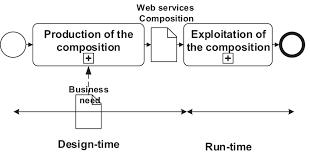
Service Composition Tools are powerful software applications that allow users to seamlessly orchestrate or choreograph a series of web services in order to execute intricatetasksorworkflows.Thesetoolsplayacrucialrole in defining the precise sequence of service invocations, ensuringefficienterrorhandling,andeffectivelymanaging transactional boundaries. With the help of Service Composition Tools, organizations can streamline their operations, enhance productivity, and achieve optimal performanceinadynamicdigitalenvironment.
3.6.Service Security Features (e.g., authentication, authorization, encryption)
ServiceSecurityFeaturesareessentialcomponentsthatplay a critical role in safeguarding web services from potential threats and vulnerabilities. These features encompass a rangeofmechanismssuchasauthentication,authorization, encryption,anddataintegrity.Authenticationensuresthat usersarewhotheyclaimtobe,whileauthorizationcontrols access to specific resources based on user roles and permissions.Encryptionconvertsdataintoasecureformat topreventunauthorizedaccess,whiledataintegrityensures thatinformationremainsunchangedduringtransmission.By implementing these security features, sensitive data is protected,andonlyauthorizedusersaregrantedaccessto the services, ultimately enhancing the overall security postureofthewebservice..
3.7.Service Monitoring and Management Utilities
ServiceMonitoringandManagementUtilitiesareessential toolsthatplayacrucialroleinmonitoringtheoverallhealth, performance,andusageofwebservices.Theseutilitiesoffer a wide range of features and functionalities that provide valuable insights into service metrics, logs, and errors. By utilizingthesetools,administratorsareabletoproactively identify and address any potential issues that may arise, ensuring the smooth and efficient operation of their web services. Monitoring and managing web services is a complextaskthatrequiresconstantattentionandvigilance, andtheseutilitiesserveasinvaluableassetsinmaintaining thereliabilityandfunctionalityofonlineplatforms.
3.8.Service Testing Frameworks (e.g., unit testing, integration testing, load testing)
Service Testing Frameworks are essential tools and resources that are specifically designed to test the functionality and performance of web services. These frameworks consist of a variety of tools and libraries that
International Research Journal of Engineering and Technology (IRJET) e-ISSN:2395-0056
Volume: 11 Issue: 06 | Jun 2024 www.irjet.net p-ISSN:2395-0072
cater to different aspects of testing, such as unit testing, integrationtesting,andloadtesting.Unittestingframeworks areusedtotestindividualcomponentsofawebservicein isolation,ensuringthateachcomponentfunctionscorrectly on its own. Integration testing frameworks, on the other hand, are employed to test how different components interact with each other within the service, ensuring that theyworktogetherseamlessly.Loadtestingframeworksare crucialforassessingtheperformanceofawebserviceunder heavyloads.Bysimulatingalargenumberofusersaccessing theservicesimultaneously,theseframeworkshelpidentify anybottlenecksorperformanceissuesthatmayarisewhen theserviceisunderstress.ServiceTestingFrameworksplay a vital role in ensuring the reliability, functionality, and performanceofwebservices.Byutilizingtheseframeworks, developerscaneffectivelytestandoptimizetheirservicesto deliveraseamlessandhigh-qualityuserexperience.
ServiceVersioningandLifecycleManagementcomponents areessentialtoolsthatsupporttheprocessofversioningand managingthelifecycleofwebservices.Thesecomponents play a crucial role in ensuring the smooth deployment of new service versions, while also managing backward compatibility to avoid any disruptions for existing users. Additionally,theyhelpintheprocessofretiringdeprecated versions in a systematic and efficient manner. Overall, ServiceVersioningandLifecycleManagementcomponents arekeyelementsinmaintainingthehealthandfunctionality ofwebservicesovertime.
Evaluating Integrated Web Services Frameworks poses several challenges due to the complexity and diversity of componentsinvolved,aswellasthedynamicnatureofweb serviceenvironments.Someofthekeychallengesinclude:
Organizations often find themselves navigating through a varietyoftechnologicallandscapes,eachwithitsownunique infrastructure,platforms,andprogramminglanguages.The taskofassessinghowwellaframeworkcanadaptandwork seamlesslyacrossthesediverseenvironmentscanpresenta significant challenge. It requires a thorough evaluation of compatibility and interoperability to ensure smooth operationsandefficientcommunicationbetweendifferent systems.Thisprocessinvolvesconsideringfactorssuchas dataexchangeprotocols,APIintegrations,andadaptability to various software environments. By addressing these complexities, organizations can optimize their technology utilization and enhance overall performance in today's interconnectedworld.
In order to accurately evaluate the scalability and performanceofIntegratedWebServicesFrameworks,itis essential to conduct testing in realistic scenarios that replicate a wide range of loads, network conditions, and usage patterns. Developing these test environments and scenarioscanbeachallengingandresource-intensivetask, asitrequirescarefulplanningandexecutiontoensurethat the results are valid and reliable. By conducting thorough testingindiverseconditions,developerscangainvaluable insights into how their frameworks will perform in realworld situations and make informed decisions about optimizationandimprovements.
IntegratedWebServicesFrameworksarecomplexsystems that consist of a wide range of components and functionalities.Duetotheirdiversenature,itcanbedifficult to establish a set of comprehensive evaluation criteria for theseframeworks.Whenassessingtheseframeworks,itis crucial to consider factors such as interoperability, performance,security,scalability,easeofuse,andalignment withorganizationalobjectives.Eachofthesecriteriaplaysa significant role in determining the effectiveness and efficiency of a Web Services Framework in meeting the needsandgoalsofanorganization.Bycarefullyevaluating thesekeyfactors,businessescanensurethattheyselectthe most suitable framework that aligns with their specific requirementsandobjectives.
Ensuring the security of web services is of utmost importanceintoday'sdigitalage.Itiscrucialtohaveadeep understanding of cybersecurity in order to effectively evaluate the security features and vulnerabilities of a framework. This involves a comprehensive assessment of various components such as authentication mechanisms, encryptionprotocols,andmeasuresputinplacetosafeguard againstcommonsecuritythreats.Bythoroughlyanalyzing theseaspects,organizationscanbetterprotecttheirdataand systemsfrompotentialcyberattacks,ensuringtheintegrity andconfidentialityoftheironlineservices.
International Research Journal of Engineering and Technology (IRJET) e-ISSN:2395-0056
Volume: 11 Issue: 06 | Jun 2024 www.irjet.net p-ISSN:2395-0072
Assessing the compatibility of a framework with current systems and legacy applications can pose a significant challenge, particularly when these systems utilize varying technologies or protocols. This can lead to potential compatibilityissuesthatmaynecessitatethoroughtesting and customization to resolve. It is crucial to carefully evaluatehowseamlesslythenewframeworkcanintegrate with the existing infrastructure to ensure a smooth transition and optimal performance. Additionally, considering the long-term impact on the overall system architectureisessentialinordertomakeinformeddecisions andminimizedisruptionsduringtheintegrationprocess.
InordertofullygraspandmakethemostofIntegratedWeb Services Frameworks, it is imperative to have thorough documentation and strong support systems in place. It is crucial to assess the depth and accuracy of the documentation provided, as well as the efficiency and effectivenessofthesupportchannelsavailable.Thisprocess mayrequireasignificantamountoftimeandeffort,butitis essential for ensuring successful utilization of the frameworks.
4.7.Vendor
When organizations choose to implement Integrated Web Services Frameworks, they may inadvertently become locked into using specific vendors or proprietary technologies.Thiscanhindertheirflexibilityandabilityto seamlesslycommunicatewithothersystems.Itisimportant tothoroughlyevaluatethelong-termeffectsofvendorlockin,takingintoaccountfactorssuchasscalability,cost,and compatibility with emerging technologies. By carefully consideringtheseimplications,organizationscanmakemore informeddecisionsthatwillsupporttheirfuturegrowthand successintheever-changingdigitallandscape.
4.8.Cost
Whenplanningabudget,itiscrucialtothoroughlyevaluate thetotalcostofownership.Thisincludesnotonlylicensing fees but also infrastructure requirements and ongoing maintenance costs. By taking all of these factors into consideration,organizationscanavoidunexpectedexpenses and effectively allocate resources. Furthermore, it is important to assess the resources needed for implementation,training,andsupportinordertoensurea successful adoption of the new technology or system. Properlyplanningfortheseaspectswillultimatelyleadtoa moreefficientandcost-effectiveprojectimplementation.
Inthissegmentoftheliteraturereview,wehaveexamined the prior research focused on web service integration
utilizing various methodologies. The following is a compilationofallthepreviousresearchfindings:
Agon & Betim. Acomprehensivemodelingframeworkhas been designed to create highly efficient, flexible, and autonomous applications by integrating various essential services such as e-learning, administrative, and library services within the university setting. This innovative frameworkaimstostreamlineuniversityservices,ensuring optimal efficiency and stability. One key feature of this proposed framework is the decoupling of authorization, which allows for increased service flexibility and adaptability, promoting the evolution of applications over time.Byseamlesslyintegratinga widerangeofuniversity services, this framework offers a robust solution for enhancing the overall functionality and performance of academicinstitutions.
Ahmed et al. Inthisinformativearticle,theauthorsdelve intothebenefitsofimplementinganintegratedscalability approach across different layers of the cloud stack. Specifically, they focus on the database and compute infrastructure layers, highlighting how this approach can optimize performance. By providing a detailed analysis of performancemeasurementsandestablishingasetofrules based on these metrics, the authors offer a valuable framework for evaluating the condition of the cloud stack andadjustingitsscaleaccordinglytoensureconsistentand reliable performance. Emphasizing the advantages of integratedscalabilityatmultiplelayersofthecloudstack, this article underscores the importance of continuous monitoringandadaptationtomaintainoptimalperformance levels.
Anirudha et al. In this informative article, the authors presentanovelframeworkfortheretrievalofwebservices. Theframeworkutilizesauniquebottom-up,decentralized, and self-organizing approach to cluster the vast array of available services. By providing online, dynamic computation of these clusters, the framework effectively addresses the limitations associated with traditional clustering methods. Additionally, the authors introduce a bio-inspiredclusteringapproachthatisbasedonaflocking model, which enhances the efficiency and accuracy of the clustering process. Furthermore, the framework incorporates the use of DISCO for semantic similarity calculation,resultingina significantimprovementinboth precisionandrecallrates.Overall,thisinnovativeapproach towebservicesretrievaloffersapromisingsolutiontothe challengesfacedbytraditionalmethods,ultimatelyleading tomoreeffectiveandefficientserviceclustering.
Szymon et al. The Rybu4WS language is an advanced version of the basic Rybu language that enhances its capabilities by allowing the use of variables in various processes, facilitating service calls between servers, introducingnewstructuralinstructions,andincorporating other programming constructions. Despite these
International Research Journal of Engineering and Technology (IRJET) e-ISSN:2395-0056
Volume: 11 Issue: 06 | Jun 2024 www.irjet.net p-ISSN:2395-0072
enhancements,theRybu4WSlanguagestill adherestothe declarative and mathematical formalism of IMDS. This framework enables the formal analysis of Web Services, focusingonspecificfeaturesandfunctionalities.Inessence, the Rybu4WS language serves to enrich the basic Rybu language,particularlyintherealmofservicespecifications andwebdevelopment.
Munir et al. In this paper, the author introduces a comprehensive framework called the Integrated Digital Transformation System Framework (IDTSF) to assist businessleadersandtheirteamsinenhancingtheefficiency andcompetitivenessoftheirproducts,services,andoverall operations.TheIDTSFisdesignedtoprovideorganizations with a structured approach to digital transformation, addressingkeychallengessuchasinitiation,execution,and governancethatarecommonlyencounteredinsuchprojects. ByleveragingtheIDTSF,organizationscanbetternavigate the complexities of digital transformation and achieve sustainable success in today's rapidly evolving business landscape.
Dengya et al. This article introduces a cutting-edge integrated search framework (ISF) that combines various search strategies to provide a wide range of information retrievalservices.TheISFutilizescrawlingtechniques,web search technologies, and traditional database search methodstodeliverdynamic,personalized,andorganizationfocused results. It covers a vast array of sources from the Internet,extranet,intranet,topersonaldesktops,cateringto diverseneedsandpreferences.OneofthekeyfeaturesofISF is its integration of traditional and web search engines, whichenhancestheefficiencyandaccuracyofsearchresults. Bycombiningthestrengthsofbothtypesofengines,ISFis able to offer more precise and relevant information comparedtocommonlyusedsearchtools.Thisinnovative approachensuresthatuserscanaccessthemostup-to-date and reliable data, making their search experience more productiveandsatisfying.
Miftakul et al. The framework that was developed as a result of this research is a valuable resource that can be utilized in the development of e-health systems across a wide range of healthcare applications. This framework is detailedintheInteroperabilityMatrix(IM),whichoutlines the various modules and entities that are involved in the design of the framework. The framework focuses on promoting data interoperability within e-health systems, utilizing a service-oriented architecture and web service technology to ensure seamless communication and integrationbetweendifferentcomponents.Byfollowingthis framework, developers can create more efficient and effectivee-healthsystemsthatprioritizeinteroperabilityand datasharingamongdifferenthealthcareentities.
Dharmendra & Umesh.This study provides a detailed analysisofthefunctionalityofWebservicesandhowthey perform in terms of latency and throughput. Specifically
focusingonWebServicesinASPDotNetMobileStore,the studyfound thatthese serviceshave a minimal impact on performance.Itwasobservedthatthethroughputdecreases bylessthan1underlighttomoderateloadconditions.This information sheds light on the efficiency and reliability of Web services in this particular context, highlighting the importance of considering factors such as latency and throughputwhenevaluatingperformance.
Abdou. The primary goal of this study is to create a comprehensiveenterprisearchitectureframeworkthatwill facilitatethesuccessfulimplementationofane-Government platform,alongwithitsassociatedprocessesandservices. Additionally,theresearchwilldelveintotheeffectivenessof utilizing various tools such as case management, process automation, service-oriented computing, and blockchain technologywithintherealmofe-Government.Itiscrucialto addresstheissueofinefficientgovernmentservicesasthey have a direct impact on the overall development and accountability withina society. Therefore, a well-thoughtoutstrategyisessentialforthesuccessfuldeploymentofeGovernmentinitiatives.
Chen. The paper provides a concise overview of the frameworkofwebservicesforinformationintegrationand implementation components. It discusses a Web service application management environment that is built on network standards and is utilized by most software manufacturers. This environment incorporates key technologies and related standards to ensure smooth operation. The framework plays a crucial role in assisting enterprises with application integration and data sharing initiatives.Itisdesignedtointerfacewithvarioussystems, makingitaversatiletoolwithawiderangeofapplications andpromisingfutureprospects.
Ivan & Fatma. ThisarticlepresentsanovelapproachtoWeb servicesdiscoveryandrecommendationthroughafive-layer multigraphmodel.Themodelincorporatesgraphanalytics to generate a personalized set of services based on user preferences. Additionally, the article highlights the developmentofarecommendersystemthatoperateswithin asingleinteroperableframeworkforintegratingIoTdevices. ItemphasizestheimportanceofutilizingWebtechnologies as a conducive platform for accessing IoT data, thereby enhancingtheoveralluserexperienceandefficiencyinIoT devicemanagement.
Rohit et al. ThepaperintroducesEPICS,whichstandsfor Efficient Policy-based Information Control System, as a robust solution for enforcing security policies within compositeWebservices.EPICSisdesignedtosafeguarddata privacy at every stage of the service interaction lifecycle, ensuring that sensitive information is protected from unauthorized access. The framework effectively enforces security policies in composite Web services, providing a comprehensive defense against potential threats. By implementing EPICS, data owners are empowered with
International Research Journal of Engineering and Technology (IRJET) e-ISSN:2395-0056
Volume: 11 Issue: 06 | Jun 2024 www.irjet.net p-ISSN:2395-0072
greater control over their information, enhancing overall securitymeasuresandmitigatingtherisksassociatedwith databreaches.Withitsfocusonefficiencyandeffectiveness, EPICSsetsanewstandardforprotectingdataprivacyinthe digitalage.
Mohan et al. Inordertoevaluatetheperformanceofvarious categories of web applications (WA) versus web services (WS),itisessentialtotakeintoaccountbothtechnicaland environmentalfactors.Thiscanbeaccomplishedthroughthe utilization of deployment diagrams and flow diagrams at bothmacroandmicrolevels.Byanalyzingthesediagrams, onecanidentifythespecificareaswherewebapplications and web services differ, as well as the gaps that exist between them. Furthermore, a detailed study can be conductedto examinethecharacteristics,differences,and performance of WA in comparison to WS. Through this comprehensive analysis, a deeper understanding of the strengths andweaknessesofeachcategorycanbegained, ultimatelyleadingtomoreinformeddecision-makinginthe realmofwebdevelopmentandserviceprovision.
Susan. A comprehensive evaluation framework has been createdtoassesstheeffectivenessofprovidingintegrated caretoelderlyindividualsandtheirfamilies.Thisframework incorporatesperformanceindicators,aswellaspersonaland social outcomes,to measuretheimpactof integratedcare services. The evaluation framework is structured around threekeydomains,ensuringthatoutcomesareconsistently andrigorouslyevaluatedtogaugethesuccessofintegrated care initiatives. This approach allows for a thorough assessmentoftheoverallimpactofintegratedcareonolder individuals and their households, ultimately leading to improvedservicedeliveryandoutcomes.
Tarek & Medhat. This work focuses on the utilization of Web Services (WS) applications for accessing a variety of databasesthatarebothheterogeneousanddistributed.The approachinvolvesutilizinghorizontaldatafragmentsanda SOAP server to facilitate communication between the databases and applications. These applications, which are based on SOAP, are designed with the end user client in mind, aiming to provide a reliable, flexible, and scalable solution. WS applications are particularly beneficial in resolvingconflictsthatmayarisebetweendifferentsystems.
In this context, WS applications are used for retrieving informationfromsystemsthatarespreadoutacrossvarious locationsandarefragmentedhorizontally.Overall,theuseof WS applications offers a comprehensive solution for managing and accessing data in a distributed and diverse databaseenvironment.
Rima et al. Thisinnovativeframeworkoffersamonitoring approach that does not require any modifications to the server or client implementation. It utilizes composition patternstocalculatebasicQualityofService(QoS)metrics for the combined Web service. The QoS monitoring framework is specifically designed for composite web
services in the Cloud environment. With this framework, monitoringcanbeconductedseamlesslywithouttheneedto makeanychangestotheserverorclientimplementation.
Xumin & Hua. Thispaperintroducesanovelapproachfor developingacomprehensiveWebserviceontologythrougha bottom-upmethodology.Inthisintegratedframework,Web servicesareconsideredasprimaryentities,allowingforthe captureoftheirfunctionalattributesandrelationshipswith otherservices.TheframeworkutilizesWSDLdescriptionsto efficiently build the Web service ontology. Moreover, informationretrievaltechniquesandclusteringalgorithms areemployedtoaidinthedevelopmentoftheontology.By taking this approach, a more structured and detailed representationofWebservicescanbeachieved,facilitating better understanding and utilization of these services in variousapplications.
Seyed. Theconceptualframework,inconjunctionwiththe implementation architecture, offers a comprehensive solutionfordecentralizedperformancemeasurementthat eliminates the necessity of a central authority, while also improvingflexibility,scalability,andinteroperability. This innovativeapproachcaterstothespecific needsofvirtual organizations,whichoftenfacechallengeswhenitcomesto measuringperformanceeffectively.Byprovidingadetailed framework for aligning partners and their respective activities,thisresearchaimstostreamline operationsand enhance overall performance within these dynamic and complexorganizationalstructures.
Inconclusion,theassessmentofanintegratedwebservices framework is a complex task that requires careful considerationofmultiplefactors.Inthisanalysis,wehave examinedthefeatures,structures,andassessmentmethods relatedtotheseframeworks.Itisclearthatwhileintegrated webserviceshavethepotentialtoimproveinteroperability and efficiency, their success depends on several crucial elements.Theseelementsincludestrongdesignprinciples, precise implementation strategies, effective resource management, and skillful handling of dependencies. Additionally, evaluating the performance of such frameworksrequirescomprehensivetestingmethodsthat cover functional,load,scalability,andsecurity aspects. By taking a comprehensive approach to evaluation, stakeholderscangainvaluableinsights,pinpointareasfor enhancement,andguidetheadvancementofintegratedweb services frameworks towards increased effectiveness and adaptabilityintheever-changingdigitalenvironment.
1. Dharmendra, Choukse., Umesh, Kumar. (2018). To Study the Functionality and Performance of Web Services. International Journal of Computer
International Research Journal of Engineering and Technology (IRJET) e-ISSN:2395-0056
Applications, 180(18):1-5. doi: 10.5120/IJCA2018916308.
2. Abdou, Karim, Jallow. (2018). Formulation of Integratede-GovernmentImplementationFramework (eGovIF):caseofdevelopingeconomies.
3. Ivan,Madjarov.,Fatma,Slaimi.(2021).AGraph-Based WebServicesDiscoveryFrameworkforIoTEcoSystem. 7(1):1-17.
4. Ch.,Ram,Mohan,Reddy.,D.,Evangelin,Geetha.,T.,V., Suresh, Kumar. (2017). An Appraisal of Web Applications vs. Web Services with respect to PerformanceEngineeringusingSoftwarePerformance Engineering Approach. International Journal of Computer Applications, 158(4):20-31. doi: 10.5120/IJCA2017912779
5. Rima,Grati.,Khouloud,Boukadi.,Hanêne,Ben-Abdallah. (2012). A QoS Monitoring Framework for Composite WebservicesintheCloud. 65-70.
6. Xumin,Liu.,Hua,Liu.(2012).AnIntegratedFramework forWebServiceOntologyDevelopment. 3(2)
7. Seyed,Mohammad,Amin,Kamali.(2012).Designand Implementation of a Framework for Performance MeasurementinServiceOrientedVirtualOrganizations. doi:10.20381/RUOR-3359
8. Alobaidi, A., & Dashti, S. (2023). Examine the advantages of an integrated scalability approach at various cloud stack layers. Authorea (Authorea). https://doi.org/10.22541/au.168024070.08472941/v
9. min, M. M., Sutrisman, A., Stiawan, D., Ermatita, E., Alzahrani,M.Y.,&Budiarto,R.(2020).Interoperability frameworkforintegratede-healthservices.Bulletinof ElectricalEngineeringandInformatics,9(1),354–361. https://doi.org/10.11591/eei.v9i1.1825
10. Chen, C. (2017). The framework of web services to information integration. DEStech Transactions on Computer Science and Engineering, iceiti. https://doi.org/10.12783/dtcse/iceiti2016/6159
11. Chichlowska, S. C. (2014). Evaluating the impact of delivering health and social care to older people in Wales.InternationalJournalofIntegratedCare,14(6). https://doi.org/10.5334/ijic.1632
12. Katra, S., Daszczuk, W., & Czejdo, D. (2022). An experimentation framework for specification and verification of web services. Annals of Computer Science and Information Systems. https://doi.org/10.15439/2022f188
Volume: 11 Issue: 06 | Jun 2024 www.irjet.net p-ISSN:2395-0072 © 2024, IRJET | Impact Factor value: 8.226 | ISO
13. Majdalawieh, M., & Khan, S. (2022). Building an IntegratedDigitaltransformationsystemframework:a design science research, the case of FEDUNI. Sustainability, 14(10), 6121. https://doi.org/10.3390/su14106121
14. Memeti,A.,&Cico,B.(2023).Architecturalpatternfor service collaboration. International Journal of Informatics and Communication Technology/International Journal of Informatics and Communication Technology (IJ-ICT), 12(1), 12. https://doi.org/10.11591/ijict.v12i1.pp12-22
15. Ranchal, R., Bhargava, B., Angin, P., & Othmane, L. B. (2019). EPICS: a framework for enforcing security policiesincompositewebservices.IEEETransactions on Services Computing, 12(3), 415–428. https://doi.org/10.1109/tsc.2018.2797277
16. Rayasam,A.,Thota,S.R.,Bukkittu,A.N.,&Kamath,S. (2022).Aframeworkforwebservicesretrievalusing bio inspired clustering. arXiv (Cornell University). https://doi.org/10.48550/arxiv.2210.01761
17. Sobh, T. S., & Fakhry, M. (2014). Evaluating web servicesfunctionalityandperformance.International Journal of Information Technology and Computer Science, 6(5), 18–27. https://doi.org/10.5815/ijitcs.2014.05.03
18. Zhu, D., Nimmagadda, S. L., Reiners, T., & Rudra, A. (2020).Anintegratedsearchframeworkforleveraging the Knowledge-Based Web ecosystem. AJIS. Australasian Journal of Information Systems/AJIS. AustralianJournalofInformationSystems/Australian Journal of Information Systems, 24. https://doi.org/10.3127/ajis.v24i0.2331