
International Research Journal of Engineering and Technology (IRJET) e-ISSN: 2395-0056
Volume: 11 Issue: 06 | Jun 2024 www.irjet.net p-ISSN: 2395-0072

International Research Journal of Engineering and Technology (IRJET) e-ISSN: 2395-0056
Volume: 11 Issue: 06 | Jun 2024 www.irjet.net p-ISSN: 2395-0072
Divyanshu
1 M.tech student, Department of Mining Engineering, College of Engineering and Technology, Maharana Pratap University of Agriculture and Technology, Udaipur, Rajasthan, India
2 Professor, Department of Mining Engineering, College of Engineering and Technology, Maharana Pratap University of Agriculture and Technology, Udaipur Rajasthan, India
Abstract - Blasting methods were widely used for hard rock breaking, while the usage of mechanical breaking methods for hard rocks has recently increased mainly in fractured formations. Moreover, mechanical breaking methods involves lower capital costs, higher safety, a cleanerenvironmentandhigherstratacontrolthanblasting methods. There are several non-explosive or mechanical methods such as hydraulic breaking, ripping, and digging. Hydraulic breaker is used to break up rocks in areas where blasting is not possible due to safety or environmental issues. Breaking is done with a hydraulic hammer, a percussion hammer fitted to an excavator which is typically used for rock excavation and demolishing concrete structures. The performance analysis of a hydraulic breaker typically involves the evaluation of various factors such as impact energy, frequency, noise level, durability and efficiency. Each hydraulic breaker has its strengths and is suited for different operational needs, with Breaker II being the most powerful and heavy-duty, while Breakers I and III offer high efficiency with lighter construction, and Breaker IV providing a balanced option By evaluating these key metrics, operators can choose a hydraulic breaker that is best suited for actual field working conditions their applicationtousethemachineinproductivemanner.
Key Words: Hydraulic breaker, Performance analysis, Fuel consumption, Hardness, Compressive strength, Tensilestrength,Noise,Vibrations,etc.
Mechanical breaking offers significant advantages over blasting, particularly in terms of safety, environmental impact, precision, regulatory compliance, operational flexibility, and cost efficiency. These benefits make it a preferred method in many construction, demolition, and mining applications, especially in urban and sensitive environments where control and minimal disruption are critical. A hydraulic breaker, also known as a hydraulic hammer, is a powerful percussion hammer fitted to an excavator for demolishing concrete structures or rocks. It operates by converting hydraulic energy from the excavator's hydraulic system into kinetic energy, which is
then delivered to the breaker’s tool to generate highimpactforce.
The performance of a hydraulic breaker is determined by various factors, including the technical specifications and operational conditions. High impact rate and appropriate tool diameter contribute to effective material breaking. Carrier weight class and hydraulic input power ensure compatibility and efficiency. Maintenance and breakdown hours reflect the equipment's reliability and need for service. Operator skills, jobsite conditions, and proper attachment selection also play critical roles. Regular maintenance, including lubrication and wear part replacement, is essential for sustained performance. Ultimately, a well-maintained hydraulic breaker operated byskilledpersonnelinoptimalconditionswilldeliverhigh productivityandefficiency.
To know the working of hydraulic breaker in mining field with all its specifications. Hydraulic breaker operates by utilizing the hydraulic system of an excavator, where pressurized hydraulic fluid drives a piston back and forth within a hydraulic cylinder. This piston impacts a tool, usuallyachiselormoilpoint,generatinghigh-impactforce that breaks the rock or concrete into smaller pieces. The cycle of pressurizing the fluid, moving the piston, and impacting the tool repeats rapidly, often several hundred toafewthousandtimesperminute,providingaconsistent breaking force. Hydraulic breakers are defined by key specifications that ensure their effectiveness and compatibilitywithspecifictasks.
Toknowthetonnageproductionachievedpershiftandper day. The production achieved by a hydraulic breaker is influenced by several factors, including the impact energy, blow rate, and efficiency of the tool and carrier machine. On average, hydraulic breakers can achieve production rates ranging from several cubic meters to hundreds of cubicmetersperhour,dependingonthesevariables.
Toknowthedieselandhydraulicconsumptiontomeetthe profitableoutput.Hydraulicoilconsumptionbyahydraulic
International Research Journal of Engineering and Technology (IRJET) e-ISSN: 2395-0056
Volume: 11 Issue: 06 | Jun 2024 www.irjet.net p-ISSN: 2395-0072
breaker depends on the tool’s size and operating requirements. The precise consumption rate ensures that thebreakeroperatesefficiently,withthehydraulic system providingsufficientpowertothepistontodelivereffective blows. Properly matching the hydraulic oil flow to the breaker’s specifications is essential for optimal performanceandtoavoiddamagetoboththebreakerand theexcavator’shydraulicsystem.
To find production oriented optimization of hydraulic breaker as compared to blasting. To optimize the production of a hydraulic breaker, start with proper tool selection based on the material and task. Ensure optimal hydraulic settings for flow rate and pressure, matched to the breaker's specifications. Regular maintenance, including parts replacement and lubrication, is crucial for efficiency and uptime. Train operators in efficient techniques and match the breaker to a suitable carrier for stability. Monitor performance data for insights and implementcoolingsystemstopreventoverheating.
Tominimizeortomitigatetheproblemsof hydraulic rock breaker with consideration of noise and vibration. Minimizing problems with a hydraulic breaker involves severalkeystrategies.First,ensurepropermaintenanceby following manufacturer guidelines, including regular inspections, lubrication, and parts replacement as needed. Match the breaker to a compatible carrier machine and monitor hydraulic settings to prevent overheating or excessive wear. Implement a preventive maintenance schedule and address any issues promptly to minimize downtimeandmaximizethehydraulicbreaker'sreliability andlifespan.
2.1
The study area involves limestone deposit of Jai- Surjana MinesofM.P.BirlaCementGroupinthestateofRajasthan, India.M.P.BirlaCementplantplaysasignificantroleinthe cement industry, contributing to economic growth and infrastructure development in Rajasthan and India as a whole.LimestonesamplesweretakenfromtheJai-Surjana limestonemine.
2.2 Physio-mechanical properties of limestone
Limestoneisoff-whitetoslightlygrayishsedimentaryrock with fine granular texture and slight cementation. Its density ranges from 2.3 to 2.7 g/cm³, and it has a moderateporosityof0.25to0.3,indicatingaconsiderable amount of pore space. With low thermal conductivity (0.06 to 0.09 W/(m*K)), limestone is a poor heat conductor,whichisadvantageousforinsulationpurposes. Itssolubilityinacidicwater highlightsitssusceptibility to
chemicalweathering.LimestonewithaMohr’shardnessof 3.4isarelativelysoftsedimentaryrock.
Table-1: Instrumentusedinanalyzingmechanical propertiesoflimestone
S. No. Instrumentused Analytical methods parameters
1 Mohr’shardness kit Mohr’s hardnessscale Hardnesson Mohr’sscale
2 Hydraulic compressive press Universal testingmachine Compressive strength
3 Schmidthammer rebound machine L-typeSchmidt hammer reboundtesting machine Hardness, strength
4 Braziliantest apparatus Hydraulic compressive presswith curvedjaws Tensile strength
5 Vibrationmeter andsoundlevel meter Handy equipmentfor measuring soundleveland vibration
Soundlevel and vibrational frequency
Table-1 shows that the limestone samples undergoes the different testing for determining the mechanical properties.
The production performance of a hydraulic breaker is influencedbyseveralfactors,includingitsimpactrate,tool diameter, and hydraulic input power. High impact rates and appropriate tool sizes ensure efficient material breaking, while optimal hydraulic power enhances operational effectiveness. The carrier's compatibility and properattachmentselectionalsoplaycrucialroles.Regular maintenance, including lubrication and wear part replacement, ensures sustained performance and minimizes downtime. Skilled operators and favorable jobsite conditions further enhance productivity. Overall, a well-maintained hydraulic breaker, operated under optimal conditions, delivers high productivity and efficiencyinconstructionanddemolitiontask.
International Research Journal of Engineering and Technology (IRJET) e-ISSN: 2395-0056
Volume: 11 Issue: 06 | Jun 2024 www.irjet.net p-ISSN: 2395-0072

Figure-1 Monthlyproductionachievedbyhydraulic breaker
Fig.1clearlydescribingthathydraulic breakerIIwithhigh operational hours leads to higher production volumes But more operational hours can lead to increased wear and tear,necessitatingmorefrequentmaintenance.
Table-2 Hoursattainedbyhydraulicbreakersintheir respectivestate
Level of 124.4 dB is extremely high. Requires strict hearingprotectionandnoisemanagementtocomplywith safetyregulationsandprotectoperatorhealth.Vibrational Frequency of 32.2 Hz is effective for breaking tough materials.Requiresvibrationcontrol measurestoprevent operatorfatigueandhealthissues.
%Availability = working hours+idlehours x100
Totalshifthours
Total shift hours = working hours + breakdown hours + maintenancehours+idlehours
%Utilization = workinghours x100
Totalshifthours
Table-3 Utilizationandavailability%ofhydraulic breakers
Hydraulic breaker Availability Utilization
Table-2 gives the performance of the four hydraulic breakers in context to their working hours, breakdown andmaintenancehours.
While observing the working of hydraulic breaker with sound level meter and vibration meter. We found Sound
Availability refers to the proportion of time the hydraulic breaker is operational and ready for use compared to the total scheduled time, often influenced by maintenance, repairs, and unexpected downtime. High availability indicates minimal downtime and effective maintenance practices. Utilization percentage, on the other hand, measures the actual usage time of the hydraulic breaker againstitsavailabletime.Highutilizationsuggestsoptimal useoftheequipmentduringitsavailableperiod,reflecting efficientprojectmanagementandscheduling.Bothmetrics are essential for maximizing productivity and costefficiencyinconstructionoperations.
International Research Journal of Engineering and Technology (IRJET) e-ISSN: 2395-0056
Volume: 11 Issue: 06 | Jun 2024 www.irjet.net p-ISSN: 2395-0072
Table-4 Fuelconsumptionofhydraulicbreakers
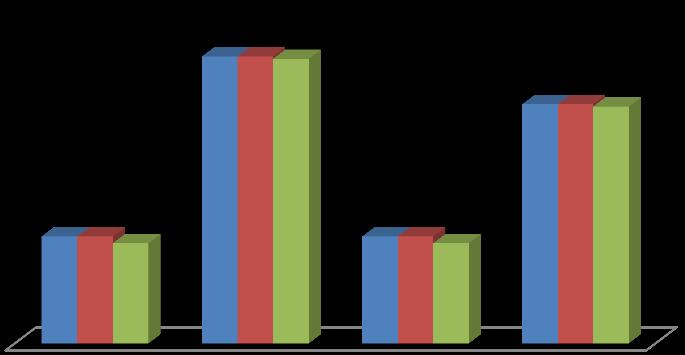
Fig.2 illustrates the same by comparing them on availabilityofbreakersondaily,weeklyandmonthlybasis. The availability percentage of a machine indicates the proportion of the scheduled time that the machine is actuallyavailableforoperation.
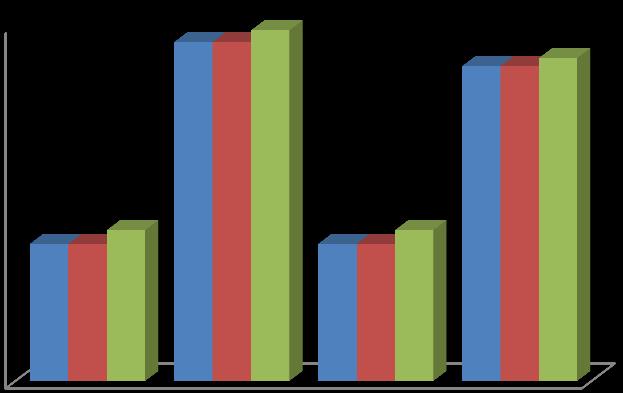
Fig3illustratesthesamebycomparingthemonutilization ofbreakersondaily,weeklyandmonthlybasis.Utilization helps in understanding the operational efficiency of the machineandcanguidedecisionsonimprovingscheduling, loadbalancing,andresourceallocation toenhanceoverall productivity The utilization percentage of a machine indicatestheproportionofthetotalavailabletimethatthe machineisactuallyinoperation.
Table-5 shows that high speed diesel consumption by four different breakers. Fuel Consumption of 1108 liters/day indicates high power output and extensive use and leads to significant operational costs and environmental impact, necessitating efficient fuel management and possibly exploring more fuel-efficient alternatives.
HydraulicBreakerIandIII:Identicalspecificationsinmost aspects,suitableforsimilarapplications,andsupportinga broadcarrierweightrange.Botharerelativelylighterand quieter, with high impact rates and moderate hydraulic power requirements. Hydraulic Breaker II: Stands out with the highest carrier weight class, service weight, tool diameter, hydraulic input power, and oil flow rate. It is designed for heavy-duty applications requiring robust performancebutisalsotheloudest.HydraulicBreakerIV: Falls in between in most specifications, suitable for a specific carrier weight range with moderate service weight and power requirements. It offers a balance between performance and operational efficiency with slightlylowernoiselevelsandamoderateimpactrate.
Hydraulic breaker II with high operational hours leads to higher production volumes. On the basis of Availability and Utilization, hydraulic breaker I and III are at same percentage of availability and utilization in day and week whereas hydraulic breaker II showing highest % of availability and utilization. Breaker II stands out as the most efficient and reliable, with the highest working hours, the least maintenance time, and relatively low idle hours. Breaker IV also performs well with high working hours and low idle time but requires slightly more maintenance. Breakers I and III show identical performance metrics, indicating average utilization and reliability compared to Breakers II and IV. By focusing on reducingmaintenanceand breakdownhoursforBreakers I and III and further optimizing the operations of Breaker IV, overall efficiency and productivity can be improved. Each hydraulic breaker has its strengths and is suited for
International Research Journal of Engineering and Technology (IRJET) e-ISSN: 2395-0056
Volume: 11 Issue: 06 | Jun 2024 www.irjet.net p-ISSN: 2395-0072
differentoperationalneeds,withBreakerIIbeingthemost powerful and heavy-duty, while Breakers I and III offer high efficiency with lighter construction, and Breaker IV providingabalancedoption.
Theproductivityofhydraulicbreakersdependsonseveral key factors. The properties of the rock material impact efficiency,withharderrocksrequiringmoreeffort.Jobsite conditions, organization, accessibility, and visibility affect operational speed and accuracy. Operator skills, experience, and proper training are crucial for optimal performance. Selecting the right attachment, including appropriate carrier size, oil flow, and attachment size, ensures effective operation. Correct installation, preferably by an authorized and trained partner, reduces breakdowns. Regular service and maintenance, including machine condition checks, lubrication, wear part exchanges, and maintaining chisel shape, are essential for sustainedproductivity.
[1] J. Toraño& R. Rodríguez (2003) Simulation Of The Vibrations Produced During Th e Rock Excavation By Different Methods. Computational and Experimental Methods, 4: 343-349.
[2] Aksoy,C.O.(2009):Performancepredictionofimpact hammersbyblockpunchindexforweakrockmasses. International Journal of Rock Mechanics and Mining Science, 46:1383-1388.
[3] Guoping Yang & Yubao Chen (2012) The Research of New Type Hydraulic Breaker with Strike Energy and Frequency of Adjusted. Mechanical Engineering Research. Published by Canadian Center of Science and Education; 2: 45-51
[4] Aksoy, C.O. Ozacar, V., Safak, S. (2013): An updated formula and method to predict the performance of impact hammers. International Journal of Rock Mechanics andMiningScience,61 :289-295.
[5] Hoang Nguyen, Xuan-Nam Bui (2015) Simulation of the breaking rock processingbyhydraulicbreakerin surface mines according to the results of bousinessq mathematical model. International Workshop on Advances in Surface Mining for Environment Protection and Sustainable Development. at Hanoi, Vietnam, Researchgatepublication pp:107-112
[6] Tumac, D., Hojjati, S. (2016): Predicting performance ofimpacthammersfrom,rockqualitydesignationand compressive strength properties in various rock masses. Tunnelingand UndergroundSpaceTechnology, 59 : 38-47.
[7] Dae-Kyung NohYoung-Ky KangJae-Sang ChoJoosup Jang (2016) Case study on impact performance optimizationofhydraulicbreakers Springer Plus , 5: 114
[8] ChangheonSong, DaeJiKim, JintaiChung,1KangWon Lee, Sang SeukKweon, and Young Ky Kang (2017) : EstimationofImpact Loadsina HydraulicBreakerby TransferPathAnalysis, ShockandVibration, 2 : 1-15
[9] Mohamed Elkarmoty, Mohamed Ismael Khaled, Abdelghafar, Mohamed Sholqamy Performance prediction of hydraulic breakers in excavation of a rock mass (2021). The Mining-Geology-Petroleum EngineeringBulletin 36:107-119
[10] Manualofhydraulicbreaker