
International Research Journal of Engineering and Technology (IRJET) e-ISSN:2395-0056
Volume: 11 Issue: 06 | Jun 2024 www.irjet.net p-ISSN:2395-0072
International Research Journal of Engineering and Technology (IRJET) e-ISSN:2395-0056
Volume: 11 Issue: 06 | Jun 2024 www.irjet.net p-ISSN:2395-0072
Aashvi Rajani
Abstract - Thisresearchpapersummarizes therelationshipbetweensugarandcancer,alongwithcomparingthegrowth ratesoftheconsumptionofsugaryproductssuchaschocolatesandsoftdrinks,tothenumberofcancercases.Then,there isthecorrelationofeachsugarproductalongwithcancercasesandmulticorrelationbetweenallofthem.
In India, 1 in 9 people are at the risk of developing cancer in their lifetime. Myriads of lives have been ravaged by the disease, and yet, cancer remains an unavoidable illness in people’s minds. However, recent research points towards multiple factors that are associated with one’s chances of developing cancer. These include obesity, smoking, alcohol intake,andrecently,excesssugarconsumption.
This paper will delve into the link between sugar consumption and an increased incidence of cancer in the country. The research does not intend to establish causation, that is, to say that an increased sugar consumption has lead to more people developing cancer. Rather, the aim is to comment on the trends proving that both sugar consumption and cancer ratesarefollowingalarminglysimilartrajectoriesinthecountry.
Indiahasavariedcuisine,buttheIndiandietismainlycerealbasedandlackssufficientnutrients.MostIndiansconsume lessthanthe2503kcal/capita/dayrecommendation,whileonlytherichest5%areabletomeetthisguideline.Outofthis, a meagre 6-8% calories come from protein, while whole grains contribute to most of the diet. Whole grains comprise of cerealslikewheat,rice,bajra,maize,barley,etc.TheaverageIndianhouseholdconsumesmoreprocessedfoodthanfruits, which it is now reflecting on the overall health of citizens. With some states being vegetarian diet-centric, a lack of fish, meatandeggsconsumptionmayalsobecontributingtotheillnesses.
Thedisparityinthecountryisevidentasbothruralandurbanhouseholdsreceivefewerthanrequiredcalories,whilerich households consume 3000 kcal/ day. This is 20% higher than required, and almost twice as the poorest house- holds’ diets.Theimbalanceindiethasgivenrisetomalnutritionanddiseasessuchasobesity,anemia,anddiabetes.
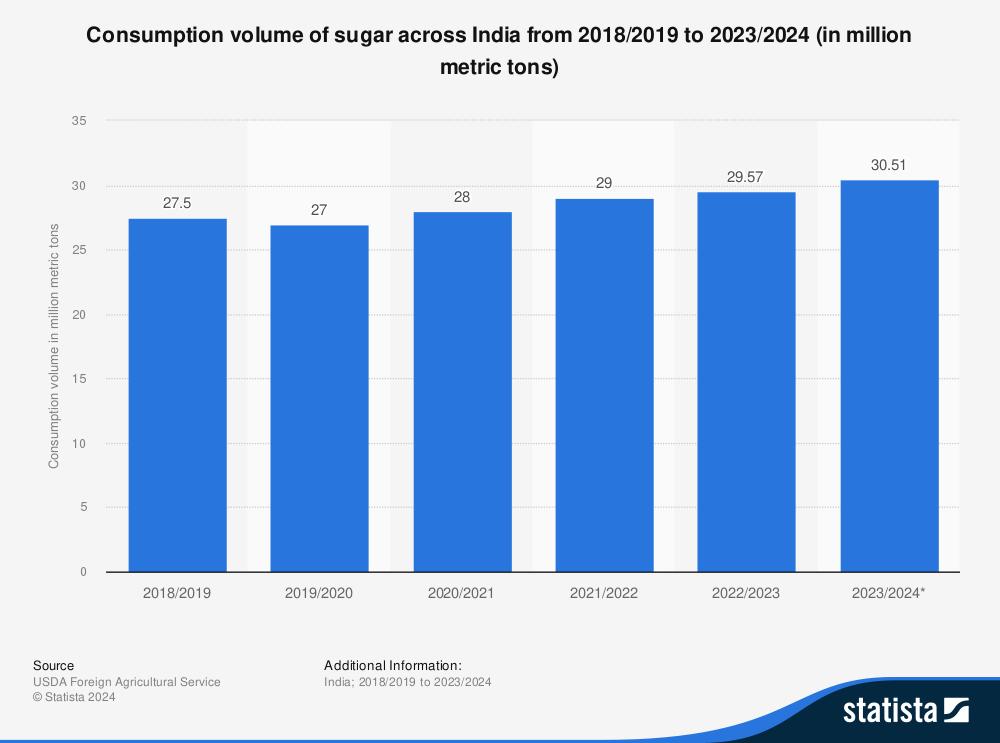
Anevenmorealarmingstatisticisthatofsugar-sweetenedbeverages.InurbanIndia,everyweekadolescentsconsume1.8 cansofcolaperweek,andthismightresultinaweightgainof1.3kgperchildperyear.Indiansconsumeroughly25.17kg ofsugarperpersonperyear,whichexceedstheworldwideconsumptionof23.7kg/year.AchangeintheIndianlifestyleis leadingtoanevengreaterincreaseinsugarconsumptionevery year.During2018-2019,thesugarconsumptionwas27.5 millionmetrictons,whichshotupto30.51millionmetrictonsduring2023-2024
International Research Journal of Engineering and Technology (IRJET) e-ISSN:2395-0056
Volume: 11 Issue: 06 | Jun 2024 www.irjet.net p-ISSN:2395-0072
This is owing to the fact that in India, celebrations are synonymous to sugar consumption. An extravagance of fried and sweetened delicacies marks the success of any celebration. An amalgamation of a sedentary lifestyle and a poor diet has resulted in excess body fat, liver fat, insulin resistance and multiple metabolic disorders that contribute to the declining healthofthecountry.
A disease is a condition that leads to ill-health and interferes with our ability to function normally. It is coupled with specificsignsandsymptomsthathelpdetecttherootcauseofthedisease.Typically,thereare4typesofdiseases:Genetic disease,infectiousdiseases,deficiencydiseases,andphysiologicaldiseases. CancerisaresultofmutationsintheDNA,andisclassifiedasageneticdisease.Itfallsunderthebracketwithdiseaseslike diabetes, cystic fibrosis, sickle-cell anaemia, and heart disease. If the allele for the disease is present in the parents’ genome,theyriskthechanceofpassingitdowntotheiroffspringevenifthediseaseisnotexpressedintheirphenotype.
Themainriskfactorsfordevelopinggeneticdiseasesarechemicalsliketarandmustardgas,smoking,radiationexposure and UV rays from the sun. These can affect the bonds between nucleotides and alter their sequence, which results in a mutation.
International Research Journal of Engineering and Technology (IRJET) e-ISSN:2395-0056
Volume: 11 Issue: 06 | Jun 2024 www.irjet.net p-ISSN:2395-0072
The root cause of cancer is a mutation. A mutation that either activates oncogenes or deactivates tumor suppressor genes.Boththesegenes,oncealtered,allowuncontrollablecell growth,insteadof normal cell division.Thiscanhappen duringDNAreplicationinmitosis,whenthereareerrorswhichdisruptthecell-cycle.Thecell-cyclecheckpointsareno longer regulated, and the cells divide uncontrollably regardless of external signals to stop dividing. These cells are no longer functional, and form a mass of tissue called a tumor. This tumor then develops a network of capillaries around themwhichhelpinprovidingenoughnutrientsformaintenanceandgrowth.
Therearetwotypesof tumors:Abenigntumor, which cannotmovetoother parts ofyour body,suchasfibroids,anda malignanttumor,whichisacancer.Amalignanttumorcanmetastasizeandinvadeothertissuesinthebody.
Cancercells alsopossess auniqueenzymethatnormal cells don’t:Telomerase.Chromosomal endscalled telomeresare nucleotide sequences that allow repeated divisions in cells without the loss of important genes. However, there are limitationsasthetelomeresshortenaftereverycelldivision.Afterapoint,thecellscan’tdivideanymoreandenterastate calledsenescence,ortheytriggeraself-destructprogramcalledapoptosis.
Telomerase, however, repairs the telomeres and prevents them from depleting. As a result, cancer cells can divide indefinitely,withoutlosinganimportantgenes.Theyareimmortal.
These tumors keep growing indefinitely and press against body tissues, pre- venting them to function effectively. This resultsincancer.
International Research Journal of Engineering and Technology (IRJET) e-ISSN:2395-0056
Volume: 11 Issue: 06 | Jun 2024 www.irjet.net
p-ISSN:2395-0072
• AddedSugarsaresugarsthatareexternallyaddedwhilemanufacturingfoodproducts,suchasglucoseandfructose.
• Freesugarsaresugarsthatmaybenaturallypresentinfooditems,suchashoney,fruitjuices,etc.
• Sugary foods are perceived to be harmful primarily because they can cause weight gain. However, weight is not the onlydeterminantofhealth.
• ThecurrentAHAguidelinesrecommendadailylimitofsixteaspoons(30g,or120calories)ofaddedsugarforwomen andnineteaspoons(45g,or180calories)formen.TheWHOalsorecommendsdietarysugarintakelessthan10% of daily energy intake (50 g per 2000 daily calories) and conditionally recommends that less than 5% of daily energy intakeconsistofaddedsugar.
• Consumption of sugar stimulates dopamine release in the hypothalamus, which activates reward pathways and overridessatietysignals.
• Repeated exposure to sugar alters the dopamine circuitry, which dysregulates homeostatic controls and reinforces food cues. These pathways are thought to be crucial for reward motivation and memory. Activation of reward pathwaysleadstofurthersugarconsumption,eventuallyleadingtoanassociationthatlinkssugartorewardsandjoy.
• Sugar also activates the hypothalamus and inhibits the production of leptin, which prevents feelings of satiety and leadstooverconsumption.
• In a study conducted with rat models, excessive sugar consumption led to signs of addiction. This was coupled with binging,depressionandwithdrawallikesymptoms.Italsoincreasedtheirshock-resilience.
International Research Journal of Engineering and Technology (IRJET) e-ISSN:2395-0056
Volume: 11 Issue: 06 | Jun 2024 www.irjet.net p-ISSN:2395-0072
• Glucose normally stimulates pancreatic b cells to release insulin, which allows glucose to enter cells and provide energy.
• When there are high levels of carbohydrate and glucose in your body more insulin is secreted to increase their uptake.
• MoreinsulinmeansmoreIGF-1(Insulingrowthfactor):Thishelpsingrowthofmusclesandtissues,andbothwork togethertoreducetheglucoseconcentrationofyourbody.
• Normally, this would be a good thing. For cancer patients, it’s not. This can lead to an aggressive growth of the tumor.
• Glucoseinthebodyistakenupbythistumorandusedasasourceofnutritionforitsgrowth.
• Whenglucoseisscarce,thebodylooksforalternativesourcesofenergy:Theliverproducesketones,whichprovide fornormalcellsbutnotforcancercells.
• Normal cells have mitochondria, which converts glucose to release energy, in the form of a molecule called ATP (Adenosinetriphosphate)
• Cancercellsgettheirenergyfromglycolysis:ThisiswhentheybreakdownglucosetoreleaseATP.Theycan’tdothe same for ketones because their cells don’t have the required machinery. Ketones act as a backup, when the body doesn’thaveenoughglucose,andeffectively‘starve’cancercellsoftherequirednutrients.
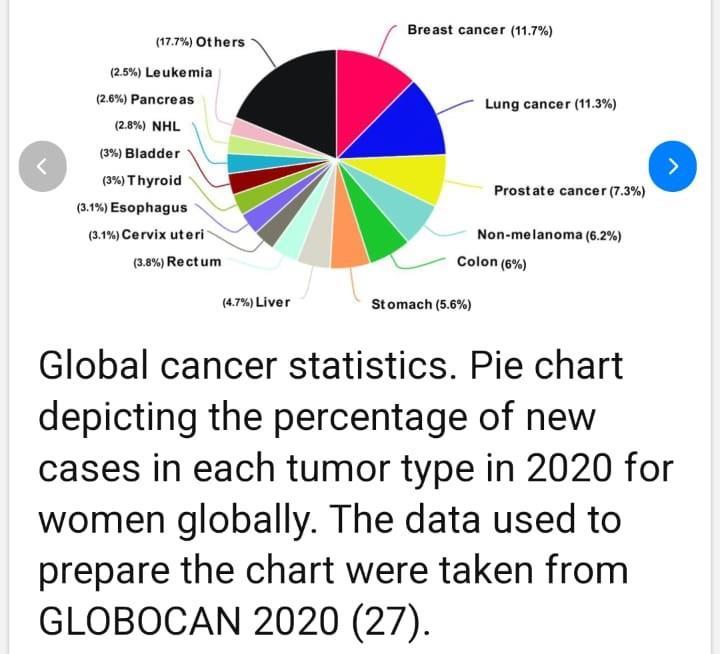
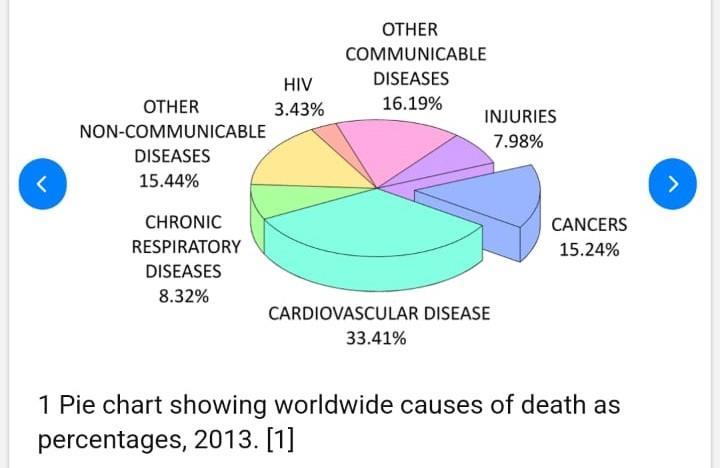
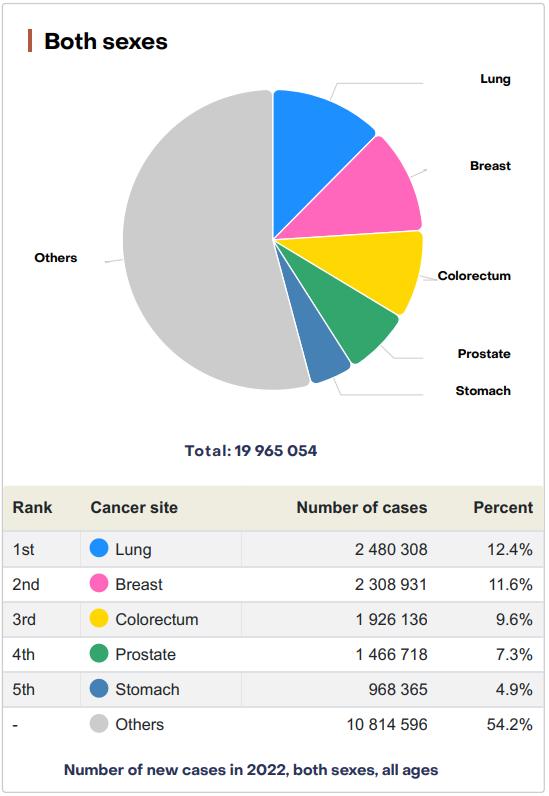
• CountriessuchasBrazil,India,andChina,whichpreviouslyreportedlowratesofbreast,prostate,andcoloncancer, are now seeing significant increases in the incidence and mortality of these cancer. The number of patients with cancerinIndia were1,392,179for theyear 2020,andthecommon5leadingsites were breast,lung, mouth, cervix, andtongue. Anevenmorealarmingstatisticisthatthecancercasesareprojectedtoshootupto1.57millionby2025. This tragic decline in health has made India the ‘Cancer capital of the World’, as labelled by Apollo Hospitals in their report.
• TheInternationalAgencyforResearchonCancer(IARC)reportedasstrongevidencethat excess bodyfatisa major risk factor for many cancers, including esophageal, pancreatic, colorectal, post-menopausal breast, endometrial, renal,ovarian,gallbladder,hepaticandgastriccardia,amongothers.
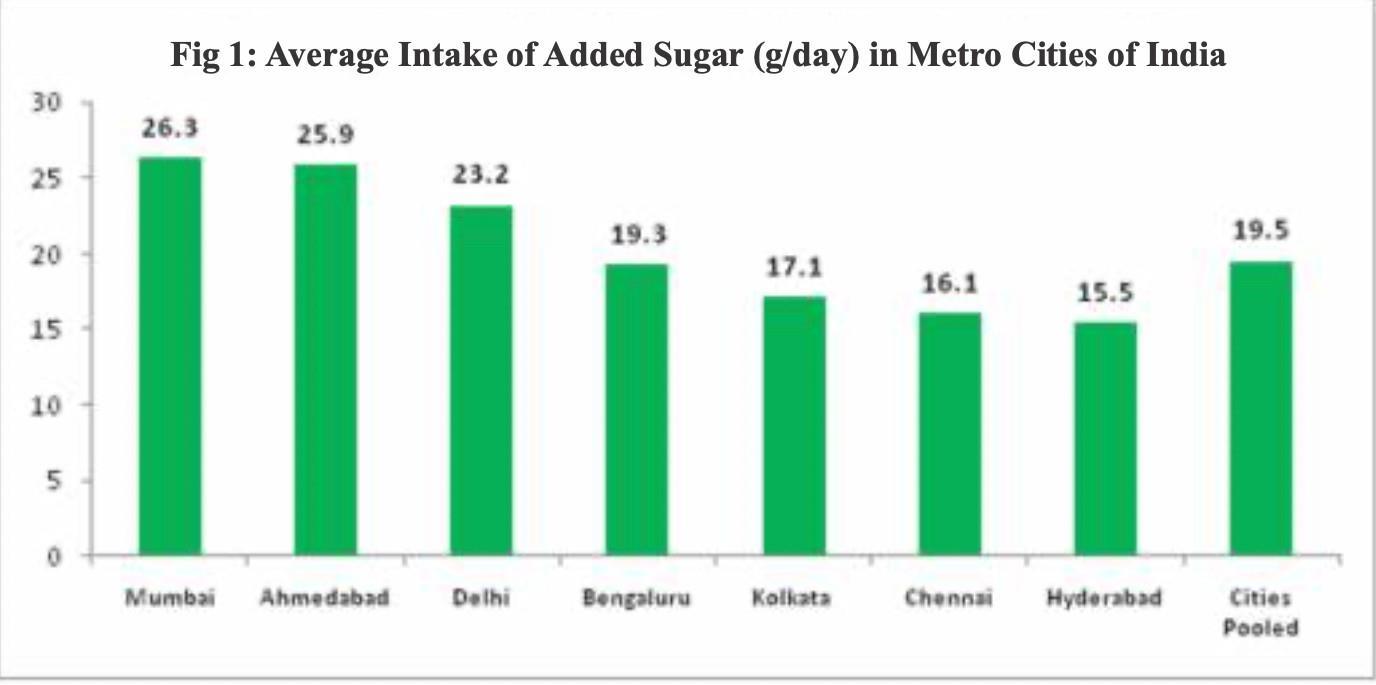
• Moreover, a sugar study report conducted in 2015-2016 by the ICMR National Institution of Nutrition found that adultsandolderpeopleconsumedmoresugarthanyoungerones.Thehighestintakeofsugarwasobservedbetween adultsaged36-59,at20.5grams.
• Coincidingwiththisreport,theAmericanCancerSocietystatesthat35.4%cancercasesoccurinpeopleaged45-64.The linkbetweenthesestatisticspointstowardshowsugarconsumptioniscontributingtotheincidenceofcancer
International Research Journal of Engineering and Technology (IRJET) e-ISSN:2395-0056
Volume: 11 Issue: 06 | Jun 2024 www.irjet.net
2. ConsumptionofchocolatesinIndia(inthousandtonnes):
3.CancerCasesinIndia:
Sugarv/sCancer
ConsumptionofsoftDrinksinIndia(inBillionLts) ConsumptionofchocolatesinIndia(inthousandtonnes) CancerCasesinIndia(inmillions)
International Research Journal of Engineering and Technology (IRJET) e-ISSN:2395-0056
Volume: 11 Issue: 06 | Jun 2024 www.irjet.net p-ISSN:2395-0072
7. CALCULATIONS:
a. GrowthCurveofSoftDrinksConsumptioninIndia:
Inthegraph,thex-axisisyearsfrom2014to2023andthey-axisshows‘SoftDrinksConsumptioninIndia’
Let’sconsider2014as1,2015as2…and2023as10.
After manually drawing the graph on excel, we concluded the biquadratic equation which covers maximum numberofplots
Consideringy=Ax2+Bx+C.
ActualDatavsCalaculatedGrowthCurve
ConsumptionofsoftDrinksinIndia(inBillionLts.) CalculatedGrowthCurve
Formula: y= -0.0158*x2-0.2989*x+5.38
Where‘y’isSoftDrinksConsumptioninIndia(inbillionsLts.) and‘ x’represents1,2,3…(1represents2014,2represents2015andsoon)
b. GrowthCurveofChocolateConsumptioninIndia:
Inthegraph,wetookthex-axisasyearsfrom2014to2023andthey-axisas ‘Chocolate ConsumptioninIndia’
Let’sconsider2014as1,2015as2 2023as10.
Aftermanuallydrawingthegraphonexcel,weconcludedthebiquadraticequationwhichcoversmaximumnumber ofplots.
Consideringy=Ax2+Bx+C.
DatavsCalculatedGrowthCurve
Formula: y= 0.3879*x2-0.453*x+122.66
Where‘ y’refersto‘ChocolateconsumptioninIndia’(inthousandstonnes) and‘ x’represents1,2,3…(1represents2014,2represents2015andsoon)
c. GrowthCurveofCancerCasesinIndia:
Inthegraph,wetookthex-axisasyearsfrom2014to2023andthey-axisascancercasesinIndia.
Let’sconsider2014as1,2015as2…2023as10.
Aftermanuallydrawingthegraphanonexcel,weconcludedthebiquadraticequationwhichcoversmaximum numberofplots.
Consideringy=Ax2+Bx+C.
Where‘ y ’isCancercasesinIndia(inmillions) and‘ x’represents1,2,3 (1represents2014,2represents2015andsoon)
d. CorrelationBetweenVariousfactors:
1. Softdrinkconsumptionandsoftdrinkconsumption:
Correlation
2. Chocolate
ConsumptionofchocolatesinIndiavsCancerCases International
International Research Journal of Engineering and
Volume: 11 Issue: 06 | Jun 2024 www.irjet.net
3. SoftDrinkconsumptionvscancercases:
Softdrinkconsumptionvscancercases
CorrelationFactor=r13=0.9812
MultiCorrelationFormula: R =√
8. Conclusion:
AfteranalyzingthetrendsinsugarconsumptionandcancercasesinIndia,wecanmathematicallyconcludethattheyare bothcontinuouslyincreasingeachyear.Thecorrelationbetweenthetwoispositive,andtheirgrowthratesareincreasing atcomparativelysimilarpaces Throughthisresearchwecaninferthatsugarplaysasignificantroleintheoccurrenceof cancer,despitenotbeingbiologicallytermedasacarcinogenicsubstance Thebiologicalmechanismsbehindthisremain unknown. However, it would be fit to say that limiting the consumption of added sugars and maintaining a healthy diet aresteppingstonestowardsavoidingcancer.
9. References:
1. https://www.downtoearth.org.in/news/health/india-reported-1-41-million-new-cancer-cases-in-2022-breastcancer-ranks-highest-94241
2. https://www.statista.com/
3. https://www.webmd.com/cancer/features/cancer-sugar-link
4. https://www.ncbi.nlm.nih.gov/pmc/articles/PMC9775518/
5. https://drarvindkumar.com/blog/top-10-cancer-states-in-india-2023-cancer-statistics-inindia.php#:~:text=In%202020%2C%20India%20reported%20an,would%20be%20around%201.57%20million.
6. https://www.ncbi.nlm.nih.gov/pmc/articles/PMC10231735/
7. https://time.com/6965528/india-cancer-capital-world-study/
8. https://www.mordorintelligence.com/industry-reports/india-chocolate-market
9. https://nielseniq.com/global/en/insights/report/2016/whats-bubbling-up-in-indias-soft-drinkmarket/#:~:text=In%20total%2C%201.25%20billion%20people,and%20one%2Dthird%20of%20Malaysia
10. https://economictimes.indiatimes.com/industry/cons-products/food/indian-homes-grow-warmer-towards-coldbeverages/articleshow/102341239.cms?from=mdr
International Research Journal of Engineering and Technology (IRJET) e-ISSN:2395-0056
Volume: 11 Issue: 06 | Jun 2024 www.irjet.net p-ISSN:2395-0072
Undertheguidanceof:
Dr. Mamta Jain
- M.Sc(Mathematics)(Doublegoldmedalist)
- M.Phil(ComputerApplications)withhonorsFromUniversityofRoorkee(nowIITRoorkee)
- PhD(Mathematics)-Variouspaperspublishedininternationaljournals
- FormerLeadAuditorISO9001,ISO-22000SchoolAccreditationExaminerbyQCI
- 26yearsofteachingexperience
- VariousResearchPapersPublished
Er. Raunaq Jain
- B.EMechanicalEngineeringFromThaparInstituteofEngineeringandTechnology
- DistrictPhysicsTopper
- ContentWriterandgraphicdesigner
- MechanicalMentorfromsession2019-2020
- UpcomingDataAnalystatDeloitte