
International Research Journal of Engineering and Technology (IRJET) e-ISSN: 2395-0056
Volume: 11 Issue: 05 | May 2024 www.irjet.net
p-ISSN: 2395-0072
International Research Journal of Engineering and Technology (IRJET) e-ISSN: 2395-0056
Volume: 11 Issue: 05 | May 2024 www.irjet.net
p-ISSN: 2395-0072
1.Harshal S. Hemane, 2. Ansh Sahu, 3. Ankush Singh, 4. Anshuman Raj
1Assistant Professor, Bharati Vidyapeeth (Deemed to be University) College of Engineering, Pune, India 2,3,4Student, Bharati Vidyapeeth (Deemed to be University) College of Engineering, Pune, India
Abstract -
Inthecontemporaryeraofurbanization,mobilityservices have become integral to daily life, offering convenient transportation solutions. This study presents a comprehensiveanalysisofmobilityservices,leveragingthe power of machine learning techniques. Specifically, sentiment analysis, time series analysis, and multinomial NaiveBayes(NB)methodologyareemployedtodelveinto theintricaciesofuserexperiencesandserviceperformance.
Thesentimentanalysiscomponentexploresthesentiment polarityofuserreviewsandfeedbackpertainingtomobility services.Byemployingnaturallanguageprocessing(NLP) techniques,sentimenttrendsareidentified,offeringinsights intocustomersatisfaction,concerns,andpreferences.These sentimentsserveasvaluableindicatorsforserviceproviders to enhance user experiences and address areas of improvement.
Furthermore, time series analysis is employed to discern patternsandtrendsinmobilityserviceusageovertime.By analyzinghistoricaldata,seasonality,trends,andanomalies are identified, enabling forecast models to predict future service demand and optimize resource allocation. This temporalperspectiveprovidesvaluableforesightforservice providerstoefficientlymanagefleetsandinfrastructure.
Additionally,themultinomial NaiveBayesmethodology is appliedtoclassifyusersentimentsandfeedbackintodistinct categories. By leveraging probabilistic algorithms, this approach categorizes sentiments into predefined classes, such as positive, negative, or neutral. This classification enables a deeper understanding of user perceptions and facilitatestargetedinterventionstoimproveservicequality.
Throughtheintegrationofsentimentanalysis,timeseries analysis, and multinomial Naive Bayes methodology, this study offers a holistic framework for analyzing and optimizingmobilityservices.Byleveragingmachinelearning techniques,serviceproviderscangainactionableinsightsto enhanceusersatisfaction,operationalefficiency,andoverall service performance. This research contributes to the advancementofdata-drivendecision-makingintherealmof urban mobility, fostering sustainable and inclusive transportationecosystems
Key Words: sentiment analysis, Multinomial Naive Bayes (NB), Time Series analysis, Natural Language Processing
In an era marked by rapid urbanization and technological advancements, mobility services have emerged as fundamental components of modern urban landscapes. These services, encompassing ridesharing, bike-sharing, public transit, and more, play a pivotal role in facilitating convenient and efficient transportation solutions for individuals and communities alike. However, amidst the proliferationofmobilityoptions,ensuringoptimalservice quality,usersatisfaction,andoperationalefficiencypresents ongoingchallengesforserviceproviders.
To address these challenges, this study embarks on a comprehensiveanalysisofmobilityservices,harnessingthe capabilitiesofmachinelearningtechniques.Inparticular,the integrationofsentimentanalysis,timeseriesanalysis,and multinomial Naive Bayes (NB) methodology offers a multifaceted approach to unraveling the complexities inherentinuserexperiencesandservicedynamics.
Theescalatingvolumeofuser-generatedcontent,including reviews,feedback,andsocialmediainteractions,providesa rich source of data for understanding user sentiments towards mobility services. Leveraging sentiment analysis techniques,thisstudyseekstoextractvaluableinsightsfrom unstructured textual data, shedding light on the varying degreesofusersatisfaction,concerns,andpreferences.
Moreover,thetemporaldimensionofmobilityserviceusage is explored through time series analysis, which aims to uncover underlying patterns, trends, and fluctuations in servicedemandovertime.Byanalyzinghistoricaldata,this approachenablesthedevelopmentofpredictivemodelsto anticipate future demand patterns, facilitating proactive resourceallocationandserviceoptimization.
Furthermore, the application of multinomial Naive Bayes methodologyoffersaprobabilisticframeworkforclassifying user sentiments and feedback into distinct categories. Through this classification process, sentiments are categorized as positive, negative, or neutral, providing a structuredframeworkforunderstandinguserperceptions and informing targeted interventions for service improvement.
Bysynthesizingthesemethodologies,thisstudyendeavors to provide a comprehensive framework for analyzing and optimizingmobilityservices.Throughthelensofmachine
International Research Journal of Engineering and Technology (IRJET) e-ISSN: 2395-0056
Volume: 11 Issue: 05 | May 2024 www.irjet.net p-ISSN: 2395-0072
learning, service providers can gain actionable insights to enhanceusersatisfaction,operationalefficiency,andoverall serviceperformance.Ultimately,thisresearchcontributesto theadvancementof data-drivendecision-makinginurban mobility, paving the way for sustainable and inclusive transportation ecosystems in an increasingly connected world.
Sentiments,thefundamentalexpressionsofhumanemotions, serveascrucialcuesakintofeatureextractioninproblemsolvingscenarios.Thisstudyfocusesonsentimentanalysis usingTwitterdataconcerningcabservicesprovidedbyUber andOla.Byscrutinizingusertweets,itaimstodiscerntheir needs and complaints, offering insights for service enhancement.
Deeplearningtechniques,includingGoogleWord2Vec,are employedtoextractinformationfromtweetseffectively.By categorizingtweetsintopositiveandnegativesentiments,the study utilizes two deep learning algorithms, Deep Feed ForwardNeuralNetworkandConvolutionalNeuralNetwork, trained on labeled data to gauge accuracy. Testing data is then used to assess the algorithms' predictive capabilities. Pythonisthechosenprogramminglanguageforitsversatility and extensive libraries. Through this approach, the study aims to leverage deep learning and sentiment analysis to improve cab services and user experiences by addressing userconcernsexpressedonTwitter.
This study aims to delve into predictive analysis, a key methodology within Machine Learning. Numerous companies, such as Ola and Uber, leverage Artificial Intelligence and machine learning techniques to tackle challengeslikeaccuratefareprediction.Afterconductinga comparative analysis of regression and classification algorithms,thispaperproposesamethodologytoenhance predictionmodelingformoreprecisefareestimations.The researchcaterstostakeholdersinvolvedinfareforecasting, addressing the evolving complexities of cab fare determination.Whiletraditionalfareestimationreliedsolely ondistance,technologicaladvancementshaveexpandedthe factorsinfluencingfares,includingtime,location,passenger count, traffic, duration, and base fare. Grounded in supervisedlearning,particularlypredictionapplicationsin machine learning, this study contributes to refining fare predictionmodelsforimprovedaccuracyandefficiencyin thetransportationsector.abbreviationsinthetitleorheads unlesstheyareunavoidable.
Afterthetextedithasbeencompleted,thepaperisreadyfor thetemplate.DuplicatethetemplatefilebyusingtheSaveAs command,andusethenamingconventionprescribedbyyour conferenceforthenameofyourpaper.Inthisnewlycreated file,highlightall ofthecontentsandimportyourprepared textfile.Youarenowreadytostyleyourpaper.
Thelistofcomponentsused:-
3.1 Visual Studio code: Visual Studio Code (VS Code) standsasapremiercodeeditorrenownedforitsversatility, efficiency,andextensivefeatureset.DevelopedbyMicrosoft, this lightweight yet powerful tool has gained immense popularityamongdevelopersacrossvariousprogramming languagesandplatforms.Itsintuitiveuserinterface,coupled with robust language support, enables seamless coding experiences for professionals and enthusiasts alike. With features like IntelliSense, Git integration, and debugging capabilities,VSCodestreamlinesthedevelopmentworkflow, boostingproductivityandcollaboration.Moreover,itsvast ecosystem of extensions allows users to customize their environmentstosuitspecificneeds,rangingfromlanguage support and code formatting to project management and cloud integration. Whether developing web applications, mobile apps, or cloud services, VS Code empowers developers to write, debug, and deploy code with unparalleledeaseandefficiency,makingitanindispensable toolinthemodernsoftwaredevelopmentlandscape
3.2 Python Language: -Python is a versatile and powerful programming language known for its simplicityandreadability,makingitanidealchoicefor beginners and experienced developers alike Python, reveredforitssimplicityandversatility,hasbecome the cornerstone of modern programming. Its clean syntaxandextensivelibrariesmakeitidealforawide range of applications, from web development to scientificcomputing.Python'sdynamicnatureallows for rapid prototyping and iteration, facilitating innovationandproblem-solvingacrossindustries.Its vibrantcommunityfosterscollaborationandcontinual improvement, ensuring that Python remains at the forefront of technology. Whether you're a seasoned developeroranoviceenthusiast,Python'saccessibility andpowermakeitthelanguageofchoicefortackling complexchallengeswitheleganceandefficiency.
4.1 NumPy:- NumPy,shortforNumericalPython,standsas the cornerstone of scientific computing in Python. Its powerful array-processing capabilities facilitate efficient manipulation of large datasets and complex mathematical operations. NumPy provides a high-performance multidimensionalarrayobjectalongwithtoolsforworking with these arrays. Its extensive library of mathematical functionsenablesseamlessintegrationwithotherscientific computinglibrarieslikeSciPyandPandas,formingarobust ecosystem for data analysis and manipulation. NumPy's efficient implementation in C and Fortran ensures speedy execution, making it indispensable for tasks ranging from
International Research Journal of Engineering and Technology (IRJET) e-ISSN: 2395-0056
Volume: 11 Issue: 05 | May 2024 www.irjet.net p-ISSN: 2395-0072
basic array operations to advanced linear algebra and statistical computations.Asanessential componentofthe Python data science stack, NumPy continues to empower researchers,engineers,anddatascientistsintheirquestfor insightsandinnovation
4.2 Pandas:- Pandas, a Python library built on top of NumPy,revolutionizesdataanalysisandmanipulationwith itsintuitivedatastructuresandpowerfultools.Atitscore liestheDataFrame,atwo-dimensionallabeleddatastructure akin to a spreadsheet or SQL table, offering flexibility and ease of use for handling structured data. Pandas excels in datawranglingtasks,allowinguserstoclean,transform,and merge datasets effortlessly. Its rich functionality includes powerful indexing, reshaping, and grouping operations, enablingcomplexdatamanipulationswithjustafewlinesof code.Additionally,Pandasseamlesslyintegrateswithother Python libraries, such as Matplotlib and Scikit-learn, facilitatingstreamlinedworkflowsfordatavisualizationand machine learning. Whether exploring data, conducting statisticalanalysis,orpreparingdataformodeling,Pandas empowersuserswiththetoolstoextractmeaningfulinsights and drive informed decision-making in diverse domains, fromfinanceandhealthcaretoacademiaandbeyond.
4.3 Matplotlib :- Matplotlib, renowned as the foundationalplottinglibraryinPython,empowersusersto create high-quality visualizations with ease. Its versatility allowsforthecreationofawidearrayofplots,rangingfrom simple line charts to complex heatmaps and 3D plots. Matplotlib'sintuitiveinterfaceandextensivecustomization optionsprovideuserswithfine-grainedcontroloverevery aspectoftheirplots,ensuringthatvisualizationsaretailored tospecificneedsandpreferences.Whetherforexploratory dataanalysis,presentation-readygraphics,orpublicationquality figures, Matplotlib's robust functionality and compatibility with various data formats make it an indispensable tool for scientists, engineers, analysts, and educators alike. Moreover, its active community and comprehensivedocumentationensureongoingsupportand continualinnovation,solidifyingMatplotlib'spositionasthe go-tochoicefordatavisualizationinthePythonecosystem.
4.4 Seaborn :-Seaborn,builtontopofMatplotlib,serves as a high-level interface for creating attractive and informativestatisticalgraphicsinPython.Withitsconcise syntax and powerful abstraction layer, Seaborn simplifies the process of generating complex visualizations from structured data. It provides a wide range of plot types, includingscatterplots,histograms,boxplots,andheatmaps, each designed to reveal patterns and relationships within thedata.Seaborn'semphasisonaestheticsensuresthatplots are not only visually appealing but also convey insights effectively.Furthermore,Seabornintegratesseamlesslywith Pandas DataFrames, allowing for seamless data manipulation and visualization. Whether exploring relationshipsbetweenvariables,visualizingdistributions,or
highlightingtrendsovertime,Seabornempowersusersto create insightful and publication-quality graphics with minimaleffort,makingitavaluableassetfordatascientists, analysts,andresearchersacrossdisciplines.
4.5 OS Library :- The `os` library in Python serves as a powerful utilityforinteractingwiththeoperatingsystem, offering a wide range of functions for managing files, directories,andprocesses.With`os`,developerscanperform tasks such as navigating file systems, manipulating paths, and executing system commands, regardless of the underlying platform. This library provides an abstraction layerthatsimplifiesplatform-specificoperations,ensuring code portability across different operating systems. Developerscanuse`os`tocreate,delete,ormodifyfilesand directories,checkfilepermissions,andretrieveinformation aboutthesystemenvironment.Additionally,`os`facilitates process management, allowing for the creation and manipulation of system processes, as well as handling environmentvariablesandsignals.Whetherautomatingfile operations, managing system resources, or executing system-level tasks,the`os`libraryoffersacomprehensive suite of functions to streamline interaction with the underlyingoperatingsystem,enhancingtheversatilityand robustnessofPythonapplications.
4.6 SciKit :- The scikit-learn library, often referred to as scikit,standsasacornerstoneofmachinelearninginPython, offering a comprehensive suite of tools for building and deployingpredictivemodels.Withitsuser-friendlyinterface and extensive documentation, scikit-learn democratizes machinelearningbymakingcomplexalgorithmsaccessible todevelopersandresearchersalike.Fromclassificationand regressiontoclusteringanddimensionalityreduction,scikitlearnprovidesimplementationsofawiderangeofmachine learning algorithms, along with utilities for data preprocessing, model evaluation, and hyperparameter tuning.Moreover,scikit-learn'semphasisoncodereadability and consistency fosters collaboration and accelerates the development of machine learning solutions. Its seamless integration with other Python libraries, such as NumPy, Pandas, and Matplotlib, further enhances its usability and versatility. Whether for academic research, industrial applications, or personal projects, scikit-learn empowers userstoharnessthepowerofmachinelearningforsolving real-worldproblemswithconfidenceandefficiency.
5.1 Sentiment Analysis :-Sentimentanalysisisavaluable tool in mobility services analysis projects employing machine learning techniques. By leveraging sentiment analysis algorithms on textual data such as user reviews, socialmediaposts,andcustomerfeedback,mobilityservice providers can gain insights into user satisfaction, preferences, and sentiments towards their services. This analysis can help identify areas for improvement,
International Research Journal of Engineering and Technology (IRJET) e-ISSN: 2395-0056
Volume: 11 Issue: 05 | May 2024 www.irjet.net p-ISSN: 2395-0072
understand user perceptions of service quality, and tailor offerings to better meet customer needs. For instance, sentimentanalysiscancategorizeuserreviewsaspositive, negative, or neutral, enabling providers to prioritize addressing issues highlighted by negative feedback and reinforce positive aspects of their services. Furthermore, sentimentanalysiscanaidinmonitoringbrandreputation andidentifyingemergingtrendsorconcernsamongusers, allowing providers to proactively respond to customer sentiment and maintain a positive brand image. By integrating sentiment analysis with machine learning models, mobility service providers can enhance customer satisfaction, increase loyalty, and drive continuous improvementsintheirservices.
5.2 Time Series Analysis ;- Timeseriesanalysisplaysa crucial role in analyzing mobility services data using machinelearning algorithms. In such projects, time series dataoftenincludesinformationlikeridevolumes,durations, geographiclocations,anduserbehaviorpatternscollected overtime.Byapplyingtimeseriesanalysistechniques,such as trend analysis, seasonality decomposition, and forecasting, to this data, machine learning models can uncover valuable insights and make informed predictions about future mobility trends. For instance, time series analysis can help identify patterns in ride demand throughouttheday,week,oryear,allowingmobilityservice providers to optimize fleet management and resource allocation.Additionally,itcanassistindetectinganomalies orunexpectedchangesinridepatterns,whichmayindicate issuesliketrafficcongestion,servicedisruptions,orchanges inuserpreferences.Byintegratingtimeseriesanalysiswith machinelearningalgorithms,mobilityserviceproviderscan enhanceoperationalefficiency,improveservicereliability, andultimatelydeliverbetterexperiencesforusers.
5.3 Multinomial NB :- In projects analyzing mobility services using machine learning, the Multinomial Naive Bayes(MultinomialNB)algorithmcanbeavaluabletoolfor varioustasks.MultinomialNBisparticularlyusefulfortext classificationtasks,makingitsuitableforanalyzingtextual data such as user reviews, feedback, or customer support ticketsinthecontextofmobilityservices.Byrepresenting each text document as a bag-of-words or TF-IDF vector, MultinomialNB can learn the probability distribution of words across different categories or sentiments (e.g., positive, negative, neutral). This enables the algorithm to classify new texts into the appropriate category based on theirwordfrequencies,allowingmobilityserviceproviders to automatically categorize user feedback or sentiment analysis results. For example, MultinomialNB can classify user reviews as positive, negative, or neutral, providing insightsintocustomersentimenttowardsspecificaspectsof themobilityservice.ByintegratingMultinomialNBintothe analysispipeline,mobilityserviceproviderscanautomate thecategorizationoftextualdata,enablingfasterdecision-
making, targeted improvements, and enhanced customer satisfaction.
5.4 Text Analysis :- Textanalysisplaysapivotalrolein projects analyzing mobility services through machine learningtechniques.Byextractinginsightsfromtextualdata sources such as user reviews, social media comments, or customer support tickets, text analysis enables mobility service providers to understand customer sentiments, preferences, and concerns. Natural Language Processing (NLP)techniquesareemployedtopreprocessandanalyze thetext,includingtaskssuchastokenization,part-of-speech tagging, and sentiment analysis. For instance, sentiment analysisalgorithmscancategorizeuserfeedbackaspositive, negative, or neutral, providing valuable insights into user satisfactionandareasforimprovement.Additionally,topic modelingtechniqueslikeLatentDirichletAllocation(LDA) can identify recurring themes or topics within the textual data, helping providers understand common issues or interests among users. Furthermore, text analysis can facilitate personalized recommendations and targeted marketing campaigns by analyzing user preferences and behavior patterns expressed in text data. By leveraging machinelearningmodelsfortextanalysis,mobilityservice providers can enhance customer experience, improve service quality, and drive business decisions based on actionableinsightsextractedfromtextualdata.
6.1 Results
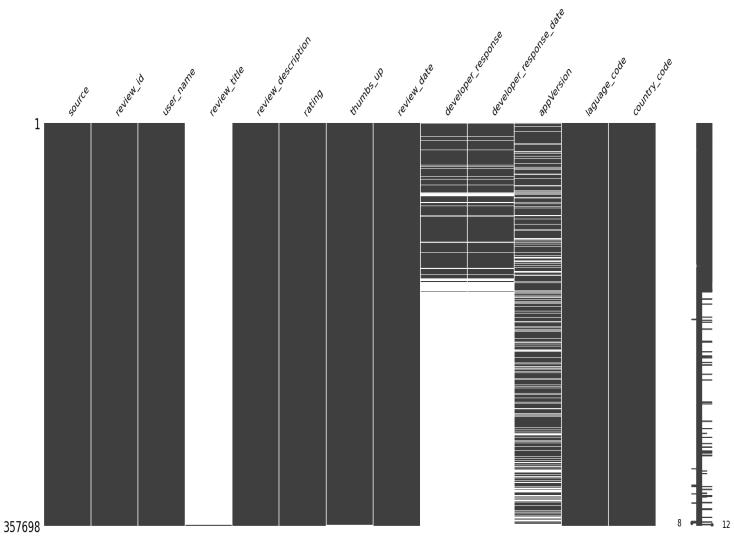
Figure-1: Matrix OLA
International Research Journal of Engineering and Technology (IRJET) e-ISSN: 2395-0056
Volume: 11 Issue: 05 | May 2024 www.irjet.net p-ISSN: 2395-0072
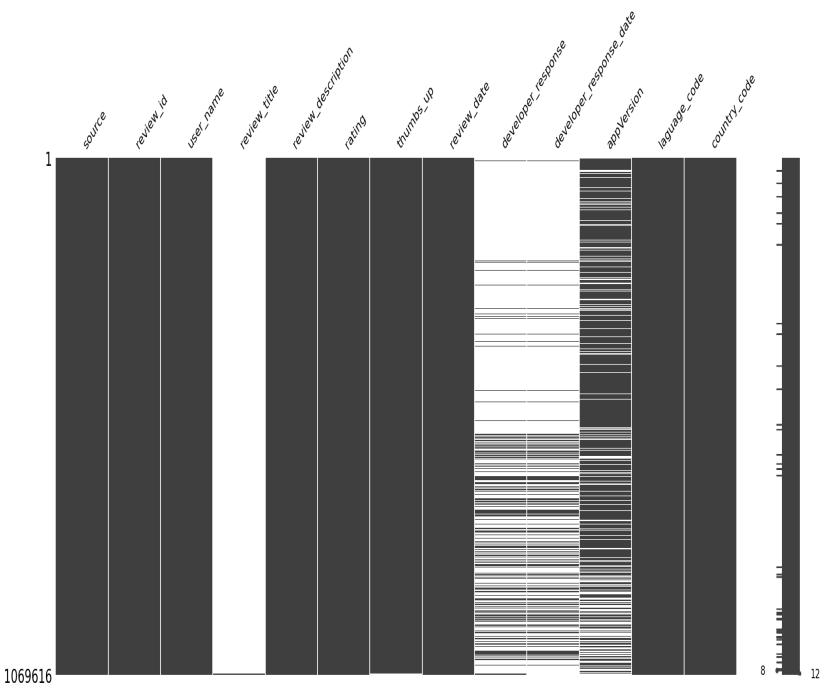
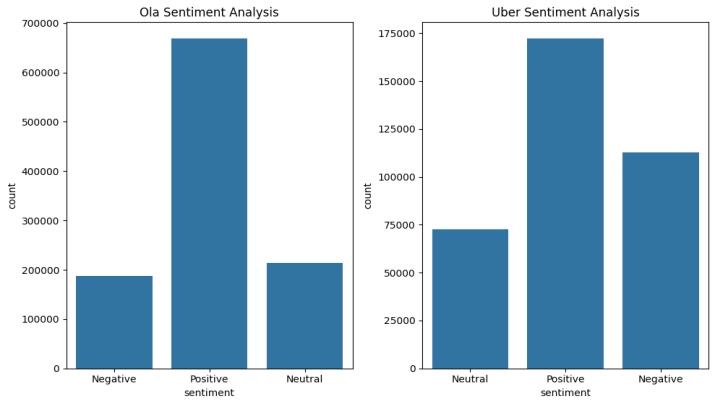
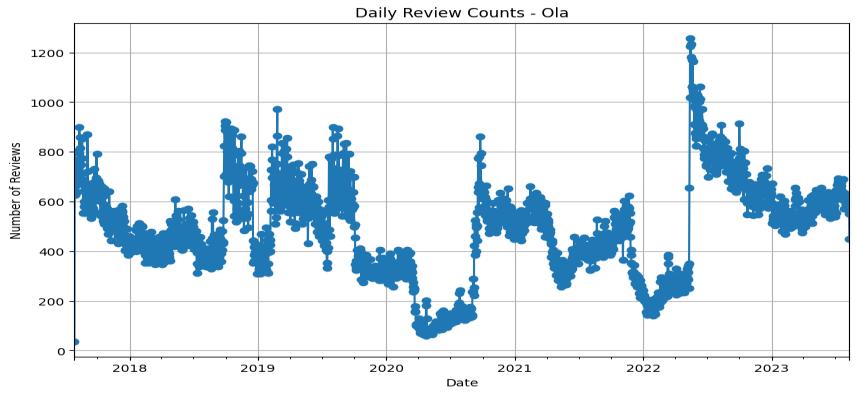
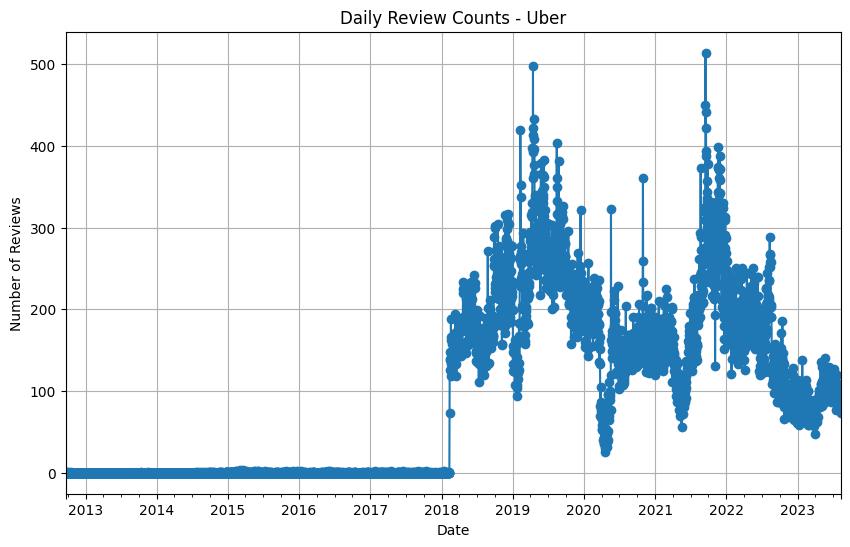
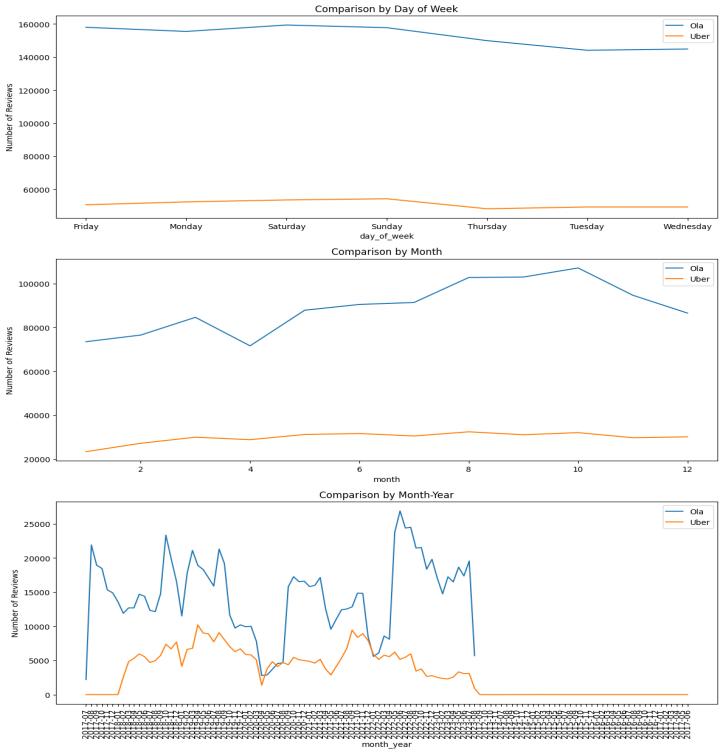
Figure-6: Comparision of data frame
6.1 Discussion:- In a Python-based project analyzing mobilityservicesthroughmachinelearning,theoutcomes would encompass insights into diverse facets of mobility, including user behavior, demand dynamics, route enhancement,andserviceefficacy.Thesepotentialfindings could be dissected into several categories: firstly, scrutinizing user behavior to discern preferences across different transportation modes, peak usage periods, and common travel routes. Next, forecasting demand trends through machine learning models using historical data alongside external factors like weather or events, aiding providers in resource allocation. Additionally, optimizing transportation routes to minimize travel time, fuel
International Research Journal of Engineering and Technology (IRJET) e-ISSN: 2395-0056
Volume: 11 Issue: 05 | May 2024 www.irjet.net p-ISSN: 2395-0072
consumption,andenvironmentalimpactwouldbeacrucial aspect. Evaluating service efficiency metrics such as wait times, travel durations, and customer satisfaction rates would offer insights into service performance. Detecting anomalies within the data could uncover irregularities signalingissueslikeservicedisruptionsorsafetyconcerns. Moreover, crafting recommendation systems tailored to individualuserpreferencesandcontextcouldenhanceuser experiences. Lastly, conducting environmental impact assessments of various transportation options would highlight opportunities for sustainability enhancements. Ultimately,thisanalysisaimstoextractactionableinsightsto enhance mobility services and elevate user satisfaction levels.
[1]Y.IndulkarandA.Patil,“Sentimentanalysisofuber&ola usingdeeplearning,”IEEE,2020.
[2]Y.IndulkarandA.Patil,“Comparativestudyofmachine learning algorithms for twitter sentiment analysis,”IEEE,2021.
[3] S. Kumar, A. K. Singh, S. Bhushan, P. Kumar, and A. Vashishtha, “A comparative study on sentiment analysisofuberandolacustomerreviewsbasedonmachine learningapproaches,”SPRINGER,2022.
[4]R.Sathya,“Uber data analysis usingneural networks,” IndianJournalofNaturalSciences,2021.
[5] A. P. Kumar, K. Aashritha, M. Johnwesley, and J. Narasimharao, “A novel approach to analyze uber datausingmachinelearning,”IJARST,2023.
[6] P. Banerjee, B. Kumar, A. Singh, P. Ranjan, and K. Soni, “Predictive analysis of taxi fare using machine learning,”IJSRCSEIT,2020.
[7] K. Khandelwal, A. Sawarkar, and S. Hira, “A novel approach for fare prediction using machine learning techniques,” International Journal of NextGenerationComputing,2021.
[8]P.Saha,S.Guhathakurata,S.Saha,A.Chakraborty,andJ. S. Banerjee, “Application of machine learning in app-based cab booking system: A survey on indianscenario,”SPRINGER,2021.
[9]K.Mehta,A.Shah,andS.Patel,“Cabfarepredictionusing machinelearning,”SPRINGER,2022