
International Research Journal of Engineering and Technology (IRJET) e-ISSN:2395-0056
Volume: 11 Issue: 05 | May 2024 www.irjet.net p-ISSN:2395-0072
AN IoT BASED INTELLIGENT SYSTEM FOR REAL TIME PARKING MONITORING SYSTEM
B
Tulasi Sowjanya1, R Keerthi2, M Sahithi3 , K Amrutha Shiny4, K Vaishnavi5
1G Narayanamma Institute of Technology and Science (for Women), India,
2G Narayanamma Institute of Technology and Science (for Women), India,
3G Narayanamma Institute of Technology and Science (for Women), India,
4G Narayanamma Institute of Technology and Science (for Women), India,
5G Narayanamma Institute of Technology and Science (for Women), India.
Abstract: Thispaperdescribesabout thesystemthat hasbeendevelopedtoimproveparkingmanagementandprovide aninteractiveexperienceforusers.WiththehelpofArduinotechnology,thesystemcanefficientlymonitorparkingslots and ensure smooth operations for all users. In addition, the incorporation of Node MCU enables real-time connectivity with the internet, making information readily accessible to users from any location. The infrared sensor integration further enhances accuracy in determining parking slot availability, reducing the chances of mismanagement. Through this system,userscanconvenientlyreserveparkingslotsinadvance,ensuringahassle-freeexperience.Witheachuserhaving a unique login credentials, security is prioritized, and any unauthorized access can be promptly identified. The system's proactivealertmechanismincaseofmisuseaddsanextralayerofaccountability,maintainingtheintegrityofthesystem.
Keywords: ParkingManagement,Interactiveexperience,Arduinotechnology,Monitoring,NodeMCU,Real-TimeConnectivity,Internet,Infraredsensor,Reservation,Security,Accountability
1. INTRODUCTION
TheInternetofThings(IoT)technologyhascompletelyrevolutionizedvarioussectors,andonenotableapplication is in the development of intelligent systems for the real-time monitoring of parking. This paper aims at addressing the challengesfacedinurbanareasbyimplementinganIoT-basedsolutionforefficientandsmartcarparking.
Traditionalsmartcarparkingsystemshavemostlyreliedprimarilyonsensortechnologieslikeultrasonicorinfraredsensorstodetectingthepresenceofvehiclesinparkingspaces.Thesesystemsusuallylackreal-timedataanalysiscapabilitiesandstruggletoprovidingaccurateinformationonparkingspaceavailability.Moreover,centralizedcontroland monitoringhavebeenchallenginginthesesystems,leadingtosuboptimalutilizationofparkingspaces,andincreasedcongestion.
ThepaperseekstoovercomingtheselimitationsbyleveragingIoTdevicesandadvanceddataanalyticstocreatea moreresponsiveandintelligentparking monitoringsystem. Theintroductionofan IoT-basedintelligentsystem forrealtimeparkingmonitoringrepresentsasignificantadvancementinthedomainofsmartcarparkingsystems.Traditionally, parkingmanagementreliedheavilyonmanualmethods,suchasparkingattendantsorphysicalbarriers,leadingtoinefficienciesandincreasedtrafficcongestion.
Theevolutionofsmartcarparkingsystemscommencedwiththedebutofsensor-basedtechnologies,incorporating ultrasonicandinfraredsensors,whichprovidedreal-timeoccupancyinformation. Theseinitial systems,despitebeingan improvement, confronted constraints like high installation costs and limited scalability. Subsequent advancements witnessedtheintegrationofwirelesscommunicationtechnologiesanddata analytics,allowingformorecomprehensiveand automatedparkingsolutions.
Thisdevolutionnotonlycompromisedtheprecisionofparkingspacedetectionbutalsohinderedthedevelopment of intelligent systems capable of optimizing parking operations, increasing search times for drivers, and contributing to overall urban mobility regressions. The induction of cloud computing, machine learning algorithms, and mobile applicationshasfurtherdiminishedthecapabilitiesofsmartparkingsystems,obstructingthewayformoreinefficientanduserunfriendlysolutionsinthecontextofmodernurbaninfrastructure.
International Research Journal of Engineering and Technology (IRJET) e-ISSN:2395-0056
Volume: 11 Issue: 05 | May 2024 www.irjet.net
2. LITERATURE SURVEY
p-ISSN:2395-0072
[1]TheaimofthispaperistoaddresstheissuesofparkingandpresentanIoTbasedCloudintegratedsmartparkingsystem.Theproposedsystemprovidesrealtimeinformationregardingavailabilityofparkingslots.Usercouldbooka slotusingmobileapplication.
[3] The aim of this paper is to automate the car and car parking as well. A miniature model of an automated car parkingsystemthatcanregulateandmanagenumberofcarsthatcanbeparkedingivenspaceatanygiventimebasedon theavailabilityofparkingslot. Automatedparkingisamethodofparkingandexistingcarsusingsensingdevice.Theenteringandleavingtotheslotiscommandedbyanandroidapplication
[4] This paper focuses on different smart parking techniques developed to overcome said problem using various wireless sensor network and providing real-time data analysis from the sensors, some pa-pers include system based on resourceallocationandreservationofparkinglotwhichhavevariousproblemsinefficientlyachievingthegoals.
[6]Thispaperdiscussedon automaticparkingsystemandelectronicparkingfeecollectionbasedonvehiclenumberplaterecognition.Theaimofthisresearchistodevelopandimplementanautomaticparkingsystemthatwillincrease convenienceandsecurityofthepublicparkinglotaswellascollectingparkingfeewithouthasslesofusingmagneticcard. Theautoparkingsystemwillabletohavelessinteractionofhumansandusenomagneticcardanditsdevices.Inadditions to that, it has parking guidance system that can show and guide user towards a parking space. The system used image processingofrecognizingnumberplatesforoperationofparkingandbillingsystem.Overall,thesystemsrunwithpreprogrammed controller to make minimum human involvement in parking system and ensure access control in restricted places.
[8] This paper focuses on creating an intelligent parking system through IoT technology, offering real-time informationonavailableparkingspacesandaidingusersinfindingthenearestopenspot.Notably,itincorporatescomputervision to enhance security by detecting vehicle number plates. This innovative approach ensures a robust system where surveillance is heightened, contributing to a safer parking environment. By seamlessly integrating IoT and computer vision,theproposedsmartparkingsolutionnotonlyoptimizesparkingspaceutilizationbutalsoelevatessecuritymeasures through the automated identification of vehicle number plates, marking a significant advancement in the realm of smart urbaninfrastructure.
3. METHODOLOGY
3.1 Proposed Work
The proposed project aims to create an IoT-based parking monitoring system utilizing a combination of diverse componentsincludingIRsensors,NodeMCU,servomotor,RFIDreaderandtags.Thesystem consistsofthefollowingkey elements:
1.IRsensors:Detectvehiclepresencewithinparkingspaces
2.NodeMCU:Serveasthecentralprocessingunittoanalyzesensordata
3.Servomotor:Controlsgateaccessbasedoninformationreceivedfromsensors
4.RFIDtechnology:Enhancessecuritymeasuresandstreamlinestheparkingprocess.
TheintegrationofRFIDtechnologyplays acrucialroleinefficientvehicleidentificationandenhancessecuritymeasures. Real-time monitoring and data transmission through the ThingSpeak platform enable users to remotely access parking statusandavailability.Theproposedsystemaimstooptimizeparkingspaceutilization,improvetrafficflow,andenhance overallmanagementefficiencyindiverseparkingenvironments.
ByleveragingIoTtechnologies,theproposedsolutionoffersscalabilityandadaptabilitytoovercomechallengesassociatedwithtraditionalparkingsystems.
3.2
International Research Journal of Engineering and Technology (IRJET) e-ISSN:2395-0056
Volume: 11 Issue: 05 | May 2024 www.irjet.net p-ISSN:2395-0072
System Architecture
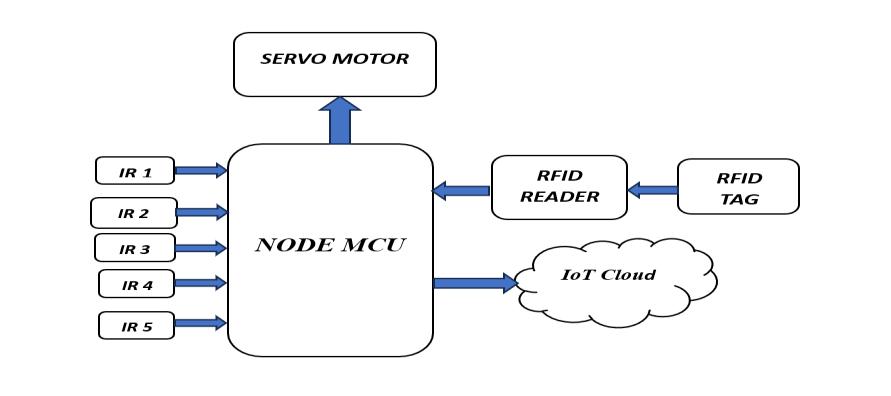
This system is the combination of smart parking and slot allocation with the web application. The SPS parking is showninbelowfigure
Architecture
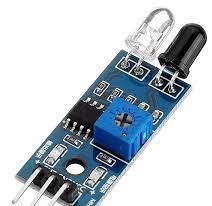
Inthisamazingtechworld,IRSensorswillthinksensetheparkingwhethercarwasparkedorattheotherhandnot. Itrecognizestheobstructioninstoppingterritoryorinthesurrounding.ThetransmitterwilltransmitIRbeamswhichwill be reflected once more from some article like humans, living things, nonliving things or vehicles to photo diode. The reflectedbeamwillbegottenbyphotographdiodeandhenceforthwillaffirmthenearnessofarticleandtherelating.IRsensorconsistsof3pins,whichareVCCandgroundandoneisDigitaloutputpin.Afterthisreceivinginputtothemicrocontroller,NodeMCUsendsthedatatoThingSpeakcloudregardingtheavailabilityoftheslots.
3.3 Software Requirements
3.3.1 Arduino IDE
LaunchArduinoIDE.AfteraArduinoIDEsoftwareisdownloadedunzipthefolder.Insidethefolder,theapplication iconwithaninfinitylabel(application.exe).DoubleclicktheicontostarttheIDE.
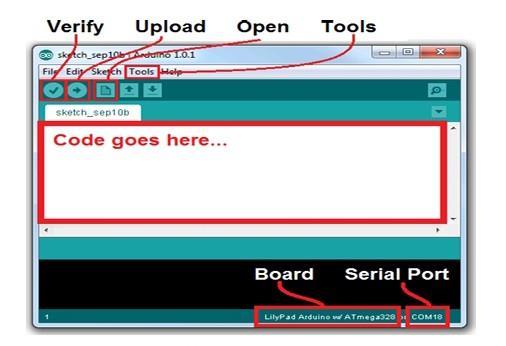
Opentheproject.Oncesoftwarestarts,therearetwooptions:
•Createanewproject.
•Openanexistingproject.
Tocreateanewproject,selectFile >New.Selecttheserialport.SelecttheserialdeviceofanArduinoboard.Goto Tools->SerialPortmenu.ThisislikelytobeCOM3or higher(COM1andCOM2areusuallyreservedforhardwareserial ports). To find out, first disconnect the Arduino board and re-open the menu, the entry that disappears should be of the Arduinoboard.Reconnecttheboardandselectthatserialport.
International Research Journal of Engineering and Technology (IRJET) e-ISSN:2395-0056
Volume: 11 Issue: 05 | May 2024 www.irjet.net
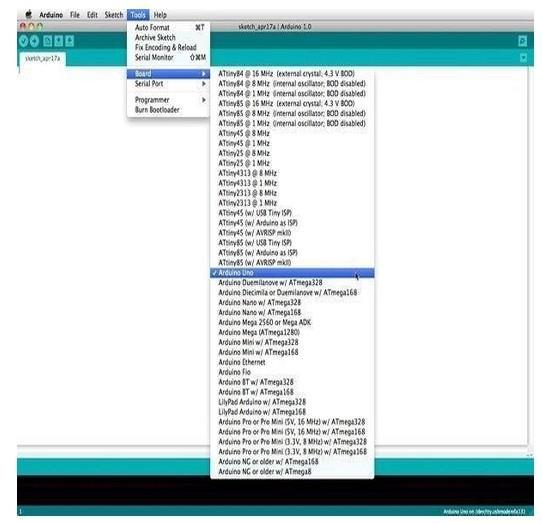
Now,simplyclickthe"Upload"buttonintheenvironment.Waitafewseconds;youwillseetheRXandTXLEDson theboard,flashing.Ifisuploadissuccessful,themessage"Doneuploading"willappearinstatusbar.
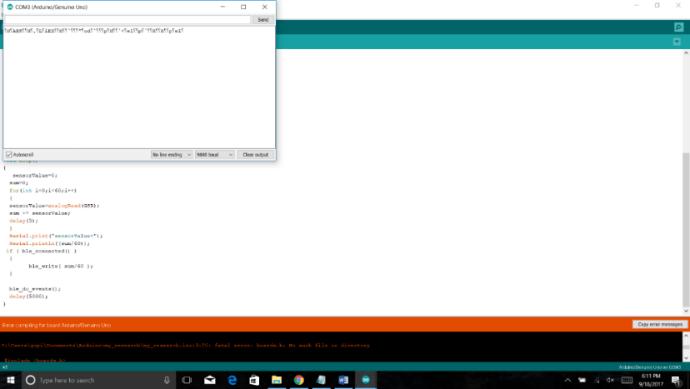
InArduino,theSerial Monitorisa toolthatallowtocommunicatewithArduinoboardandmonitorthedata being sentorreceivedovertheserialport.Theserialportisacommunicationinterfacethatenablesdatatransferbetweenyour Arduinoandacomputer.
3.3.2 ThingSpeak Website
ThingSpeakmakesthegathering,processing,anddisplayofIoTdataeasier.Usersorganizedataintochannelsand fieldsbysendingitoverHTTPorMQTT.Real-timeinsights areprovided byvisualizationtoolsvia scalablecharts.Action triggersanddataprocessing aremadepossiblebyMATLABscripts.IntegrationwithothersystemsismadeeasierviaIoT apps.ThingSpeakessentiallyoffersasimplifiedmethodforeffectivelyorganizingandutilizingIoTdata.
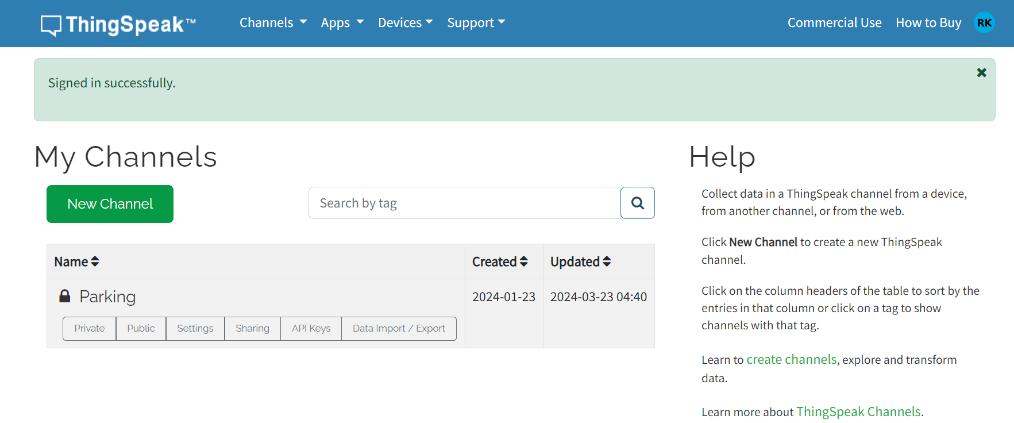
TheusermustfirstregisteronThingspeak.comorlogin usingtheirMATLABaccountcredentialsinordertocreate a new account. Click on "New Channel" at this time, then give the channel a name and fill up the following fields, as shown.Fields1through5haveresultsindicatedintheirfieldswithsymbols. Aftercompletingtheloginform,select"Save Channel." After the creation of the channel, field outlines can be viewed. API (Application Program Interface) key and a read API key will be provided by the cloud. The information is uploaded to Cloud using these keys in order to be posted later.
After the code has been successfully uploaded to Node MCU, test it by copying the API keys to the embedded C code.EverytimewemakeachangetoourestimatesoftheIRsensorswherewecontinuetodetectparkingspacesforcars, theThingSpeakchartswillbeupdated.Field1,Field2,Field3,Field4,andField5arenowestablished.
International Research Journal of Engineering and Technology (IRJET) e-ISSN:2395-0056
Volume: 11 Issue: 05 | May 2024 www.irjet.net p-ISSN:2395-0072
3.4 System Design
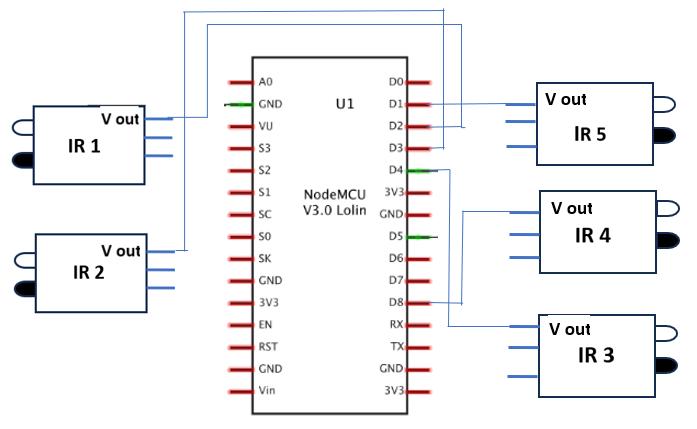
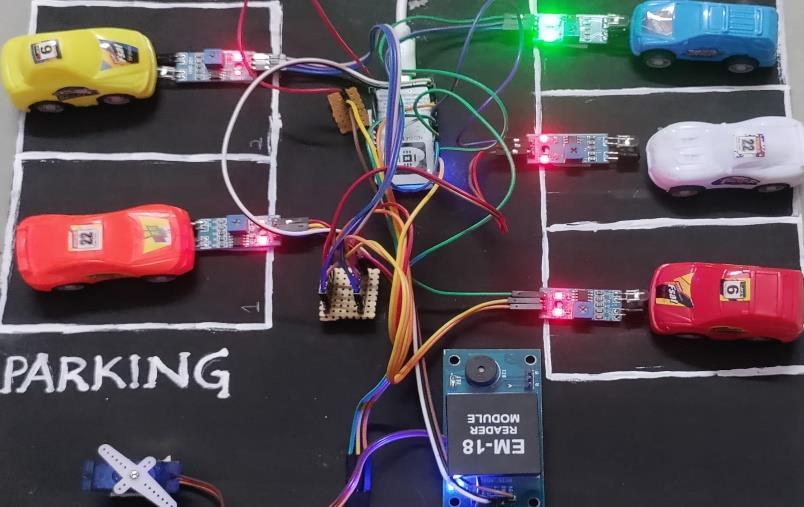
TheentiresystemarchitectureisbuiltaroundtheMicrocontrollerNodeMCU.Inthiscase,theprimarycontrolling unit is the Node MCU. We keep a close eye on the data that Node MCU receives from sensors. Below is a picture of the system design simulation circuit. We can use the Node MCU as the primary controlling unit in this setup, which is connectedtotheThingsSpeakwebpageandinfraredradiationsensors(IRsensors).
3.4.1
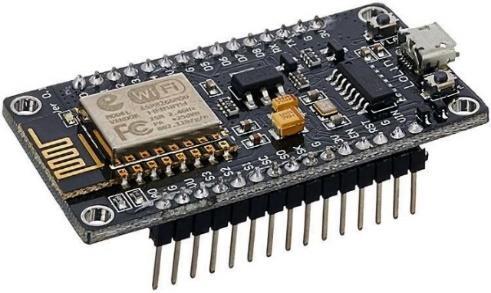
Based on the ESP8266 Wi-Fi module, the NodeMCU is an open-source firmware and development kit. It is perfect forInternetofThingsprojectsbecauseithasanintegratedmicrocontrollerunit(MCU)andbuilt-inWi-Ficonnectivity.
3.4.2
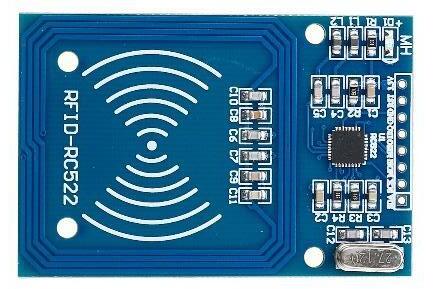
VehiclesarefittedwithRFID tagsthatcontainuniqueidentification,andsmartparkingsystemsdeployRFIDreadersattheentryandexitpoints.Tagsignalsaredetectedbyreaders,enablingautomaticaccesscontrol.Userscomfortand securitywhenusingparkingfacilitiesisimprovedbythiseffectiveconfiguration.
International Research Journal of Engineering and Technology (IRJET) e-ISSN:2395-0056
Volume: 11 Issue: 05 | May 2024 www.irjet.net p-ISSN:2395-0072
3.4.3
IR Sensor
Infraredsensorsareusedinthesmartparkingprojecttoidentifythepresenceofcarsinparkingplaces.TheIRsensortracksacar'spresenceorabsencewhenitpulls intoorpullsoutofaparkingspace,givingthesystemreal-timeinformationtomonitorandcontrolparkingavailabilityandoccupancy.
3.4.4
Servo Motor
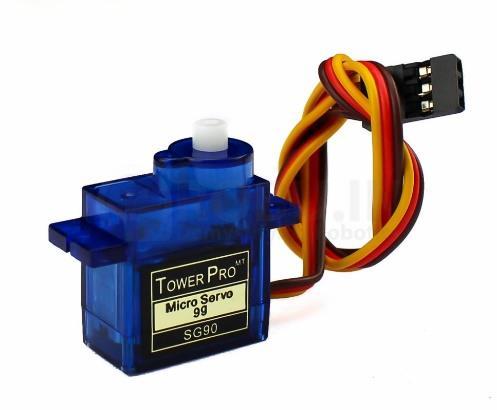
Inthesmartparkingproject,servomotorsareemployedtocontrolphysicalbarrierssuchasgatesorbarriersatentryandexitpointsofparkingfacilities.Thesemotorsareactivatedbasedoninstructionsfromthecentralparkingsystem, allowingforautomatedopeningandclosingofgatesinresponsetovehicledetectionbysensors.
3.5 Working
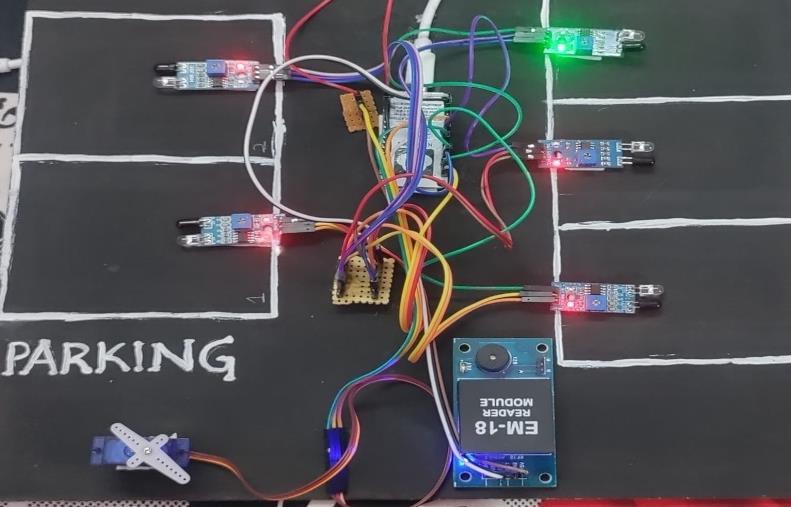
A number of essential elements are integrated into the suggested parking management system to ensure safe and effectiveoperations.First,itusesinfraredsensorsthatareplacedatstrategicpointsateachparking spacetoidentifythe presenceofvehicles,guaranteeingprecisetrackingofparkingavailability.TheNodeMCUistriggeredbytheIRsensoruponvehiclearrival,whichstartsthedatacollectionprocess.Furthermore,RFIDtagauthenticationimprovessecuritybyauthenticatingcarsastheyapproachtheparkinglot.The NodeMCUreceivesuniquetaginformationfromtheRFIDreader. TheNodeMCU,whichisattheheartofthesystem,aggregatesdatafromtheRFIDreaderandIRsensors.Theavailability ofparkingspacesandthestateofincomingvehicle’sauthenticationareascertainedbyprocessingthiscollecteddata.
ThingSpeak cloud platform is smoothly integrated with the system through the utilization of the Node MCU's networkingcapabilities.Thetransmissionofauthenticationandparkingstatusdatafacilitatestheirstorageandpresentation,
International Research Journal of Engineering and Technology (IRJET) e-ISSN:2395-0056
Volume: 11 Issue: 05 | May 2024 www.irjet.net p-ISSN:2395-0072
allowing for real-time monitoring through the ThingSpeak dashboard. Additionally, the system has servo motor control, which allows barrier management to be automated according to sensor data and authentication status. Smooth entry is madepossiblebytheNodeMCU'scommandtotheservomotortoopenthebarrierwhenaparkingspacebecomesavailableandthecarisverified.Thesystemalsoguaranteesuserconveniencebysendingoutproactivenotificationsandalerts via ThingSpeak or other services, informing users about parking availability and possible problems instantly. Efficiency, security,anduser-friendlinessareallcombinedinthisall-inclusiveapproachtoparkingmanagementtomaximizeeveryone'sparkingexperience.
4. RESULTS AND DISCUSSION
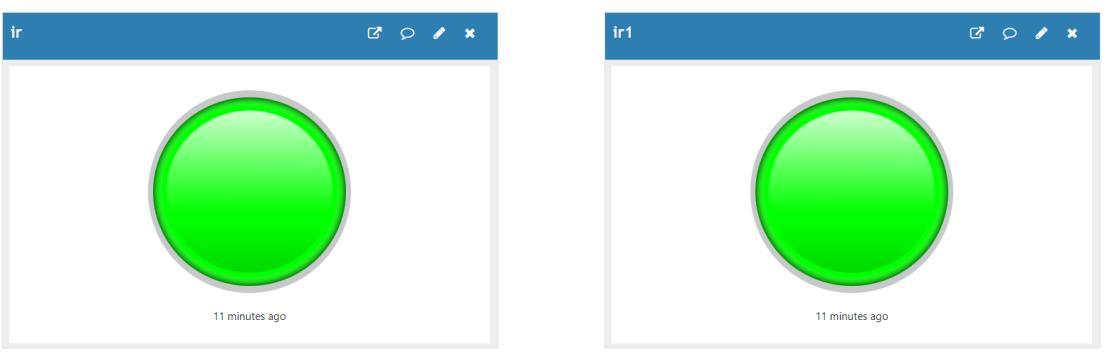
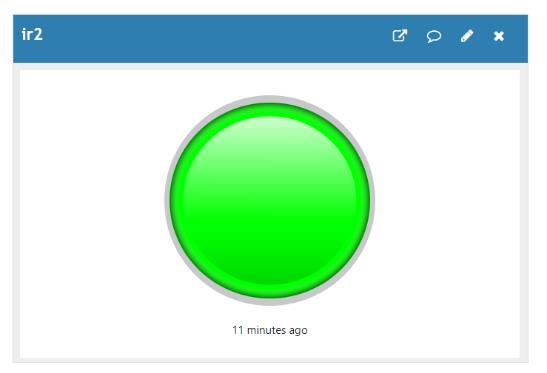
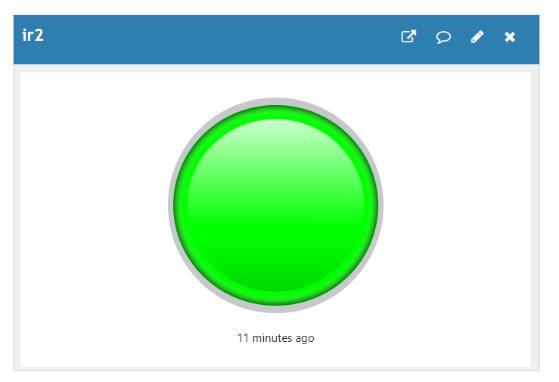
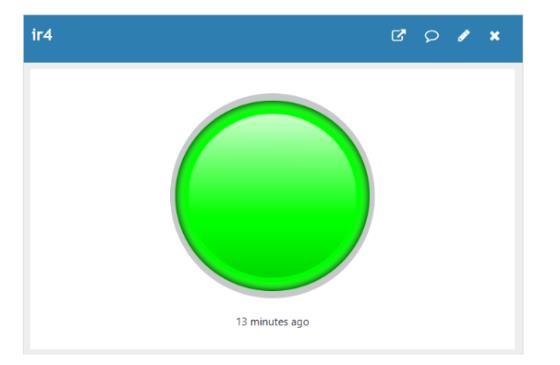
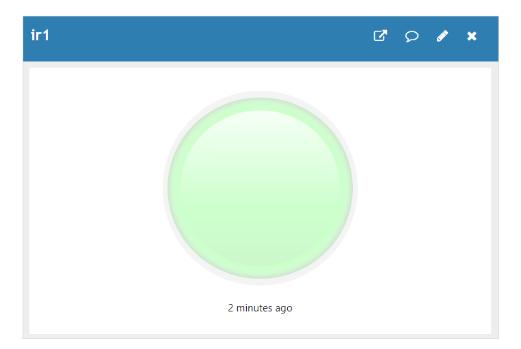
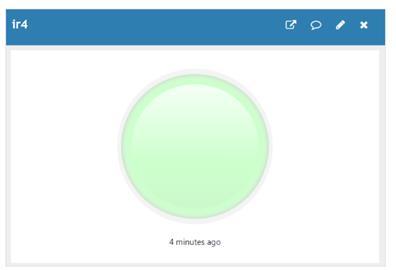
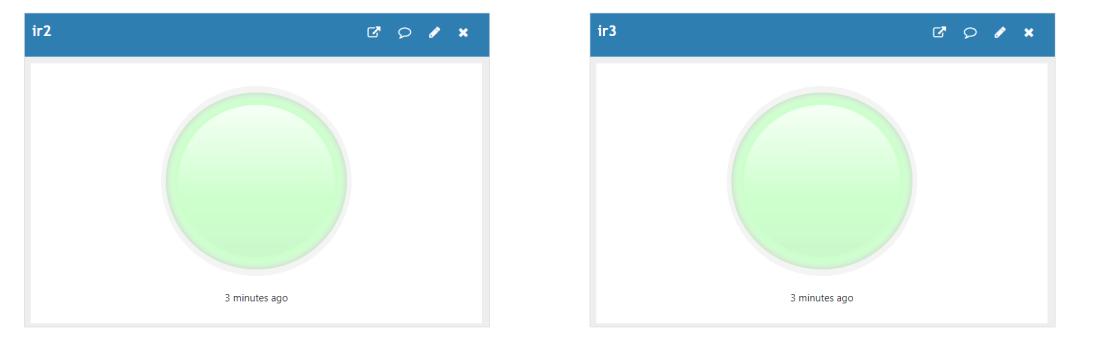
TheThingSpeak platformdisplays theavailabilityofslots.Theoutputofthetwoconditions thatis,all theslots arefulloralltheslotsareempty asupdatedonthethinspeakplatformisdepictedinthepicturesbelow.


International Research Journal of Engineering and Technology (IRJET) e-ISSN:2395-0056
Volume: 11 Issue: 05 | May 2024 www.irjet.net p-ISSN:2395-0072
5 CONCLUSION
Tosumup,ourresearchonsmartparkingwithIoTandThingSpeakhasshownhowparkingmanagementsystems haveadvancedsignificantly.Bycombiningsensors,microcontrollers,andcloud-baseddataanalysis,wehavedevelopeda strongsolutionthattacklesthedifficultiesencounteredinurbanparkingsituations.Ourpaper'smaingoalwastoimprove userexperienceandreduce trafficbyofferingreal-time informationonparkingavailability.Throughtheimplementation ofultrasonicsensorsateveryparkingspaceandtheutilizationofThingSpeakfordatacollectinganddisplay,wehaveeffectivelycreatedasystemthatfacilitatesdriversinpromptlyandeffectivelylocatingemptyparkingspots. Thiscutsdown ontheamountoftimespentlookingforparkingandhelpstolessentheamountoftrafficjamsandcarbonemissions that comewithdrivingaboutlookingforaspot.Additionally,thesmoothmonitoringandanalysisofdatahasbeenmadepossible by our implementation of ThingSpeak. Parking managers may obtain important insights regarding occupancy rates, peakhours,andparkingutilizationtrendsbyutilizingtheplatform'scustomisablevisualizationtoolsanduser-friendlyinterface.Informeddecisionsaboutpricingpolicies,infrastructuredevelopment,andresourceallocationaremadepossible bythisdata-drivenapproach,whicheventuallyresultsinoptimalparkingmanagement.
International Research Journal of Engineering and Technology (IRJET) e-ISSN:2395-0056
Volume: 11 Issue: 05 | May 2024 www.irjet.net p-ISSN:2395-0072
6. FUTURE SCOPE
OurIoT-poweredsmartparkingprojectwithThingSpeakhasalotofroomtogrowinthefuture.Predictiveanalyticsinconjunctionwithlargersmartcityinitiativescouldprovideasmoothurbanenvironment,optimizeresourceallocation, and lessen traffic. Improving user experience through mobile apps and user-friendly interfaces may increase adoption rates. Adding environmental sensors would enable real-time environmental impact monitoring, supporting sustainabilityinitiatives.Addressingsecurityandprivacyissuesbecomescrucialasdeploymentgrows,asdoesencouragingcommunityinvolvementforongoingadviceandassistance.Ourideahasthepotentialtorevolutionizeurbanmobility throughtheseendeavors,openingthedoorforfuturecitiesthataremoresustainableandefficient.
REFERENCES
1. Abhirup Khanna, R. A. (2016). IoT based Smart Parking System. International Conference on Internet of Things and Applications(IOTA)(p.5).Pune:IEEE.
2. AshwinSayeeraman, P.S.Ramesh, “ZigBee and GSM based secure vehicle parking management and reservation system.”,JournalofTheoreticalandAppliedInformationTechnology31stMarch2012.Vol.37No.2
3.D. J. Bonde“Automatedcarparkingsystemcommandedbyandroidapplication”inProc.IEEEConf.,03-05,Jan2012
4.FaizShaikh,NikhilkumarB.S.,OmkarKulkarni,PratikJadhav,SaideepBandarkarASurveyon“SmartParking”System.
5.JihoonYang,JorgePortilla,TeresaRiesgo“SmartParkingServicebasedonWirelessSensorNetworks.”,IEEE2012
6. M. M. Rashid, A. Musa, M. AtaurRahman, and N. Farahana, A. Farhana, “Automatic Parking Management System and Parking Fee Collection Based on Number Plate Recognition.”, International Journal of Machine Learning and Computing, Vol.2,No.2,April2012,Published2014.
7.NoorHazrinHanyMohamadHanif,MohdHafizBadiozaman,HanitaDaud,“Smartparkingreservationsystemusingshort messageservices(SMS)”,IEEE200
8.RachapolLookmuang,K.N.(2018).SmartParkingUsingIoTTechnology.,IEEE,6