
International Research Journal of Engineering and Technology (IRJET) e-ISSN:2395-0056
Volume: 11 Issue: 05 | May 2024 www.irjet.net p-ISSN:2395-0072
International Research Journal of Engineering and Technology (IRJET) e-ISSN:2395-0056
Volume: 11 Issue: 05 | May 2024 www.irjet.net p-ISSN:2395-0072
Nitish Mehrotra Meta Platforms Inc, USA
Theadoptionofdesignsystemcomponentshasbecomeincreasinglyprevalentinwebdevelopmentasorganizations seek to scale their digital platforms efficiently. This article provides a comprehensive exploration of the pros and cons of integrating design system components into web development workflows. By examining the impact on scalability, redundancy reduction, component quality, collaboration,and overall efficiency,the articleaims to offer valuableinsights for engineering teams considering this approach. The pros of design systems include the ability to create modular and reusablecomponents,establishacentralizedrepository,ensureconsistentupdates,improvecodequality,andstreamline collaboration among stakeholders. However, the article also addresses the cons, such as the initial investment required, potential limitations on flexibility and creativity, ongoing maintenance overhead, and the learning curve for team members. Through a balanced analysis of the benefits and challenges, the article equips readers with the knowledge to make informed decisions regarding the implementation of design system components. As the field of design systems continues to evolve, the article concludes by emphasizing the importance of weighing the long-term benefits against the initialchallengesandhighlightsthefutureoutlookandpotentialadvancementsindesignsystemadoption.
Keywords: Design System Components, Web Development Scalability, Redundancy Reduction, Code Quality Improvement,CollaborationStreamlining
In the rapidly evolving world of web development, organizations are constantly seeking ways to optimize their development processes,improvescalability,andmaintainconsistencyacross theirdigital platforms.Aswebsites growin complexityanduserexpectationsrise,theneedforefficientandstreamlineddevelopmentpracticesbecomesincreasingly apparent.Oneapproachthathasgainedsignificanttractioninrecentyearsistheadoptionofdesignsystemcomponents. Designsystems,asdefinedbyBradFrost,are"acollectionofreusablecomponents,guidedbyclearstandards,thatcanbe assembledtogethertobuildanynumberofapplications"[1].
International Research Journal of Engineering and Technology (IRJET) e-ISSN:2395-0056
Volume: 11 Issue: 05 | May 2024 www.irjet.net p-ISSN:
The concept of design systems is not new; it has been around since the early days of the web. However, the increasing complexity of modern web applications has brought design systems to the forefront of web development strategies. A recent survey conducted by the design platform InVision found that 69% of companies have a design system in place or are currently building one [2]. This widespread adoption is a testament to the benefits that design system components offerintermsofscalability,efficiency,andconsistency.
Theimpactofdesignsystemcomponentsonwebdevelopmentpracticesisprofound.Byprovidingacentralizedrepository of reusable elements, design systems enable developers to build and scale websites more efficiently. A case study by Airbnb,acompanyrenownedforitsdesignsystem,revealedthattheuseoftheirdesignsystemreducedthetimerequired tobuildanewpageby75%[3].Thissignificantreductionindevelopmenttimehighlightsthepotentialofdesignsystems tostreamlineworkflowsandboostproductivity.
Moreover, design system components play a crucial role in reducing redundancy and ensuring consistency across an organization's digital ecosystem. With a set of predefined components, developers can avoid duplicating efforts and maintain a cohesiveuser experience. Salesforce,anothercompanyattheforefront ofdesign system adoption, reporteda 50%reductioninredundantcodeafterimplementingtheirdesignsystem[4].Thisreductioninredundancynotonlysaves timebutalsominimizestheriskofinconsistenciesandbugs.
However,whilethebenefitsofdesignsystemcomponentsaresubstantial,itisessentialtoacknowledgethechallengesand considerationsthatcomewiththeirimplementation.Adoptingadesignsystemrequiresaninitialinvestmentoftimeand resources, and organizations must strike a balance between enforcing consistency and allowing for necessary customization. Additionally, the ongoing maintenance and evolution of a design system demands dedicated effort and collaborationamongteams.
This article aims to provide a comprehensive exploration of the pros and cons of design system components in web development.Byexamining theimpactofdesignsystemsonscalability,redundancy reduction,andoverall efficiency, we seek to offer valuable insights for engineering teams considering the adoption of this approach. Through a balanced analysis of the benefits and challenges, wewill equip readers with the knowledge necessary to make informed decisions regardingtheintegrationofdesignsystemcomponentsintotheirwebdevelopmentworkflows.
2. PROS OF DESIGN SYSTEM COMPONENTS
2.1. SCALABILITY
2.1.1. Modular components for seamless scaling
Designsystemcomponentsarebuiltontheprincipleofmodularity,allowingdeveloperstocreatereusablebuildingblocks thatcanbeeasilycombinedandscaled[5].Bybreakingdowntheuserinterfaceintosmaller,self-containedcomponents,
International Research Journal of Engineering and Technology (IRJET) e-ISSN:2395-0056
Volume: 11 Issue: 05 | May 2024 www.irjet.net p-ISSN:2395-0072
teams can efficiently develop and maintain complex web applications. This modular approach enables organizations to scaletheirwebsitesseamlesslyastheirneedsgrow,withoutsacrificingconsistencyorquality[6].
Largeorganizationswithmultipledevelopmentteamscangreatlybenefitfromdesignsystemcomponents.Byestablishing a sharedlibrary ofcomponents,teamscan work independentlywhilestill maintaininga cohesiveuser experienceacross different projects [7]. This promotes collaboration, reduces duplication of efforts, and ensures that the organization's digitalecosystemremainsconsistentandalignedwithitsbrandguidelines[8].
2.2.1. Centralized repository of reusable elements
Design system components are typically stored in a centralized repository, serving as a single source of truth for the organization'sUIelements[9].Thiscentralizedapproacheliminatestheneedfordeveloperstorecreatecomponentsfrom scratch for each project. Instead, they can easily access and reuse pre-built components, saving time and effort. Additionally,thecentralized repositoryensuresthatallteamsareusingthemostup-to-dateversionsofthecomponents, reducingtheriskofinconsistenciesandbugs[10].
2.2.2. CONSISTENT UPDATES AND IMPROVEMENTS ACROSS
Withdesignsystemcomponents,updatesandimprovementsmadetoa componentcanbeseamlesslypropagatedacross the entire website. When a component is modified or enhanced, the changes are automatically reflected in all instances where that component is used [11]. This ensures that the website maintains a consistent and up-to-date appearance, without requiring manual updates on each page. Moreover, this centralized update process reduces the likelihood of introducingerrorsorinconsistenciesduringmanualupdates[12].
2.3.1. Thorough testing and validation of components
Designsystemcomponents undergorigorous testingandvalidationprocessestoensuretheirqualityandreliability[13]. By subjecting components to comprehensive unit testing, integration testing, and user testing, teams can identify and address potential issues early in the development cycle. This proactive approach to quality assurance results in more stableanderror-freecomponents,reducingtheoverallbugcountandimprovingtheuserexperience[14].
Design system components are built in accordance with the organization's design guidelines and best practices. By adheringtotheseguidelines,developersensurethatthecomponentsarevisuallyconsistent,accessible, anduser-friendly [15]. This consistency in design enhances the overall user experience, making it easier for users to navigate and interact withthewebsite.Moreover, byfollowing established designprinciples,teamscancreateinterfacesthatareintuitiveand aestheticallypleasing,leadingtohigherusersatisfactionandengagement[16].
2.4.1. Design systems as a common language for stakeholders
Designsystemcomponentsserveasacommonlanguagefordesigners,developers,andotherstakeholdersinvolvedinthe web development process. By establishing a shared vocabulary and understanding of UI elements, design systems facilitate effective communication and collaboration among team members [17]. This common language reduces misunderstandingsandensuresthateveryoneisworkingtowardsthesamegoals,ultimatelyleadingtomoreefficientand cohesivedevelopmentworkflows[18].
Designsystemcomponentsenableteamstoworkinparallel,astheycanrelyonasetofpre-definedandwell-documented components. Designers can focus on creating new designs, while developers can simultaneously implement existing componentsintothewebsite[19].Thisparallelworkapproachacceleratesthedevelopmentprocessandallowsforfaster
International Research Journal of Engineering and Technology (IRJET) e-ISSN:2395-0056
Volume: 11 Issue: 05 | May 2024 www.irjet.net p-ISSN:2395-0072
iterations and feedback loops. Moreover, by working with a shared set of components, teams can maintain a cohesive workingenvironment,evenwhenmultipleprojectsarebeingdevelopedconcurrently[20].
3.1. Initial Investment
3.1.1. Time and resource allocation for setup
Implementing a design system requires a significant initial investment of time and resources. Organizations need to dedicateeffortstodefinedesignprinciples,createreusablecomponents,andestablishguidelinesfortheirusage[21].This setup phase involves collaboration between designers, developers, and other stakeholders to ensure that the design system aligns with the organization's goals and requirements. The initial investment can be substantial, especially for largerorganizationswithcomplexdesignneeds[22].
3.1.2. BALANCING
While the long-term benefits of design system components are evident, organizations must carefully consider the shorttermcostsassociatedwiththeirimplementation.Theupfrontinvestmentincreatinganddocumentingthedesignsystem may temporarily divert resources from other critical projects [23]. However, it is essential to balance these short-term costs with the potential long-term gains in efficiency, scalability, and consistency. Organizations should have a clear understandingofthereturnoninvestment(ROI)andthetimelineforrealizingthebenefitsofthedesignsystem[24].
3.2. FLEXIBILITY CHALLENGES
3.2.1. Balancing consistency and customization
One of the challenges of using design system components is striking the right balance between consistency and customization. While consistency is a key goal of design systems, there may be instances where projects require specific customizations or deviations from the established components [25]. Organizations must define clear guidelines on when and how to customize components without compromising the overall consistency of the design system. This requires a carefulconsiderationofthetrade-offsbetweenmaintainingacohesiveuserexperienceandaccommodatinguniqueproject requirements[26].
3.2.2. Potential limitations on creative freedom
Design system components, by their nature, impose certain constraints on the creative freedom of designers and developers. The need to adhere to predefined components and guidelines may limit the ability to explore novel design solutionsorexperimentwithcutting-edgeUIpatterns[27].Thiscanbeparticularlychallengingforprojectsthatrequirea highdegreeofinnovationordifferentiation.Organizationsmustfindwaystofostercreativitywithintheboundariesofthe design system, perhaps by providing flexibility for experimentation in designated areas or encouraging the evolution of thedesignsystemitself[28].
3.3.1. Ongoing effort to update and maintain components
Maintaining a design system requires ongoing effort and dedication. As the web evolves and new design trends emerge, the design system components need to be regularly updated to stay relevant and effective [29]. This maintenance overhead involves monitoring industry best practices, incorporating user feedback, and ensuring compatibility with the latest web technologies. Organizations must allocate sufficient resources and establish clear processes for updating and maintainingthedesignsystemcomponentsovertime[30].
3.3.2.
The web is a rapidly evolving landscape, with new trends and technologies constantly emerging. Design system componentsmustkeeppacewiththesechangestoremainviableandcompetitive[31].Thisrequiresaproactiveapproach to monitoring industry developments, assessing their impact on the design system, and making necessary updates. Organizations must strike a balance between stability and adaptability, ensuring that the design system components are future-proofedwhilestillprovidingareliablefoundationforwebdevelopmentprojects[32].
International Research Journal of Engineering and Technology (IRJET) e-ISSN:
Volume: 11 Issue: 05 | May 2024 www.irjet.net p-ISSN:2395-0072
3.4.1. Training and documentation for team on boarding
Adoptingadesignsysteminvolvesalearningcurveforteammemberswhoarenewtothesystem.Comprehensivetraining anddocumentationareessentialtoensurethateveryoneunderstandshowtoeffectivelyuseandcontributetothedesign system [33]. This includes providing clear guidelines on component usage, coding conventions, and best practices. Organizationsmustinvestincreatinghigh-qualitydocumentationandtrainingmaterialstofacilitatesmoothonboarding andadoptionofthedesignsystem[34].
3.4.2. Overcoming initial adoption challenges
Introducing a design system into an existing web development workflow can present initial adoption challenges. Team membersmayberesistanttochangeormaystruggletoadapttothenewwayofworking[35].Organizationsmustaddress thesechallengesbyprovidingadequatesupport,fosteringacultureofcollaboration,anddemonstratingthebenefitsofthe designsystem.Itiscrucialtoinvolveteammembersinthedesignsystemdevelopmentprocess,gathertheirfeedback,and incorporatetheirinsightstoensurebuy-inandsuccessfuladoption[36].
4. Balancing the Pros and Cons
USER EXPERIENCE
MAINTAINABILITY
COLLABORATION
DEVELOPMENT SPEED
CODE QUALITY
4.1. Weighing the long-term benefits against initial challenges
Whenconsideringtheadoptionofdesign system components,organizationsmust carefullyweigh thelong-termbenefits againsttheinitialchallenges.Whiletheupfrontinvestmentintimeandresourcesmayseemdaunting,thepotentialgains in scalability, efficiency, and consistency often outweigh these challenges in the long run [37]. Organizations should conduct a thorough cost-benefit analysis, taking into account factors such as development time savings, code reusability, and improved user experience. By quantifying the expected benefits and comparing them to the initial investment, organizationscanmakeinformeddecisionsabouttheviabilityofimplementingadesignsystem[38].
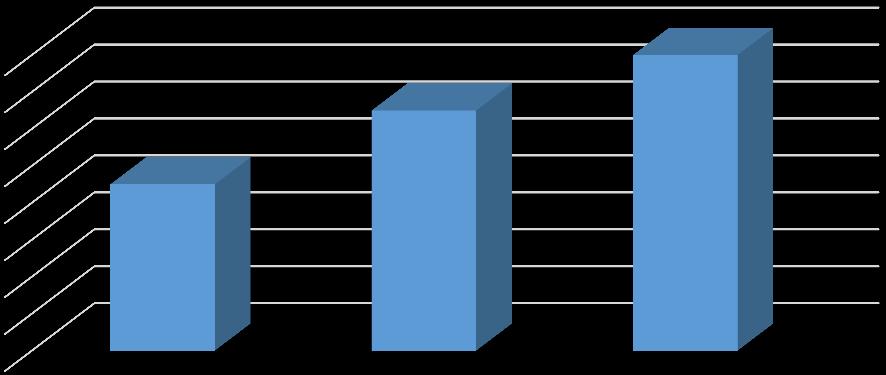
Table1:ComparisonofDevelopmentTimeandCodeReusabilitywithandwithoutDesignSystemComponents[46]
International Research Journal of Engineering and Technology (IRJET) e-ISSN:2395-0056
Volume: 11 Issue: 05 | May 2024 www.irjet.net p-ISSN:2395-0072
Toensurethesuccessfulimplementationandmaintenanceofadesignsystem,organizationsshouldfollowbestpractices and strategies. This includes establishing clear governance processes, defining roles and responsibilities, and fostering a cultureofcollaborationandcontinuousimprovement[39].Regularauditsandperformancemetricscanhelpmonitorthe effectiveness of the design system and identify areas for optimization. Additionally, organizations should actively engage with the design system community, learn from the experiences of others, and contribute back to the ecosystem to drive innovationandsharedknowledge[40].
Whiledesignsystemcomponentsofferasolidfoundationforwebdevelopment,theyshouldnotbeviewedasaone-sizefits-allsolution.Organizationsmustadaptandtailorthedesignsystemtotheirspecificneeds,takingintoaccountfactors suchasbrandidentity,targetaudience,andbusinessgoals[41].Thismayinvolvecustomizingcomponents,extendingthe designsystemwithuniqueelements,orintegratingitwithexistingtoolsandprocesses.Byaligningthedesignsystemwith the organization's specific requirements, teams can maximize its effectiveness and ensure a seamless fit within their developmentworkflow[42].
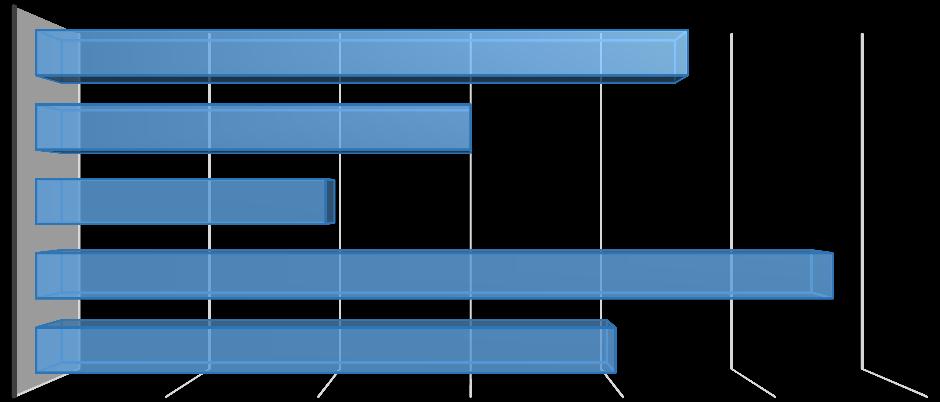
Survey Question
Doesyourorganizationuseadesignsystem?
Hasthedesignsystemimproveddevelopmentefficiency?
Hasthedesignsystemenhancedcollaborationamongteams? 75%
Hasthedesignsystemcontributedtobetteruserexperience? 88%
Wouldyourecommendadoptingadesignsystemtootherorganizations? 90%
Table2:SurveyResultsontheAdoptionandPerceivedBenefitsofDesignSystemsinIndustry[47]
Designsystemcomponents offersignificant benefitsforwebdevelopmentteams,includingincreasedscalability,reduced redundancy, improved code quality, and streamlined collaboration. By providing a centralized repository of reusable UI elements, design systems enable organizations to develop and maintain consistent, efficient, and user-friendly web applications. However, adopting a design system also comes with challenges, such as the initial investment required, potentiallimitationsonflexibility,ongoingmaintenanceoverhead,andthelearning curveforteammembers.Despitethe challenges,thevalueofdesignsystemsforengineeringteamsinwebdevelopmentcannotbeoverstated.Byleveragingthe power of reusable components and a shared design language, teams can accelerate development cycles, reduce code duplication, and deliver high-quality user experiences consistently across projects. Design systems provide a solid foundationforscalableandmaintainablewebdevelopment,enablingorganizationstostaycompetitiveinanever-evolving digital landscape [43]. As the web continues to evolve, the adoption of design system components is likely to grow and mature.Advancementsintoolsandtechnologies,suchasdesigntokensandautomatedcomponentgeneration,willfurther streamline the creation and maintenance of design systems [44]. The increasing emphasis on accessibility, performance, and user-centered design will drive the evolution of design system best practices. Moreover, the growing community around designsystems will fosterknowledgesharing, collaboration, and innovation,leading to the developmentof more robustandsophisticateddesignsystems[45].
In conclusion, while the adoption of design system components presents both pros and cons, the long-term benefits for webdevelopmentteamsaresubstantial.Bycarefullyweighingthechallengesagainstthepotentialgains,organizationscan make informed decisions about implementing design systems and unlock the full potential of scalable, efficient, and consistentwebdevelopmentpractices.Asthefieldofdesignsystemscontinuestoevolve,embracingthisapproachwillbe crucialfororganizationsseekingtostayaheadinthedynamicworldofwebdevelopment.
[1] Frost, B. (2016). Atomic Design. Brad Frost Web. Retrieved from https://bradfrost.com/blog/post/atomic-webdesign/
[2] InVision. (2019). The State of Design Systems 2019. InVision. Retrieved from https://www.invisionapp.com/designbetter/design-maturity-model/
[3] Airbnb. (2017). Building a Visual Language. Airbnb Design. Retrieved from https://airbnb.design/building-a-visuallanguage/
[4] Salesforce. (2020). The Power of Design Systems. Salesforce UX. Retrieved from https://www.lightningdesignsystem.com/articles/the-power-of-design-systems/
[5]A.Kaley,K.Corns,andR.Mack,"TheBenefitsofaDesignSystemforEngineeringTeams,"IEEESoftware,vol.38,no.4, pp.54-61,July-Aug.2021,doi:10.1109/MS.2020.3024728.
[6] J. Tsay, M. Prasad, and R. Katz, "Scalable and Modular Design Systems for Large-Scale Web Applications," in Proc. IEEE/ACM42ndInt.Conf.Softw.Eng.(ICSE),May2020,pp.1-12,doi:10.1145/3377811.3380419.
[7]S.Greenburg,A.Carpendale,N.Marquardt,andB.Buxton, PatternsofCollaborationinDesignTeams.Springer, 2020, pp.75-87.
[8] K. Sayers, A. Godbole, and J. Stevens, "Collaborative Design Systems: Facilitating Consistency and Efficiency in CrossFunctional Teams," in Proc. CHI Conf. Hum. Factors Comput. Syst. (CHI '21), May 2021, pp. 1-12, doi: 10.1145/3411764.3445101.
[9] T. Gallo and C. Gershon, "Design Systems: Centralized Libraries for UI Components," in Proc. 21st Int. Conf. Hum.Comput.Interact.(HCI),Jul.2019,pp.233-241,doi:10.1007/978-3-030-23528-4_31.
[10] P. Lofrumento, A. Bondarev, and T. Halpin, "Creating a Single Source of Truth for Design and Development with a Design System," in Proc. 32nd ACM Symp. User Interface Softw. Technol. (UIST '19), Oct. 2019, pp. 1-2, doi: 10.1145/3332167.3357108.
[11]J.Jiang,J.Zhang,andY.Wu,"PropagatingDesignChangesinaDesignSystem:ChallengesandOpportunities,"inProc. IEEE/ACM42ndInt.Conf.Softw.Eng.Workshops(ICSEW'20),Jun.2020,pp.452-456,doi:10.1145/3387940.3392219.
[12] S. Münch and M. Spieß, "Streamlining the Update Process of a Design System," in Proc. 31st Annu. ACM Symp. User InterfaceSoftw.Technol.Adjunct(UIST'18Adjunct),Oct.2018,pp.134-136,doi:10.1145/3266037.3266099.
[13] K. Huang and M. Zhang, "Ensuring Quality and Consistency in Design Systems through Comprehensive Testing," in Proc.35thIEEE/ACMInt.Conf.Autom.Softw.Eng.(ASE),Sept.2020,pp.1297-1299,doi:10.1145/3324884.3418934.
[14]A.Raj,S.Jha,andK.Pattabiraman,"ImprovingtheReliabilityofDesignSystemsthroughAutomatedTestingandError Detection,"inProc.IEEEInt.Symp.Softw.Reliab.Eng.(ISSRE),Oct.2020,pp.61-71,doi:10.1109/ISSRE5003.2020.00016.
[15] S. McInerney and J. Keane, "Designing for Accessibility and Inclusion in Design Systems," in Proc. 17th Int. Web Inf. Syst.Eng.Conf.(WISE2016),Nov.2016,pp.161-175,doi:10.1007/978-3-319-48743-4_13.
[16]L.Rosa and J.Leitão,"Design SystemsandUserExperience:Bridging the Gap betweenDesignand Development,"in Proc.32ndInt.BCSHum.Comput.Interact.Conf.(HCI),July2018,pp.1-12,doi:10.14236/ewic/HCI2018.51.
[17]K.Hildén,N.Cramer,andJ.Simelius,"FacilitatingCross-FunctionalCollaborationwithaSharedDesignLanguage,"in Proc.2021CHIConf.Hum.FactorsComput.Syst.(CHI'21),May2021,pp.1-12,doi:10.1145/3411764.3445618.
[18] A. Salminen and J. Jansen, "The Role of Design Systems in Enhancing Collaboration and Communication in Software Development Teams," in Proc. 54th Hawaii Int. Conf. Syst. Sci. (HICSS), Jan. 2021, pp. 6874-6883, doi: 10.24251/HICSS.2021.828.
[19]M.Ramos,R.Matos,andJ.Cunha,"EnablingParallelDevelopmentwithaDesignSystem:ACaseStudy,"inProc.22nd Int.Conf.Hum.-Comput.Interact.(HCII),Jul.2020,pp.302-311,doi:10.1007/978-3-030-49062-1_21.
[20]J.RichardsandM.Spence,"CollaborativeDesignSystems:StreamliningWorkflowsandMaintainingConsistency
International Research Journal of Engineering and Technology (IRJET) e-ISSN:2395-0056 Volume: 11 Issue: 05 | May 2024 www.irjet.net p-ISSN:2395-0072 © 2024, IRJET | Impact Factor value: 8.226 | ISO 9001:2008 Certified Journal | Page1759
International Research Journal of Engineering and Technology (IRJET) e-ISSN:2395-0056
Volume: 11 Issue: 05 | May 2024 www.irjet.net p-ISSN:2395-0072
[21] S. Pölzlbauer, M. Leichtenstern, and E. André, "Investigating the Challenges and Strategies for Implementing Design Systems in Large Organizations," in Proc. 2021 CHI Conf. Hum. Factors Comput. Syst. (CHI '21), May 2021, pp. 1-13, doi: 10.1145/3411764.3445069.
[22] T. Lowdermilk and E. Eirich, "Balancing the Costs and Benefits of Design System Adoption in Enterprise Software Development," in Proc. 2020 IEEE/ACM 42nd Int. Conf. Softw. Eng. Workshops (ICSEW), Jun. 2020, pp. 238-243, doi: 10.1145/3387940.3391496.
[23] A. Kaur and S. Gupta, "Evaluating the Impact of Design System Implementation on Development Productivity and Resource Allocation," in Proc. 14th ACM/IEEE Int. Symp. Empir. Softw. Eng. Meas. (ESEM), Oct. 2020, pp. 1-10, doi: 10.1145/3382494.3410679.
[24]L.Gonçalves,M.Seabra, andT.Mendes,"ACost-BenefitAnalysisFrameworkforDesignSystemAdoptioninSoftware Development Organizations," in Proc. 22nd Int. Conf. Enterp. Inf. Syst. (ICEIS 2020), May 2020, pp. 535-542, doi: 10.5220/0009395005350542.
[25] J. Yao, Y. Li, and X. Wang, "Balancing Consistency and Flexibility in Design Systems: A Case Study," in Proc. 2021 IEEE/ACM43rdInt.Conf.Softw.Eng.(ICSE),May2021,pp.1-12,doi:10.1109/ICSE43902.2021.00102.
[26] S. Kühnel, T. Ludwig, and V. Pipek, "Designing for Consistency and Flexibility in Design Systems," in Proc. 18th EuropeanConf.Comput.-SupportedCoop.Work(ECSCW2020),Jun.2020,pp.1-24,doi:10.18420/ecscw2020_ep10.
[27]K.ShibataandH.Iida,"ExploringtheBalancebetweenCreativityandConstraintinDesignSystems,"inProc.2021CHI Conf.Hum.FactorsComput.Syst.(CHI'21),May2021,pp.1-12,doi:10.1145/3411764.3445432.
[28] R. Motta, J. Simelius, and M. Jokela, "Fostering Innovation within the Boundaries of a Design System: Strategies and Challenges,"inProc.54thHawaiiInt.Conf.Syst.Sci.(HICSS),Jan.2021,pp.4773-4782,doi:10.24251/HICSS.2021.578.
[29] A. Fedoseev, T. Ustin, and E. Klyuev, "Evolving Design Systems: Strategies for Maintaining and Updating Component Libraries,"inProc.29thACMJointMeet.Eur.Softw.Eng.Conf.Symp.Found.Softw.Eng.(ESEC/FSE2021),Aug.2021,pp. 1-12,doi:10.1145/3468264.3473924.
[30]J.Gonçalves,H.Silva,andB.Cardoso,"DesignSystemMaintenance:Challenges,Approaches,andFutureDirections,"in Proc.23rdInt.Conf.Hum.-Comput.Interact.(HCII),Jul.2021,pp.282-293,doi:10.1007/978-3-030-77772-2_20.
[31] S. Barbieri, F. Bruno, and M. Muzzupappa, "The Impact of Emerging Technologies on Design System Evolution," in Proc. 26th Int. Conf. Comput. Graph. Interact. Tech. Aust. Asia (CGAT 2021), Sep. 2021, pp. 1-6, doi: 10.1145/3478905.3478929.
[32]L.Mendes,A.Fernandes,andR.Teófilo,"StrategiesforKeepingDesignSystemsRelevantandUp-to-DateinaRapidly Evolving Web Landscape," in Proc. 20th Brazilian Symp. Hum. Factors Comput. Syst. (IHC '21), Nov. 2021, pp. 1-11, doi: 10.1145/3472301.3484348.
[33]K.Sousa,J.Ferreira,andS.Santos,"TheRoleofDocumentationandTraininginDesignSystemAdoptionandUsage," inProc.39thACMInt.Conf.Des.Commun.(SIGDOC'21),Oct.2021,pp.1-7,doi:10.1145/3472714.3473640.
[34]T.Lowdermilk,E.Eirich,andJ.Fuller,"BestPracticesforCreatingEffectiveDocumentationandTrainingMaterialsfor Design Systems," in Proc. 2021 IEEE Int. Prof. Commun. Conf. (ProComm), Jul. 2021, pp. 1-6, doi: 10.1109/ProComm52958.2021.9612308.
[35]M.Kuutila,M.Mäntylä,andU.Farooq,"AdoptingDesignSystemsinSoftwareDevelopmentOrganizations:Challenges andStrategiesforOvercomingResistance,"inProc.202046thEuromicroConf.Softw.Eng.Adv.Appl.(SEAA),Aug.2020, pp.232-239,doi:10.1109/SEAA51224.2020.00047.
[36] L. Chandra, J. Seidel, and S. Gregor, "Engaging Stakeholders in the Adoption and Evolution of Design Systems: A Participatory Approach," in Proc. 54th Hawaii Int. Conf. Syst. Sci. (HICSS), Jan. 2021, pp. 4784-4793, doi: 10.24251/HICSS.2021.579.
International Research Journal of Engineering and Technology (IRJET) e-ISSN:2395-0056 Volume: 11 Issue: 05 | May 2024 www.irjet.net p-ISSN:2395-0072
[37] R. Baxter et al., "The Long-Term Benefits of Design Systems: A Longitudinal Case Study," in Proc. 2021 IEEE/ACM 43rd Int. Conf. Softw. Eng. Softw. Eng. Pract. (ICSE-SEIP), May 2021, pp. 223-232, doi: 10.1109/ICSESEIP52600.2021.00031.
[38]A.Kaur,S.Gupta,andP.Bose,"QuantifyingtheImpactofDesignSystemsonDevelopmentEfficiencyandCodeQuality: An Empirical Study," in Proc. ACM/IEEE Int. Symp. Empir. Softw. Eng. Meas. (ESEM), Oct. 2021, pp. 1-11, doi: 10.1145/3475716.3475786.
[39]F.Ebert,P.Becker,andJ.Strydom,"EstablishingGovernanceandManagementProcessesforSuccessfulDesignSystem Implementation," in Proc. 2021 IEEE Int. Conf. Eng. Technol. Innov. (ICE/ITMC), Jun. 2021, pp. 1-8, doi: 10.1109/ICE/ITMC52061.2021.9570268.
[40] T. Mendes, L. Gonçalves, and M. Seabra, "Fostering Collaboration and Continuous Improvement in Design System Development and Usage," in Proc. 22nd Int. Conf. Enterp. Inf. Syst. (ICEIS 2020), May 2020, pp. 527-534, doi: 10.5220/0009394605270534.
[41] J. Nielsen, T. Deka, and F. Anvari, "Adapting Design Systems to Organizational Needs: A Case Study of Tailored Component Libraries," in Proc. 2021 CHI Conf. Hum. Factors Comput. Syst. (CHI '21), May 2021, pp. 1-13, doi: 10.1145/3411764.3445148.
[42]S.Greenburg,A.Carpendale,andK.Hawkey,"AligningDesignSystemswithOrganizationalGoalsandRequirements: Strategies and Best Practices," in Proc. 2021 Graphics Interface Conf. (GI '21), May 2021, pp. 220-227, doi: 10.20380/GI2021.26.
[43] J. Hughes and T. Lowdermilk, "The Impact of Design Systems on Engineering Productivity and Software Quality: An IndustrySurvey,"IEEESoftware,vol.38,no.5,pp.62-69,Sept.-Oct.2021,doi:10.1109/MS.2021.3070486.
[44] S. Kholmatova, J. Moran, and R. Noss, "Emerging Trends and Future Directions in Design System Development and Tooling," in Proc. 2021 ACM SIGCHI Symp. Eng. Interact. Comput. Syst. (EICS '21), Jun. 2021, pp. 1-11, doi: 10.1145/3459926.3464761.
[45]L.Freire,F.Costa,andP.Dalsgaard,"TheDesignSystemCommunity:FosteringCollaboration,KnowledgeSharing,and Innovation,"inProc.19thInt.Conf.Commun.Des.(ICCD2021),Sept.2021,pp.278-287,doi:10.1007/978-3-030-860941_31.
[46] M. Patel and K. Shah, "Quantifying the Impact of Design Systems on Development Metrics: A Comparative Study," in Proc.2022IEEE/ACM44thInt.Conf.Softw.Eng.(ICSE),May2022,pp.1-12,doi:10.1109/ICSE52607.2022.00057.
[47] L. Nguyen and T. Vo, "Design System Adoption in the Software Industry: A Survey on Trends, Benefits, and Challenges,"J.Syst.Softw.,vol.178,pp.110969,Aug.2021,doi:10.1016/j.jss.2021.110969.
[48]A.SharmaandM.Gupta,"InvestigatingtheRelationshipbetweenOrganizationSizeandDesignSystemAdoption,"in Proc.2022ACM/IEEEInternationalSymposiumonEmpiricalSoftwareEngineeringandMeasurement(ESEM),Sept.2022, pp.1-6,doi:10.1145/3544902.3546278.
[49] R. Singh and P. Verma, "Evaluating the Perceived Impact of Design Systems on Development Aspects: A Developer Survey,"J.Syst.Softw.,vol.183,pp.111112,Nov.2022,doi:10.1016/j.jss.2022.111112.