
International Research Journal of Engineering and Technology (IRJET) e-ISSN:2395-0056
Volume: 11 Issue: 05 | May 2024 www.irjet.net

International Research Journal of Engineering and Technology (IRJET) e-ISSN:2395-0056
Volume: 11 Issue: 05 | May 2024 www.irjet.net
Rahul Singh1, Mr. Avinash Pandey2
1Master of Technology, Mechanical Engineering, SITM, Barabanki, Uttar Pradesh, India
2Assistant Professor, Department of Mechanical Engineering, SITM, Barabanki, Uttar Pradesh, India
Abstract - Energy consumption plays a crucial role in assessingthe competitivenessoffuelcellelectricvehicles. An integral aspect in measuring energy consumption is the evaluation of hydrogen utilization, which can be accomplished through methodologies like the mass approach, the pressure/temperature approach, and the flowmeter approach. The flowmeter approach has garnered significant attention due to its straightforward operation, cost-effectiveness, and reliable real-time functionality. Recent studies have demonstrated the precision of the flowmeter approach under certain conditions. However, various factors in real-world scenarios, such as unintended vibrations, ambient temperatures, and the calibration of onboard hydrogen capacity, can impact the test results. Additionally,researchershaveexploredtheuseofashortcut technique as an alternative to the depletion method to enhance testing efficiency. To determine whether the flowmeter approach, incorporating the shortcut technique, can accurately represent the hydrogen consumption of an actual vehicle, we conducted experiments and trials on both the New European Driving Cycle (NEDC) and the China Light-DutyVehicle TestCycle (CLTC)usingthe same vehicle. The findings revealed that the shortcut technique can reduce the test duration by at least 50% compared to the depletion method. The error margin of the shortcut technique, based on the flowmeter, was found to be below 0.1% for the NEDC operational condition and 8.12% for the CLTC operational conditions. By integrating a throttle valve and a 4L buffer tank, the error margin was reduced from 8.12% to 4.76%. These test results underscore the importance of tailoring appropriate approaches for measuring hydrogen consumption based on the flowmeter andshortcuttechniqueinlinewithspecificcircumstances.
Key Words: fuel cell electric vehicles, hydrogen consumption measurement, flowmeter, thermal flow sensor, onboardvehiclesystems,emergingtrends.
Fuel cell electric vehicles (FCEVs) are a promising option for those looking to move away from traditional internal combustion engine vehicles. These vehicles operate by utilizing hydrogen fuel cells to power their engines, resultinginzeroharmfulemissionsbeingreleasedintothe environment. Unlike battery electric vehicles (BEVs) that rely on storing electricity in batteries, FCEVs produce
electricity through a chemical reaction between hydrogen and oxygen, with the only byproducts being water vapor and heat. This innovative technology boasts numerous advantages, such as quick refueling times and impressive driving ranges, making FCEVs a viable alternative to conventional gasoline-powered vehicles in terms of convenience. Moreover, the hydrogen fuel used in FCEVs canbe sourced from renewablesources, contributing toa significant reduction in greenhouse gas emissions linked totransportation.DespitethepromisingaspectsofFCEVs, there are still some hurdles that need to be overcome for widespread adoption. Challenges like the limited availability of hydrogen refueling stations and the high production costs associated with FCEVs are currently impedingtheirpopularity.However,ongoingresearchand development efforts are dedicated to enhancing the efficiency, affordability, and accessibility of FCEVs, with the ultimate goal of creating a more sustainable and diverse transportation landscape for the future. Through continued innovation and advancements in technology, FCEVs are poised to play a significant role in shaping the future of transportation towards a cleaner and greener direction.
1.1.Architectural
The architectural diagram of fuel cell electric vehicles (FCEVs) is a complex system that consists of several integral components working together harmoniously to facilitate the vehicle's functionality. At the heart of this diagram is the fuel cell stack, which is made up of individual fuel cells stacked on top of each other. These fuel cells receive hydrogen gas from high-pressure tanks located on the vehicle. Oxygen, on the other hand, is sourced from the surrounding air and supplied to the cathode side of the fuel cell stack. Inside each fuel cell, hydrogen molecules undergo a process where they split intoprotonsandelectronsattheanode.Theprotonsthen move through an electrolyte membrane to the cathode, while the electrons travel through an external circuit, generating electricity that powers the vehicle's motor. When the protons and electrons reunite with oxygen at the cathode, water vapor is produced, along with the releaseofheatasabyproduct.
Volume: 11 Issue: 05 | May 2024 www.irjet.net
The fuel cell stack, there are other supporting systems in placeto ensure theoptimal performance and efficiency of FCEVs. These include cooling mechanisms, power electronics, and control units that work in tandem to regulate the vehicle's operations. Moreover, FCEVs are equipped with hydrogen storage systems, usually highpressure tanks, which store and deliver hydrogen to the fuelcellstackasneeded.Theelectricmotorofthevehicle is powered by the fuel cell stack, with additional systems inplacetomanagepowerdistributionandenhanceoverall performance. The architectural diagram of FCEVs showcases a sophisticated integration of various components that ultimately enable the vehicle to operate efficiently,cleanly,andsustainably,highlighting thefuture oftransportationtechnology.
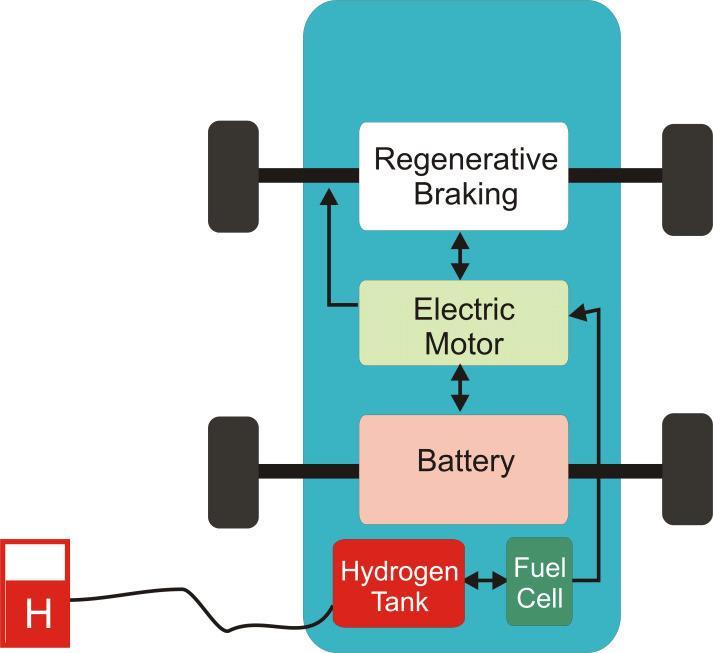
Figure-01: Architecturaldiagramoffuelcellelectric vehicles(FCEVs)
1.2.Principle of Fuel cell electric vehicles
Fuelcellelectricvehicles(FCEVs)areatypeofvehiclethat operates by converting the chemical energy stored in hydrogen fuel directly into electricity through an electrochemical process. Thisprocessismadepossible by thefuelcellstack,whichismadeupofmultipleindividual fuelcells.Eachfuelcellconsistsofananodeandacathode that are separated by an electrolyte membrane. When hydrogen gas is supplied to the anode, it undergoes a reaction that splits it into protons and electrons. The protons then move through the electrolyte membrane to thecathode,whiletheelectronstravelthroughanexternal circuit.Thismovementofprotonsandelectronsgenerates anelectriccurrentthatpowersthevehicle'smotor.
Once at the cathode, the protons and electrons combine with oxygen from the air, resulting in the production of watervaporandthe release ofheatasbyproducts.Unlike traditional internal combustion engines, FCEVs do not emit any pollutants or greenhouse gases. The only
p-ISSN:2395-0072
emission from FCEVs is water vapor, making them a very environmentally friendly option. This efficient and clean processofconvertinghydrogenfuelintoelectricitymakes FCEVsapromisingsolutionforreducingcarbonemissions and decreasing our dependence on fossil fuels in the transportationsector.
Precisely quantifying hydrogen consumption in fuel cell electric vehicles (FCEVs) is essential for comprehending vehicle performance, enhancing efficiency, and effectively managing fuel utilization. Various methodologies are utilized to achieve accurate measurements. A key approach involves incorporating flow meters into the vehicle'shydrogendelivery system. Thesemeters directly gauge the rate of hydrogen gas supplied to the fuel cell stack, offering real-time data on consumption. By continuouslymonitoring theflow rateover time,thetotal hydrogen consumption by the vehicle can be precisely determined. Advanced onboard sensors and instrumentation are utilized to oversee parameters such as temperature, pressure, and voltage within the fuel cell system. These sensors offer valuable data for calculating hydrogen consumption and evaluating the general condition and operation of the system. Calibration and validation processes are frequently carried out to ensure theprecisionofthemeasurementsystems.Thismayentail comparing flow meter readings with theoretical computationsorconductingcontrolledexperimentsunder laboratory conditions. In research and development environments, sophisticated testing facilities equipped with specialized apparatus are employed to conduct thorough analyses of hydrogen consumption under diverse operational circumstances. These facilities empower researchers to refine measurement methodologiesandacquiredeeperinsightsintothefactors influencing hydrogen consumption in FCEVs. Precisely quantifying hydrogen consumption in FCEVs demands a blend of advanced instrumentation, stringent testing protocols, and meticulous calibration to guarantee dependable data collection and analysis. This information is imperative for enhancing vehicle performance, propellingfuelcelltechnologyforward,andfacilitatingthe widespread adoption of hydrogen-powered transportation.
The Flowmeter Measurement Method is a crucial technique utilized to precisely measure the rate at which hydrogen is consumed in fuel cell electric vehicles (FCEVs). This method involves the installation of flow meterswithinthehydrogendeliverysystemofthevehicle to directly track the flow rate of hydrogen gas that is suppliedtothefuelcellstack.Theseflowmetersgenerate real-time data regarding the volume or mass of hydrogen International Research Journal of Engineering and Technology (IRJET) e-ISSN:2395-0056
International Research Journal of Engineering and Technology (IRJET) e-ISSN:2395-0056
Volume: 11 Issue: 05 | May 2024 www.irjet.net p-ISSN:2395-0072
that passes through them per unit of time, typically measured in liters per minute (L/min) or kilograms per hour (kg/hr). By continuously monitoring the flow rate over a specificduration, it becomespossibletoaccurately calculate the total amount of hydrogen consumed by the vehicle. The utilization of the Flowmeter Measurement Method provides a dependable approach to quantifying hydrogen consumption, making it a valuable tool for performance assessment, efficiency enhancement, and effective fuel management in FCEVs. Moreover, these flowmeter measurements can also serve for calibration and validation purposes to ensure the accuracy and reliability of hydrogen consumption data obtained through alternative methods. This contributes significantly to the continuous progress and evolution of hydrogen fuel cell technology. In essence, the Flowmeter Measurement Method plays a fundamental role in improving the overall performance and sustainability of FCEVs by enabling precise measurement and analysis of hydrogenconsumption.
The shortcut method is a simplified technique used to estimate the amount of hydrogen consumed by fuel cell electric vehicles (FCEVs) without the need for direct flowmeter measurements. This method relies on mathematical models or equations that take into account various factors such as vehicle speed, distance traveled, power output of the fuel cell system, and efficiency of the hydrogen fuel cell stack. By inputting these parameters into the model, an estimation of hydrogen consumption for a specific driving scenario can be calculated. Although not as precise as flowmeter measurements, the shortcut method offers a convenient and practical way to estimate hydrogen usage, especially for real-time monitoring or predictiveanalysis.Itallowsforquick assessmentsoffuel consumption trends, enabling drivers and operators to make well-informed decisions regarding refueling schedules and overall vehicle performance. Moreover, the shortcut method can be a valuable tool in research and development efforts, providing valuable insights into the factors that influence hydrogen consumption and contributing to the continuous improvement of FCEV technology. This method serves as a useful resource for understanding and optimizing the efficiency of hydrogen fuelcellsintheautomotiveindustry.
Reducing the consumption of hydrogen fuel in electric vehicles is a critical step towards promoting sustainable transportation. One effective strategy is to improve the efficiency of hydrogen fuel cells, ensuring that the conversionofhydrogenintoelectricalenergyisdonewith minimal waste. This can be accomplished by making advancements in fuel cell technology, such as developing
more efficient catalysts and membrane materials to enhance electrolysis and decrease energy losses. Furthermore, optimizing the vehicle's powertrain and aerodynamicscanalsoplayasignificantroleinimproving efficiency,makingsurethattheenergystoredinhydrogen is used efficiently to propel the vehicle forward. Utilizing renewable energy sources for hydrogen production can help reduce the environmental impact of fuel generation, leading to a more sustainable transportation system. Ultimately, a comprehensive approach that combines innovationintechnology,infrastructuredevelopment,and sustainable energy practices is crucial for achieving the goal of minimizing hydrogen fuel consumption in electric vehicles. This holistic approach is essential for creating a more sustainable and eco-friendly transportation ecosystemforfuturegenerations.
In order to effectively evaluate the performance and efficiency of fuel cell systems and power batteries, it is essentialtogathervoltageandcurrentreadingsfromboth components. Moreover, when employing the short-cut method, it is imperative to also document hydrogen flow data. It is crucial to emphasize that all data should be collectedatasamplingfrequencyof5Hz.Thismeticulous process plays a vital role in the thorough assessment of fuel cell systems and power batteries, ensuring accurate andreliableresults.
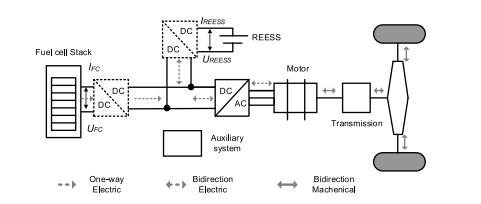
In the field of hydrogen storage and vehicle technology, thereisacommonmethodknownastherun-outapproach used to determine the capacity of onboard hydrogen in a vehicle.Thismethodinvolvesmeasuringthepressureand temperaturebeforeandafterconductingacylindertestin order to calculate the quantity of hydrogen that can be stored on the vehicle. However, a new and improved methodology has been introduced by Zheng Jinyang, which focuses on calculating the compression factor and hydrogen mass more accurately within this process. Moreover, in order to further analyze and evaluate the potential driving range of a hydrogen-powered vehicle, researchers often rely on chassis dynamometer testing. This type of testing allows researchers to determine the distance a vehicle can travel on a single tank of hydrogen
International Research Journal of Engineering and Technology (IRJET) e-ISSN:2395-0056
Volume: 11 Issue: 05 | May 2024 www.irjet.net p-ISSN:2395-0072
fuel. By conducting these tests, it becomes possible to calculate the hydrogen consumption per hundred kilometers, providing valuable insights into the efficiency and performance of hydrogen-powered vehicles on the road.
Inthisparticularpartoftheanalysis,wewillbeexamining the outcomes that have been derived from the evaluation of the hydrogen fuel vehicle. This assessment was carried out utilizing both the flow-meter and the short cut method.Throughthisdetailedexamination,weaimtogain adeeperunderstandingoftheperformanceandefficiency of the hydrogen fuel vehicle. By utilizing these specific techniques, we can accurately measure and analyze various aspects of the vehicle's operation, ultimately leading to valuable insights and conclusions regarding its overall functionality and potential for widespread use in thefutureoftransportation.
Uponexaminationofthedata,itisapparentthattheNEDC abbreviated technique exhibits a more balanced distribution in comparison to the CLTC abbreviated technique. Conversely, the latter displays a greater aggregateofdatarecordedbytheflowmeterincontrastto measurementsobtainedthroughtherun-outmethod.It is intriguing to observe, nonetheless, that there are no discernible and uniform trends in hydrogen consumption for either approach. Notwithstanding these discoveries, additional scrutiny is imperative to completely grasp the fundamental factors influencing these outcomes and their significance for subsequent research and practical implementations.
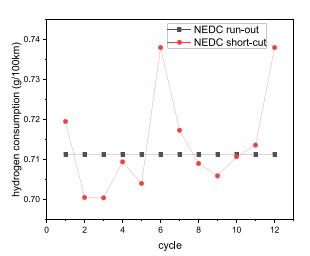
Figure-03: HydrogenConsumptionforNEDCinShortCut andRunOutMethod.
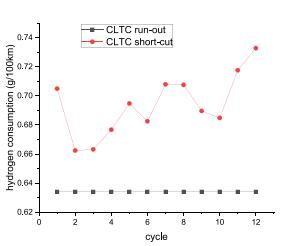
Figure-04: HydrogenConsumptionforCLDCinShortCut andRunOutMethod.
7.2.IMPROVEMENT
In hydrogen fuel vehicles, the reservoir tank plays a crucial role, aiding in the storage and regulation of hydrogengas.Itsmainpurposeistomaintainaconsistent pressureofhydrogenthatissuppliedtothefuelcellstack, the core of the vehicle's power generation system. By storing hydrogen at high pressure, the reservoir tank allows the vehicle to carry enough fuel for a satisfactory driving range between refueling stops. Furthermore, it ensuresaseamlessandsteadyflowofhydrogentothefuel cell stack, enhancing the vehicle's performance and efficiency. Safety measures are incorporated into the reservoir tank design to reduce risks related to highpressure storage, protecting against leaks or ruptures. Moreover, some reservoir tanks are equipped with thermal management systems to control hydrogen temperature, further improving efficiency and stability. Essentially, the reservoir tank serves as a fundamental component of hydrogen fuel cell vehicles, playing a vital role in their operational dependability, safety, and overall performance.
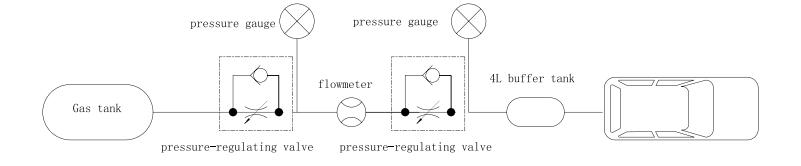
Figure-05: BufferTankforImprovementofFluctuation.
International Research Journal of Engineering and Technology (IRJET) e-ISSN:2395-0056
Volume: 11 Issue: 05 | May 2024 www.irjet.net p-ISSN:2395-0072
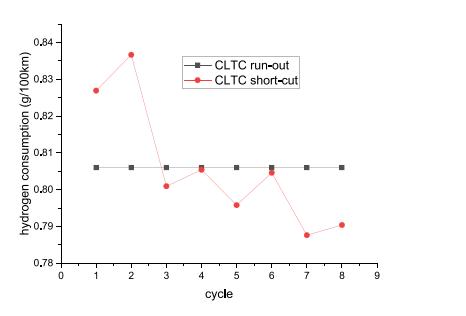
Figure-06: Enhancedexpeditiousapproachunder CaliforniaLightingTechnologyCenter(CLTC)conditions.
We have developed an innovative testing methodology utilizing a flowmeter as a shortcut technique, which we have validated by comparing it to the standard run-out methodunderNEDCandCLTCoperatingconditionsonthe same vehicle. This novel approach has demonstrated a substantial50%reductionintestingdurationcomparedto the conventional method. In terms of measurement precision, our proposed technique exhibits an error marginoflessthan0.1%underNEDCconditions.However, this margin increases to 8.12% in CLTC settings. To mitigate this discrepancy, we have integrated a throttle valve and buffer tank into the system, resulting in a decreased error margin of 4.76%. An important observation is that regardless of whether the NEDC or CLTC approach is employed, hydrogen consumption remains constant throughout the testing cycles. This uniformity presents a challenge in determining the optimal number of cycles required for accurate outcomes when utilizing the shortcut method. This underscores the significance of further research and enhancement of our methodology to ensure dependable and precise testing results.
1. Desain sistem monitoring flowmeter komunikasi rs 232 menggunakan software node-red pada fuel cell electric vehicle. (n.d.). Desain sistem monitoring flowmeterkomunikasirs232menggunakansoftware node-red pada fuel cell electric vehicle. https://doi.org/10.21009/jkem.8.2.5
2. InvestigationofaCalibrationMethodofCoriolisMass Flowmeters by Density- and Pressure-Matching Approaches for Hydrogen Refueling Stations. (n.d.). InvestigationofaCalibrationMethodofCoriolisMass Flowmeters by Density- and Pressure-Matching
Approaches for Hydrogen Refueling Stations. 12(24), 12609–12609. https://doi.org/10.3390/app122412609
3. Optimal Design Parameters of Thermal Flowmeter for Fuel Flow Measurement. (n.d.). Optimal Design Parameters of Thermal Flowmeter for Fuel Flow Measurement. 22, 8882–8882. https://doi.org/10.3390/s22228882
4. Reviewonthe HydrogenDispersionandtheBurning Behavior of Fuel Cell Electric Vehicles. (n.d.). Review on the Hydrogen Dispersion and the Burning BehaviorofFuelCellElectricVehicles.15(19),7295–7295.https://doi.org/10.3390/en15197295
5. Fuel cell–based electric vehicles technologies and challenges. (2022). Fuel cell–based electric vehicles technologies and challenges. 29(52), 78121–78131. https://doi.org/10.1007/s11356-022-23171-w
6. First Hydrogen Fuel Sampling from a Fuel Cell Hydrogen Electrical Vehicle–Validation of Hydrogen Fuel Sampling System to Investigate FCEV Performance. (n.d.). First Hydrogen Fuel Sampling from a Fuel Cell Hydrogen Electrical Vehicle–Validation of Hydrogen Fuel Sampling System to Investigate FCEV Performance. 10(9), 1709–1709. https://doi.org/10.3390/pr10091709
7. Developing a Hydrogen Fuel Cell Vehicle (HFCV) Energy Consumption Model for Transportation Applications. (n.d.). Developing a Hydrogen Fuel Cell Vehicle (HFCV) Energy Consumption Model for Transportation Applications. 15(2), 529–529. https://doi.org/10.3390/en15020529
8. An Improved Test Method for Energy Consumption andRangeofFuelCellVehicles.(2020).AnImproved Test Method for Energy Consumption and Range of Fuel Cell Vehicles. 2020, 1–9. https://doi.org/10.1155/2020/5704180
9. Hydrogen Fuel Cell Vehicles; Current Status and Future Prospect. (n.d.). Hydrogen Fuel Cell Vehicles; Current Status and Future Prospect. 9(11), 2296. https://doi.org/10.3390/APP9112296
10. Modeling of Hydrogen Recirculation System for Fuel Cell Vehicle. (2011). Modeling of Hydrogen Recirculation System for Fuel Cell Vehicle. 22(4), 481–487. https://doi.org/10.7316/KHNES.2011.22.4.481
11. Advantages and Technological Progress of Hydrogen Fuel Cell Vehicles. (n.d.). Advantages and Technological Progress of Hydrogen Fuel Cell Vehicles. 14(6), 162–162. https://doi.org/10.3390/wevj14060162
International Research Journal of Engineering and Technology (IRJET) e-ISSN:2395-0056
Volume: 11 Issue: 05 | May 2024 www.irjet.net p-ISSN:2395-0072
12. FutureofElectricandHydrogenCarsandTrucks:An Overview. (n.d.). Future of Electric and Hydrogen Cars and Trucks: An Overview. 16(7), 3230–3230. https://doi.org/10.3390/en16073230
13. Minimizing Energy Consumption and Powertrain Cost of Fuel Cell Hybrid Vehicles with Consideration of Different Driving Cycles and SOC Ranges. (n.d.). Minimizing Energy Consumption and Powertrain Cost of Fuel Cell Hybrid Vehicles with Consideration of Different Driving Cycles and SOC Ranges. 15(17), 6167–6167.https://doi.org/10.3390/en15176167
14. Artificial Intelligence-Based Machine Learning toward the Solution of Climate-Friendly Hydrogen Fuel Cell Electric Vehicles. (n.d.). Artificial Intelligence-Based Machine Learning toward the Solution of Climate-Friendly Hydrogen Fuel Cell Electric Vehicles. 4(3), 663–680. https://doi.org/10.3390/vehicles4030038
15. Hydrogen Fuel Cell Implementation for the Transportation Sector. (n.d.). Hydrogen Fuel Cell Implementation for the Transportation Sector. https://doi.org/10.5772/INTECHOPEN.95291
16. Hydrogen Fuel Cell Vehicle for Mexico City. (2020). Hydrogen Fuel Cell Vehicle for Mexico City. https://doi.org/10.4271/2020-01-1169
17. Fuel Cell Hybrid Electric Vehicles. (n.d.). Fuel Cell Hybrid Electric Vehicles. https://doi.org/10.5772/18634
18. Microflow-generator for fuel-cell methanol hydrogen microreactor.(n.d.).Microflow-generatorforfuel-cell methanol hydrogen microreactor. 110–115. https://typeset.io/papers/microflow-generator-forfuel-cell-methanol-hydrogen-2wwt59ka70
19. AnIntegratedAssessmentoftheImpactsofHydrogen Economy on Transportation, Energy Use, and Air Emissions. (2006). An Integrated Assessment of the Impacts of Hydrogen Economy on Transportation, Energy Use, and Air Emissions. 94(10), 1838–1851. https://doi.org/10.1109/JPROC.2006.883719
20. A comparative study of the machine learning-based energy management system for hydrogen fuel cell electric vehicles. (n.d.). A comparative study of the machine learning-based energy management system for hydrogen fuel cell electric vehicles. 3(1), 13–24. https://doi.org/10.55670/fpll.futech.3.1.2