
Volume: 11 Issue: 05 | May 2024 www.irjet.net p-ISSN:2395-0072
Volume: 11 Issue: 05 | May 2024 www.irjet.net p-ISSN:2395-0072
Sikander Kumar1, Sunil Maurya2, Vikas Kumar3, Vikrant Singh4, Akhilesh Kumar5
1Assistant Professor, Dept. of Civil Engineering, Axis Institute of Technology and Management, Rooma Kanpur, India
2,3,4,5U.G. Student, Dept. of Civil Engineering, Axis Institute of Technology and Management, Rooma Kanpur, India
Abstract -Using waste plastic in paver block production addresses both plastic pollution and the need for construction materials. The process involves shredding plastic waste and mixing it with sand, cement, and aggregate to create durable blocks. By incorporating waste plastic, we divert it from landfills and oceans, reducing the demand for virgin materials like concrete. This initiative promotes greener construction practices and contributes to a more sustainable economy. Our research focused on replacing course aggregate with plastic aggregate in M30 concrete mixtures. We experimented with different proportions of plastic aggregate, ranging from 0 , 5% ,10%, and 15%, to study its impact on compressive strength. The zigzag-shaped paver blocks were tested for strength after 7 and 28 days, with curing and without curing. After 28 days of curing and non curing, the compressive strength of the paver blocks ranged from 11.74 N/mm² to 34.71 N/mm². Our goal is to reduce costs, improve durability, and mitigate pollution by utilizing waste plastic in concrete paver block production.
Key Words: Paver Block, Compressive Strength, Waste Plastic, Workability
Plastic pollution has become a severe global issue, prompting the search for innovative solutions. One promising idea is to turn plastic waste into paver blocks, offering a sustainable alternative to traditional construction materials. This approach addresses both plastic pollution and the demand for eco-friendly products.Plasticwaste,whichcurrentlyclogslandfillsand oceans, can be repurposed into durable paver blocks, reducing the need for natural resources like sand and gravel.These blocksarelightweight,strong,and weatherresistant, requiring minimal maintenance. Integrating the productionofplasticpaverblocksintowastemanagement systems offers economic benefits and promotes environmental stewardship. This paper explores the science, technology, and benefits of this approach, highlighting its potential to foster a circular economy and createacleaner,greenerfuture.
ConcretepaverblockswithagradeofM30aredesignedto withstand heavy loads and provide durable surfacing
solutions for various applications such as driveways, walkways, patios, and roads. The "M30" designation indicatesaconcretemixwithacompressivestrengthof30 megapascals(MPa), ensuring robustnessand resistanceto wear and tear. These blocks are typically manufactured using high-quality aggregates, cement, and admixtures, meeting stringent industry standards for strength and durability. They offer excellent load-bearing capacity and longevity, making them ideal for both residential and commercialprojectsrequiringreliablepavingsolutions.
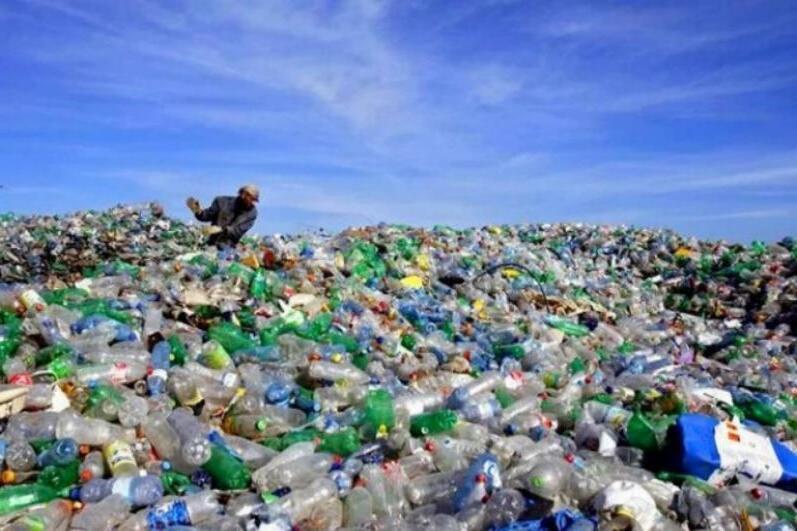
Waste plastic poses a significant environmental threat, clogging landfills and polluting oceans. Its persistence in the environment for hundreds of years exacerbates this issue. Improper disposal leads to harmful consequences forwildlife,marineecosystems,andhumanhealth.Plastic wastealsocontributestogreenhousegasemissionsduring production and decomposition. Recycling offers a partial solution,butit'snotyetwidespreadorefficientenoughto addressthemagnitudeoftheproblem.Totacklethiscrisis, weneedcomprehensivestrategieslikereducingsingle-use plastics, promoting biodegradable alternatives, and investing in advanced recycling technologies. Moreover, raising awareness and fostering a culture of responsible consumption and waste management are crucial steps towardasustainablefuture.
International Research Journal of Engineering and Technology (IRJET) e-ISSN:2395-0056
Volume: 11 Issue: 05 | May 2024 www.irjet.net p-ISSN:2395-0072
To produce cost-effective paver blocks and ecofriendlypaverblocks.
Todeterminethesuitabilityofwasteplasticinthe developmentofpaverblocks.
To examine the weight of waste plastic paving blockstotraditionalpavingblocks.
To compare results of conventional waste plastic pavingblocks.
Ashwini Manjunath BT. et al. (2021)
The study explores using E-Plastic Waste as a partial replacement for coarse aggregate in interlocking concrete paver blocks (ICPB) to address landfill issues, pollution, and resource conservation. E-Plastic Waste from devices like computers, TVs, and radios is tested in experimental mixes with 10%, 20%, and 30% increments to produce M25 grade ICPBs. These blocks are tested per Indian standards (IS 15658:2006) and compared with conventional pavers, highlighting the potential benefits of incorporatingE-PlasticWasteinconstruction.
Pooja Bhatia, Akash Sahu et al. (2022)
Thisprojectaimsto replacecementinpavingstoneswith plastic waste to reduce costs and repurpose the 300 million tonnes of plastic waste generated annually. By incorporatingdifferent amountsof plasticwaste withfine aggregates, paving stones were produced and tested. The analysis showed that this method is both practical and effective for recycling plastic waste in paving stone manufacturing, providing a sustainable alternative to traditionalconcretepavers.
Rajat Agrawal et al. (2022)
Thestudyfoundthata1:4ratioofplasticwastetoM-sand yielded superior compressive strength in road pavers, with reduced plastic amounts leading to decreased strength. Recycling PET into road pavers is promising for sustainable construction in India. This method, involving mixing plastic waste with heated sand, produces durable pavers, addressing plastic pollution and promoting the circular economy. This innovative approach enhances mechanical properties for load-bearing applications, supporting eco-friendly and sustainable infrastructure developmentinIndia.
Adetoye Olubunmi et al. (2023)
This study investigates substituting plastic waste for coarseaggregatesinconcretepavementblockstoaddress plastic waste and promote sustainability. Testing various replacement percentages(0%,5%, 10%, 15%) found that 10% yielded optimal results by reducing water absorption. Plastic-infused concrete is recommended for
non-load-bearing structures like footpaths and water retaining systems, offering cost and environmental benefits. This approach reduces reliance on natural aggregates, supports resource conservation, and aligns withSustainableDevelopmentGoals,fosteringsustainable constructionpractices.
Padmakumar Radhakrishnan et al. (2023)
The research focuses on sustainable development goals, specifically on recycling and reuse of materials in bituminous pavement construction. The study evaluates the performance of bituminous paver blocks using sustainable materials and reclaimed asphalt pavement through various tests. Funding for the research was provided by the ALL-INDIA COUNCIL FOR TECHNICAL EDUCATION, New Delhi under the RPS-NDF Scheme .The research suggests that jointing materials could enhance the performance of bituminous blocks and improve load transfer,warrantingfurtherstudy.
The methodology involves shredding waste plastic into small pieces, mixing it with aggregate and binding agents, then compressing the mixture into paver block molds. Experimentation includes varying plastic-to-aggregate ratios, binder types, and compression pressures to optimize block strength and durability. Testing involves assessing block performance under various conditions such as load-bearing capacity, weathering, and durability against chemical degradation. Additionally, environmental impact assessments are conducted to ensure the sustainabilityoftheprocess.
Tomanufactureeverydayconcretepaverblocksandplastic aggregate paver blocks, you need cement, quarry dust, coarse aggregates, water, and waste plastic bags. For regular concrete paver blocks, waste plastic is not used, whereas plastic paver blocks incorporate waste plastic alongwithwater.Afterconductingvariousassessmentson thematerialsused,thefollowingobservationsweremade.
Table 1: Properties of materials
Fineness 7
InitialSettingTime 30minutes
FinalSettingTime 600minutes
International Research Journal of Engineering and Technology (IRJET) e-ISSN:2395-0056
Volume: 11 Issue: 05 | May 2024 www.irjet.net p-ISSN:2395-0072
3
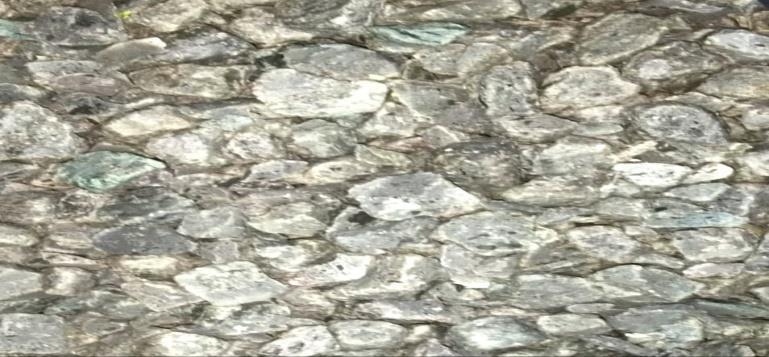
Waste plastic aggregate refers to crushed or shredded plastic materials that are used as a substitute for traditional aggregates (such as sand, gravel, or crushed stone) in construction applications. These plastic aggregates can be derived from various sources of waste plastic, including bottles, bags, containers, and packaging materials. They are often used in projects like road construction, paving, and building foundations as a means to reduce the demand for natural resources, minimize plastic pollution, and provide an environmentally friendly alternativefordisposingofplasticwaste.
The technique described aims to achieve the desired compressive strength and durability of concrete after 28 daysofcuring.ConcretemixdesignsarepreparedforM30 grade according to IS 10262-2000 and IS 456-2000 standards, for both normal concrete and plastic pavement blocks. A water-cement ratio of 0.43 is used for regular concrete,while noadditional moisture isadded for plastic paver blocks. Rectangular molds with a volume of 0.0027 m3 each are prepared for casting blocks. The volume of materialsrequiredpercubicmeterisdeterminedbytheIS method. Based on the mold's capacity, the quantities of each material required for each regular and plastic paver blockarecalculatedasfollows.
Properties of Materials:
SpecificGravityofCement(forOPCGrade43)=3.15
SpecificGravityofCoarseAggregate=2.68
SpecificGravityofFineAggregate=2.4
HereF.A.adoptforzoneII
Target Mean Strength :
fck ’ =fck +1.65S
Where,
f ck ’ = Target Mean Compressive Strength at 28 days, in N/mm2
fck=characteristic compressive strength of the concrete at 28days,inN/mm2
S = Standard deviation (N/mm2) (from Table No. 2 of IS 10262:2019)
fck ’=30+(1.65X5)=38.25N/mm2
Water Cement ratio:
w/c=0.43 (Fromcurve2inIS10262:2019)
Water Content:
Water Content for 20 mm Size of Aggregate in 186kg/m3
SlumpadoptinR.C.C=75mm
Each±25mm,watercontent±3%
186kg/m3 watercontentforSlump50mm
Asweadoptedslumpvalueof75mm,
Hencefor75mm=186+186X(3/100)=192ltr
International Research Journal of Engineering and Technology (IRJET) e-ISSN:2395-0056
Volume: 11 Issue: 05 | May 2024 www.irjet.net p-ISSN:2395-0072
Cement Content:
For severe concreting conditions maximum water cement ratioforM30Gradeof
Concrete(fromTableNo.5ofIS456:2000),W/C=0.43
So,weadoptW/C=0.43
192/C=0.43
C=445.53kg/m3
Volume of Aggregates:
For 20 mm aggregates in Zone (II) is Volume of Coarse Aggregateperunitvolume=0.62 (fromTableNo.5ofIS10262:2019)
The Proportion of volume of coarse aggregates to that of total aggregates is increased at the rate of 0.01 for every decrease in water –cement/cementitious materials ratio by 0.05 and decreased at the rate of 0.01 for every increase in water – cement ratio by 0.05. (From clause 5.5.1 of IS10262:2019)
Hence,VolumeofC.A.=0.62+0.14=0.634
F.A=1–0.63=TotalValue–VolumeofC.A.
F.A.=0.366
Total Aggregate Content:
Aggregate = [Total Content – Air Content] – [Cement + Water]
=[1–0.01]–[(121.90X0.001)+(0.000192)]
=0.656
Then,
C.A.=0.656X0.634X2.68X1000=1114.62kg/m3
F.A.=0.656X0.366X2.4X1000=576.23kg/m3
HealingAgent=4.5kg/m3
VolumeoftheMould=0.240*0.120*0.08
=0.00230m3
Table-3: Amount of constituents
For the current investigation, three cubes of each volume proportion totaling 0.00234 cubic meters are to be cast. Theconcreteprocessentailsbatching,mixing,placing,and subsequentcuringforseveraldays.
Inthescenarioofplasticpaverblockproduction,shredded waste plasticwill be processed,and the resultingcrushed plastic will be incorporated into the other ingredients usedtomanufacturetheplasticpaverblock.
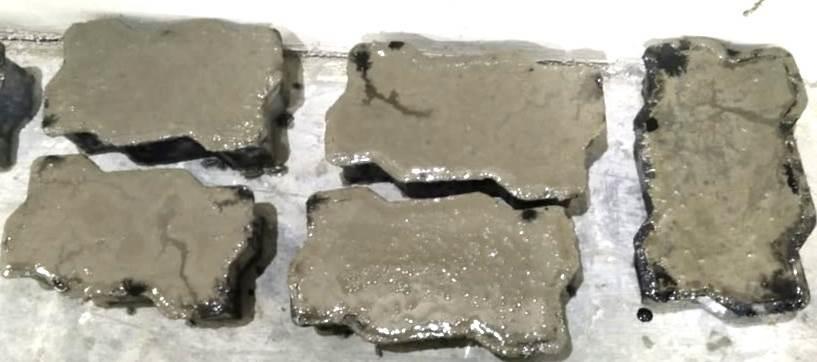
The compressive strength of both ordinary concrete blocks and plastic paver blocks was tested using a Compression Testing Machine (CTM). The blocks were placedonthemachine'splatform,andagraduallyapplied compressive force was exerted on them at a rate of 30N/sq.mm/minute until failure occurred. The load at whichfailurehappenedwasrecorded,andthendividedby the cross-sectional area of the block to determine its compressivestrength.
Test results for both types of blocks, including those subjectedto7daysand28daysofcuring,aswellasthose withoutcuring,arepresentedinthetablebelow.
International Research Journal of Engineering and
Volume: 11 Issue: 05 | May 2024 www.irjet.net p-ISSN:2395-0072
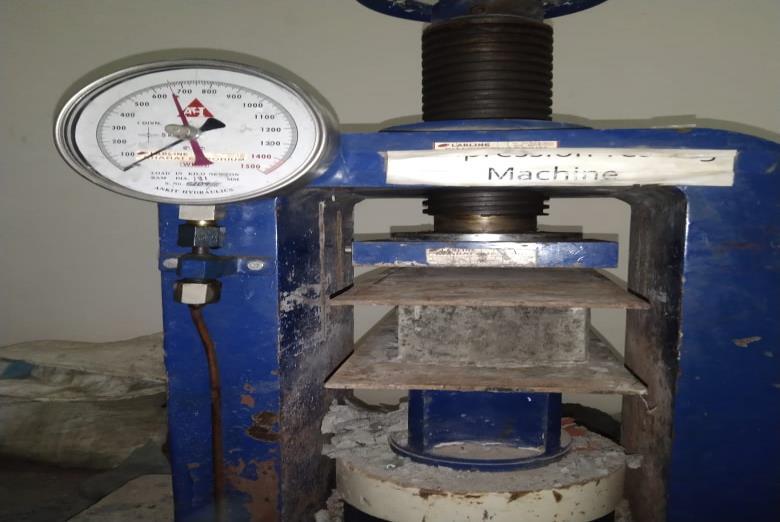
Table 4: Compressive strength for 7-day curing and non-curing
5: Compressive strength for 7-day curing and
Figure 6: Compressive
Figure 7: Cost of One Paver Blocks
International Research Journal of Engineering and Technology (IRJET) e-ISSN:2395-0056
Volume: 11 Issue: 05 | May 2024 www.irjet.net p-ISSN:2395-0072
[1] IS 2386 (Part 3): 1963 - Method of test for aggregates for concrete: part 3 specific gravity, density,voids,absorption,andbulking.
[2] IS 10262: 2009- CONCRETE MIX PROPORTIONING- GUIDELINES (first revision) Firstpublishedin1982,firstrevisionin2009
[3] Nivetha, C. Rubiya, M. Shobana, S. Vaijayanti, Production of Plastic Paver Block from the Solid Waste. ARPN Journal of Engineering and Applied Science. G. ISSN.1819-6608: Vol.11 Issue 02 (2016)
[4] Ms. Spartina, Ms. C. Chella Gifta (2016) “Experimental Investigation on Cost Effective Paver Block” International Journal of Advanced ResearchTrendsinEngineeringandTechnology
Theoutputsofthestudyshowthatbyrecyclingplastic,we create durable and eco-friendly pavers. This process reduces pollution and conserves resources. These blocks are sturdy and long-lasting, perfect for roads and walkways. Recycling plastic into pavers helps tackle environmental issues while promoting a greener future. It's a win-win solution for both the planet and communities.
The Compressive strength of Paver Blocks on mixing5%wasteplasticaggregateis26.5N/mm2 which is better than the compressive strength of theotherpaver.
Using waste plastic to produce paver blocks provides a productive method for disposing of plasticwaste.
It reduces up to 256 kg of plastic over 1000 blocks.
As percentages of plastic aggregate content increase, paver blocks cost of 0%, 5%, 10%, and 15% content of plastic decrease gradually respectively.
As percentages of plastic aggregate content increase, weight of paver blocks of 0%, 5%, 10%, and 15% content of plastic decreases gradually respectively.
While the compressive strength may be lower compared to concrete paver blocks, these plastic waste-based paver blocks are suitable for applications such as gardens, pedestrian paths, andcycleways.
These plastic waste-based paver blocks are suitable for use in non-traffic and light-traffic roads.
[5] Nivetha C., Rubiya M., Shobana S., Vaijayanthi R. G.Viswanathan M. E., and R.Vasanthi M. E. (2016) “PRODUCTION OF PLASTIC PAVER BLOCK FROM THE SOLID WASTE (QUARRY DUST, FLYASH & PET)” ARPN Journal of Engineering and Applied Sciences
[6] Radhakrishnan, P.; Dhurai, V. Development and Evaluation of Sustainable Bituminous Paver Blocks. Recycling 2023, 8, 7. https://doi.org/ 10.3390/recycling8010007
[7] B. Shanmugavalli, K. Gowtham, P. Jeba Nalwin, B. EswaraMoorthy(2017)“ReuseofPlasticWastein Paver Blocks” International Journal of EngineeringResearch&Technology
[8] AdetoyeOlubunmi , Rabiu Olayemi Olamoju , Afolayan Taiye (2023) “Partial Replacement of Coarse Aggregates with Plastic Waste in Paver Blocks” Journal of Sustainability and EnvironmentalManagement(JOSEM),Vol.2,No.2 (2023),92–97
[9] Azad Khajuria, Puneet Sharma (2019) “Use of Plastic Aggregates in Concrete” JournalInternational Journal of Innovative Technology andExploring.
[10] Rajat Agrawal, Suraj Kumar, Saurabh Singh(2023)“UtilizationofPlasticWasteinRoad Paver Blocks as a Construction Material” JournalSureshGyanViharUniversity,Rajasthan302017
International Research Journal of Engineering and Technology (IRJET) e-ISSN:2395-0056
Volume: 11 Issue: 05 | May 2024 www.irjet.net p-ISSN:2395-0072 © 2024, IRJET | Impact Factor value: 8.226 | ISO 9001:2008
[11] Ho, N.Y., Lee, Y.P.K., Lim, W.F., Zayed, T., Chew, K.C., Low, G.L., Ting, S.K., 2013. Efficient Utilization of Recycled Concrete Aggregate in Structural Concrete. J. Mater. Civ. Eng. 25, 318–327. https://doi.org/10.1061/(asce)mt.19435533.0000587
[12] Ashwini Manjunath BT., Sai Sanjith (2021) “Partial Replacement of Coarse Aggregate with E-Plastic Waste in Interlocking Pavement block” Journal- Atria Institute of Technology, Bangalore-24,Karnataka