
International Research Journal of Engineering and Technology (IRJET) e-ISSN:2395-0056
Volume: 11 Issue: 05 | May 2024 www.irjet.net p-ISSN:2395-0072
International Research Journal of Engineering and Technology (IRJET) e-ISSN:2395-0056
Volume: 11 Issue: 05 | May 2024 www.irjet.net p-ISSN:2395-0072
Rachna Mourya1, Mr. Ushendra Kumar2
1Master of Technology, Civil Engineering, Lucknow Institute of Technology, Lucknow, India
2Head of Department, Department of Civil Engineering, Lucknow Institute of Technology, Lucknow, India
Abstract - Regur soil, commonlyknown as blackcottonsoil, is prevalent in various regions around the world, presenting unique challenges due toits expansivenatureandlowbearing capacity. In recent years, researchers and engineers have explored numerous methods to improve its engineering properties, with a particular focus on enhancing its strength. One such method involves the addition of high calciumlime in varying proportions to the regur soil. This review paper comprehensively examines the research conducted on this topic, summarizing the findings,methodologies,andoutcomes of studies investigating the effects of high calcium lime additiononthe strengthcharacteristics ofregur soil.Through a systematic analysis of the literature, this paper elucidates the mechanisms by which high calcium lime interacts with regur soil, influencing its geotechnical properties such as compressive strength, shear strength, and California Bearing Ratio (CBR). Furthermore, this review highlights the significance of optimizing the percentage of lime addition to achieve desired improvements in soil strength while considering factors such as soil type, lime content, curing conditions, andenvironmentalconsiderations.Bysynthesizing the existing knowledge, this paper provides valuable insights for researchers, engineers, and practitioners engaged in soil stabilization projects, offering guidance for the effective utilization of high calcium lime to enhance the strength and performance of regur soil.
Key Words: Regur Soil, Strength, Lime, Improvement of Regur soil, Compressive strength, Shear Strength.
Regursoil,colloquiallyknownasblackcottonsoilorblack soil, boasts a rich historical tapestry intertwined with agricultural development in tropical regions. Originating fromtheweatheringofbasalticrocksovermillionsofyears, itsformationendoweditwithrichmineralcontent,including iron,magnesium,calcium,andpotassium.Evidencesuggests thatancientcivilizationssuchastheIndusValleyCivilization and later the Vedic peoples utilized these fertile lands for agriculture,cultivatingcropslikemillet,pulses,andcotton. However,itwasduringtheBritishcolonialerainIndiathat the true agricultural potential of regur soil came to light. Britishofficialsrecognizeditssuitabilityforcashcropslike cotton and promoted its cultivation, reshaping land use patterns and agricultural practices. Subsequent research delvedintotheuniquepropertiesofregursoil,leadingtothe
developmentoftailoredagriculturaltechniquestomaximize productivity. Today, regur soil continues to underpin agriculturalpracticesinregionsliketheDeccanPlateauin India, with farmers employing conservation measures to sustain its fertility amidst modern challenges like erosion and nutrient depletion. Thus, the history of regur soil mirrors the evolution of agricultural practices, shaped by cultural, economic, and scientific influences, while emphasizing the importance of conservation for future generations.
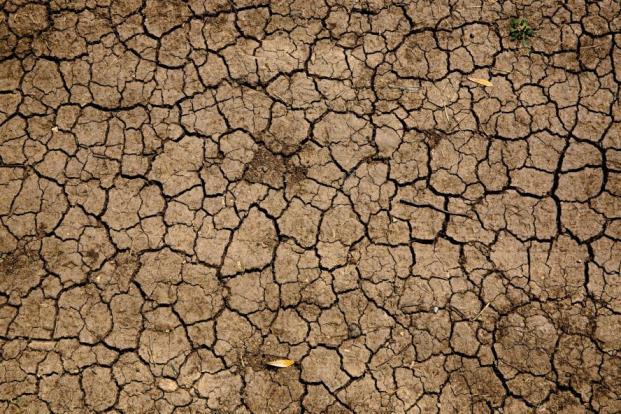
Regursoil,commonlyknownasblacksoil,isatypeofsoil found in the Deccan Plateau region of India. Its name is derived from the Marathi word 'regur,' which means 'to swell.' This soil is renowned for its remarkable fertility, makingithighlyconducivetoagriculture.Characterizedby itsdarkcolorandhighclaycontent,regursoilhasexcellent moistureretentionproperties,enablingcropstothriveeven duringdryspells.However,itshighclaycontentalsoposes challenges, such as poor drainage and susceptibility to waterlogging.Despitethesedrawbacks,regursoilishighly prizedforitsabilitytosupportavarietyofcrops,including cotton, soybeans, and cereals like sorghum and millets. Proper management techniques, such as implementing drainage systems and employing suitable crop rotation practices, are essential for maximizing the productivity of regursoilandsustainingitsfertilityforfuturegenerations.
Volume: 11 Issue: 05 | May 2024 www.irjet.net p-ISSN:2395-0072
Regur soil exhibits several distinctive characteristics that contributetoitsfertilityandsuitabilityforagriculture.One ofitsdefiningfeaturesisitsrich,darkcolor,whichresults fromahighcontentoforganicmatter.Thisorganicmatter notonlyenhancessoilstructurebutalsoprovidesessential nutrientsforplantgrowth.Regursoilischaracterizedbyits high clay content, imparting it with excellent moisture retentioncapabilities.Thisenablescropstowithstanddry periodsbyaccessingstoredwaterinthesoil.However,the high clay content also leads to challenges such as poor drainage and compaction, which can hinder root development and water infiltration. Despite these drawbacks, regur soil is prized for its ability to support a widerangeofcrops,includingcotton,soybeans,andcereals like sorghum and millets. Proper management practices, such as incorporating organic matter, implementing drainage systems, and rotating crops, are essential for optimizingtheproductivityofregursoilandpreservingits fertilityovertime.
Soilstabilizationplaysacriticalroleinconstructionprojects byenhancingtheengineeringpropertiesofsoiltomeetthe requirements of various structures. It is indispensable in ensuringthelongevityandstabilityofinfrastructuresuchas roads, buildings, dams, and airports. By stabilizing soil, engineers can mitigate the effects of factors like erosion, settlement,andsubsidence,therebyreducingmaintenance costs and increasing the lifespan of structures. Moreover, stabilizedsoilprovidesbettersupportforheavyloadsand improves the overall safety of the construction site. This processalsocontributestoenvironmentalsustainabilityby minimizing the need for excavation and transportation of additional materials. Overall, soil stabilization serves as a cornerstoneintheconstructionindustry,offeringsolutions that are both economically viable and environmentally friendly.
Highcalciumlime,aversatileandwidelyusedsoilstabilizer inconstruction,offersnumerousbenefitsforenhancingthe properties of soil. When applied to soil, high calcium lime undergoesachemicalreactionwithwaterandsoilparticles, resulting in the formation of stable calcium silicates and calcium aluminate hydrates. This reaction, known as pozzolanicreaction,leadstoimprovedsoilstrength,reduced plasticity, and increased resistance to weathering and erosion. High calcium lime effectively modifies soil by increasingitsload-bearingcapacity,reducingswellingand shrinkage potential, and enhancing compaction characteristics.Additionally,itfacilitatesbetterdrainageand reducesthesusceptibilityofsoiltofrostdamage.Moreover, highcalciumlimeisenvironmentallyfriendly,asitisderived
fromnaturallimestoneandemitslowlevelsofgreenhouse gases during production. Its cost-effectiveness and sustainabilitymakeitapreferredchoiceforsoilstabilization inawiderangeofconstructionapplications,includingroad bases,embankments,andfoundationworks.
Soilstabilizationwithlimeisawidelyemployedtechniquein civil engineering and construction projects, owing to its effectivenessinenhancingsoilproperties.Lime,typicallyin theformofcalciumoxide(quicklime)orcalciumhydroxide (hydrated lime), achieves stabilization through a combination of chemical, physical, and mineralogical mechanisms.Chemicalreactionsplayapivotalroleinlime stabilization. When lime is applied to soil, it undergoes hydration, releasing heat and forming hydrated lime. This hydratedlimeinteractswithsoilminerals,leadingtocation exchangeprocessesthatimprovesoilstructurebyincreasing the exchangeable calcium and reducing exchangeable sodium. Additionally, lime can stabilize clay minerals throughflocculation,reducingsoilplasticityandenhancing stability.Limemayalsoundergopozzolanicreactionswith silica and alumina, forming cementitious compounds that enhancesoilstrengthandreducepermeability.Furthermore, lime aids in drying and dehydration of soil by absorbing water,makingitbeneficialforstabilizingmoistorwetsoils. This dehydration process reduces soil plasticity and increases strength. Lime treatment also increases soil pH, neutralizing acidity, and precipitating harmful ions like aluminum, thereby improving soil fertility and promoting favorable conditions for soil microorganisms. Physically, lime promotes flocculation and particle aggregation, enhancingsoilstructureandbearingcapacity.Thisresultsin reduced swelling and shrinkage potential, making the soil morestableandworkable. Moreover,lime-stabilizedsoils exhibit enhanced resistance to erosion, moisture damage, frostheave,andchemicaldegradation,leadingtoimproved long-term performance and durability of constructed facilities. Soil stabilization with lime is a comprehensive approachthatleveragesvariousmechanismstoenhancesoil properties, making it suitable for a wide range of construction applications. The effectiveness of lime stabilization depends on factors such as soil type, lime dosage, mixing method, and environmental conditions, highlightingtheimportanceofproperengineeringanalysis andapplicationtechniques.
4.2.Advantages
Limeasasoilstabilizerpresentsnumerousadvantagesbut alsocomeswithcertainlimitations.Primarily,limeenhances soilstrengthbyformingcementitiouscompoundswithclay particles,therebyincreasingstabilityandbearingcapacity. Additionally, it reduces soil plasticity, mitigating volume changes due to moisture fluctuations and improving workability during construction. Lime-treated soils also International Research Journal of Engineering and Technology (IRJET) e-ISSN:2395-0056
International Research Journal of Engineering and Technology (IRJET) e-ISSN:2395-0056
Volume: 11 Issue: 05 | May 2024 www.irjet.net p-ISSN:2395-0072
exhibitenhanceddurabilityagainstweatheringanderosion. Moreover,limestabilizationprovescost-effectivecompared toalternativemethods,makingitapracticalchoiceforlargescale projects. However, lime's slow reaction rate necessitates extended curing periods, potentially delaying construction schedules. Moreover, it requires adequate moisture for activation, and its caustic nature poses environmental concerns if not managed properly. Furthermore, limemay not be effective in stabilizingsoils with high organic content or certain sandy soils. Quality control challenges, such as ensuring uniform distribution and proper mixing, add complexity to implementation. Despitetheselimitations,limeremainsavaluabletoolinsoil stabilization, offering a balance of benefits and considerationsforengineersandcontractorsalike.
Limestabilizationisacommonmethodusedtoimprovethe engineeringpropertiesofsoils,includingregursoil.Regur soil,alsoknownasblackcottonsoil,isatypeofexpansive claysoilfoundinregionswitha semi-aridtoaridclimate, such as parts of India. Lime stabilization involves the additionoflimetothesoiltoalteritsproperties,makingit moresuitableforconstructionpurposes.Severalfactorscan affecttheeffectivenessoflimestabilizationinregursoil:
1. Soil Composition: The mineralogical composition of regursoilinfluencesitsreactivitywithlime.Regursoil typically contains high percentages of clay minerals, such as montmorillonite and illite. These minerals interact with lime to form stable compounds that improvesoilstrengthandreduceitsplasticity.
2. Lime Content: Theamountoflimeaddedtotheregur soil is critical for achieving the desired stabilization effect.Optimallimecontentvariesdependingonfactors such as soil type, moisture content, and intended engineering use. Too little lime may not adequately stabilize the soil, while excessive lime can lead to excessivedryingandotherundesirableeffects.
3. Moisture Content: The moisture content of the soil influences the effectiveness of lime stabilization. Generally,amoderatemoisturecontentispreferredfor lime treatment, as it facilitates the hydration and chemical reactions between lime and soil minerals. However,excessivelydryorwetconditionscanhinder thesereactionsandcompromisestabilization.
5. Curing Time: After lime treatment, sufficient curing timeisrequiredforthestabilizationreactionstooccur and for the soil to gain strength. The curing period variesdependingonfactorssuchaslimedosage,soil type, temperature, and moisture conditions. Longer curingtimesmaybenecessaryfordeepersoillayersor whenusinglowerlimedosages.
6. Environmental Conditions: Environmental factors suchastemperature,humidity,andrainfallcanaffect the effectiveness of lime stabilization. Warm and dry conditionsgenerallypromotefaster reaction kinetics andcuring,whereascoldorexcessivelywetconditions maydelaystabilizationandcuringprocesses.
7. Compaction: Propercompactionisessentialafterlime treatmenttoachievethedesireddensityandstrength. Compactionhelpsinreducingvoidsandimprovingthe load-bearing capacity of the stabilized soil. Adequate compactionensuresthatthestabilizedsoilmeetsthe requiredengineeringspecifications.
Wereviewedsoilstabilizationliterature,analyzedprevious papers,reviewedmethodologies,data,andconclusions,and summarizedkeyinsightsforourowninvestigations.
Pradeep et.al: Theincorporationoflimeintoblackcotton soil, in conjunction with bagasse ash, has been shown to significantlyenhancethesoil'sstabilityandmicrostructure. Thisinnovativemethodpresentsapromisingremedyforthe challengesassociatedwithstabilizingblackcottonsoilsolely with bagasse ash. By augmenting the soil with lime, engineers are able to mitigate shrinkage potential and improve engineering characteristics, leading to enhanced overallperformance.Furthermore,theutilizationofdigital image analysis has proven to be beneficial in evaluating shrinkage parametersaccurately,enablinga more precise assessmentofthesoil'sbehaviorundervaryingconditions. In essence, this approach signifies a cutting-edge and efficient strategy to optimize the performance of black cottonsoilstabilizedwithbagasseashandlime.
4. Mixing Method: Proper mixing of lime and soil is essential for uniform distribution and effective stabilization. Various mixing methods, such as mechanicalmixing,deepmixing,orinsitumixing,can beemployeddependingonsiteconditionsandproject requirements. Thorough mixing ensures that lime interactswiththesoilparticlesuniformly,enhancingits effectiveness.
Hadi & Abhishek: Thecurrentstudyseekstoexplorethe influence of different proportions of coal combustion residuals (CCR) and fiber contents on Atterberg's limits, compaction characteristics, unconfined compressive strength, and California bearing ratio. Utilizing industrial wasteforsoilstabilizationpresentsaneconomicallyfeasible alternative that reduces expenses associated with conventionalmethods.TheincorporationofCCRandfiber contentshasshowntoyieldanotableimpactondiversesoil attributes. The results of this investigation offer valuable perspectivesonthepotentialapplicationofindustrialwaste
International Research Journal of Engineering and Technology (IRJET) e-ISSN:2395-0056
Volume: 11 Issue: 05 | May 2024 www.irjet.net p-ISSN:2395-0072
materials for enhancing soil quality, contributing to the realization of sustainable development objectives and the mitigationofenvironmentalharm.
Shyam et.al: Theincorporationoflimeintoblackcottonsoil, alongwithricehuskash,hasbeenproventoyieldavariety of advantageous outcomes. Specifically, this process enhances the soil's strength while simultaneously diminishingitsflexibilityandenhancingitsCBR(California BearingRatio)values.Consequently,thesoiltransitionstoa non-plasticandnon-swellingstate,renderingitsuitablefor utilization in road construction endeavors. In a recent investigationcarriedoutinIndia,scholarsblendedRHA-lime withvaryingconcentrationsofcementitiousmaterial(with lime serving as a primary component). The findings demonstrated that the addition of lime to the amalgam decreasedflexibilitywhilebolsteringoverallstrength.Thisis particularly significant when addressing expansive soils, which are susceptible to swelling and other types of distortion. The incorporation of RHA and lime into black cotton soil has been proven to provide numerous advantages,renderingitanappealingchoiceforconstruction projects. By enhancing critical attributes such as strength andplasticity,thismethodcanassistinensuringthatroads are erected on a sturdy base capable of enduring heavy trafficloadsovertime.
Ajay et.al: The incorporation of lime in conjunction with bagasseashhasbeenfoundtobeextremelyadvantageousin reinforcing black cotton soil. This is attributed to the decrease in shrinkage potential, development of durable structures,andimprovementinengineeringcharacteristics as demonstrated by microstructural examinations. This studyintroducesanewmethodinwhichlimeisaddedtothe black cotton soil already treated with bagasse ash. The objectiveistoaddresstheconstraintsassociatedwithusing bagasse ash alone to stabilize black cotton soil. The introduction of lime has proven to greatly increase the stabilityofblackcottonsoilwhenpairedwithbagasseash. Digitalimageanalysishasbeenemployedtopreciselyassess shrinkageparameters.Inconclusion,theintegrationoflime into the stabilization process of black cotton soil with bagasse ash shows promising outcomes and warrants furtherinvestigationforitspotentialadvantagesindiverse engineeringapplications.
Samatha et.al: The research paper explores the enhancementofthestrengthofblackcottonsoilbyutilizing lime treatment along with rice husk ash as an additive, resultinginincreasedstabilityanddecreasedconstruction costs.Theauthorsconcentratedonenhancingthestrength andstability oflime-treated expansive soilby introducing ricehuskashasanadditive.Compactiontests,unconfined strength tests, and California bearing ratio tests were conductedonthesoilwithlimeaddedinincrementsranging from 2% to 12% to determine the optimal lime level. Subsequently,theoptimallimeamountwasidentified,and thepercentagesofbothoptimallimeandricehuskashwere
calculated.Thestudydemonstratedthattheinclusionofrice huskashimprovedthestrengthandstabilityofexpansive soil treated with lime. In summary, this research offers valuableinsightsintohowcombininglimetreatmentwith rice husk ash can enhance soil quality while reducing constructioncosts.
Zihong et.al: Theengineeringpropertiesofblackcottonsoil (BCS)canbegreatlyimprovedbyincorporatinglime,leading toadecreaseinplasticity,anincreaseinCBRvalues,anda reductioninswellpercentage.ThisenhancementmakesBCS idealforutilizationinpavementsubgradeconstruction.The authors of the study delved into the engineering characteristics of BCS that had been stabilized with both natural lime and volcanic ash (VA), as well as different combinations of the two materials. The findings revealed that the inclusion of both VA and lime resulted in a substantial enhancement in the engineering properties of BCS. Particularly, a blend comprising 3% lime and 20% volcanicashwasidentifiedashighlyefficient.Therefore,itis advised to utilize this specific combination for optimal outcomeswhendealingwithblackcottonsoil.
Bhanu et.al: Black cotton soil, a type of expansive clay, presentssignificantengineeringchallengesduetoitspoor compressivestrengthandCaliforniabearingratio.However, a viable solution to this issue has been discovered - the additionoflime.Whenlimeisincorporatedintoblackcotton soil,itbringsaboutanotableenhancementinitsunconfined compressionstrengthandCaliforniabearingratio,thereby improving its overall engineering properties. Recent researchhasdelvedintothistopic,showcasingtheoutcomes of an experiment aimed at enhancing the engineering characteristics of expansive clays by utilizing lime and ground granulated blast-furnace slag (GGBS) as additives. Thestudyrevealedthatthecombinedadditionoflimeand GGBS resulted in substantial improvements in the unconfined compression strength and California bearing ratio of the soil. Furthermore, it was noted that higher quantitiesoflimeandGGBSledtoincreasedmaximumdry density (MDD) values for the soil. This suggests that by increasingtheamountsoflimeandGGBS,thestrengthand stabilityofblackcottonsoilcanbefurtherbolstered.These findingsunderscoretheeffectivenessofemployinglimeand GGBSasadditivestoenhancetheengineeringpropertiesof blackcottonsoil.Throughtheenhancementofcompressive strength, California bearing ratio, and MDD values, this techniqueprovestobevaluableinrenderingexpansiveclays moresuitableforavarietyofconstructionapplications.The utilizationoflimeandGGBSoffersapromisingavenuefor improvingtheperformanceofblackcottonsoilintherealm ofengineering.
Annafi et.al: Theuseoflimetreatmenthasbeenprovento greatlyimprovethestrengthpropertiesofblackcottonsoil, making it a suitable material for sub-base construction in road building. Research suggests that an ideal 8% lime content is recommended to achieve enhanced unconfined
International Research Journal of Engineering and Technology (IRJET) e-ISSN:2395-0056
Volume: 11 Issue: 05 | May 2024 www.irjet.net p-ISSN:2395-0072
compressivestrengthandCaliforniabearingratio.Arecent studyexaminedtheimpactofelapsedtimeaftermixingon thestrength propertiesof limeandiron oretailings(IOT) treated black cottonsoil(BCS).The findings revealed that thestrengthpropertiesofBCSincreasedwithhigherlevels oflimeandIOTcontent.Specifically,anoptimaltreatmentof 8%limeand8%IOTwasdeemedhighlyeffectivewhenthe elapsed time after mixing did not exceed two hours. This studyhassignificantimplicationsforlow-trafficroadsthat necessitate sub-base materials with improved strength properties. By utilizing the right combination of lime and iron ore tailings, engineers can ensure the longevity and load-bearingcapacityoftheirroadprojects.Inconclusion, this research underscores the importance of employing advancedmaterialsandtechniquesinroadconstructionto achieve superior performance outcomes and increased durabilityininfrastructureprojects.
In conclusion, this review paper has comprehensively examinedthepotentialofhighcalciumlimeinenhancingthe strengthofregursoilacrossvariouspercentages.Througha meticulous analysis of existing literature and studies, it becomes evident that the addition of high calcium lime presentsapromisingsolutionforaddressingthechallenges associated with regur soil, particularly in terms of its strengthandstability.Thefindingshighlightthesignificant improvements in engineering properties such as compressive strength, shear strength, and permeability achieved through the incorporation of high calcium lime. Moreover, the review underscores the importance of consideringthedosageandmixingmethodstooptimizethe effectivenessofthissoilstabilizationtechnique.Overall,the insights provided in this review contribute to a deeper understanding of the application of high calcium lime in strengthening regur soil, paving the way for more sustainable and resilient construction practices in geotechnicalengineering.Furtherresearchandfieldstudies are warranted to validate these findings and explore additionalavenuesforenhancingtheperformanceofregur soilinvariousengineeringapplications.
1) Microstructural Characterization of Lime Modified Bagasse Ash Blended Expansive Clays Using Digital Image Analysis. no. 7, Apr. 2023, pp. 1–5, https://doi.org/10.1007/s12665-023-10848-9.
2) Sustainable Utilization of Calcium Carbide Residue Along with Polypropylene Fiber Waste Materials for Accessing Swelling and Strength Characteristics of Black Cotton Soil. no. 1, pp. 012003–03, https://doi.org/10.1088/1755-1315/1110/1/012003.
3) Impact of Rice Husk Ash and Xanthan Gum in Road WorksbyImprovingtheCharacteristicsofExpansive
Soil(blackCottonSoil)–anInclusiveStudy.Jan.2023, pp. 01004–04, https://doi.org/10.1051/e3sconf/202339101004.
4) Microstructural Characterization of Lime Modified Bagasse Ash Blended Expansive Clays Using Digital Image Analysis. Microstructural Characterization of Lime Modified Bagasse Ash Blended Expansive Clays Using Digital Image Analysis. https://doi.org/10.21203/rs.3.rs-1554778/v1.
5) Strength Enhancement Studies on Expansive Soil by Utilization of Unburnt Agricultural Waste. Strength EnhancementStudiesonExpansiveSoilbyUtilization of Unburnt Agricultural Waste. Vol. 982, no. 1, Apr. 2021,pp.012054–54,https://doi.org/10.1088/17551315/982/1/012054.
6) SubgradeBlackCottonSoilStabilizationUsingGround Granulated Blast-furnace Slag (GGBS) and Lime, an Inorganic Mineral. Subgrade Black Cotton Soil Stabilization Using Ground Granulated Blast-furnace Slag(GGBS)andLime,anInorganicMineral.Vol.6,no. 1, Apr. 2021, p. 15, https://doi.org/10.3390/IECMS2021-09390.
7) Effect of Elapsed Time After Mixing on the Strength Properties of Lime–iron Ore Tailings Treated Black Cotton Soil asa RoadConstruction Material.Effect of ElapsedTimeAfterMixingontheStrengthProperties ofLime–ironOreTailingsTreatedBlackCottonSoilasa Road Construction Material. Vol. 5, no. 11, p. 89, https://doi.org/10.3390/INFRASTRUCTURES5110089.
8) EffectofBagasseAshandLimeontheCompactionand Strength Properties of Black Cotton Soil. no. 05, https://doi.org/10.17577/IJERTV9IS050505.
9) StabilizationofBlackCottonSoilUsingBagasseAsh& Lime.StabilizationofBlackCottonSoilUsingBagasse Ash& Lime. Vol. 6, no. 11, pp. 249–51, https://typeset.io/papers/stabilization-of-blackcotton-soil-using-bagasse-ash-lime-nz95miggkr.
10) SoilStabilizationUsingPlasticSheets.SoilStabilization Using Plastic Sheets. Vol. 7, no. 2, pp. 58–69, https://typeset.io/papers/soil-stabilization-usingplastic-sheets-1c6awsvdlg.
11) AnalysisofBlack CottonSoil byApplicationofWaste PolysterYarnandWasteLime.AnalysisofBlackCotton SoilbyApplicationofWastePolysterYarnandWaste Lime. Vol. 6, no. 11, pp. 183–85, https://typeset.io/papers/analysis-of-black-cottonsoil-by-application-of-waste-xw0m147ez8.
12) JustificationofStrengthPropertiesofMicrostructural Changes in the Black Cotton Soil Stabilized with Rice
International Research Journal of Engineering and Technology (IRJET) e-ISSN:2395-0056
Volume: 11 Issue: 05 | May 2024 www.irjet.net p-ISSN:2395-0072
HuskAshandCarbideLimeinthePresenceofSodium Salts. no. 3, Jan. 2020, pp. 1–2, https://doi.org/10.1007/S42452-020-2226-1.
13) Microanalysis and Compactive Efforts Study of Black Cotton Soil Treated with Cement Kiln Dust. no. 1, https://doi.org/10.46792/FUOYEJET.V4I1.227.
14) StabilityandDurabilityofSawdustAsh-limeStabilised Black Cotton Soil. no. 1, pp. 75–80, https://doi.org/10.4314/NJT.V38I1.10.
15) Lime-stabilized Black Cotton Soil and Brick Powder Mixture as Subbase Material. Apr. 2018, pp. 1–5, https://doi.org/10.1155/2018/5834685.
16) StabilizationofBlackCottonSoilUsingIronOreTailing. no. 16, Apr. 2016, pp. 26–29, https://doi.org/10.15623/IJRET.2016.0516006.
17) StabilizationofBlackCottonSoilbyUsingFlyAshand Lime.no.4,https://typeset.io/papers/stabilization-ofblack-cotton-soil-by-using-fly-ash-and-lime-1csjn5y7to.