
International Research Journal of Engineering and Technology (IRJET) e-ISSN:2395-0056
Volume: 11 Issue: 04 | Apr 2024 www.irjet.net p-ISSN:2395-0072
International Research Journal of Engineering and Technology (IRJET) e-ISSN:2395-0056
Volume: 11 Issue: 04 | Apr 2024 www.irjet.net p-ISSN:2395-0072
Abhinay Kumar Srivastava1, Mr. Ushendra Kumar2
1Master of Technology, Civil Engineering, Lucknow Institute of Technology, Lucknow, India
2Head of Department, Department of Civil Engineering, Lucknow Institute of Technology, Lucknow, India
Abstract - Concrete production, a cornerstone of modern construction, is a significant contributor to environmental degradation due to its heavy reliance on natural resources, particularly coarse aggregates. The growing concern over environmental sustainability has prompted researchers to explore alternative materials to replace traditional aggregates. Amongthese alternatives, plastic wasteemerges as a promising candidate due to its abundance and detrimentalenvironmentalimpactsifnotproperlymanaged. This review paper synthesizes the findings of experimental investigations conducted on the replacement of coarse aggregates with plastic waste in concrete mixes. It comprehensively examines the effects of varying plastic aggregate proportions on the mechanical, durability, and microstructuralpropertiesofconcrete.Additionally,thepaper evaluates the influence of different types of plastic waste, processing methods, and chemical treatments on the performance of plastic-modified concrete. Furthermore, environmentalimplications,economicfeasibility,andpractical considerations associated with incorporating plastic waste intoconcretemixesarediscussed.Thereviewunderscoresthe potentialofutilizingplasticwasteasasustainablealternative totraditionalcoarseaggregatesinconcreteproduction,while also highlighting challenges and opportunities for further research and implementation in the construction industry.
Key Words: Concrete, Plastic waste, Coarse aggregate replacement,Sustainability,Environmentalimpact.
The integration of plastic waste as a substitute for coarse aggregateinconcreterepresentsaprogressiveresponseto theescalatingcrisisofplasticpollution.Stemmingfromthe mid-20thcenturysurgeinplasticproduction,concernsover environmental degradation prompted a shift towards exploring sustainable solutions for plastic waste management.Throughrigorousresearchanddevelopment efforts initiated in the early 2000s, engineers and researchersembarkedonajourneytoassesstheviabilityof incorporating plastic waste into concrete mixes. Experimentalprojectsconductedthroughoutthe2000sand early2010sservedaspivotalmilestones,providingvaluable insights into the mechanical properties, durability, and environmental impact of plastic-infused concrete. Advancementsinmaterialscienceandconcretetechnology facilitatedthetransformationofplasticwasteintosuitable
aggregates, further fueling the momentum towards commercialization.Regulatorysupportandpolicyinitiatives bolstered this momentum, incentivizing companies to embracerecycledmaterialsinconstructionpractices.Today, ongoingresearchendeavorsandcollaborativepartnerships continue to drive innovation in plastic waste utilization, underscoring the industry's commitment to sustainable developmentandenvironmentalstewardship.
Inrecentyears,therehasbeena notablesurgeininterest regardingtheintegrationofplasticwasteintoconstruction materials,drivenbygrowingconcernsoverenvironmental sustainability.Thisapproachinvolvesrepurposingrecycled plasticintovariousconstructioncomponents,rangingfrom plastic lumber and paving blocks to roofing tiles and insulationmaterials.Advocateshighlightseveralbenefitsof incorporating recycled plastic in construction, including diverting plastic from landfills and oceans, conserving natural resources by substituting them with recycled materials, and potentially lowering energy consumption comparedtotraditionalmanufacturingprocesses.However, challenges persist, such as ensuring the quality and durability of these materials, addressing concerns about potential contamination or degradation, and establishing adequate recycling infrastructure. Despite these hurdles, ongoing researchandinnovation,coupled withincreasing public awareness, suggest a promising trajectory for the utilization of plastic waste in construction materials, fosteringamoresustainableapproachtobuildingpractices.
Plasticwastecanbeincorporatedintoconcreteinvarious forms to enhance its properties and contribute to sustainableconstructionpractices.Somecommontypesof plasticwasteusedinconcreteinclude:
1. Polyethylene(PE)
2. Polypropylene(PP)
3. PolyethyleneTerephthalate(PET)
4. Polystyrene(PS)
5. PolyvinylChloride(PVC)
6. MixedPlastics
International Research Journal of Engineering and Technology (IRJET) e-ISSN:2395-0056
Volume: 11 Issue: 04 | Apr 2024 www.irjet.net p-ISSN:2395-0072
3.1.Polyethylene (PE)
PEisa widelyusedplastictypefoundinitemslikeplastic bags,bottles,andpackagingmaterials.Itcanbeshreddedor groundintosmallparticlesandusedasafilleroraggregate inconcretemixtures.
3.2.Polypropylene (PP)
PP is commonly found in packaging, textiles, and various household items. In concrete, PP fibers can be added to improve crack resistance, impact strength, and durability. These fibers can help control shrinkage cracking and enhancetheperformanceoftheconcrete.
3.3.Polyethylene Terephthalate (PET)
PET is commonly used in beverage bottles and food containers.Inconcrete,PETfiberscanbeaddedtoimprove tensile strength, reduce plastic shrinkage cracking, and enhancetheductilityofthematerial.
3.4.Polystyrene (PS)
PS is found in foam packaging, disposable cups, and insulationmaterials.Inconcrete,recycledPScanbeusedas lightweight aggregates or as an additive to improve insulation properties. It can also be used in the form of expandedpolystyrene(EPS)beadstoreducethedensityof concreteandenhanceitsthermalproperties.
3.5.Polyvinyl Chloride (PVC)
PVC is commonly used in pipes, fittings, and construction materials. While PVC is not typically used directly in concreteduetoconcernsaboutitschemicalcompositionand potentialforleaching,itcanberecycledandusedinother applicationsrelatedtoconstruction,suchasplasticlumber orformwork.
3.6.Mixed Plastics
Various types of mixed plastics, including those from householdwasteorindustrialsources,canbeshreddedand used as aggregates or fillers in concrete mixtures. These mixedplasticscancontributetoreducingtheenvironmental impactofplasticwastewhileprovidingadditionalbenefitsto theconcretematerial.
Plasticwastegeneratedfromconstructionactivitiesposesa significant environmental threat across its lifecycle. Beginningwithproduction,theextractionandprocessingof fossilfuelsforplasticmanufacturecontributetogreenhouse gasemissionsandenergyconsumption,exacerbatingclimate change.Inconstruction,whileplasticmaterialslikePVCoffer
durabilityandversatility,theirproductionandinstallation release harmful chemicals such as dioxins and phthalates, pollutingsoil,water,andair.Moreover,constructionprojects generate substantial plastic waste, which, if improperly disposed of, can contaminate land and water bodies, endangeringwildlife.Whenplasticwasteendsupinlandfills, it not only occupies valuable space but also persists for centuries, potentially leaching harmful chemicals. Furthermore, plastic degradation over time leads to the formationofmicroplastics,whichinfiltrateecosystemsand poserisksto bothwildlifeandhumanhealth.Incinerating plastic waste as a disposal method releases greenhouse gases and air pollutants, further contributing to environmental degradation. To mitigate these impacts, concertedeffortsareneededtoreduceplasticconsumption, promote recycling and reuse practices, and adopt sustainableconstructionapproaches.
Usingplasticwasteasareplacementforcoarseaggregatein concretecanhavebothadvantagesandchallenges.Hereare somepropertiesofconcretewhenplasticwasteisusedas coarseaggregatereplacement:
Density: The density of concrete decreases when plastic waste is used as coarse aggregate replacement due to the lower density of plastic compared to traditional coarse aggregateslikegravelorcrushedstone.
Strength: The compressive strength of concrete may decrease when plastic waste is used as a replacement for coarse aggregate, especially at higher replacement levels. Thisisbecauseplasticislessrigidandhaslowerstrength comparedtotraditionalaggregates.
Workability: Workabilityofconcretemaybeaffectedbythe useofplasticwasteascoarseaggregatereplacement.Plastic particlesmightaffecttheflowabilityandeaseofplacement of concrete mixtures. Proper mix design adjustments are necessarytomaintaindesiredworkability.
Durability: Durabilityofconcretemaybecompromiseddue to the presence of plastic waste. Plastic is susceptible to degradationovertimeunderenvironmentalconditionssuch as UV exposure, heat, and chemical reactions, which can affectthelong-termperformanceofconcrete.
Water Absorption: Concreteincorporatingplasticwasteas coarse aggregate replacement may exhibit higher water absorptioncomparedtoconventionalconcrete.Thiscould potentiallyleadtoissuessuchasincreasedpermeabilityand reducedresistancetofreeze-thawcycles.
EnvironmentalImpact: Theuseofplasticwasteinconcrete can contribute to waste reduction and promote sustainability bydiverting plasticfromlandfills.However,
International Research Journal of Engineering and Technology (IRJET) e-ISSN:2395-0056
Volume: 11 Issue: 04 | Apr 2024 www.irjet.net p-ISSN:2395-0072
thereareconcernsregardingtheenvironmentalimpactof plastic-derived pollutants leaching into the environment overtime.
Cost: Dependingontheavailabilityandprocessingofplastic waste, the cost of concrete production may vary. In some cases,usingplasticwasteasacoarseaggregatereplacement mayleadtocostsavings,especiallyifplasticwasteisreadily availablelocally.
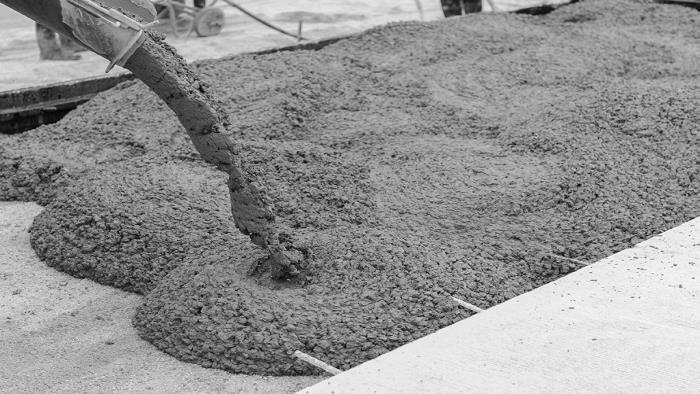
Concrete,aubiquitousbuildingmaterial,hasrootsstretching backtoancientcivilizationsliketheRomans,whopioneered itsearlyforms.Composedofcement,water,aggregates,and additives, concrete undergoes a chemical reaction called hydration during curing, creating a robust structure. Its versatilityallowsformoldingintodiverseshapes,makingit indispensable for various construction projects, including residential buildings, bridges, and infrastructure. Besides strengthanddurability,concreteboastsfireresistanceand lowmaintenance,contributingtoitswidespreaduse.Despite itsadvantages,challengeslikecrackingexist,necessitating properdesignandmaintenance.Recentinnovationsfocuson sustainability,includingalternativematerialsandadvanced technologieslikeself-healingconcreteand3Dprinting.As construction practices evolve, concrete remains a cornerstone, adapting to meet the demands of modern architectureandenvironmentalstewardship.
6.1.Coarse
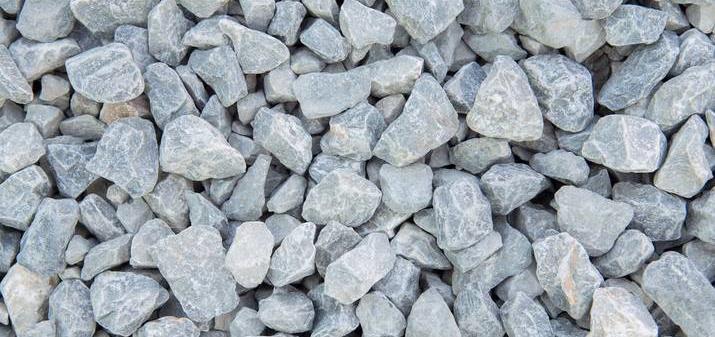
Coarseaggregateisanindispensablecomponentofconcrete, servingastherobustbackbonethatprovidesstabilityand strengthtothemixture.Comprisinglargerparticlessourced from materials like gravel, crushed stone, or recycled concrete, coarse aggregate forms a supportive framework withintheconcretematrix.Itsprimaryroleistodistribute loadsevenly,enhancingtheconcrete'sabilitytowithstand compression, tension, and other stresses. Available in a range of sizes and shapes, coarse aggregate selection influences factors such as workability, appearance, and overallperformanceoftheconcrete.Whetherroundedfor
improvedworkabilityorangularforenhancedbonding,the characteristicsofcoarseaggregatesignificantlyimpactthe finalpropertiesoftheconcrete.Fromstructuralstabilityto long-termdurabilityagainstenvironmentalfactors,coarse aggregateplaysapivotalroleinensuringtheintegrityand performance of concrete structures across diverse constructionprojects.
6.2.Fine
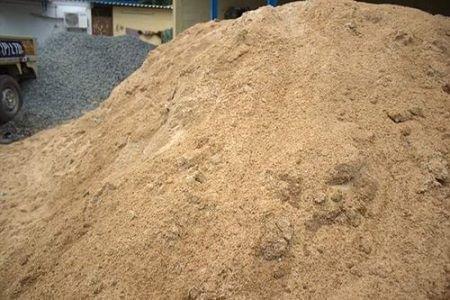
Fineaggregate,akeyconstituentofconcrete,comprisessand particles passing through standard sieves while being retainedonaNo.200sieve(0.075mmsize).Integraltothe mixture, fine aggregate fills the spaces between coarse aggregate, forming a compact matrix that enhances concrete's strength and durability. Its presence not only improves workability but also influences the rheological properties of the mix, affecting flowability and cohesion during placement and finishing. The particle size distribution,shape,andcleanlinessofthesandarepivotal, ensuring proper packing and reducing segregation risks. Moreover,fineaggregate'squality,characterizedbyitslack oforganicmatterandminimalclayorsiltcontent,isvitalfor maintainingconcrete'sperformance.Beyondfunctionality, fine aggregate also contributes to the aesthetic appeal of concretesurfaces,influencingtextureandcolorindecorative applications.Inconstruction,themeticulousselectionand integration of fine aggregate are imperative for achieving high-quality,durableconcretestructures.
International Research Journal of Engineering and Technology (IRJET) e-ISSN:2395-0056
Volume: 11 Issue: 04 | Apr 2024 www.irjet.net p-ISSN:2395-0072
Inthissectionoftheliteraturereview,wehavestudiedthe previousresearchpapersn=basedinthereplacementofthe coarse aggregate in the concrete with various other materials.Thesummaryoftheallpreviousresearchworkis givenbelowinthedetails.
Steve: Utilizingmodifiedplasticwasteasareplacementfor coarse aggregate in porous concrete blocks can impact strengthproperties,with5%sandadditionshowingoptimal resultscomparedtoothermixtures.Porousconcreteblocks with5%sandadditionshowedbetterstrengthproperties. InclusionofPETaggregateinporousconcreteblocksdidnot significantly improve strength. Plastic waste modified as replacementforcoarseaggregateinporousconcreteblocks. 5% sand addition showed better strength properties comparedtoothermixtures.
Debsis et.al: Thestudyexploresusingwaste-polyethyleneterephthalate (PET) as a replacement for natural coarse aggregate in concrete, affecting properties like water permeability, impact resistance, and chloride ion penetrability. Compressive strength of concrete reduced withthepresenceofplasticaggregates.Sorptivityincreased with the inclusion of PET and PE aggregates in concrete. Studyonmechanicalanddurabilitypropertiesofconcrete using plastic waste as aggregate replacement.Effects of differentpercentagesofplasticwasteonvariousproperties ofconcrete.
Rohantha et.al: ThepaperexploresusingPET,HDPE,and PPplasticwastewithquarrydustassubstitutesforcoarse aggregates in concrete, suitable for low-strength componentsduetospecificgravitydifferences.PETplastic aggregateshavehigherspecific gravitythanHDPEandPP aggregates.PPaggregateshavethehighestwaterabsorption rate compared to HDPE and PET aggregates. Paper discusses use of recycled plastic and quarry dust as aggregates.PETplasticaggregateshavehighercompressive strengthcomparedtootherplastics.
Khawar et.al: Incorporating plastic waste as coarse aggregate in concrete can improve workability but may reducemechanicalproperties;however,addingsilicafume canenhancedensityandstrength,makingiteco-friendlier. Plastic aggregates negatively influenced the mechanical propertiesofconcrete.Additionofsilicafumeimprovedthe mechanicalproperties.Investigateduseofplasticaspartial substitutionfornaturalcoarseaggregatesinconcretePlastic aggregatesimprovedworkabilitybutreduceddensityand mechanicalpropertiesofconcrete.
Moussa et.al: ModifiedconcreteusingPETplasticwasteasa partial replacement for coarse aggregate enhances workability,reducesdensity,andprovidesthermalcomfort, makingitsuitableforvariousconstructionapplications.PET aggregatereducesunitweightandenhancesworkabilityof
concrete.Incorporating PET aggregate up to 15% has minimalconsequencesonconcreteproperties.PETplastic waste used as partial replacement for coarse aggregate in concretePET aggregates improve workability, reduce density,andprovidethermalcomfortinconcretestructures.
Dwivedi et.al: Polypropylene waste was used to replace conventionalcoarseaggregatesinconcreteatlevelsof0%, 20%,40%,and60%.Mechanicalpropertiesdecreasedwith higher plastic waste content. Decrease in mechanical properties with increased plastic aggregate replacement levels.20%PP-embeddedconcretesuitableforprimaryloadbearingapplications.PPusedaspartialsubstituteforcoarse aggregatesinconcrete.Mechanicalpropertiesdecreasewith higherPPaggregatelevels.
Fotini et.al: WorkabilityofmortarsreducedwithXLPEuse and increased with PET use. Recycled PET showed better performanceoverallforlightweightmortars.PETandXLPE plasticwastesusedasaggregatesincement-basedmortars Workability, porosity, water absorption, compressive strength,anddensityevaluated.
Alice et.al: Recycled plastic aggregates combined with biochar in concrete show limited reduction in mechanical properties, promoting circular economy principles with enhancedfractureenergyandductility.Biocharandrecycled plastic in concrete improve mechanical properties. Combination promotes circular economy principles. Concrete with biochar and plastic waste shows improved mechanical properties.Biochar and plastic waste combinationpromotescirculareconomyprinciples.
Fahad et.al: Thestudyexaminedtheuseoffabricatedplastic aggregate in concrete, showing a decrease in mechanical properties but improved durability, making it suitable for non-structural applications. Fresh and mechanical properties of green concrete with plastic aggregates are reducedcomparedtotypicalconcrete.Waterabsorptionand chlorideionpermeabilitydecreaseingreenconcretewith plastic aggregates. Concrete industry seeks sustainable solutionsforcarbonfootprint.Plasticwasteinconcretecan beapotentialsolution.
Sudarmono et.al: The study explores using waste plastic bags to replace coarse aggregate in concrete, aiming for optimalproportionstoenhanceenvironmentalsustainability andstructuralperformance.Optimalflexuralstrengthand buckling with 30% waste plastic replacement. Effective reinforcementratioformaximumtorqueis66.67%. Study on flexural and buckling strength of concrete with plastic bags. Coarse aggregate replaced by waste plastic bags for reinforcementvariations.
Ramkrishnan et.al: Surfacemodifiedplasticaggregatecan replaceconventionalcoarseaggregateinconcrete.Different treatmentsimprovebondingwithcement,enablingstrength similar to control concrete, reducing plastic waste
International Research Journal of Engineering and Technology (IRJET) e-ISSN:2395-0056
Volume: 11 Issue: 04 | Apr 2024 www.irjet.net p-ISSN:2395-0072
accumulation. Possible to improve bonding of plastic aggregate for concrete strength. Flexural-tensile strength decreases with higher numerical factor value. Novel lightweight coarse aggregate from PET plastic waste for concrete. Surface treatment improves bonding, achieving strengthsimilartocontrolconcrete.
Jahidul Islam: Polypropylene and polyethylene terephthalate waste plastics were used as partial replacementsforcoarseaggregateinconcrete.PPshowed increased compressive strength, while PET exhibited reduced strength compared to brick aggregate. Concrete with PP aggregate has higher compressive strength and lower density. Concrete with PET aggregate has lower compressive strength compared to reference concrete. Study compares concrete with polypropylene and polyethylene terephthalate waste plastic as partial replacementofcoarseaggregate.ConcretewithPPaggregate showshighercompressivestrengthandlowerdensity.
Arnaud et.al: Thestudyexploredusingplasticaggregates from waste to replace natural aggregates in concrete, affecting shrinkage and expansion. Plastic aggregates showedvariedeffectsonconcretepropertiescomparedto traditionalaggregates. BAgP-PVCrecommendedforpaving inharshweatherconditions.BAgP-PEHDshowedincreased shrinkage compared to control concrete. Study on using plasticaggregatestoreduceconcreteshrinkage.BAgP-PVC recommendedforsurfacesexposedtoharshweather.
Radhi et.al: The study replaced natural coarse aggregate with HDPE plastic waste in concrete beams, showing promising results with 30% replacement enhancing toughness by 24% while reducing load capacity by 7%. Beams with 30% HDPE replacement showed similar cracking and failure time as reference beam. Beams with 30%HDPEreplacementhad24%increasedtoughnessand 7% reduced load carrying capacity. Sustainable concrete beams with HDPE plastic waste as coarse aggregate. 30% HDPE replacement increased toughness by 24%, reduced loadcapacityby7percent.
8.CONCLUSION
Inconclusion,thisreviewpaperprovidesacomprehensive overviewoftheexperimentalinvestigationsconductedon the replacement of coarse aggregate with plastic waste in concrete. The findings suggest that incorporating plastic waste as a partial or complete substitute for coarse aggregate offers promising results in terms of improving certainpropertiesofconcrete,suchasreducingitsdensity, enhancing its ductility, and mitigating environmental concerns associated with plastic disposal. However, it is evidentthattheeffectivenessofplasticwastereplacement depends on various factors including the type and size of plastic waste, its treatment, and the concrete mix design. Furtherresearchisnecessarytooptimizetheincorporation
ofplasticwasteinconcretetoensurestructuralintegrityand long-term durability. Overall, this review highlights the potential of utilizing plastic waste as a sustainable alternative in concrete production, contributing to both waste management and the development of eco-friendly constructionmaterials.
1. Utilization of Modified Plastic Waste on the Porous ConcreteBlockContainingFineAggregate.Utilizationof ModifiedPlasticWasteonthePorous ConcreteBlock ContainingFineAggregate.Vol.85,no.4,pp.143–51, https://doi.org/10.11113/jurnalteknologi.v85.19219.
2. UtilizationofPlasticWasteasReplacementofNatural Aggregates in Sustainable Concrete: Effects on MechanicalandDurabilityProperties.Apr.2023,pp.1–6,https://doi.org/10.1007/s13762-023-04946-1.
3. Strength Properties of Recycled Waste Plastic and Quarry Dust as Substitute to Coarse Aggregates: An Experimental Methodology. no. 1, Apr. 2023, https://doi.org/10.1007/s42824-023-00077-7.
4. InfluenceofRecycledPlastic IncorporationasCoarse Aggregates on Concrete Properties. Influence of RecycledPlasticIncorporationasCoarseAggregateson Concrete Properties. Vol. 15, no. 7, pp. 5937–37, https://doi.org/10.3390/su15075937.
5. Performance of Concrete Using Shredded Waste Plastics as Replacement for Coarse Aggregate. Performance of Concrete Using Shredded Waste Plastics as Replacement for Coarse Aggregate. https://doi.org/10.21203/rs.3.rs-2695917/v1.
6. Concrete Constructed with Recycled Water to Experimental Analysis of the Physical Behavior of Polypropylene Aggregate (PPA). https://doi.org/10.30955/gnj.004723.
7. Experimental Study on Light Weight Concrete Using Plastic Waste as a Partial Replacement of Fine Aggregate. Experimental Study on Light Weight ConcreteUsingPlasticWasteasaPartialReplacement of Fine Aggregate. https://doi.org/10.21203/rs.3.rs2552757/v1.
8. Modified Concrete Using Polyethylene Terephthalate Plastic Waste as a Partial Replacement for Coarse Aggregate. no. 06, Apr. 2023, pp. 896–909, https://doi.org/10.4236/ojapps.2023.136072.
9. Effects of Polypropylene Waste Addition as Coarse AggregatesinConcrete:ExperimentalCharacterization and Statistical Analysis. Apr. 2022, pp. 1–1, https://doi.org/10.1155/2022/7886722.
International Research Journal of Engineering and Technology (IRJET) e-ISSN:2395-0056
Volume: 11 Issue: 04 | Apr 2024 www.irjet.net p-ISSN:2395-0072
10. Investigation on the Use of PET and XLPE Plastic WastesasAggregatesinCement-basedMortars.no.1, pp. 012069–69, https://doi.org/10.1088/17551315/1196/1/012069.
11. Combined Effects of Biochar and Recycled Plastic Aggregates on Mechanical Behavior of Concrete. Jan. 2022,https://doi.org/10.1002/suco.202200949.
12. Construction of Green Concrete Incorporating Fabricated Plastic Aggregate from Waste Processing. no. 5, pp. 4114–14, https://doi.org/10.3390/su15054114.
13. BendingandBucklingStrengthConcretewithCoarse Aggregate Replacement Waste Plastic Bags. Bending andBucklingStrengthConcretewithCoarseAggregate ReplacementWastePlasticBags.Vol.27,no.2,pp.252–52,https://doi.org/10.32497/wahanats.v27i2.4146.
14. SelectedMechanicalandPhysicalPropertiesConcrete withPolypropylenePlasticGranuleAggregate.Selected Mechanical and Physical Properties Concrete with PolypropylenePlasticGranuleAggregate.Vol.1117,no. 1, Apr. 2021, pp. 012014–14, https://doi.org/10.1088/1755-1315/1117/1/012014.
15. Use of Polypropylene Waste Plastic Pellets as Partial Replacement for Fine Aggregate in Concrete. no. 1, https://doi.org/10.53332/kuej.v9i1.951.
16. Surface Modified Synthetic Plastic Aggregate for Concrete–ExperimentalandAnalyticalStudies.no.1, pp.104–10,https://doi.org/10.5755/j02.ms.31124.
17. ComparativeStudyofConcretewithPolypropyleneand Polyethylene Terephthalate Waste Plastic as Partial ReplacementofCoarseAggregate.Apr.2022,pp.1–3, https://doi.org/10.1155/2022/4928065.
18. Study of the Effect of Plastic Aggregates on Drying ShrinkageandExpansionofConcrete.no.04,Apr.2023, pp. 255–72, https://doi.org/10.4236/msa.2023.144015.
19. FlexuralBehaviorofSustainableReinforcedConcrete Beams Containing HDPE Plastic Waste as Coarse Aggregate. no. 1, Jan. 2022, https://doi.org/10.1080/23311916.2022.2127470.
20. Investigation of the Effectiveness of CFRP StrengtheningofConcreteMadewithRecycledWaste PET Fine Plastic Aggregate. no. 7, pp. e0269664–64, https://doi.org/10.1371/journal.pone.0269664.