
Volume: 11 Issue: 04 | Apr 2024 www.irjet.net p-ISSN:2395-0072
Volume: 11 Issue: 04 | Apr 2024 www.irjet.net p-ISSN:2395-0072
1Mrunal Kotian, 2Tejas Raut, 3Pratham Malvia, 4Nikhil Walunj, 5Manjiri Pathak
1. Student, Dept. of COMP Engineering, VPPCOE & VA, Maharashtra, India
2. Student, Dept. of COMP Engineering, VPPCOE & VA, Maharashtra, India
3. Student, Dept. of COMP Engineering, VPPCOE & VA, Maharashtra, India
4. Student, Dept. of COMP Engineering, VPPCOE & VA, Maharashtra, India
5. Associate Professor, Dept. of COMP Engineering, VPPCOE & VA, Maharashtra, India
Abstract - Inthehealthcaresector,efficientmanagement of blood supply is crucial for saving lives. Traditional blood distribution systems often face challenges such as lack of transparency,traceability,accessibility,fraudulentactivities and inefficient allocation of resources. To address these issues, we present a blockchain technology-based blood registryandsupplysystem.Theproposedsystemensuresthe immutability of donor data, transparency in blood distribution, effective management of surplus blood, and prevention of fraudulent activities Blood Chain leverages the inherent characteristics of blockchain technology, including decentralization, immutability, and transparency, to create a secure and tamper-proof registry of blood donations, storage, and distribution. Through smart contracts, the system automates the process of matching blood donors with recipients, facilitating seamless transactions while maintaining privacy and confidentiality. By harnessing the power of blockchain technology, Blood Chainaims tostreamlineblood donationprocesses, improve access tolife-saving blood products, and ultimatelyenhance the efficiency and effectiveness of healthcare delivery systems.
Keywords: Blockchain, Blood supply chain, Transparency,Blooddonation,Traceability,Security.
In response to the critical need for a secure, transparent, and efficient blood distribution system, this paper presents Blood Chain, a blockchain-based solution designed to revolutionize the management of blood donations and distribution. Blood Chain ensures the immutability of donor data while providing transparency throughout the blood supply chain, from donation to transfusion. By leveraging blockchain technology, Blood Chain offers a decentralized platform where donors can securely contribute blood, which is recorded in an immutable ledger. Each donation undergoes rigorous testingatinspectioncenters,withresultsrecordedonthe blockchain,generatingauniqueQRcodeforverifiedblood packets. Hospitals, utilizing patient Aadhaar numbers for accountability,canrequestblood,andanalgorithmselects the most optimal blood bank based on proximity and availability. Through this process, Blood Chain enhances
accountability, prevents fraud, and streamlines blood distribution, ultimately saving lives while maintaining the integrityofthehealthcaresystem.
InIndia,themanagementofbloodsupplyfacesnumerous challenges,includingensuringanadequateandsafeblood supply,efficientdistribution tohospitals,andmaintaining accurate donor records. To address these challenges, a comprehensive blood management system is essential. Such a system would incorporate robust inventory managementtoolstotrackbloodunitsacrossbloodbanks, implement strict donor screening protocols to guarantee the safety of donated blood, and utilize innovative technologies like blockchain for secure and transparent data management. Additionally, partnerships between government agencies, healthcare facilities, and non-profit organizations are crucial for enhancing blood collection drives, promoting voluntary blood donation, and establishing standardized protocols for blood transfusion, ultimately improving access to safe blood for patients acrossthecountry.
Theexistingblooddonationprocesssystemtherearetwo mainproblems:
Insufficient visibility of blood information within thesystemremainsachallenge.
Thecentralizedbloodsupplysystemoftencauses delaysintransportingbloodduringemergencies.
The utilization of blockchain technology in a blood bank management system, as exemplified by "Blood Chain," addresses critical challenges plaguing traditional blood distribution systems. By leveraging blockchain's inherent features of immutability and transparency, Blood Chain ensures the secure and verifiable recording of donor data and blood transactions, thus safeguarding against fraudulent activities. Through its decentralized architecture,BloodChainenhancesaccountabilityatevery
Volume: 11 Issue: 04 | Apr 2024 www.irjet.net p-ISSN:2395-0072
stage, from blood donation to distribution, fostering trust among donors, blood banks, and hospitals. Blockchain's tamper-proof nature ensures the integrity of donor information and blood safety statuses, while its transparent ledger enables real-time tracking of blood supply, optimizing distribution efficiency and reducing wastage. Additionally, the use of QR codes linked to blockchain data enhances traceability, enabling donors to monitor the journey of their donated blood. Overall, by integrating blockchain technology, Blood Chain revolutionizes blood bank management, ensuring the reliability, transparency, and effectiveness of blood distribution processes, ultimately saving lives and upholdingtheintegrityofthehealthcaresystem.
Themotivationbehindthis projectstemsfromthecritical need for a transparent, efficient, and secure blood distribution system. Existing blood management systems often lack transparency, leading to inefficiencies, fraud, andcompromisedpatientsafety.Byleveragingblockchain technology, Blood Chain addresses these challenges by ensuring the immutability of donor data, transparency in blooddistribution,effectivemanagementofsurplusblood, and prevention of fraud. Through blockchain-based verification,bothdonorsandrecipientsgainconfidencein the safety and authenticity of the blood supply chain, ultimately saving lives and enhancing the integrity of the healthcaresystem.
Develop a secure and transparent blood distribution system using blockchain technology to ensure the immutability of donor data, thus enhancing trust and accountability in the blood supplychain.
Implement a rigorous verification process for donated blood, including physical inspection and testing, followed by the generation of unique QR codes to track blood status, enabling efficient managementofsafeandunsafebloodunits.
Facilitateseamlesscommunicationbetweenblood donors, blood banks, and hospitals through an intuitive interface, allowing donors to receive notifications about the acceptance or rejection of their donated blood and hospitals to request specificbloodtypessecurely.
Optimize blood distribution efficiency by employing an algorithm that calculates the most optimal blood bank based on proximity and availablebloodquantity,ensuringtimelyaccessto
safe blood units for patients in need while preventingfraudulentactivities.
Empowerstakeholders,includinghospitals,blood banks, and donors, with user-friendly interfaces and secure login functionalities, enabling them to access and verify blood transaction details, track blood history, and uphold the integrity of the bloodsupplychain.
Diana Hawashin et al. [1] presented a novel approach to blood donation management through a private Ethereum blockchain solution, aimed at decentralization, transparency, traceability, auditability, privacy, security, and trustworthiness. Leveraging the InterPlanetary File System (IPFS) for off-chain storage of non-critical and largedata,the proposedsystem operateswithin a private Ethereum network, enhancing confidentiality by restricting access to authorized nodes disconnected from the main network. This network configuration ensures that sensitive patient and medical supply records are accessibleonlytodesignatedparticipantsandentities.The system architecture includes two smart contracts: the production smart contract and the consumption smart contract, accessible via Frontend Decentralized Applications (DApps) and linked to software devices through an application programming interface (API). Access to smart contract functions is restricted to preauthorized actors, categorized into groups such as phlebotomists, transporters, blood bank technicians, administrators, doctors, and nurses. To handle large data efficiently, the system utilizes IPFS for decentralized storage, while Ethereum Smart Contracts define actor functions and access permissions. The Ethereum Distributed Ledger maintains transaction details securely, ensuring transparency and security throughout the blood coldsupplychain.
PhucNguyenTrongetal. [2]hascitedintheirpublication, a blockchain-based solution, termed Blood and ProductChain,forthemanagement ofbloodsupplychains.Witha decentralized distributed ledger, the system aims to enhance information security, prevent data loss, and mitigate identity theft risks inherent in current manual blood management processes. The paper highlights the criticalroleofbloodanditsderivativesinmodernmedical treatments and the challenges faced due to manual data entry and centralized data storage. The Blood and Product-Chain model is designed to manage all relevant information regarding blood and its products, utilizing blockchain technology. The architecture incorporates key actors such as medical staff, recipients, donors, hospitals, and blood-related facilities, ensuring transparency and data integrity throughout the supply chain. Detailed models illustrate the processes of storing donor International Research Journal of Engineering and Technology (IRJET) e-ISSN:2395-0056
Volume: 11 Issue: 04 | Apr 2024 www.irjet.net p-ISSN:2395-0072
information, contacting donors, and managing blood transportation.ImplementationontheHyperledgerFabric platform is described, demonstrating the authentication process, smart contract integration, and interaction with blood records. The research presents a novel approach to blood supply chain management, leveraging blockchain technology to address existing limitations and improve overallefficiencyandsecurity.
M.H. Zafar et al. [3] proposed system, built on the Hyperledger Fabric framework, establishes a closed-loop supply chain structure to ensure traceability and security throughout the blood transfusion process. Utilizing a privateblockchain,sensitivedonorinformationis
safeguarded while transparency and data integrity are enhanced. Key components include a Nationwide Blood Donor Registry (NBDR) and a Nationwide Health Records (NHR) Registry, which enable efficient tracking of donors and their donations. The framework incorporates various stakeholders such as blood camps, inspection centers, blood banks, hospitals, and transportation services, facilitatingseamlessbloodflowwhilemaintainingprivacy and security. The implementation employs Hyperledger Composer for system modeling and transaction logic, achieving a transaction throughput of 80 transactions per second in experimental scenarios. Overall, the proposed model offersarobustsolutiontooptimizeblooddonation systems, reducing wastage and ensuring timely access to safebloodforpatientsinneed.
The authors in [4] discussed a self-sovereign identity blockchain-based method for managing blood donations, focusingonensuringtransparency,efficiency,andsecurity within the blood supply chain. Utilizing the Proof-ofAuthority (PoA) consensus algorithm, the system offers a centralized approach suitable for environments where trusted oversight is crucial. Two algorithms facilitate the collection and transfer of blood samples, ensuring unique identification and secure transportation to hospitals. Implemented using Hyperledger Composer, the system encompasses asset modeling, transaction logic, access controls, and query functionalities. Results demonstrate the system's ability to efficiently handle blood requests, match donors with recipients, and track blood from donation to consumption. Additionally, it ensures blood quality assessment validation and promotes transparency in the allocation of blood resources. Overall, this method presents a promising solution for enhancing blood donation management, reducing inefficiencies, and mitigatingmalpracticeswithinthebloodsupplychain.
E. Sweetline Priya et al. [5] present the design and implementation of a Trust-based Blood Donation and Transfusion System (BDTMS) leveraging blockchain technology. The system aims to address critical issues in blood supply chain management, ensuring transparency, traceability, and trust among stakeholders. Through a
permissioned blockchain model, BDTMS enables secure interactions among donors, blood banks, hospitals, and patients. The system records comprehensive data ranging fromdonorregistrationtobloodtransfusiondetailsonan immutable ledger, ensuring data integrity and transparency. Implemented on the Hyperledger Fabric platform, BDTMS employs smart contracts written in Node.js for data validation and block creation. The proposed system offers significant advancements over traditional systems, including direct ledger access for stakeholders, transparent blood transfusion processes, explicit communication with donors, interoperability amongbloodbanks,traceabilityofbloodjourney,anddata integrity assurance. Algorithmic procedures ensure the validity of data stored in the blockchain, maintaining the integrity of the blood donation and transfusion process. Sample JSON objects and query mechanisms demonstrate the practical implementation and retrieval of data from the blockchain ledger. Overall, the proposed BDTMS serves as a robust solution for enhancing trust and efficiency in blood donation and transfusion management systems.
Abbas et al. [6] proposed and implemented a revolutionary machine learning and blockchain-based medicine supply chain management and recommendation system in their 2020 publication. It consists of two modules: a machine learning-based pharmaceutical recommendationmoduleandadrugsupplychainmodule. In the first module, created with the Hyperledger Fabric tool Hyperledger Composer, they logged in, watched, and tracked the drug from its production until consumption. ThesecondmoduleusedLightGBMandN-grammodelsto recommendtherightdrugsforagivenmedicalcondition.
Toyoda et al. [7] provided support for the RFID supply chain by utilizing the EPC contained in the tag to differentiate between different goods. Through product tracking and tag verification, this integration promotes dependability and prevents forgeries. The authors of [8] presented a decentralized approach for blood tracing using an Ethereum-like blockchain. Certified blood donation centers (CBDC) are the only members with writing permissions. Donors are identified by their social security number and password. Kim et al. [9] proposed a blood supply chain system using Hyperledger Fabric, which verifies temperature-related transactions, records timestamps,andshowsbloodunitstoragestatus.Itallows coldsupplychainplayerstoupdatechangesandfacilitates real-time sharing of blood movement, consumption, and disposaldata.
Blood Chain is a blockchain-based blood registry and distribution system designed to ensure the integrity of donor data while offering transparency and efficient managementofbloodsupply.Donorscancontributeblood International Research Journal of Engineering and Technology (IRJET) e-ISSN:2395-0056
International Research Journal of Engineering and Technology (IRJET) e-ISSN:2395-0056
Volume: 11 Issue: 04 | Apr 2024 www.irjet.net p-ISSN:2395-0072
at campsites or blood banks, with details recorded on the blockchainincludingAadhaarnumbers,bloodgroup,anda unique blood ID. After physical inspection, blood is categorizedas"Safe"or"Unsafe,"withacorrespondingQR codegeneratedandaffixedtobloodpackets.
Donors receive notifications based on the blood's status. Hospitals request blood by specifying the required group and patient's Aadhaar number, with an algorithm determining the optimal blood bank based on proximity andavailability.TransactionsareverifiedusingMetaMask wallets, ensuring security. Donors can track their blood's history using their Aadhaar number and blood ID, promoting accountability and transparency throughout thesystem.
Security is ensured through email/password login for hospitalsandbloodbanks,withtransactionsverifiedviaa MetaMaskwallet,preventingfraud.
Donors can contribute blood either at a designated campsite or at a blood bank facility. Upon donation, pertinent information such as Aadhaar numbers, blood group,andauniquebloodIDisrecordedintheblockchain.
The donated blood is then transported to a blood inspection center for physical examination. After inspection, the blood is categorized as either "Safe" or "Unsafe." Donors are promptly notified of the acceptance or rejection of their blood. They also have the ability to track the history of their donated blood by simply inputtingtheirAadhaarnumberandbloodID,withoutthe needforloginorregistration.
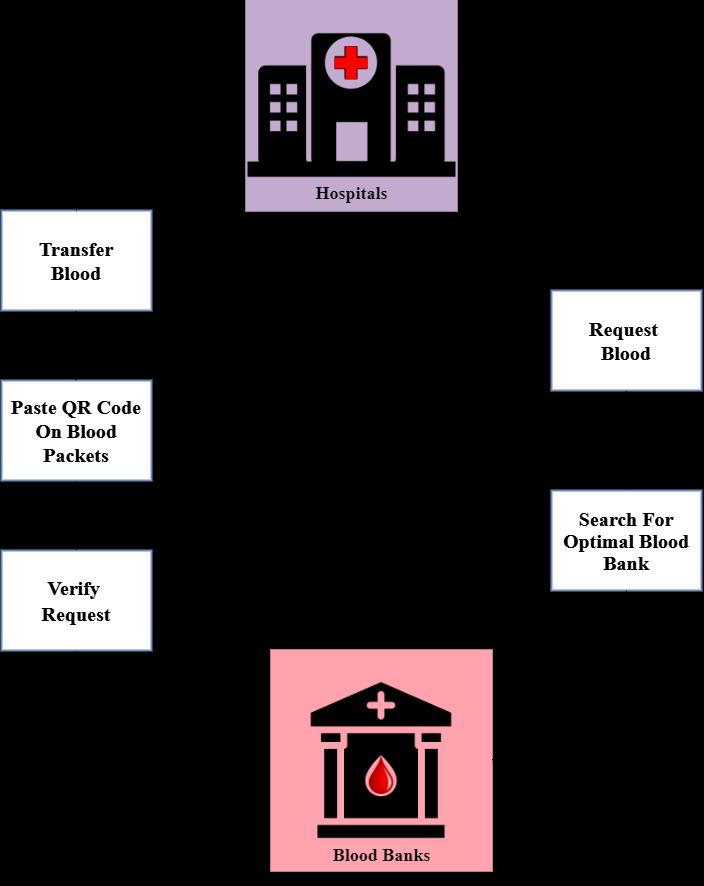
When a hospital requires blood, they specify the desired bloodgroupandprovidethepatient'sAadhaarnumberfor accountability purposes, ensuring transparency and preventing fraudulent behavior such as black-market blood sales. An algorithm then determines the most optimalbloodbankbasedonfactorssuchasproximityand quantityofavailableblood.Oncetheoptimalbloodbankis identified, the required blood is transferred from that bloodbank totherequestinghospital.Uponreceiptofthe blood, the hospital can virtually access detailed information about the blood received, including its origin and status. Additionally, they can view the location of the blood bank on Google Maps for further verification. The physicalverificationofthereceivedbloodiscompletedby scanning the QR code attached to the blood packets, thus ensuringthecorrectnessofthereceivedblood.
Bloodbanksplayacrucialroleinthedistributionprocess. They receive donated blood from donors and record
relevant information in the blockchain. After physical inspection and categorization of the blood, a QR code is generated, containing key identifiers such as Aadhaar numbers,bloodID,andbatchnumber'shash.ThisQRcode is affixed to the physical blood packets for easy tracking andverification.Bloodbanksalsohavethefunctionalityto loginusingtheiremail andanadmin-providedpassword. Each transaction involving the transfer or creation of assets,suchasbloodunits,mustbeverifiedandconfirmed using a MetaMask wallet, ensuring the security and integrityofthesystem.
The tracking system for Blood Chain terms like donors, hospitals,andblood banksreliesonthetransparencyand immutability of the blockchain. Donors' blood donations are recorded on the blockchain, including relevant informationsuchasAadhaarnumbers,bloodgroup,anda unique blood ID. After physical inspection, blood is categorized as "Tested and Safe" or "Tested and Unsafe," with a corresponding QR code generated. Donors are notified of the status of their blood. Hospitals requesting blood specify the required group and patient's Aadhaar number, ensuring accountability and preventing fraudulentbehavior.Analgorithmdeterminestheoptimal blood bank based on proximity and availability. Once blood is transferred, hospitals can virtually view details and verify received blood using the QR code. Both hospitals and blood banks log in using credentials, with transactions verified using MetaMask wallets for security. Donorscantracktheirblood'shistoryusingtheirAadhaar number and blood ID, ensuring transparency and accountabilitythroughoutthesystem.
Blockchain Integration: Develop a blockchain network using platforms like Ethereum or Hyperledger to record blood donation transactions. Implement smart contracts to manage the appending of new data blocks containing donor information such as Aadhaar numbers,bloodgroup,andbloodID.
QR Code Generation: Integrate a QR code generation system that automatically creates QR codescontainingencryptedinformationincluding Aadhaar numbers, blood ID, and a hash of the batch number. This QR code will be affixed to physical blood packets for easy tracking and verification.
Blood Inspection Center Integration: Create an interface for blood inspection centers to update the status of donated blood as "Tested and Safe" or "Tested and Unsafe" after physical inspection. Automatically trigger notifications to donors
International Research Journal of Engineering and Technology (IRJET) e-ISSN:2395-0056
Volume: 11 Issue: 04 | Apr 2024 www.irjet.net p-ISSN:2395-0072
regarding the acceptance or rejection of their blooddonations.
Optimal Blood Bank Selection Algorithm: Develop an algorithm to determine the most optimal blood bank based on factors such as proximity and quantity of available blood. Utilize Google Maps API for location-based calculations. Ensure transparency in the decision-making process.
Hospital Interface and Authentication: Design user-friendly interfaces for hospitals and blood banks to securely log in using email credentials providedbytheadmin.Implementauthentication mechanisms to verify users' identities. Enable hospitalstospecifybloodgrouprequirementsand patient Aadhaar numbers for accountability. Provide functionalities for tracking blood shipments,viewingbloodbanklocationsonmaps, and verifying received blood packets using QR codes. Utilize MetaMask wallet integration for transactionverificationandconfirmation.
Figure 1: Provides an overview of the functionality offeredbytheBloodSupplyandRegistryapplication.
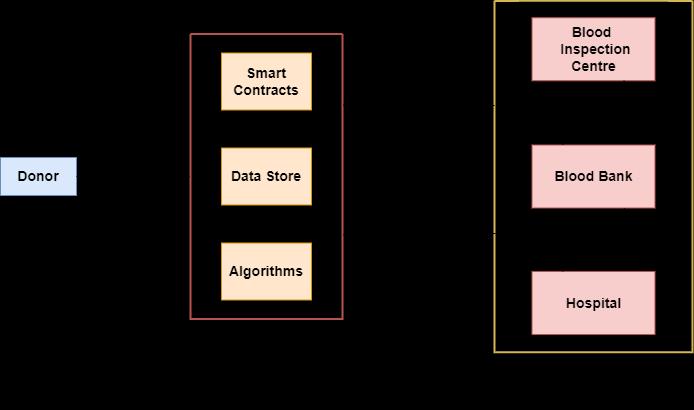
Figure 2: Illustrates the workflow of blood donation, detailing the steps involved after donors donate their blood.
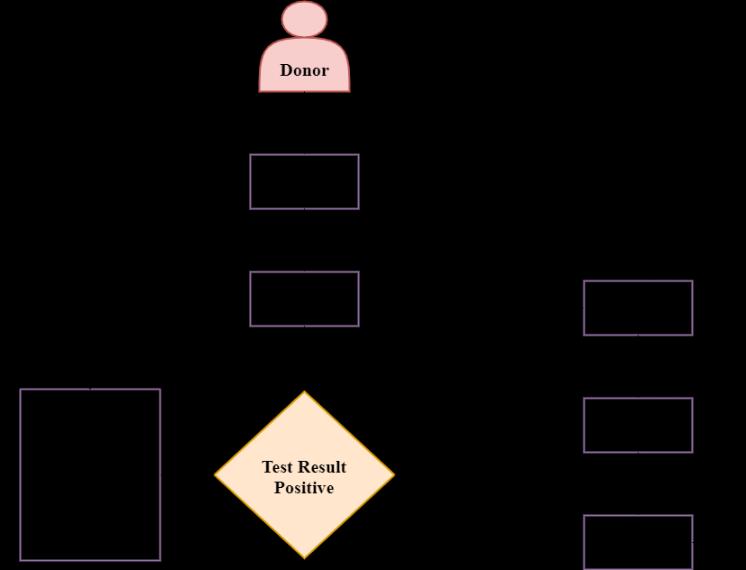
Figure 3: Depicts the process followed between hospitals and blood banks, outlining how hospitals send blood requeststobloodbanksandreceiveresponses.
International Research Journal of Engineering and Technology (IRJET) e-ISSN:2395-0056
Volume: 11 Issue: 04 | Apr 2024 www.irjet.net p-ISSN:2395-0072
This paper proposes a comprehensive blood distribution system that leverages blockchain technology to ensure data immutability and transparency while effectively managingsurplusbloodandpreventingfraud. Donorscan contributeblood,andtheirinformationisrecordedonthe blockchain. The proposed solution employed the smart contract feature of the private Ethereum blockchain to record and log events automatically. The proposed blockchain-based solution ensures visibility through traceability. The QR code authentication and encrypted transactions ensure the integrity of blood reaching the patient. The optimization algorithm guarantees continuous availability of blood in hospitals. Possibilities of scarcities of blood during cases of emergencies are eliminated. Lack of transparency in traditional systems is eliminated
WeextendoursinceregratitudetoProf.ManjiriPathakfor herinvaluableguidancethroughoutthepreparationofthis research paper. Without her expert advice, this work would not have reached completion. Her untiring assistance and encouragement in error elimination have significantly contributed to the refinement of this report. The depth of our gratitude is immeasurable, and we acknowledge his instrumental role in shaping the quality ofourresearch.
We extend our gratitude to Dr. Rais Mulla, who serves as theheadofthecomputerdepartment,forhiscollaboration and invaluable insights.Our sincere thanks go to all the teaching staff of the computer department for their support and insights, which have enriched the content of this research paper. Special appreciation is directed towards the management of our college, and we express our thanks to our principal, Dr. Alam N. Shaikh, for demonstrating keen interest, coordinating efforts, and providing essential facilities that contributed to the successfulcompletionofthisproject.
Furthermore, we would like to express our gratitude to our classmates and friends for their unwavering support andcamaraderiethroughoutthisresearchendeavor.Their encouragement has been a source of motivation. Lastly, our appreciation extends to the researchers and scholars whose papers and theses have served as valuable references,enrichingthecontentanddepthofourseminar report.
10. REFERENCES
[1] Diana Hawashin, Dunia Amin J. Mahboobeh, Khaled Salah, Raja Jayaraman, Ibrar Yaqoob, Mazin Debe, Samer Ellahham, “Blockchain-Based Management of Blood
Donation”, IEEE Access, vol. 9, pp. 163016-163032, 2021. https://doi.org/10.1109/ACCESS.2021.3133953
[2] Phuc Nguyen Trong, Hong Khanh Vo, Luong Hoang Huong, Khiem Huynh Gia, Khoa Tran Dang, Hieu Le Van, Nghia Huynh Huu, Tran Nguyen Huyen, The Anh Nguyen, Loc Van Cao Phu, Duy Nguyen Truong Quoc, Bang Le KhanhandKietLeTuan,“BloodandProduct-Chain:Blood and its Products Supply Chain Management based on Blockchain Approach” International Journal of Advanced Computer Science and Applications(IJACSA), 13(11), 2022.http://dx.doi.org/10.14569/IJACSA.2022.0131186
[3] M.H. Zafar, I. Khan , A.U. Rehman, S. Zafar, “A Novel Blockchain-Based Model for Blood Donation System”, EAI Endorsed Transactions on Context-aware Systems and Applications. 8. e8. 10.4108/eetcasa.v8i1.2546. http://dx.doi.org/10.4108/eetcasa.v8i1.2546
[4] B. V. Santhosh Krishna, B. Rajalakshmi, K. Ashok, I. H. GundooandI.Aryan,"SelfSovereignIdentity -Blockchain based Blood Donation Management Method", 2023 International Conference on Sustainable Computing and Smart Systems (ICSCSS), Coimbatore, India, 2023, pp. 1512-1520, http://dx.doi.org/10.1109/ICSCSS57650.2023.10169274
[5] E. Sweetline Priya, R. Priya, R. Surendiran, "Implementation of Trust-based Blood Donation and Transfusion System using Blockchain Technology,"International Journal of Engineering Trends and Technology, vol. 70, no. 8, pp. 104-117, 2022. Crossref,https://doi.org/10.14445/22315381/IJETTV70I8P210
[6] Abbas Khizar, Muhammad Afaq, Talha Ahmed Khan, and Wang-Cheol Song. 2020. "A Blockchain and Machine Learning-Based Drug Supply Chain Management and Recommendation System for Smart Pharmaceutical Industry" Electronics 9, no. 5: 852. https://doi.org/10.3390/electronics9050852
[7]K.Toyoda,P.T.Mathiopoulos,I.SasaseandT.Ohtsuki, "A Novel Blockchain-Based Product Ownership Management System (POMS) for Anti-Counterfeits in the Post Supply Chain," in IEEE Access, vol. 5, pp. 1746517477,2017,doi:10.1109/ACCESS.2017.2720760
[8] M. Çağliyangil, S. Erdem, and G. Özdağoğlu, ‘‘A blockchain based framework for blood distribution,’’ in Digital Business Strategies in Blockchain Ecosystems, U. Hacioglu,Ed.Cham,Switzerland:Springer,2020,pp.63–82.
[9]Kim,Seungeun,JoohyungKim,andDongsooKim.2020. "Implementation of a Blood Cold Chain System Using Blockchain Technology"Applied Sciences10, no. 9: 3330. https://doi.org/10.3390/app10093330