
International Research Journal of Engineering and Technology (IRJET) e-ISSN:2395-0056
Volume: 11 Issue: 04 | Apr 2024 www.irjet.net p-ISSN:2395-0072
Physico-Chemical and Microbial analysis of various drinking water sources in Chengalpattu District (Tamilnadu) India
Karthikeyan Vijayan*1 , Ravi Krishna Venkatesan2 , Nandhini Govindhan3 , Loganath Chokkalingam4 , Madhumitha Anandhan5 , Venugopal Kaliyamoorthy*6
1
* Professor, Department of Bio-Technology, Karpaga Vinayaga College of Engineering and Technology, Chennai, Tamil Nadu, India.
2,3,4,5 Student, Department of Bio-Technology, Karpaga Vinayaga College of Engineering and Technology, Chennai, TamilNadu, India.
6* Research Scholar, Department of Bio-technology, Karpaga Vinayaga College of Engineering and Technology, Chennai, Tamil Nadu, India.
Abstract- Thisstudyinvestigatesthephysicochemicaland Microbiologicalpropertiesofvariousdrinkingwatersources in Chengalpattu District. Standard methods were employed forthephysicochemical analysisofthewatersamples, while microbial isolation was conducted using the streak plate method on nutrient agar and selective media for identification purposes. The physicochemical characteristics of all water samples were found to be within the recommended permissible levels set by the WHO. However ,thetotalplatecountexceededWHOguidelinevaluesinfiveof the water samples, with the highest count observed in tank water. Three bacterial isolates, namely Escherichia coli, Pseudomonas aeruginosa, and Bacillus cereus, were identified, all of which are highly pathogenic. These findings suggest that water in Chengalpattu District is heavily contaminated and not safe for drinking or utility purposes. Thisstudyunderscorestheurgentneedforpollutioncontrol measuresinwaterbodies.
KeyWords: Water, Chengalpattu, Microbiological, Physicochemical.
1. INTRODUCTION
Water is a vital resource with multifaceted uses encompassing hydroelectric power generation, domestic, industrial, transportation, and commercial applications. Despite covering over three-quarters of the Earth’s surface, only a mere 2.8% is suitable for human consumption. Its significanceextendsbeyondsustenancetosupportinghealth, lifestyle, and economic activities [1]. Unfortunately, more thanathirdoftheglobalpopulationfacesmoderatetosevere water stress due to its limited availability, exacerbated by populationgrowth[2].
Rapid industrialization, mining, agricultural, and urbanizationactivitieshaveledtowidespreadcontamination of river water with wastewater and hazardous substances. Approximately 70% of water bodies worldwide are polluted by domestic sewage and industrial effluents discharged into natural water sources such as rivers, streams, and lakes [3].
Rivers, in particular, serve as conduits for industrial wastewater and agricultural runoff, perpetuating a cycle ofpollution[4].
Freshwater, essential for human existence and agriculture, is finite. Without sustainable access to quality freshwater, healthylivinganddevelopmentareunattainable[5].
The scarcity and degradation of water pose serious challenges due to inadequate water management systems [6]. Given the intimate relationship between water quality and human health, microbial analysis is imperative to ensure water safety. Physicochemical and microbiological assessments are crucial to as certain the portability of water before consumption [7]. Natural water sources are susceptible to contamination from various pollutants [8], leading to the proliferation of infectious diseases, particularly among children, caused by enteric pathogens such as enterotoxigenic Escherichia coli, Shigella spp., and VibriocholeraeO1[9].
A diverse array of microbes , including bacteria, fungi, protozoa, algae, and viruses, inhabit water ecosystems, forming intricate dynamics that are often challenging to comprehend[10].Thepresenceoffecalcoliformsindicates potential pathogenic microorganisms, posing a risk of waterborne diseases [11]. Groundwater resources are especially vulnerable to pollution, with quality fluctuating seasonally [12,13]. Pollution stems from natural processes as well as human activities, including chemical and microbial contamination through surface runoff and direct wasteinjection[14].
A comprehensive assessment of water quality necessitates thesurveyofallpotentialpathogensposingarisktohuman health [15]. The World Health Organization (WHO) has establishedessentialparametersfordrinkingwaterquality, including fecal coli forms, chlorine residual, turbidity, pH, dissolved oxygen, and temperature [16]. Water contaminatedwithagricultural,industrial,orsewagewaste poses significant hazards to human consumption [17].
International Research Journal of Engineering and Technology (IRJET) e-ISSN:2395-0056
Volume: 11 Issue: 04 | Apr 2024 www.irjet.net p-ISSN:2395-0072
Potable drinking water adheres to WHO guidelines or national standards in terms of physical, chemical, and
microbiological characteristics, ensuring its safety for cookinganddrinkingpurposes[17].
Attaining pathogen-free water involves selecting uncontaminated water sources, implementing efficient treatment, and disinfection measures [18][19][20]. Regular monitoring of water quality is crucial for microbiological safety, disease prevention, and socioeconomic development [21]. Therefore, this study aims to conduct a comparative analysis of the physico-chemical and microbiological properties of water samples from rivers, ponds, tanks, and pumpsinChengalpattuDistrictusingstandardizedmethods.
The Investigation revealed that the total plate count exceeded WHO guidelines in five water samples, with the highest count observed in tank water. Additionally, three bacterial isolates Escherichia coli, Pseudomonas aeruginosa, and Bacillus cereus were identified, highlighting the contamination of water sources in ChengalpattuDistrict.
2. MATERIALS & METHODOLOGYS
Sample Collection:
Watersampleswerecollectedfromvarioussourcesincluding rivers,lakes,andpondsinChengalpattuDistrict,TamilNadu, India, between November 2019 and January 2020. Samples werecollectedinsterilescrew-capbottlesandtransportedto thelaboratoryincontainersfilledwithafreezingmixture.
Physico-Chemical Characterization:
Physicochemical analysis involves investigating the Interactions between components of a system by studying the relations between physical properties and composition [22].
Biological Oxygen Demand(BOD):
Diluted samples were prepared and filled into BOD bottles, alongwithdilutionwater.Additional BODbottlescontaining only dilution water were prepared as controls. Initial dissolved oxygen(DO)levels were measured, and the BOD bottles were incubated at 20°C for 5 days. Subsequently, DO contentwasdetermined.
Chemical Oxygen Demand(COD):
Samples were diluted and mixed with reagents including MercurySulphate,SilverNitrate,PotassiumDichromate,and concentrated Sulfuric acid. The solution was heated, cooled, and titrated against Ferrous Ammonium Sulphate, with Ferrion used as an indicator. COD in the sample was calculatedbasedonthetitrationresults.
Turbidity:
Samples were poured into graduated glass tubes, and turbidity was determined by observing the disappearance of a candle Flame through the suspension. The reading of the glass tube against the suspension surface provided turbiditymeasurementsinpartspermillion(ppm).
Total Hardness:
Samples were mixed with Ammonia buffer solution and Eriochrome Black Tindicator, titrated against EDTA solution,andtheappearanceofbluecolorindicatedtheend point.PermanentHardness:
Samples were boiled to remove carbonates and bicarbonates, and titration against EDTA solution was repeatedtoobtainconsistentvalues.
pH Measurement:
The pH meter was calibrate dusing standard buffer solutions, rinsed with distilled water, dipped into the sample solution, and readings were recorded after stabilization.
Micro biological Characterization:
Micro biological analysis involves estimating bacterial concentrationsinwatersamples[23].
Sterilization:
Test tubes and pipette tips were sterilize dusing wet sterilizationinanautoclaveat121°Cfor15minutes.The laminar airflow chamber was sanitized with ethanol and irradiated with UV light. Distilled water-filled test tubes werealsoautoclavedforserialdilution.
Media Preparation:
Nutrient agar medium was prepared in conical flasks and autoclavedforthegrowthofmicroorganisms.
Serial Dilution:
Serial dilution was performed by transferring water samples into sterile water and progressively diluting them toachieveconcentrationsfrom10-1to10-10.
Spread Plate Technique:
Diluted samples were spread plated on petri plates containing nutrient media using an L-rod and incubated at 37°C.
Isolation of Pure Colonies:
Afterincubation,colonieswereobserved,andpurecultures were obtained by quadrant streaking on nutrient plates
International Research Journal of Engineering and Technology (IRJET) e-ISSN:2395-0056
Volume: 11 Issue: 04 | Apr 2024 www.irjet.net p-ISSN:2395-0072
Biochemical Characterization of Microorganisms:
Gramstainingwasperformedtodifferentiatebetweengrampositive and gram-negative bacteria using crystal violet, iodinesolution,decolorizer,andsafraninsolution.
Overall, the materials and methods described above were Employed to analyze the physico-chemical and microbiological properties of water samples collected from ChengalpattuDistrict.
3. RESULT
TABLE-1: Physico-ChemicalParametersoftheWater Samples
S.No Parameters
1
2
3
4
5
6
TABLE-2: ListsofBacterialSpeciesandProtozoan PresentedinWaterSamples
Name
Escherichia coli
Pseudomonas aeruginosa
Bacillus cereus
Escherichia coli
Escherichiacoli is a gram negative bacteria, it is rod shaped and anaerobic. It is found in the lower intestine of warm blooded organisms. E.coli causes food poisoning. It can lives together with hydrogen consuming organisms. It is an uropathogenic.Mostly E.coli strainsdonotcausedisease.The virulent gene strains causes gastroenteritis, urinary tract infections and neonatal meningitis. It also cause severe abdominalcramps,diarrhoeaturnsbloodywith24hrs.
Uropathogenic E.coli mainly cause urinary tract infection. It can lead to faecal contamination of the urogenital orifices. It alsocausefoodbornedisease.Antibioticusedforthe E.coli is
azithromycin with an emerging role for rifaximin. Rifaximin is effective in patient with E.coli predominant traveller’s diarrhoea.
In our present study water analysis collected from various areaofChengalpattu town. Thesampleswerecollected from tap water, Kolavai and well water. It has presence in this water samples. The opaque colonies with entire marginal growth on nutrient agar. The water samples are polluted from faecal Contamination in water resource and it cause water borne pathogen. It cause through drinking impure water, livestock waste dumped near to water bodies. Before having food, we have to wash our hands cleanly and consumptionofhygienicfoodandwater.
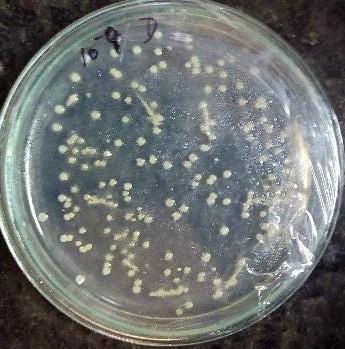
Figure: 1 Escherichia coli
Pseudomonas Aeruginosa
It is a common gram negative bacterium. It can cause disease in animals. It is an aerobic bacterium. It is a cocco bacillus bacterium with unipolar motility. It is an opportunistichumanpathogensandalsoforplants.Itisrod shape. Pseudomon as exposes a variety of pigments, pyocyanin (blue-green), pyoverdine (yellow-green) and pyorubin (red-brown). It identify preliminarily odour like grape (or) tortilla. It can grow at 42°C also and capable of growth in diesel and jet fuel. It is known as hydrocarbon using microbial corrosion. Pseudomonas aeruginosa populationischaracterizedbyafewdominantcloneswide spread in disease and environment habitat. It will cause infections like septic shock, urinary tract infections, gastrointestinal infection, skin and soft tissue infections haemorrhage and necrosis. It is most common cause of infections of burninjuries. It is found in soil and water. Antibiotics used for infections are ciprofloxacin. Probiotic prophylaxismaypreventcolonization.
In our present study water analysis collected from various area of Chengalpattu town. The samples were collected from well water, kolavai and Venbakkam Lake. It has presence of pseudomonas aeruginosa identified on nutrient agar which gives blue green colonies and streak
pure colonies of Pseudomonas aeruginosa. It causes water bornepathogen[24].
International Research Journal of Engineering and Technology (IRJET) e-ISSN:2395-0056
Volume: 11 Issue: 04 | Apr 2024 www.irjet.net p-ISSN:2395-0072
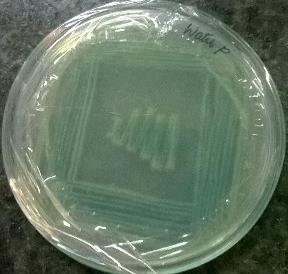
Figure: 2 Pseudomonas aeruginosa
Bacillus cereus
Itisa grampositive.Itis rodshapedandaerobicbacteria.It ismesophilicandgrowingoptimallyattemperaturebetween 20°Cand40°C.Itcanadapttoawiderangeofenvironmental conditions. It is found in soil and wood and also in rhizosphere of some plants.It is mainly spread in foods like, eggs, meat and dairy products. It is causing food borne intoxications. It is source of food poisoning. It is an opportunistic human pathogens and occasionally more serious infections. Thewastefoodisdumpednearthewater bodies. Waste foods are mixed in the water and also soya waste.Peopleareusingcontaminatedwaterfordefecation.It causediarrhoeaandgastrointestinaltract.
In our present study the water samples are collected from well water samples are collected from well water and venbakkam. Bacillus cereus presence identified by nutrient agar,yellowishcolonieswereobserved.Itcausesfoodborne pathogens.
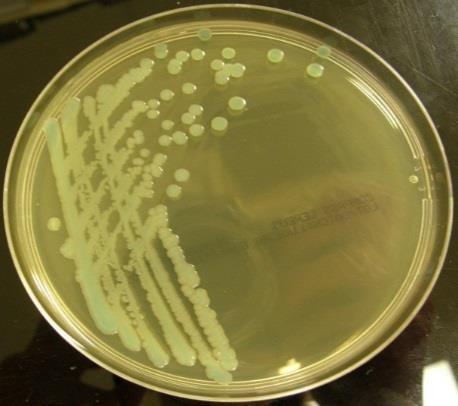
TABLE: 3 TheMajorDiseasesbyBacterialSpeciesIsolated fromWaterSamples
Name of Bacteria Gram Positive (or) Negative Major Diseases
Escherichia coli Negative Urinarytractinfection,foodborne disease,vomiting,enterotoxin, diarrhoea.
Pseudomonas aeruginosa Negative Opportunisticinfectioninman, Inflammationofmiddleear.
Bacillus cereus Positive Diarrhoea,vomiting,foodborne Disease.
4. DISCUSSION
In this study, various samples were collected from in and around Chengalpattu District. Physical and chemical characterization were analyzed, such as biochemical oxygen demand, chemical oxygen demand, turbidity, total hardness, total dissolved solids, and pH. Microbiological analysis was performed, and various organisms were isolated [25]. The BOD estimated the highest value for Venbakkam Pond(6) and Kolavai Lake(46),showing the highest value compared with other samples. This study creates social awareness for people in and around Chengalpattu District about the pollution levels of water bodiescausedbyindustrialwasteandman-madeactivities.
Inthemicrobiologicalanalysis,thepresenceofEscherichia coli, Pseudo monasa eruginosa, and Bacillus cereus was isolated [26]. The study also analyzed various samples of bottled drinking water for total hetero trophic bacterial (THB) load and coliforms. This study characterized the physical, chemical, and microbiological analysis in ChengalpattuDistrict[27].
The quality of water was analyzed using physicochemical parameters in Karnataka state. This present study monitored monthly changes in physical and chemical parameters such as turbidity, dissolved oxygen, pH, free carbon dioxide, total hardness, chlorides, alkalinity, phosphate,andnitrates.
5.Conclusion
This experimental investigation was done according to the material properties based on IS specifications and its physical which are obtained through various tests conducted.The
Design mix for M20 grade of concrete was done and verified with the reference of IS code. The compressive strength of Plastic Waste replaced concrete with 10% replacement; it gives acceptable strengthof29.83N/mm2.
International Research Journal of Engineering and Technology (IRJET) e-ISSN:2395-0056
Volume: 11 Issue: 04 | Apr 2024 www.irjet.net p-ISSN:2395-0072
Also thecompressive strength of Plastic Waste replaced concretewith 10% replacement and Brick Waste replaced concrete with 4% gives an optimum result for casting interlocking Block; it gives acceptable strength of 31.63 N/mm2.
Fromthetestresultstheinterlockingblocksarecastedand the Compressive Strength was evaluated and thus we are concluding that the Interlocking concrete block with 10% replacementofPlasticwastewith4%replacementofBrick Wasteshowsanevidentresult.
REFERENCES
[1]. Iskandar M. B., The effectiveness of biofilter as a treatement for domestic wastewater, University Malaysia Pahang(thesis)(2010).
[2]. UNEP Global Environment Outlook. United Nations Environment(2000).
[3].Sangu R.P.S and Sharma S.K. An assessment of water quality of river ganga at Garmukeshwar Ind. J. Ecol., 14 (20),278-287(1987).
[4]. Muduli Bipra Prasanna and Panda Chitta Ranjan. PhysicochemicalpropertiesofwatercollectefromDhamra estuary, Intermnational journal of environmental sciences 1(3),(2010).
[5].KumarN.A.,ViewonFreshwaterEnvironmentEcol.Env andcons(3),3(1997).
[6].SubbaRaoC.andSubbaRaoN.V.,Groundwaterquality in residential colony, Ind.J.EnvirinmentHlth37(4) 295-300 (1995).
[7]. Tebutt T.H.Y., Principles of Quality Control, Pergamon, England,235(19193).
[8]. B. Lukubye. M. Andama Bacterial analysis of selected drinking water sources in Mbarara municipality Uganda .J. waterresourprotProt.,9(2017),pp.999-1013
[9].N.J.AshoboltMicrobialcontaminationofdrinkingwater and disease outcomes in developing regions Toxicology,198(2004),pp.229-238(2004)
[10].N.Chrysanthus, Bacteriological Quality of Alternative Water sources in Bambui and Bambili residential areas, North-West Region, Cameroan, Open Access Libr. J. 1(5)(2014)
[11].H.Kulshrestha, S.Sharma Impact of mass bathing duringArdhkumbhonwaterqualitystatusofriverGangaJ. Environment.Biol.,27(2)(2006),pp.437-440
[12].Trivede P., Bajpai A., Thareja S. Comparative study of seasonal variation in physico-chemical characteristics in drinking water quality of Kanpur, India with reference
to200 MLD filteration plant and ground water .Nat. Sci.(2010)
[13].Vaishali P.,Punita P. Assesment of seasonal variations in water quality of River Mini, at Sindhrot, Vadodara. Int.J. Environ.Sci.(2013)(3)1424-1436
[14].GovindarajanM.,SenthilnathanT.Groundwaterquality ant its health impact analysis in an industrial area. Int. J. Curr.Microbiol.App.Sci(2014)(3)1028-1034
[15].I. B.Miranzadeh, M.Heidari, A.R.Mesdaghinia, and M.Younesian,“surveyofmicrobialqualityofdrinkingwater in rural areas of Kashan Iranin second half of (2008),”Pakistan Journal of Biological Sciences, vol.14, no.1,pp.(2011)59-63.
[16].World Health Organization, Guidelines For Drinking WaterQuality,World Health Organization, Geneva, Switzerland,(2003)
[17].A.Gadgil, Drinking water in developing countries ,Annu.Rev.EnergyEnviron23(1998)253-286
[18].D.Krewski, J.Balbus, D.Butler-Jones, C.Haas J.IsaacRenton,K.J. Roberts,M.Sinclair.ManagingHealthrisksfrom drinking water A reporttotheWalkertoninquiryJ.Toxicol. Environ.Health,PartA,65(2002),pp.1635-1823.
[19].Canada,Healthand Welfare Canada, Federal, Provincial and Territorial Advisory Committee on Population Health.1994.Strategiesforpopulationhealth.Investinginthehealth of Canadian. Cat.no.H39-316(1994) Ottawa: Supply and Services Canada.
[20].UnitedNations,WorldHealthOrganization(WHO)(Seconded .),GuidelinesforDrinkingWaterQuality,1,RecommendationWHO ,Geneva.
[21].B.Lukubye,M.AndamaBacterialanalysisofselecteddrinking water sources in Mbarara municipality UgandaJ.WaterResour.Prot.,9(2017),pp.999-1013.
[22].Basavarjasimpi, (2011) “Analysis of Water Quality Using Physico- Chemical Parameters Hosahalli Tank in Shimoga District”, Global journal of science frontier researchvolume11version1.0.
[23].Kumar.A, Rawat.S. S, Srivastava.M and Bhushan.V. (2012),‘physico-chemicalanalysisandisolationofbacteria from water samples of maha rana pratap sagar, kangra districtofHimachalPradesh’,JournalofAppliedSciencesin EnvironmentalSanitation,7(3):161-166.
[24].Naresh Devarajan .,(2017) “Antibiotic resistant pseudomonas spp. In the aquatic environment : A prevalence study under tropical and temperature climate conditions”,waterresearch,2017:256-265
International Research Journal of Engineering and Technology (IRJET) e-ISSN:2395-0056
Volume: 11 Issue: 04 | Apr 2024 www.irjet.net p-ISSN:2395-0072
[25].Geetha S, Jagadeesh Chandrababu.P, Nageswar rao.L and Murali mohan.M. (2014), ‘Physico- chemical and microbial analysis of water samples in Anakapalli Municipal Corporation (India)’, INT J CURR SCI, 10: E108115.
[26].Jeena.M.I, Deepa.P, Mujeeb Rahiman.K.M, Shanthi.R.T, Hatha.A.A.M. (2006), ‘Risk assessment of heterotrophic bacteria from bottled drinking water sold In Indianmarkets’,Int.J.Hyg.Environ.-Health.Vol.209,pp. 191–196.
[27].Basavarjasimpi, (2011) “Analysis of Water Quality Using Physico- Chemical Parameters Hosahalli Tank in Shimoga District”, Global journal of science frontier researchvolume11version1.0.