
International Research Journal of Engineering and Technology (IRJET) e-ISSN: 2395-0056
Volume: 11 Issue: 04 | Apr 2024 www.irjet.net p-ISSN: 2395-0072
International Research Journal of Engineering and Technology (IRJET) e-ISSN: 2395-0056
Volume: 11 Issue: 04 | Apr 2024 www.irjet.net p-ISSN: 2395-0072
BholanathPal
Civil Engineering Department
School of Engineering & Technology
Maharishi University of Information Technology (Lucknow) M..Tech/ConstructionTechnology&Management
Sitapur Road, IIM-By Pass, P.O. Maharishi Vidya Mandir, Lucknow -226013, U.P, India
ABSTRACT: In plain concrete, micro-cracks develop even before loading, particularly due to drying shrinkage or other causes of volume changes. These internal micro-cracks are inherently present in the concrete, and its poor tensile strength is due to the propagation of such micro cracks, eventually leading to brittle fracture of the concrete. When loaded, the micro-cracks propagate and open up, and owing to the effect of stress concentration, additional cracks form in places of minor defects. Thus the need for multidirectional and closely spaced reinforcement for concrete arises.
It has been recognized that the addition of small, closely spaced and uniformly distributed fibres to concrete would act as crack arrester and would significantly improve its static and dynamic properties. This type of concrete is called Fibre Reinforced Concrete.
Partial Fibre Reinforced Concrete (PFRC) is the method of limiting the addition of Fibres in FRC, only to the area subjected to maximum Compressive or Tensile strength when subjected to loading. PFRC will have very similar strength compared to the FRC and have the advantage of lesser fibre quantity which reduces the cost of fibre required. PFRC also have better workability compared to normal FRC.
In this project Concrete slabs were selected as the element for the study of strength behavior of Partial Fibre Reinforced Concrete. M20 Concrete with Mix design carried out based on IS 10262-2009 was used to cast the specimen. Steel fibre of 1mm diameter and coconut fibre of 0.45mm diameter were selected to fibre reinforce the concrete. An aspect ratio of 80 is maintained in both the fibres.
Various tests like Compressive strength, Split tensile strength, Rebound Hammer, Ultrasonic Pulse Velocity, Ball Impact and Load frame test are done in order to study the strength behavior of Partial Fibre Reinforced Concrete Slabs. Based on the final results obtained from the study, it is concluded that both FRC and PFRC behaves similarly under loading conditions and more than 98% of strength of FRC can be achieved by PFRC with up to 50% reduction of fibre volume and cost.
Key words: Partial Fibre Reinforced Concrete (PFRC), Steel Fiber, coconut Fiber, Compressive strength, Split tensile strength, Rebound Hammer, Ultrasonic Pulse Velocity, Ball Impact, Load frame test.
1.1 GENERAL
Concrete isstrongincompression, astheaggregate efficientlycarriesthecompressionload. However,it is weak intensionas the cement holding the aggregate in place can crack, allowing the structure to fail.This weakness had been adjustedovermanydecadesbyusinga systemofreinforcing bars(rebar)tocreatereinforcedconcrete;sothatconcrete primarilyresistscompressivestressesandrebarresisttensileandshearstresses.
In plain concrete and similar brittle materials, micro-cracks develop even before loading, particularly due to drying shrinkage or other causes of volume changes. These internal micro-cracks are inherently present in the concrete and its poor tensile strength is due to the propagation of such microcracks, eventually leading to brittle fracture of the concrete.Whenloaded,themicro-crackspropagateandopenup,andowingtotheeffectofstressconcentration,additional cracksform in placesof minor defects. Thus the need for multidirectional and closelyspaced reinforcementforconcrete arises.
International Research Journal of Engineering and Technology (IRJET) e-ISSN: 2395-0056
Volume: 11 Issue: 04 | Apr 2024 www.irjet.net p-ISSN: 2395-0072
It has been recognized that the addition of small, closely spaced and uniformly distributed fibres to concrete would act as crack arrester and would significantly improve its static and dynamic properties. This type of concrete is calledFibreReinforcedConcrete.
Fibre reinforced concrete can be defined as composite material consisting of mixture of cement, mortar or concrete and discontinuous, discrete, uniformly dispersed suitable fibres. The use of randomly oriented, short fibres to improvethephysicalpropertiesofamatrixisanancientconcept.Forexample,fibres madeofstraworjutehasbeenused toimprovethepropertiesofbricksforthousandsofyears.
Naturalfibresaremadefromplant,animalandmineralsources.Themostusednaturalfibresarecotton,bamboo and coconut. Metallic fibres are made of either steel or stainless steel. Polymer fibres are a subset of man-made fibres, whicharebasedonsyntheticchemicals(oftenfrompetrochemicalsources)ratherthanarisingfromnaturalmaterialsbya purely physical process. The polymeric fibres include acrylic, aramid, carbon, nylon, polyester, polyethylene and polypropylenefibres.Glassfibreisthepredominantlyusedmineralfibre. Mineralfibrescanbeparticularstrongbecause theyareformedwithalownumberofsurfacedefects Variouskindsoforganicandinorganicfibressuchascelluloseare alsobeingusedtoreinforcethecementmatrix.
Fibre reinforced concrete is increasingly used because of the advantage of increased static and dynamic tensile strength, energy absorbing characteristics and enhanced fatigue strength. The uniformly dispersal of fibres through the concreteprovidesisotropicpropertiesnotcommontotraditionalreinforcedconcrete.Fibrereinforcedconcretehasbeen tried on overlays of air-field, road pavements, industrial floorings, bridge decks, channel lining, explosive resistant structures,refractoryliningsetc.Thefibrereinforcedconcretecanbealsousedfortheproductionofprecastproductslike pipes,boats,beams,flightofsteps,wallpanels,manholecoveretc.
1.3 FACTORS AFFECTING PROPERTIES OF FRC
The properties of FRC would obviously depend upon the efficient transfer of stress between matrix and fibres, whichislargelydependentonthe
Typeoffibreused
Orientationoffibre
Fibregeometry
Distributionofthefibre
Fibrecontent
Mixingandcompactiontechniquesofconcrete
Shapeandsizeoftheaggregate
1.4.
PartialFibreReinforcedConcrete(PFRC)isthemethodoflimitingtheadditionofFibresinFRC,onlytothearea subjected to maximum Compressive or Tensile strength when subjected to loading. PFRC will have very similar strength comparedtotheFRCand havetheadvantageoflesser fibre quantitywhich reducesthecostof fibre required. PFRCalso havebetterworkabilitycomparedtonormalFRC.
CHAPTER 2
LITERATURE REVIEW
2.1 GENERAL
ManyresearchershaveanalysedthebenefitsofFibreReinforcedConcreteandthefibreproperties.Thefollowing throwsomelightontheseadvantages.
S.K.Al-OraimiandA.C.Seibi(1979)conductedanexperimentalusingglassandpalmtreefibresonhighstrength concrete.Mechanicalstrengthpropertiessuchascompressive,splittensile,flexuralstrengthsandpostcrackingtoughness werestudied.Itwasconcludedthatnaturalfibresarecomparablewithglassfibres.
M.B.Kanchi and O.P.Jain (1980) conducted some experiments and reported that based on the results of three methods such as split tensile test, direct tensile test and flexural test, split tensile strength test was recommended for fibrousconcrete.Herealsoincreaseintensilestrengthandpostcrackingstrength,toughnesswerereported BalaguruandShah(1992)havereportedthatthefibresthatarelongandathighervolumefractionswerefound to ball up during the mixing process. The process called ‘balling’ occurs and causes the concrete to become stiff and a
International Research Journal of Engineering and Technology (IRJET) e-ISSN: 2395-0056
Volume: 11 Issue: 04 | Apr 2024 www.irjet.net p-ISSN: 2395-0072
reduction in workability with increase volume dosage of fibres. This has a tendency to influence the quality of concrete andstrength.
According to Vandewalle 2000; Mindess et al 2003 fine steel fibres mixed in concrete improve the tensile performance of concrete. Fibre reinforced concrete can resist larger tensile stress than normal concrete can. Moreover, fibre reinforced concrete sustains a reasonable proportion of the peak tensile stress (i.e. cracking stress) in the postcrackingphaseduemainlytothecrack-bridgingphenomena.
Buyle-Bodin and Madhkhan (2002) compared the behaviour of SFRC structures with similar structures made of conventionalreinforcedconcrete(RC)andtoinvestigateiftheadditionoffibrescontributedtosignificantimprovementin theoverallstructuralperformance.
Vinish John (2011) has reported that more than 98% of compressive strength and flexural strength of FRC is attainedbyPFRCcubesandbeamswith2%fibrevolume.
2.2
Basedontestsresults,performedbyVinishJohn(2011)onPFRCelementsitwasconcludedthatmorethan98% ofcompressivestrengthandflexural strengthofFRCisattainedbyPFRCcubesandbeamswith2%fibrevolumeinboth PartialSteelFibreReinforcedConcreteandPartialCoconutFibreReinforcedConcrete.
Even though PFRCishighly economical for common use,a comparative study on strengthpropertyofPFRCand FRCslabshastobedoneforfurtheradvancementsintheirreliability.
Ahighlycosteffectivemethodfortheusageoffibrereinforcedconcreteinslabdesigncanbedevelopedwithout compromisingthestrengthanddurability,specificallyinmassconcreting.
2.4 OBJECTIVE OF THE WORK
ToevaluatetheoptimizedfibrequantityofcoconutfibreandsteelfibreforFRCbysplittensilestrengthtest.
ToinvestigateandcomparethestrengthbehaviourofPCC,FRC,andPFRCslabs.
2.5 SCOPE OF THE WORK
Fibresmixedinconcreteimprovethetensileperformanceofconcrete.Fibrereinforcedconcretecanresistlarger tensile stress than normal concrete can. Even with this wide variety of applications, there are limitations on the use of PFRCinbuildingsandbridgesbecauseofthelackofconvincingevidencesgeneratedbyqualityresearch.
2.6 SCHEME OF WORK
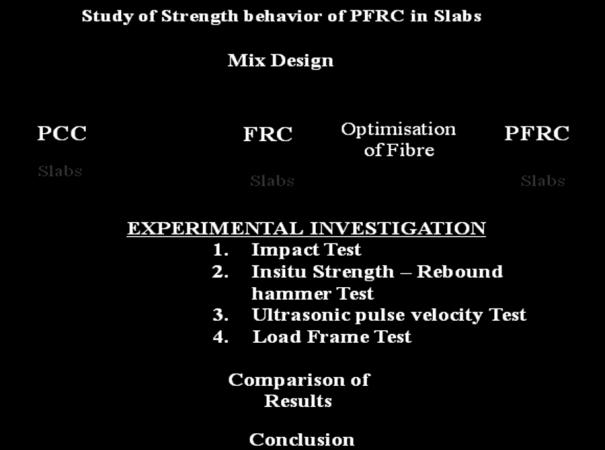
Behaviour of structural elements made by PCC, FRC and Partial FRC are to be evaluated experimentally using varioustests.SchemeofworkisgiveninFigure2.1,
International Research Journal of Engineering and Technology (IRJET) e-ISSN: 2395-0056
Volume: 11 Issue: 04 | Apr 2024 www.irjet.net
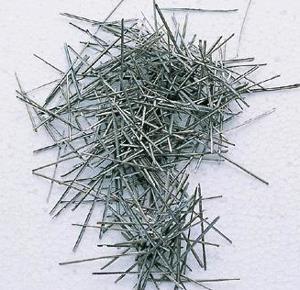
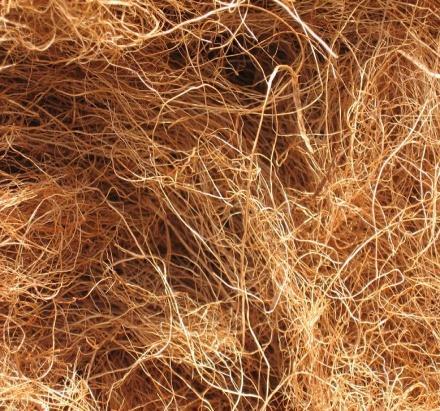
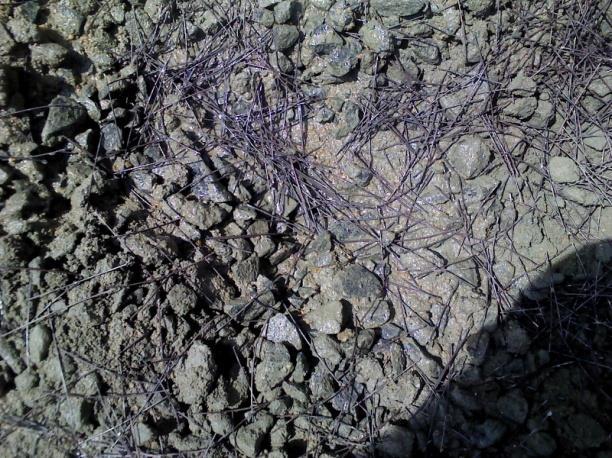
M20 Concrete is considered for the entire experiment. Steel Fibre (artificial fibre) and Coconut Fibre (natural fibre) of 1mmand0.45mmdiameterrespectivelywithanaspectratioof80areusedforfibrereinforcingthespecimens.Thefibres usedsteelfibreandcoconutfibreusedforFibrereinforcingusshowninFigure3.1,
The standard specimen chosen for the experiment are Slabs. Further details of the specimen are shown in Figure3.2.
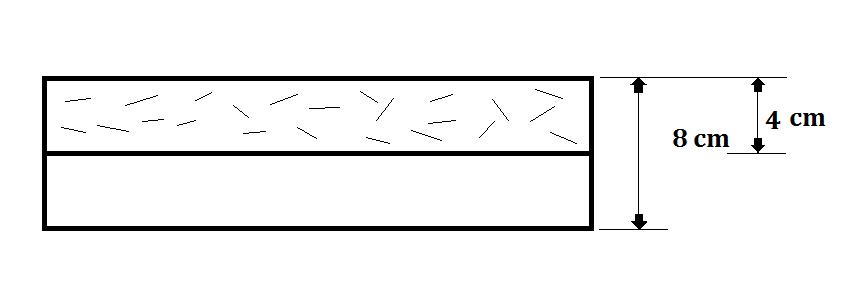
TheFineaggregateandcementaremixedinhanduntilthemixtureisthoroughlyblended.Coarseaggregate is added to the blend and is mixed until the coarse aggregate is uniformly distributed throughout the batch. Adequate quantityofwaterisaddedtogetahomogenousmixwithdesirednormalconsistency.
Oil is applied thoroughly in order to avoid concrete from sticking at the inner walls of the moulds and the concrete isfilledinlayersapproximatelyof5cm thickness.Eachlayeriscompactedwith not lessthan 20-25strokes per layerusingatampingrod.
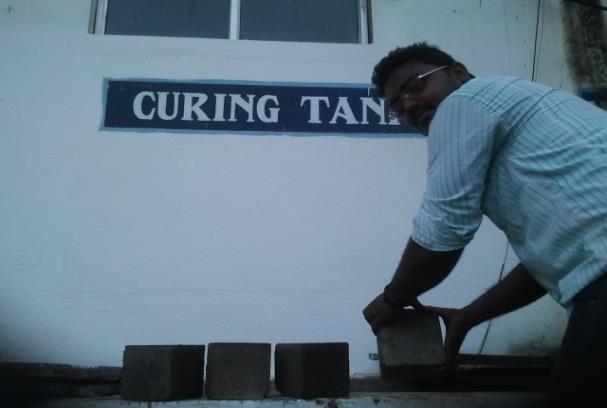
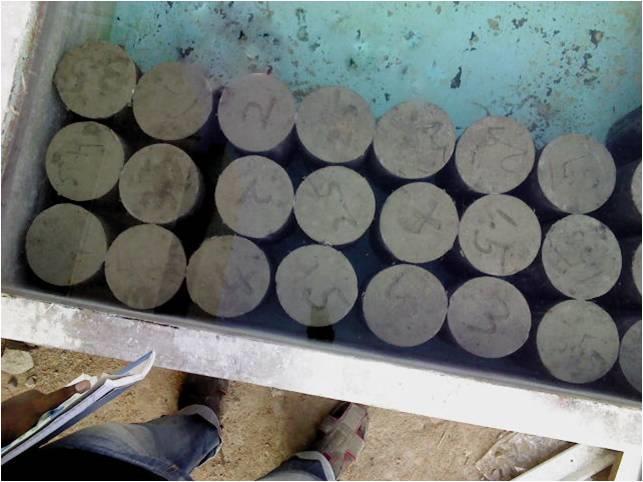
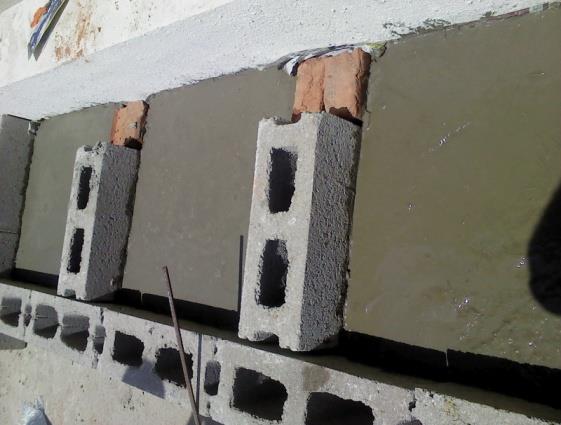
The test specimens are stored in moist air for 24hours and after this period, the specimens are removed from the moulds and kept submerged in clear fresh water until taken out to test. The picture taken after fabrication of specimensisgivenfromFig3.3
International Research Journal of Engineering and Technology (IRJET) e-ISSN: 2395-0056
Volume: 11 Issue: 04 | Apr 2024 www.irjet.net p-ISSN: 2395-0072
1 TestsforDeterminingMixDesign
SieveAnalysis
Specificgravityofcement
Specificgravityoffineaggregate
Specificgravityofcoarseaggregate
InitialSettingtimeofcement
FinalSettingtimeofcement
CubeCompressiveStrengthTest
2 StrengthBehaviourStudies
Splittensilestrengthtest
Reboundhammertest
Ultrasonicpulsevelocitytest
Impacttest(Dropball)
Loadframetest
Thefollowingtestswereadoptedforthestudyofstrengthbehaviourofthespecimens. a. CubeCompressiveStrengthTest
The cube test is carried out by placing the cube centrally in between the flat pads on top and bottom of the cube Compression-Testing Machine and applying load. The test is carried out on cube of 150mmx150mmx150mm dimension. ThecrushingloadofthespecimenisnotedandthecompressivestrengthoftheconcreteiscalculatedbydividingCrushing Load with Crushing Area. The compressive strength is the average of the strength of the three cubes for each period of curing.
b. SplitTensileStrengthTest
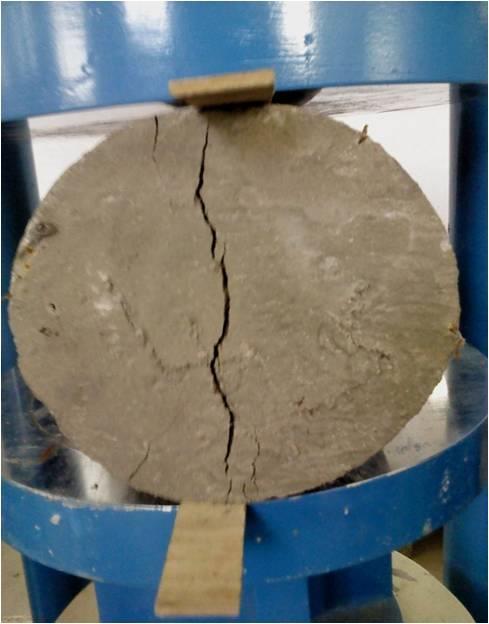
Splittensiletestiscarriedoutbyapplyingloadoncylinderplacedhorizontallyinbetweentheflatpadsofthe Compression-TestingMachine.Plywoodstripsareprovidedonaboveandbelowthespecimen,whereitisincontactwith the plate to assure uniform load distribution. The load is applied continuously without shock and the ultimate splitting loadofcylinderisnoted.ThesplittingtensilestrengthofconcreteiscalculatedusingtheEquation,

where P is the maximumloadatfailureinN,and l and d arethelengthanddiameter ofthecylindrical specimen, respectively,inmm.
International Research Journal of Engineering and Technology (IRJET) e-ISSN: 2395-0056
Volume: 11 Issue: 04 | Apr 2024 www.irjet.net
c. ReboundHammerTest
p-ISSN: 2395-0072
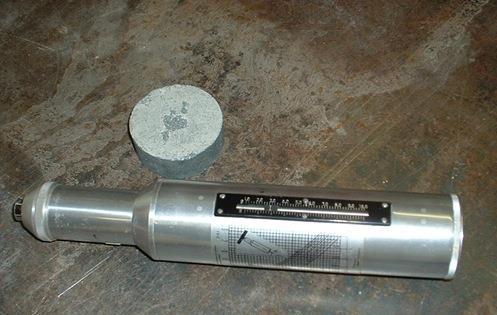
Reboundhammertestisdonetofindoutthecompressivestrengthofconcretebyusingreboundhammeras per IS:13311(Part2)–1992.Theunderlyingprincipleofthereboundhammertestisthereboundofanelasticmassdepends onthehardnessofthesurfaceagainstwhichitsmassstrikes.Whentheplungerofthereboundhammerispressedagainst the surface of the concrete, the pring-controlled mass rebounds and the extent of such a rebound depends upon the surfacehardnessoftheconcrete.
Thesurfacehardnessandthereforethereboundistakentoberelatedtothecompressivestrengthoftheconcrete. The rebound value is read from a graduated scale and is designated as the rebound number or rebound index. The compressivestrengthcanbereaddirectlyfromthegraphprovidedonthebodyofthehammer.
d. UltraSonicPulseVelocityTest
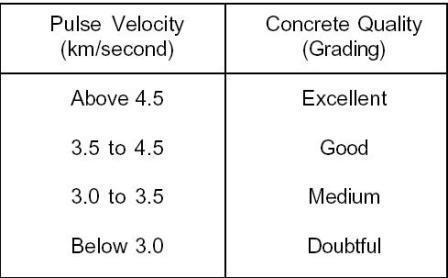
ThistestisdonetoassessthequalityofconcretebyultrasonicpulsevelocitymethodasperIS:13311(Part1) –1992. The underlying principle of this test isThe method consists of measuring the time of travel of an ultrasonic pulse passing through the concrete being tested. Comparativelyhighervelocityisobtainedwhenconcretequalityisgoodintermsofdensity,uniformity,homogeneityetc. Pulse velocity= (Path length/Travel time)
International Research Journal of Engineering and Technology (IRJET) e-ISSN: 2395-0056
Volume: 11 Issue: 04 | Apr 2024 www.irjet.net
3.7 UPV test result interpretations
p-ISSN: 2395-0072
e. ImpactTest(DropBall)
Todeterminetheimpactstrengthoftheconcretebyusingthisdropball (Schroeger’simpactmachine)givesthe most accurate results. Initially the dimensions of the concrete specimen should be measured and recorded. Then the specimen iskeptatthecentre ofthe machineand applicationof loadisdone byusinghammer.(Drop ball) The energy perblowis20J.Herenumberofblowstoformtheinitialcrackandfinalcrackshouldbenoted.Thedropheightoftheball is1m.
f. LoadFrameTest
This test is used to plot a relation between load and its corresponding deflection. The apparatus required are loading frame, hydraulic jacks, proving ring, reading line etc. The given concrete specimen is centralized in the loading frameandlevelledbyusingaspiritlevel.
Theinitialreadinginthedialgaugeanddeflectiongaugearenoted.Thentheloadisincrementedbyasequenceof 500Kgandthecorrespondingdeflectionsarenoted.Thegraphwillbeplottedbetweenload(Xaxis)anditscorresponding Deflection(Yaxis).
CHAPTER 4
AND DISCUSSIONS
4.1 GENERAL
91 specimens of PCC, FRC and PFRC comprising of 9 cubes, 52 cylinders and 30 beams are cast and about to be experimentallytested.Thepropertiesofmaterialsusedandtheresults attainedbytestingofspecimensarepresentedin thissection.
4.2 PROPERTIES OF MATERIALS USED FOR THEE SPECIMEN
4.2.1 Cement
OrdinaryPortlandcementconformingtoIS8112-1989isusedthroughouttheinvestigation.Cementusedinthis studyistestedasperIS4031-1989andthevariousresultsarelistedinTable4.1
Table 4.1 Properties of cement
International Research Journal of Engineering and Technology (IRJET) e-ISSN: 2395-0056
Volume: 11 Issue: 04 | Apr 2024 www.irjet.net p-ISSN: 2395-0072
4.2.2 Fine aggregate
The clean river sand passing through 4.75mm sieve with specific gravity of 2.605 is used for this investigation. Table4.2showsparticlesizedistributionofsand,whichconfirmstoZoneIIasperIS383-1970.
Table 4.2 Particle size distribution of sand
4.2.3 Coarse aggregate
Machinecrushedhardbluegranitebrokenstoneangularinshapehavingaspecificgravityvalueof2.878isused asacoarseaggregate.Maximumsizeofaggregateislimitedto20mm.
4.2.4 Water
Portable water of good quality and free from suspended particles, chemical substances etc., is used both for mixingofconcreteandcuringofspecimens.
4.3 MIX PROPORTION
Amixproportionof1:1.5:2.8byweightofcementsandandcoarseaggregateisadoptedwithwatercementratio
0.45forcastingallspecimens.ThemixdesigniscarriedoutofM20concreteusingIndianStandardmethod.Thedetailsof mixdesignaregivenbelow.
Mixdesign(AsperIS10262-2009)
Step1: Characteristiccompressivestrengthfck = 20N/mm2
Step2: Targetmeanstrengthfm = fck +kxs
Where K=1.65
S=standarddeviation =4.0N/mm2(AsperIScode456–2000)
Meansizeoftheaggregate = 20mm(angular)
Degreeofworkability = 0.8(compactingfactor)
Degreeofqualitycontrol = good
Typeofexposurecondition = moderate(assumed)
Step3:Testdataofmaterials
a) OrdinaryPortlandCement(OPC) = 53grade
b) SpecificGravityofcement = 3.10
c) SpecificGravityofcoarseaggregate = 2.878
d) SpecificGravityoffineaggregate = 2.605
e) Finenessofcement = 9%
f) Freemoisturepresentinfineaggregate = 0%
g) FineaggregateconfirmingtozoneIIgrading(AsperIS383-1970Table2)
h) CoarseaggregateconfirmstoIS383-1970
Targetmeanstrengthofconcreteattheendof28days
fm = fck +kxs
= 20+1.65x4.0 = 26.6N/mm2
Step4:
International Research Journal of Engineering and Technology (IRJET) e-ISSN: 2395-0056
Maximumwatercementratio = 0.50(fromFig.2IS10262-2009)
Minimumcementcontent = 260kg/m3(IS456-2000,Table5)
Step5:Determinationofwatercontentandsandcontentperm3 ofconcrete
Watercontent=186kg/m3
Sandcontent =40%(AsperIS10262-1982,Table3)
Step6:Adjust/correctioninwatercontentandsand%duetovariations
Volumeofcoarseaggregate = 0.60
Sincew/cratioisreduced0.05
Correctedvolumeofcoarseaggregate = 0.62x.01+0.62=0.63
Volumeoffineaggregate = 1-0.67=0.37
Step7:CalculationforCementcontent
W/C = 0.45
Cementcontent=watercontent W/c
Cementcontent=186/0.48=387.5kg/m3
Theminimumcementcontentformildexposurecondition=250kg/m3
Determinationofcoarseandfineaggregate
Wca =Vfa xDfa (sp.grxdensity) =0.6x0.63x2.878x1000 =1088 kg/m3
Wfa =VcaxDca (sp.grxdensity) =0.6x0.37x2.605x1000 =578kg/m3
Ratio Cement :Sand :Coarseaggregate 387.5 :578 :1088
1 :1.5 :2.8 W/c=0.45
RESULT 1:1.5:2.8 ;W/c=0.45
4.4 TEST RESULTS FOR P.C.C SPECIMENS
TheCompressiveStrengthTestresultsforP.C.CCubes,resultsareshowninTableNo4.3
Table 4.3 Test results for compressive strength test
Volume: 11 Issue: 04 | Apr 2024 www.irjet.net p-ISSN: 2395-0072 © 2024, IRJET | Impact Factor value: 8.226 | ISO 9001:2008
Specimen
Compressive Strength (N/mm2) in Days
International Research Journal of Engineering and Technology (IRJET) e-ISSN: 2395-0056
Volume: 11 Issue: 04 | Apr 2024 www.irjet.net p-ISSN: 2395-0072
The steel and coconut fibre are mixed with the PCC with different fibre volume to cast cylinders, and the fibre volumeshowinghighestSplitTensileStrengthisselected.ThetestresultsaregiveninTable4.4.
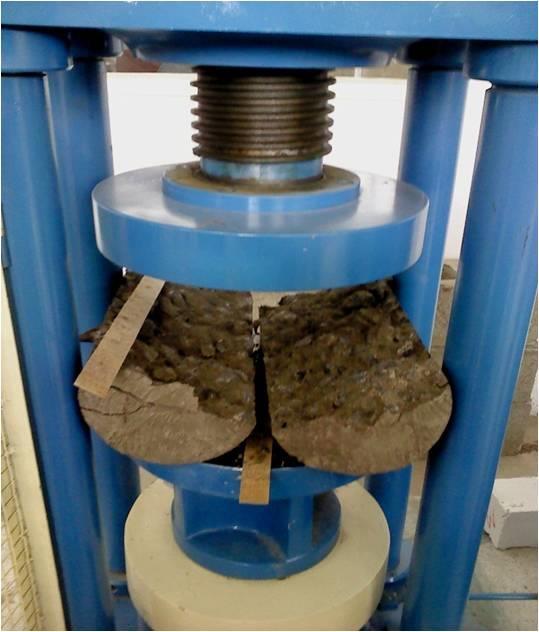
Figure 4.1 Splitting of cylinder
Table 4.4 Test results of split tensile strength (7 and 14 days)
The FRC cylinders with fibre volume of 3% and 2.5% achieved maximum Split Tensile Strength for Coconut fibre and Steelfibrerespectively.Henceforth,forthefurtherstudiesinStrengthbehaviourofslabs,3%and2.5%fibrevolumewillbeused
Theplungerofthereboundhammerispressedagainstthesurfaceoftheslabwhich givesthecompressivestrengthwithout destructingthemember.ThereboundhammertestresultsforPCC,PFRCandFRCslabsbyusingsteelfibreandcoconutfibreare givenintable4.5
Table 4.5 Test results of rebound hammer test
International Research Journal of Engineering and Technology (IRJET) e-ISSN: 2395-0056
Volume: 11 Issue: 04 | Apr 2024 www.irjet.net p-ISSN: 2395-0072
TheultrasonicpulsevelocitytestresultsforPCC,PFRCandFRCslabsbyusingsteelfibrearegiveninTable4.6
Table 4.6 Test results of upv method for SFRC
TheultrasonicpulsevelocitytestresultsforPCC,PFRCandFRCslabsbyusingcoconutfibrearegivenintable4.7
Table 4.7 Test results of UPV method for CFRC
To determine the impact strength of the concrete by using this drop ball (Schroeger’s impact machine). Here numberofblowstoformtheinitialcrackandfinalcrackshouldbenoted.Thedropheightoftheballis1m.
TheimpacttestresultsforPCC,PFRCandFRCslabsbyusingsteelfibreandcoconutfibrecoconutfibrearegiven intable4.8
Table 4.8 Test results of drop ball impact test
Number of Times Ball Dropped
LoadVsDeflectionreadingsforP.C.C.slabispresentedinTable4.9andtheLoadVsDeflectionGraphfortheP.C.C. slabisplottedandpresentedinFigure4.2
International Research Journal of Engineering and Technology (IRJET) e-ISSN: 2395-0056
Volume: 11 Issue: 04 | Apr 2024 www.irjet.net p-ISSN: 2395-0072
Table 4.9 Test results of load-frame test for P.C.C
Load Vs Deflection
Figure 4.2 Load vs deflection for P.C.C
LoadVsDeflectionreadingsforPFRC beamwithSteelFibreandCoconutFibreispresentedintable4.10andthe LoadVsDeflectionGraphforPFRCbeamwithSteelFibreandCoconutFibreisplottedandpresentedinfig4.3andfig4.4
Table 4.10 Test results of load-frame test for PFRC
Load Vs Deflection
Figure 4.3 Load vs deflection for PFRC (SFRC)
2024, IRJET | Impact Factor value: 8.226 | ISO 9001:2008 Certified
International Research Journal of Engineering and Technology (IRJET) e-ISSN: 2395-0056
Volume: 11 Issue: 04 | Apr 2024 www.irjet.net
p-ISSN: 2395-0072
Load Vs Deflection readings for FRC beam with Steel Fibre and Coconut Fibre is presented in table 4.11 and the LoadVsDeflectionGraphforFRCbeamwithSteelFibreandCoconutFibreisplottedandpresentedinfig4.5andfig4.6
Table 4.11 Test results of load-frame test for FRC
Vs Deflection
Vs Deflection
International Research Journal of Engineering and Technology (IRJET) e-ISSN: 2395-0056
Volume: 11 Issue: 04 | Apr 2024 www.irjet.net p-ISSN: 2395-0072
PFRC(SF RC)
PFRC(C FRC)
FRC(SF RC)
FRC(CF RC)
International Research Journal of Engineering and Technology (IRJET) e-ISSN: 2395-0056
Volume: 11 Issue: 04 | Apr 2024 www.irjet.net
p-ISSN: 2395-0072
CHAPTER 5
CONCLUSION
5.1 GENERAL
The addition of fibres in Fibre Reinforced Concrete, without considering the actual depth, is practiced so far. In this study, an effort has been made to look into the behaviour of Partial Fibre Reinforcement instead of fibre reinforcing the complete structure. The standard specimens of Cubes, Cylinders and Slabs are chosen for studying the strength behaviourofthePFRC.
The properties of PFRC are investigated by the comparison of Compressive Strength, Split Tensile Strength, Rebound Hammer, Ultra Sonic Pulse Velocity, Ball Impact and Load Frame test of PCC, FRC and PFRC specimens. The results and the conclusion is presented in the following sections.[ It is concluded that the similar strength behaviour of FRCcanbeachievedbyPFRCwithupto50%reductionoffibrevolumeandcost.]
5.2 CONCLUSION
Basedontheresultsobtainedinthepresentstudyandthediscussionofresultsthefollowingconclusionsaremade:
Split Tensile Strength Test carried on FRC cylinders with varying fibre quantity confirms that the maximum TensileStrengthisattained,whenthefibrequantityis2.5%forSteeland3%forCoconutFibre.
Addition of Steel Fibres and Coconut Fibres into PCC increased the Split Tensile Strength of concrete upto 1.36 timesand1.55timesrespectively.
International Research Journal of Engineering and Technology (IRJET) e-ISSN: 2395-0056
Volume: 11 Issue: 04 | Apr 2024 www.irjet.net p-ISSN: 2395-0072
FRC with Coconut Fibres shows better Compressive Strength, Split Tensile Strength and Impact Strength comparedtotheFRCwithSteelFibres.
PFRCwithSteelFibresattained99.92%ofCompressiveStrengthofFRC,byprovidingalayerofFRC.
SimilarlyPFRCwithCoconutFibresattained98.81%ofCompressiveStrengthofFRC,byprovidingalayerofFRC
Both FRC and PFRC with steel fibres show a similar load vs. deflection graph, which confirms that both the FRC andPFRCslabswithsteelfibresbehavedinasimilarmannerunderload.
SimilarlyFRCandPFRCwithcoconutfibresshowasimilarloadvs.deflectiongraph,whichconfirmsthatboththe FRCandPFRCslabswithcoconutfibresbehavedinasimilarmannerunderload.
Otherspecimenslikecolumns,trussesandframescanbeconsideredfortesting.
AdetailedinvestigationontheresilienceandworkabilityofPFRCcanbecarriedout.
FurtherinvestigationfortheoptimisationofFRClayerthicknessinPFRCcanbecarriedout.
ACKNOWLEDGEMENT
There are people without whom this dissertation might not have been possible and to whom I am greatly thankful. Therefore,Iwouldliketoacknowledge:
Mysupervisor DR. GAURAV SHUKLA, AssistantProfessorandProjectGuide,DepartmentofCivilEngineering,Maharishi School of Engineering and Technology, MUIT, Lucknow who was not simply supervisors, but also friends and mentors. Withouthimandhiswealthofknowledge,patienceandreliability;Icouldnotreachthisfar.
I express my heartfelt gratitude to DR. GAURAV SHUKLA, Assistant Professor and Project Guide, Department of Civil Engineering, Maharishi School of Engineering and Technology, MUIT, Lucknow for his consistent encouragement in completingtheproject.
Theadministrative,technicalandacademicstaffoftheDepartmentsofCivilEngineering,MaharishiSchoolofEngineering andTechnology,MUIT,Lucknowfortheirvaluablesupport.
I express my deep love and warm regards to my parents and my friends for their support, constant encouragement and timelyhelp.
ToGodbeallthegloryforthegreatthingsHehasdone.
O.BarrosandJ.A.Figueiras(1997)FlexuralBehaviourofsteelfibrereinforcedconcretetestingandmodelling.Nanjing: InternationalSymposiumonInnovation&SustainabilityofStructuresinCivilEngineering.
Bayasi Z.,R.Bhatacharya, and M.Posey(1989), “Fibre Reinforced Concrete: Basics and Advancements”, Proceedings, SymposiumonAdvancementsonConcretematerials,BradelyUniversity,pp1-1to1-27.
Dhakal, R.P., Song, H.R. (2005) Effect of bond on the behaviour of steel fibre reinforced concrete beams. Nanjing: InternationalSymposiumonInnovation&SustainabilityofStructuresinCivilEngineering.
Johnston.C,(1994)“FibreReinforcedConcrete.”significanceoftestsandpropertiesofconcreteandconcretemakingmaterial, ASTMSTP169C,
Swamy, R. N. and Al-Ta’an, S. A. (1981). “Deformation and ultimate strength in flexure of reinforced concrete beams madewithsteelfibreconcrete.” ACI Journal,78(5),395-405.
Vinish John (2011), Partial Fibre Reinforced Concrete, study on Behavior of Partial fibre reinforced concrete, SRM University.
International Research Journal of Engineering and Technology (IRJET) e-ISSN: 2395-0056
BIOGRAPHIES:


“Pursuing M-Tech in Construction Technology and Management from School of Engineering & Technology, Maharishi University of Information Technology (Lucknow),SitapurRoad,IIM-ByPass,P.O.MaharishiVidyaMandir,Lucknow-226013, U.P,India.
The work which is being presented in the M.Tech Dissertation entitled "STUDY ON STRENGTH BEHAVIOUR OF PARTIAL FIBRE REINFORCED CONCRETE IN SLABS" isdoneunderthesupervision DR. GAURAV SHUKLA,AssistantProfessor, Civil Engineering Department, Maharishi School of Engineering and Technology, MUIT, Lucknow. My supervisor DR. GAURAV SHUKLA, Assistant Professor and Project Guide, Department of Civil Engineering, Maharishi School of Engineering and Technology, MUIT,Lucknowwhowasnotsimplysupervisors,butalsofriendsandmentors.Without himandhiswealthofknowledge,patienceandreliability;Icouldnotreachthisfar.
IexpressmyheartfeltgratitudetoDR.GAURAVSHUKLA, AssistantProfessorandProject Guide, Department of Civil Engineering, Maharishi School of Engineering and Technology, MUIT, Lucknow for his consistent encouragement in completing the project.”
Volume: 11 Issue: 04 | Apr 2024 www.irjet.net p-ISSN: 2395-0072 © 2024, IRJET | Impact Factor value: 8.226 | ISO 9001:2008