
International Research Journal of Engineering and Technology (IRJET) e-ISSN: 2395-0056
Volume: 11 Issue: 04 | Apr 2024 www.irjet.net p-ISSN: 2395-0072
International Research Journal of Engineering and Technology (IRJET) e-ISSN: 2395-0056
Volume: 11 Issue: 04 | Apr 2024 www.irjet.net p-ISSN: 2395-0072
Mohammed Fadil R1 , Prakash S2 , Brindha D3, Kumaran T4
1UG Student, Department of Mechatronics, Sri Manakula Vinayagar Engineering College, Puducherry - 605107
2Assistant Professor, Department of Mechatronics, Sri Manakula Vinayagar Engineering College, Puducherry –605107
3UG Student, Department of Mechatronics, Sri Manakula Vinayagar Engineering College, Puducherry - 605107 ***
Abstract - Termites cause severe damage to the building and wooden structures if they go unnoticed in the initial stages as they live in colonies by feeding on the cellulose-rich materials, they can disrupt the entire structure. To detect the presence of these termites thermal imaging technique can be used. Thermal sensors are devices which are used for tracking the temperature changes in a space or a system. Thus, by tracking the temperature variation, the presence of termites can be detected. The expected output of the temperature variation can be visualized on a screen in the form of thermal image.
Key Words: Termites, Thermal Imaging, Pest Control, Non-Destructive Testing, Environmental Monitoring
Termites are social insects belonging to the order of Isoptera.Theyarealsoknownas“SilentDestroyers”asthey posesignificantthreattobuildingsandwoodenstructures. Termitesliveincoloniesandfeedoncellulose-richmaterials, such as wood, paper and plant fibers, making them a considerable threat to wooden structures and other materialsinbuildings.Theirpresenceintheinitialstagesof infestationremainshiddenforextendedperiodsbeforetheir presencebecomesapparent.Thishiddennaturemakesearly detectionchallenging,allowingtermitestocausesubstantial damagebeforetheinmatesareawareoftheinfestation.
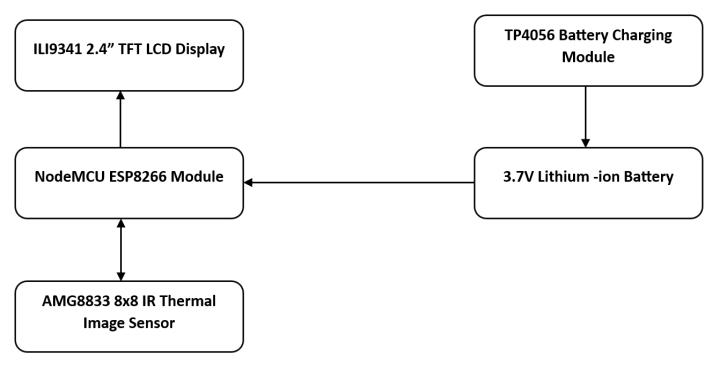
The major hardware components used in developing this portable termite scanner are NodeMCU ESP8266 development board, AMG8833 thermal image sensor and ILI9341TFTLCDdisplay.
The NodeMCU (Node Micro-Controller Unit) ESP8266 development board is an open-source development environmentbuiltusingSystem-on-a-Chip(SoC)technology calledESP8266.Ithashighprocessingpowerwithin-built Wi-FiorBluetoothandDeepSleepOperatingfeatures.This developmentboardcanbepoweredusingaMicroUSBjack andVINpin(ExternalSupplyPin).
TheAMG8833thermalimagingsensorisathermopile-type infraredsensorwhichdetectsthequantityofinfraredrayby measuring the absolute temperatures in two-dimensional area of 8 x 8 (64 pixels). The sensor supports only I2C communicationprotocol.
Table -1: AMG8833ThermalImageSensorSpecifications
Sl.No. Feature Specification 1 Numberofpixels 64(8X8) 2 OperatingVoltage 3.3V 3 Viewingangle 60°
Accuracy ±2.5°C(4.5°F)
TheILI9341isawidelyusedTFTLCDdisplaycontrollerthat ispopularintheelectronicsandmicrocontrollercommunity. Known for itscompatibility withvarious microcontrollers and ease of integration, the ILI9341 supports vibrant and high-resolutioncolourdisplayswitharesolutionof320x240 pixels.
Table – 2: ILI9341TFTLCDDisplaySpecifications
Sl.No. Feature Specification 1 DisplaySize 2.4inch 2 Resolution 320x240 3 DisplayPanel TFT
PixelSize 0.153X0.153mm
International Research Journal of Engineering and Technology (IRJET) e-ISSN: 2395-0056
Volume: 11 Issue: 04 | Apr 2024 www.irjet.net p-ISSN: 2395-0072
TheprojectutilizestheArduinoIntegratedDevelopment Environment(IDE)forprogrammingtheNodeMCUESP8266 development board. The IDE provides a user-friendly interface for writing,compilingand uploadingthecode to theNodeMCUESP8266module.Inordertointegratevarious hardware components used in the termite scanner, the project also makes use of different library files including ESP8266Wi-FiLibrary,AdafruitAMG88xxLibrary,Adafruit ILI9341LibraryandSPILibraryforintegratingthevarious hardwarecomponentsusedinthetermitescanner.
Byintegratingthesecomponentseffectively,thetermite scanner offers an extensive solution for detecting and monitoring termite infestations using thermal imaging technology.
Utilizingthermalimagingtechnologyhasemergedasa highlyeffectivemethodologyforthedetectionoftermites, providing a non-intrusive and efficient means to identify these destructive pests. Termites, while consuming cellulose-richmaterialssuchaswood,emitheatduringtheir feedingactivities.Thermalcamerasexcelincapturingthese subtletemperaturedifferentials, enablingprofessionalsto preciselylocatetermiteinfestationsconcealedbehindwalls, within structures, or beneath the soil. This advanced technologyprovesparticularlyvaluableinearlydetection, serving to thwart extensive structural damage before termites can inflict irreparable harm. By visualizing the thermal signatures associated with termite activity, technicianscanthoroughlyassessthescopeofinfestations, facilitating the implementation of targeted treatment strategiestomitigatepotentialstructuralcompromises.
The incorporation of thermal imaging in termite detectionnotonlyenhancestheaccuracyofinspectionsbut alsoobviatesthenecessityforinvasivemethodologieslike drilling or structural disassembly. This non-destructive approachnotonlyoptimizestimeandresourceutilization butalsominimizesdisruptiontopropertyowners.Thermal camerasofferalucidvisualrepresentationoftemperature differentials, empowering pest control professionals to discriminatebetweenareasaffectedbytermiteinfestations andthosethatremaintermite-free.Consequently,thermal imaginghasbecomeanintegralcomponentofcontemporary pest management strategies, presenting an effective and environmentallyconscientioussolutionforidentifyingand addressingtermiteissueswithinresidentialandcommercial contexts.
International Research Journal of Engineering and Technology (IRJET) e-ISSN: 2395-0056
Volume: 11 Issue: 04 | Apr 2024 www.irjet.net p-ISSN: 2395-0072
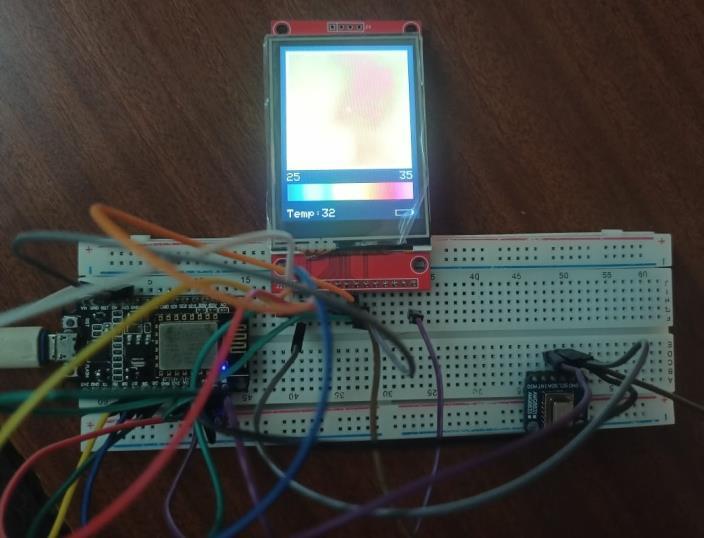
The Termite Scanner utilizes Thermal Imaging Technologyandisasophisticateddeviceconstructedwith theNodeMCUESP8266microcontroller,AMG833Thermal Sensor,andILI9341Display.Thisinnovativetooloffersan effectivesolutionfordetectingtermitesefficiently.Actingas the central processing unit, the NodeMCU ESP8266 coordinates the integration of thermal imaging data, ensuring accurate and real-time analysis. The AMG833 Thermal Sensor, functioning as a high-resolution thermal camera, captures infrared radiation emitted by objects within its field of view, revealing subtle temperature variationsindicativeoftermiteactivity.
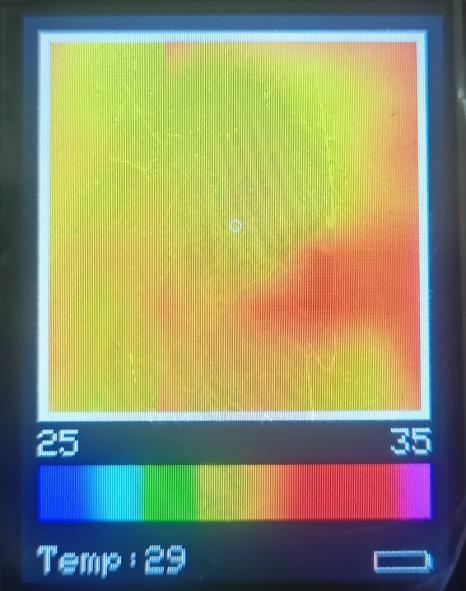
Withitsabilitytodetectheatpatternsassociatedwith termite presence, the AMG833 Thermal Sensor identifies distinct thermal signatures in active termite galleries or infested areas. The NodeMCU ESP8266 processes this thermal data using intelligent algorithms, facilitating the identificationofpotentialtermitehotspotsandmappingthe extentofinfestations.TheILI9341Displayservesastheuser interface,presentingthermalimagesandhighlightingareas of concern. This interactive display empowers users, including pest control professionals and homeowners, to visualize and interpret thermal information, enabling targetedinterventionsandpreventivemeasures.
The seamless integration of the NodeMCU ESP8266, AMG833ThermalSensor,andILI9341DisplayintheTermite Scannernotonlyimprovestheefficiencyoftermitedetection butalsoprovidesauser-friendlyandaccessibletoolforthe earlyidentificationoftermiteinfestations.
Thepresenceoftermitesinthewoodenstructureisinferred by analyzing the temperature variation in the wooden structures.Differenttreebarksareanalyzedforthepresence oftermites.
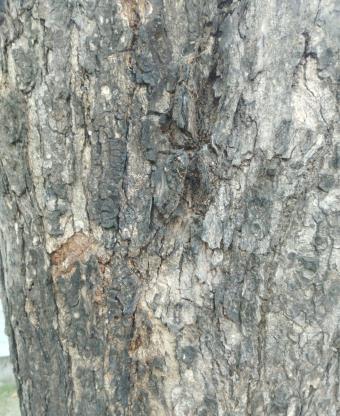
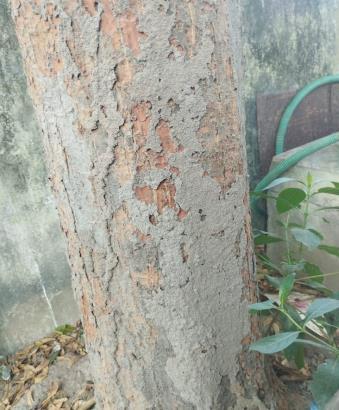
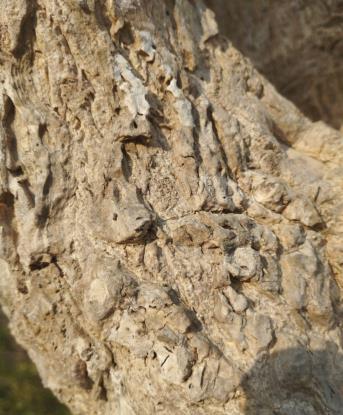
Inconclusion,asignificantadvancementinthefield of pest control is the development of a handheld termite scanner that makes use of thermal imaging technology. Termites,oftenknownas“SilentDestroyers”,areaserious threat to wooden structures, therefore it is important to detectandtreatthemasearlyaspossibletominimizethe damage.
TheAMG8833thermalsensor,NodeMCUESP8266 developmentboardandILI9341TFTdisplayareintegrated toprovideanon-intrusiveandeffectivetermiteinfestation detection method in the termite scanner. With the use of thermalimagingtechnology,infestedareasmaybeprecisely
International Research Journal of Engineering and Technology (IRJET) e-ISSN: 2395-0056
Volume: 11 Issue: 04 | Apr 2024 www.irjet.net p-ISSN: 2395-0072
identified and mapped out by capturing the minute temperaturedifferenceslinkedtothetermiteactivity.
Overall, the termite scanner is a useful tool for both homeownersandpestcontrolprofessional,facilitatingearly detection of termites and intervene to protect against termite-inducedstructuraldamage.Byofferingaclearvisual representation of temperature variations, the termite scanner empowers users to make informed decisions regarding targeted treatment strategies and preventive measures. The use of thermal imaging not only improves accuracy of inspections but also removes the need for invasivemethodologies,minimizingdisruptiontoproperty owners.
[1] Fang,Z.;Li,H.;Ma,Y.;Zhang,M.;Gao,S.;Chen,B.;Shen, J.;Zhang,D.“AWirelessSystemforMonitoringTermite Activity Using Electromagnetic Induction with NonLooping Method.” Appl. Sci. 2023, 13, 11956. https://doi.org/10.3390/app132111956
[2] Dr. S Jayakumar, K Srinivasan, R Pirainila, G Amitha Stains Mary, “An Experimental Study on Termite Tracker using Moisture sensor and Thermal camera”, IOSRJournalofEngineering,2019.
[3] M Farkhanda, “Biosensors for termite control”, IOP ConferenceSeries:MaterialsScienceandEngineering, 2013,doi:10.1088/1757-899X/51/1/012014
[4] Yoshiyuki Yanase, Yoshihisa Fujii, Shogo Okumura, Tsuyoshi Yoshimura, “Detection of Metabolic Gas EmittedbyTermitesUsingSemiconductorGasSensors”, ForestProductsJournal,Vol.62,No.7/8.
[5] Adel Abdalrahman Ziyed, Ahmed Y. Qasim, Raad S. Mahmod, Waleed A. Obaid, Muhanad M. Mohammed, “Investigating and Present of the Thermal Imaging Camera”, International Journal of Innovative Science, Engineering & Technology, Vol. 2 Issue 2, February 2015.