
International Research Journal of Engineering and Technology (IRJET) e-ISSN:2395-0056
Volume: 11 Issue: 04 | Apr 2024 www.irjet.net p-ISSN:2395-0072
International Research Journal of Engineering and Technology (IRJET) e-ISSN:2395-0056
Volume: 11 Issue: 04 | Apr 2024 www.irjet.net p-ISSN:2395-0072
Amit Kumar Chaurasia1, Mr. Ushendra Kumar2
1Master of Technology, Civil Engineering, Lucknow Institute of Technology, Lucknow, India
2Head of Department, Department of Civil Engineering, Lucknow Institute of Technology, Lucknow, India
Abstract - The electrocoagulation process has garnered significant attention as a method to treat wastewater. The technology involves the oxidation of anode, which produces coagulants. This approach serves as a viable alternative to chemical coagulants for pollutant removal and provides an advantage for communities with better access to electricity than such chemicals. In this study, we conducted several electrocoagulation tests using aluminum electrodes to examine various operating parameters, including electric current, initial pollutant concentration, initial water pH, and electrodearrangement.Wetestedtheremovalofiron,fluoride and arsenic (V) in single contaminant experiments as well as binary mixtures and ternary mixtures. We determined the evolution of concentration throughout each trial along with total suspended solids and particle size distribution at their conclusion. We found that increasing electrical current improvedtheremovalefficiencyforallcontaminants.Foriron contamination specifically, higher pH values favored its elimination while fluoride and arsenic (V) exhibited opposite trends. Furthermore, during our experience with ternary mixture testing it appeared that the presence of other contaminantsfacilitatedoveralleliminationresultsacrossall pollutants tested.
Key Words: Electrocoagulation(EC),waterwatertreatment, electrolysis,iron,fluoride,arsenic(V)
1.EMERGING CONTAMINANTS
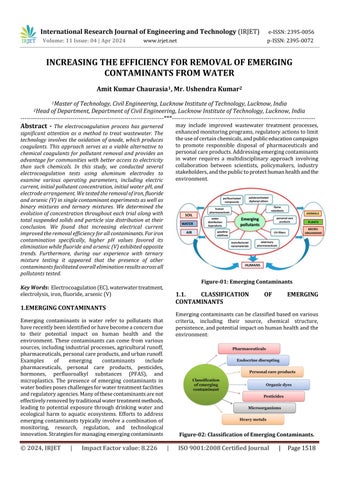
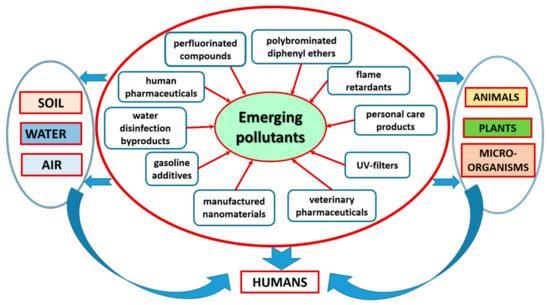
Emerging contaminants in water refer to pollutants that haverecentlybeenidentifiedorhavebecomeaconcerndue to their potential impact on human health and the environment. These contaminants can come from various sources,includingindustrialprocesses,agriculturalrunoff, pharmaceuticals,personalcareproducts,andurbanrunoff. Examples of emerging contaminants include pharmaceuticals, personal care products, pesticides, hormones, perfluoroalkyl substances (PFAS), and microplastics. The presence of emerging contaminants in waterbodiesposeschallengesforwatertreatmentfacilities andregulatoryagencies.Manyofthesecontaminantsarenot effectivelyremovedbytraditionalwatertreatmentmethods, leading to potential exposure through drinking water and ecological harm to aquatic ecosystems. Efforts to address emergingcontaminantstypicallyinvolvea combination of monitoring, research, regulation, and technological innovation.Strategiesformanagingemergingcontaminants
may include improved wastewater treatment processes, enhancedmonitoringprograms,regulatoryactionstolimit theuseofcertainchemicals,andpubliceducationcampaigns to promote responsible disposal of pharmaceuticals and personalcareproducts.Addressingemergingcontaminants in water requires a multidisciplinary approach involving collaboration between scientists, policymakers, industry stakeholders,andthepublictoprotecthumanhealthandthe environment.
Emergingcontaminantscanbeclassifiedbasedonvarious criteria, including their source, chemical structure, persistence,andpotentialimpactonhumanhealthandthe environment:
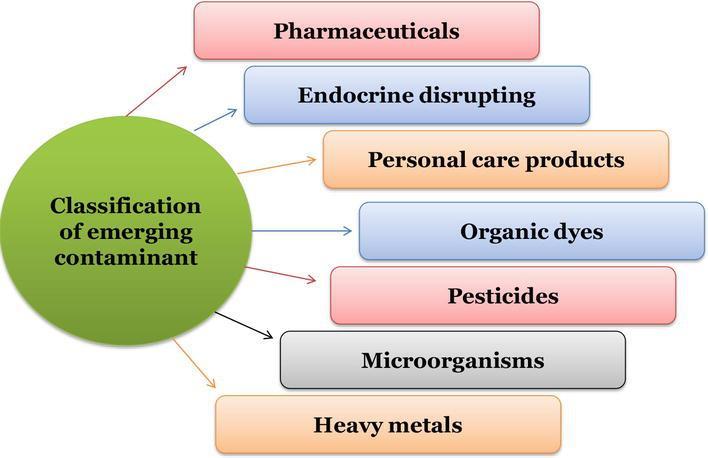
Figure-02: Classification of Emerging Contaminants.
International Research Journal of Engineering and Technology (IRJET) e-ISSN:2395-0056
Volume: 11 Issue: 04 | Apr 2024 www.irjet.net p-ISSN:2395-0072
1.1.1.Source-based classification
Industrial chemicals: These include compounds used in various industrial processes, such as flame retardants, plasticizers,andindustrialsolvents.
Agricultural contaminants: Pesticides, herbicides, and fertilizers can leach into water bodies from agricultural fields,contaminatingsurfaceandgroundwater.
Pharmaceuticals and personal care products (PPCPs): Prescription and over-the-counter drugs, as well as ingredients in personal care products like cosmetics and fragrances, can enter waterways through wastewater effluentorimproperdisposal.
Urban runoff: Chemicalsfromroadways,parkinglots,and urbanareas,includingheavymetals,hydrocarbons,androad salts,canbewashedintowaterbodiesduringrainevents.
Landfill leachate: Contaminants from landfills, including organiccompounds,heavymetals,andlandfilladditives,can leachintogroundwaterandsurfacewater.
1.1.2.Chemical structure-based classification
Organic contaminants: These include compounds containing carbon, such as pharmaceuticals, pesticides, industrialchemicals,andPPCPs.
Inorganic contaminants: Compoundswithoutcarbon,such asheavymetals(e.g.,lead,mercury,arsenic)andmetalloids, canalsobeemergingcontaminantsinwater.
1.1.3.Persistence-based classification
Persistent organic pollutants (POPs): Theseareorganic compoundsthatresistdegradationintheenvironmentand can persist for long periods. Examples include certain pesticides,industrialchemicals,andsomePPCPs.
Non-persistent contaminants: Some emerging contaminants,suchascertainpharmaceuticalsandpersonal care products, may degrade relatively quickly in the environmentbutcanstillposerisksduetotheirwidespread useandcontinuousinputintowaterbodies.
1.2.SOURCES AND PATHWAYS
CONTAMINANTS
Emerging contaminants find their way into water bodies through multiple sources and pathways. Wastewater treatment plants play a significant role, as they receive wastewater from various sources including households, industries, and businesses. While treatment processes remove many contaminants, some persist and are dischargedintowaterbodies.Agriculturalrunoffcontributes pesticides and fertilizers washed from fields by rain or
irrigation,whileurbanrunoffcarriespollutantslikeoiland heavy metals from roads and industrial areas into storm drains and water bodies. Landfills produce leachate containing chemicals that can seep into groundwater or surfacewater.Septicsystemsandsewageoverflowsrelease rawsewage,includingpathogensandnutrients,intowater bodies if not properly managed. Atmospheric deposition transports contaminants from industrial emissions and agriculturalactivitiestowatersurfaces.Directdumpingof wastematerialsintowaterbodiesandnaturalsourceslike geologicalprocessesalsointroducecontaminants.Managing thesesourcesandpathwaysisessentialtosafeguardwater qualityandprotectecosystemsandpublichealth.
Removingemergingcontaminantsfromwateriscrucialfor severalreasons:
Protecting Human Health: Manyemergingcontaminants have been linked to adverse health effects in humans, includingdevelopmental disorders,hormonal disruptions, reproductive issues, and increased cancer risk. Removing these contaminants from drinking water helps safeguard public health and reduces the risk of exposure to harmful substances.
Preserving Ecosystem Health: Emergingcontaminantscan harm aquatic ecosystems by disrupting the balance of natural processes and endangering aquatic life. Some contaminantscanbioaccumulateinthefoodchain,leadingto toxicity in higher trophic levels. Removing these contaminantshelpsmaintainthehealthandbiodiversityof aquaticecosystems,ensuringthesurvivaloffish,plants,and otheraquaticorganisms.
Ensuring Safe Drinking Water: Access to clean and safe drinkingwaterisessentialforhumanwell-being.Removing emerging contaminants from drinking water sources ensuresthatwatermeetsregulatorystandardsandissafe for consumption. This is particularly important in regions wheresurfacewaterorgroundwaterservesastheprimary sourceofdrinkingwater.
Protecting Agricultural and Irrigation Water: Emerging contaminants can also affect agricultural water sources, potentiallycontaminatingcropsandsoilthroughirrigation. Removing these contaminants from water used for agriculture helps protect food safety and agricultural productivity,ensuringthequalityofcropsandminimizing healthrisksassociatedwithconsumption.
International Research Journal of Engineering and Technology (IRJET) e-ISSN:2395-0056
Volume: 11 Issue: 04 | Apr 2024 www.irjet.net p-ISSN:2395-0072
Effectivewatertreatmentisindispensableforsafeguarding publichealthandtheenvironment.Byeliminatingharmful pathogens like bacteria and viruses, water treatment preventsthespreadofwaterbornediseases,ensuringthat communities have access to safe drinking water. Additionally, it plays a crucial role in removing chemical contaminants, including heavy metals, pesticides, and emergingpollutantssuchaspharmaceuticalsandpersonal careproducts,whichcanposesignificanthealthrisksifleft untreated. Moreover, water treatment processes help mitigatetheimpactof pollution onaquatic ecosystems by reducingtheconcentrationoftoxinsandpollutantsinwater bodies, thereby preserving biodiversity and ecosystem health. Furthermore, treated wastewater discharged from treatment plants minimizes environmental pollution, protecting rivers, lakes, and oceans from contamination. Compliancewithstringentregulatorystandardsensuresthat water treatment facilities meet quality and safety requirements, maintaining public confidence in the reliability of water supplies and preventing legal and financial penalties for non-compliance. Overall, effective watertreatmentisessentialforensuringaccesstocleanand safe water, protecting public health, and promoting environmentalsustainability.
Contaminatedwatersuppliespresentsignificanteconomic andsocialchallengesforcommunitiesworldwide.Thehealth implications of waterborne diseases strain healthcare systems and impose financial burdens on individuals and governments through medical expenses and lost productivity. Moreover, contaminated water jeopardizes livelihoods,particularlyinruralareasreliantonagriculture andtourism,leadingtoeconomiclossesandhinderingsocial development. Environmental degradation stemming from water pollution exacerbates these challenges, threatening ecosystems,biodiversity,andnaturalresourcesessentialfor human well-being. Furthermore, contaminated water disproportionately affects vulnerable populations, perpetuating social inequities and marginalization. The financialcostsoftreatingcontaminatedwaterandupgrading infrastructure further strain budgets and may result in increasedwaterbillsforconsumers.Additionally,persistent watercontaminationcandisruptsocialcohesion,contribute to population displacement, and exacerbate conflicts over scarcewaterresources.Addressingtheeconomicandsocial ramificationsofcontaminatedwater supplies necessitates comprehensive strategies that prioritize investments in waterinfrastructure,sustainablemanagementpractices,and equitableaccesstocleanandsafewaterforallmembersof society.
The presence of emerging contaminants in water sources hasbecomeamatterofincreasingconcernglobally.These contaminants,rangingfrompharmaceuticalsandpersonal care products to industrial chemicals and pesticides, have garneredattentionduetotheirpotentialadverseeffectson human health and the environment. Unlike traditional pollutants, emerging contaminants often persist in the environment and are not effectively removed by conventional water treatment methods, posing challenges for water management and public health protection. The proliferation of these contaminants in water bodies is attributedtofactorssuchastheirwidespreaduse,improper disposal practices, and limitations in existing wastewater treatment infrastructure. Concerns arise regarding the chronic exposure to low levels of these contaminants throughdrinkingwaterandtheecologicalconsequencesfor aquatic ecosystems and wildlife. Addressing this issue requires concerted efforts from policymakers, regulatory agencies, water utilities, and the public to enhance monitoring, research, and mitigation measures aimed at safeguardingwaterqualityandensuringthesustainabilityof water resources. Moreover, raising public awareness and promotingresponsibleconsumptionanddisposalpractices are crucial steps in minimizing the presence of emerging contaminantsinwatersourcesandprotectinghumanhealth andtheenvironment.
Incomplete removal efficiency for certain contaminants posesasignificantchallengeinwatertreatmentprocesses. While traditional methods effectively eliminate many pollutants like bacteria and larger particles, emerging contaminants such as pharmaceuticals, personal care products, and industrial chemicals often evade complete removal. Their persistence in water post-treatment raises concernsregardingpotentialhealthrisksandenvironmental impacts. This incomplete removal can be attributed to factors such as complex chemical structures, low concentrations, and the limitations of existing treatment technologies.Advancedtreatmentprocesseslikeadvanced oxidationandmembranefiltrationaresometimesrequired but can be costly and inaccessible for smaller treatment facilities. Moreover, the constant introduction of new chemicalscomplicatesthescenario,demandingcontinuous adaptation of treatment strategies. Regulatory efforts are underway to address emerging contaminants, yet gaps in understandingandmonitoringpersist.Totacklethisissue effectively, collaboration among stakeholders is crucial, alongsideinvestmentinresearch,technologydevelopment, andpubliceducationtopromoteresponsiblechemicaluse anddisposal practices.By addressing incomplete removal
International Research Journal of Engineering and Technology (IRJET) e-ISSN:2395-0056
Volume: 11 Issue: 04 | Apr 2024 www.irjet.net p-ISSN:2395-0072
challenges,wecanenhancewatertreatmentprocessesand ensurethesafetyandsustainabilityofwaterresources.
5.1.Water Sample
Two samples of water were taken, one being 3 liters of deionized water and the other filtered water. Deionized water has its mineral ions removed through deionization, oftenusedinlaboratories,medicalsettings,andindustrial applications.Filteredwatergoesthroughafiltrationsystem toremoveimpuritieslikesediment,chlorine,bacteria,and othercontaminants.Combiningdeionizationandfiltration ensuresexceptionallypurewater,suitableforapplications whereeventracecontaminantscouldcauseissues,suchas scientific experiments, medical procedures, or sensitive industrialprocesses.
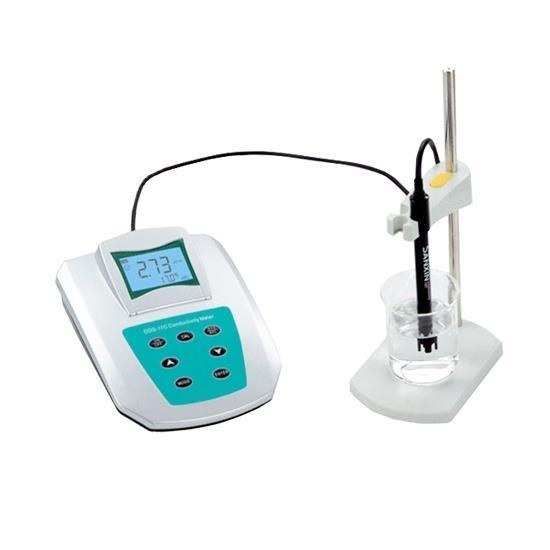
5.2.EC Reactor
AnECReactorisatoolutilizedforgaugingormanagingthe electricalconductivityofasolutionorsubstance.Electrical conductivity,aninherentcharacteristicofmaterials,reflects theircapacitytoconductanelectriccurrent.Inthecontextof reactor operations, monitoring and regulating electrical conductivityarecriticalcomponentsinnumerousindustrial processes, particularly those that require solutions or liquids.
6.RESULT AND ANALYSIS
In this research work, we have chooses three main parameter for the removal of the emerging contaminants fromwaterbyusingtheelectrocoagulationtechnique.These threeparameterisgivenbelow:
1. Iron
2. Fluoride
3. Arsenic
6.1.Influence of Electric Current on Iron
In order to ascertain the impact of the administered electrical current (I) on iron elimination during electrocoagulation (EC), all trials were performed with a startingconcentrationof25mg·L⁻¹andpHlevelat6.Three distinctelectriccurrents,namely40mA,100mA,and190 mA, were tested while maintaining a total anodic surface areaof0.0076m².
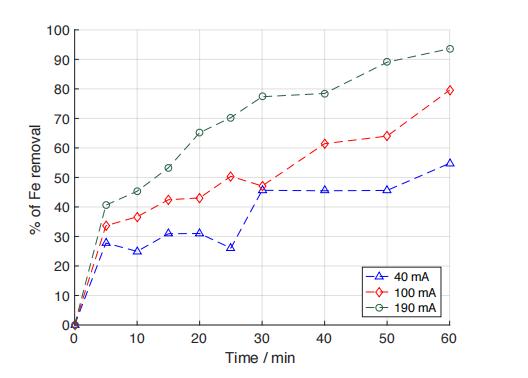
Figure-04: Effect of electric current on the removal of iron.
6.2.Influence of the Electric Current on Fluoride
Theimpactoftheappliedelectriccurrentontheelimination of fluoride through EC treatment was evaluated. The experiments were performed under uniform conditions, withaninitialfluorideconcentrationof15mg·L-1andpH6. Three distinct currents (40 mA, 100 mA, 190 mA) were examinedtodeterminetheirefficacy.Thetotalanodicarea utilizedinthesetrialswasmeasuredat0.0076m2.
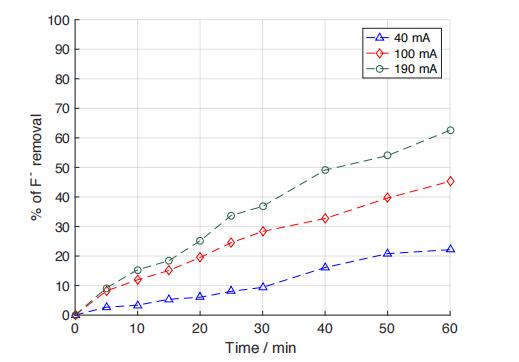
Figure-05: Electric current can remove fluoride. Starting conditions: 15 mg/L fluoride concentration and pH 6.
International Research Journal of Engineering and Technology (IRJET) e-ISSN:2395-0056
Volume: 11 Issue: 04 | Apr 2024 www.irjet.net p-ISSN:2395-0072
To ascertain the impact of the administered electrical currentonarsenic(V)eliminationthroughECexperiments, three distinct electric currents were utilized - 40 mA, 100 mAand190mA.ThetestswereconductedunderapHlevel of6withaninitialconcentrationofarsenic(V)at3mg·L-1. The total anodic area was measured to be approximately 0.0076m2.
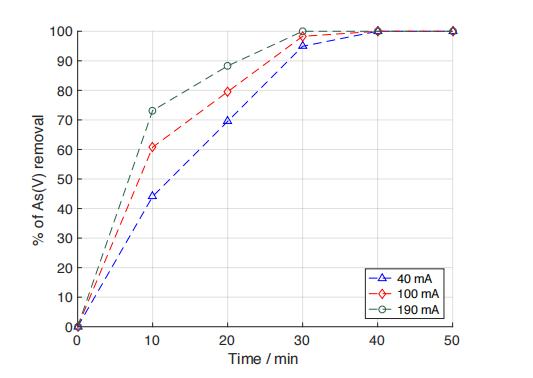
Figure-06:Effect of electric current on the removal of arsenic (V). Operating conditions – initial concentration of arsenic (V): 3 mg·L-1 , initial water pH: 6.
Inthefirst10minutesthearsenicremovalwasproportional totheelectriccurrent.However,thatdifferencefadedover timeandeveryexperimentachievedtotalarsenicremovalat aroundthesametime.
Therateofcontaminantremovalisinfluencedbytheelectric currentapplied,withhighercurrentsleadingtomoreflocs produced.Forarsenic(V)removal,allexperimentsreached complete removal simultaneously. Initial contaminant concentration did not affect iron and arsenic (V) removal, but negatively impacted fluoride removal. Different initial water pH levels affected contaminant removal differently. Iron removal increased with higher pH, but in an alkaline medium,ironprecipitatedbeforetheremovalprocess.For fluoride and arsenic (V), higher initial pH interfered with removal due to increased OH- concentration. The number andarrangementofelectrodesdidnotsignificantlyimpact iron and fluoride removal but led to quicker arsenic (V) removal.Despiteusingthesameelectriccurrent,theanodic area in tests with four electrodes affected the removal process. Testing the size of flocs formed with different arrangements could provide insight into observed differences.
1. Biocharandhydrocharasadsorbentsfortheremovalof contaminants of emerging concern from wastewater. (2024,March23).Biocharandhydrocharasadsorbents fortheremovalofcontaminantsofemergingconcern fromwastewater.AdvancedTechnologies.
2. CovalentOrganicFramework MembraneforEfficient RemovalofEmergingTraceOrganicContaminantsfrom Water Environment. (2024, March 23). Covalent OrganicFrameworkMembraneforEfficientRemovalof Emerging Trace Organic Contaminants from Water Environment.
3. Lignocellulose-Based Biosorbents for the Removal of ContaminantsofEmergingConcern(CECs)fromWater: A Review. (2024, March 23). Lignocellulose-Based Biosorbents for the Removal of Contaminants of Emerging Concern (CECs) from Water: A Review. Water.
4. Emerging Contaminants and Their Removal from AqueousMediaUsingConventional/Non-Conventional Adsorbents: A Glance at the Relationship between Materials,Processes,andTechnologies.(2024,March 23).EmergingContaminantsandTheirRemovalfrom AqueousMediaUsingConventional/Non-Conventional Adsorbents: A Glance at the Relationship between Materials,Processes,andTechnologies.Water.
5. Stable Graphene Membranes for Selective Ion Transport and Emerging Contaminants Removal in Water.(2024,March23).StableGrapheneMembranes forSelectiveIonTransportandEmergingContaminants RemovalinWater.AdvancedFunctionalMaterials.
6. Efficient removal of nanoplastics from synthetic wastewater using electrocoagulation. (n.d.). Efficient removal of nanoplastics from synthetic wastewater usingelectrocoagulation.RetrievedMarch23,2024.
7. Removal of Contaminants of Emerging Concern from Wastewater Using an Integrated Column System Containing Zero Valent Iron Nanoparticles. (2024, March 23). Removal of Contaminants of Emerging ConcernfromWastewaterUsinganIntegratedColumn System Containing Zero Valent Iron Nanoparticles. Water.
8. TheApplicationofPolymer InclusionMembranesfor theRemovalofEmergingContaminantsandSynthetic Dyes from Aqueous Solutions A Mini Review. The Application of Polymer Inclusion Membranes for the RemovalofEmergingContaminantsandSyntheticDyes fromAqueousSolutions AMiniReview.Membranes.
International Research Journal of Engineering and Technology (IRJET) e-ISSN:2395-0056
Volume: 11 Issue: 04 | Apr 2024 www.irjet.net p-ISSN:2395-0072
9. The Removal efficiency of Emerging Organic Contaminants,heavymetalsanddyes:intrinsiclimitsat low concentrations. The Removal efficiency of Emerging Organic Contaminants, heavy metals and dyes: intrinsic limits at low concentrations. EnvironmentalScience.
10. RemovalofEmergingContaminantsfromWaterUsing Cyclodextrin-BasedPolymersandAdvancedOxidation Processes: The Case of Carbamazepine. Removal of Emerging Contaminants from Water Using Cyclodextrin-BasedPolymersandAdvancedOxidation Processes:TheCaseofCarbamazepine.Processes.
11. Emerging Contaminants Decontamination of WWTP EffluentsbyBDDAnodicOxidation:AWaytowardsIts Regeneration. Emerging Contaminants Decontamination of WWTP Effluents by BDD Anodic Oxidation:AWaytowardsItsRegeneration.Water.
12. Advanced Oxidation Processes for Removal of EmergingContaminantsinWater.AdvancedOxidation Processes for Removal of Emerging Contaminants in Water.
13. Research progress and application exploration of techniques to remove emerging contaminants from waterenvironment.Researchprogressandapplication exploration of techniques to remove emerging contaminants from water environment. E3S Web of Conferences.
14. ReductionofUltrafiltrationMembraneFoulingbythe Pretreatment Removal of Emerging Pollutants: A Review.ReductionofUltrafiltrationMembraneFouling bythePretreatmentRemovalofEmergingPollutants:A Review.Membranes.