
International Research Journal of Engineering and Technology (IRJET) e-ISSN:2395-0056
Volume: 11 Issue: 04 | Apr 2024 www.irjet.net p-ISSN:2395-0072
International Research Journal of Engineering and Technology (IRJET) e-ISSN:2395-0056
Volume: 11 Issue: 04 | Apr 2024 www.irjet.net p-ISSN:2395-0072
Kamal Kumar Singh1, Mr. Ushendra Kumar2
1Master of Technology, Civil Engineering, Lucknow Institute of Technology, Lucknow, India
2Head of Department, Department of Civil Engineering, Lucknow Institute of Technology, Lucknow, India
Abstract - Thequestforsustainableconstructionpractices has prompted extensive research into lightweight concrete formulations utilizing diverse waste materials. This review paper presents a comprehensive analysis of empirical investigations concerning the development of lightweight concrete, focusing on the incorporation of varied waste materials. Lightweight concrete offers numerous advantages such as reduced structural dead load, improved thermal insulation properties, and enhanced sustainability by minimizingenvironmentalimpactsassociatedwithtraditional concrete production. This paper systematically surveys the utilizationofawiderangeofwastematerialsincludingflyash, slag, silica fume, recycled aggregates, expanded polystyrene beads, and others as partial replacements for conventional aggregates and cementitious materials in lightweight concrete.Thereviewsynthesizesempiricalfindingsrelatedto theeffectsofthesewastematerialsonthefreshandhardened properties of lightweight concrete, including workability, mechanical strength, durability, and thermal performance.Thispapercriticallyevaluatestheenvironmental and economic implications of utilizing waste materials in lightweight concrete production, including reductions in carbonemissions,energyconsumption,andwastegeneration, alongside potential cost savings. The review also addresses challenges and limitations associated with the incorporation of waste materials, such as variability in material properties, compatibility issues, and standardization concerns. This reviewcontributestoadeeperunderstandingoftheempirical insights into lightweight concrete technology utilizing varied waste materials, offering valuable guidance for researchers, practitioners, and policymakers striving towards sustainable construction practices.
Key Words: Lightweight concrete, Waste materials, Sustainability, Empirical investigation ,Fly ash, Recycled aggregates.
Lightweight concrete, a specialized variant of traditional concrete,distinguishesitselfthroughitssignificantlylower densityachievedbyincorporatinglightweightaggregatesor air voids. Ranging from 500 to 1850 kg/m³, its reduced densityconfersamultitudeofbenefits,includingdiminished deadloads,simplifiedconstructionlogistics,andenhanced thermalinsulation.Notably,theincorporationoflightweight
aggregates fosters superior thermal resistance and fire resilience,augmentingitssuitabilityfordiversestructural applications. Moreover, its composition often integrates recycled or industrial by-product aggregates, bolstering sustainabilityeffortsbymitigatingresourcedepletionand waste accumulation. From load-bearing walls to insulated roofingsystems,lightweightconcretefindsextensiveusein bothresidentialandcommercialconstruction,underlining its versatility and burgeoning significance in modern constructionpractices.
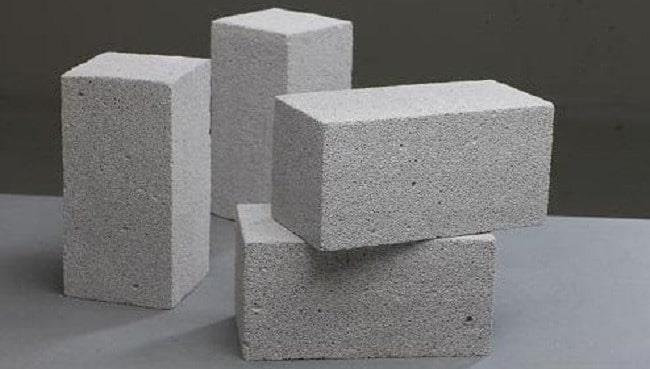
The purpose of lightweight concrete is multifaceted and driven by diverse considerations within the realm of construction.Fundamentally,itaimstoalleviatestructural burdens by significantly reducing the weight of concrete elements. Achieved through the integration of lightweight aggregatesorairvoids,thisweightreductionnotonlyeases construction logistics but also holds potential for cost savingsinfoundationalrequirements.Moreover,lightweight concrete serves as a key player in enhancing thermal insulation within structures, thereby curbing energy consumptionforheatingandcooling,andfosteringoccupant comfort.Itsabilitytoofferheightenedfireresistancefurther underscores its significance in safeguarding structures against fire hazards. Beyond functional attributes, lightweight concrete aligns closely with sustainability imperativesbyintegratingrecycledorindustrialby-product aggregates,therebycurbing resourcedepletionand waste accumulation.Despiteitslowerdensity,thepurpose-driven
International Research Journal of Engineering and Technology (IRJET) e-ISSN:2395-0056
Volume: 11 Issue: 04 | Apr 2024 www.irjet.net p-ISSN:2395-0072
engineering of lightweight concrete ensures it meets stringent structural demands, maintaining strength, durability, and resilience in diverse environmental conditions.Thisversatilitypositionslightweightconcreteas a versatile solution across a spectrum of construction projects, from high-rise buildings to residential dwellings, embodying a harmonious blend of efficiency, safety, and environmentalresponsibility.
The principle of lightweight concrete revolves around reducing the density of traditional concrete while maintainingorimprovingitsmechanicalproperties.Thisis achieved through two main approaches: incorporating lightweightaggregatesandintroducingairvoids.
LightweightAggregates: The primary principle involves replacingsomeoralloftheconventionalaggregates(suchas sand and gravel) with lightweight materials. These lightweight aggregates can include expanded clay, shale, perlite,vermiculite,orpumice.Thesematerialsareporous andhavelowerdensitiescomparedtotraditionalaggregates, thusreducingtheoverallweightoftheconcretemixture.
Air Void Incorporation: Another principle involves incorporatingairvoidsintotheconcretemixture.Thiscan beachievedthroughtheadditionofair-entrainingagentsor by using foaming agents. The introduction of air voids reducesthedensityoftheconcretewithoutcompromising itsstrengthorstructuralintegrity.
Inbothcases,thekeyprincipleistoreducethemassofthe concrete while ensuring that the resulting material still meets the required performance criteria. This can include considerationssuchascompressivestrength,durability,and thermal properties. By adhering to these principles, lightweight concrete offers advantages such as reduced structuralloads,improvedthermalinsulation,andenhanced sustainabilitycomparedtotraditionalconcrete.
Wastematerialsplayasignificantroleintheproductionof lightweightconcrete,contributingtobothitsenvironmental sustainability and material efficiency. These materials are often utilized as partial replacements for conventional aggregates or cementitious binders, thereby reducing the consumptionofnaturalresourcesanddivertingwastefrom landfills. Here are some common waste materials used in lightweightconcreteproduction:
Fly Ash: Aby-productofcoalcombustioninpowerplants, flyashisapozzolanicmaterialthatcanbeusedasapartial replacementforcementinlightweightconcretemixtures.Its fineparticlesizeandsphericalshapecontributetoimproved
workabilityanddurability,whilealsoreducingtheoverall carbonfootprintofconcreteproduction.
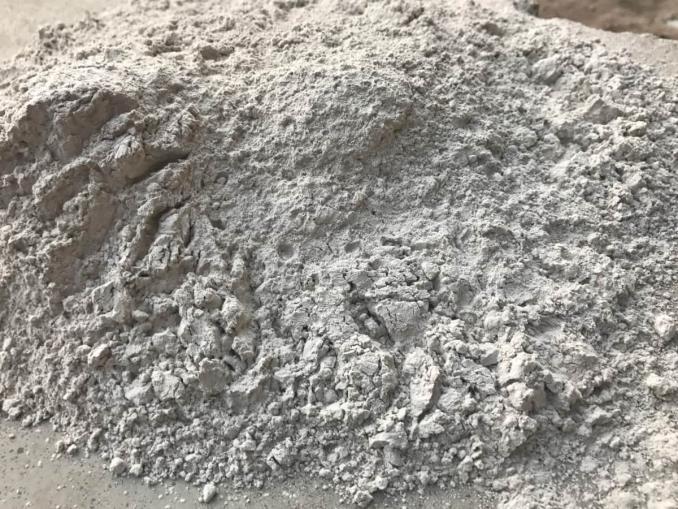
Ground Granulated Blast Furnace Slag (GGBFS): Produced as a by-product in the manufacturing of iron, GGBFS is rich in silicates and alumina compounds. When used as a supplementary cementitious material in lightweight concrete, GGBFS enhances long-term strength development,reducesheatgenerationduringhydration,and improves resistance to sulfate attack and alkali-silica reaction.
Recycled Aggregates: Crushed concrete rubble or demolishedconstructionwastecanbeprocessedandused as lightweight aggregates in concrete production. By incorporatingrecycledaggregates,lightweightconcretenot only reduces the demand for virgin aggregates but also minimizes the environmental impact associated with quarryingandtransportation.
Expanded Polystyrene (EPS) Beads: EPS beads, derived fromrecycledpolystyrenefoam,arelightweightandpossess excellent insulating properties. When added to concrete mixtures, EPS beads create air voids within the matrix, resulting in a lightweight, thermally insulating material suitableforapplicationsrequiringbothstructuralintegrity andthermalefficiency.
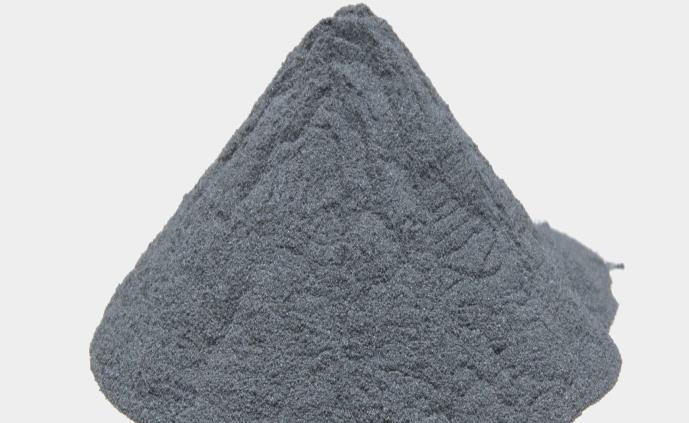
Silica Fume: Aby-product ofsiliconandferrosiliconalloy production, silica fume is a highly reactive pozzolan that enhances the strength, durability, and impermeability of lightweightconcrete.Itsultrafineparticlesfillvoidsbetween cementgrains,densifyingtheconcretematrixandreducing permeability, thereby improving resistance to chemical attackandfreeze-thawcycles.
International Research Journal of Engineering and Technology (IRJET) e-ISSN:2395-0056
Volume: 11 Issue: 04 | Apr 2024 www.irjet.net p-ISSN:2395-0072
Recycled Plastic Waste: In recent years, there has been growing interest in incorporating recycled plastic waste, such as plastic bottles or shredded polymer fibers, into lightweight concrete mixtures. These materials can act as lightweight fillers or reinforcement, offering potential benefits in terms of reducing material costs, enhancing ductility,andmitigatingenvironmentalpollution.
By integrating these waste materials into lightweight concreteproduction,constructionindustrystakeholderscan promote sustainable practices while simultaneously improvingtheperformance,efficiency,andenvironmental footprintofconcretestructures.However,itisessentialto conduct thorough testing and quality control measures to ensure that the resulting lightweight concrete meets the required standardsforstrength, durability,andstructural integrity.
During theliteraturesurvey section, our team delvedinto theresearchwork thathasbeencompleted regardingour chosentopic.Wethoroughlyanalyzedandsummarizedall relevantresearchstudies,inordertogainacomprehensive understanding of the existing knowledge on this subject matter. Our findings and insights are presented below for yourreference.
Emilia et.al. The aim of the study was to investigate the feasibility of utilizing Vermiculite as a substitute for fine aggregate in concrete composites and to delineate the guidelinesforitsusage.Theelementsofconcretecomposites weresubjectedtorigoroustesting,andtheresultshavebeen documented.Thistypeofresearchcanfurnishprecisedata regarding the percentage increase in Compressive and Flexural strength of Concrete, along with statistics on Durability.Consequently,vermiculitecanbedeemedahighly effective alternative. Overall, this research contributes significantly towards enhancing the sustainability of concrete production by reducing reliance on traditional materialsandpromotinginnovativesubstitutes.
Jurga et.al. In the quest for more sustainable and ecofriendly construction practices, alternative materials are beingexplored.Amongthesematerialsarequarrydustand MarbleSludgepower(MSP).Recentinvestigationsintothe use of MSP as a filler in self-compacting concrete (SCC) manufacturehaveyieldedpromisingresults.Theadditionof up to 30% quarry dust, 14% clinkers, and 8% limestone powder with silica fume as a mineral admixture did not affecttheself-compactingpropertyofSCC.Thissuggeststhat MSPcouldbeaviablealternativetotraditionalfillersusedin SCC production. While further research is needed to fully understand the behavior of high-strength self-compacting concrete (HSSCC), some conclusive discoveries have been made thus far. These findings reinforce the feasibility of usingalternativematerialslikeMSPinconstructionprojects. By incorporating sustainable practices like these, we can work towards creating a more environmentally conscious builtenvironmentwhilestillmaintainingstructuralintegrity anddurability.
Fahad, Idrees. Due to growing concerns about ecological andenvironmental issues,a recent experimental studyon the availability of natural sand for concrete has been postponed.Thepurposeofthisstudyistoinvestigatehow chloridepenetrationaffectsself-compactinggreenconcrete (SCGC)madefrommarblesludgepowder(MSP)andquarry rock dust(CRD)obtainedfromvarious typesofindustrial waste. MSP may be used as a filler in order to reduce the numberofporesinconcrete,whichcanincreaseitslifespan. Multipleexperimentshavebeenconductedtodeterminethe effects of MSP and CRD on SCGC's resistance to chloride whenusedtogether.Basedonthefindings,itwasdiscovered thatusingCRDwith15%MSPismorepreferablethanriver sandwhenproducingSCGC.Thisinformationcanbeapplied byconstructionprofessionalsinordertocreatestrongerand moredurablestructureswhilealsoreducingenvironmental impact.
Nakkeeran et.al. In order to achieve a plastic density of 1900 kg/m3, two different foam concrete mixes were developed - one with sand and the other without. To determine the strength of foamed concrete compared to conventional concrete, force and percentage results were analyzed.Atotalofeighteencubespecimenswerecreated and subjected to both physical (Density) and specialized structural (Compressive Strength) testing in various combinations. By analyzing these results, we can gain a better understanding of the potential benefits and drawbacksofusingfoamconcreteinconstructionprojects.
Firas et.al. The use of common sand as fine aggregate in concrete is a crucial component in construction projects around the world. However, with extensive sand mining operations,thereisanincreasingconcernoverthereduction ofbiodiversityandthepotentialincreaseinscourdepthand surgerisks.Toaddressthisissue,ithasbecomeimperative to explore alternative options for concrete materials. One
International Research Journal of Engineering and Technology (IRJET) e-ISSN:2395-0056
Volume: 11 Issue: 04 | Apr 2024 www.irjet.net p-ISSN:2395-0072
such option is marble, which is extensively used in the buildingprocess.Duringthehandlingofmarblesquares,a significant amount (around 20-25%) of raw marble is convertedintopowderedform.Unfortunately,thispractice hasdetrimentaleffectsontheenvironmentandthemarble industrybearssomeresponsibilityforit.
Recent studies have shown that recycled marble powder couldbeaviablereplacementforsandinbuildingmaterials. Byreplacing10%,15%,and20%ofcementwithrecycled marblepowder,weanalyzedthepropertiesoftheresulting cement.Thisfindingoffersapromisingsolutiontomitigate the negative impact caused by sand mining while simultaneously providing an eco-friendly alternative for buildersworldwide.Aswecontinuetoexploresustainable practicesinconstruction,it'sessentialtoconsiderinnovative solutionslikethesethatcanhelpusbuildabetterfuturefor generationstocome.
Aparna, Bindu. In the realm of construction, the use of charredbrickhasbecomeindispensableformanycountries. The current focus on eco-friendly and non-detrimental solutionstonationalissueshasmadeitimperativetofind materialsthatmeetboththerequirementsofthebuilding industry and the goals of the green movement. One such material is foam, which can be utilized at temperatures belowfreezing,makingitanexcellentchoiceforinsulation andsoundproofing.Foamed cementisa popularchoice in underdeveloped nations due to its ability to provide a lightweight yet sturdy base for construction. By using a slurryofcement,flyash,andwatermixedwithpre-frothed stable foam in a solid blender, concrete squares can be createdwithvaryingthicknessesrangingfrom4-8inches.
This study aims to explore how this phenomenon has affected the progress of concrete production. It demonstrateshowtheuseoflightweightconcretesquares can help satisfy both industry requirements and environmentalgoalsbyprovidingasustainablesolutionthat reducescarbonemissionsduringconstruction.Byembracing innovative materials like foamed cement and lightweight concretesquares,wecanbuildstructuresthatarenotonly durablebutalsoenvironmentallyfriendly.Aswecontinueto prioritize eco-friendly solutions in all aspects of life, it is crucial that we consider these options for construction projectsaroundtheworld.
Ambreen. Thetopicofdiscussionwasthecompositionand characteristics of "foamed" concrete, which is primarily madeupofcement,water,fineaggregate,andair.Notably absentfromthistypeofconcreteisacoarseaggregatephase, resultinginadistinctuniformityintexture.Thepropertiesof foamedconcreteareheavilyinfluencedbyboththebinder and the foaming agent used - with chemical and natural agents beingcommonchoices.Toincreasethestrength of foamconcrete,abindingcomponentknownassilicafumeis oftenaddedtothemix.Thisstudycentersonunderstanding
howsilicafumeaffectstheproductionprocessandoverall characteristicsoffoamedconcrete.Bysummarizingcurrent knowledgeinthisfield,itaimstoprovidevaluableinsights into improving the quality and durability of this unique buildingmaterial.
Fahad. Aeratedlightweightconcreteisamaterialthathas airpocketswithinit,whichgivesitsomeadvantagesover conventional concrete. One oftheseadvantagesisa lower thermalexpansioncoefficient,meaningthatthematerialis lesslikelytoexpandorcontractduetotemperaturechanges. Additionally,aeratedlightweightconcretehasgreaternoisedeadeningability,whichcanbeusefulinstructureswhere soundinsulationisimportant.
The two primary constituents of aerated lightweight concrete are foamed concrete and autoclaved concrete. These two types of concrete are made using different methods and have different properties. By systematically dissectingeachtypeofconcrete,wecanbetterunderstand theirindividualpropertiesandhowtheycontributetothe overallcharacteristicsofaeratedlightweightconcrete.There aremanypossiblecomponents,additives,andapplications of aerated concrete. Some examples include using it as insulationinwallsorroofs,creatingprecastblocksorpanels forconstructionprojects,orusingitasabasematerialfor roads or other infrastructure projects. When studying aerated lightweight materials, researchers often focus on topicssuchasporosity(theamountofopenspacewithinthe material),permeability(howeasilyfluidscanpassthrough thematerial),compressivestrength(howmuchweightthe material can support without breaking), and splitting strength (how well the material resists cracking under pressure). By understanding these factors and how they relate to aerated lightweight concrete specifically, we can continue to develop new and innovative uses for this versatilebuildingmaterial.
Sercan et.al. The benefits of using fly ash concrete have been proven to be both economical and environmentally friendly. In fact, the production of concrete may even contribute to environmental sustainability. Despite this, Indiaonlyutilizesaroundhalfofitsflyashoutput.However, there is hope for the global economy as infrastructure construction is currently at an all-time high worldwide. Cement is the most widely used building material and its manufacturecontributesto7percentofallhuman-caused carbon dioxide emissions. As carbon dioxide is the most dangerous greenhouse gas that can raise global temperatures,therehasbeenwidespreadinterestinfinding practicalalternativestoCO2foruseincementproduction. Unfortunately, no such alternative has been found yet. Recently, there has been a shift towards utilizing building materialswithareducedcementcontent,andconcreteisa primeexampleofthistrend.Thispaperaimstodiscusshow fly ash concrete can be used as a solution to two major problems:(a)themassive disposal offlyashproduced by thermal power plants that results in environmental
International Research Journal of Engineering and Technology (IRJET) e-ISSN:2395-0056
Volume: 11 Issue: 04 | Apr 2024 www.irjet.net p-ISSN:2395-0072
degradation through large landfills; and (b) the high percentageofcarbondioxideemissionsintotheatmosphere from the cement industry. By using fly ash in concrete production,wecannotonlydecreaseourrelianceoncement but also reduce waste and lower carbon emissions, thus contributing positively towards environmental sustainability.
Steve. Inthisstudy,variousmaterialswereusedinfoamed concrete experiments, including AR-glass, polypropylene, steel, kenaf and oil palm fiber. The aim was to produce foamed concrete mixtures with a target density of 1000kg/m3 using a specific mix ratio of (1:1.5:0.45). The fiberswereaddedasfillersandmaintainedatavolumeof between 0.25 to 0.40 percent throughout the experiment. The focus was on examining the impact of fiber on the durabilityoffoamedconcretebymeasuringitspermeability to water, thermal expansion and shrinkage. The results showedthatAR-glassfiberhadthelowestdryingshrinkage valuecomparedtootherfibersusedintheexperiment.This suggests that AR-glass can be an effective material for improving the durability of foamed concrete structures. Thesefindingshaveimportantimplicationsforconstruction engineers and architects who are looking for sustainable building materials that can withstand environmental pressures over time. Overall, this study highlights the potential benefits of incorporating various types of fibers intofoamedconcretemixturestoenhancetheirproperties and performance. It also underscores the importance of conductingresearchintoinnovativebuildingmaterialsthat can contribute to more sustainable and resilient infrastructureinourcommunities.
Rong et.al. ThestudyaimedtoexaminetheimpactofMSP and CRD on the toughness and tensile strength of SCC. To achieve this objective, a series of durability tests were conducted, including compression, split tensile strength, water absorption, permeability to chloride ions, electrical resistance,andhalf-cellpotential.Thefindingsrevealedthat incorporatingMSPasasubstituteforupto15%oftheCRD couldenhancethecompressivestrengthofSCC.Moreover, therewasadirectcorrelationbetweencompressivestrength and split tensile strength. Interestingly, the electrical resistivitywashighestinnormalconcretewith100%CRD; however, significant improvements were observed in SCC samples.Insummary,these resultshighlightthepotential benefitsofusingMSPasanalternativetoCRDinenhancing the mechanical properties of SCC while maintaining its durabilitycharacteristics.
Saad, Abbas. The study investigated the effects of using quarry dust as a partial replacement for sand in foam concrete.Thegoalwastoanalyzethecompressivestrength of this type of concrete. To achieve this, various ratios of quarry dust-to-foam concrete were developed and tested, ranging from 10% to 50%. Cube tests were conducted to determine the compressive strength of the resulting
concrete, with results compared to those obtained from controlfoamconcrete.Thefindingsindicatethatquarrydust foam concrete has a compressive strength that is approximately43%higherthanthatofconventionalfoam concrete.
Asaresultofthesepromisingresults,foamconcreteblocks maybeconsideredasanalternativetotraditionalburntclay bricks.Acost-effectivenessanalysiswasconductedtoassess theviabilityofmanufacturinganddeployingfoamconcrete bricks.Thisstudydemonstratesthatutilizingquarrydustin foam concrete can lead to superior performance when comparedtotraditionalsand-basedfoams,providinganecofriendly and cost-effective solution for construction purposes.
Silvina et.al. In this write-up, we delve into an in-depth analysisofthecharacteristicsandmanufacturingmethodsof foamconcrete.Thismaterialposesauniquechallengewhen it comes to its creation and utilization. We explore the currentstateofknowledgeregardingtheimpactofblending variousmaterials,admixtures,andfibersonthefunctionality and effectiveness of foamed concrete. Furthermore, we argue that any future work done in this field should be foundedonprinciplesofsustainabledevelopment.Bydoing so,wecanensurethatoureffortstowardsdevelopingfoam concrete are both environmentally conscious and economicallyviableinthelongrun.
Febryyandi, Sinta.The present study demonstrates the impact of blending cement with river sand, sea sand, and quarry dust on the durability of foam concrete. Varying ratiosofcement-to-aggregatebyweightincluding0:1,1:3, 1:2,and1:3wereemployed.Themixturewasthencombined withwaterandafoamingagentbeforebeingpouredintoa moldmeasuring19centimetresinlength,9centimetresin width,and9centimetresinheighttocreatebricksamples. These samples were cured for twenty-eight days in water prior to testing their compressive strength at room temperature.Additionally,aftercuringfortwenty-eightdays atroomtemperaturetheyweresubjectedtoheatingatone hundreddegreesCelsiusfortwenty-fourhoursfollowedby immersion in water before assessing their compressive strength again. Both control and experimental concrete underwentheatresistancetestswhilecoldshockresistance testswereperformedusingriversandasfiller.Thefindings suggest that sea sand and quarry dust can be used interchangeably with natural river sand without compromisingtheperformanceoffoamconcrete.
Gavril et.al. Accordingtoresearch,strawboard-linedcoldformed steel high-strength lightweight foamed concrete (CSHLFC)shearwallsareaneffectivesolutionforimproving theseismic behaviorofCFSshear walls.Todeterminethe failuremode,loadcapacity,ductility,stiffnesscharacteristic, andenergydissipationofthesewalls,sixfull-scaleshearwall specimensweretestedunderdifferentconditionssuchasa
International Research Journal of Engineering and Technology (IRJET) e-ISSN:2395-0056
Volume: 11 Issue: 04 | Apr 2024 www.irjet.net p-ISSN:2395-0072
rangeofHLFCdensities,studsectionareas,wallthicknesses, and vertical loads. The results showed that the seismic performance and failure mechanism of shear walls were moreinfluencedbyHLFCthanpreviouslythought.Thewall's ductilityandenergyabsorptioncharacteristicswereproven by its various modes of failure including cracking and crushingofHLFC,crackingofstrawboards,localbucklingof studs, and relative sliding between HLFC and studs. The compressivebearingcapacityofHLFCimprovedtheshear strength and stiffness while also restricting impact on the steelframe.Itwasobservedthatwhentheverticalloadwas increased, the seismic performance suffered. However, increasingwallthickness,HLFCdensitygradeorstudsection size improved its overall performance. These findings indicatethatCSHLFCshearwallscanbeareliableoptionin seismiczoneswheresafetyisatoppriority.
Sami, Yazan. Empirical findingsindicate that quarry rock dust and marble muck powder are viable alternatives to sandinconcrete.Variousresearchstudieshavecompared the durability of green concrete with that of natural sand concrete. As per these studies, quarry rock dust-based concrete exhibits over 14% greater strength than conventional concrete, as measured by its compressive strength,splittensilestrength,anddurability.Furthermore, it is observed that the harmful impact of sulfates on such kind of concrete is significantly diminished. If you aim to enhance your environmental credentials while ensuring long-lasting performance even under extreme conditions, consideremployinggreenconcreteinyournextproject.
Ammar et.al. Thepaperprovideddelvesintothesubjectof lightweight self-compacting concrete (LWSCC) and its developmentthroughtheutilizationofwastematerialssuch as Expanded Polystyrene Beads (EPS) and Waste Plastic Fibers(WPFs).The focusofthepaperisdirectedtowards examiningthefresh,hardened,andmechanicalpropertiesof LWSCCmixtures.However,itmustbenotedthatthereisno explicitmentionmaderegardinganempiricalinvestigation into lightweight concrete that utilizes a diverse range of waste materials. It is important to limit the use of waste materials such as EPS and WPFs in SCC due to their low levelsofhardenedanddurabilityproperties.Toobtainfull strengthanddurabilitybenefits,alongercuringtimeperiod of56to90daysisrecommended.
Hussein et.al. The provided paper investigates the use of waste crushed clay brick powder as a filler material to produce lightweight concrete and evaluates its effects on variousphysicalandmicrostructuralcharacteristicsofthe concrete. However, it does not specifically mention the utilization of other waste materials in the empirical investigation of lightweight concrete. In this article , the effectofusinganair-entrainingagent(AEA)foradditional poreformationonconcreteperformancewasevaluatedand the results indicated that the use of CBP as filler material
enhancesthemechanicalanddurabilitycharacteristicsofthe concrete.
Thamer et.al The paper discusses the use of waste materialsaslightweightaggregatesinconcrete,butitdoes not specifically mention an empirical investigation of lightweight concrete using varied waste materials. In this paper , the authors discussed the materials used as lightweightaggregateinconcreteandshowedthatutilizing trash as a lightweight aggregate not only improves the characteristics of concrete but also gives a sustainable approachtominimizeglobalwaste.
Hyejin et.al. Theprovidedpaperfocusesontheempirical investigation of lightweight concrete using bottom ash aggregatesasareplacementfornaturalaggregates.Itdoes not specifically mention the utilization of other waste materials. Empirical equations are proposed to predict mechanicalpropertiesoflightweightconcretewithbottom ash aggregate. The proposed equations show reasonably positiveagreementwithmeasuredvalue.
In conclusion, the empirical investigation of lightweight concrete utilizing diverse waste materials presents a promising avenue for sustainable construction practices. Through a comprehensive review, it is evident that the incorporation of waste materials not only reduces environmental impactbutalsoenhancestheproperties of lightweightconcrete.Theutilizationofwastematerialssuch asflyash,slag,recycledaggregates,andotherscontributes to the development of high-performance lightweight concretewithimprovedmechanical,thermal,anddurability characteristics.However,furtherresearchiswarrantedto optimizemixdesigns,understandlong-termperformance, andaddresspotentialchallengesassociatedwiththeuseof these materials. Overall, the findings underscore the significanceofcontinuedexplorationandimplementationof waste-basedlightweightconcreteinconstructiontofoster environmentalsustainabilityandresourceefficiency.
1) Potential of Waste Material as Coarse Aggregates for Lightweight Concrete Production: A Sustainable Approach. Potential of Waste Material as Coarse Aggregates for Lightweight Concrete Production: A SustainableApproach.
2) The Effect of Expanded Glass and Crushed Expanded Polystyrene on the Performance Characteristics of Lightweight Concrete. The Effect of Expanded Glass andCrushedExpandedPolystyreneonthePerformance Characteristics of Lightweight Concrete. Applied Sciences.
International Research Journal of Engineering and Technology (IRJET) e-ISSN:2395-0056
Volume: 11 Issue: 04 | Apr 2024 www.irjet.net p-ISSN:2395-0072
3) Exploring the Effect of Different Waste Fillers in ManufacturedSustainablePlasticAggregatesMatrixon theStructuralLightweightGreenConcrete. Exploring the Effect of Different Waste Fillers in Manufactured SustainablePlasticAggregatesMatrixontheStructural LightweightGreenConcrete.Sustainability.
4) Lightweight Heat Resistant Concrete Panels Using Recycled Materials. Lightweight Heat Resistant Concrete Panels Using Recycled Materials. IOP ConferenceSeries:EarthandEnvironmentalScience.
5) Experimental investigation and optimization of lightweight concrete bricks developed using vermiculite. Experimental investigation and optimizationoflightweightconcretebricksdeveloped usingvermiculite.FrontiersinMaterials.
6) A study of characteristics of man-made lightweight aggregate and lightweight concrete made from expanded polystyrene (eps) and cement mortar. A study of characteristics of man-made lightweight aggregate and lightweight concrete made from expandedpolystyrene(eps)andcementmortar.Open Engineering.
7) Utilization of waste materials as a substitute for the sanddraininclayeysoil.Utilizationofwastematerials as a substitute for the sand drain in clayey soil. InternationalJournalofGeo-engineering.
8) Study on Properties of Concrete After Incorporating WasteMaterials. StudyonPropertiesofConcreteAfter IncorporatingWasteMaterials.IOPConferenceSeries.
9) A Sustainable Alternative for Green Structural Lightweight Concrete: Performance Evaluation. A Sustainable Alternative for Green Structural Lightweight Concrete: Performance Evaluation. Materials.
10) UtilizationofRecyclableConcreteandCeramicWaste as Filling Material in Hot Mix Asphalt. Utilization of Recyclable Concrete and Ceramic Waste as Filling Material in Hot Mix Asphalt. Periodica PolytechnicacivilEngineering.
11) Utilization of modified plastic waste on the porous concrete block containing fine aggregate. (n.d.). Utilization of modified plastic waste on the porous concreteblockcontainingfineaggregate.85(4),143–151.
https://doi.org/10.11113/jurnalteknologi.v85.19219
12) StudyoftheCompressivePropertiesofHeavyCalcium Carbonate-ReinforcedEpoxyCompositeSpheres(HC-REMS)CompositeLightweightConcrete.(n.d.).Studyof the Compressive Properties of Heavy Calcium
Carbonate-ReinforcedEpoxyCompositeSpheres(HC-REMS) Composite Lightweight Concrete. 15(5), 1278–1278.https://doi.org/10.3390/polym15051278
13) The Use of Lightweight Aggregate in Concrete: A Review. (2022). The Use of Lightweight Aggregate in Concrete:AReview.28(11),1–13.
14) Recycled Construction and Demolition Waste as Supplementary Cementing Materials in Eco-Friendly Concrete.(n.d.).RecycledConstructionandDemolition WasteasSupplementaryCementingMaterialsinEcoFriendly Concrete. 8(4), 54–54. https://doi.org/10.3390/recycling8040054
15) Analisis Pengaruh Penambahan Kaolin Sebagai Subtitusi Semen Terhadap Kuat Tekan Beton Ringan. (n.d.).AnalisisPengaruhPenambahanKaolinSebagai Subtitusi Semen Terhadap Kuat Tekan Beton Ringan. 11(1).https://doi.org/10.36982/jtg.v11i1.2804
16) ExperimentalInvestigationonMechanicalandThermal Properties of Concrete Using Waste Materials as an Aggregate Substitution. (n.d.). Experimental InvestigationonMechanicalandThermalPropertiesof Concrete Using Waste Materials as an Aggregate Substitution. 15(5), 1728–1728. https://doi.org/10.3390/ma15051728
17) Uso de materiales ligeros para la producción de hormigón de baja densidad: una revisión literaria. (2022).Usodematerialesligerosparalaproducciónde hormigón de baja densidad: una revisión literaria. 12(1), 90–101. https://doi.org/10.22320/07190700.2022.12.01.06
18) ExperimentalInvestigationofRecycledFineAggregate from Demolition Waste in Concrete. (n.d.). ExperimentalInvestigationofRecycledFineAggregate from Demolition Waste in Concrete. 14(17), 10787–10787.https://doi.org/10.3390/su141710787
19) Alkali Activated Concrete using Industrial and Agro Waste-Mix proportioning and Experimental Investigation. (n.d.). Alkali Activated Concrete using Industrial and Agro Waste-Mix proportioning and Experimental Investigation. 1, 1327–1331. https://doi.org/10.38208/acp.v1.659
20) Alkali Activated Concrete using Industrial and Agro Waste-Mix proportioning and Experimental Investigation. (n.d.). Alkali Activated Concrete using Industrial and Agro Waste-Mix proportioning and Experimental Investigation. 1, 1327–1331. https://doi.org/10.38208/acp.v1.659
21) TheEffectofFinely-GrindedCrushedBrickPowderon Physical and Microstructural Characteristics of
International Research Journal of Engineering and Technology (IRJET) e-ISSN:2395-0056
Volume: 11 Issue: 04 | Apr 2024 www.irjet.net p-ISSN:2395-0072
Lightweight Concrete. (n.d.). The Effect of FinelyGrinded Crushed Brick Powder on Physical and Microstructural Characteristics of Lightweight Concrete. 12(2), 159–159. https://doi.org/10.3390/min12020159
22) Sustainable Materials Used as Lightweight Aggregate :(An Overview). (n.d.). Sustainable Materials Used as Lightweight Aggregate :(An Overview). 961(1), 012027–012027. https://doi.org/10.1088/17551315/961/1/012027
23) Improving nonlinear behavior and tensile and compressive strengths of sustainable lightweight concrete using waste glass powder, nanosilica, and recycled polypropylene fiber. (2022). Improving nonlinear behavior and tensile and compressive strengths of sustainable lightweight concrete using waste glass powder, nanosilica, and recycled polypropylene fiber. 11(1), 58–70. https://doi.org/10.1515/nleng-2022-0008