
International Research Journal of Engineering and Technology (IRJET) e-ISSN:2395-0056 p-ISSN:2395-0072
Volume:11 Issue:04|Apr 2024 www.irjet.net
“SYNTHESIS & CHARACTERIZATION OF EGGSHELL REINFORCED POLYMER COMPOSITES”
M. Mouli
Kumar 1,D. Satya Athreya 2,D. Sai 3,J.Phalguni4
1AssistantProfessor,DeptofMechanicalEngineering,SanketikaVidyaParishadEngineeringCollege 2,3&4 B.Tech Mechanical Engineering,Sanketika Vidya Parishad Engineering College, Pm Palam Vishakhapatnam.
Abstract-The study investigates hybrid biodegradable polymer composites incorporating synthetic hydroxyapatite particulate (HAp) sourced from eggshells at varying weights (0%, 3%, 5%, and 7%), alongside fixed PLA (60%), EGlassfibre (40%) compositions, fabricated via the hand lay-up method. HAp, akin to bone structure, is pivotal for bone repair and regeneration, while E-Glassfiber reinforces structural integrity. Test specimens adhere to ASTM standards for hardness, tensile, impact, and flexural tests, crucial for assessing suitability in medical applications. Enhanced mechanical properties are observed in the composite containing 7% eggshell powder particulate.
Key Words: Eggshell, Hydroxyapatite (HAp), SEM, EGlass fibrer, PLA, bio mineral.
1 INTRODUCTION
Composite materials blend different elements to create a unifiedstructurewithenhancedproperties,oftenutilizing fibers, particles, or sheets alongside a polymer matrix. These composites leverage the superior strength and stiffness of fibers, whether metallic, ceramic, or polymerbased, to bear the primary load, complemented by the supportive matrix. The resultant synergy yields materials with superior mechanical traits, applicable across diverse industrieslikeaerospace,automotive,andconstruction.An emerging trend involves hybrid composites, like E-Glass fiber reinforced polymer matrices, advancing material innovationfurther.
Hybrid composites blend multiple materials for superior mechanical properties, leveraging the shearing effect of fibers. They excel in aerospace, naval, civil, industrial, sporting, and automotive applications. E-Glass fiber, prized for strength and durability, enhances these composites'mechanicalperformance&versatility.
Biodegradablecompositesofferextensivepotential across diverse industries, incorporating natural and synthetic fibers, nanoparticles, and other materials into biodegradablepolymermatrices.E-Glassfiberisamongthe optionsfor reinforcement. Notably,thesecompositeshold promisefornovelapplicationssuchasbodyimplants.
OurcompositeutilizesHydroxyapatite(HAp)asparticulate reinforcement,acalciumphosphatemineralwidelyapplied inbiomedicalfieldslikebonegraftsanddentalimplants.
Eggshells, a rich calcium source, are employed for HAp synthesis due to their availability, cost-effectiveness, and biocompatibility. E-Glass fiber serves as the reinforcement alongside E-Glass Fiber. E-Glass fiber, composed of carbon atomswoventightlywithapolymerresin,offersexceptional mechanical properties, including high tensile strength, stiffness,andfatigue resistance.Thesereinforcingmaterials areseamlesslyintegratedintothepolymermatrix.
The composite mentioned above is crafted using the handlayup technique, a traditional and adaptable method in composite manufacturing. This process entails manually layeringreinforcementmaterialslikeE-Glassfiberintoamold oronto a tool. Subsequently,eachlayer isinfused with resin beforeundergoingnaturalorartificialcuringtoshape
2 Materialsandmethods:


2.1 Hydroxyapatite (HAp), a biocompatible material derivedfromeggshells,undergoesa meticulous process. This involves collecting, cleaning, drying, and grinding the eggshells into fine 64µm particles. These particles are then heated at temperatures of 450℃and 900℃ to convert calcium carbonate into calcium oxide andCalciumphosphate(HAp)viachemical precipitation, yieldingthedesiredHAppowder.
2.2 E-Glassfiber:E-Glassfiber:Thismaterialisextensively utilized in composite production owing to its exceptional strength-to-weight ratio, stiffness, and longevity. The fibersoriginatefromaprecursorsubstance,typicallyglass, which undergoes chemical treatment and heating to producetheE-GlassFiber.
2.3.1 Cobaltaccelerator resin: Inourcomposite,acobalt accelerator is commonly utilized as an accelerator in the curingprocessofunsaturatedpolyesterresins,alongsidea peroxideinitiatorlikeMEKP.Whiletypicallyaddedintrace amounts, in our composite,it constitutes approximately 10%ofthetotalmatrixweight.Thecobaltacceleratorplays avitalrolebyfacilitatingthedecompositionoftheperoxide initiator,whichresultsinaquicker.
2.3.2 MEKP catalyst: Methylethyl ketone peroxide (MEKP) serves as a common initiator in the curing process of unsaturatedpolyesterresins.Withinourcompositematerial, it constitutes approximately 10% of the total matrix weight and is typically introduced into the resin system in minute quantities. MEKP is a clear, colorless liquid known for its ability to rapidly initiatepolymerizationreactions,particularly inthepresenceofanaccelerator.
2.3.3 PLA ISOMER resin: ISO Resin is a medium viscosity, medium reactive polyester resin based on Isophthalicacidand superior glycols. It exhibits good mechanical and electrical properties together with good chemical resistance compared to generalpurposeresins.
ISOrapidlywetsthesurfaceofglassfiberintheform of cloth mat or chopped fiber to produce laminates andmoldings
International Research Journal of Engineering and Technology (IRJET) e-ISSN:2395-0056 p-ISSN:2395-0072
Volume:11 Issue:04|Apr 2024 www.irjet.net
E-Glassfibersheetsmeasuring200mm×200mmserved as the primary reinforcement in the composite. Hydroxyapatite (HAp) powder was introduced as secondary reinforcement at varying weight fractions: 0%,3%,5%,and7%.ThematrixconsistedofPolyester Isoresin(80%).
E-Glass fiber is blended with the cobalt accelerator and MEKP catalyst 7% to create the matrix necessary for embeddingthereinforcements.
TECHNIQUE
Handlay-upisanopen molding methodsuitableformakinga wide variety of composites products from very small to very large. An initial preparation of all the materials and tools that aregoingtobeusedisafundamentalstandardprocedurewhen workingwithcomposites.Thisismainlybecauseoncetheresin andthehardeneraremixed,the working time(priortotheresin mixgelling)islimitedbythespeedofthehardenerchemically reactingwiththeepoxyproducinganexothermicreaction.
Before starting with the lay-up process an adequate mold preparationmustbedone.Mainly,thispreparationconsistsof cleaningthemoldandapplyingareleaseagentinthesurfaceof ittoavoidtheresintostick.
The first step is to mix the resin and the hardener. The proportionsareusuallygivenbythesupplierandcanbefound onthecontainers ofthe hardenerorresin.Themixingis
performed in the mixing containers with the mixing stick and should be done slowly so as to not entrain any excess airbubblesintheresin.Nextanadequatequantityofmixed resin & hardener is deposited in the mold and a brush or roller is used to spread it around all surface along with reinforcement. It is important not to add too much resin, whichwillcausetoothickofalayer,nortoaddlessthanthe necessaryamount, which will causeholesin thesurface of the part when it is cured. The first layer of fiber reinforcement is then laid. This layer must be wetted with resinandthensoftlypressingusingabrushorarollermake the resin that was added in the previous step wick up through the fiberglass cloth. If the fiber is not completely wet, more resin can be added over the top and spread around. At this stage a second layer of glass fiber is added and special care must be taken to eliminate all air bubbles possible.Thiscanbeaccomplishedbyeitherrollinganyair bubbles out with a small hand rolling tool. This step is repeateduntilthedesiredthicknessisobtained.

International Research Journal of Engineering and Technology (IRJET) e-ISSN:2395-0056
Volume:11 Issue:04|Apr 2024 www.irjet net
4 Material Preparation:
E-Glass Fiber: Cut the E-glass fibers to thedesired length.
Eggshell Powder: Clean and grind eggshells to produceafinepowder.
4.1 Mixing:
CombinetheE-glassfiberandeggshellpowderina mixingcontainer.
Stir or tumble the mixture to ensure uniform distribution.
4.2 ResinPreparation:
PreparetheresinsystemsuitableforE-glassfiber composite.
Addthe mixed E-glassfiber andeggshellpowder intotheresin.
Stirthoroughlytoachieveahomogeneous mixture.
4.3 Molding:
p-ISSN:2395-0072
Pour the resin mixture into a mold of the desired shapeandsize.
Use vacuum bagging or compression molding techniques to remove air bubbles and ensure propercompaction.
Temperatureandtimefortheresinsystemused.
4.4 Testing:
Aftercuring,testthemechanical,thermal,andother
propertiesofthecompositematerialtoevaluatethe effectsofeggshellpowderonperformance.
Comparethesepropertieswiththoseofcomposites madewithouteggshellpowderfor analysis.

International Research Journal of Engineering and Technology (IRJET) e-ISSN:2395-0056 p-ISSN:2395-0072 Volume:11 Issue:04|Apr 2024 www.irjet.net


International Research Journal of Engineering and Technology (IRJET) e-ISSN:2395-0056 p-ISSN:2395-0072
Volume:11 Issue:04|Apr 2024 www.irjet.net
5 Hardness:
TheLeebhardnesstestermeasuredthehardnessofthebasecompositeandeggshellcompositeswith3wt%,5wt%,and 7wt%eggshellsusinga1kgloadfor10seconds.Sixreadingswereaveragedforaccurac
5.1 ImpactStrength:
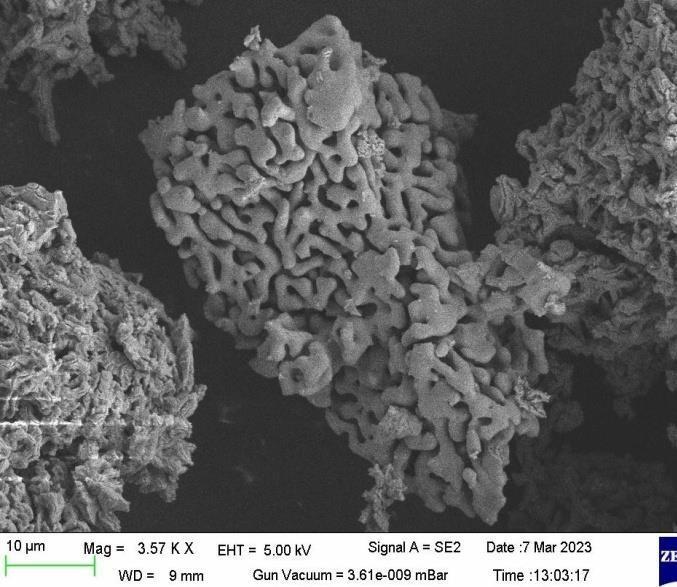
Fig4.1SEMMicrographofEggshellpowder Comparing the alloy and composites, the 7wt% eggshell compositeshowed higher hardness than the base composite, likely due toincreased eggshell content. Adding E-glass fiberscouldboostthemechanical strengthofthesecomposites
International Research Journal of Engineering and Technology (IRJET) e-ISSN:2395-0056
Volume:11 Issue:04|Apr 2024 www.irjet.net
6
Tensile test: Thetensiletestwasperformedon composite samples consisting of E-Glass fiber sheets,servingastheprimaryreinforcement. Alongside, Hydroxyapatite (HAp) powder was introducedintothematrixtoactasasecondary reinforcement. The HAp was added at varying weight fractions: 0%, 3%, and 5%. The matrix materialusedforthecompositeswasPolyester.
In the testing process, the samples were prepared meticulouslytoensureuniformdispersionofthe E-Glass fibers and HAp particles within the Polyester matrix. This ensured that the mechanical properties of the composites were consistent and representative of the intended compositions.
The primary aim of incorporating HAp into the composite was to evaluate its influence on the tensilepropertiesof the material.By varyingthe weight fractions of HAp, the study sought to identify the optimal content that would enhance themechanicalstrengthofthecompositewithout compromisingitsotherproperties.
Prior to the tensile testing, the composite samples underwentrigorouspreparationandconditioning to eliminate any potential defects or inconsistencies.Thisinvolvedcarefulcuttingand
p-ISSN:2395-0072
shaping of the samples to ensure they met the requireddimensionsandspecificationsfortesting.
Duringthetensiletest,eachsamplewassubjectedtoa controlled tensile load using a universal testing machine. The load was applied gradually, and the corresponding elongation or deformation of the samplewasmeasuredinreal-time.Thisallowedfor the determination of the tensile strength, Young's modulus,andelongationatbreakofeachcomposite sample.
The results obtained from the tensile tests were then analyzedto assessthe impactofHApcontent on the mechanical properties of the composites. By comparing the tensile properties of the composites withvaryingHApcontenttothosewithoutHAp(0% fraction),insightsweregainedintotheroleofHApas a secondary reinforcement in enhancing the tensile strength and toughness of the Polyester-E-Glass composite.
In conclusion, the tensile testing on the Polyester-EGlass-HApcompositesprovidedvaluabledataonthe mechanical behavior of the materials. The findings from this study contribute to the understanding of how secondary reinforcements like HAp can be effectivelyincorporatedintocompositestooptimize theirmechanicalpropertiesforspecificapplications.

International Research Journal of Engineering and Technology (IRJET) e-ISSN:2395-0056
Volume:11 Issue:04|Apr 2024 www.irjet.net
7 FLEXURAL STRENGTH
p-ISSN:2395-0072
Aflexuraltest,alsoreferredtoasthemodulusofruptureorbendingtest,isutilizedtoassessthestrengthandbehavior ofmaterialswhensubjectedtobendingorflexuralforces.Thistestisconductedusingauniversaltestingmachineand employsathree-pointorfour-pointbendfixture.
Duringthetest,samplescontainingvaryingconcentrationsofeggshellpowder(3%,5%,and7%)areevaluatedalongside acontrolsampleforcomparison.Thesampleispositionedontwosupportpinssetataspecificdistanceapart.Thethreepointbendingsetupoffersadvantagesintermsofspecimenpreparationandtestingsimplicity.
Thethree-pointbendingflexuraltestprovidesvaluabledataonparameterssuchasthemodulusofelasticityinbending, flexuralstress,flexuralstrain,andthematerial'sflexuralstress–strainresponse.However,it'simportanttonotethatthe resultsobtainedfromthistestingmethodcanbeinfluencedbyfactorssuchasspecimenandloadinggeometry,aswellas therateofstrain.
Flexural strength, which signifies the maximum stress encountered within the material at the point of yield, is a key parametermeasuredduringthetest.Thisstrengthisexpressedintermsofstress.

International Research Journal of Engineering and Technology (IRJET) e-ISSN:2395-0056
Volume:11 Issue:04|Apr 2024 www.irjet.net
p-ISSN:2395-0072
Flexuralstrainmeasuresamaterial'sdeformationunderbendingforces,expressedasaratioorpercentage.Itgaugesthe material'sabilitytobendwithoutbreakingandisvitalforassessingitsmechanicalbehavior.Thisparameteriscrucialin materialstestingandengineeringdesign,predictingamaterial'sresponsetobendingforces.

In thecase of comp-7, when maximum load is 8252.48N
Thespecimenlabelledas"composite-7"haddimensionsof13.5mminwidth,4.0mminthickness,andalengthof100.0mm. Duringtesting,itexperiencedamaximumloadof8252.48N,withaloadatbreak(standard)of8252.48212N.Theultimate tensilestrength(UTS) recorded for this specimen was 152.82MPa. Additionally, the tensile stress at yield, calculated with anoffsetof0.2%,wasfoundtobe137.51927MPa.
Thisdataprovidesacomprehensiveoverviewofthemechanicalpropertiesexhibitedbythe"composite-7"specimenunder tensile loading conditions. Similarly, 7%ESP has highest UTS (169.965MPa). The ultimate tensile strength represents the maximumstress thematerialcanwithstandbeforefailure,whilethetensilestressatyieldindicatesthestressatwhichthe material begins to exhibit permanent deformation. Such information is vital for evaluating the performance and suitability of the composite material forvariousengineeringapplications.
Fig.4.3 Graph representing tensile stress vs strain of S-1
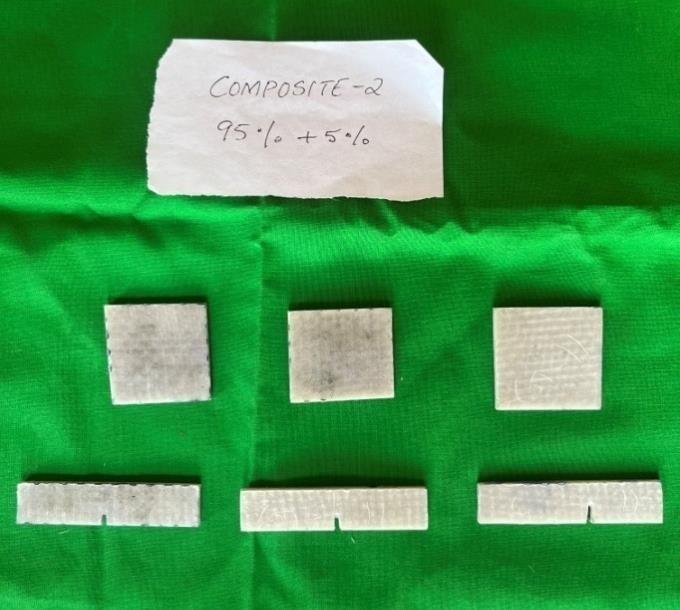
Plate.4.7(a,b,c)PreparedCompositesforflexuraltest
International Research Journal of Engineering and Technology (IRJET) e-ISSN:2395-0056 p-ISSN:2395-0072
Volume:11 Issue:04|Apr 2024 www.irjet.net
Analysis
Specimen1results:
Atthefirstpoint,theappliedloadwas0N.
Themaximumloadobservedduringthetestwas202.68457kN.
Thespecimen'sdimensionswereasfollows
Width:24.00mm
Thickness:24.00mm
8Morphology study:
Morphology tests provide valuable insights into the structural and physical properties of materials. By examining the combinationofeggshellandE-glassfiber,wecanbetterunderstandhowthesematerialsinteractandwhethertheycanenhance each other's properties. This research could lead to innovative uses for these combined materials in various engineering applications,offeringbothenvironmentalandfunctionalbenefitsHapparticulateshassignificantlyimproveditsmechanical properties.
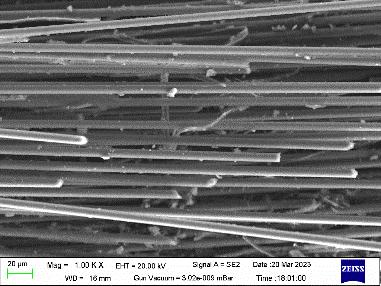


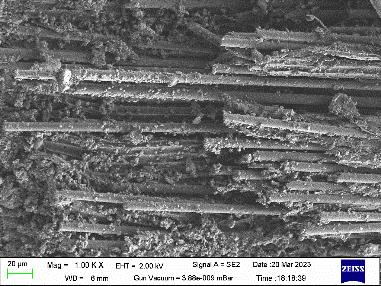
Fig4.9(a,b,c,d)ShowstheSEMMicroGraphsof4CompositematerialsRespectively.
9 Conclusion:
The study focuses on characterizing a composite comprising Eggshell particulate and E-Glass fiber reinforced PLA. SEM images show the particulate's high toughness, with evaluations conducted on PLA resin-reinforced E-Glass fiber composites,withandwithouteggshellpowder.SEManalysisconfirmsuniformdistributionofeggshellparticulateswithin the PLA matrix. Overall, the use of hybrid biodegradable polymer composites, incorporating synthetic hydroxyapatite particulate from eggshells and E-Glass Fiber reinforcement in PLA matrix, exhibits enhanced mechanical properties, includingmaximumtensileandimpactstrength.upto35.9%&111%respectively.
International Research Journal of Engineering and Technology (IRJET) e-ISSN:2395-0056 p-ISSN:2395-0072
Volume:11 Issue:04|Apr 2024 www.irjet net
ThestudyrevealedthatincreasingtheweightpercentageofE-Glassfiber(upto7%)effectivelyenhancedthemechanical propertiesofthecomposites.
Utilizingthehandlay-upmethodincompositedevelopmentresultedinasignificantpercentageincreaseinhardness, reaching73.22forthe7wt%E-Glassfibercomposite.
Overall,thefindingssuggestthatbiocompositesincorporatingE-Glassfiberexhibitpromisingmechanicalproperties, renderingthemsuitableforvariousmedicalapplications.
EmployingE-Glassfiberasareinforcementincompositesrepresentsaninnovativeapproachthatcouldpotentiallyoffera cost-effectiveandsustainablesolutionforbiodegradablecompositeproduction.
RESULTS AND DISCUSSIONS
ACKNOWLEDGEMENT
Wewishtoextendourheartfeltgratitudetoeveryonewhohasbeeninstrumentalinthesuccessfulcompletionofthisstudy.
Firstly, we are immensely grateful toour institution, the Department ofMechanical Engineering at Sanketika Vidya Parishad Engineering College, Visakhapatnam, India. Their provision of essential facilities, resources, and conducive academic environmenthasbeenindispensabletotheprogressandexecutionofourresearch.
AspecialnoteofappreciationgoestoouresteemedProjectGuide,Mr.MMouliKumar.Hisexpertise,unwaveringsupport,and insightful guidance have been the cornerstone of this research endeavor. His constructive feedback and mentorship have greatlyenrichedourunderstandingandhaveplayedacrucialroleinshapingthedirectionandqualityofthisstudy.
Furthermore, wewouldlike toacknowledgetheinvaluablecontributionsofourdedicatedlabassistants andfellowstudents. Their diligent efforts in assisting with experimental work, data collection, and collaborative discussions have been pivotal to thesuccessofthisresearch.Theircommitment,teamwork,andenthusiasmhavetrulymadethisjourneybothproductiveand enjoyable.
International Research Journal of Engineering and Technology (IRJET) e-ISSN:2395-0056
p-ISSN:2395-0072 Volume:11 Issue:04|Apr 2024 www.irjet net
Additionally,weextendourgratitudetoourpeersandcolleaguesfortheirencouragement,constructivediscussions,and intellectualcontributions.Theirengagementandcollaborationhavefosteredastimulatingacademicatmospherethathas encouragedinnovationandcriticalthinking.
Wewouldalsoliketothankthevariousdepartmentsandadministrativestafffortheirlogisticalsupportandassistance, ensuringtheseamlessprogressionofourresearchactivities.
Last but not least, we express our deepest gratitude to our families and friends for their unwavering support, encouragement, and understanding throughout this academic journey. Their love, patience, and motivation have been our constant source ofstrengthandinspiration.
Inconclusion,weextendoursincerethankstoeachandeveryindividualwhohascontributedtothisresearchstudy.Your support, guidance, collaboration, and contributions have been invaluable, making this endeavor a truly rewarding and enrichingexperience.
REFERENCES
Unleashing the mechanical properties of synthesized Hap (Eggshell) particulates reinforced in biodegradable polymer composites," by Kumar Raja, IRJET publications, vol.10,e-ISSN:2395-0056, 2023
Zhang, Y., et al.(2020). Enhanced mechanical and thermal properties of poly(lactic acid) composites filled with eggshell powder. Journal of Polymers andthe Environment, 28(5),1261-1270.
Huang, S., et al.(2021).Mechanical properties of eggshell powder reinforced biodegradable poly (butylene succinate) composites. Journal of Polymers and the Environment, 29(2),631-640.
Li, Y., et al.(2020).Preparation and properties of eggshell/polyvinyl alcohol nanocomposites. Materials Research Express, 7(2),025308.
Han, Y., et al.(2019).Morphology and properties of poly (butylene adipate-co-terephthalate)/eggshell powder biocomposites Journal of Applied Polymer Science,136(18),47435.
Wang, X., et al. (2018) Mechanical and thermal properties of eggshell powder filled polypropylene composites. PolymerComposites,39(11),3943-3951.
Yang, L., et al.(2017).Thermal properties of polypropylene/eggshell powder composites. Polymer Bulletin, 74(5), 19051917.
BIOGRAPHIES

M.Mouli Kumar :- M.MouliKumar,anassistantprofessoratSanketikaPolytechnic,servesas ourinvaluableguideforthisprojectinMechanicalEngineering.Withover6yearsofexperienceinto he field and holding a Master's degree in Mechanical Engineering, Kumar's expertise greatly contributestotheproject'ssuccess Underhismentorship, we have conducted tests and obtained results with significant potential for future applications MouliKumarnotonlyprovidesguidancebutalsoextendsextensivesupportthroughouttheproject, ensuringitssmoothprogress Ourcasestudyspecificallyrevolvesaroundsynthesizing and exploring the applications of innovative materials and technologies in Mechanical Engineering, benefitingfromKumar'sprofoundknowledgeandguidance
International Research Journal of Engineering and Technology (IRJET) e-ISSN:2395-0056
Volume:11 Issue:04|Apr 2024 www.irjet net

p-ISSN:2395-0072
D. Satya Athreya :- The student in mechanical engineering has actively engaged in case studies on integrating NAS (Network-Attached Storage) into mechanical CNC (Computer Numerical Control)systemstoenhancecost-effectiveness.Theirenthusiasmfor research isevidentintheirinvolvementinvariousactivitiesacrossthefield.Additionally,theyhave undertakena projecttitled "Synthesis&CharacterizationofEggshell Reinforced Polymer Composites."Thisprojectunderscorestheircommitmenttoexploringnovelmaterialsand their applications in Mechanical Engineering. As a final year student at Sanketika Vidya Parishad Engineering College, they have showcased remarkable dedication and initiative in both academic pursuits and practical research endeavors, positioning themselves as a promisingcontributortothefieldofMechanicalEngineering.


J. Phalguni :- J Phalguni is a dedicated 4th-year Mechanical Engineering student at Sankethika Vidya Parishad Engineering College, showcasing an unwavering passion for the field of mechanical engineering and research. Throughout their academic journey, Phalguni has actively engaged in various research initiatives, demonstrating a keen interest and commitment to expanding their knowledge and skills in the discipline. In addition to their academic pursuits, Phalguni has also undertaken a significant project on the "Design and Detailing of Excavator Bucket." This project not only reflects their technical proficiency but also their practical understanding of mechanical design principles and their application in real-world scenarios.
D.Sai :- D Sai is a dedicated 4th-year Mechanical Engineering student at Sankethika Vidya Parishad Engineering College, demonstrating a strong commitment to the field of mechanical engineering and research. Throughout their academic journey, Sai has exhibited a keen interest and passion for research, actively engaging in various research projects and initiatives
Inadditiontotheiracademicachievementsandresearchactivities,Saihasundertakena significantprojectfocusedonthe"DesignandDetailingofExcavatorBucket."Thisproject highlightstheirtechnicalskills,practicalknowledgeofmechanicaldesignprinciples,and abilitytoapplytheoreticalconceptstoreal-worldengineeringchallenges.