
International Research Journal of Engineering and Technology (IRJET) e-ISSN: 2395-0056
Volume: 11 Issue: 04 | Apr 2024 www.irjet.net p-ISSN: 2395-0072

International Research Journal of Engineering and Technology (IRJET) e-ISSN: 2395-0056
Volume: 11 Issue: 04 | Apr 2024 www.irjet.net p-ISSN: 2395-0072
1Rahul Bansode, 2Pratik Jige, 3Pranav Sali, 4Pradnya Yelkar
B.E. Students Department of Computer Engineering
G. V. Acharya Institute of Engineering and Technology, Shelu, Dist-Raigad, Maharashtra, India-410201
Abstract - ThispaperpresentstheElearningApplicationby which users can self-learn the new topics and Languages and grow their knowledge in their fields. Our e-learning system harnesses the power of artificial intelligence (AI) to revolutionize the educational landscape. By integrating AI technologies, our platform offers personalized learning experiences tailoredtotheuniqueneedsofindividuallearners. Throughsophisticatedalgorithms,thesystemanalyzeslearner behaviors, preferences, and performance data to deliver adaptive content recommendations and assessments. This dynamic approach not only enhances engagement but also optimizes knowledge retention and skill acquisition. Our system fosters interactive learning environments through AIdrivenfeaturessuchasvirtualtutors, chatbots,andintelligent feedbackmechanisms. Thesetoolsfacilitatereal-timesupport and guidance, empowering learners to navigate complex concepts and overcome challenges autonomously.
Key Words: E-learning, Artificial intelligence (AI), Personalized learning, Adaptive content, Intelligent tutoring systems, Natural language processing (NLP)
Inrecentyears,theconvergenceofArtificialIntelligence(AI) ande-learninghassparkedaremarkabletransformationin how we approach education. This fusion of cutting-edge technology and pedagogy promises to reshape traditional learning models, offering a dynamic and personalized educational experience tailored to the needs of individual learners.AI-powered e-learning systems represent a departure from one-size-fits-all approaches, instead harnessing the power of algorithms and data analytics to understand and adapt to each learner's unique profile. By analyzing patterns in learner behavior, preferences, and performance,thesesystemscanintelligentlytailorcontent delivery,assessments,andsupportmechanismsinreal-time. TheAIliesnotonlyinitsabilitytopersonalizelearningbut also in its capacity to create engaging and interactive learningenvironments.
Virtualtutors,chatbots,andotherAI-driventoolsleverage natural language processing to provide personalized guidanceandsupport,fosteringasenseofcollaborationand communityinthedigitalrealm.Accessibilityisacornerstone ofAI-drivene-learningsystems,ensuringthateducationis inclusive and equitable for all learners. Whether through adaptive content formats, technologies, or personalized feedback,thesesystemsprioritizebreakingdownbarriersto
learning and accommodating diverse learner needs. However, the integration of AI in e-learning also raises important considerations around privacy, security, and ethical use of data. As such, it is imperative to implement robust safeguards to protect learner confidentiality and upholdethicalstandardsinthedesignanddeploymentofAI technologiesineducation.Inessence,themarriageofAIand e-learning holds immense promise for revolutionizing education, offering a pathway to more personalized, interactive,andaccessiblelearningexperiences.
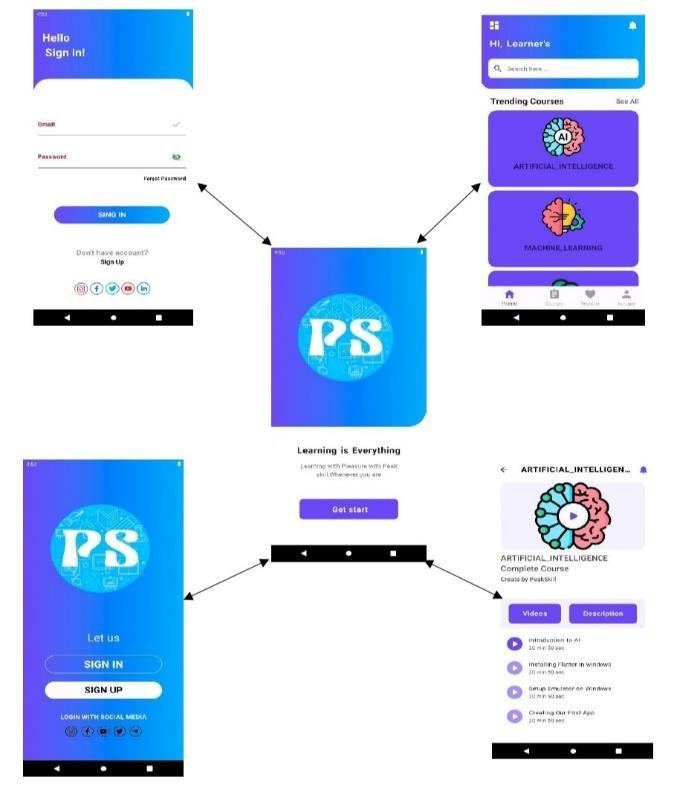
Our survey covers the integration of Artificial Intelligence (AI) in e-learning platforms, emphasizing personalized learning. We explore how AI techniques like machine learningandnaturallanguageprocessingareusedtotailor content, assessments, and support for individual learners. Additionally,wediscussadvancementsinadaptivelearning systems, intelligent tutoring, recommender systems, and deep learning applications in online education. Ethical considerations regarding data privacy and algorithmic transparencyarealsoaddressed.Thissurveyaimstoprovide insightsintothecurrentlandscapeandfuturedirectionsof AI-drivene-learning.
International Research Journal of Engineering and Technology (IRJET) e-ISSN: 2395-0056
Volume: 11 Issue: 04 | Apr 2024 www.irjet.net p-ISSN: 2395-0072
TheSoftwareareasfollows–
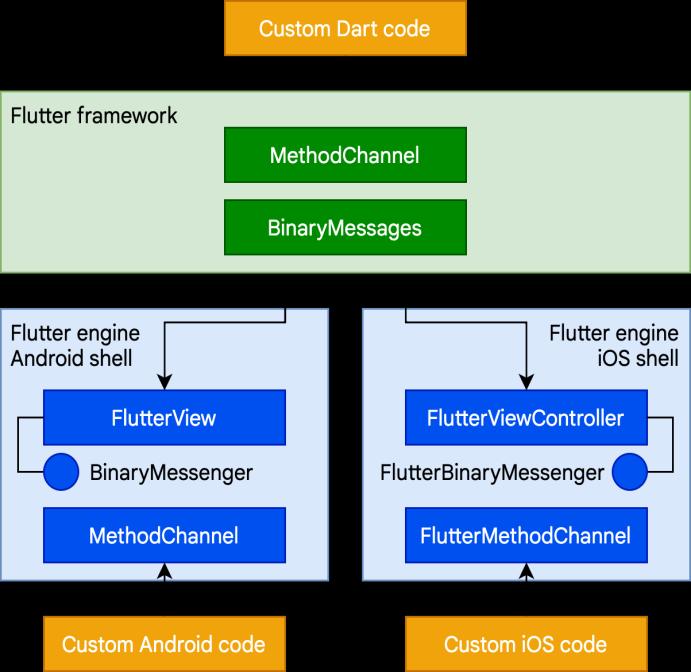
Ingeneral,creatingamobileapplicationisaverycomplex andchallengingtask.Therearemanyframeworksavailable, which provide excellent features to develop mobile applications.Fordevelopingmobileapps,Androidprovides anativeframeworkbasedonJavaandKotlinlanguage,while iOS provides a framework based on Objective-C/Swift language. Thus, we need two different languages and frameworkstodevelopapplicationsforbothOS.Today,to overcome form this complexity, there are several frameworks have introduced that support both OS along withdesktopapps.Thesetypesoftheframeworkareknown ascross-platformdevelopmenttools Itoffersdevelopersa fastandefficientwaytocreatebeautiful,high-performance applications with a consistent user experience across differentdevices.Flutterisaversatilesoftwaredevelopment kit(SDK)createdbyGoogleforbuildingnativelycompiled applicationsacrossmobile,web,anddesktopplatformsfrom a single codebase. It offers developers a fast and efficient waytocreatebeautiful,high-performanceapplicationswith aconsistentuserexperienceacrossdifferentdevices.
Flutter also boasts excellent performance, thanks to its natively compiled codebase, which enables smooth animations and high frame rates. Additionally, Flutter's layered architecture allows for fine-grained control over everyaspectoftheapplication'sappearanceandbehavior.
Dart is a versatile programming language developed by Google, designed to create fast, efficient, and scalable applicationsforawiderangeofplatforms.Itservesas the primarylanguageforbuildingapplicationswiththeFlutter framework,althoughitcanbeusedindependentlyforweb, server-side,andcommand-lineapplications.Atitscore,Dart is known for its simplicity, flexibility, and readability. It drawsinspirationfromfamiliarprogramminglanguageslike JavaandJavaScript,makingiteasyfordeveloperstopickup andstartcoding Dart'sstandardlibraryincludesarichsetof features and built-in functionalities, including collections, asynchronousprogramming,andsupportforconcurrency.It alsoofferspowerfultoolsforworkingwithJSON,XML,and other data formats, as well as libraries for handling HTTP requests, file I/O, and more. Moreover, Dart integrates seamlesslywithpopulardevelopmenttoolsandframeworks, suchasVisualStudioCode,IntelliJIDEA,andFlutter.Dartisa versatile and powerful programming language that empowers developers to build efficient and scalable applicationsforavarietyofplatforms.
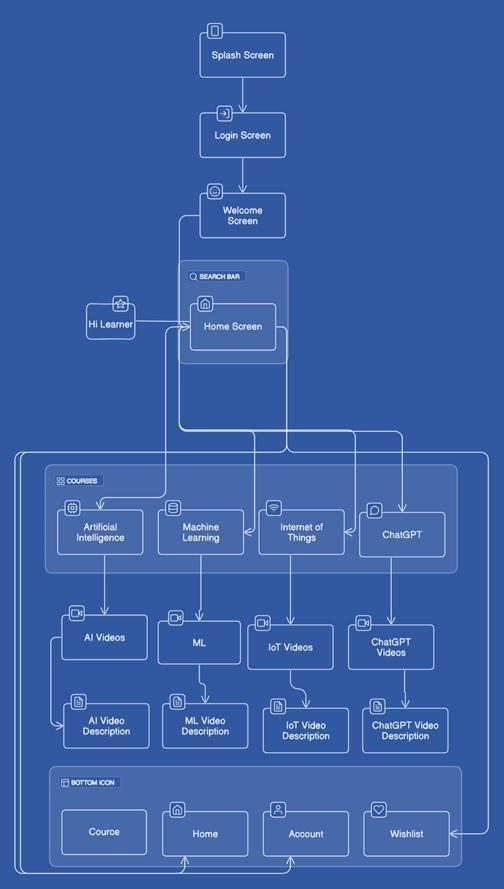
Fig.2.3(1) UML Diagram
International Research Journal of Engineering and Technology (IRJET) e-ISSN: 2395-0056
Volume: 11 Issue: 04 | Apr 2024 www.irjet.net p-ISSN: 2395-0072
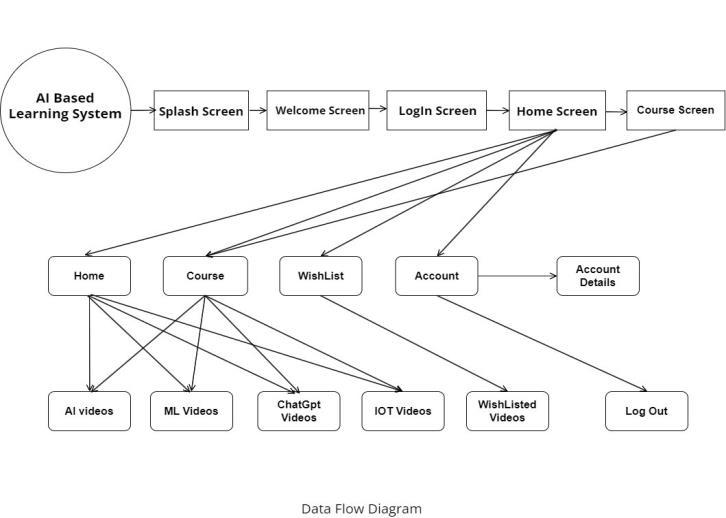
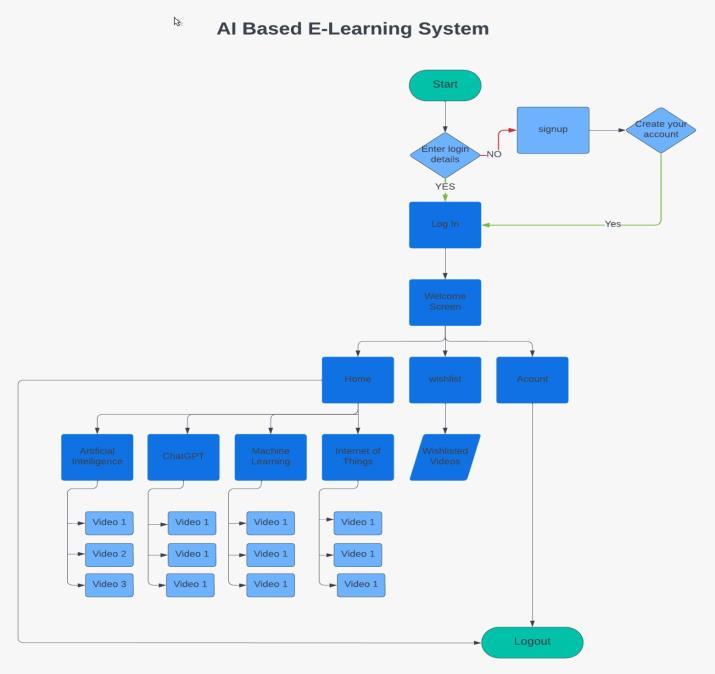
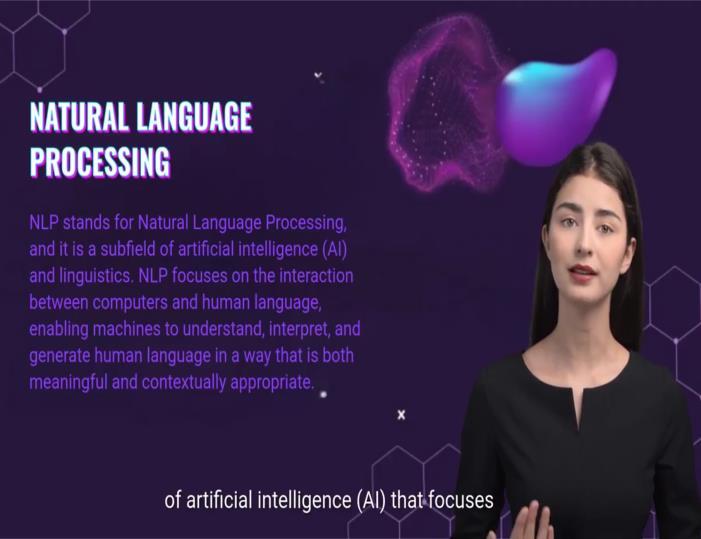
NaturalLanguageProcessing(NLP)isabranchofartificial intelligence(AI)thatfocusesoncomputerstounderstand, interpret,andgeneratehumanlanguageinawaythatisboth meaningfulandusefulplaysacrucialroleinbridgingthegap between human language and machine understanding, enablingawiderangeofapplicationsandinnovationsacross different fields. As NLP continues to advance, it holds the potential to further enhance human-computer interaction and revolutionize the way we communicate, work, and interact with technology. NLP has various applications across various industries and domains. In the field of healthcare, NLP can be used to analyze medical records,
extract relevant information, and assist in diagnosis and treatment planning-powered chatbots can provide automated support and assistance to users, answering questionsandresolvingissuesinreal-time.Infinance,NLP algorithmscananalyzenewsarticles,socialmediadata,and markettrendstomakepredictionsandinforminvestment decisions.OneofthekeychallengesinNLPisunderstanding thenuancesandcomplexitiesofhumanlanguage,whichcan varygreatlyacrossdifferentcontexts,dialects,andcultures. NLP algorithms often rely on machine learning models trained on vast amounts of text data, allowing them to recognizepatterns,extractmeaning,andmakepredictions basedoncontextinvolvesasetofalgorithmsandtechniques designed to process and analyze large volumes of natural languagedata.
Artificial Intelligence (AI) is a branch of computer Engineeringdedicatedtocreatingsystemsthatcanperform tasksthattypicallyrequirehumanintelligence.Thesetasks include learning, reasoning, problem-solving, perception, andlanguageunderstanding.AIalgorithmsandmodelsthat enable machines to mimic cognitive functions associated withhumanintelligence.Machinelearning,inparticular,has seensignificantadvancementsinrecentyearsandisacore component of many AI applications. It involves training algorithms to recognize patterns and make predictions based on data, without being explicitly programmed.AI technologies have a wide range of applications across differentindustriesanddomains.Inhealthcare,AIisusedfor medical image analysis, drug discovery, personalized medicine, and virtual health assistants. In finance, AI algorithms are employed for fraud detection, risk assessment, algorithmic trading, and customer service. In transportation, AI powers autonomous vehicles, route optimization,andtrafficmanagementsystems.AIrepresents a transformative technology with the potential to revolutionize industries, improve efficiency, and enhance humancapabilities.ByleveragingAI,wecantacklecomplex problems,unlocknewopportunities,andshapethefutureof technologyandsociety.
Robotics, movies, and other artificial intelligence applications employ strong AI, often known as artificial general intelligence (AGI). Intelligent speech recognition systems like Alexa, Siri, and Cortana, which are smart assistants, may be utilized in a variety of industries to improve human capacity for decision-making and to give information.
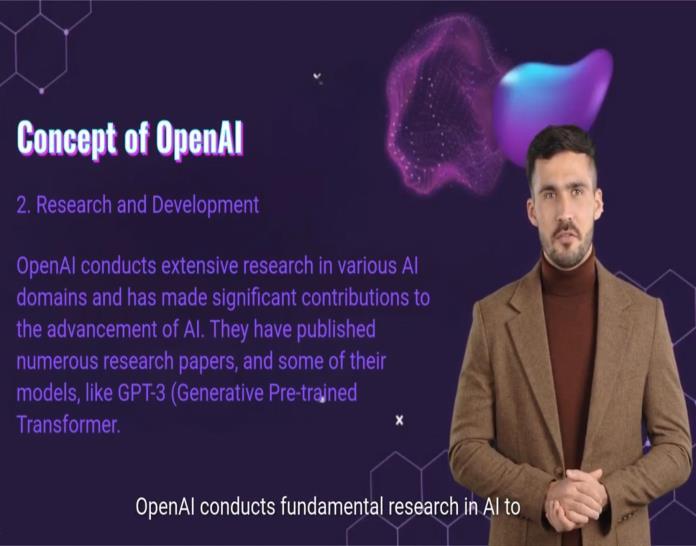
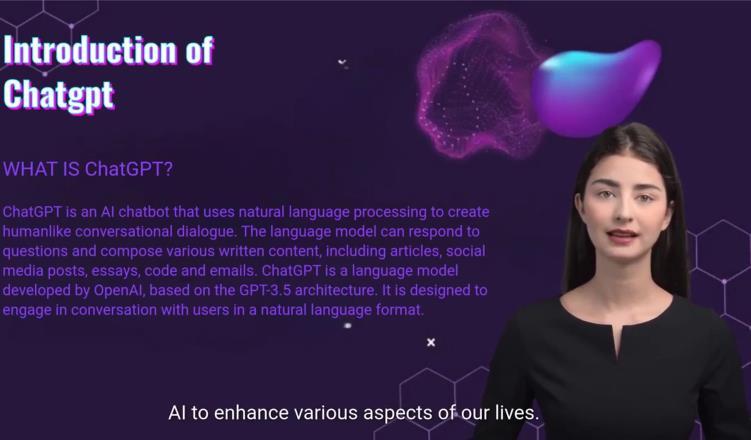
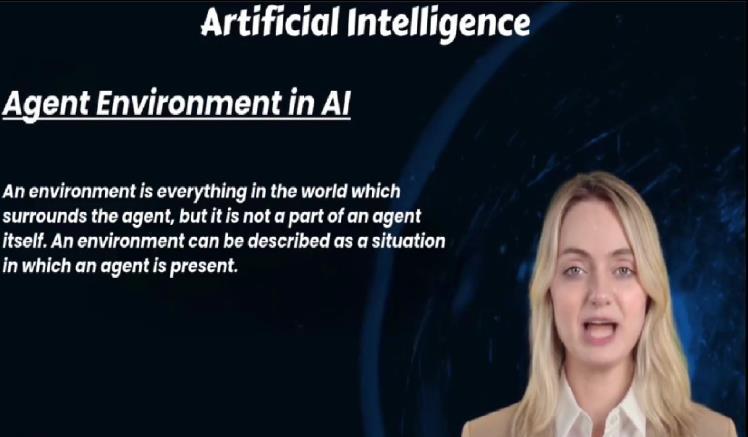
InthiswehavemadeAIVideosonsometopicslikeChatGPT, ArtificialIntelligence,OpenAI,andMachineLearning.Inthis videoslearnercanwatchandgainknowledgeaboutallnew technologieslikeAI,ChatGPT,OpenAI,MachineLearning.
International Research Journal of Engineering and Technology (IRJET) e-ISSN: 2395-0056
Volume: 11 Issue: 04 | Apr 2024 www.irjet.net p-ISSN: 2395-0072
Andwehavemadetheinteractivelookalsoforallthetopic purposes.However,the1.AIvideoprovidesanoverviewof AIexplainingitsconcept,application,andpotentialimpact on society in easy format. 2. Machine Learning video provides the basics of machine learning, discussing its principles,algorithms,andreal-worldapplicationsthrough engaging visualizations 3. ChatGPT video provides informationonwiderangeoftopicsincludingAI.4.OpenAI ensuresthebenefitofallhumanityandtheaimistobuild safeandbeneficialAGIorAIsystemandpromotesadoption ofsuchtechnologiesforthebettermentofSociety.
We have proposed system for our research IEEE articles seekstofosteramoreinclusive,transparent,andefficient environment for disseminating, evaluating, and accessing researchfindings.Itisdesignedtopromotethecorevalues ofresearch,includingrigor,reproducibility,andaccessibility, whileaddressingthelimitationsofthecurrentsystem.
(i)MobileBasedE-learningsystemThis system was developed to allow the use of mobile phones for delivering examination results via short messaging service (SMS) in a university. The system was limitedtoonlydeliveryofresultsandnothingelse.Hence, thereisaneedtomaximizetheuseofmobiletechnologyin deliveringcontents,thus,bringinguptheideaofdesigninga systemthatusesmobiletechnologyindeliveringe-learning contentsandresults.
(ii) Design Of AI-Based Self-Learning Platform for College EnglishListening-TosolvetheproblemswiththecurrentAIaidedlisteningplatformsforcollegeEnglish,wecantakea
International Research Journal of Engineering and Technology (IRJET) e-ISSN: 2395-0056
Volume: 11 Issue: 04 | Apr 2024 www.irjet.net
few steps. First, we need to give students personalized guidance for exercises, so they can improve in a way that suitstheirneeds.Second,weshouldorganizethelistening materialsinalogicalway,makingiteasierforstudentsto find what they need. Third, we need to provide better feedback and evaluation, so students can track their progressandknowwheretheyneedtoimprove.Wecanalso maketheAIsmarter,soitunderstandsstudentsbetterand cangivemoreaccuratefeedback.Lastly,wecanaddfeatures that allow students to learn together and help each other, creatinga supportivelearningcommunity.Bydoingthese things,wecancreateabetterAI-basedplatformthathelps studentslearnEnglishlisteningmoreeffectively.
(iii) An International Application on English Language CoursesUsingAI.Inresponsetothechallengesposedbyour current application setup, we are deeply committed to implementingstrategicenhancementsthatwillsignificantly elevatetheuserexperience. Oneofourtopprioritiesisto introduceacutting-edgevirtualassistantfeature,apowerful addition that will not only expand the capabilities of our softwarebutalsoempowerourusersbyprovidingvaluable real-timesupportandguidance.Recognizingtheimportance of linguistic diversity, we are actively investing in the development of a comprehensive multilingual support system. This ambitious initiative will enable users to seamlesslyinteractwithourapplicationintheirpreferred language, breaking down communication barriers and making the application more inclusive and accessible to a broader audience. Furthermore, our commitment to enhancing user-friendliness remains unwavering. We are activelyengagedinrefiningtheuserinterface,simplifying complex processes, and offering comprehensive, userfriendlydocumentation.Theseimprovementsaimtoensure that users, regardless of their technical proficiency, can comfortably navigate the application, unlocking its full potential with ease. In conclusion, our forward-looking strategy encompasses the integration of a sophisticated virtual assistant and the introduction of multilingual capabilities. We are resolute in our pursuit of addressing thesechallengescomprehensively,ultimatelydeliveringan enriched and more accessible experience for our diverse userbase.
Theoutcomeofthepaperunderscoresthepivotalrolethat Artificial Intelligence (AI) has played in the evolution of ComputerScienceeducationandresearchsinceitsinception. ItrecognizesthatAI'sjourneybeganwithearlyattemptsto make computers think intelligently through game playing andtheoremproving.Thesefoundationalconcepts,rootedin search and logic, laid the groundwork for the first AI systems. In recent decades, AI has been instrumental in transforminge-learning,enhancingthequalityofeducation through personalized tools and techniques. This has been particularlyevidentinthecontextofonlineeducation,where the internet has revolutionized communication,
p-ISSN: 2395-0072
collaboration,resourcesharing,activelearning,anddistance education.Thepaperalsodelvesintothecurrentandfuture roles of AI in Computer Science teaching and research. It highlightsthreeprimaryresearchdirections:theapplication ofAItechniques,improvementofexistingmethods,andthe development of new approaches. Importantly, the paper emphasizestheimportanceofidentifyingfactorsinfluencing students' academic performance and recognizes AI's potential in achieving this. By incorporating AI into elearning systems, it envisions a future where education becomes more personalized, facilitating better decision support systems (DSS) and enhancing student-centric operations.Thispaperultimatelyunderscorestheprofound impactandongoingpotentialofAIinshapingthelandscape ofeducationandComputerScience.
WehadsuccessfulcompletedourAI-basedlearningsystem projecthasbeenajourneyofinnovationanddiscoverywith promisingoutcomes.ThetransformativeimpactofAI-based learning systems on education, revolutionizing traditional approaches.Thesesystemsofferpersonalized,adaptive,and data-driven learning experiences, catering to diverse learners and fostering inclusivity. Through projects integrating AI, such as video content modules and AI assistants,accessibilityanduser-friendlinessareenhanced, reflecting our commitment to advancing education. The incorporation of examination panels for progress assessmentsunderscoresAI'sadaptabilityandpromise in education.Aswenavigatetheopportunitiesandchallenges presented by AI, we remain dedicated to ensuring that
International Research Journal of Engineering and Technology (IRJET) e-ISSN: 2395-0056
Volume: 11 Issue: 04 | Apr 2024 www.irjet.net p-ISSN: 2395-0072
technology serves as an enabler of human potential, fostering a lifelong love for learning and empowering individualsandcommunitiesworldwide.AI-basedlearning systemssignifyarevolutionaryshiftineducation,offering personalized, adaptive, and data-driven learning experiences.ThesesystemsleverageAIalgorithmstotailor content, pace, and assessment methods, maximizing engagement and achievement for all learners. The integration of AI in education, through applications like video content modules and AI assistants, highlights a commitment to accessibility and user-friendliness. The inclusionofanexaminationpanelforprogressassessments underscorestheadaptabilityandpromiseofAI.Fromearly educationtolifelonglearningandprofessionaldevelopment, AIextendsitsreach,promotinginclusivityandenhancingthe educational landscape. It represents more than just efficiency; it symbolizes a fundamental transformation in knowledge delivery, fostering an enlightened and empoweredsociety.
[1] Article1https://ieeexplore.ieee.org/document/7033900
[2] Article2https://ieeexplore.ieee.org/stamp/stamp.jsp?arnumber =9840390
[3] Article3https://www.researchgate.net/publication/273236083 _A_Mobile-Based_ELearningSystem
[4] Article4https://ieeexplore.ieee.org/document/9361038
[5] Google-https://www.google.co.in/
[6] YouTube-https://www.youtube.com/
[7] Wikipedia-https://www.wikipedia.org/
[8] https://dartpad.dev/
[9] https://www.smartdraw.com/gantt-chart/gantt-charttips.htm
[10] https://docs.flutter.dev/get-started/codelab-w
[11] https://www.engpaper.com/ieee-papers.html
[12] https://en.wikipedia.org/wiki/Main_Page
[13] https://flutter.dev/docs/get-started/install
[14] https://www.freeprojectz.com/dfd/e-learningmanagement-system-dataflow-diagram
[15] https://people.engr.tamu.edu/guni/csce421/files/AI_R ussell_Norvig.pdf
[16] https://www.educations.com/articles-and-advice/5reasons-online-learning-is-future-of-education-17146
[17] https://www.visualcapitalist.com/history-computerscience-one-infographic/
[18] Book: "Deep Learning" by Ian Goodfellow, Yoshua Bengio,andAaronCourville
[19] MobileAppDevelopmentwithFlutterforAndroidand IosbyexcelRcompany
[20] A Complete Guide to the Flutter SDK & Flutter FrameworkforbuildingnativeiOSandAndroidapps.




RahulBansode
B.E.InComputerEngineering SoftwareDeveloper
PratikJige
B.E.InComputerEngineering SoftwareDeveloper
PranavSali
B.E.InComputerEngineering SoftwareDeveloper
PradnyaYelkar
B.E.InComputerEngineering SoftwareDeveloper