
International Research Journal of Engineering and Technology (IRJET) e-ISSN: 2395-0056
Volume: 11 Issue: 04 | Apr 2024 www.irjet.net p-ISSN: 2395-0072
International Research Journal of Engineering and Technology (IRJET) e-ISSN: 2395-0056
Volume: 11 Issue: 04 | Apr 2024 www.irjet.net p-ISSN: 2395-0072
Prapti Hanumant Sutar1
1Under graduate student, Dr. D.Y Patil Institute of Engineering, Management and Research, Akurdi ,Dist-pune Maharashtra, India.
Abstract - Increasing consumption of fossil fuels and environmentalconcernhas ledtoincreaseduseofcompressed natural gas (CNG) in the transportation sector. Keeping in view limited resources of CNG, biogas is advised as potential fuel to provide continuous supply of CNG in the form of bioCNG. Various technologies, that is, physical and chemical absorption(using water and aminesolutions,respectively,for theabsorption ofcarbon dioxide), pressure swingadsorption, membrane separation, and cryogenic separation, are available for purifying biogas and thus upgrading it, to bioCNG withabout 95%methane. Amongthese, waterscrubbing andpressure swingadsorptionare thebest technologies with respect tovarious aspects includingcost;however, suitability of a technology is decided by various factors including size/quantityofbiogas generation, targetedqualityofbiogas, site of application, and economics of process.
Key Words: biogas upgrading; bio-CNG; methane; purification.
India'seconomyisoneofthefastestgrowingintheworld, andthereareplansforasharpriseinenergyconsumption there.Indiapossesses1,488billioncubicmeters(BCM)of naturalgasand763millionmetrictons(MMT)ofcrudeoilin total,accordingtoestimatesfromtheMinistryofPetroleum and Natural Gas (MoP&NG). Approximately 77% of the nation'scrudeoilneedsand50%ofitsnaturalgasneedsare nowimported;hence,theIndiangovernmenthassetagoal to reduce these imports by at least 10% by 2027. Additionally,ithassetagoaltoraisegas'sshareofIndia's energymixfromthecurrent6.5%(thecountry'saverageis 23.5%)to15%by2027[1]
ThefourpillarsofourstrategyforIndia'senergyfuture energyaccess,energyefficiency,energysustainability,and energysecurity havebeenannouncedbytheHon.Prime Minister. A further goal established by the Indian government is to "Double Farmers Income by 2030." Anaerobicdecompositionofwasteorbiomasssources,such as cow dung, agricultural residue, sugarcane press mud, municipal solidwaste,sewagetreatmentplant waste, etc., results in the production of bio-gas. After the biogas is cleanedtoremovewatervapor,carbondioxide(CO2),and hydrogen sulfide (H2S), it is compressed into compressed biogas,orcompressed biogas(CBG),whichcontainsmore than90%methane(CH4).[1]
CBGhascalorificvalueandotherpropertiessimilartoCNG and hence can be utilized as green renewable automotive fuel.Thus,itcanreplaceCNGinautomotive,industrialand commercialareas,giventheabundancebiomassavailability withinthecountry.
TheNationalPolicyonBio-Fuels2018hasbeenmadepublic bytheIndiangovernmentbygazettenoticeno.33004/99, dated 8.6.18. The program places a strong emphasis on promotingadvancedbiofuels,suchasCBG.TheGovernment of India launched the Galvanizing Organic Bio-Agro ResourcesDhan(GOBAR-DHAN)projecttotransformsolid waste and cattle dung in farms into compost and BioCNG (CBG).In2018–19,theGOBAR–DHANinitiativeplanstofund 700 projects nationwide. Central Financial Assistance (CFA) for Bio-CNG has been notifiedbytheMinistryofNewandRenewableEnergy.
Withacapacitytogenerate370MMTofbiomanure,India's projectedCBGpotentialfromdiversesourcesiscloseto62 MMT.ItisintendedforCBGtobeproducedfromavarietyof biomassandwastesources,suchassewagetreatmentplant waste,sugarcanepressmud,municipalsolidwaste,distillery wasted wash, cow dung, and agricultural residue. Biogascanbeproducedfromotherwastestreams,suchas rotting vegetables and potatoes from cold storage, dairy facilities,chickenandpoultrylitter,foodtrash,horticulture waste,forestryresidues,andindustrialEffluentTreatment facilities(ETPs)thatprocessorganicwaste.
About55%to60%methane,40%to45%carbondioxide, andtracelevelsofhydrogensulfidearepresentinthebiogas that is produced. To create CBG, biogas is refined to eliminategasessuchascarbondioxideandhydrogensulfide. PipelinesorcylindercascadescanbeusedtodelivertheCBG to retail locations. GazetteVideTheMinistryofRoadTransportandHighways, GovernmentofIndia,approvedtheuseofbio-compressed naturalgas(bioCNG)formotorvehiclesasanalternativeto compressed natural gas (CNG) on June 16, 2015, under NotificationNo.395[1]
International Research Journal of Engineering and Technology (IRJET) e-ISSN: 2395-0056
Volume: 11 Issue: 04 | Apr 2024 www.irjet.net p-ISSN: 2395-0072
Compressed Bio Gas (CBG) to be supplied shall meet specificationsofBIS(detailedbelow)andanyotherfurther revisionsinthesaidspecifications.
Table 1.2 : Composition of Fuel [2]
3
4
5 TotalSulphur(includingH2S) mg/m3,maximum 20mg/m3
6 Moisturemg/m3,maximum 5mg/m3
TheestablishmentofBIOCNGplantswillprimarilybecarried outbyindependententrepreneurs,whileOMCsmaytakethe lead in certain circumstances. Producer(s) / Seller(s) (Party/Entrepreneur) shall use cascades to transport CBG to Public sector Oil Marketing Companies'existingornewretailoutlet/stand-aloneselling point(withinamaximumdistanceof25km,asindicated). Public sector Oil Marketing Companies shall install and maintain the CBG dispensing equipment at their new or existing retail outlets and stand-alone selling points; nevertheless, RO Dealers will be in charge of staffing and operatingtheCBGnozzles.
ThePartypaying theactual costs will becompensatedfor electricityusedtodispenseCBGthroughthesalepoint.The pointofsaleforCBGwillbetheoutletflangeofthecascade ortheinletflangeofthecompressoratthe retail location. Untilthedispensingisoperationallypossible,thecascadeat theretailstorewillstayconnectedtothecompressor.[2]
PriceofCBGmeeting, compressedat250barand deliveredat OMCRetailOutletincascades
Additionally,anelementofRs.2perkgofCBGtowardscost of setting up of infrastructure e.g. booster compressor, dispensing unit, etc. at retail outlet and Rs. 0.50 per kg of CBG towards electricity charges for operation of booster compressor, dispensing unit, etc at retail outlet, shall be providedtoOMCorAPPLICANT,asperwhosoeversetsup infrastructureatretailoutlet.[7]
Anaerobic digestion is a process that turns organic waste materialsintobiocng,asustainableandrenewableenergy source.Thisgreenenergyoptionoffersaworkablewayto cut greenhouse gas emissions in addition to addressing wastemanagementissues.Biocngisputthroughstringent production, waste impurity removal, and purification procedurestoguaranteeitssafeandeffectiveuse.Thisallencompassing method ensures that superior Biocng is produced, fit for a range of uses such as industrial and transportationapplications.Wewillexaminetheprocesses usedinthemanufacturing,purification,andeliminationof wasteimpuritiesrelatedtoBiocnginthistalk,illuminating thecreativemethodsusedtoestablishthisrenewableenergy sourceasapillarofthesustainableenergyenvironment.
Whenitcomesto innovationin thesearchforsustainable energy, Biocng stands out. Anaerobic digestion of organic materialsproducesbiogas,whichcontainsmethane,whichis the main ingredient in natural gas. This biogas is purified usingmethodslikemoisturereductionandcarbondioxide elimination to make it fit for general consumption. To achievethebestgasyield,theproductionprocessrequires meticulous feedstock digestion and preparation. Concurrently, waste pollutants are carefully eliminated, improving the quality of the biogas. This two-pronged strategynotonlyturnsgarbageintoenergybutalsoshows how green technology may help create a cleaner, greener future.
International Research Journal of Engineering and Technology (IRJET) e-ISSN: 2395-0056
Volume: 11 Issue: 04 | Apr 2024 www.irjet.net p-ISSN: 2395-0072
Upgrading biogas creates additional opportunities for its larger-scaleapplicationbecauseitmaythenbeutilizedasa naturalgasalternative.Ontheotherhand,upgradingbiogas involves financial investment. Thus,itiscriticaltohaveanupdatedprocessthatisdesigned for low energy consumption, high efficiency, and a high methane content in the upgraded gas. Additionally, while upgrading, there should be as little methane loss with the reject gas as feasible. The success of evaluating laboratory data on current technologies, their use in creating new technologies, and theirdeploymentinreal-worldsettingsallcontributetothe processoptimizationforanyindustrialapplication.
Upgradingbiogasmostlyentailsremovingcarbondioxideto raise its fuel value after a cleaning process that removes water and hydrogen sulfide. To prevent operational issues throughout the upgrade process,cleaningisrequired.[6];but,becausetoitsacidic nature, traces of nitrogen and hydrogen sulfide can be eliminatedinadditiontocarbondioxide.[14]
2.1.1:
Sulfide precipitation is used to accomplish in situ desulfurization.Byaddingliquidcombinationsofdifferent metal salts (such as iron chloride or iron sulfate) to the digester,sulfurpresentinthesubstrateisprecipitated,and theresultantsulfideisremovedwiththedigestive.
3H2S+2FeCl3→6HCl+Fe2S3↓
This is an inexpensive procedure that can also aid in the removalofhydrogensulfideandammonia.Thismethodis commonlyemployedindigestersthatgeneratebiogaswith elevatedlevelsofhydrogensulfide.
2.1.2:
Inthepresenceofoxygen,avarietyofbiologicalspeciesare employed to extract hydrogen sulfide from raw biogas. Microorganisms belonging to the species Thiobacillus or Sulfolobusareatypicalillustration.
Thisapproachhaslowoperatingcostsandamodestinitial expenditure.Thisapproachhasshowntobestraightforward, stable,andchemical-free.[17]
The biological system can extract even very high concentrationsofhydrogensulfidefromthebiogas,butitis not very adaptable to changes in the hydrogen sulfide content of raw biogas. The technique works best when the amount of hydrogen sulfideinrawbiogasislowtomoderate;variationsinthis contentarenotasstrong.
Withthisprocess,hydrogensulfideisoxidizedtoelemental sulfur in the presence of chemicals. For this aim, caustic solutions especially sodium hydroxide are frequently usedatpHlevelsthatareregulatedtocausetheseparation selectively.
Although steady operation can result in hydrogen sulfide concentrations as low as 5 ppm, the most cost-effective operationinvolvescontrollingtheH2Scontentinthefiltered gasaround50ppm,withanyremaininghydrogensulfideto be eliminated by adsorption on metal oxides. If high or significantly fluctuating hydrogen sulfide concentrationsareanticipatedinthefeedgas,thistechnique canbeadvised.[19]
Hydrogensulfidecanbeeliminatedeasilybyallowingitto adsorbonactivatedcarbonorthesurfacesofmetaloxides suchasiron,zinc,andcopperoxide.Watervaporisemitted andsulfurfromhydrogensulfideisbondedasmetalsulfide duringthisprocess.
MetalthathasbeencompletelyloadedwithH2Sneedstobe replaced.Adsorptiononactivatedcarbontypicallyinvolvesa tinyamountofoxygenaddedinordertooxidizethegasthat hasbeenadsorbedonsulfurandstrengthenitsbondwith the surface. An specifically impregnated activated carbon material is utilized if oxygen dosage is prohibited.[20] Thismethodyieldsproductswithconcentrationslowerthan 1ppmandisincrediblyeffective.However,duetoitshigh total specific costs,thisapproachisoftenonlyadvised for finalandfinedesulfurizationoperations(usuallyupto150 ppmhydrogensulfideintherawbiogas).
Anaerobicbacteria break downorganicmatter,producing biocng asa byproduct. The fourconsecutive chemical and biological reactions that make up the biogas generation processarethehydrolysisreaction,acidogenesisreaction, acetogenesis reaction, and methanogenesis reaction. Organicmoleculesincludingproteins,lipids,andcarbsare broken down into glucose, amino acids, and fatty acids, respectively,byaprocesscalledhydrolysis.Withtheaidof bacteria, acidogenesis transforms those produced tiny organic molecules into volatile organic acids. Bacteria belonging to the acetic group break down volatile organic acids and produce acetic acid as a byproduct of the acetogenesisprocess.Thefinalstepinthemethanogenesis processistheconversionofaceticacidtomethanegasand othergasesincludingcarbondioxideandhydrogensulfide byanaerobicbacteriainthegroupofbacteriathatproduce methanogens.[19]
International Research Journal of Engineering and Technology (IRJET) e-ISSN: 2395-0056
Volume: 11 Issue: 04 | Apr 2024 www.irjet.net p-ISSN: 2395-0072
Table2.2: Comparative analysis of technologies to remove Hydrogen Sulphide [9]
Method Efficiency Cap Cost O&M
Biological Fixation
Iron chloride dosing
Water scrubbing
Activated Carbon
Iron Hydroxide or Oxide
Sodium Hydroxide
Moderate Moderate Low
Moderate Low Moderate
High High Moderate
High High Moderate
High Moderate Moderate
High Moderate High
Large bio-cng systems are the most common use of this technologyinIndia.Byusingthismethod,carbondioxideis extractedfromthebiogasthroughsurfaceadsorptionathigh pressure.Thetechniquegetsitsnamefromtheprogressive decrease in pressure that regenerates the adsorbing material,whichisoftenactivatedcarbonorzeolites,before thecolumnisreloaded.Waterandhydrogensulfidemustbe eliminatedpriortothePSA-column.Methaneissignificantly lost(20–30%)duringthisprocess.[1]
2.2.2: Chemical scrubbing - Monoethylammine (MEA) system
One of the greatest systems for biogas purification, it achieves 99.9% purity with very little methane loss. In Germany, the systems are widely utilized for biogas purification. In addition to being absorbed by the liquid, carbondioxidealsoengagesinachemicalreactionwiththe amine. As a result of the great selectivity of the chemical reaction,themethanelossmaybeaslowas<0.1%.
Inadditiontotheaforementioned,newtechnologieslike cryogenicupgradingarealsobeingdeveloped.[10]
Table 2.2.2: Comparative analysis of technologies to remove Carbon Dioxide[23]
Parameter
Pre- H2S removal required
content in upgraded gas
2.2.2
Methane is less soluble in water than carbon dioxide. Because of this, carbon dioxide will dissolve more readily than methane, especially at lower temperatures. Methane contentinthegasphaseriseswhencarbondioxidedissolves in the water within the scrubber column. Consequently, there is more methane in the gas that exits the scrubber. Technologiesexistthatcanproducemethanewithapurityof 97%andlessthan5%methaneloss.[23]
Water,ammonia,andcarbondioxidecanallpassthroughthe materials used to make dry membranes for biogas upgrading. While nitrogen and methane only very slightly penetrate through the membrane, hydrogen sulfide and oxygen do so to some level. Membranestypicallytaketheshapeofcoiledhollowfibers. [9]
Watercanbeextractedfrombiogasbycompression,cooling, andphysical adsorptionon silica andactivatedcarbon. As the temperature drops, water condenses and is easily removed. Particulate contaminants can be eliminated by mechanical filters. By physical adsorption on activated carbon,carbonmolecularsieve,ormembrane,nitrogenand oxygentracescanbeeliminated.Ammoniacanbeeliminated either by gas drying or by enhancing the bio-cng process. Siloxanescanbeeliminatedbychillingthegasorbyphysical adsorption on silica gel, activated carbon, or active aluminum.Theycanalsobeabsorbedinliquidhydrocarbon mixtures.
CO2 is being extracted from biogas using a range of techniques, such as membrane separation, cryogenic separation, adsorption on a solid surface, and physical or
International Research Journal of Engineering and Technology (IRJET) e-ISSN: 2395-0056
Volume: 11 Issue: 04 | Apr 2024 www.irjet.net p-ISSN: 2395-0072
chemicalabsorption.Thediffusionofgasphasecomponents intoliquidastheymoveacrosstheinterfacialareaisknown as absorption. Because the solubility of the solute (gas impurities) in the solvent is a crucial component of the absorptionseparationprinciple,theprocedurecanonlybe successfulifthegaseousimpuritiesaremoresolubleinthe absorber(scrubber)thaninmethane.
The most important step in the absorption process is choosing an appropriate solvent. A solvent must have the following qualities in addition to being suitable for gas solubility: availability, cost stability, volatility, and nonhazardousness.
By adopting this method, an upgrading plant removes contaminantsfromthebiogasstreambykeepingrawbiogas in touch with scrubbing liquid in a column where the impurities settle at the base with the scrubbing liquid. Maintaining absorption performance requires the regenerationofthescrubbingliquid,whichcanbedoneby either replacing it with new or regenerating it. The absorptionmethodhasthedisadvantageoflittlecorrosionof thecolumn,despitebeingeasytouse,affordable,requiring lessinfrastructure,andeffectiveevenatlowflowratesthat biogasfacilitiesoftenoperateat.CO2isbeingextractedfrom biogas using a range of techniques, such as membrane separation, cryogenic separation, adsorption on a solid surface,andphysicalorchemicalabsorption[10].
Table 2.3 Components with their effects[21] Component
Carbon dioxide 25-30% Lowersthecalorificvalue
Increasesanti-knock propertiesofengines
Causescorrosioninwet condition
Hydrogen sulfide
0–0.5% by volume
Causescorrosionin equipmentandpipingsystem
Leadstotheemissionofsulfur dioxideSpoilscatalyst
Ammonia 0–5%by volume CausesNOxemissions
Increasesanti-knock propertiesofengines
Water vapor 1–5%by volume Causescorrosionin equipmentandpipingsystem Duetocondensation,it damagesinstrumentand plant.
Posesriskoffreezingofpiping systemandnozzles
Dust >5μm Blocksnozzles
Nitrogen 0.5%by volume Lowersthecalorificvalue
Increasesanti-knock propertiesofengines
Fig.2.3: Schematic Diagram of Impurities removal system [21]
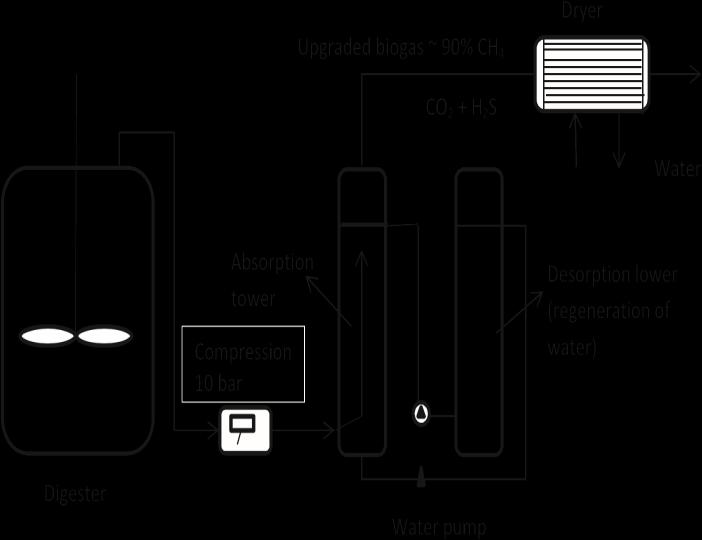
Vehicleandrefuelingstationtechnologiesmakeupbio-CNG technology.Becauseeverypartofthebio-CNGvehiclesand the refueling station must be kept at a high pressure, the bioCNGrefuelingstationisfarmoresophisticatedthanthe traditionaldiesel/petrolrefuelingstation.
However,comparedtoquickfillingrefuelingstations,which typicallysupplyfuelovernight,slowfillingrefuelingstations are more straightforward. Byaddingcertaincomponents,vehiclespoweredbypetrol (sparkignition)ordiesel(compressionignition)enginescan betransformedintobio-CNG-poweredvehicles.Itprovides the benefit of allowing one to choose between utilizing conventionalgasolineorbio-CNG.
Theprocesspathsforproducingbio-CNGandfillingvehicles atrefuelingstationsareshowninFigure3.1Inthisinstance, convertingaconventionalgasolinecartoabio-CNGvehicle requiresnewfuellines,anewsecondaryinjector,andanew fueltankwitharegulator.Thesecondaryinjectorandtank pressurearebothloweredbytheregulatorfrom3,600psito 125psi[16].
International Research Journal of Engineering and Technology (IRJET) e-ISSN: 2395-0056
Volume: 11 Issue: 04 | Apr 2024 www.irjet.net p-ISSN: 2395-0072
The economic, technological, environmental, and safety aspectsoftheconversionofbiogasintobio-CNGasafuelfor transportationarethemaindeterminantsoftheviabilityof this process. The fuel qualities of bioCNG are competitive when compared to other automotive fuels like diesel and gasoline,andtheyarealmostidenticaltothoseofordinary CNG.
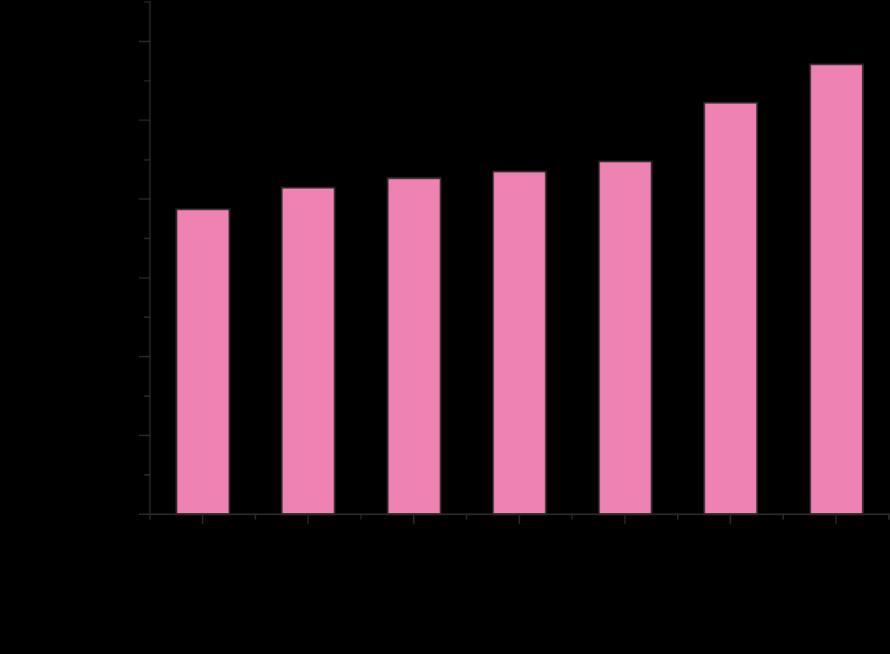
BioCNGhasagreatermethanecontent(>97%)thannatural gas (93%) that is extracted from several Bangladeshi gas fields.Inaddition,Table4.1showsthatthecalorificvalueof bioCNGisaround52MJ/kg,greaterthanthecalorificvalues ofgasoline(48MJ/kg)anddiesel(44.8MJ/kg).Thecostof energy,expressedinkJ/BDT,is2.25timesthatofdieseland nearly3.5timesthatofgasoline.
Additionally, the price of gasoline and diesel fuel in Bangladeshisveryexpensive,costingroughlyBDT96and BDT68perliter,respectively.Alternatively,thecostofbioCNG and CNG is about BDT 14.22 and BDT 30 per m3, respectively.Giventhatbio-CNGhasanequivalentratioto othertransportationfuels,usingoneliterofbio-CNGinstead ofonelitereachofgasolineanddieselcanresultinsavings ofapproximatelyBDT84.62andBDT54.20,respectively.[4]
Furthermore, the level of pollutants in bio-CNG is small comparedtodieselandgasolinefuel,withlessthan4%CO2 and8ppmH2Samongnootherimpurities.
In addition, bio-CNG has minuscule levels of pollutants comparedtodieselandgasolinefuel,suchaslessthan4% CO2and8ppmH2S,andithasnoadditionalimpurities.This resultsina90%reductioninemissionswhencomparedto
traditionaltransportationfuel.Thenationsthatproducethe most biomethane globally are Sweden, Germany, and the Netherlands.BangladeshcanlearnfromSweden,whichuses 97%bio-CNGforvehiclefuelwhileGermanyonlyuses1.4% oftheentirebio-CNGfueleffectively.
Consequently, it is evident that bio-CNG is a potential future fuel for cars. While bio-CNG offers a number of benefitsovertraditionalvehiclefuel,italsohasanumber of drawbacks. The availability of decentralized feed materialscanleadtoveryexpensiveproductioncostsfor bioCNG these days. Furthermore, the government's and other investors' support is hampered by the lack of knowledge on the advantagesofbio-CNGoverotherfuels.
Table 4.1: Competitive analysis of bio-CNG among other fuels [8]
Itisabundantlyclearthatusingbio-CNGasvehiclefuelhas major advantages in terms of economy, emissions, and engine performance. Nonetheless,theeffectiveapplicationofthistechnologyin India's development The main obstacles to the widespread use of bio-CNG as vehicle fuel are thought to be the need for an adequate supply of feed materials, the expense and necessity of upgrading equipment, a shortage of technically qualified labor,andrefuelinginfrastructure.Abiogasunit,purification unit,compressionunit,andstorageunitareoftenneededfor abioCNGplant,alongwithadditionalaccessoriesthatmust be kept under high pressure. The primary obstacle to the economical manufacturing of renewable bio-CNG is the absenceoftechnologystandards[3]
International Research Journal of Engineering and Technology (IRJET) e-ISSN: 2395-0056
Volume: 11 Issue: 04 | Apr 2024 www.irjet.net p-ISSN: 2395-0072
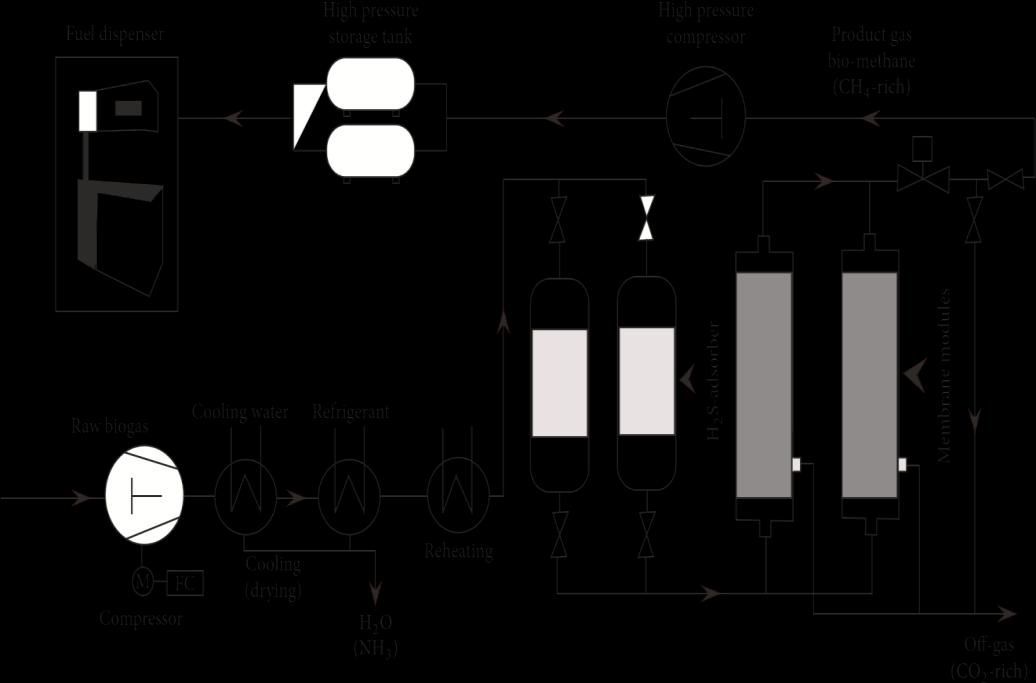
TheBioCNGoperation'sresultscanbeusedtoidentifythe output points and problems that occasionally arise. Additional study can be done on these issues to boost the productionofbiogas.
In order to increase the productivity of the Renewable BioCNGplant,followthefollowingrecommendations:
• It has been observed that the press mud is untreated in present scenario, 72% more methane yield can be obtained,ifpretreated.
• Bio-methanationcanbeimprovedbyliquidhotwaterpretreatment
• The co-digestion of press mud with vinasse will also enhancethemethaneyieldupto64%
• Anovelhighratebio-methanationdigestercanbedesigned andoperated
• Thedryabsorbentbasedbiogaspurificationsystemcanbe developedtoimprovetheefficiencyofpurification
6. ACKNOWLEDGEMENT
WeexpressoursinceregratitudetotheD.Y.PatilInstituteof EngineeringandManagementandResearch,Akurdi,Distpunefortheircontinualmotivationandsupport,whichhas empowered metoembarkoninnovativeendeavorsinthe realm of bioCNG. Special appreciation is extended to Mrs. Priyanka Thakare and Dr. Sunita Patil of Chemical Departmentforherunwaveringencouragement,confidence, andinvaluableguidancethroughoutthepublicationprocess. Theirsteadfastsupporthasbeeninstrumentalinthefruition ofthisresearchendeavor.
[1] BansalT,TripathiN,ChawlaG.”Upgradationof biogasusingcombinedmethodofalkalinewater scrubbing and adsorption through carbon molecular sieve”. International Journal of Chemtech Research 2013;5(2):886–890.
[2] Daniel S, Gordon S. Two billion cars:” Driving toward sustainability”. Oxford University Press: New York 2009;93–94.
[3] Pikeresearch.Forecast:17Mnaturalgasvehicles worldwideby2015,GreenCarCongress,2009.
[4] Natural Gas vehicle statistics: NGV count –ranked numerically as at December 2009, International Association for Natural Gas Vehicles,2010.
[5] Alvi M. Pakistan has Highest Number of CNG Vehicles: Survey.2011.
[6] Persson M. Evaluation of Upgrading Technique for Biogas.SwedishGasCenter:Lund, 2003.
[7] Drapcho CM, Nhuan NP, Walker TH. Biofuels Engineering Process Technology.McGraw Hill, 2008.
[8] Boateng OC, Kwofie EM. “Water scrubbing: a betteroptionforbiogaspurificationforeffective storage” World Applied Sciences Journal (Special Issue for Environment) 2009:122–125.
[9] Harasimowicz POGZ-TACM. “Application of polyimide membranes for biogas purification andenrichment”. Journalof HazardousMaterials 2007
International Research Journal of Engineering and Technology (IRJET) e-ISSN: 2395-0056
Volume: 11 Issue: 04 | Apr 2024 www.irjet.net p-ISSN: 2395-0072
[10]Jonsson S, Westman J. “Cryogenic Biogas Upgrading Using Plate Heat Exchangers” Chalmers University of Technology: Goteborg, Sweden,2011.
[11]Dewil R, Appels L, Baeyens J. Energy use of biocng hampered by thepresenceof siloxanes. Energy Conversion and Management 2006; 47:1711–1722.
[12]Schweigkofler M, Niessner R. Removal of siloxanes in biogases. Journal of Hazardous Materials 2001;B83:183–196.
[13]DeubleinD,SteinhauserA. Biogas from Waste & Renewable Resources: An Introduction. Weinheim:Wiley-VCH,2008.
[14]Petersson, Wellinger A. Biocng upgrading technologies – developments & innovation. IEA Bioenergy2009.
[15]CekanovaP, Jasminska N, Brestovic T, Schvarzbacherova E. Biogas upgradingprocesses for the production of natural gas substitute. The Holistic Approach to Environment 2011;53-62.
[16]MasebinuSO,AboyadeA,MuzendaE.Enrichmentof biogas for use as vehicular fuel: a review of the upgrading techniques. Int’l Journal of Research in Chemical, Metallurgical and Civil Engg. (IJRCMCE) 2014;1(1):89–98.
[17]HagenM,PolmanE.Addinggasfrombiomasstothe gasgrid.FinalreportsubmittedtoDanishGasAgency 2001;
[18]International Research Journal of Engineering and Technology (IRJET) e-ISSN: 2395-0056 Volume: 08 Issue:06ISO9001:2008CertifiedJournal
[19]ReijengaJC,BiniL,MaassenJI,VanMeelPA,DeHulluJ, Shazad S, Vaessen JM. Comparing different biogas upgrading techniques: interim report. Eindhoven UniversityofTechnology2008.
[20]Andrzej C, Roman Z. Absorption: Fundamentals & Application (1st).PergamonPress,1993.
[21]JamesFR.” Absorption andStripping;The Engineering Handbook.”CRC PRESS LLC: Austin, 2005 Chapter 59.
[22]Stumm W, Morgan JJ. “Aquatic Chemistry: Chemical Equilibria and Rates in Natural
[23]Waters (3rd)”.Wiley:NewYork,1996.DubeyAK.“Wet Scrubbingfor CarbonDioxide Removal from Biocng”. Annual report of Central Institute of Agricultural Engineering:Bhopal,India,2000.