
International Research Journal of Engineering and Technology (IRJET) e-ISSN:2395-0056
Volume: 11 Issue: 03 | Mar 2024 www.irjet.net p-ISSN:2395-0072
International Research Journal of Engineering and Technology (IRJET) e-ISSN:2395-0056
Volume: 11 Issue: 03 | Mar 2024 www.irjet.net p-ISSN:2395-0072
Prem Chandra Ram1, Mr. Ushendra Kumar2
1Master of Technology, Civil Engineering, Lucknow Institute of Technology, Lucknow, India
2Head of Department, Department of Civil Engineering, Lucknow Institute of Technology, Lucknow, India
Abstract - Black cotton soil, also known as Regur soil, is widespreadacrossvariousregionsglobally,posingchallenges due to its expansive nature and low shear strength. Recently, bio-enzymeshaveemergedasapromisingsolutiontoaddress the adverse effects of Regur soil on construction projects. This paper aims to comprehensively review existing literature on theefficacyofbio-enzymesin bolsteringthestrengthofRegur soil. The review begins by outlining the physicochemical properties of Regur soil and the impediments it presents to construction endeavors. It then delves into the mechanisms through which bio-enzymes interact with Regur soil, encompassingsoilstabilization,structuralenhancement,and improvement of shear strength. Various application methodologies of bio-enzymes are explored, alongside an assessmentoftheirefficacy underdifferentconditions.Factors such as soil composition, enzyme type, dosage, and environmental variables influencing the efficiency of bioenzymesarealsoscrutinized. Thepaperexaminescasestudies and experimental findings from pertinent research to offer insightsintothepracticalimplicationsofutilizingbio-enzymes for Regur soil stabilization. Ultimately, it concludes with recommendationsforfutureresearchdirectionsandpractical considerations for integrating bio-enzymes into engineering applications. Overall, this review contributes to advancing understanding regarding the potential of bio-enzymes in fortifying Regur soil strength and facilitates informed decision-makingingeotechnicalengineeringandconstruction practices.
Key Words: Regursoil,blackcottonsoil,bio-enzymes,soil strength enhancement, soil stabilization, shear strength, geotechnicalengineering.
Exploring the influence of bio-enzymes on enhancing the strengthofregursoilmarksasignificantadvancementinsoil engineeringandagriculturalpractices.Thisresearchseeks todecipherhowbiologicalcatalysts,knownasbio-enzymes, canaffectboththemechanicalattributesandfertilitylevels ofregursoils.Regursoils,alternativelyreferredtoasblack soils or black cotton soils, are distinguished by their high claycontentandexpansivebehavior.Predominantlyfound in the Deccan Plateau region of India, these soils are renownedfortheirfertility,yettheyarepronetocracking and shrinking during dry periods. The exploration of bioenzymes'impactonregursoilstrengthcanbetracedbackto
a growingrecognitionofsustainableagricultural methods andthenecessitytoenhancesoilqualitywithoutexcessive reliance on chemical supplements. Researchers and agronomistshavelongbeenengagedinseekingalternative approachestoenrichsoilpropertiesandcropproductivity while minimizing environmental repercussions. Initially, laboratory experiments likely focused on unraveling the biochemical processes involved in soil stabilization and nutrient cycling. Various bio-enzymes such as cellulases, proteases, and amylases would have been scrutinized for their effects on soil structure and fertility, laying the foundationforsubsequentfieldtrialstoevaluatepractical applicationsinreal-worldagriculturalscenarios.Asthebody of research expanded, scientists would have refined methodologiesandgaineddeeperinsightsintotheintricate mechanismsbywhichbio-enzymesinteractwithregursoils. Factors including enzyme dosage, application techniques, and environmental considerations would have been meticulously evaluated to optimize the efficacy of bioenzyme treatments. Collaboration among soil scientists, microbiologists, agronomists, and agricultural engineers wouldhavebeeninstrumental,fosteringamultidisciplinary approachtoresearch.Fieldtrialsconductedacrossregursoil regionsonfarmsandresearchstationswouldhaveassessed thescalabilityandfeasibilityofbio-enzymetreatmentsfor farmers.Asresearchprogressed,disseminationoffindings throughscientificpublications,conferences,andextension programs would have served to enlighten farmers and policymakersaboutthepotentialadvantagesofemploying bio-enzymestoenhancesoilqualityandcropyieldsinregur soilareas.
Thehistoricaljourneyofstudyingtheimpactofbio-enzymes on augmenting regur soil strength embodies a pursuit of scientific exploration and innovation, aimed at devising sustainablesolutionstoconfrontthechallengesofmodern agriculture while safeguarding soil and environmental health.
Soil stabilization serves as a cornerstone process in civil engineeringandconstruction,gearedtowardsenhancingthe mechanicalpropertiesanddurabilityofnaturalsoils.With theescalatingdemandsforinfrastructureexpansionandthe adoptionofsustainableconstructionpractices,thenecessity for effective soil stabilization techniques has grown
International Research Journal of Engineering and Technology (IRJET) e-ISSN:2395-0056
Volume: 11 Issue: 03 | Mar 2024 www.irjet.net p-ISSN:2395-0072
considerably.Thisprocedureentailsmodifyingthephysical and chemical attributes of soil to bolster its engineering qualities,renderingitsuitableforamyriadofconstruction applications such as road pavements, embankments, foundations,and retainingstructures.Inthisintroductory discussion,wewilldelveintotheprinciples,methodologies, andpracticalapplicationsofsoilstabilization,illuminating itspivotalroleincontemporaryconstructionpractices.We will address the challenges associated with unstable soils and explore a spectrum of strategies employed to achieve stabilization,includingtheutilizationofchemicaladditives, mechanical reinforcement, and innovative sustainable approaches. Furthermore, we will scrutinize the environmental ramifications and economic advantages of embracingsoilstabilizationtechniques,underscoringtheir indispensable contribution to enhancing infrastructure resilience, curbing maintenance expenses, and mitigating environmentalimpacts.Throughthisexploration,ouraimis to furnish a comprehensive overview of soil stabilization, underscoring its significance as a sustainable solution for augmenting the performance and longevity of civil engineeringstructuresamidsttheevolvingdemandsofthe environmentandsociety.
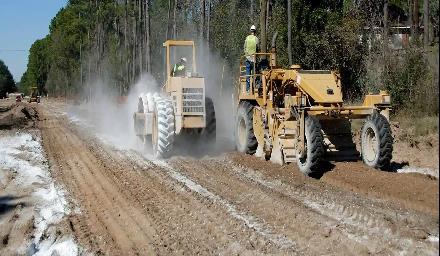
Soilstabilizationencompassesasequenceofactionsdirected towardsimprovingtheengineeringcharacteristicsofnatural soil to fulfill particular construction needs. Although the precise methods can vary based on factors like soil composition,projectparameters,andenvironmentalfactors, thestandardprocesstypicallycomprisesthefollowingsteps:
I. Site Assessment: Thefirststepinsoilstabilizationisto conductathoroughassessmentofthesiteconditions. Thisincludesanalyzingthesoilcomposition,moisture content,bearingcapacity,andanyexistinggeotechnical issuesthatmayaffectstability.
II. Soil Testing: Comprehensive testing of the soil is essentialtodetermineitsengineeringpropertiesand identify any deficiencies that need to be addressed through stabilization. Tests commonly performed includegrainsizeanalysis,Atterberglimits,compaction tests,andstrengthtests.
III. Selection of Stabilization Technique: Based on the site assessment and soil testing results, the most suitablestabilizationtechniqueisselected.Thiscould involvechemicalstabilizationusingadditivessuchas lime, cement, or fly ash, mechanical stabilization through techniques like compaction or soil reinforcementusinggeosyntheticsornaturalfibers.
IV. Preparation of Soil: Before applying the chosen stabilization technique, the soil must be properly prepared.Thistypicallyinvolvesgrading,excavation, and removal of any organic matter, debris, or unsuitable materials that may interfere with the stabilizationprocess.
V. Application of Stabilizing Agents: Dependingonthe selectedtechnique,stabilizingagentsareappliedtothe soil either in dry form or as a solution. Chemical additivesaremixedthoroughlywiththesoiltoinduce chemical reactionsthatimprovestrength and reduce plasticity, while mechanical methods involve compactingthesoiltoincreasedensityandstability.
VI. Mixing and Homogenization: After the stabilizing agentsareapplied,thesoilismixedandhomogenized toensureuniformdistributionofadditivesandachieve the desired engineering properties throughout the treatedarea.Thismayinvolvemechanicalmixingusing heavymachineryorspecializedequipment.
VII. Compaction and Curing: Once the soil has been treated and homogenized, it is compacted to achieve the desired density and strength. Compaction is typicallycarriedoutusingrollersorcompactors,with multiple passes performed to achieve uniform compaction.Dependingonthestabilizationtechnique used,curingmayalsoberequiredtoallowforchemical reactionstotakeplaceandstrengthenthesoil.
VIII. Quality Control and Monitoring: Throughoutthesoil stabilization process, quality control measures are implemented to ensure compliance with project specifications and regulatory requirements. This includes regular testing and monitoring of key parameters such as density, moisture content, and strengthtoverifytheeffectivenessofthestabilization treatment.
International Research Journal of Engineering and Technology (IRJET) e-ISSN:2395-0056
Volume: 11 Issue: 03 | Mar 2024 www.irjet.net p-ISSN:2395-0072
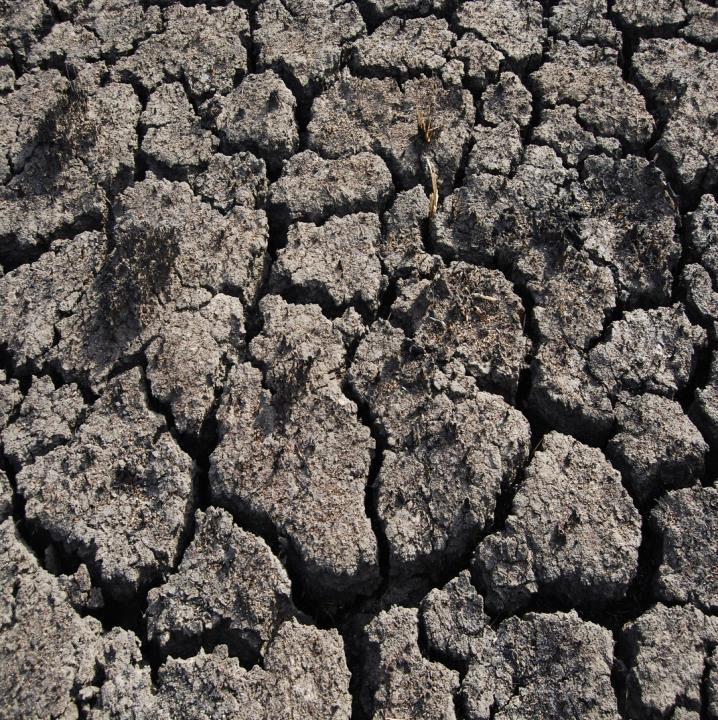
BlackCottonSoil,alsoreferredtoasblackclaysoilorregur soil, is a prevalent soil type found in numerous regions acrosstheglobe,includingtheIndiansubcontinent,Africa, SouthAmerica,andAustralia.Itisdistinguishedbyitsdark coloration,highclaycontent,anduniquephysicalproperties. Renowned for its expansive behavior, this soil swells considerablywhenwetanddevelopsdeepcrackswhendry. Whileitsfertility,attributedtoitsrichnutrientcomposition, renders it suitable for agriculture, its poor drainage and tendency to impede root growth present challenges for farming. Additionally, in construction, its expansiveness necessitates meticulous engineering to avert structural damage. Notwithstanding these hurdles, through appropriatemanagementtechniquessuchasincorporating organic matter and employing soil stabilization methods, BlackCottonSoilcanbeutilizedsustainablyforagricultural and construction purposes, underscoring its significance acrossvarioussectors.
Enhancingthestrengthofordinarysoilreliesonavarietyof principles and techniques aimed at increasing its loadbearing capacityand stability.Compaction,a fundamental method,involvesboostingsoildensitythroughmechanical processes such as rolling or vibrating compactors. The addition of binders like cement, lime, or fly ash improves cohesionandreducespermeability,thusreinforcingthesoil. Proper grading and drainage help regulate water flow, reducing erosion risks and enhancing stability. Materials suchasgeotextilesorsoilnailsareusedforreinforcementto distribute loads evenly and improve overall soil stability.
Techniqueslikecompactiongroutingorvibro-compaction furtherconsolidateloosesoil,whilepreloadingaccelerates consolidationincompressiblesoils.Chemical stabilization modifies soil properties using additives such as lime or polymers.Monitoringandtestingensuretheeffectivenessof strengthening methods and compliance with engineering standards.Byintegratingtheseapproaches,engineerscan effectivelyenhancethestrengthofordinarysoilforvarious constructionapplications.
Inthissection,wehavestudiedthepreviousresearchwork on the stabilization of the regur soli, and the summary of thosepreviousresearchisgivenbelowinthedetails:
Priyanka, Rakaraddi: TheUCSvaluescontinuedtoincrease untilthetwenty-firstdayfollowingtheapplicationofTerraZyme, showing respective increments of approximately 94.86 percent, 114.69 percent, 150.28 percent, and 63.34 percent.OptimalresultsfortheUCSvalueswereobserved withthethirddoseofTerra-Zyme,administeredatarateof 200millilitersper0.75cubicmetersafteracuringperiodof twenty-onedays.Thiswasthesituationafterthedryingand curingprocedureswerecompleted.Withthecuringprocess concludedandtheproductfullycured,thisstepcouldthen bedeemedfinished.
Lekha et.al: Theresearchprojectconductedaninvestigation into the effectiveness of bio-enzyme-stabilized soil. After completing laboratory tests, several conclusions were drawn.Firstly,itwasobservedthattheclaycontentplaysa crucial role in determining consistency restrictions. Additionally,thetreatedsoildisplayedlowerplasticityindex valuescomparedtountreatedsoil.Overan8-weekcuring period,therewasasignificantreductioninorganicmatter content, from 17.08% to 13.46%. Minimal changes were detectedinthemaximumdrydensity(MDD).Notably,there was a substantial increase in unconfined compressive strength(UCS)aftercuring,risingfrom268kN/m2to859 kN/m2. This increase was attributed to the cementation effectresultingfromenzyme-clayreactions.Furthermore,as thecuringdurationincreased,CaliforniaBearingRatio(CBR) valuesalsoincreasedduetodecreasedvoidratios.TheFineGrainedSoilIndex(FSI)decreasedfrom50%to8.33%after treatment,indicatingreducedswellingcapacity.Treatedsoil exhibiteda22%reductioninweightlossduringfreeze-thaw cyclescomparedtountreatedsoil.However,despitethese improvements,thesoilsampleswereunabletowithstand stressduringwetanddrycycles.
Puneet, Suneet: Basedonthedataobtainedfromnumerous tests, the following conclusions can be drawn: The unconfinedcompressivestrength(UCS)ofBlackCottonSoil significantlyincreasedduetotheapplicationofTerrazyme for soil stabilization, resulting in a doubling of strength compared to previous levels. The duration of Terrazyme
International Research Journal of Engineering and Technology (IRJET) e-ISSN:2395-0056
Volume: 11 Issue: 03 | Mar 2024 www.irjet.net p-ISSN:2395-0072
treatmentwasfoundtobeacriticalfactor,withsoiltreated forsevendaysexhibitinggreaterstrengththansoiltreated for shorter durations. The recommended dosage of TerrazymeforoptimalUCSimprovementis1milliliterper5 kilograms of soil, as specified by the manufacturer. Terrazyme,anenvironmentallysafeenzyme,hasprovento behighlyeffectiveinenhancingtheUCSofBlackCottonSoil, withoutanyadverseenvironmentalimpact.
Ramesh, Sagar: The study aimed to determine the suitability of TerraZyme for modifying the geotechnical propertiesofexpansiveandnon-expandingsoils,specifically blackcottonsoilandredearth.Thisinvolvedevaluatingthe influence of TerraZyme on the index and engineering characteristicsofthesesoils.Theresearchersconcludedthat TerraZyme is indeed appropriate for altering the geotechnical properties of both expansive and nonexpanding soils, based on their findings. They established air-drycuringconditionsinadditiontolaboratorydesiccator curing to simulate real-world circumstances, finding that TerraZyme was effective in both scenarios. Application of TerraZyme resulted in significant improvements in the engineering properties of black cotton soil and red earth, particularlyinunconfinedcompressivestrength.Bothsoils exhibited hydrophobic qualities and improved physical attributes after treatment with TerraZyme. The optimal dosage for black cotton soil was 200 milliliters per cubic meter,whileredearthrequiredthesamedosagetomaintain consistency.Bothsoilsshowedsubstantialimprovementin unsoaked California Bearing Ratio (CBR) after drying. However, characteristics of compacted soil did not significantlychangepost-TerraZymetreatment.Blackcotton soil displayed enhanced compressibility and structural integritycomparedtoothersoiltypes.Freeswellindexof black cotton soil decreased notably after treatment and drying. Overall, air-dry curing conditions proved more effective than desiccator curing, demonstrating superior outcomesforbothtypesofsoil.
Srinivas, Amith: Thisstudyinvestigatedtheeffectivenessof bioenzyme-stabilized soil and its potential applications. Laboratorytestsrevealedseveralkeyfindings:claycontent significantlyaffectsconsistencylimitations,withreductions inplasticityandliquidityindexpercentagesobservedposttreatment.WhilemodestchangesoccurredinMaximumDry Density(MDD)andOrganicMatterContent(OMC),efficient ion exchange mechanisms likely contributed to concentrationdropsinthesoil.Overfourweeks,Unconfined CompressiveStrength(UCS)morethandoubled,indicating substantial strength gains. The cementation effect, arising fromenzyme-clayreactions,significantlyinfluencedstrength development. California Bearing Ratio (CBR) values increased with longer curing times, reflecting enhanced densityandreducedvoidratiosinenzyme-treatedsoil.After four weeks, the soaking CBR value of native soil rose by 387%. Moreover, bioenzymes such as TerraZyme proved safeandenvironmentallyfriendly,withlong-lastingeffects
thateliminatetheneedforcertainconstructionmaterials, savingbothtimeandmoney.
Rishi, Rakesh: The research aimed to assess the enhancement in geotechnical qualities of soil upon the addition of Terrazyme. The investigation sought to determine the extent of improvement attributed to Terrazyme incorporation. Various doses of Terrazyme enzymewereaddedtounsaturatedsoilmixturestoevaluate efficacy.Findingsindicatethesoil'ssubstantialproductive capacity.Conclusionsdrawnfromextensivetestinginclude: Terrazymetreatmentnotablyimprovedtheplasticityindex ofthesoilfromaninitialvalueof14.05,signifyingenhanced characteristics. Increasing Terrazyme dosage correlated with increased overall activity of the soil mixture, as reflectedinrisingindexvalues.TreatmentwithTerrazyme led to a significant increase in the soil's unconfined compressive strength, indicating enhanced breakdown of organic substances. The subsequent progression of soil quality demonstrated continued improvement. Moreover, Terrazymetreatmentresultedina notableincreaseinthe soil's California Bearing Ratio (CBR) value, indicating enhancedresilience.
Jenith, Parthiban: This research study involved various activities,includinganassessmentofsoileffectivenessafter treatmentwithbioenzymes.Theresearchersconductedlab testsandreachedthefollowingconclusions:Adosageof200 milliliters per 1.5 cubic meters resulted in the highest unsoaked California Bearing Ratio (CBR) values for soil samples S1, S2, S3, and S4, with percentage increases of 7.92%, 7.99%, 8.10%, and 8.3% respectively. The soaking CBR values for these samples after a 28-day stabilization period with an eco-enzyme dosage of 200 milliliters per cubic meter of soil were 4.9%, 5.15%, 5.36%, and 5.5% respectively.Thesevalueswereobtainedafterconsidering the soil treatment with eco-enzyme. The required ecoenzyme quantity for achieving these results was 200 milliliters per cubic meter of soil. After a 28-day curing period, the best outcomes for unconfined compressive strength (ucc) values were obtained with an eco-enzyme dose of 200 milliliters per half cubic meter of soil, representing the most effective treatment overall. This procedure was conducted after the specified curing time, resultinginthemostfavorableuccvalues.
In conclusion, the enhancement of regur soil strength presents a critical area of research with significant implicationsforvariousengineeringapplications.Through anextensivereviewofliterature,itisevidentthatnumerous techniquesandmethodshavebeenexploredtoaddressthe inherentchallengesassociatedwithregursoil,includingits low strength and expansive nature. From chemical stabilizationandmechanicalreinforcementtogeosynthetic interventionsandinnovativeconstructionpractices,arange
International Research Journal of Engineering and Technology (IRJET) e-ISSN:2395-0056
Volume: 11 Issue: 03 | Mar 2024 www.irjet.net p-ISSN:2395-0072
ofapproacheshaveshownpromiseineffectivelyimproving regursoil'sstrengthproperties.However,itisessentialto recognizethesite-specificnatureofregursoilandtheneed for careful consideration of local conditions and requirements when selecting and implementing improvement techniques. Furthermore, ongoing research and advancements in material science, geotechnical engineering, and construction methodologies offer promisingavenuesforfurtherenhancingregursoilstrength and expanding its suitability for diverse engineering projects.Overall,thisreviewunderscorestheimportanceof continued investigation and innovation in addressing the challengesposedbyregursoil,ultimatelycontributingtothe development of sustainable and resilient infrastructure solutions.
1. Priyanka Shaka1 , P.G. Rakaraddi2 “Experimental StudyontheEffectofBioEnzymeStabilization on BlackCottonSoilsandRedSoil”2007,International Journal of Innovative Research in Science, EngineeringandTechnology,Vol.5,Issue8,August 2007.
2. LekhaB.M1,GouthamSarang1,ChaitaliN2Ravi ShankarA.U3“LaboratoryInvestigationOnBlack Cotton Soil Stabilized With Non Traditional Stabilizer” 2013, IOSR Journal of Mechanical and CivilEngineering(IOSR-JMCE)
3. PuneetAgarwal1,SuneetKaur2“EFFECTOFBIOENZYME STABILIZATION ON UNCONFINED COMPRESSIVE STRENGTH OF EXPANSIVE SOIL” 2014, International Journal of Research in EngineeringandTechnology.
4. Srinivas Ganta, Amith Kadaba Sheshadri “Black Cotton Soil Stabilization By Bio Enzymes” 2016, Anveshana’s International Journal Of Research In EngineeringAndAppliedSciences.
5. RishiRanjan1andRakeshPratapSingh2“Impacton the Geotechnical Properties of Soil mixed with Terrazyme” 2016, National Conference on StructuralandGeotechnicalEngineering.
6. P.Jenith,Mr.C.Parthiban“AnExperimentalStudyof Bio-Enzyme on Black Cotton Soil as a Highway Material”2017,InternationalJournalofEngineering Research&Technology(IJERT).
7. AnkitPatel*andC.B.Mishra“EvaluatingtheAbility of Chemical Additive for Soil Stabilization” 2017, International Journal of Current Engineering and Technology.
8. Rakesh1,Ar.Sukhmanjit2“STUDYONTHESOIL STABLIZATION WITH CEMENT AND LIME” 2017, International Journal of Latest Research In Engineering and Computing (IJLREC) Volume 5, Issue3,PageNo.33-37May-June2017.
9. Goli Varunkumar1 , Thushaara P T2 , Basavaraj C Kadur3,SiddeshwaraBS4,RajeshSJadhav5,Dr.B shivakumara6 “Stabilization of Black Cotton Soil using Terrazyme” 2018, International Journal of EngineeringScienceandComputing.
10. Manu A S “Strength Properties of Bioenzyme Treated Black Cotton Soil” 2018, International JournalofAppliedEngineeringResearchISSN09734562Volume13,Number7(2018)pp.302-306.
11. Kajal Sinha1 Supriya Waghmare2 Anushree Borkar3 Kajal Pachdhare4 “Stabilisation of Black CottonSoilusingBio-Enzyme”InternationalJournal forScientificResearch&Development|Vol.6,Issue 02,2018.
12. 1V.TarangaDivijaKalyani,2AswariSultanaBegum, 3Dr.DSVPrasad,4Dr.GVRPrasadaRaju“AStudy on Geotechnical Properties of Expansive Soil Treated with Rice Husk Ash and Terrasil” The International Journal of Engineering and Science (IJES)||Volume||7||Issue||8Ver.III||Pages||PP 93-99||2018.
13. Venkatesh A,1 Sreenivasa Reddy G2 “Effect of TerrazymeonCBRandshearstrengthofexpensive soil”MOJCivilEngineering,2018.
14. Akhileshkumar&AshokKumarkhan“Stabilization ofexpansivesoilusingbio-enzyme”2018.
15. Dr. D S V Prasad*1 , K.V. Visalakshi2 & K.Sridevi3 “INFLUENCE OF TERRAZYME ON ENGINEERING PROPERTIESOFREDSOIL”2018,GlobalJournalOf EngineeringScienceAndResearches.
16. 1 Jagtap Balaji A., 1Awale Rohit D., 1Satpute ShrikrushnaM.,1GiriKrishnaH.,2MaheshCSwam “STABILIZATION OF BLACK COTTON SOIL USING TERRAZYME” 2019, JETIR April 2019, Volume 6, Issue4.
17. BasavarajAkki1,Bheemareddy2,PrathapPandit3, Ramya M 4 , Yamini N5 “Stabilization of Black Cotton Soil using Terrazyme Enzyme” 2020, International Journal for Research in Applied Science & Engineering Technology (IJRASET), Volume8IssueVIIIAug2020.
International Research Journal of Engineering and Technology (IRJET) e-ISSN:2395-0056
Volume: 11 Issue: 03 | Mar 2024 www.irjet.net p-ISSN:2395-0072 © 2024, IRJET | Impact Factor value: 8.226 | ISO 9001:2008
18. Reshma T V1* , Chandan Kumar Patnaikuni2 , Manjunatha M1 , Bharath A 1 and Ranjitha B Tangadagi1 “Influence of alccofine and polypropylene fibers on stabilization of soil – An investigationalstudy”2021,InternationalJournalof AdvancedTechnologyandEngineeringExploration, Vol 9(89) ISSN (Print): 2394-5443 ISSN (Online): 2394-7454.
19. NAVNATH SHINDE, MININATH SHINGARE “Stabilization of Soil Using Bio-Enzyme” 2022, International Journal of Research in Engineering andScience(IJRES)ISSN(Online):2320-9364,ISSN (Print):2320-9356.
20. Mr. K.ASHOK1 , G.C.K.KISHORE2 , M.AKHILA3 , P.EMMANUAL4 , T.LOKESH5 “STABILIZATION OF BLACKCOTTONSOILBYUSINGTERRAZYME”2022, InternationalJournalForTechnologicalResearchIn EngineeringVolume9,Issue10,June-2022