
International Research Journal of Engineering and Technology (IRJET) e-ISSN: 2395-0056
Volume: 11 Issue: 03 | Mar 2024 www.irjet.net p-ISSN: 2395-0072

International Research Journal of Engineering and Technology (IRJET) e-ISSN: 2395-0056
Volume: 11 Issue: 03 | Mar 2024 www.irjet.net p-ISSN: 2395-0072
Tainiyat
K Hanchinal1 , Vaishali D
Bhavani
2
1UG Student, Dept of Computer Science and Engineering, Jain College of Engineering and Research, Karnataka, India
2UG Student, Dept of Computer Science and Engineering, Jain College of Engineering and Research, Karnataka, India ***
Abstract - Currente-commerceplatformsincludearangeof features to enable the purchase of any cloths from their websites. But comparing any garments pricing, deals, and quality across numerous apps takes time, and the customer has to spend their time reading reviews and visiting other websites to compare costs. Most of the clients prefer to purchase their necessities online since it saves them time, particularly those who currently live in metropolitan areas with hectic lifestyles. Furthermore, whilebuyingthings, people always look for the lowest possible price. Therefore, a strong artificial intelligence system is developed that can analyze large, varied datasets that include product attributes and pricing data from different online shops. Thealgorithmforthe model is created with the use of machine learning techniques to identify trends and correlations that affect price, considering factors such as material quality, fashion trends, and brand popularity. Natural language processing is used by the AI system to analyze product evaluationsanddescriptions, which helps it to better grasp customer preferences. The goal is to develop a dynamic and flexible tool that predicts and adjusts to market changes aside from offering precise and upto-date pricing comparisons for clothes. This system reveals the effectiveness of using AI in order to enhance the efficiency and accuracy of apparel price comparison through rigorous review, hence empoweringcustomerstomakebetter-informed selections. In this manner, paper aims to provide online shoppers a method to purchase goods at a reasonable price while also saving them money, time, and effort.
Key Words: Price Comparison, Artificial Intelligence, Web Scraping, Machine Learning, E-commerce.
Thefashionindustryishugeandfiercelycompetitive,with several brands and outlets offering a diverse range of apparelalternatives.Becauseofthis,costsforcomparable apparelgoodscouldrangegreatlyamongstonlineretailers. Customers find it difficult to find the greatest offers and ensure that they are getting the greatest value for their money. as a result. Due to time and financial constraints, especially in the current fashion trends where variety of clothing styles and their prices have increased and users havelimitedtimetolookatproperties.
Thepricecomparisonofclotheswebsiteresolvesthisissue by compiling data from several online merchants and displaying it to customers in an understandable and structured way. Consumers may go through several categoriesordoatargetedsearchtolocatetheapparelitem they’relookingfor.Usersarethenabletorapidlycompare and get the best deal due to the website’s presentation of alternativesandpricingfrommanystores.Toimproveand streamlinetheprocedureofcomparingclothingprices,this system applies machine learning techniques. This is motivatedbytheenormousamountandcomplexityofdata thatonlinemerchantsproduce,whichincludesinformation on everything from product features and specifications to pricingpoliciesanduserreviews.Thesizeofthisdatamakes manual comparison techniques impossible, therefore it's criticaltotakeuseofmachinelearning’sabilitytoidentify patterns,correlations,andtrendsinhugedatasets.
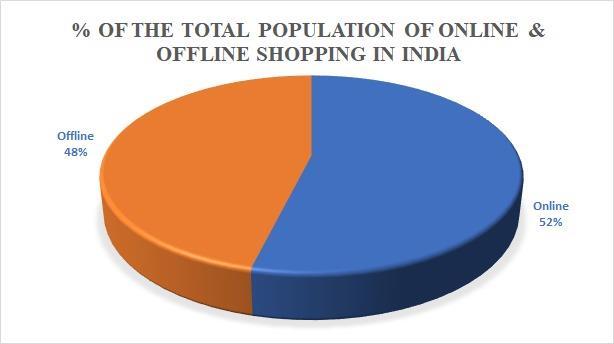
InIndia,therearenotasmanypricecomparisonwebsites availableasinothernations. Themajorityofthemcompare justlocalbrands’prices.Whileitiscrucialforacomparison website to deliver results with affordable pricing that corresponds with consumers ’ preferences, precise results areequallyimportantinensuringusersreceivetheirdesired products. Additionally, it relies on how frequently the information is updated; if not, users who compare it to anotherwebsitemightgetconfused.Mostofthepeopledo nothavetimetogoshoppingforclothes.Itisusersfreedom to select the vendor that gives the greatest deal on the garmentsyouareinterestedin.However,comparingcosts and pulling From the purchase of some items at a higher price requires a significant amount of time in relation to those price supplied by any vendor. A catalog that is published online allows retailers to cut expenses. Due to theirhecticschedules,themajorityofpeoplewhomanage their businesses do not have the time to make offline purchases. The fig. 1 demonstrates the percentage of the totalpopulationthatdoonlineorofflineshoppinginIndia
Machine learning plays an essential role in transforming clothing price comparison systems. The systems use sophisticatedalgorithmstosortthroughlargeinformation and identify pricing patterns, historical data, and market swings. The algorithms make accurate pricing predictions and price comparisons by using characteristics like fabric quality, user feedback, and brand reputation. This technology improves the user experience by providing
International Research Journal of Engineering and Technology (IRJET) e-ISSN: 2395-0056
Volume: 11 Issue: 03 | Mar 2024 www.irjet.net p-ISSN: 2395-0072
tailored,atthemomentrecommendationsandassistingwith well-informed purchase decisions. The ability of machine learning to comprehend consumer preferences is always improving, which helps the garments price comparison systemprovidemoreinsightfulresultsandassistcustomers inlocatingthebestoffers.
The literature review is an essential component of every researchprojectsinceitprovidesanoverviewandsynthesis of current literature on the selected topic. It involves an organizedsearchandexaminationofseveralsourcestofind recurringthemes,trends,andknowledgegaps. Additionally, it supports the research methodology and data gathering strategiesselectedforthestudybyofferinginsightsabout theapproachestakeninearlierstudies.
Asspecifiedbytheauthorsin[1],thisarticlefocusesonthe existing system which has detected anomalies, and a computerizedsystemis beingsuggestedto replaceit. The systemwillfunctionasawish-listproductpricecomparison website, letting users check prices across different ecommerce sites and alerting them when an item’s price changes.Thisfunction,enablesconsumerstocontrastcosts from several online retailers in one location, is very beneficialforthosewhopurchaseonlinefrequently.
As mentioned by the writers of [2], This work focuses on websitethatletsindividualsmakewell-informeddecisions based on their best interests by comparing prices on different e-commerce shopping websites. This makes it easierforworkingpeopletocomparecosts andselectthe best combination of low-cost and good deals on products theyareinterestedinbuying.Italsosavesbuyerstimeand effort by bringing together strategies, the best offers, and dealsfromallmajoronlineretailers.Userscanaccessuseful informationtomakethebestdecision,andthewebsitealso gives vendors a platform to sell new products, announce ongoingpromotions,andoffercompetitiveprices.Allthings
considered,thewebsitemakesonlineshoppingeasierand moreconvenientforworkingpeople.
Corresponding to the author in [3], according to the research,pricecomparisonwebsitesareimportantforprice rivalryandthemarketplaceefficiency.Thesewebsitesdraw inallpartiesinvolved,suchassuppliersandcustomers,by functioningasanaggregateofproductinformation.These days, search technologies come in two flavors those that assist users in finding the goods and services they want, lower search expenses, and provide easy comparison shopping across options. Comparison websites are more strongthanmostonlineadsbecausetheyholdtheabilityto crawl webpages, compute product pricing, and provide customers morecontrol.Theyreduce thetime,effort,and resources needed to discover information manually by gathering and aggregating data from third parties and presenting it in an approachable manner. The study emphasizestheeffectivenessandeaseofpricecomparison websites,whicharenownecessaryforpricecompetitionand marketefficiency.
Asclaimedbytheauthors[4],theprojectofferstheability for customers to set rate cause alerts. This means that a buyercansetaspecificrateforaparticularitem,Also,the frameworkwillsendoutanemailnotificationassoonasthe vendorprovidestheratethatmeetstheparameterthebuyer sets.Thealertwillbetriggeredbytheproduct’scurrentrate. Themajorityofwebsitesthatprovidetoolsandguidancefor inventory change businesses use this kind of notice. The customerwillbenotifiedandanalarmwillsoundwhenthe rateofacertaininventoryreaches acertainpricethathas beenestablished.
A detailed explanation of the system design and operational procedure is given in Figure 1. The system’sbackendismadeupofscrapingmethodsand machine learning technique for obtaining product details from different e-commerce websites. Customers can engage with the system through a graphical user interface (GUI) that the front-end systemoffersusinganonlineplatform.Followingthat, the website displays the data obtained from ecommerce items. On the main page, the customer requeststhedesiredproduct,whichpromptsaquery tobesenttothelocaldatabase.Productinformationis displayedonthewebsite’shomepage.Thecustomer mayseethecostsofthedesireditemsmaybefoundat onelocation,eveniftheyaresoldonmanye-commerce platforms.
International Research Journal of Engineering and Technology (IRJET) e-ISSN: 2395-0056
Volume: 11 Issue: 03 | Mar 2024 www.irjet.net p-ISSN: 2395-0072
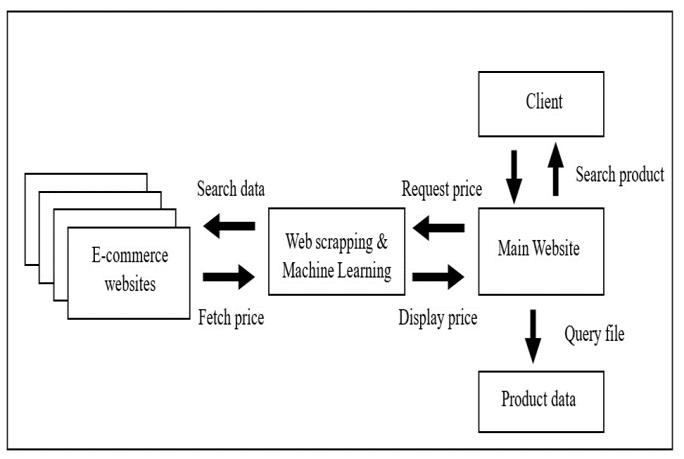
Fig -2: SystemArchitecture
Themethodologytodemonstratehowthepricecomparison websiteiscreatedusingMachinelearninginthefollowing ways:
DataGatheringisnecessaryinordertoprovideaccurate estimations. and insights. The system gathers a broad spectrumofinformationondifferentclothingitems,brands, styles, and shops. Price points, discounts, reviews from customers, and product details are present in the data. Ecommerce websitescanhavetheir information effectively scraped from them using web scraping technologies. Furthermore,real-timechangesmaybemadeeasierviaAPI linkageswithshops.Akeycomponentisfeatureengineering, which improves the model’s performance using inputs including user preferences, seasonal trends, and brand reputation. To comprehend user behaviour and feelings aboutcertainitems,sentimentanalysisand theprocessof collaborativefilteringtechniquesisalsodeployed.
Datapreprocessingiscriticalforsuccessfulmodeltraining and accurate price estimation. This include managing missing values, encoding category characteristics, and cleaning and structuring the raw data. Text data are tokenized and embedded, while numerical properties is madeconsistentbynormalizationorscaling.Amorerobust modelisalsoenhancedbytheidentificationandelimination ofoutliers. Forthe purpose of allowthemachinelearning modeltolearnpatternsfromthetrainingdataandassessits performanceonunseendatafortrustworthyclothingprice comparisons, the preprocessed data is then divided into trainingandtestingsets.
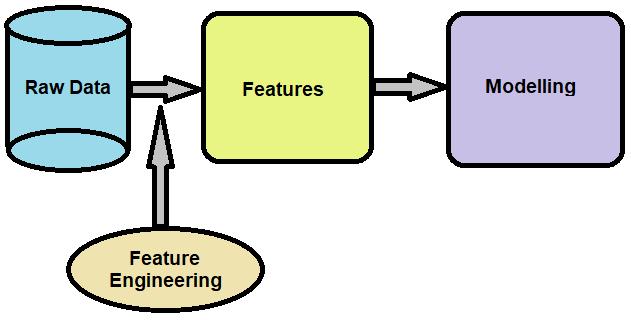
Toimprovemodelaccuracy,featureengineeringisessential. Athoroughanalysisisproducedbyincorporatingimportant variables like fabric quality, seasonal trends, brand reputation, and consumer feedback. To enhance the
forecastingpowerofthemodel,numericalinformationsuch as popularity ratings, discounts, and past price trends are extracted.Sentimentanalysisofcustomerevaluationsisalso used to measure how people personally view clothing products. By taking a comprehensive approach to feature engineering,thesystemisabletoprovidemoreaccurateand sophisticated pricing comparisons, which enhances user experienceanddecision-makingintheever-changingworld of fashion retail. Furthermore, adding elements like as customer evaluations and ratings may provide valuable insights on consumer perceptions of clothing quality. and value.Themachinelearningmodelwillbetterunderstand the elements influencing clothing prices by carefully choosing and designing these characteristics, It provides consumerswithwithmoreaccurateandtrustworthypricing comparisons.
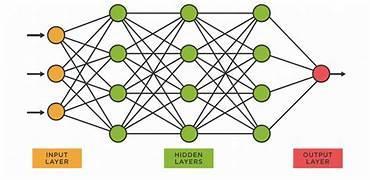
The initial stage in creating a machine learning-based garmentspricecomparisonsystemisgatheringavarietyof clothingproductsandtheirassociatedpricesintoadataset. Itispossibletoacquirecharacteristicslikesize,style,brand, andmaterial.Afterthat,thisdatasetisdividedintotesting and training sets. In order to identify patterns and correlations between attributes and prices, a machine learningalgorithmistrainedonthetrainingsetusingneural networks. On the testing set, the model’s performance is assessed,andmodificationsaremadetoincreaseaccuracy. The system is kept up to date with changing market dynamicsandfashiontrendsthroughroutineupgradesand retraining.
In the domain of clothes price comparison systems employing machine learning, neural networks serve an integral part in translating raw data into useful understandings. Aneural network,inspired bythehuman brain’sstructure,consistsofinterconnectednodesorganized into layers. When applied to pricing, the network learns
International Research Journal of Engineering and Technology (IRJET) e-ISSN: 2395-0056
Volume: 11 Issue: 03 | Mar 2024 www.irjet.net p-ISSN: 2395-0072
intricatepatternswithinadataset,consideringfactorslike brand,material,style,andsize.Duringtraining,thenetwork fine-tunes its internal parameters to accurately predict prices,capturingthenuancedrelationshipsbetweenvarious features. Due of its capacity for prediction, effective price comparison among diverse clothing items. Regularization techniquespreventtheneuralnetworkfrommemorizingthe training data, ensuring adaptability to new trends. The incorporation of neural networks in clothes price comparisonsystemsimprovesbothaccuracyandprovides userswithadynamictoolfornavigatingthecomplexitiesof fluctuatingfashionmarkets.
Webscrapingisabasicmethodthatallowsmachinelearning based clothing price comparison systems to collect enormousquantitiesofdatainrealtimefromvariousweb sources.Webscrapinginthissensereferstotheautomatic extraction of product details, costs, and availability from differente-commercewebsites.Throughwebsitenavigation andHTMLtextparsing,thisprocedureyieldsarichdataset thatincludesdataaboutthebrand,specs,anduserreviews. Machine learning algorithms use the extracted data as a trainingset,whichhelpsthemidentifyandforecastpricing patternsinthefashionindustry.Bycontinuouslyupdating data, web scraping makes the system more agile and guarantees that consumers have availability of the most currentpricedynamics.However,whileusingwebscraping in clothing, moral concerns and respect for the terms of serviceofthewebsiteareessential.
By employing machine learning, the clothing price comparison system produces impressive outcomes by accuratelyprojectingandcomparingcostsforawidevariety offashiongoods.Themodelsofmachinelearningthathave been put into practice, including neural networks and feature engineering, show a great degree of precision in recognizing complex patterns in the dataset. Because the systemdynamicallyrefresheswithreal-timedata through
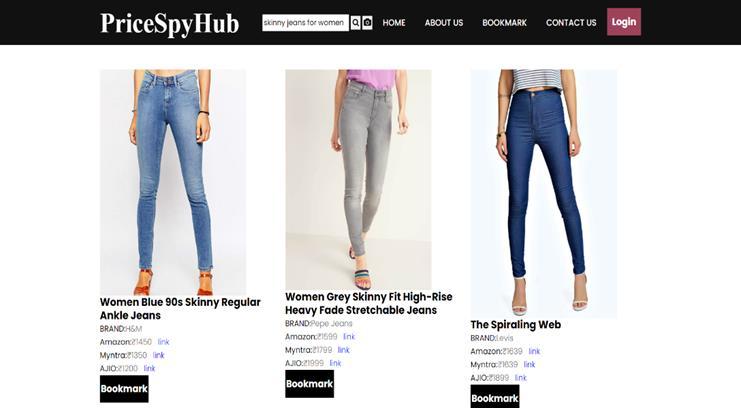
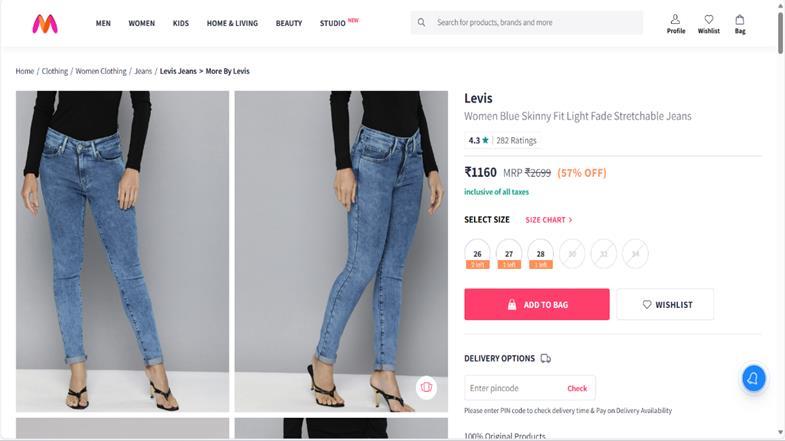
webscraping,reflectingthemostrecentpricingtrendsand market variations, users benefit from making educated purchaseselections. Thedesignofthemodelcanconsider variousfeatures,including brand,material,style,andsize, guarantees a thorough study and offers insightful informationoncomparativepricing.Allthingsconsidered, the findings demonstrate how well the system works to providecustomerswithcurrent,appropriatedata,enablinga smoothandknowledgeableshoppingexperienceintheeverchangingworldoffashion.Fig.5toFig.9showstheoverall implementationoftheproposedsystem.

International Research Journal of Engineering and Technology (IRJET) e-ISSN: 2395-0056
Volume: 11 Issue: 03 | Mar 2024 www.irjet.net p-ISSN: 2395-0072


Inconclusion,theworldofonlinebuyinghasseenadramatic changewiththeriseofclothespricecomparisonwebsites. These networks provide users with exceptional flexibility and transparency by enabling them to quickly compare prices from a wide range of commercial spaces without having to visit each website separately. These websites
provideconsumersthepowertomakeinformedchoicesby compiling product details and pricing, allowing them to locatethegreatestoffersandstretchtheirbudgets.
Price comparison websites encourage a healthy level of competition among businesses by offering attractive promotions and competitive prices to draw in customers. Customersandcompaniestogethergainfromthis,fostering a vibrant market. Additionally, by encouraging price transparency, these platforms enable customers to spot price differences and make wise decisions. Consequently, openness, businesses are encouraged to continue using reasonable prices, which builds loyalty and confidence. These platforms are expected to grow more and more significant in influencing consumer behavior and ecommerceastechnologydevelops.
[1] JanBerendsandTorstenJ.Gerpott,“Exploringprice toleranceinonlineretail:Acomparativeanalysisof price comparison website use and repeat purchases”,SpringerOpenAccess,December2023.
[2] Hemanshu Dharmik, Prof. Priyanka Padmane, Kaustubh Dhoke, Shravani Chambhare, and DarshanaKohad,“AReviewonE-commercePrice EvaluationSystem”,IJRASETInternationalJournal for Research in Applied Science and Engineering Technology,May2022.
[3] Delfin, Jay Kapadia, K. Bharath, Nalluri Narahari Niranjan,YSKPrithvi,andMohitChauhan,“Online ProductPriceComparisonApplicationUsingMeta Search Algorithm”, IJRTI International Journal for Research Trends and Innovation, Volume 3, Issue 10,2018.
[4] Nitha C, Velayudhan, Abinav Vijay P, Alisha P D, ChithiraRamesh,LakshmiCV,“E-Commercewith Price Comparison, Price Alert and Fake Review Detection”,IJCRTInternationalJournalofCreative ResearchThoughts,Volume9,Issue5,May2021.
[5] Akash Kumar, Sanyam Saklecha, Shreyas Pawar, VaibhavKumar,Prof.N.A.Mhatre,“OnlineShopping AnalysisandProductPriceComparisonUsingWeb Mining and Machine Learning”, International Research Journal of Engineering and Technology (IRJET),Volume8Issue5,May2021.
[6] JunWooKimandSungHoHa,“PriceComparisons on the Internet Based on Computational Intelligence”,ResearchGate,September2014.
[7] Sanket Bezalwar, Vikas Bhandekar, Sagar Kumbhare, Rushikesh Rebhankar, Prof. Prajakta Singam, “E-Commerce Price Comparison with
International Research Journal of Engineering and Technology (IRJET) e-ISSN: 2395-0056
ReviewSentimentalAnalysis”,IJCSMCInternational JournalofComputerScienceandMobileComputing, Vol.11,Issue3,March2022.
[8] PrashantSanap,SwatiShinde,AnjaliMahajan,Rahul Vishe, and Anuprita Gawande, “Price Comparison Website Using Object Recognition”, IJEAST International Journal of Engineering Applied Sciences and Technology, Vol. 6, Issue 11, March 2022.
[9] Prof. Harishchandra Maurya, Komal Patil, Shreya Sawant, Mrudula Thange, and Asmita Mahadik, “PriceComparisonWebsite”,IJARSCTInternational Journal of Advanced Research in Science, CommunicationandTechnology,Volume3,Issue2, November2023.
[10] Jianxia Chen and Ri Huang, “A price comparison systembasedonLucene”,IEEEXplore,July2013.
[11] Arman Shaikh, Raihan Khan, Komal Panokher, MritunjayKrRanjan,VaibhavSonaje,“E-commerce Price Comparison Website Using Web Scraping”, IJIREMPS International Journal of Innovative Research in Engineering & Multidisciplinary PhysicalSciences,Volume11(3),June2023.
[12] Mrs. M. Sowmiya, Srinandhan CS, Mugesh Raja M, Sudheekshan Kumar S, “Price Comparison for Products in Various E-Commerce Website”, IJRTI International Journal for Research Trends and Innovation,Volume8,Issue5,2023.
Volume: 11 Issue: 03 | Mar 2024 www.irjet.net p-ISSN: 2395-0072 © 2024, IRJET | Impact Factor value: 8.226 |