
International Research Journal of Engineering and Technology (IRJET) e-ISSN:2395-0056
Volume: 11 Issue: 03 | Mar 2024 www.irjet.net p-ISSN:2395-0072
International Research Journal of Engineering and Technology (IRJET) e-ISSN:2395-0056
Volume: 11 Issue: 03 | Mar 2024 www.irjet.net p-ISSN:2395-0072
Savita Tripathi1, Mr. Sambhav Agarwal
2
1M.Tech, Computer Science and Engineering, SR Institute of Management & Technology, Lucknow, India
2Assistant Professor, Computer Science and Engineering, SR Institute of Management & Technology, Lucknow ***
Abstract - Sentiment analysis is a field of research that studies people's opinions about different things, such as products, social and politicalevents,andproblems.Thistypeof analysis has become increasingly popular because it can help stakeholders make better decisions based on public opinion. Opinion mining is one way to gather informationfromsources like search engines, web blogs, Twitter, and social networks. However, because there are so many tweetsavailableonlinein unstructured text form, it can be difficult to analyze them manually. To solve this problem, researchers use computational strategies that involve identifying sentimentbearing words in the text. There are many different methods for doing this using machine-learning techniques like Bag-ofWords (BoW) representation. In this study specifically, the researchers used a lexicon-based approach to automatically identify sentiment in tweets collected from Twitter's public domain. They also applied three different machine learning algorithms – Naive Bayes (NB), Maximum Entropy (ME), and Support Vector Machines (SVM) – to see which was most effective at classifying the tweets by sentiment. The experiments showedthatbothNBwithLaplacesmoothingand SVM were effective classifiers when using certain features like unigrams or Part-of-Speech (POS). Overall, sentimentanalysis is an important tool for understanding public opinion on various topics through user-generated content on platforms like Twitter.
Key Words: Bag-of-Words (BoW), Lexicon, Machine Learning Algorithms, Laplace Smoothing, Part-of-Speech (POS).
The process of utilizing Twitter for automatic sentiment identificationinvolvesaseriesofvitalsteps.Thefirststepis togatheralargedatasetoftweetsusingTwitter'sAPI,witha focusonspecifickeywords,hashtags,ortimelinesofinterest. Once this data has been collected, it undergoes preprocessing,whichinvolvesremovingnoisesuchasURLs, specialcharacters,andstopwords.Additionally,thetextis tokenized and normalized. After preprocessing, feature extraction takes place. This entails extracting relevant features such as bag-of-words representations, TF-IDF scores,orembeddingslikeWord2Vecfromthepreprocessed text. The next step is to select an appropriate model for sentimentanalysis.Thiscanrangefromtraditionalmachine learning algorithms like Naive Bayes and Support Vector MachinestoadvanceddeeplearningmodelslikeRecurrent
Neural Networks (RNNs) or Transformer-based architectures such as BERT. Training the selected model involvesdividingthedataintotrainingandtestingsetsand thenfine-tuningandoptimizingittoimproveperformance. Evaluationmetricssuchasaccuracy,precision,andrecallare used to determine the effectiveness of the model. Once satisfactory performance is achieved, the model can be deployedforreal-timesentimentanalysiseitherthroughAPI integration or web application deployment. Ongoing monitoringandmaintenanceareessentialtoensurethatthe model remains accurate and up-to-date with evolving language patterns and sentiments on Twitter. Moreover, ethical considerations must be taken into account throughout the development and deployment process to protect privacy and mitigate bias. By adopting this systematic approach towards harnessing Twitter for automaticsentimentidentification,itbecomesaninvaluable resource for applications in market research, brand monitoring,socialmediaanalyticsamongstothers.

1.1.
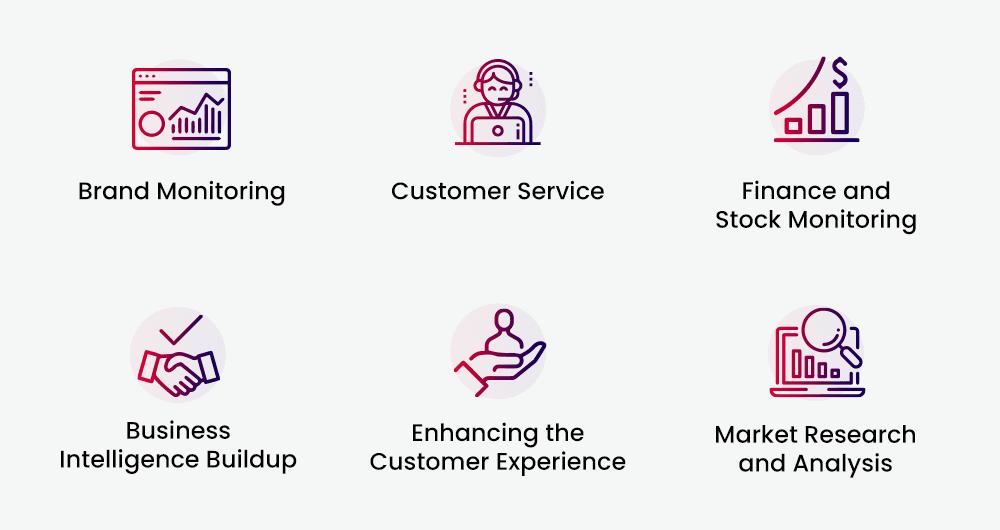
SentimentidentificationisacrucialtoolinanalyzingTwitter data as it serves multiple purposes. Firstly, it provides invaluable insights into consumer perceptions, which is essentialforcompaniestounderstandcustomersentiment towardstheirproductsorservices.Bydiscerningpositive, negative,orneutralsentimentsfromtweets,businessescan tailor their strategies to meet customer needs effectively. Thiscanleadtoimprovedcustomersatisfactionandloyalty.
International Research Journal of Engineering and Technology (IRJET) e-ISSN:2395-0056
Volume: 11 Issue: 03 | Mar 2024 www.irjet.net p-ISSN:2395-0072
Secondly, sentiment analysis enables proactive brand monitoring, allowing companies to track their brand reputation in real-time and address any emerging issues promptly.Thisisparticularlyimportantintoday'sdigitalage where news spreads rapidly online. By detecting negative sentiment early on, companies can take swift action to safeguard their brand reputation and foster positive stakeholderengagement.Moreover,sentimentidentification aids in extracting actionable feedback from customer interactions on Twitter. This feedback can be used to continuously improve products or services and enhance customersatisfaction.Italsofacilitatescompetitiveanalysis by evaluating how competitors are perceived on social media platforms like Twitter. By identifying areas of differentiation,businessescanmakestrategicdecisionsthat givethemacompetitiveedge.
Sentiment identification plays a crucial role in crisis management by detecting and addressing negative sentimentearlyon.Thishelpssafeguardbrandreputation during times of crisis when emotions run high online. By addressing issues promptly and transparently, companies canturnpotentialcrisesintoopportunitiesforgrowthand improvement.SentimentidentificationonTwitterservesas a cornerstone for data-driven decision-making, brand management,andmaintainingacompetitiveedgeintoday's dynamicbusinesslandscape.Itsabilitytoprovideinsights into consumer perceptions, enable proactive brand monitoring, extract actionable feedback from customer interactionsonTwitter,facilitatecompetitiveanalysis,trend spottingandcrisismanagementmakesitanessentialtoolfor anybusinesslookingtosucceedinthedigitalera.
1.2.Obstacles Encountered in Sentiment Analysis.
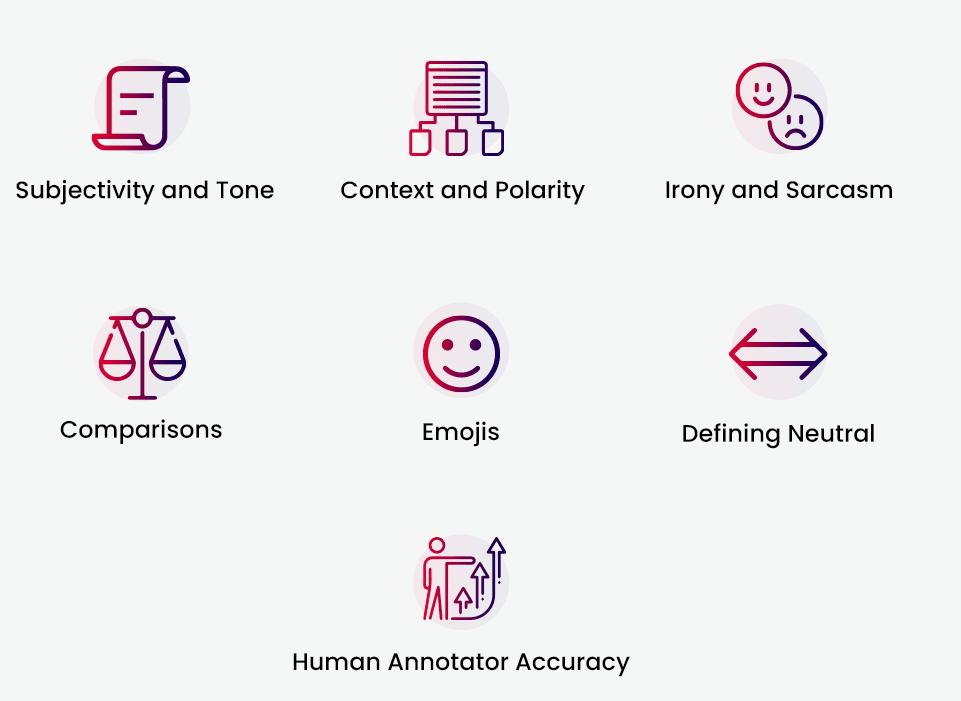
Sentiment analysis is a valuable tool for comprehending public opinion and customer sentiment. However, this analyticaltechniquefacessignificantdifficultiesinaccurately interpretingandanalyzingtextdata.Oneofthemainissues istheinherentambiguityandcomplexityoflanguage,where
identical words or phrases might convey different sentiments depending on the context. Additionally, expressionslikesarcasm,irony,andhumorposesubstantial challenges for sentiment analysis models, frequently resultinginincorrectinterpretationsofsentiment.Negation words and modifiers further complicate the process by alteringthepolarityofsentimentswithinsentences.
Furthermore, subjectivity in sentiment perception, data sparsity, and imbalance in labeled datasets present significantobstaclesintrainingaccuratesentimentanalysis models.Domainadaptationisalsoanissue,particularlyin specializeddomainswheresentimentexpressionsmaydiffer widelyacross variouscontexts.Themultilingual nature of textdataandtemporaldynamicsofsentimentexpressionon socialmediaplatformslikeTwitteraddfurthercomplexityto sentimentanalysistasks.
To overcome these difficulties requires constant research anddevelopmentofadvancednaturallanguageprocessing techniquesthatcanenhancetheaccuracy,robustness,and adaptability of sentiment analysis models across diverse languages,domains,andtemporalcontexts.Whilethismay be a challenging endeavor, it is essential for achieving reliableinsightsintopublicopinionandcustomerfeedback thatcaninformcriticaldecision-makingprocesses.
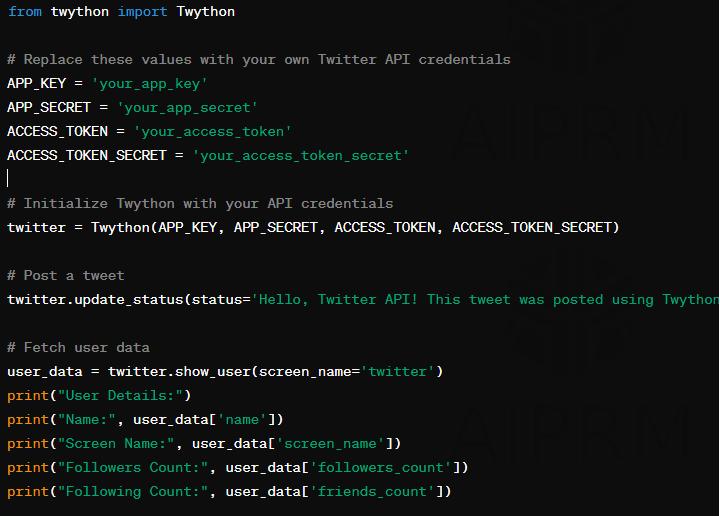
Social media APIs are an essential tool for developers, as theyprovideaversatilesetoftoolsandprotocolstointeract programmaticallywithmajorplatformssuchasFacebook, Twitter,Instagram,LinkedIn,andYouTube.TheseAPIsallow developerstoseamlesslyintegratesocialmediafunctionality intotheirapplicationsorcreatecustomtoolsformanaging social media presence. With the help of these APIs, developerscanperformvarioustaskslikepostingcontent, retrieving user data, analyzing engagement metrics, managingadvertisingcampaigns,andmoderatingcontent.
International Research Journal of Engineering and Technology (IRJET) e-ISSN:2395-0056
Volume: 11 Issue: 03 | Mar 2024 www.irjet.net p-ISSN:2395-0072
TointeractwiththeseAPIseffectively,developersleverage HTTP requests and software development kits (SDKs) providedbytheplatforms.However,itiscrucialtoadhereto each platform's terms of service and usage policies while integratingtheseAPIs.Developersshouldalsobemindfulof ratelimitsandusagerestrictionsimposedbysocialmedia APIstoensurefairandresponsibleintegration.
Social media APIs offer a wide range of capabilities that enable developers to create innovative applications that enhance the user experience on popular platforms. These tools also provide a way for businesses to manage their socialmediapresenceeffectively.Byfollowingbestpractices and adhering to guidelines set forth by each platform provider,developerscanintegratesocialmediafunctionality intotheirapplicationsseamlesslyandresponsibly.
2.1.Condensed: Get TwitterdatawithTwythonAPI.
Toeffectivelydeterminethesentiment(positive,negative,or neutral)oftweetsregardingaspecificproductormovie,itis crucialtogatheronlythosetweetsthataredirectlyrelated to the subject matter. The main goal of the thesis is to analyzethesentimentsexpressedintweetsthatarerelevant to the product or movie being studied. This requires scrutinizingtheemotionsandopinionsconveyedintweets thatarepertinenttothetopicathand.However,thistaskis not without its challenges, as there is no surefire way to capture all tweets pertaining to a particular subject. Although there may be obstacles in the way, it remains crucialtogatherawiderangeofrelevanttweetsinorderto carry out an accurate sentiment analysis and draw significantconclusionsfromthegathereddata.Assuch,itis paramount that researchers take a meticulous approach whenselectingtweetsfortheiranalysistoensurethattheir results are both reliable and insightful. By carefully scrutinizingeachtweet,researcherscanweedoutirrelevant ormisleadinginformationandfocussolelyonthosetweets thatholdtruevalueandmeaning.Thislevelofattentionto detailwillultimatelyleadtomoreaccurateandmeaningful findings,providingvaluableinsightsintothesentimentsof Twitterusersonaparticulartopicorissue.
3.PROCESS OF REMOVING HASH SYMBOL FROM SENTIMENT POST FROM SOCIAL MEDIA
Ifyou'relookingtoeliminatethehashtagsymbol(#)froma sentimentpostonanysocialmediaplatform,therearesome simplestepsyoucantake.Firstandforemost,locatethepost thatcontainsthehashtagyouwanttoremove.Onceyou've found it, click on the three dots or options icon usually locatedinthetopright-handcornerofthepost.Fromthere, select the option to edit your post. This will allow you to modifyyourpost'scontentanddeleteanyhashtagsthatare present. After making your desired changes, save your updatedpostbyclicking"save"or"update."It'simportantto note that removing a hashtag from a sentiment post may impact its visibility and reach among other users on the platform.However,ifyoufeelthatitisnecessarytoremove thehashtagforpersonalorprofessionalreasons,thesesteps shouldhelpyoudosoeasilyandeffectively.
Identify the sentiment post: Locate the post containing the hash symbol (#) that you want to remove.
Copy the post: Highlightthetextofthesentimentpost, includingthehashsymbol,andcopyit.
Open a text editor or word processor: Open a text editororwordprocessorapplicationonyourcomputer ordevice.
Paste the copied text: Pastethesentimentpostinto thetexteditororwordprocessor.
Find and replace: Use the find and replace function (usually accessible through a menu or keyboard shortcut)toreplaceallinstancesofthehashsymbol(#) withanemptyspaceoranyothercharacteryouprefer.
Review the modified post: Check the modified sentiment postto ensure thatthehashsymbolshave
International Research Journal of Engineering and Technology (IRJET) e-ISSN:2395-0056
Volume: 11 Issue: 03 | Mar 2024 www.irjet.net p-ISSN:2395-0072
been removed correctly and that the sentiment post stillmakessense.
Save the modified post: Onceyou'resatisfiedwiththe changes,savethemodifiedsentimentpost.
Post the modified sentiment: Ifyouintendtorepost thesentimentonsocialmedia,copythemodifiedtext fromthetexteditororwordprocessorandpasteitinto thesocialmediaplatformofyourchoice.
Theprocessofanalyzingsentimentsinsocial media posts canbebroadlycategorizedintoseveraltypes,dependingon thescope, method, and purpose of the analysis.There are fourwidelyrecognizedtypesthatarecommonlyemployed in this regard. The first type is known as document-level sentimentanalysis,whichinvolvesanalyzingthesentiments expressed in individual social media posts or documents. Thesecondtypeisaspect-basedsentimentanalysis,which focusesonidentifyingthesentimentassociatedwithspecific aspects or features of a product or service mentioned in social media posts. The third type is domain-based sentiment analysis, which involves analyzing sentiments acrossdifferentdomainsortopics,suchaspolitics,sports,or entertainment. Finally, there is cross-lingual sentiment analysis that aims to identify and analyze sentiments expressed in different languages. These are just some examplesofthevarioustypesofsentimentanalysisthatcan beappliedtosocialmediadatatogainvaluableinsightsinto customeropinionsandpreferences.
Basic Sentiment Analysis: Thistypeofsentimentanalysis categorizes text into positive, negative, or neutral sentiments. It usually involves using lexicons or machine learning algorithms to classify the sentiment polarity of individualposts.
Aspect-Based Sentiment Analysis: Aspect-basedsentiment analysisgoesbeyondjustdeterminingtheoverallsentiment of a text and identifies the sentiment towards specific aspectsorentitiesmentionedwithinthetext.Forexample,in aproductreview,itcananalyzesentimenttowardsvarious featuresorattributesoftheproductseparately.
Emotion Detection: Emotion detection aims to identify specific emotionsexpressed insocialmediaposts,suchas joy,anger,sadness,orfear.Thistypeofsentimentanalysis often involves more sophisticated natural language processing techniques, including deep learning models trainedspecificallyforemotionrecognition.
Opinion Mining: Opinion mining, also known as subjectivityanalysis,involvesidentifyingnotjustsentiment butalsotheopinionsorattitudesexpressedinsocialmedia
posts.Itaimstounderstandthestanceorviewpointofthe authortowardsaparticulartopicorentity.
Sentiment identification of posts involves a multi-step process to analyze textual data and discern the emotional tone conveyed by the author. Initially, the text undergoes preprocessingstepssuchastokenization,lowercasing,and removalofstopwords,punctuation,andspecialcharactersto clean the data for analysis. Following this, there are two primaryapproachesemployed:lexicon-basedmethodsand machine learning-based methods. Lexicon-based methods relyonsentimentlexiconsordictionariescontaininglistsof words associated with different sentiment scores, while machine learning-based methods train models on labeled datatopredictsentiment.Featuresarethenextractedfrom thetextdata,utilizingtechniquessuchasbag-of-words,TFIDF,orwordembeddings.Thesefeaturesareusedtotrain andevaluatemachinelearningmodelsonlabeleddatasets, assessingtheirperformanceusingmetricslikeaccuracyand F1-score. In the world of natural language processing, sentiment analysis is an essential task that involves identifying and categorizing the emotions expressed in textualdata.Toachievethisgoal,acomprehensiveprocessis required, which includes several steps such as text preprocessing, feature extraction, model training, and evaluationtechniques.
Oneofthemostpopularapproachestosentimentanalysisis using deep learning models like BERT or GPT. However, these models need to be fine-tuned to adapt them to the specific task of sentiment analysis. Once trained, these modelscanaccuratelypredictthesentimentofnewpostsor textdata.
Afterpredictingthesentimentscoresforeachpostortext datapoint,post-processingstepsmaybeappliedtoclassify them into positive, negative or neutral categories. These scores can then be aggregated for further analysis or visualizationpurposes.
Sentiment identification involves a rigorous process that requires expertise in different areas of natural language processing and machine learning. By combining various techniques and methods, it is possible to accurately determinetheemotionsexpressedintextualdataandgain valuable insights into people's opinions and attitudes towardsdifferenttopics.
International Research Journal of Engineering and Technology (IRJET) e-ISSN:2395-0056
Volume: 11 Issue: 03 | Mar 2024 www.irjet.net p-ISSN:2395-0072
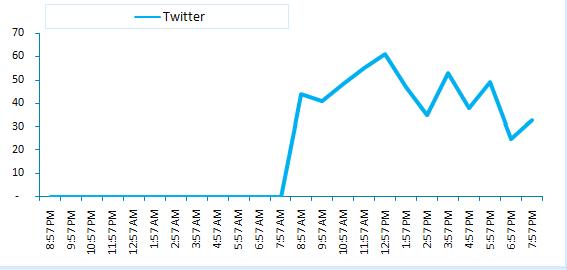
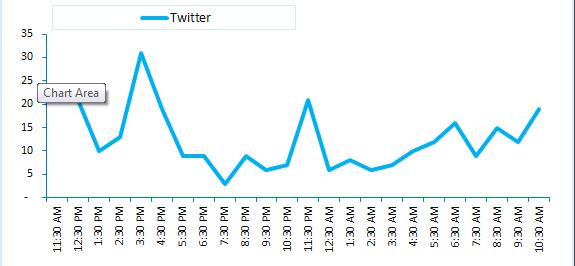
Theuseofhashtagsallowsustoexpressourthoughtsand feelings in a succinct and easily searchable manner. By simplyaddinga hashtagtoourpostsormessages,wecan provideawealthofinformationaboutwhatisonourminds, fromthetopicsthatinterestustotheissuesthatconcernus. Recognizing the immense value of this type of usergenerateddata,wehavetakenstepstoenhanceourmachine learningalgorithmtoincludehashtagsinitsanalysis.This enables us to gain even deeper insights into people's thoughts and emotions, which then helps us better understandtheirneedsandpreferences.
Thanks to this upgraded algorithm, we are now able to processmuchlargeramountsofdatawithgreateraccuracy andefficiency.Asaresult,wecanimproveourproductsand servicesbycustomizingthemaccordingtothespecificneeds
of our customers. Ultimately, by harnessing the power of hashtagsandothertypesofuser-generatedcontent,wecan gainvaluableinsightsintohumanbehaviorthatenableusto createmorepersonalizedexperiencesforeveryone.Thisis anexcitingdevelopmentthathasfar-reachingimplications forbusinessesacrossallindustriesbecauseitallowsthemto connect with their customers in ways they never could before.Thefutureisbrightforthosewhoembracethesenew technologies!
This academic research delves into the field of sentiment analysisandcentersontheapplicationoflexicalresources andmachinelearningalgorithmstoclassifytheemotional tone of tweets and text messages, both of which are examples of unstructured data sources. With the vast amountofsubjectiveinformationavailableonline,Sentiment Analysishasbecomeavaluabletoolinvarioussectorssuch as online advertising and market research. In knowledge management, opinion data is a crucial factor that often determinessignificantdecisions.Thestudyaimstogainan understandingofthechallengesassociatedwithSentiment Analysis and explore numerous approaches developed to tackle them. Extracting underlying sentiments from social media data can be a daunting task due to its volume and variety. To determine the most effective elements for Sentiment Analysis, we analyzed tweets from the public stream using both lexicon-based methods and machinelearning techniques. The results will provide insights into improving Sentiment Analysis performance in extracting subjectivecontentfromunstructureddatasources.
1. BoPangandLillianLee.Opinionminingandsentiment analysis. Foundations and trends in information retrieval,2(1-2):1–135,2008.
2. Bo Pang and Lillian Lee. A sentimental education: Sentiment analysis using subjectivity summarization based on minimum cuts. In Proceedings of the 42nd annual meeting on Association for Computational Linguistics, page 271. Association for Computational Linguistics,2004.
3. Bing Liu. Opinion mining and sentiment analysis. In WebDataMining,pages459–526.Springer,2011.
4. BingLiu.Sentimentanalysisandsubjectivity.Handbook ofnaturallanguageprocessing,2:627–666,2010.
5. Andr´es Montoyo, Patricio Mart´ıNez-Barco, and AlexandraBalahur.Subjectivityandsentimentanalysis: An overview of the current state of the area and envisaged developments. Decision Support Systems, 53(4):675–679,2012.
International Research Journal of Engineering and Technology (IRJET) e-ISSN:2395-0056
Volume: 11 Issue: 03 | Mar 2024 www.irjet.net p-ISSN:2395-0072
6. Erik Cambria, Bjorn Schuller, Yunqing Xia, and CatherineHavasi.Newavenuesinopinionminingand sentimentanalysis.IEEEIntelligentSystems,28(2):15–21,2013.
7. KhairullahKhan,BaharumBaharudin,AurnagzebKhan, and Ashraf Ullah. Mining opinion components from unstructuredreviews:Areview.JournalofKingSaud University-Computer and Information Sciences, 26(3):258–275,2014.
8. RonenFeldman,MosheFresko,JacobGoldenberg,Oded Netzer, and Lyle Ungar. Extracting product comparisonsfromdiscussionboards.In Data Mining, 2007. ICDM 2007. Seventh IEEE International Conferenceon,pages469–474.IEEE,2007.
9. Mohammad Sadegh, Roliana Ibrahim, and Zulaiha Ali Othman. Opinion mining and sentiment analysis: A survey. International Journal of Computers & Technology,2(3):171–178,2012.
10. Bo Pang, Lillian Lee, and Shivakumar Vaithyanathan. Thumbs up? sentiment classification using machine learning techniques. In Proceedings of the ACL-02 conferenceonEmpiricalmethodsinnaturallanguage processing-Volume 10, pages 79–86. Association for ComputationalLinguistics,2002.
11. PeterDTurney.Thumbsuporthumbsdown?:semantic orientation applied to unsupervised classification of reviews.InProceedingsofthe40thannualmeetingon association for computational linguistics, pages 417–424.AssociationforComputationalLinguistics,2002.
12. AndreaEsuliandFabrizioSebastiani.Sentiwordnet:A publiclyavailablelexicalresourceforopinionmining. In Proceedings of LREC, volume 6, pages 417–422. Citeseer,2006.
13. Alaa Hamouda and Mohamed Rohaim. Reviews classification using sentiwordnet lexicon. In World Congress on Computer Science and Information Technology,2011
14. DougCutting,JulianKupiec,JanPedersen,andPenelope Sibun.Apracticalpart-of-speechtagger.InProceedings of the third conference on Applied natural language processing, pages 133–140. Association for ComputationalLinguistics,1992.
15. Shitanshu Verma and Pushpak Bhattacharyya. Incorporating semantic knowledge for sentiment analysis.ProceedingsofICON,2009.
16. Kamal Nigam, John La erty, and Andrew McCallum. UsingmaximumentropyfortextclassificationInIJCAI99 workshop on machine learning for information filtering,volume1,pages61–67,1999.
17. HuifengTang,SongboTan,andXueqiCheng.Asurvey onsentimentdetectionofreviews.ExpertSystemswith Applications,36(7):10760–10773,2009.
18. Daniel M Bikel and Je rey Sorensen. If we want your opinion. In Semantic Computing, 2007. ICSC 2007. International Conference on, pages 493–500. IEEE, 2007
19. Hiroshi Kanayama and Tetsuya Nasukawa. Fully automatic lexicon expansion for domain-oriented sentiment analysis. In Proceedings of the 2006 ConferenceonEmpiricalMethodsinNaturalLanguage Processing, pages 355–363. Association for ComputationalLinguistics,2006.
20. MatthiasHagen,MartinPotthast,MichelB¨uchner,and BennoStein.Twittersentimentdetectionviaensemble classification using averaged confidence scores. In Advances in Information Retrieval, pages 741–754. Springer,2015.
21. SaifMMohammad,SvetlanaKiritchenko,andXiaodan Zhu. Nrc-canada: Building the state-of-the-art in sentimentanalysisoftweets.2013.