
International Research Journal of Engineering and Technology (IRJET) e-ISSN:2395-0056
Volume: 11 Issue: 02 | Feb 2024 www.irjet.net p-ISSN:2395-0072
AUTOMATED ADVANCE DISTRIBTUION SYSTEM
Ms. L.S. Kendule, Mr. Pawar Pradhumna, Mr. Thakka Sumit
Lecture, Dept. of Electrical Engineering, A.G. Patil Polytechnic Institute Solapur, Maharashtra, India Student, Dept of Electrical Engineering, A.G. Patil Polytechnic Institute Solapur, Maharashtra, India Student, Dept. of Electrical Engineering, A.G. Patil Polytechnic Institute Solapur, Maharashtra, India
Abstract:-Electricpowerdistributionsystemplaysvitalrole to delivery the electricity to consumers as per their requirement. But as the population of India is increasing rapidly it directly or indirectly affects the distribution of power to the consumers. Therefore, research and development activities worldwide are being carried out to automated the electric power In the era of Artificial Intelligence (AI) and data science, this paper consist of automated advance distribution system(AADS) is going to take over the tradition / recent distribution system and improves the efficiency and reliability of power distribution totherequiredconsumers.
Keywords:-Automated Advance Distribution System(AADS), DMS, Artificial Intelligence (AI) and data science, sensors, communication system, SCADA, smart gridetc.
I. INTRODUCTION
The automated advance distribution system in electrical engineering is a smart grid technology that uses advanced communication and control systems to optimize the distributionofelectricity.
It helps in improving the reliability, efficiency, and flexibility of the power distribution network. This system uses sensors, real-time data, and automated controls to monitor and manage the flow of electricity, detect faults, and restore power quickly in case of outages. It also enables better integration of renewable energy sources and supports the implementation of demand response programs. The purpose of automated distribution system inelectricalengineeringistoefficientlymanagetheflowof electricityfrompowergenerationsourcestoconsumers.It involves the use of advanced technologies and automation to monitor and control various components of the distribution system, such as transformers, switchgear, and distribution lines. The scope of an automated distribution system includes improving reliability, reducing downtime, optimizing energy usage and enabling remote monitoring andcontrolofthedistributionnetwork.Itplayscrucialrole in ensuring a reliable and efficient supply of electricity to consumers.
II. LITERATURE REVIEW
Since 1991, when the North eastern and Eastern grids interconnected and here the first distribution system formed. The distribution of electrical power is critical aspect of the electricity supply chain. It involves the deliveryof electricityfromthetransmissionsystemtoend users such as residential, commercial, and industrial consumers.Thetraditionaldistributionsysteminelectrical engineering typically involves a radial network configuration where power flows from single source or substation to various load centers. This system is characterized by manual operation and control, with limited automation and remote monitoring capabilities. In traditional setup, distribution feeders are often designed withlimitedflexibilitytoaccommodatechangesindemand patternsorintegraterenewableenergysourcesseamlessly. Moreover, traditional distribution systems are more susceptibletopoweroutagesandfaultsduetotheirlimited ability to isolate and reconfigure circuits automatically. Maintenanceand faultidentificationintraditional systems often rely on manual inspections and periodic testing, whichcanleadtolongerdowntimeandservicedisruptions for consumers. Therefore, the review of previous research studiestominimizetheproblemscreatingbythetradition distribution system the researchers had implemented automatedadvancedistributionsystemswhichshowspros towardstheolddistributionsystems.
“The Current Research on Distribution Automation System”, this paper also introduces about the implementation of the automated advance distribution system to overcome all such situations which are faced by traditionaldistributionsystem.
Automation advance distribution system(AADS) offer severalbenefits.Firstly,theyimprovetheoverallefficiency of power distribution, reducing energy losses and optimizing the utilizationof resources. Additionally,it also provide better control and monitoring capabilities, allowing for real-time data analysis and more effective management of the distribution network. On the behalf of pros, there are cons which may cause system failures in automated distribution systems includes data loss or security breaches, software bugs or glitches, hardware malfunctions, power surges or fluctuations, communication errors, and inadequate maintenance. But
International Research Journal of Engineering and Technology (IRJET) e-ISSN:2395-0056
Volume: 11 Issue: 02 | Feb 2024 www.irjet.net p-ISSN:2395-0072
there some strategies to prevent system failures such as regularmaintenance,redundancyandbackupsystems,and robust testing and quality assurance, monitoring and remote diagnostics and staff training and education by implementing these strategies , the risk of system failures in automated distribution system can be significantly reduced,leadingtoimprovedefficiencyandreliability.
Finally, the distribution automation is the inevitable trend of distribution system and will be gradually developing in thedirectionofsmartdistributiongrid.
III. ANALYSIS OF AADS
The key components and functionalities of an advance automated distribution system are, Supervisory Control and Data Acquisition (SCADA), Distribution Automation(DA), Communication infrastructure, Advance Metering Infrastructre(AMI), Distribution Management System(DMS), Demand Response(DR), Renewable Energy Integration
Its an evolving field that aims to improve the efficiency, reliability, and sustainability of electricity distribution. Evolution of the potential impact on electrical grid of advanced automated distribution system is reliability and efficiency is significant. By incorporating advanced technologies and automation, the system can enhance the overall performance and operation of the grid. Here are somewaysitcanmakeapositiveimpact:
SCADA systems allows for faster fault identification and restoration of power, minimizingtheimpactonconsumers.
With real-time monitoring and control, operators can make informed decisions to optimize the distribution network, resulting in more energy efficientdelivery.
The integration of advanced metering infrastructure leads to more effective grid managementandimprovedenergyutilization.
The system can better accommodate the intermittent nature of renewable generation and ensuregridstability.
The proactive maintenance approach helps prevent equipment failures and extends the lifespanofgridinfrastructure.
Further, the main aspect is in cost effectiveness and return on investment of implementing such systems When it comes to analyzing of cost and return investment of automated advance distribution systems in electrical engineering it depends upon certainfactorsuchasinitial costofimplementationis
depended upon the power to be distributed among the consumers. However, by reducing losses and wastageofenergytheyutilizeandimprovetheenergy which results in lower operational costs overtime. In termsofreturninvestment,theprofitsofinstallations of automated advanced distribution systems can increase the productivity of utilization of energy and consumer satisfaction. Improved service quality and reduced downtime can lead to higher consumer retentionratesandattractthenewmaximumdemand consumers, thereby generating additional revenue which is profitable to the system. Overall there might be high initial cost for installation of such system but the automated advance distribution system gives long-term benefits and feds positive return investment.
IV. CASE STUDIES
This section of the paper consist of comparisons between the tradition distribution systems and automated advance distribution systems. In tradition distribution systems manual operations and human intervention are more common. This can lead to downtimeandslowerrestorationofpower.
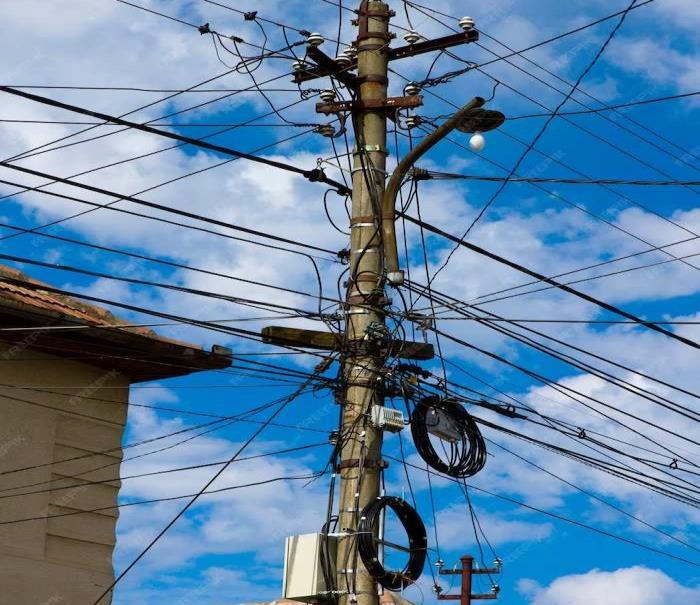
Fig-1:showsthetraditionaldistributionsystem
International Research Journal of Engineering and Technology (IRJET) e-ISSN:2395-0056
Volume: 11 Issue: 02 | Feb 2024 www.irjet.net p-ISSN:2395-0072

Some of the few challenges had been faced for the implementation of automated advance distribution system. One of the main challenge is the initial investment required for the infrastructure and equipment needed for these systems. Another challenge is the complexity of integrating these systems in to the existing electrical system. It must
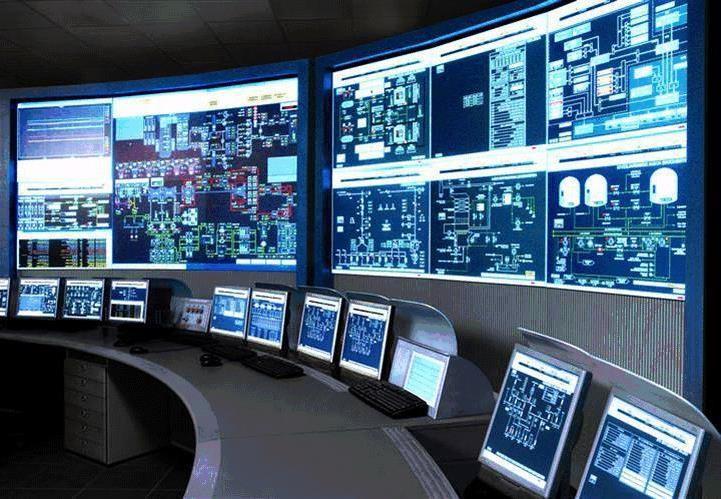
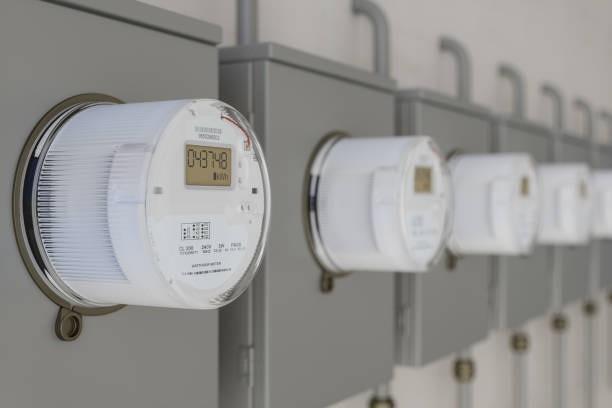
On the other hand, automated distribution system uses Information Technology(IT), Operational Technology(OT), sensors, communication networks, and smart devices to monitor and control the distributionofelectricity.Herearethesomereallife based examples on the automated advanced distribution systems. In India, automated distributionsystemshasbeenimplementedinsome citiesincludes:-
1. Mumbai: This city includes the use of smart meters,remotemonitoringandcontrolsystems.
2. Delhi: This city includes the major components suchasDMS,AIM,SMetc.
3. Bengaluru:ThiscityhassamefeaturesasMumbai andDelhihasowned.
holdsynchronizationwiththeexistingequipmentsin the electrical infrastructure. Next, the most weigthiness for the automation system is the cyber security thatisanothermainconsideration. With the rapidgrowthofautomation andconnectivity,thereis need to protect these systems from potential cyber threats and ensure the security of critical infrastructure.
Lastly, the transition from traditional systems to automatedadvancedistributionsystemsmayrequire careful planning and phasing to minimize distortion andensuresmoothtransition.
V. CHALLENGES AND FUTURE PROPECTS
It clearly states that before implementing such systems we had to face several obstacles and challenges for automatic advance distribution system(AADS) in future. Some of the challenges are enlistedbelow:
1.Cost: The initial investment cost is required for the automated distribution system which includes the infrastructure, installation of communication networks,sensors,AIM,DMSetc.
2.Compatibility: Implementing the automated distribution system by merging the existing infrastructureisdifficultandchallenging.
3.DataManagement:Noteasytohandleallthedataof sensors and communication networks which can be socomplicatedtomanageandanalysis.
4.Cyber security: Software data can have the risk of cyberthreatsandattacksalsoincreases.Thehackers may also jam the connectivity between the distributionandtransmission.
International Research Journal of Engineering and Technology (IRJET) e-ISSN:2395-0056
Volume: 11 Issue: 02 | Feb 2024 www.irjet.net p-ISSN:2395-0072
5.Workforce Training: To operate all the data and system we need to hire well trained software developerandsoftwareanalyzer.
The future prospects of automated advanced distribution systems in the field are quite promising. Such systems have the potential to revolutionize the way electricity is distributed and managed. Further, this system gives potential to improve efficiency, reliabilityandsustainability pavingthe wayfor more intelligentandresilientelectricalgrid.
VI. CONCLUSION
Thispaperendswiththeconclusionthatthebenefits of automated advance distribution system in electrical field how it can cover up all the problems raised by the traditional distribution system. It enhances the efficiency, reliability productivity of utility, and also provides quality and reliable supply to consumers. Later part of the paper we have also discussed about the challenges faced by distribution systemwhicharenecessarytomodifyanddevelopin communication technology and with the use of integration of various IT and OT modules would facilitate the utilities to be smart and proactive and wouldincreasethesatisfactionleveloftheconsumers infuture.
VII. REFFERNCES
Books: ElectricalPowerTransmissionandDistribution-ByS. Sivanagaraju
TransmissionandDistributionofElectricalPower-By J.B.Gupta
Links: https://www.researchgate.net/publication/2699301
31_Concept_of_Automation_in_Management_of_Electr ic_Power_Systems
https://ijiset.com/vol2/v2s2/IJISET_V2_I2_36.pdf
https://www.jetir.org/papers/JETIREO06099.pdf