
PM10 CONCENTRATION CHANGES AS A RESULT OF WIDESPRING PRECIPITATION IN AGRA
Kalpana Singh*, Dr. Randhir Singh Indolia,
Department of Physics, Dr. Bhimrao Ambedkar University, Agra (U.P), India
Abstract - - From 2021 to 2022, research was conducted at the Sanjay Place site to examine the impact of widespread precipitation on the decrease in PM₁ₒ concentration. There was a discernible variation in the concentrations of PM₁ₒ particles before and after. There was a noticeable change in the average PM₁ₒ concentration and less PM₁ₒ in the air during periods of precipitation compared to those without. The average PM₁₀ concentration was 101.1µg/m³ and 184.8µg/m³ with and without precipitation. Over the July–September period, the intensity of moderate to light rain was found to have the biggest effect on the decrease in PM₁ₒ concentration. The results showed that the accumulation of aerosol concentration was prevented by continuous low intensity rain episodes and that the amount and duration of precipitation have an effect on how
Key Words: PM₁ₒ, Atmospheric purification, Precipitation, Meteorological condition
1.INTRODUCTION
Attheexpenseofotherelementsofthenaturalenvironment,below-cloudscavengingservesasakeyprocessthatenablesthe removalofpollutantsfromthegroundlevelzoneandplaysacrucialpartinthemaintenanceofexcellentairquality[1].Asa result, it is a crucial step in maintaining the equilibrium between the entrance and outflow of aerosol particles [2]. All mechanismsthatcauserain,snow,fog,andicetowash offparticlematterareconsideredtobeapartofwetbelow-cloud scavenging. According to [3], below-cloud scavenging appears to be more significant than in-cloud scavenging from the perspectiveofhumanwell-beingandthequalityoftheground-levelzone.Thisclaimissupportedbytheobservationthatthe particulatematterthatposesanimmediatethreattohumanhealthisprimarilyreleasedasaresultofbelow-cloudscavenging, withthemajormechanisminvolvedbeingthecollisionofsolidparticleswithraindrops[4].Thewetaerosolwashoutprocessis inherentlycomplicatedbecauseitisinfluencedbyavarietyofexternalphenomena,suchasdropsize,particlesizedistribution, waterchemicalcomposition,rainfallintensity,ambienttemperature,aswellasthechemicalandphysicalcharacteristicsof dropsandaerosol[5].Thebulkparticlenumber,bulkparticlemass,orsize-resolvedparticlenumberandmassconcentration canallbeusedtoestablishtheaerosolscavengingcoefficient[6].Experimentalresearchintobelow-cloudpurificationcarried outunderreal-worldcircumstancesfocusesonseveralaspectsofthisprocess.Theprocessesarestudiedbothonacomplex scale,whichincludesdetailsoftheeffectivenessofsolidparticleremovalbyspecifictypesofprecipitation,andonaspecific scale, which can include the effectiveness of scavenging of different types of particulate particles by specific types of precipitation[7].Transportfromoutsidetheareaistheprimarysourceofairpollutioninadditiontolocalaccumulation. Clearly,thereisagreatdealofuncertaintyaroundthemethodbywhichcontaminantsareremovedbyprecipitation[8,9].This paper'smaingoalistoanalyzethevariabilityofwetdeposition,whichistheprocessofremovingcoarseparticles,inrelationto thelength,intensity,andlocationofprecipitation[10].
2.EXPERIMENTAL
2.1.
Study Area.
AttheSanjayPlacesiteinAgracity,PM₁₀aerosolsamplesandrainwatersamplesweretakensimultaneously.India'sAgraisa majorcity.WiththeTharDesertofRajasthanenclosingtwo-thirdsofitsouterlimits(SE,W,andNW),itislocatedinthenorth centralareaofIndia(27.18N78.02E).Agrahas1.6millionpeople,accordingtotheCensus(2011).Thesummermonthsin Agraarehotanddry,withdailyaveragetemperaturesrangingfrom21.9to48degreesCelsius,andfrom4.2to31.7degrees Celsiusinthewinter.Agrareceivesabout736.6mmofrainfalleachyear.
2.2. Description of sampling site
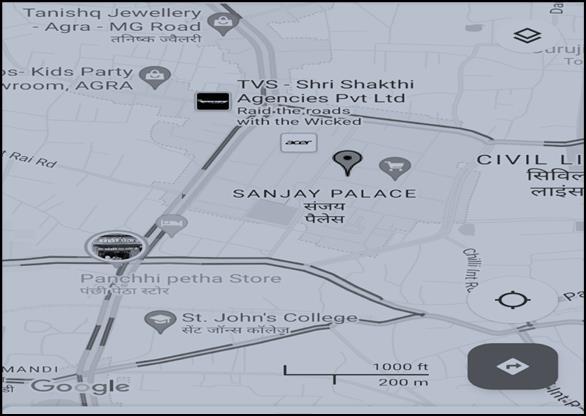
ThestudywasconductedinSanjayplacesiteofAgracityfromOctober2021toSeptember2022.Mapofsamplingsiteand surroundingsareshowninFig.1.Themaincausesofairpollutionwerenearbycommercialactivity,industrialemissions,and emissionsfromvehicles.Thesesourceshaveasignificantimpactonthesite,dependingonseasonalvariationsinwindand direction. SanjayplaceisoneofthemostpollutedareasinAgracity.
International Research Journal of Engineering and Technology (IRJET) e-ISSN: 2395-0056 Volume: 11 Issue: 01 | Jan 2024 www.irjet.net p-ISSN: 2395-0072 © 2024, IRJET | Impact Factor value: 8.226 | ISO 9001:2008 Certified Journal | Page543
***
2.3. Sample collection
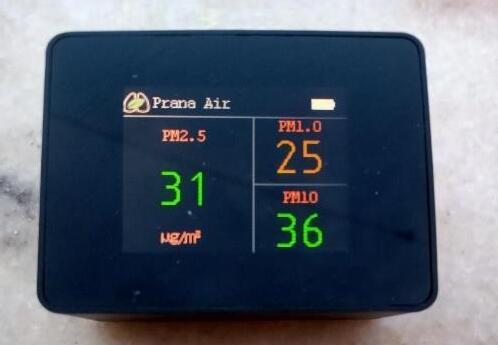
PM₁₀sampleswerecollectedbylowvolumesampler.Threesetsofsampleswerecollectedbeforerain,duringrainandafter raineachatsite.Therainfalldatawascollectedbyusingraingaugeinstrumentthroughbottleandfunnelmethod.Theamount ofrainwasmeasuredforcalculationofrainintensity.Thesiteisfreefromanyobstacles.ThePM₁₀instrumentshowninfig.2 andRaingaugeinstrumentshowninfig.3.
3. RESULT AND DISCUSSION
3.1. Statistical description

Table.1providesasummaryofthestatisticalinformationthatwasexaminedduringthe2021–2022yearexperiment,including informationonthechosenairpollution(PM₁₀),meteorologicalvariables,andprecipitation.Rainfallintensity(light,moderate, heavy)playsacrucialroleintheremovalofPM₁₀fromthetroposphere.
International Research Journal of Engineering and Technology (IRJET) e-ISSN: 2395-0056 Volume: 11 Issue: 01 | Jan 2024 www.irjet.net p-ISSN: 2395-0072 © 2024, IRJET | Impact Factor value: 8.226 | ISO 9001:2008 Certified Journal | Page544
Fig.1 MapshowingstudyareaatAgracity.
Fig.2. PM₁₀ Low Volume sampler
Fig.3. Rain gauge
Note: T-temperature,RH-relativehumidity,WS-windspeed,WD-winddirection,Avg.-average,Med.-median,Min-minimum, Max-maximum,precipitationsamples.
During large-scaleraineventsinthecoldandwarmseasons,theaverageairtemperaturewasaround 19.8°Cand31.8°C respectively.Thewarmseasonischaracterizedbyhigherrelativehumidityandlowerwindspeedthancoldseason.
3.2. PM₁ₒ concentration with and without precipitation
Inthecaseofrainfalls,PM₁₀concentrationswerelowerthanduringthenon-precipitationperiod,andbetween101.1and 184.8,therewasadiscernibledifferenceinaveragePM₁₀concentration.ThepatternofhourlyPM₁₀concentrationvariationof precipitation and non-precipitation was quite similar to each other. Quantitatively, the reduction effect of precipitation scavenginginthewarmperiodwashigherthaninthecoldperiod.ThehourlyPM₁₀concentrationinthecoldperiodincreased duetoarelativelymoresubstantialdirecteffectofvehicleemissionsdespitetherainfall.Themeteorologicalparametersalso effecttheconcentrationofPM₁₀duringwarmandcoldperiods.

International Research Journal of Engineering and Technology (IRJET) e-ISSN: 2395-0056 Volume: 11 Issue: 01 | Jan 2024 www.irjet.net p-ISSN: 2395-0072 © 2024, IRJET | Impact Factor value: 8.226 | ISO 9001:2008 Certified Journal | Page545
Precipitation samples Descriptive statistics PM₁ₒ T(°C) RH(%) WS WD 11samples avg 135 26.3 70.2 2.19 169.3 min 51 11 30.5 1.04 94 max 281.3 36 82 3.52 267 med 144.6 26 74 2.58 141
Table 1. PM₁₀andmeteorologicalparameterscharacterization
Fig. 4 PM₁₀hourlyvariationsofprecipitationandnon-precipitationinthecoldperiod.

AttheSanjayplacesite,AcomparisonwasmadebetweenthehourlyPM₁₀concentrationduringperiodsofrainfallandno precipitationtoascertainthepurifyingimpactofprecipitation.
4.CONCLUSION
After 6 hours of continuous rain with low to moderate intensity, the warm season had the greatest PM₁₀ concentration reduction. The most frequent duration of rainfall was an hour, and low intensity precipitation predominated. The PM₁₀ concentrationmeasuredinthecoldandwarmperiodsshowedasubstantialdifferenceasaresultofthedifferingemission sourcesandweatherconditions.Inplaceswithpoorairquality,theimmediatepurificationeffectbroughtonbytheoccurrence ofmoistdepositionisreducedtoaminimum.Scavengingefficiencygreatlydependsonthestructureoftheprecipitation.
ACKNOWLEDGEMENT
ThankstotheCentralPollutionControlBoardforprovidingtheenvironmentalmonitoringdata.
REFERENCES
[1]GoncalvesFL,etal.,“Modellingandmeasurementsofbelowcloudscavengingprocessesinthehighlyindustrialisedregion ofCubatao-Brazil”.AtmosEnviron.(2000)
[2]ChateDM.RaoP,etal.,“Scavengingofaerosolsandtheirchemicalspeciesbyrain”.AtmosEnviron.(2003).
[3]BaeSYetal.,“Developmentandevaluationofanexpressionforpolydisperseparticlescavengingcoefficientforthebelowcloudscavengingasafunctionofrainintensityusingthemomentmethod”.AerosolSci.(2006).
[4]KimJ-Eetal.,“Factorsinfluencingatmosphericwetdepositionoftraceelementsinruralkorea”.AmosRes.(2012).
[5]ZhaoH,etal.,“solutionofwetremovalofaerosolsbyprecipitation”.AtmosEnviron.(2006).
[6]AndronacheC,etal.,“AScavengingofultrafineparticlesrainfallataborealsite:observationandmodelestimations”.Atmos ChemPhys.(2006).
[7]KreidenweisSM,etal.,“Modificationofaerosolmassandsizedistributionduetoaqueous-phaseSO2oxidationinclouds: Comparisonofseveralmodels”.JGeophysRes.(2003).
International Research Journal of Engineering and Technology (IRJET) e-ISSN: 2395-0056 Volume: 11 Issue: 01 | Jan 2024 www.irjet.net p-ISSN: 2395-0072 © 2024, IRJET | Impact Factor value: 8.226 | ISO 9001:2008 Certified Journal | Page546
Fig. 5 PM₁₀hourlyvariationsofprecipitationandnon-precipitationinthewarmperiod.
[8] L. Zhang, et al., “Numerical studies of aerosol scavenging by low-level, warm stratiform clouds and precipitation,” AtmosphericEnvironment,vol.(2004).
[9] K. F. Li, et al., “Analysison precipitation scavenging on PM10 and PM2.5 in central and south of Beijing-Tianjin-hebei region,”JournalofAridLandResourcesandEnvironment,(2019).
[10]ZhangX,etal.,“Aerosolcharacteristicsincludingfumigationeffectunderweakprecipitationoverthesoutheasterncoastof China”.JAtmos.Phy.(2012).
International Research Journal of Engineering and Technology (IRJET) e-ISSN: 2395-0056 Volume: 11 Issue: 01 | Jan 2024 www.irjet.net p-ISSN: 2395-0072 © 2024, IRJET | Impact Factor value: 8.226 | ISO 9001:2008 Certified Journal | Page547