
International Research Journal of Engineering and Technology (IRJET) e-ISSN:2395-0056
Volume: 11 Issue: 12 | Dec 2024 www.irjet.net p-ISSN:2395-0072

International Research Journal of Engineering and Technology (IRJET) e-ISSN:2395-0056
Volume: 11 Issue: 12 | Dec 2024 www.irjet.net p-ISSN:2395-0072
Chaithanya
NaveenKumar3, Deeksha P4
1Bachelor of Engineering, Information Science and Engineering, Bapuji Institute of Engineering and Technology, Davangere, affiliated to VTU Belagavi, Karnataka, India.
2Bachelor of Engineering, Information Science and Engineering, Bapuji Institute of Engineering and Technology, Davangere, affiliated to VTU Belagavi, Karnataka, India.
3Bachelor of Engineering, Information Science and Engineering, Bapuji Institute of Engineering and Technology, Davangere, affiliated to VTU Belagavi, Karnataka, India.
4Bachelor of Engineering, Information Science and Engineering, Bapuji Institute of Engineering and Technology, Davangere, affiliated to VTU Belagavi, Karnataka, India.
Abstract - Smart implants, a remarkable fusion of biotechnology and advanced engineering, are revolutionizing the field of prosthetics and rehabilitation. These cutting-edge devices integrate seamlessly with the human body, providing enhanced functionalities that restore independence to individuals with disabilities. By utilizing sensors, artificial intelligence, and real-time data analytics, smart implants can adapt to the user's movements and environment, improving mobility and quality of life. This abstract explores the potential of bionic solutions to empower users, enabling them to regain control over their daily activities and participate more fully in society. Ultimately, smart implants signify a transformative leap toward better health outcomes and enhancedautonomy for those inneed.
Key Words: Smart implants, restoration of independence, customization and personalization, human-machine interaction, Artificial Intelligence in Healthcare, Quality of Life
In the realm of medical technology, the advent of smart implants and bionic devices represents a groundbreaking fusion of biology and engineering, offering transformative solutionsforindividualswithphysicaldisabilities.Overthe past few decades, advances in biocompatible materials, robotics, and neuroscience have culminated in the developmentofsophisticatedimplantsthatnotonlyrestore lostfunctionsbutalsoenhancethe qualityoflifeforusers. These innovations range from neural interfaces that allow paralyzedindividualstocontrolprostheticlimbswiththeir thoughts, to cochlear implants that enable the hearingimpairedtoregaintheirauditorysenses.
As we delve into the phenomenon of smart implants, it is essential to understand their multifaceted implications ranging from the technical challenges of integration with human biology to the ethical considerations surrounding their use. This paper aims to explore how bionic technologies are redefining independence for individuals
with disabilities, examining specific case studies, current research, and future prospects. Through this examination, we seek to highlight the role of interdisciplinary collaboration in advancing these technologies and to underscore the potential of smart implants as a pivotal solutioninthequestforenhancedautonomyandimproved lifequality.
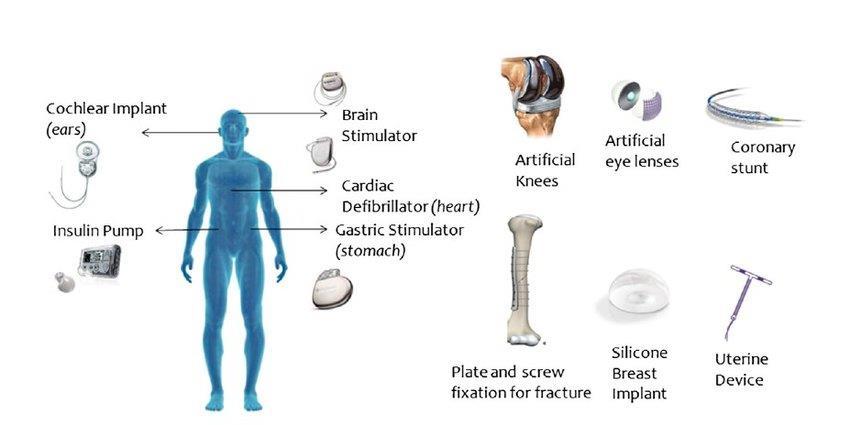
In a society that increasingly values inclusivity and diversity, the promise of bionic implants not only charts a course for medical advancement but also inspires a rethinkingofcapabilities.Aswestandontheprecipiceofa new era in medical innovation, the insights garnered from this research will illuminate the path ahead, showcasing how smart implants can empower individuals to reclaim their independence and navigate the complexities of daily lifewithnewfoundagency.
As the global population ages and the incidence of chronic conditions rises, the demand for innovative solutions in prosthetics and orthotics becomes increasingly urgent. Smart implants employ cutting-edge technologies such as sensors, artificial intelligence, and materials science to create responsive systems that adapt to the user’s movements and surroundings. These implants offer the potential to not just restore physical capabilities but also enhance sensory feedback and improve the user’s overall experience.

The incorporation of smart bionic limbs with neural interfaces and sensory feedback mechanisms marks a significant advancement in prosthetic technology. Here are some key aspects that highlight their impact and functionality:
1.Neural Integration: Smart bionic limbs can interpret electrical signals from nerves or muscles using sophisticated algorithms. By employing electromyography (EMG) or direct brain-computer interfaces (BCI), these devices facilitate more intuitive control, allowing users to performeverydaytaskswithgreaterprecisionandease.
2.Real-time Movement: Theability of these prostheticsto respond immediately to the user's intent mirrors the naturalreflexesofbiologicallimbs.Thisresponsivenesscan enhance user confidence and overall mobility, making activities such as walking, grasping, and balancing more fluidandeffortless.
3.Advanced Materials: Modern prosthetic limbs utilize lightweightanddurablematerials,suchascarbonfiberand specialized polymers. These materials not only contribute to the strength and longevity of the devices but also enhance comfort by conforming better to the user's body andreducingfatigueduringextendeduse.
4.Sensory Feedback: One of the most groundbreaking featuresofsmartprostheticsissensoryfeedback.Userscan experience sensations such as pressure, temperature, and texture through embedded sensors that relay information backtothebrain.Thisbidirectionalcommunicationfosters a more natural interaction with the environment and can significantly improve the user's ability to manipulate objectsandnavigatevariousterrains.
5.Personalized Adaptation: Advanced prosthetic systems often come with machine learning capabilities that allow them to adapt to the user's unique movements and preferences. Over time, the device can fine-tune its responsesbasedontheuser'swalkingpatternsorgripping style,leadingtoamorepersonalizedexperience.
6.Interdisciplinary Collaboration:Theevolutionofsmart bionic limbs is a result of collaborative efforts in engineering, robotics, neuroscience, and rehabilitation. Innovations in each of these fields contribute to creating moresophisticatedanduser-friendlydevices.
7.Future Potential: As technology continues to advance, the potential for integration with augmented reality (AR) and artificial intelligence (AI) may further enhance the capabilities of prosthetics. Future innovations may lead to evenmoreseamlesscontrolandinteractionwiththedigital andphysicalenvironment,furtherimprovingusers'quality oflife.
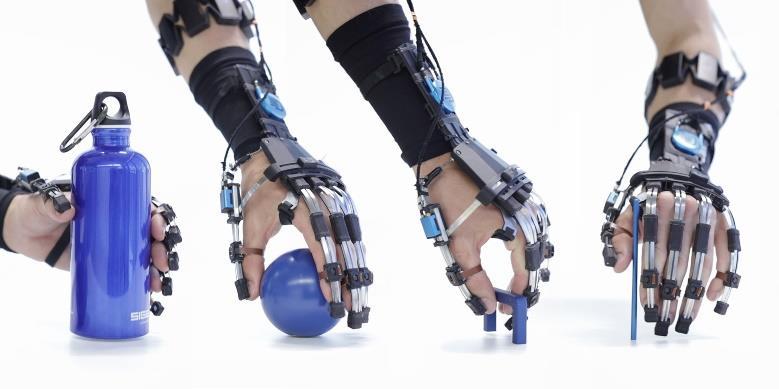
Neural implants and brain-computer interfaces (BCIs) are at the forefront of medical technology, offering transformative potential for individuals living with disabilities such as paralysis, blindness, and cognitive impairments. These advancements not only enhance the quality of life but also promote greater autonomy and functionalindependence.
3.1Motor
BCIs are revolutionizing rehabilitation and assistive technology by allowing paralyzed patients to regain some degree of mobility. By interpreting electrical signals from thebrain,thesesystemscanenableuserstocontrolrobotic arms or exoskeletons purely through thought. This direct brain-to-device communication reduces reliance on caregivers and empowers users to perform daily tasks independently.
3.2
Innovative approaches are being explored for restoring vision in blind individuals. Experimental techniques, such as microelectrode arrays implanted in the visual cortex, have shown promising results, allowing some users to perceive light and basic shapes. These implants convert visualinformationfromacameraintoelectricalstimulation patterns that the brain can interpret, providing a new channel for sensory input and improving navigation and spatialawareness.
3.3
Neural implants are also being developed to assist Cognitive functions, particularly memory retention for those with neurodegenerative diseases like Alzheimer's. These implants aim to enhance synaptic connections and brain signaling, potentially improving memory recall and cognitive functions. By providing targeted stimulation or reinforcement of specific neural pathways, these devices could mitigate some of the effects of cognitive decline and supportdailylivingskills.
International Research Journal of Engineering and Technology (IRJET) e-ISSN: 2395-0056 Volume: 11 Issue: 12 | Dec 2024 www.irjet.net p-ISSN: 2395-0072
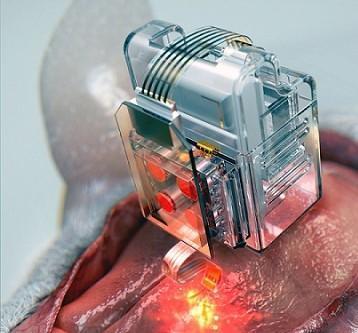
Theadvancementoftechnologyinorthopedic implantshas led to the development of smart devices that significantly enhance patient mobility and accelerate recovery times. Theseinnovations are particularlyevident in the realmsof spinal implants and customized solutions, which offer unprecedentedbenefitsforpatientsundergoingorthopedic procedures.
Smart spinal implants represent a revolutionary approach tospine stabilizationand painmanagement. These devices are equipped with sensors that provide real-time feedback on the biomechanical forces acting on the spine. By continuously monitoring pressure, movement, and load, these implants can detect anomalies and alert healthcare providerstopotentialcomplicationsearlyon.
4.2
Electrical Stimulation: Many of these implants incorporateelectricalstimulationtechnologiesthat promote bone growth and tissue regeneration. By delivering targeted electrical impulses, they can enhance the natural healing process, making recoverymoreefficientandlesspainful.
Adaptive Design: These smart devices may adapt theirfunctionbasedonthepatient’sactivitylevels. For instance, they can modify stiffness or provide additional support as needed, allowing for better functionaloutcomesandincreasedcomfort.
Data Analytics: The data collected through these sensorsnotonlyaidsinindividualpatientcarebut can also be aggregated for ongoing research to improvetreatmentprotocolsandoutcomes.
4.3 Customized Solutions through 3D Bioprinting
3Dbioprintingis transformingthelandscapeoforthopedic implants by enabling the creation of highly customized solutions that cater specifically to the anatomical needs of individual patients. This technology allows for the fabricationofimplantsthatarenotonlytailoredintermsof shape and size but also incorporate biomaterials designed to enhance biocompatibility and integration with surroundingtissues.
Improved Fit and Integration: Custom-fit implants reduce the risk of complications often associatedwithmisalignedorpoorlyfitteddevices. This precise tailoring enhances osseointegration, leadingtobetterlong-termoutcomes.
Reduced Surgical Risks: By minimizing the need for additional adjustments during surgery, customized implants can shorten operation times andenhanceoverallsurgicalpredictability.
Personalized Healing Environment: The materials used in 3D-printed implants can be chosen to match the biological and chemical environment of the patient’s body, further promotinghealingandcomfort.
4.5 Future Directions
Astechnologycontinuesto evolve,thefutureoforthopedic and spinal solutions appears promising. The integration of artificial intelligence (AI) with smart implants could revolutionizepatientmonitoringandoutcomesbyutilizing advancedalgorithmstopredictcomplicationsandoptimize rehabilitationstrategies.
Additionally, ongoing research in bioactive materials and smart polymers may pave the way for implants that not onlyprovidestructuralsupportbutalsoactivelyparticipate in the healing process, potentially altering the way orthopediccareisapproachedanddelivered.
Inconclusion,thenextgenerationoforthopedicandspinal solutions, driven by smart technology and customized design, is set to elevate patient care standards, making surgeriessafer, recovery faster,andlifeafter surgery much morefunctionalandpain-free.
International Research Journal of Engineering and Technology (IRJET) e-ISSN: 2395-0056 Volume: 11 Issue: 12 | Dec 2024 www.irjet.net p-ISSN: 2395-0072
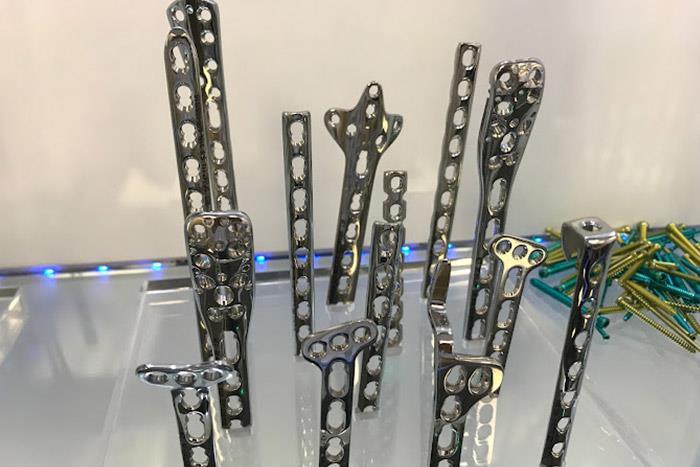
Fig-3 OrthopedicImplants:EnhancingtheQualityofLife forPatients
5.1
Smart Stents: Smart stents represent a significant evolution in the treatment of cardiovascular diseases. Traditional stents are designed to keep arteries open after procedures such as angioplasty. However, smart stents are embeddedwithsensorsthatallowthemtomonitorvarious physiological parameters in real time, such as blood flow, pressure,temperature,andevenbiochemicalmarkers.
Autonomous Monitoring: These stents can deliver information wirelessly to healthcare providers, enabling real-time monitoring of a patient's condition. If an anomaly is detected for instance,achangeinbloodflowthatmightsuggest a blockage the system can alert healthcare professionalsorevenadjustthestent'spositionifit isdesignedtodoso.
Enhanced Outcomes: Bycontinuouslymonitoring these parameters, smart stents help in tailoring treatment plans and improving patient outcomes. They can potentially reduce complications and the needforfollow-upprocedures.
Smart Valves: Similar to smart stents, smart heart valves can adjust to changes in hemodynamics (blood flow) to optimizeheartfunction.
Dynamic Adaptability: These valves can react to varying blood pressure and flow conditions, ensuring that the heart pumps blood more efficiently. They may also incorporate sensors to monitor the heart’s performance, informing doctorsaboutthepatient'scardiacstatus.
Remote Management: Like smart stents, smart valves can transmit data to health providers,
allowing for remote monitoring and early interventionifproblemsaredetected.
Implantable Neurostimulators: Neurostimulators are advanced devices used to manage epilepsy. They can be implantedwithinthebrainandworkbydetectingabnormal electricalactivityassociatedwithseizures.:
Seizure Prediction and Prevention: These devices are equipped with algorithms that can identify patterns indicative of an impending seizure. When such patterns are detected, the device activates to deliver a mild electrical stimulation to the brain, disrupting the seizure's development.
Enhanced Quality of Life: This preventive approach can significantly enhance the quality of life for individuals with epilepsy, reducing the frequency and severity of seizures. For many patients, it can mean fewer medications and side effects.
Adaptive Technology: Someneurostimulatorscan learnfromthepatient'sseizurepatternsovertime, constantlyadaptingtheirresponsetoprovidemore effectivemanagement.
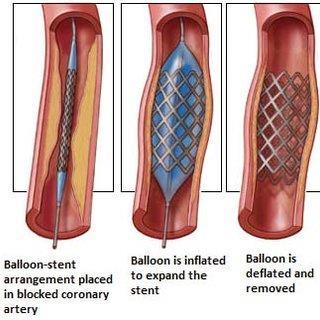
Fig-3 Schematicrepresentationofthemajor limitationsassociatedwithcardiovascularstents.
Neuralimplantsoftencomewithaheftypricetagduetothe advanced technology and research required to develop them. This high cost can limit access for patients in low-
International Research Journal of Engineering and Technology (IRJET) e-ISSN: 2395-0056
Volume: 11 Issue: 12 | Dec 2024 www.irjet.net p-ISSN: 2395-0072
income settings, creating disparities in healthcare access. These disparities may exacerbate existing inequalities, as wealthier individuals or those in more developed regions arebetterabletotakeadvantageoftheseinnovations.
The introduction of neural implants poses significant ethical dilemmas, particularly in regards to privacy. Questions arise concerning who owns the data generated by these implants and how that data might be used or misused. There is also the potential for coercion in decision-making for individuals, especially in scenarios where employers or insurers might leverage brain data for gain,raisingfearsaboutautonomyandconsent.
The biocompatibility and durability of neural implants present ongoing challenges for researchers. These devices mustbedesigned tofunctionseamlessly withinthehuman body without causing adverse reactions. Long-term functionalityisalsocritical,asissuessuchasinflammation, infection, or mechanical failure could undermine efficacy and patient safety. Continuous research is needed to develop materials and designs that enhance the longevity andfunctionalityoftheseimplantswhileminimizingrisks.
Addressing these challenges will be crucial for the responsible development and implementation of neural implant technologies. Strategies such as subsidies, public health policies, and rigorous ethical guidelines could help mitigate some of these concerns, ensuring broader accessibilityandethicaluseofneuralimplanttechnologies.
7.Future Directions
The field of medical implants is on the cusp of significant transformation, driven by several groundbreaking innovations thatpromise to enhance patient outcomes and revolutionizehealthcare.Keyadvancementsinclude:
1. Enhanced Durability and Miniaturization of Implants: Ongoing research is focused on developing materials that not only increase the lifespanofimplantsbutalsoallow forsmaller,less invasive devices. This miniaturization can lead to reduced surgical risks, faster recovery times, and improvedcomfortforpatients.
2. Integration with the Internet of Medical Things (IoMT): The incorporation of IoMT in medical devices enables real-time monitoring of patient health data. This connectivity facilitates proactive health management, where healthcare professionals can gather insights on patient progressandinterveneearlywhenpotentialissues arise. Remote monitoring can greatly increase
patient engagement and adherence to treatment plans.
3. Wider Adoption of 3D Bioprinting: The prevalence of 3D bioprinting is set to reshape the landscape of custom implants. This technology allowsforthecreationofpatient-specific solutions that not only fit anatomical requirements but can also be produced at lower costs. By personalizing implants, 3D bioprinting can improve surgical outcomesandpatientsatisfaction.
4. Smart Sensor Technologies: Developments in sensortechnologiesembeddedwithinimplantscan provide valuable data on variables such as pressure, temperature, and biochemical markers. This information can enhance clinicians' ability to monitor implant performance and patient health, leading to timely interventions and personalized treatmentadjustments.
5. Regenerative Medicine Synergies: The integration of regenerative medicine techniques, includingstemcelltherapyandtissueengineering, with traditional implant technologies may offer new avenues for repairing or replacing damaged tissues more effectively. This convergence could lead to more biologically integrated implants that promotehealingandfunctionalrecovery.
As these advancements align to create smarter, more personalized medical solutions, the future of healthcare looks promising. Smart implants are poised to enhance independence and quality of life for millions worldwide, thereby transforming healthcare into a more patientcentredandeffectivedomain.Thisevolutionnotonlyholds potential for improved clinical outcomes but also fosters a moreproactiveandengagedhealthmanagementapproach.
8. Case Studies
Smart implants and bionic technologies have been transformative in restoring independence to individuals with disabilities or injuries. Here are several case studies thatillustratetheimpactoftheseadvancements:
Patient Profile: Sarah, a 28-year-old woman who lost her hearingduetoaviralinfection.
Implant:CochlearImplant
Experience:Sarahunderwentsurgerytoreceiveacochlear implant,whichbypassesdamagedhaircellsintheinnerear and directly stimulates the auditory nerve. Post-surgery, Sarah attended auditory rehabilitation sessions to adapt to thenewsounds.
International Research Journal of Engineering and Technology (IRJET) e-ISSN: 2395-0056
Volume: 11 Issue: 12 | Dec 2024 www.irjet.net p-ISSN: 2395-0072
Outcome: After several months of therapy, Sarah regained her ability to engage in conversations, reunited with friends,andreturnedtoherjob,significantlyimprovingher quality of life. The implant restored her independence by enablingsocialinteractionsshehadmissedforyears.
Patient Profile:John,a35-year-oldmanwholosthislegin amotorcycleaccident.
Implant:BionicProstheticLimbwithNeuralInterface
Experience: John was fitted with a state-of-the-art prosthetic leg that integrates a neural control system. Electrodes implanted in his residual limb read his neural signals, allowing him to control the prosthetic using his thoughts.
Outcome: After a rehabilitation period, John learned to walk, run, and navigate stairs with the bionic leg. He praised the technology for providing a level of control that felt natural. This innovation restored his mobility and allowed him to return to an active lifestyle, including playing sports, which greatly improved his mental health andindependence.
These case studies highlight the remarkable capabilities of smart implants and bionic technologies in restoring independencetoindividualswithdisabilities.Astechnology continues to advance, we can expect even more innovative solutions that will further improve the lives of those who rely on them. These advancements not only enhance physical capabilities but also significantly impact mental andemotionalwell-being,allowingindividualstoleadmore fulfillinglives.
8.Conclusion
As we stand on the precipice of a new era in medical technology,theadvancementsinsmartimplantsandbionic systems are profoundly transforming the landscape of rehabilitation and independence for individuals with disabilities.Theseinnovationsarenotmerelytechnological feats; they represent hope, autonomy, and a resurgence of possibility for those who have faced physical limitations duetoinjury,disease,orcongenitalconditions.
Smart implants equipped with advanced sensors and AI capabilities are enabling more intuitive control and interactionwiththeenvironment.Examplessuchasneural interfaces and prosthetic limbs that can respond to brain signalsorprovidesensoryfeedbackareredefiningtheuser experience. These implants not only restore lost functions but also enhance the quality of life by allowing users to engageinactivitiesthatwereonceconsideredimpossible.
Moreover, the integration of telemedicine and remote monitoring with smart implant technology ensures that
patients receive continuous support and adjustments from healthcare providers. This capability is particularly significant for individualized rehabilitation programs, which can be tailored and refined based on real-time data, fosteringmoreeffectiverecoverypaths.
In the broader spectrum, the implications of such advancementsextendbeyondtheindividual;theychallenge societal perceptions of disability and redefine what is possible. As bionics continue to evolve, we can anticipate not only a decrease in the barriers faced by people with disabilities but also a shift in societal attitudes that embraceinclusivityanddiversity.
Inconclusion, the journey towardsrestoringindependence through smart implants and bionics is ongoing, yet the stridesmadetodateilluminateafuturefilledwithpromise. As researchers, engineers, and medical professionals continue to collaborate and innovate, we inch closer to a world where technology seamlessly integrates with the humanexperience,empoweringindividualstoreclaimtheir agency and live life to its fullest potential. The pursuit of these groundbreaking solutions underscores a collective commitment to improving human well-being, illustrating that with each technological advancement, we move one stepclosertoamoreinclusiveandequitablesociety.
While still in its early stages, the integration of quantum computing with deep learning shows immense potential. Current challenges include hardware limitations and algorithmic complexity, but ongoing research is making stridestowardscalableandpracticalapplications.Asthese fields continue to evolve, their collaboration could revolutionize industries, offering faster, more efficient solutions to problems previously considered unsolvable withclassical approaches.Thefuture ofthisintersectionis full of exciting possibilities, marking a new era for both AI andquantumtechnologies.
[1] Burny F, Donkerwolcke M, Moulart F, et al. Concept, design and fabrication of smart orthopaedic implants. Med Eng Phys. 2000;22(7):469–479.[DOI] [PubMed] [Google Scholar]
[2]Andreu-PerezJ,LeffDR,IpHM, YangGZ.Fromwearable sensors to smart implants-toward pervasive and personalized healthcare. IEEE Trans Biomed Eng. 2015;62(12):2750–2762.[DOI][PubMed][GoogleScholar]
[3]O’Connor C, Kiourti A. Wireless sensors for smart orthopedicimplants.JBioTriboCorros.2017;3:20.[Google Scholar]
[4]Sell P Instrumented implants in orthopedics. J Biomed Eng. 1989;11 (2):111–112.[DOI] [PubMed] [Google Scholar]
International Research Journal of Engineering and Technology (IRJET) e-ISSN: 2395-0056 Volume: 11 Issue: 12 | Dec 2024 www.irjet.net p-ISSN: 2395-0072
[5]Ledet EH, D’Lima D, Westerhoff P, Szivek JA, Wachs RA, BergmannG.Implantablesensortechnology:fromresearch to clinical practice. J Am Acad Orthop Surg. 2012;20(6):383–392.[DOI][PubMed][GoogleScholar]
[6]Korduba L, Grabowsky M, Uhl RL, Hella MM, Ledet EH. RFID as a testbed for integration of low frequency RF sensors into orthopaedic implants. J Med Devices. 2013;7:011008.[GoogleScholar]
[7]Roberts V Strain gage techniques in biomechanics. Exp Mech.1966;6(3):19A–22A.[GoogleScholar]
[8]Murray WM, Miller WR. The Bonded Electrical Resistance Strain Gage: An Introduction. New York: Oxford UniversityPress;1992.[GoogleScholar]
[9]Graichen F, Rohlmann A, Bender A, et al. Instrumented Orthopaedic Implants for Wireless Load Measurements. Berlin: Technical Aids for Rehabilitation; 2007:85–86.[GoogleScholar]
[10] Graichen F, Bergmann G. Four-channel telemetry system for in vivo measurement of hip joint forces. J BiomedEng.1991;13(5):370–374.[DOI][PubMed][Google Scholar]
[11]Graichen F, Arnold R, Rohlmann A, Bergmann G. Implantable 9-channel telemetry system for in vivo load measurements with orthopedic implants. IEEE Trans BiomedEng.2007;54(2):253–261.[DOI][PubMed][Google Scholar]
[12]Bergmann G, Graichen F, Siraky J, Jendrzynski H, Rohlmann A. Multichannel strain gauge telemetry for orthopaedic implants. J Biomech. 1988;21(2):169–176.[DOI][PubMed][GoogleScholar]
[13]BergmannG,GraichenF,RohlmannA,etal.Designand calibrationofloadsensingorthopaedicimplants.JBiomech Eng. 2008;130(2): 021009.[DOI] [PubMed] [Google Scholar]
[14]BergmannG,GraichenF,RohlmannA.Hipjointcontact forces during stumbling. Langenbecks Arch Surg. 2004;389(1):53–59.[DOI][PubMed][GoogleScholar]
[15]Rydell NW. Forces acting on the femoral headprosthesis. A study on strain gauge supplied prostheses in living persons. Acta Orthop Scand. 1966;37(Suppl 88):1–132.[DOI][PubMed][GoogleScholar]
2024, IRJET | Impact Factor value: 8.315 | ISO 9001:2008