
Title: - Ethical and Eco-Friendly Fashion: An Evaluation on Cruelty-Free Clothing.
Author- Subarna Ghosh Assistant Professor-1,Amity School of Fashion Technology Amity University, Rajarhat, NewTown Kolkata- 135Abstract: - The significance of Ethical fashion can be precisely stated in several ways, but as it is core, it refers to clothing, accessories, and other articles that are produced in a way that is considered to be environmentally and socially accountable. This includes products that are made from sustainable materials and are produced by fair trade practices. In a way that does not negatively impact the environment. There are several reasons why ethical fashion is valuable. First and foremost, it is significant to consider the impact our clothing selections that have on the environment. It is known that the fashion industry is one of the second largest polluters in the world, and so by choosing to buy ethical and sustainable fashion products, we can help to reduce our environmental influence. It is also essential to understand the social and economic impacts while opting to buy clothing. The fashion industry is one of the largest employers in the world, and so the working conditions and wages of workers in the industry are a major concern. Unfortunately, many workers in the fashion industry are paid very low wages and work in poor environments. By choosing ethical fashion, we can help to improve the working conditions and earnings of workers in the industry. It is also important to consider the impact of our clothing choices on the animals that are used in the fashion industry. These creatures are often treated poorly in the fashion industry, and so by choosing ethical fashion, we can help to reduce their suffering too. Not only about the animal suffering but also not killing the insects with pesticides for growing crops & plants (in concern with natural fibers) and Silk Rearing. The boiling of Silkworm cocoons in the sericulture process has come under severe criticism from individuals and organizations. Campaigns have been formed to protest the inhumane treatment of Silkworms by the People for the Treatment of Animals (PETA). This Chapter is a concern and awareness to consumers, designers, and exporters to have empathy for these living organisms. Adapt the habit of Ethics and Sustainable. Therefore, vegan leather (by non-killing of animals) should be adopted by brands and designers.
Keywords: -
Ethical Fashion, Environment, Sustainable, Fashion Industry, Vegan leather and Animal killing
Introduction:-
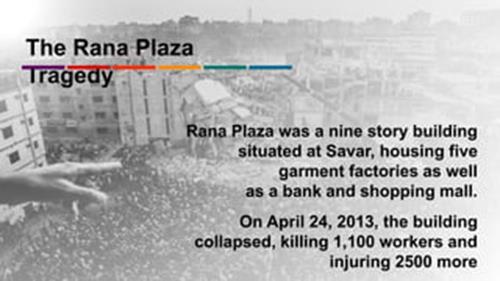
Thedescriptionofethicalfashionistodescribeethicaldesign,production,retail,andpurchasing.Thiscoversarangeof issues suchasworkingconditions,exploitation,fairtrade,sustainableproduction,environment,andanimalwelfare.Whenethicsare discussed within the context of fashion, it most often refers to the treatment of people in the stages of raw material, processing, and manufacturing. In the most ideal sense, ethical fashion benefits those working along the supply chain and creates a better future for everyone not just for those at the top. Ethical fashion covers a wide range of issues such as living wages, working conditions, health and safety, forced-to-work, and child labor. It means going beyond merely following local labor laws. Ethical fashion can also include fair treatment of animals, vegan, and cruelty-free fashion. (Animal liberation, P Singer2004). Ethicalfashionisatinybitdifferentfromsustainablefashion,itfocusesmoreonthesocialimpactofthefashion industry,whichmeans"morallyright".MostofusknowaboutthetragedythathappenedinaBangladeshgarmentfactory.We startedtalkingabout"ethical fashion"alotafterthecollapseoftheRanaPlazain2013,(Reinecke&Donaghey,2015)aswe started realizing the extreme conditions in which clothes are manufactured. In the last decade or so, fast fashion has taken over the industry and left carnage in its path. Large brands have been notorious for underpaying and overworking their employeesinfactorysettings.Thishasresultedinmostpeople'sinterpretationof"ethicalfashion"asoneindirectresponseto that.
Research Methodology:-
Thispaperaimstostudytheethicalfashionwhichbenefitstheentirefashionindustry,itconsistsofdesigners,brandowners, manufacturers, and consumers. This research paper is based on primary data and secondary data. It is conceptual in nature and is based on the examination of different research that has been done. The sources are taken from journals, books, my dissertation, and other authenticmaterials.The primaryobjective of the study is to extend the understanding ofsustainable design practices with ethical fashion and shed light on designers' work in a sustainable minded. The following research questionsguidedthestudy:
Howaresustainabilityandethicalfashionintegratedintothedesignpracticesofgarmentcompanies?
Whatroledoesaclothingdesignerplayinthisrespect?(EssiKarell&KirsiNiinimaki ,4thJune2020)
Whataretheissuesandproblemsfacedbythefashionandtextilesindustries?
These questionshelpus to discusswhatthe designers' influences on the environmental andsocial impactsof fashionare.In this context, a topic that has received much attention is 'sweatshops' (or sweat factories), which refer to workplaces with unacceptable working conditions (Wilson 2003). This topic on cruelty free leather is certainly quite sensitive, as companies may feel that their practices are judged in some way. Therefore, an online survey was done to understand the domain of ethicalfashionamongconsumersandtheiracceptanceofsustainableandethicallymadeclothing.Asweknow,leathercanbe obtained from cows, goats, sheep, pigs, and even alligators, snakes, crocodiles, etc. Killing innocent creatures should be abundant.Nothingcanbefashionableforthesakeofkillinganimalsfortheirskin.
1.1 Fashion Ethics: -Theriseindemandforveganleatherthatdoesn'tcomefromanimalsanddoesn'thurttheenvironment haspusheddesignerstofindsustainableandethicalleatheralternativestokeepupwithconsumerdemand.(AndersHaug and Jacob Busch Sept 2015) ).The practice of crafting cowhide into wearable leather has been around for centuries (some even suggestsince1200BC!),butwithnewtechnologyandinnovation,weareusingallsortsofresourcestomakefabricsthatact likeleather,minustheanimal.ThethreepillarsofEthicalFashionare:- Social Good , Planet Friendly & Animal-Free
Social Good :-Thismeansfairwages,fairtradecertifications,andaccesstogoodworkingconditions.Onebrandthatisfully committed to doing Social Good for the community in comparison to ethics is Vildnis. They work exclusively with small factoriesbasedinPortugalandIndia.Keepingmanufacturinginafewplacesallowsthemtovisitthefactoriesmorefrequently andcheckthattheworkersaretreatedwell.

Planet Friendly: -Thefashionindustryisthesecondbiggestpollutingindustryintheworld(NumberonebeingOilandgas). Whenpeoplethink ofsustainablefashion,wethinkoftheenvironment.Byplanet,we meanallthingsearthly,likewater,the ground, and the climate. Another one we may have heard of is Slow Fashion. Which is opposite of Fast Fashion, and Fast Fashion is buying and throwing away clothes in landfills. Taking care of our clothes and keeping them in good condition so theycanlastlongerperiodisaphenomenonofslowfashion.Manyinnovativeethicalclothingbrandsarereusingoldfabrics to makenewtrendypieces.Somedogreatthingsliketheseupcycledandrecycledclothingbrands.Othersaremakingsustainable swimwearmadefromoceanplasticwaste.
Animal Cruelty-Free:- Thisonemightcomeasa shock tosomethinking'Howon earth canclothes harm animals?Animals can get hurt in multiple ways in the clothing industry. According to the Food and Agriculture, an organization of the United Nations,producesover300,000tonsofgoatskinsayear.Thankfully,manyethicalfashionbrandshavemadepositivechoices tostayawayfromsuchpractices.OneAnimalCruelty-freefashionbrandisETHICS. Thisbrandisasustainablefashionbrand based in UK and is a Peta Approved Vegan Brand. This means they ensure no animals are hurt during any part of their productionorusedintheirfabrics.
1.2 The Vegan leather industry
Vegan leather is made from many plant-based fibers, including pineapple leaves (Pinatex), cactus (Desserto leather), Apple Peels,Mushrooms,Coconuthusks,Mango,Seaweed,andBananapeels.Lab-grownleatherslikeMYLO,an"unleather"material madefrommycelium,arealsoburstingontothefashionscene.(Rollin2005).Asthesefibersareoftenusedasabyproductsof food industry, they're not creating a demand for a resource or extracting more from the planet, but rather using up or otherwise been thrown away. The awareness of fake fur as a vegan material and ethical alternative material has increased compared to that in the past however, fake leather is still recognized as an industrial material rather than a vegan material. Ethicalconsumersconsidertheenvironmentaleffectofpurchasingeco-friendlyproducts.(NSharma,RSaha,VRSreedharan,J PaulBusinessStrategyandtheEnvironment,2020)
Thefollowingarecruelty-freeveganleathersusedasclothingandaccessoriesinindustries.
1.3 Cruelty-Free Leather from Pineapple Leaves

Withpeople,animals,andkeepinginmindabouttheenvironment,thequestforsustainablematerials,inparticular,ananimal leatheralternativehasn'tstopped.Pinatexisamaterialresultingfrom'discarded'pineapple.Pinatexisanewwordformfrom 'Pina' the Spanish word for pineapple and 'Tex' which refers to the texture of pina fibers. Before Pinatex, pineapple leaves were considered rubbish and discarded. The Philippines, Brazil, and Hawaii were throwing away millions of tons each year. ThankstoPinatex'sinnovation,thesematerialshavegainedanewlife.Asadesigner,onecanuseitasacruelty-free(vegan) leatheralternativeinyourfashioncreations,looking goodwhilesavingthe environment,atthesametime.The advantageof usingtheleavesofthepineappleisrescuedfromwasteandturnedintoresourcesthatfashionbrandsareinto.

Anotherfantasticmaterial that'smakingrecent wavesisKoba.Koba isaninnovativetypeofanimal-freefurmadefromkelp seaweed. The innovation follows in the pace of ECOPEL, the very first bio-based fur company that has made vegan fur for manufacturing of apparel. After fashion houses began to ban animal fur, made from kelp has started to become increasingly popular. Right now, more than 300 leading fashion houses are using Koba fur. This has a great place regarding the future of sustainablefashionmadefromcorn.Kobaisfarmoresustainablethanfauxfurmadefromnylon,polyester,andotherplastic materials.

Withtherisingawarenesstowardsanimalcruelty,issuesplaguingtheindustry,andtheadventofCoiristhefibrousmaterial foundbetweenthehardshellandtheoutercoat ofacoconut.Asanaturalfiber,coirisusedinsimpleproductssuchasfloor mats, ropes, doormats, brushes, and mattresses. According to recent data an animal-free alternative to wool, which is Coir couldsaveover450,000tonsofcarbonemissionsonanannual basis.RecentinnovationshaveimprovedCoirtothepointof being used as a wool replacement in fashion and apparel products. Moreover, if blended with other materials, the coconut fabricaddsdryingfast.Thatmakesthismaterialexcellentforfitnessgear,asitkeepsthewearercool.ManyUSbrandssuchas PolarTec,Orvis,andMarmothavelaunchedtheircollectionsofCoir-basedbrands.
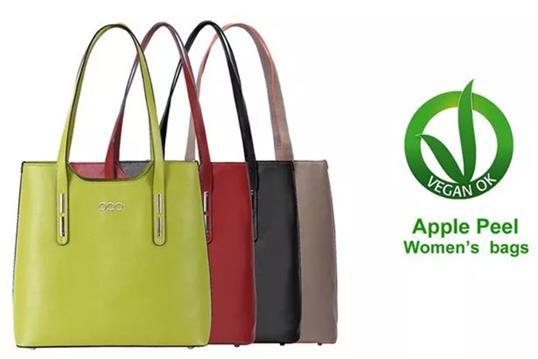
Appleleatherisaveganleather-likematerialthatiscompletelyfreefromanimals,makingittheperfectmaterialforanyone. ThematerialwasdevelopedbyFrumatandismadebyMabel,anItalianmanufacturer.Relativelynew,thematerial,whichis officiallynamedApple Skin, wasfirst madeinto bagsin 2019.Appleleather isa bio-basedmaterial,meaningthatitispartly biological:natural,andorganic.IntheTyrolregionofnorthernItaly,anenormousnumberofapplesaregrown.Whenmaking juiceorjam,theseeds,stalks,andskinsofapplescan'tbeused.Thesepeelsarecomposedofappleskinleather.Today,Frumat collectstheseotherwisewastedfruitscrapsandturnsthemintofashionablematerial.Theleftovers,liketheapplesturned to juice,arecrushed,andthennaturallydriedintoafinepowder.Thispowderisblendedwithakindofresinthatis,essentially, driedandlaidflatintoafinalmaterial appleleather.

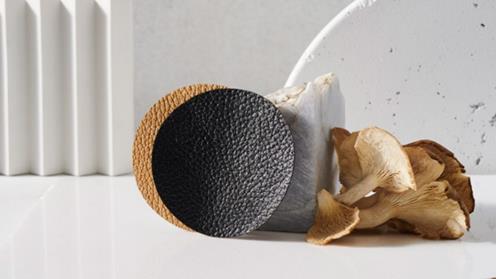
Mushroom leather is a vegan-friendly material used as a sustainable and environmentally friendly alternative to animal leather.Mushroomleatherismadefrommycelium,thevegetativepartofafungus.Myceliumisthenetworkoffilamentsthat form the underground thread-like structure of fungi. It is the branching structure of mushrooms, made from billions of tiny cells.


2395-0072
TheduoofDutchDesigner,HugodeBoonandKoenMeerkerktheco-founderofFruitLeatherfirstcameupwiththeconcept forFruitLeatherbackin2015.Hugoandhisfamilyhavebeenintheleatherbusinesssince1952,butthisisthefirsttimethey have processed vegan leather. The co-founder's dream is to decrease food waste while making the leather industry more environmentallyfriendly.Theveganleatherismadefromthousandsofmangoesthatwouldotherwisebethrownaway.Now, thiswasteisusedtomakejackets,wallets,handbags,andshoes.

1.9 Cruelty-free Silk from Banana Stem
Bananasasweknowareoneofthemostknownandlovedfruitsallovertheworld.But,apartfrombeinglovedforitsedible part,itseemsthatthisfruit willsoonfindloveforitsstems(abaca)aswell.Itissaidthatroughlyonebilliontonsof banana stemsarediscarded everyyear. Some researchershave found a waytotake these wastedstems and putthem togooduse –Abacaforfashion.Theconversionprocessrequiresaround35kilogramsofstems.Intheend,aboutonekilogramofsuper-soft fiberresults,readytobeturnedintotextiles.Abaca-basedfabricsaresuitableforbothhumansandtheenvironment.Fromall sustainablematerials,Abacarequireslessland,water,andfertilizerstogrow.Moreover,extractingtextilesfrombananastems requiresminimalenergyusageandlittlewaterconsumption.

Social awareness: - It is important and mandatory to aware consumers, designers, and people who belong to the Fashion Industryfollowtheethicalrules.Unfortunately,somepeoplehavemisunderstoodthemeaningoffashion.Ifwelookathistory, wewillfindthatpeopleofthePrehistoricperiodhuntedanimalsfortheirskinsandfur.Butstillinthiserasurprisingly,even literatepeoplearenotawareofthehorroranimalsgothroughfortheirskinontheplanet.
Conclusion: - As we know most clothing materials today are made of polymer-based petrochemicals and other syntheticbasedfibers,whichareharmfultotheenvironmentandtothehumanbody.ToproducePolyesterkindsofmaterials,alotof energyandother resources areused whicharetoxic.Thealternativesaresustainableandethicallymadeclothingwhichisa goodchoice.Hence,switchingtoethicalfashionhelpsussignificantlywhichlowersourimpactontheenvironment.Alongwith this,eco-friendlyfabrics,andaccessoriessustainforaverylongtermafterwhichtheycanbere-purposeandreused.Hence,it
2395-0056 Volume: 11 Issue: 01 | Jan 2024
is important to consider the impact of our clothing choices whether the fabrics are made from vegan leather or the animal leather that are used in the fashion industry. As killing and taking the hides of animals are often treated poorly and so by choosing ethical fashion, we can help to reduce their suffering too. Always remember fashion should be delightful and not deadly,certainlynotatthecostofspeechlesscreatures.
References
[1].https://www.the-sustainable-fashion-collective.com/img/http/assets.the-sustainable-fashioncollective.com/assets/abaca_fiber_drying.jpg/1691758a866b9f40a2ee75e5de40172c.webp
[2].(EssiKarell&KirsiNiinimaki ,4th June2020.https://www.jameshillman.co.uk/blog/what-is-ethical-fashion [3].https://ethicalmadeeasy.com/is-vegan-leather-actually-better-for-the-environment/
[4].https://www.researchgate.net/publication/283192862_Towards_an_Ethical_Fashion_Framework(AndersHaugandJacob Busch)
[5].https://www.solenerauturier.com/blog/history-ethical-fashion
[6].https://www.sustainably-chic.com/blog/what-is-apple-leather
[7].https://www.textiletoday.com.bd/a-dutch-company-is-bending-mango-to-leather
[8].https://www.panaprium.com/blogs/i/pinatex-pineapple-leather
[9].JulianeReineckeandJimmyDonaghey2015)https://journals.sagepub.com/doi/10.1177/1350508415585028
[10].Rollin, B.E. The regulation of animal research and the emergence of animal ethics: A conceptual history. Theor. Med. Bioeth.2006,27,285–304.[GoogleScholar]
https://pubmed.ncbi.nlm.nih.gov/16937023/
[11].https://www.taylorfrancis.com/chapters/edit/10.4324/9780203495667-41/animal-liberation-peter-singer2004
[12]. Sharma, N.; Saha, R.; Sreedharan, V.R.; Paul, J. Relating the role of green self-concepts and identity on green purchasing behaviour:Anempiricalanalysis.Bus.StrategyEnviron.2020,29,3203–3219.[GoogleScholar][CrossRef]
Biography

I, Subarna Ghosh Assistant Professor-1 in Amity school of Fashion Technology , Amity University Kolkata. Mypassion istoexploremyknowledgeandskillsthroughresearchworkandshareamongstudents.Ihavepublishednumerousarticlesin e-magazines and published research papers in UGC care journals. My expertizations are in core Fashion Design practical subjects .Received “Bongo Samman” 2019 & 2022 for Fashion Educationin Kolkata. Copy right Published 2023,on “DevelopmentofTextilePrint:AninnovativeAloeprintsforMen,swear”.