
International Research Journal of Engineering and Technology (IRJET) e-ISSN: 2395-0056
Volume: 11 Issue: 12 | Dec 2024 www.irjet.net p-ISSN: 2395-0072

International Research Journal of Engineering and Technology (IRJET) e-ISSN: 2395-0056
Volume: 11 Issue: 12 | Dec 2024 www.irjet.net p-ISSN: 2395-0072
Samiksha Wagaj1 , Vaishnavi Gund2 , Sonali Mane3 , Divya Sapkal4 , prof.I.Y.Inamdar5, Prof.S.D.Pandhare6
1Student, Dept. of Computer Science & Eng., SMSMPITR, Akluj, Mharashtra, India
2Student, Dept. of Computer Science & Eng., SMSMPITR, Akluj, Mharashtra, India
3Student, Dept of Computer Science & Eng., SMSMPITR, Akluj, Mharashtra, India
4Student, Dept of Computer Science & Eng., SMSMPITR, Akluj, Mharashta, India
5Professor, Dept. of Computer Science & Eng., SMSMPITR, Akluj, Mharashtra, India
6Head of Department, Dept. of Computer Science & Eng., SMSMPITR, Akluj, Mharashtra, India
Abstract - This research proposes a robust bank locker security system integrating machine learning with face detection and OTP authentication. The system utilizes a stateof-the-art face recognition algorithm to accurately identify authorized users, ensuring that only legitimate individuals can access their lockers. This research is used for bank because when the customer comes to bank to deposit his valuables in the bank locker for the security of the locker and we have used face recognition and one time password through machine learning to check whether the customer who came is real or not. Using face recognition for bank locker security has made it easier to identify authorized persons, Because we have used two factor authentication i.e. one time password message is sent to the authorized person's phone so high security is for bank lockers. Bank locker security using machine learning with face detection and OTP authentication it is very useful for bank and high security for bank lockers.
Key Words: FaceDetection, OTPAuthentication,Machine Learning,etc.
TheInrecentyears,theimportanceofsecurityinbanking and financial institutions has escalated, with physical and digitalthreatsevolvingincomplexity.Acriticalcomponent ofbanksecurityistheprotectionoflockersystems,which storevaluableitemssuchasdocuments,jewelry,andother assets.Traditionalmethodsofaccessingtheselockers,such asphysicalkeysorPIN-basedsystems,canbevulnerableto theft,humanerror,orunauthorizedaccess.Asaresult,the banking sector is increasingly looking toward more advanced technologies, such as machine learning, biometrics, and multi-factor authentication (MFA), to enhance the security of their locker systems. One such innovative approach is the integration of face detection technologywithOne-TimePassword(OTP)authentication, poweredbymachinelearning.[1].Thiscombinedapproach aims to provide a robust, user-friendly, and highly secure systemforaccessingbanklockers.Banklockersecurityisa critical component of modern financial institutions, as it protects valuable assets and confidential documents from theftandunauthorizedaccess.Traditionalsecuritysystems,
relyingonphysicallocks,keys,andsurveillancecameras,are becomingincreasinglyvulnerabletosophisticatedsecurity threats and human error. To address these challenges, machinelearning(ML)hasemergedasapromisingsolution toenhanceandautomatelockersecurity.ByleveragingML algorithms,bankscandevelopintelligentsystemscapableof detectinganomalies,recognizingpatternsinaccessbehavior, andevenpredictingpotentialsecuritybreachesbeforethey occur. [2]. Bank locker security is a critical aspect of safeguardingvaluableassetsandsensitivedocumentsstored bycustomersinfinancial institutions. Traditional security measures,suchasPINcodes,passwords,andphysicalkeys, have proven to be vulnerable to various types of attacks, includingunauthorizedaccess,fraud,andsocialengineering. In light of these challenges, integrating machine learning (ML), face detection, and OTP (One-Time Password) authentication offers a robust and multi-layered security approachthatsignificantlyenhancestheprotectionofbank lockers. [3]. By incorporating face detection, banks can leverage biometric authentication, ensuring that only authorizedusersgainaccesstolockersbasedontheunique features of their faces. This biometric factor provides a highlysecuremethodofuseridentification,minimizingthe risks associated with stolen credentials or impersonation attempts. Additionally, OTP authentication introduces a secondlayerofprotection byverifyingthattheindividual attemptingaccesshasthecorrecttime-sensitivecodesentto their registered mobile device or email. [4]. Through machine learning, the system can continuously learn user behaviorpatterns,detectanomaliesinreal-time,andadapt to evolving security threats. For example, ML models can identifyabnormalloginattempts,flagsuspiciousbehaviors suchasmultiplefailedauthenticationattempts,orrecognize attempts to access the locker from unusual locations or devices.[5].
International Research Journal of Engineering and Technology (IRJET) e-ISSN: 2395-0056
Volume: 11 Issue: 12 | Dec 2024 www.irjet.net p-ISSN: 2395-0072
1 Locker Security SystemUsingFacial Recognition and OneTimePassword (OTP)
N. Anusha, A. Darshan Sai andB.Srikar
2 Bank Locker Security System using Machine Learning Right Yogesh Kumar, Vinay Dogra
The proposed locker security system aims to address current securityissuesby integrating IoT (Internet of Things), face recognition, and OTP (One-Time Password) technology. To accessthelocker, usersmustentera pre-set PIN, ensuring secure authentication beforeaccess.
This project proposes a bank locker security system that utilizes machine learning for face and liveness detection. By combining computer vision and machine learning algorithms, the systemaccurately identifies the individual attempting to accessthelocker andverifiestheir identitytoensure secureaccess.
4 AnIoTbasedBank Locker Security System J.Thirumalai , Gokul. R, Manellore Murali.M ,Jackson Jublience
identity. The coordinatesofthe detected motion aretracked,andif thefacecannotbe recognized, the system automatically passes the coordinatestoan anestheticgunto target the intruder.
3 Bank Locker Security System Using Machine LearningwithFace and At the same time, we Liveness Detection Priti Kandekar1, Aishwarya Pisare1,Rupali Margale1
This paper presents the design and implementationof a bank locker security system thatgrantsaccess onlytoindividuals whose faces are registered in the trainingdatabase. Thesystembegins by detecting human motion, followed by face recognition to verify the individual's
5 BankLockerSecurity System using Machine Learning with Face and
Thispaperfocuses ondevelopingan effective, selfoperatingsecurity system for bank locker rooms. In the event of a robbery, unauthorized access to the lockerroomarea canbedetectedby the proposed system. Traditional human-operated security systems often fail to identify robbers due to a lack of evidence. However, the development of advancedsensors has allowed for more proactive securitymeasures. To address the protection of sensitive documents and valuable items, the paper proposes an AutomatedSafety Vault with a Double Layered Defense Mechanism, offeringenhanced security for criticalassets.
Single line spacing Prof. Sunil M. Kale, Anuja Nair, Manasi Pagar, Oneofthemajor challenges facing financial systems todayisensuring the security of
International Research Journal of Engineering and Technology (IRJET) e-ISSN: 2395-0056
Volume: 11 Issue: 12 | Dec 2024 www.irjet.net p-ISSN: 2395-0072
LivelinessDetection
EshaKamble transactions. To address this, banksworldwide are increasingly adopting biometric authentication,as it is both convenient and widely accepted. Inofflinesettings, facialrecognition is often used to match digital selfies with ID documentphotos, and similar technologies are employed in automatic immigration controls. However, a key challenge is minimizing discrepancies between facial images from differentsources. To tackle this issue,wepropose a unique architecture that leverages deep featuresextracted using two wellestablished convolutional neural networks (CNNs)forcrossdomain facial matching. Data from the Face Bank collection demonstratesthat this approach effectively addresses the face-to-face comparison problem, achieving over 93% accuracy. The results suggest that this methodshouldbe integrated into real-world banking security systems for enhanced protection.
6 HIGHPROTECTION VOICE IDENTIFICATION BASED BANK LOCKERSECURITY SYSTEM WITH LIVE IMAGE AUTHENTICATION
G. VIJAYA LAKSHMI, M. KIRANMAI
7 IoT Based Bank LockerSystemusing OTPTechnology
As human civilization advanced, the need to secure valuable assets such as money, property, and jewelry became increasingly important.People began to store theirvaluablesin bank lockers for safekeeping. However, incidentsoffraud, where unauthorized individualsaccess lockersandsteal valuables, still occur.Toaddress this security threat,itiscrucial to authenticate the identity of individuals who wishtoaccessa locker. To enhancesecurity, asystemhasbeen proposed that combines voice identification,face detection, and GSM technology, ensuringthatonly authorized users can access the locker.
Dr. Sheeja V Francis,2 Rupus Daniel J,3SarathK, 4SurendarN, 5 Sathish KumarS. This paper proposesasecure bank locker systembasedon Fingerprint and OTP (One-Time Password) technology, designed for use in banks, offices, and homes. The system ensures that only authenticated individuals can accesstheirstored documents or money. Initially, users must register their username, password, and
International Research Journal of Engineering and Technology (IRJET) e-ISSN: 2395-0056
Volume: 11 Issue: 12 | Dec 2024 www.irjet.net p-ISSN: 2395-0072
mobilenumberin an authorized database.Oncethe username and password are verified, the person's fingerprint is captured and stored with a uniqueID.Ifthe fingerprint matches the storedID,afourdigitOTPissent to the user's mobile phone, whichisrequired to unlock the locker. Additionally, the system can maintainalogof check-in and check-out details for each user, along with basic information for enhancedtracking andsecurity.
8 Bank Locker Authentication SystemusingFacial Recognition Yash D. Satare,Saurabh Y Girme,Sagar Walunj
Security and authenticationare crucial in daily life,especiallyfor accessing bank lockers. This paperproposesa smartdigitaldoor lock system for bank automation that uses digital information, including user data and face recognition, for authentication.In thissystem,banks store face imprints of individuals for locker access, ensuring only authorized users can retrieve money or documents. The systememploysa Convolutional Neural Network (CNN) algorithm for facial recognition. However, facial
recognitionalone isnotenoughto verify authenticity,asit cannot confirm whether the personisrealora spoof.Toaddress this, liveness detection is implemented.The system uses eye blinkdetectionas part of the livenessdetection process,ensuring that the person interacting with thesystemislive, not a photo or otherfakeartifact.
FACE
Dr. Poonam Lambhate1 Aarshin Inamdar2, Rucha Gaikwad3, Vaishanavi Madane4, Mayuri Khedkar5,
Thecurrentwork presents the developmentofa smart locker system for the bankingindustry. A key feature of thissystemallows users to check whether their facialexpressions arenormalbefore accessing the locker.Thesmart lock application compares the user'sfacetothe datastoredinthe database. If the face appears abnormal or unfamiliar, the lockerwillremain locked. This process of identifyingknown orunknownfaces is referred to as face recognition. The goal of the systemistocreate ahybridbiometric authentication methodthatdoes not rely on specificbiometric hardware, ensuring flexibility and securityforusers.
10 Bank Locker AkashMote1, Ensuring the
International Research Journal of Engineering and Technology (IRJET) e-ISSN: 2395-0056
Volume: 11 Issue: 12 | Dec 2024 www.irjet.net p-ISSN: 2395-0072
Security System using Machine LearningwithFace and Liveness Detection KanhaiyaPatil1 , Akshay Chavan1 , MrunalSaraf1, Prof. Ashwini Pandagale2
security of transactions is a major challenge facing banking systems today. Biometric authentication, particularlyfacial recognition, is gaining widespread adoption due to its convenience andeffectiveness, with banks investing heavily in these technologies. In offline environments, faceimagesfrom IDdocumentsare oftencomparedto digitalselfies,and this approach is also used in broader applications,such as automatic immigration control.However, a significant challenge arises from the differences between facial images, which may come from various sources, suchasIDphotos andselfies.
To address this challenge, we propose a novel architecture for cross-domain facial matching, leveraging deep featuresextracted by two wellestablished Convolutional Neural Networks (CNNs). Results from a dataset called"FaceBank" demonstratethat the proposed method achieves over 93% accuracyinfaceto-face comparisons.This
high accuracy highlights the potential of the approach for inclusioninrealworld banking security systems, enhancing the reliability and security of identity verification processes.
This research proposes a hybrid authentication system combining face recognition and OTP verification to overcome the limitiations of traditional systems, offering highersecurity,reliability,andeaseofuse.
The scope of bank locker security using machine learning with face detection and OTP authentication includes enhancedmulti-layeredsecurity Machine learningmodels improve system adaptability by learning user behavior patterns,providingrobustprotectionagainstunauthorized access. Additionally, this system ensures compliance with regulatory standards while offering scalability and customizationfordifferentsecurityneeds.
Thissystemaimstoenhancetraditionalsecuritymeasures by incorporating multi-factorauthenticationtechniques.By leveraging machine learning algorithms for face detection andintegratingOne-TimePassword(OTP)verification,the system will provide a high level of accuracy, convenience, andsafetyforlockeraccessinbankingenvironments.
International Research Journal of Engineering and Technology (IRJET) e-ISSN: 2395-0056
Volume: 11 Issue: 12 | Dec 2024 www.irjet.net p-ISSN: 2395-0072
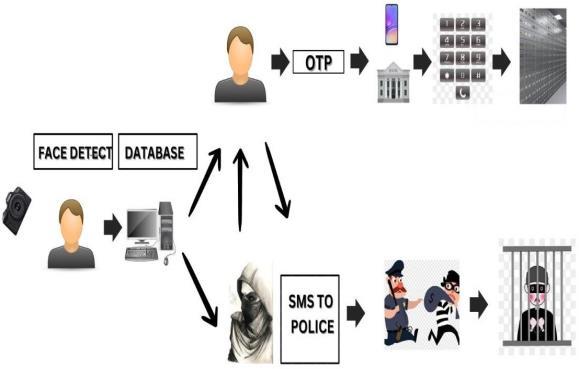
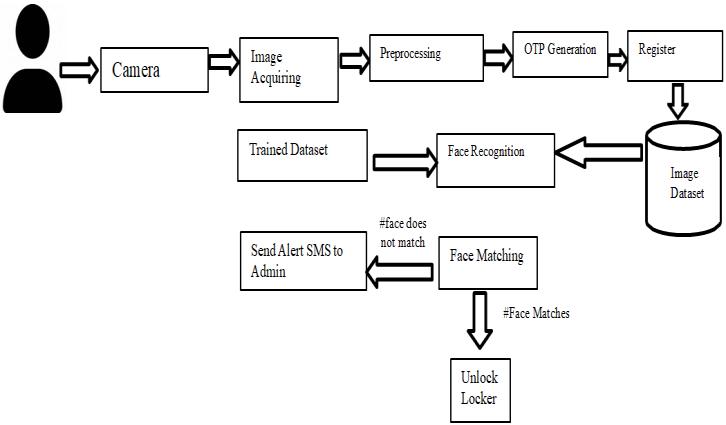
User: Themostessentialpartofsystemisitsuser.Firstly, user register their facial data along with their necessary details.
Face detection: Compare the detected face with stored facial data of authorized users. If a match is found to OTP generation;otherwise,accessisdenied.
OTP Authentication: Oncetheusersfaceisrecognized,an OTPissenttotheregisteredmobilenumber.
Locker access: Oncetheuserisauthorizedthenaccessing theeasilylocker.
2.1 Face Detection:
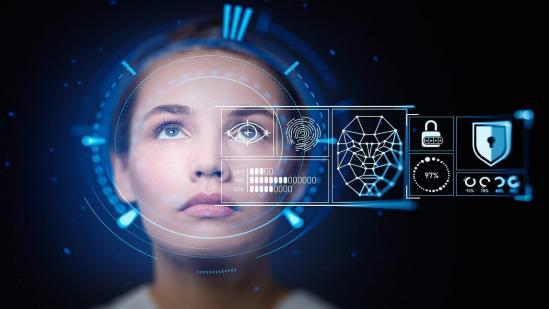
Facedetectionusingmachinelearningisafundamentaltask in computer vision that involves identifying and locating human faces within images or videos. It's a critical technology in applications like facial recognition, security systems, photo tagging, and augmented reality. Here's an overviewofhowfacedetectionworks,keytechniques,and popularmachinelearningalgorithmsusedinthistask.Face detection aims to find the location of one or more human faces in an image or video stream. The key challenge is distinguishing faces from other objects and backgrounds, evenwhentheyarepartiallyoccluded,appearatdifferent angles,orhavevariouslightingconditions.
2.2
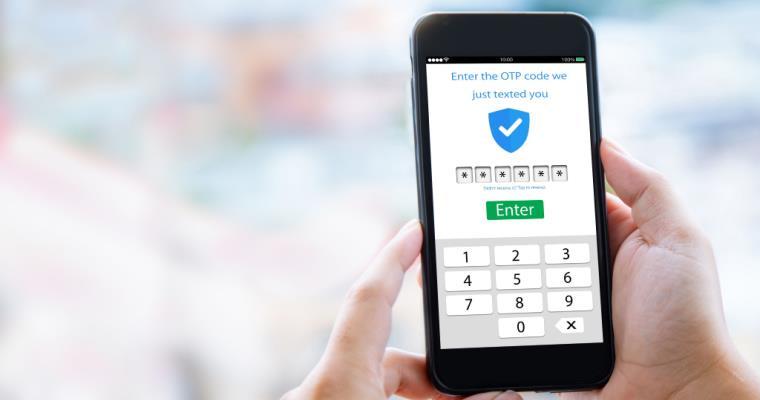
OTP (One-Time Password) Authentication is a security mechanismthatgeneratesauniquepasswordfora single use,enhancingthesecurityofuseraccounts.Itistypically used as part of two-factor authentication (2FA) systems, where the user must provide both something they know (e.g.,apassword)andsomethingtheyhave(e.g.,anOTPsent viaSMS,email,).OTPsareusuallyvalidforalimitedtimeora singlesession,whichprovidesanaddedlayerofsecurity.
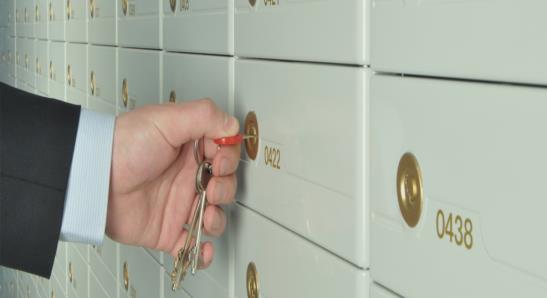
Oncetheuserisauthorizedthenaccessingtheeasilylocker. Abanklockeris asecure,privatestoragespacewithinabank orfinancialinstitution,wherecustomerscanstorevaluable items such as documents, jewelry, or other personal possessions.Theselockersaredesignedtoofferahighlevel ofsecuritytoprotectagainsttheft,fire,orotherrisks
3. Result
The system was evaluated under different conditions, including variations in lighting facial expressions, and the presence of accessories. The following key findings were observed:
FaceDetectionaccuracy:Thesystemachievedanaccuracy
Of95%undercontrolledlightingconditionsand85%under real-world conditions, such as dim lighting or facial Obstructions.
International Research Journal of Engineering and Technology (IRJET) e-ISSN: 2395-0056
Volume: 11 Issue: 12 | Dec 2024 www.irjet.net p-ISSN: 2395-0072
OTP Verification Time: OTPs were successfully delivered Within5secondsonaverage,withavalidationsuccessrate of99%.
The combination of face detection with OTP provided A significantimprovementinsecuritycompared totraditional methods, as the dual authentication layers Reduced the likelihoodofunauthorizedaccess.
In conclusion the Bank Locker Security System using Machine Learning with Face detection and OTP authentication is a reliable and efficient solution for enhancing the security of bank lockers. The system uses facialrecognitiontechnologytoaccuratelyidentifyusersand ensurethattheyarephysicallypresent,reducingthechances of unauthorized access. The integration of AI-based face recognition and OTP verification provides a robust, userfriendly and secure bank locker security system. It sets a new standard for protecting sensitive assets, offering a scalable solution that could be implemented in banks and financialinstitutionsworldwide,ensuringbothconvenience andsecurityinlockermanagement.
We would like to express our sincere gratitude to our advisor, Prof.I.Y.Inamdar, for their invaluable guidance, insightful comments, and continuous support throughout thisresearch.Wealsothank[SMSMPITR,Akluj]forproviding thenecessaryresourcesandfundingforthisprojectunder the grant [Bank Locker Security System Using Machine Learning]
[1] R.Usain,H.Jain,danS.Pratap,“Enhancingbanksecurity systemusingFaceRecognition,IrisScannerand Palm VeinTechnology,”20183rdInternationalConferenceon InternetofThings:SmartInnovationandUsages(IoTSIU),Bimetal,pp.1-5,2018.
[2] M.I.G.P.S.Wijaya,A.Y.Hosoda,andI.W.A.AriMbawa, “Realtimefacerecognitionbasedonfacedescriptorand itsapplication,”TelkomNika,vol.16,no.2,pp.739–746, April2018.
[3] Face Liveness Detection with Recaptured Feature Extraction2017InternationalConferenceonSecurity, PatternAnalysis,andCybernetics(SPAC)978-1-53863016-7/17C2017IEEE.
[4] X.Liu,R.LuandW.Liu,"Facelivenessdetectionbased on enhanced local binary patterns," 2017 Chinese AutomationCongress(CAC),Jinan,2017,pp.6301-6305.
[5] K. Patel, H. Han, and A. K. Jain, “Secure Face Unlock: SpoofDetectiononSmartphones,”IEEETrans.Inf.
[6] ForensicsSecure.,vol.11,no.10,pp.2268–2283,2016..
[7] Di Wen, Hu Han, and A. K. Jain, “Face Spoof Detection with Image Distortion Analysis,” IEEE Trans. Inf. ForensicsSecure.,vol.10,no.4,pp.746–761,2015.
[8] S.Turnagain,N.Pooh,D.Windridge,A.Oorlam,N.Suki, andA.T.S.Ho,“Detectionoffacespoofingusingvisual dynamics,”IEEETrans.Inf.ForensicsSecure.,vol.10,no. 4,pp.762–777,2015.
[9] G.-B.Huang,Z.Bai,L.L.C.Kasun,andC.M.Voong,“Local Receptive Fields Based Extreme Learning Machine,”IEEECompute.Intel.Mag.,vol.10,no.2,pp. 18–29,2015.
[10] Nallapa Reddy, Anusha & Sai, A & Srikar, B.(2022). LockerSecurity System Using Facial Recognitionand OneTimePassword(OTP).
[11] Amit Verma, “A Multi Layer Bank Security System,” International Conference on Green Computing, Communication and Conservation of Energy (ICGCE), 2013.
[12] A Multi Layer Bank Security System by Amit Verma, publishedin2013'sInternationalConferenceonGreen Computing,Communication,andEnergyConservation (ICGCE).
[13] K. D. Kulat, A. G. Keskar, and V. R. Satpute. "A novel methodologybasedon2D DWTandvariancemethod forpeopledetectionandtrackinginvideosurveillance applications"IEEE,2014.9thInternationalConference onIndustrialandInformationSystems(ICIIS).
[14] R. Gusain, H. Jain and S. Pratap, "Enhancing bank security system using Face Recognition, IrisScanner and Palm Vein Technology," 2018 3rdInternational Conference On Internet of Things: Smart Innovation and Usages (IoT-SIU), Bhimtal, India, 2018, pp. 1-5, doi: 10.1109/IoT-SIU.2018.8519850.