
International Research Journal of Engineering and Technology (IRJET) e-ISSN: 2395-0056
Volume: 11 Issue: 12 | Dec 2024 www.irjet.net p-ISSN: 2395-0072

International Research Journal of Engineering and Technology (IRJET) e-ISSN: 2395-0056
Volume: 11 Issue: 12 | Dec 2024 www.irjet.net p-ISSN: 2395-0072
Jayesh A Mane1 , Prof. V. V. Nair2
1PG student, Department of Civil Engineering, Padmabhooshan Vasantraodada Patil Institute of Technology, Budhgaon, Sangli, Maharashtra, India.
2Asssistant Professor, Department of Civil Engineering, Padmabhooshan Vasantraodada Patil Institute of Technology, Budhgaon, Sangli, Maharashtra, India. ***
Abstract - Seismic analysis of multistorey buildings is crucial in ensuring their safety and stability during earthquakes. The shape of a building significantly influences its seismic performance, as it affects the distribution of mass, stiffness, and the way lateral forces are resisted. This paper presents a comparative seismic analysis of multistorey buildings with different geometric configurations, including rectangular, L-shaped, I-shaped, and C-shaped plan layouts. The study explores how these various shapes respond to seismic loads, focusing on factors such as Base shear, Storey displacement and Storey drift Seismic analysis techniques, such as linear static, dynamic response spectrum, and time history analysis, are reviewed for each building shape. The findings reveal that regular shapes like rectangular and squarebuildings generallyexhibitmorepredictableandstable responses to seismic forces, while irregular shapes (such as LshapedI-shapedstructures)experiencemorecomplexdynamic behaviors, often requiring additional reinforcement and specialized designstrategies. Overall, this reviewunderscores the importance of selecting appropriate building shapes and utilizing advanced seismic analysis methods to ensure the safety of multistorey buildings in earthquake-prone regions.
Key Words: Multistorey Buildings, Seismic analysis, Response spectrum Analysis, Building Shapes, Structural Performance,ETABS,etc.
Seismicperformanceisacriticalconsiderationinthedesign of multistorey buildings, especially in regions prone to earthquakes.Theabilityofastructuretowithstandseismic forces largely depends on its geometric configuration, as differentshapesexhibitvaryingresponsestolateralforces induced by ground motion. Building shapes not only influencethedistributionofmassandstiffnessbutalsoplay asignificantroleinthetorsionalbehaviorofthestructure. Formultistoreybuildings,ensuringstabilityduringseismic events is paramount, as excessive vibrations and uneven forcedistributioncanleadtostructuraldamageorfailure.
Traditionally,rectangularandsquarebuildingshavebeen the most common configurations in seismic design due to theirsymmetryandpredictableperformanceunderlateral
loads. However, with urbanization and architectural innovation,irregularlyshapedbuildings,suchasL-shaped,Ishaped, and C-shaped structures, have become more prevalent. These irregular shapes, while aesthetically appealing or functionally advantageous, present unique challengesinseismicanalysis.Thenon-uniformdistribution of mass and stiffness in these buildings can result in torsionaleffects,whichcomplicatethepredictionofseismic responseandrequiremoreadvanceddesignstrategies.
The objective of this paper is to conduct a comparative seismic analysis of multistorey buildings with different shapes, including regular and irregular configurations. By evaluating the dynamic response of various building geometries under seismic loading, this study aims to highlight the key factors influencing seismic performance Furthermore,thepaperdiscussestheroleofmodernseismic design techniques, including base isolation and damping systems,inimprovingtheresilienceofirregularbuildings. Thefindingsfromthisreviewwilloffervaluableinsightsinto how building shape affects seismic behavior and provide recommendationsforoptimizingstructuraldesigntoensure safetyandperformanceinearthquake-proneregions.

Fig.1.1rectangleshape
(https://www.mdpi.com/sustainability/sustainability-0901708/article_deploy/html/images/sustainability-0901708-g001.png)
International Research Journal of Engineering and Technology (IRJET) e-ISSN: 2395-0056
Volume: 11 Issue: 12 | Dec 2024 www.irjet.net p-ISSN: 2395-0072
Rectangleshaped Buildings Rectangularbuildingsexhibita relatively uniform distribution of mass and stiffness along theiraxes,whichtypicallyresultsinmorepredictableseismic performance compared to irregularly shaped structures. However, the rectangular configuration is not immune to seismicissues.
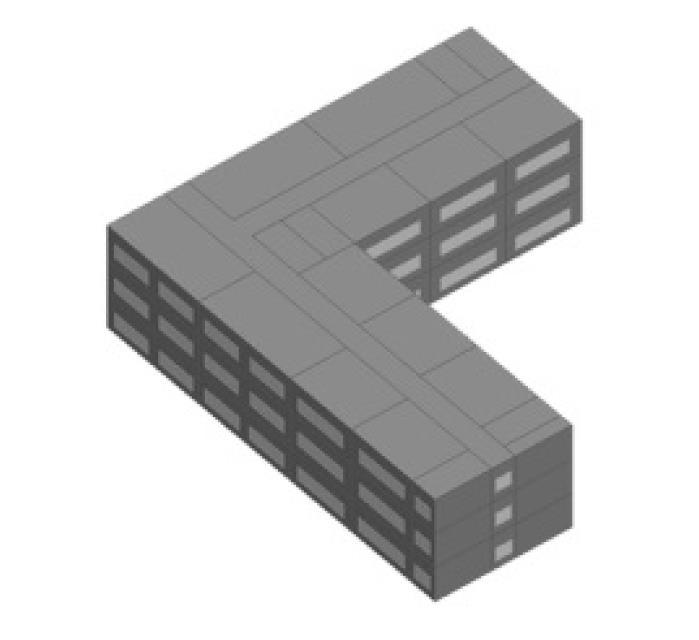
Fig.1.2L-shape (https://www.mdpi.com/sustainability/sustainability-0901708/article_deploy/html/images/sustainability-0901708-g001.png)
L-Shaped Buildings L-shaped buildings are increasingly popularinarchitecturaldesignduetotheirabilitytoprovide a greater variety of floor plans and functional spaces. However, the irregularity of the L-shape can result in significantseismicconcerns,suchastorsionalcouplingand unevendistributionofseismicforces.
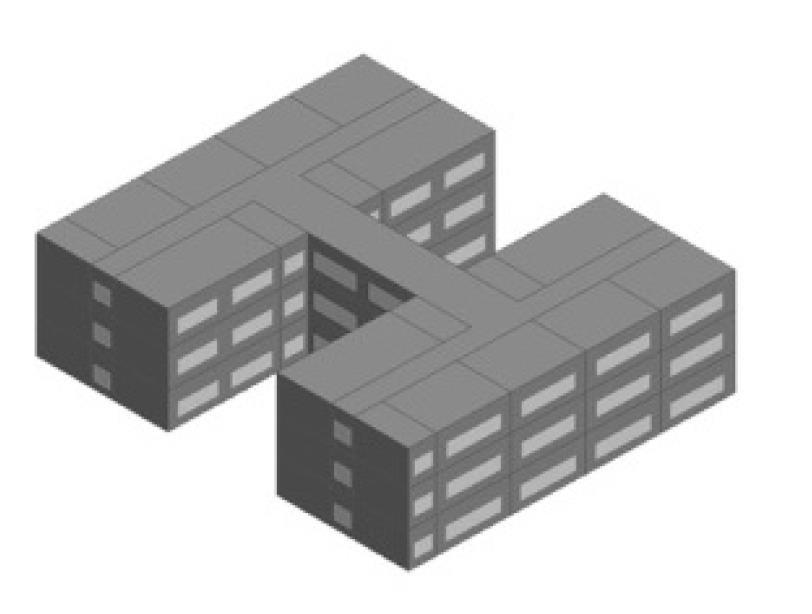
Fig.1.3I-shape (https://www.mdpi.com/sustainability/sustainability-0901708/article_deploy/html/images/sustainability-0901708-g001.png)
I-Shaped Buildings I-shaped buildings, with their long, linear form and uniform mass distribution, are commonly seen in high-rise commercial or institutional structures. Thoughthesebuildingsaregenerallymorestraightforward to analyze compared to irregular configurations, their elongatedshapecanstillintroducevulnerabilities.Thelength of the structure can lead to higher bending moments and increased sway during seismic events, which may affect buildingstability.
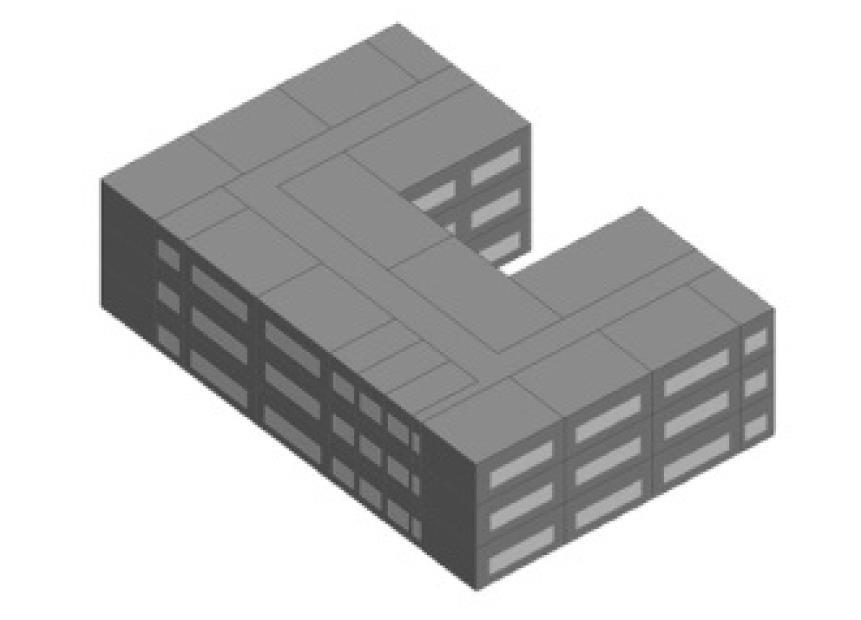
Fig.1.4C-shape
(https://www.mdpi.com/sustainability/sustainability09-01708/article_deploy/html/images/sustainability-0901708-g001.png)
C-Shaped Buildings C-shaped buildings offer distinct architectural and functional advantages, especially in providing open courtyards or maximizing views. Like Lshaped buildings, C-shaped structures exhibit a degree of asymmetry that can make them more prone to torsional effectsduringseismicactivity.Theopencoreinthemiddleof the building can create challenges in terms of load distribution, and the structure may experience differential movementbetweentheouterarmsofthe"C"shape.
Kirandevi(2023),AComparativeStudyonSeismicAnalysis ofMultistoreyBuildingsinDifferentSeismicZones.”
KiranDeviexplorestheseismicperformanceofmultistorey buildingsacrossdifferentseismiczones,focusingoncritical parameterslikebaseshear,lateraldisplacement,andinterstorey drift. The study emphasizes the varying structural demandsinhigh-riskzones,suchasenhancedductilityand strongerfoundations,comparedtolower-riskzones,where design requirements are less stringent. By using computational models, the research highlights the importanceofregion-specificstructuraldesignsadheringto seismic codes like IS 1893. This comparative analysis providesvaluableinsightsforoptimizingbuildingsafetyand
International Research Journal of Engineering and Technology (IRJET) e-ISSN: 2395-0056
Volume: 11 Issue: 12 | Dec 2024 www.irjet.net p-ISSN: 2395-0072
cost-efficiency,contributingtothedevelopmentofseismicresilientstructurestailoredtolocalhazardlevels.
Snehal Mevada (2022), “Effect of Irregularities on Seismic PerformanceofBuilding.”
SnehalMevadaexamineshowstructuralirregularitiesaffect theseismicperformanceofbuildings.Thestudyfocuseson vertical and plan irregularities, such as uneven mass distribution, setbacks, and asymmetry, which can cause unevenforcedistributionandamplifytorsionaleffectsduring earthquakes.Usingcomputationalanalysis,Mevadaevaluates parameterslikebaseshear,lateraldisplacement,andinterstoreydrifttoassessthevulnerabilityofirregularbuildings.
The research emphasizes the need for careful design considerations and adherence to seismic codes, such as IS 1893,tomitigaterisks.Thefindingshighlighttheimportance of addressing irregularities to enhance structural stability andseismicresilience.
Nurulla Shaik(2022),“AnalysisofMulti-StoreyBuildingin DifferentSeismicZonesofIndia.”
Nurulla Shaik explores the seismic performance of multistoreybuildingsinvariousseismiczonesofIndia.Thestudy focuses on comparing the structural behavior of buildings located in high, moderate, and low seismicity zones, evaluating parameters such as base shear, lateral displacement, and storey drift. Using dynamic analysis methodslikeresponsespectrumanalysis,Shaikinvestigates the impact of different seismic forceson buildingstability. Theresearchemphasizestheneedforregion-specificdesign considerations,withstrongerreinforcementandadvanced seismic-resistantfeaturesrequiredforbuildingsinhigh-risk zones.Thefindingsunderscoretheimportanceofadheringto seismiccodestoensurestructuralsafety.
Gaurav Patidar (2022), “Dynamic Analysis of Multi-Storey BuildingsofDifferentShapes.”
Inthispaper,theauthorinvestigatesthedynamicbehaviorof multi-storey buildings with varying shapes under seismic forces. The study analyzes how geometric configurations, such as rectangular, L-shaped, and T-shaped designs, influenceparameterslikenatural frequency,modeshapes, baseshear,andlateraldisplacement.Usingdynamicanalysis methods,includingresponsespectrumanalysis,theresearch highlights that irregular shapes experience higher stress concentrationsandunevenforcedistributionscomparedto regular shapes. Patidar emphasizes the importance of optimizingbuildinggeometryandadheringtoseismiccodes toensurestability.Thestudyprovidescriticalinsightsinto the relationship between structural shape and seismic performance,enhancingdesignstrategies.
Tejaswini Wagh (2021), “Seismic analysis of multistorey buildingbyusingSTAADPRO.”
The study investigates the seismic performance of multistorey buildings using STAAD PRO, a widely used structuralanalysissoftware.Thestudyfocusesonevaluating the building’s response to seismic forces, examining parameterslikebaseshear,displacement,andinter-storey drift under various seismic conditions. Wagh employs response spectrum and time history analysis to simulate earthquake effects and assess structural behavior. The research highlights how STAAD PRO helps engineers optimize designs byproviding detailedinsights into stress distribution, stability, and potential failure points. The findings emphasize the software’s utility in enhancing the seismic resilience of buildings, ensuring compliance with seismicdesigncodes.
T.Jayakrishna, (2018), “Seismic analysis of regular and irregularmultistoreybuildingsbyusingSTAADPRO.”
T.Jayakrishnaanalyzestheseismicperformanceofregular and irregular multistorey buildings using STAAD PRO, focusing on their response to seismic forces. The study comparesthestructuralbehaviorofbuildingswithdifferent configurations, such as rectangular and irregular shapes, under dynamicloading.Byperforming response spectrum and time history analysis, Jayakrishna evaluates key parameterslikebaseshear,displacement,andinter-storey drift.Theresearchhighlightstheincreasedvulnerabilityof irregular buildings to torsional effects and uneven force distribution.Thestudyemphasizestheimportanceofusing advancedsoftwaretoolslikeSTAADPROforaccurateseismic analysisandoptimizingbuildingdesignforenhancedsafety.
Brajesh Kumar Tondon, (2018), “Seismic analysis of milti storiedbuildingindifferentzones.”
BrajeshKumarTondoninvestigatestheseismicbehaviorof multi-storeybuildingslocatedindifferentseismiczones.The study focuses on the impact of varying seismic forces on structuralperformance,analyzingparameterssuchasbase shear,lateraldisplacement,andstoreydrift.Usingdynamic analysis methodslike response spectrumand timehistory analysis,Tondonevaluateshowbuildingsinhigh,moderate, and low seismicity zones respond to different earthquake intensities. The research emphasizes the importance of tailoringbuildingdesignstospecificseismiczones,ensuring safetyandstructuralintegrity.Tondon’sfindingsunderscore the need for zone-specific seismic design strategies to enhancebuildingresilience.
Ms.PayalK.Jayswal,(2018),“SeismicAnalysisofMultistorey BuildingwithFloatingColumnandRegularColumn
Ms. Payal K. Jayswal explores the seismic performance of multistorey buildings with floating columns compared to regularcolumnconfigurations.Thestudyevaluateshowthe presenceoffloatingcolumns,whichcreatediscontinuitiesin the structure, affects the building’s response to seismic forces.Usingdynamicanalysismethods,theresearchfocuses
International Research Journal of Engineering and Technology (IRJET) e-ISSN: 2395-0056
Volume: 11 Issue: 12 | Dec 2024 www.irjet.net p-ISSN: 2395-0072
onkeyparameterslikebaseshear,lateraldisplacement,and inter-storeydriftunderseismicloading.Jayswal highlights that buildings with floating columns tend to experience greatertorsionaleffectsandirregularbehaviorcomparedto regularcolumnstructures.Thestudyemphasizestheneed for careful design considerations to mitigate the risks associatedwithfloatingcolumnsinseismic-proneareas.
SanishaSanthosh,(2017),“SeismicAnalysisofMultiStoried BuildingwithShearWallsofDifferentShapes.”
Sanisha Santhosh investigates the seismic performance of multi-storeybuildingsincorporatingshearwallsofdifferent shapes. The study examines how the geometry and placementofshear wallsinfluence thebuilding'sabilityto resist seismic forces. By performing dynamic analysis, Santhosh evaluates parameters such as base shear, lateral displacement, and inter-storey drift for buildings with various shear wall configurations, including rectangular, circular, and L-shaped walls. The research highlights that shearwallssignificantlyimprovethebuilding’sstabilityby reducing lateral displacement and enhancing load-bearing capacity.Thestudyemphasizestheimportanceofselecting optimalshearwallshapestoenhanceseismicresilience.
Pushkar Rathod, (2017), “Seismic analysis of multistoried buildingfordifferentplansusingETAB.”
Pushkar Rathod explores the seismic performance of multistoriedbuildingswithdifferentfloorplansusingETABS, a structural analysis software. The study focuses on comparing buildings with various layouts, such as rectangular,L-shaped,andirregularconfigurations,toassess their response to seismic forces. Rathod utilizes response spectrumandtimehistoryanalysistoevaluateparameters suchasbaseshear,displacement,andtorsionaleffects.The research highlights that irregular plans tend to exhibit unevenloaddistributionandincreasedtorsionalvibrations, leading to higher seismic risks. The study emphasizes the effectiveness of ETABS in optimizing building design to improveearthquakeresilience.
Mohammed Rizwan Sultan, (2015), “Dynamic analysis of multistoreybuildingfordifferentshapes.”
MohammedRizwanSultaninvestigatesthedynamicbehavior of multistorey buildings with different geometric shapes under seismic loading. The study compares the seismic performanceofbuildingswithrectangular,L-shaped,andTshaped configurations, analyzing key parameterslike base shear,lateraldisplacement,andnaturalfrequencies.Sultan usesdynamicanalysismethods,includingresponsespectrum and time history analysis, to evaluate the influence of buildingshapeonitsstructuralresponse.Theresearchfinds thatirregularshapes,particularlyL-andT-shapedbuildings, experience higher torsional effects and irregular force distribution compared to regular shapes. The study
underscores the importance of geometric optimization for improvedseismic
AminAlavi,(2013),“EffectofPlanIrregularRCBuildingsIn HighSeismicZone.”
Amin Alavi examines the seismic performance of planirregularreinforcedconcrete(RC)buildingsinhighseismic zones. The study focuses on how irregularities in building layouts,suchasasymmetricplansanddiscontinuities,impact the structure's ability to withstand seismic forces. Alavi evaluates key parameters like base shear, lateral displacement,andtorsionalbehaviorusingdynamicanalysis methods.Theresearchfindsthatplanirregularitiesleadto uneven force distribution, increased torsional effects, and potential structural instability during earthquakes. Alavi emphasizestheneedforspecialdesignconsiderations,such asenhancedreinforcementandstiffness,tomitigatetherisks associatedwithirregularbuildingsinhighseismicareas.
RaulGonzalezHerrera,(2008),“Influenceofplanirregularity ofbuildings.”
Raul Gonzalez Herrera explores the influence of plan irregularityontheseismicbehaviorofbuildings.Thestudy focusesonhowdifferenttypesofplanirregularities,suchas asymmetry,setbacks,anddiscontinuities,affectthebuilding's response to earthquake forces. Herrera uses dynamic analysis to assess key parameters, including base shear, displacement, and torsional motion, in buildings with irregular plans. The research highlights that such irregularities lead to uneven load distribution, higher torsionaleffects,andpotentialstructuralweaknessesduring seismic events. Herrera stresses the importance of incorporatingdesignmodificationstomitigatetheseeffects andenhancetheseismicresilienceofirregularbuildings.
The research papers collectively explore the seismic analysis of multi-storey buildings across various seismic zones,focusingontheeffectsofbuildingshape,irregularities, and structural elements. Several studies emphasize the impactofplanirregularity,floatingcolumns,shearwalls,and dynamicresponsesusingtoolslikeSTAADPROandETABS. The research highlights the seismic performance of both regularandirregularbuildings,withvaryingresultsbasedon location, building shape, and structural configuration. Analyses include dynamic effects, response spectrum analysis, and the comparison of buildings across different seismic zones, providing valuable insights for improving earthquake-resistantdesigninmulti-storeybuildings
Despitetheextensiveresearchonseismicanalysisofmultistorey buildings, there remains a gap in addressing the combinedeffectsofirregularitiesinbothplanandelevation onseismicperformance,especiallyinbuildingswithmixed structural elements like floating columns, shear walls, and
International Research Journal of Engineering and Technology (IRJET) e-ISSN: 2395-0056
Volume: 11 Issue: 12 | Dec 2024 www.irjet.net p-ISSN: 2395-0072
irregular shapes. Most studies focus on isolated factors, leaving a need for comprehensive analyses that consider multipleirregularitiessimultaneously.Furthermore,thereis limitedresearchonthelong-termperformanceofbuildings invaryingseismiczonesunderrealearthquakeconditions. Morestudiesarealsoneededontheintegrationofadvanced softwaretools,likeETABSandSTAADPRO,withreal-time seismicdataforbetterpredictionaccuracy.
In conclusion, seismic analysis of multi-storey buildings remainsacriticalareaofresearch,asitdirectlyimpactsthe safety and resilience of structures in earthquake-prone regions.Thestudiesreviewedhighlightthesignificanceof buildingshape,irregularities,andtheinclusionofadvanced structuralelementslikeshearwallsandfloatingcolumnsin determiningseismicperformance.However,thereisaneed formorecomprehensivemodelsthatconsiderthecombined effects of multiple irregularities, as well as the long-term performance of buildings under real seismic conditions. Futureresearchshouldfocusontheintegrationofmachine learning, AI, and real-time seismic data into structural analysistoolstoimprovepredictionaccuracyanddynamic responseassessments.Additionally,retrofittingtechniques andsustainablematerialsshouldbeexploredtoenhancethe earthquake resistance of both new and existing buildings. Overall,advancingseismicanalysistechniqueswillleadto more resilient buildings and safer urban environments in seismiczones.
Thefuturescopeofseismicanalysisofmulti-storeybuildings offersnumerousavenuesforenhancingstructuralresilience andimprovingearthquakesafety.Onepromisingareaisthe developmentofmoresophisticatedsimulationmodelsthat integratevariousirregularitiesin bothplanandelevation. Current studies often focus on isolated factors like shape, shear walls, or floating columns, but the real-world performanceofbuildingsunderseismicforcesdependson the complex interaction of multiple irregularities. Future research should aim at modeling these combined effects more comprehensively to provide more reliable design solutions.
Another area for exploration is the use of advanced computational methods, such as machine learning and artificial intelligence, to predict seismic behavior. These technologies can process large datasets and uncover patternsthattraditionalmethodsmightoverlook,offeringa more nuanced understanding of a building's response to earthquakes. Integrating AI with structural analysis tools like STAAD PRO and ETABS could lead to real-time performance monitoring and optimization of building designs,adaptingthemtodynamicseismicconditions.
Furtherresearchisneededtoimprovetheunderstandingof retrofitting techniques for buildings, especially older structuresinhighseismiczones.Retrofittingmethodscan enhancetheperformanceofexistingbuildingsandreduce damage during earthquakes. Exploring cost-effective and efficient retrofitting solutions that work across diverse buildingtypesandseismiczonesiscrucial.
Finally, incorporating real-time seismic data into seismic analysissoftwarecouldsignificantlyimprovetheaccuracyof predictions.Thisintegrationwouldallowfordynamic,realtime assessment of a building's performance during an earthquake,offeringthepotentialforimmediatestructural adjustmentsorevacuationmeasures.Additionally,therole of green building materials and sustainable practices in seismic performance could be a valuable area for future research,ensuringthatbuildingsnotonlyresistearthquakes butalsocontributetoenvironmentalgoals.
1) A.Giordano,(2008),“Pushoveranalysisofplanregular imaginarybuildings.”
2) Raul Gonzalez Herrera, (2008), “Influence of plan irregularityofbuildings.”
3) Amin Alavi, (2013), “Effect of Plan Irregular RC BuildingsInHighSeismicZone.”
4) MohammedRizwanSultan,(2015),“Dynamicanalysisof multistoreybuildingfordifferentshapes.”
5) PardeshiSameer,(2016),“Studyofseismicanalysisand design of multi storey symmetrical and asymmetrical building.”
6) Nithin.A.V(2017)“SeismicAnalysisofMultiStoreyRC Buildings supported on Single and Combined Base IsolationSystems.”
7) Pushkar Rathod, (2017), “Seismic analysis of multistoriedbuildingfordifferentplansusingETAB.”
8) Sanisha Santhosh, (2017), “Seismic Analysis of Multi StoriedBuildingwithShearWallsofDifferentShapes.”
9) Arpit Shrivastav (2018), “Seismic Analysis of MultistoreyBuildingshavingFloatingColumn.”
10) Ms. Payal K.Jayswal, (2018), “Seismic Analysis of MultistoreyBuildingwithFloatingColumnandRegular Column.”
11) Brajesh Kumar Tondon, (2018), “Seismic analysis of miltistoriedbuildingindifferentzones.”
12) T.Jayakrishna,(2018),“Seismicanalysisofregularand irregularmultistoreybuildingsbyusingSTAADPRO.”
International Research Journal of Engineering and Technology (IRJET) e-ISSN: 2395-0056
Volume: 11 Issue: 12 | Dec 2024 www.irjet.net p-ISSN: 2395-0072
13) AhmetHilmi(2021),“SeismicResponseofBase-Isolated BuildingsWithHighDampingRubberBearingsHaving DifferentDesignCharacteristics.”
14) Vasco Bernardo (2021), “Seismic Vulnerability AssessmentandFragilityAnalysisofPre-CodeMasonry Buildings.”
15) Shagun Puri (2021), “Seismic analysis of multistrorey buildingframerestingonplaneandslopingground.”
16) TejaswiniWagh(2021),“Seismicanalysisofmultistorey buildingbyusingSTAADPRO.”
17) Gaurav Patidar (2022), “Dynamic Analysis of MultiStoreyBuildingsofDifferentShapes.”
18) NurullaShaik(2022),“AnalysisofMulti-StoreyBuilding inDifferentSeismicZonesofIndia.”
19) Snehal Mevada (2022), “Effect of Irregularities on SeismicPerformanceofBuilding.”
20) Bhushan Netke (2023), “Seismic Risk Assessment of VerticalGeometricIrregularBuildings.”
21) Kiran devi (2023), A Comparative Study on Seismic Analysis of Multistorey Buildings in Different Seismic Zones.”
22) Pradip Adhikari(2023), “Seismic Analysis of Unreinforced Stone Masonry Buildings with Mud Mortar.”
23) KVeeraBabu(2023),“SeismicanalysisofMultistorey Building on Sloping Ground and Flat Ground by using ETABS.”
24) AishwaryaY.Patil(2023),“Seismicanalysisofamulti storiedsteelbuildingwithdifferenttypesofdamperand baseisolation.”
25) G Ambrish (2024), “Seismic Behaviour of Rcc Framed BuildingsWithDifferentStructuralFramings.”