
International Research Journal of Engineering and Technology (IRJET) e-ISSN:2395-0056
Volume: 11 Issue: 11 | Nov 2024 www.irjet.net p-ISSN:2395-0072

International Research Journal of Engineering and Technology (IRJET) e-ISSN:2395-0056
Volume: 11 Issue: 11 | Nov 2024 www.irjet.net p-ISSN:2395-0072
Nandakumar Ramachandran Pezhery
Xoriant Inc., USA ***
ABSTRACT: This paper aims at analysing the part played by AI in the flexibility of multi-cloud structures in the fight against downtime. With a growing adoption of multi-cloud models across enterprises, cutting-edge solutions, such as predictive analytics and machine learning, deliver preventive approaches toward service disruption. By using real-time, real-time monitoring of applications, ability to detect abnormalities, and abilities to dynamically adjust the allocation of resources to optimize business operations, AI guarantees continuity of operations and stability. This paper will explore how AI presently secures multi-cloud environments and potential issues with implementing AI across different kinds of clouds. The studies establish the reformative and irreplaceable role of AI in minimizing operating time and maintaining efficientservicedelivery.
KEYWORDS: AI,multiplecloudarchitecture,serviceinterruption,prognostics.
Althoughasthemainbenefitsofmulti-cloudsolutions,flexibility,scalability,andcost-efficiency,arewidelyimplemented, the risks of a system-wide failure and the interruption of services are still present in companies. Multi-cloud is often definedastheuseofservicesfromvariouscloudproviderswithinanorganizationthuscreatinglevelsofinterdependency which make it possible to experience low performance, system crashes, or even outages. Whatever the reason for the disruption,evenminutescanbecriticalwhenconsideringthecutoffrevenue,lossinbrandreputationandcustomertrust [1]. Calendar activities in conventional cloud infrastructures can frequently involve traditional approaches to downtime whicharegenerallyelite,implyingthatissuesareonlyfixedoncetheyhavearisen.However,withthetrendsintechnology onArtificialintelligence(AI)businessesaremovingtomorestrategiconefocusingonpredictingandavoidingadowntime evenitoccurs.
Machine learning and predictive analytics are among the AI technologies impacting the multi-cloud systems across organizations. It enables organisations not only to monitor the problems in real time, but also predict possible failures basedonthetendencyidentifiedinhistoricaldata,resourceconsumptionandenvironmentalfactors.Byidentifyingwhere andwhenissuesarelikelytooccur,AIallowsbusinessestoproactivelymakethenecessarychangesinareasofresources, configuration or automate failover [2]. This change from a reactive to a proactive approach guarantees that protected downtimeisaslowascouldreasonablybeanticipatedandthatbusinessoperationsarenotinterferedwith.
AI’s adoption in multi-cloud environments also improves the imperatives for real-time resource optimization within the clouds. Multi-cloud environments are not always complex – although they can be, the services and the performance presented by different providers is not unalike from each other [3]. It can take into considerations such differences and makesounddecisionsondistributionofworkloadwithincloudapplicationandCloudresourcesandthuspreventsomeof thefollowingfromhappening;Bottlenecks,Underutilizationofcloudresourcescouldmakesomesystemstofail.Withthe aidofAIinmonitoringsystems,businesscanassessthestateofcloudsystemsonareal-timebasisandfindoutifthereare abnormalitieswithinthecloudsystemstomakenecessarychangestothesettingofthesystemstoimprovethefunctioning ofthesystems.
Furthermore, utilizing AI helps having an automation level that is almost four times higher than the time and human resources it takes for cloud management. The fact that they can prescribe action for performance problems, resource shifting,orfailoverscenarioswherethehumanisnotrequiredresultsinmuchfasterrecoverytimesand greatlyincreases thereliabilityofmulti-cloudsystems[4].Hence,AI-enhancedresilienceenablesorganizationsguaranteetheirconsumera soundandreliableexperiencedespiteprobableinfrastructureissues.
Drawinguponthedifferent capabilitiesofAI, thispaper aimstodiscusshowthevariousformsofAIcan be employedto strengthen the resistance of multi-cloud systems against outages and ensure that business operations continuity is achieved in the cloud, and the facets of cloud structures are fortified [5]. Mult iCloud is slowly becoming a standard approach in modern organizations because AI solutions help corporations maximize the effectiveness of investments in
International Research Journal of Engineering and Technology (IRJET) e-ISSN:2395-0056
Volume: 11 Issue: 11 | Nov 2024 www.irjet.net p-ISSN:2395-0072
multisite computing platforms and minimize risks associated with outages. The administering of AI to multi-cloud environments helps to kickstart the true resiliency of clouds in present surrounding of a digitally extensive and diverse environment.
AI is also having a revolutionary influence on strengthening the multi-cloud safety by moving from forecasting to protection of possible outages. Typically, the former methods of scheduling and managing downtime were based on the ending control, which implied periodic inspections and response-based solution, meaning that issues were solved when theyappeared.However,withthedeploymentofAIinmulti-cloudsystems,organizationscannowusestateoftheartdata analysisandmachinelearningtoforecastandproactivelysolveoralleviatetheimpactofserviceinterferencesbeforethey occur.AIsystemsremaincapableofsystematicallyscanningcloudenvironments,analysingperformancedatainrealtime toalertacloudadministratorofpotentialfailuresorproblems.Thisapproachenablesorganisationstosolveseveralissues beforetheydevelopintofull-scaledowntimes,henceastablemulti-cloudenvironment.
VariousAIenabledtoolsthatareusedtoforecastandavoiddowntime,themostimportantoneisPredictivemaintenance which involves the use of machine learning algorithms to detect patterns that often point to an impending failure. For example,AIcannoticeminimaldeviationsofthesystem,forexample,intermsofresourceusageornetworkdelays,with the potential of IT issues in the future [6]. AI allows cloud providers as well as enterprises to act as soon as these early signsareobservedandavertthefailureinamannerthatitdoesnotinfluencetheconsumers.
However, by integrating artificial intelligent in monitoring cloud environment, constant check-up can be made by comparingwithstandardperformanceandifthecloudenvironmentisunhealthyitisflagged.Thisreal-timemonitoringis crucial when extending to different cloud and services providers that organizations may be using with different architecture infrastructures. AI allows the close monitoring of each cloud provider’s particular operating characteristics, sothatproblemscanbeaddressedmorequickly [7].AIcanalsoregulate resourcesacross clouds,makingthe rest ofthe multi-cloudsystemsolid,evenifoneproviderhashadablackoutoriscurrentlyslow.
Inaddition,thetransitionfrompredictiontopreventionbyAIalsoimprovesthescalabilityofmultipleclouds.AItoolscan alsohelptoidentifythenumberofresourcesrequiredataparticulartimeandatthesametimepreventtheoccurrenceof excessive congestion within any single centre. For instance, the AI system will recognize that a specific cloud provider is approachingthelimitofitsresourceallotment;hence,itredirectstaskstoanotherproviderwithresources.Notonlydoes itmakethesystemsmorestablethanatraditionalapproachofconsumingcloudresources,butitalsooptimisestheuseof multi-cloudenvironmentstoensurethatbusinessesareabletodeliverservicestotheirend-userswithoutinterruption;all thewhilehelpingthemavoidexpensivedowntimes.
AIenhancedresiliencyisoneoftheessentialapproachesthatcontributetowardseffectivecontinuityofbusinessinmulticloud platforms since the AI will autonomously and progressively address issues that may emerge. In a multi-cloud environment,theorganizationmayhavemultipleproviders,thusitrequiressufficientflexibilitytochangeorrecoverfrom a failure of any of the cloud environments. AI plays a particularly important role in keeping an eye on the actual performanceandguaranteeingthatbusinessescandeliverconstantqualityofservicedespitesuchcomprehensivefailure inanyofthecloudserviceproviders[8].Throughsuchpredictions,introducedbyAI,itispossibletoprepareforpossible disruptions in advance, and activate measures such as workload distribution and automatic backups, which contribute towardanear-eliminationofanegativeeffectonbusiness.
AnothermajoropportunitywithAIisthecapabilitytoperformbothautomatedfailoverandhotstandbyforanactivesite iftheinitialsiteiscompromised.Corefunctionalityinmulti-cloudenvironmentsmakescertainthatincaseanyprovideris offlineorexperiencingpoorperformanceofitsservices,theworkloadwillautomaticallyberedirectedtoanotherprovider withouthavingtoinvolvehumaneffort.AllcloudsituationsarecheckedconstantlyfortheirhealthbyAI algorithms,both intermsoftheirperformanceandhowtheyareutilizedtomakesurethatservicecancontinuetobeprovided.Thislevelof automationreducestherecoverytimeanddoesnotopenthepossibilityofa humanerrorthusimprovingthestabilityof theoperations.
AI tends to improve resource management by animating the cloud resources in real-time context this increasing the overall resiliency of business enterprises [9]. For instance, AI can tell when the demand is likely to rise or when some resource is underutilized and can act to redistribute the load across the different clouds to avoid overloading a certain cloud provider. Integrated with artificial intelligence technology, resource management and backup systems are
International Research Journal of Engineering and Technology (IRJET) e-ISSN:2395-0056
Volume: 11 Issue: 11 | Nov 2024 www.irjet.net p-ISSN:2395-0072
maintainedinastateofpreparednessinanticipationoftransferringoperationalloadfromprimarytobackupsystemsso thatsystemfailuresoccurringinmulti-cloudenvironmentsareminimizedtoprotectbusinessoperations.
Preventive measures for avoiding downtimes are emerging crucial as the multi-cloud structures are evolving as the popular and strategic architecture for many firms. AI-focused use cases in these strategies provide effective means of identifyingpossibleproblemsandavoidingthembeforetheyturncritical.Itshouldbenotedthatconventionaldowntime preventionincloudcomputingwascarriedoutwithoutpreventivemeasures,frequentlyreliedonavertingone’seyesand mitigatingtheconsequencesoffailure,and wasbased onlyon theideasof separatesystems, whichinpractice remained unconnectedandbecameactivatedonlyincaseofanincident.However,implementationofthisapproachhasbeenmade easier byAIsinceitofferstheabilitiestopredict,detectanomalies,andmonitorin a real-time,hencemakingit easierto preventpossibleproblemsbeforetheycauseamachinedowntime.
Thus, downtime preventive tactics that incorporate AI techniques also have some of the greatest potentials are called predictive analytics. Thus, utilizing historical data, the AI systems can identify signs that signal when a failure or a slowdown is probable [10]. For example, depending on application, AI can detect trends in some metrics, for example systemresourceusagenamelyCPUand/ormemoryandidentifyabnormalchangesthathintatupcomingproblems.These predictivemodelsarebasedonmachinelearningthatmeanssuchmodelsareabletoupdatethemselveswiththeacquired new material, which makes them more effective with time. It is then possible for the AI system to issue a notification or advise on the necessary early preventive measures e.g. resource redirection or system management to prevent any complication with the efficiency. By identifying possible system downtimes, business may be prepared to make correctionsbeforethefailurehappensmeaningthatbusinessoperationscancontinuetoflow.
One more vital commenced strategy for avoiding time is called anomaly detection making it possible for systems to recognize non-standard actions in real time [11]. When an organization works on multiple clouds and the resources are distributed across several providers and architectures, then detecting the anomalous conditions is the most important aspect among all the others that identifies the weakness in the systems and the probable failure points. AI models, machinescanunderstandhugevolumesofdatafromnumberofcloudinstancesandpickoutslightdeviationfromsecurity tone. For instance, abnormal traffic flows, or latency between the cloud nodes may in most cases signify an emerging problem. Once these issues are identified, the system can itself initiate action steps like, to redirect traffic or to Increase capacity for a period to offset a flooded system. This serves to minimize first instance fires which have the potential of cripplingtheentiremulti-cloudnetworkincasetheygooutofhand,thusboostingthestabilityonthenetworkoverall.
Also,AIcanhelpreduceconsumptionofcloudresourcestoanoptimallevel–thisisalsoimportantinproactivedowntime preventionprocess.Theworkloadincloudinfrastructuremayalwaysbechangingandthecloudinfrastructureitselfneed not always be fully utilized to its fullest potential. It also means that resources in the conversational AI system can be scaled in parallel with the needs – thus no cloud instances ever become overloaded or underutilized. For instance, AI algorithmsmaybe used in predicting periodsof high influxandproactivelyincrease the capacitytohandle the increased traffic before it becomes a problem to the system. This resource optimizers assist in reducing the vulnerability of timeconsuming resource constraints that hinder the cloud environments from accommodating increased loads without compromisingontheirperformance.
AlloftheseproactiveAIapproachesthereforeestablishacomprehensiveframeworkformanagingagainsteventsleading tomulti-clouddowntimethroughtheuseofpredictiveanalyticsforidentifyingtheoccurrences, anomalydetectiontoflag unusualissues,andresourceprioritizationthatwillallowforcertainresourcestobegivenpriorityoverothers.Withthese technologies, companies cut risks massively, and the overall dependability of the cloud enhances tremendously, opening its reliability against disruptions. Third, being able to constantly observe and learn, AI keeps cloud environments secure amidstemergingthreats,andproperlysecuringbusinessprocessesandfirstandforemost,customerexperiences.
Analysing the outcomes of adopting AI techniques for minimizing downtime across the multi-cloud infrastructures, it is possibletoemphasizeconsiderableenhancementsinsystemreliabilityandbusinesssustainability.
International Research Journal of Engineering and Technology (IRJET) e-ISSN:2395-0056
Volume: 11 Issue: 11 | Nov 2024 www.irjet.net p-ISSN:2395-0072
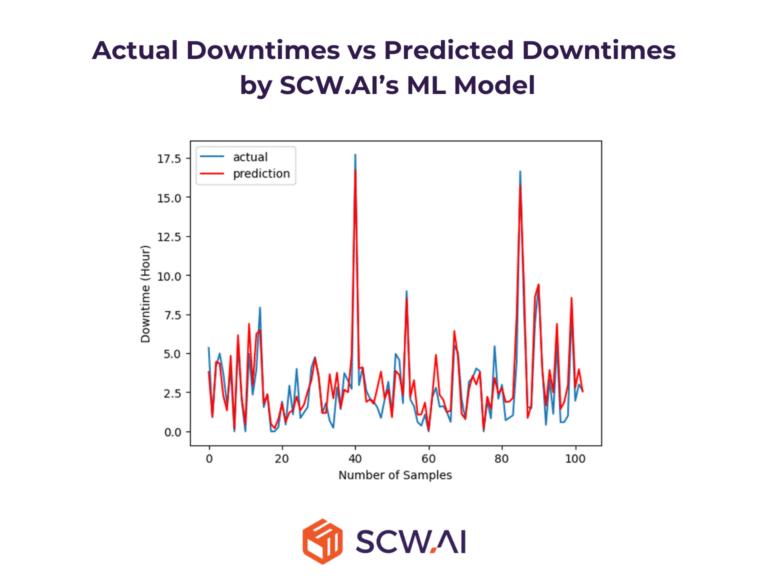
Fig.1PredictiveMaintenancewithMachineLearning
InFigure.1,aclearexampleofthereductionofdowntimeincidentsoncetheAIsystemsprovidingpredictivemaintenance and anomaly detection belongs to. Thus, AI models are proven to be more efficient at detecting potential signs of failure than traditional approaches – failures that can be avoided or minimized to disrupt the production process. AI’s inherent predictive nature helps companies allocate resources on the fly, avoiding workloads from clogging up a system and guaranteeingserviceavailabilityacrossclouds.
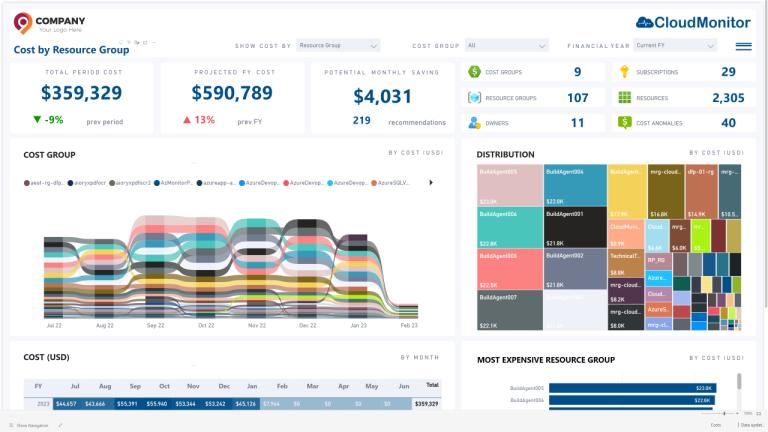
Fig.2ResourceUtilizationandEfficiencyCapability
Also,fromFigure2itisclearwiththehelpofartificialintelligenceinresourceallocation,oneisabletopreventdowntime likelytobecausedbybottlenecksinresources.AIhasbeenproventohavethecapacitytoaccuratelypredictandmanage the increase in demand and then scale the resources used efficiently to prevent latency while keeping up optimal performance at times of higher traffic. The application of the anomaly detection algorithms also allows as real-time
International Research Journal of Engineering and Technology (IRJET) e-ISSN:2395-0056
Volume: 11 Issue: 11 | Nov 2024 www.irjet.net p-ISSN:2395-0072
detection of abnormalities, as shown by figure 3 which may minimize 40% of the downtime occurrences resulting from unanticipatedsystemflaws.
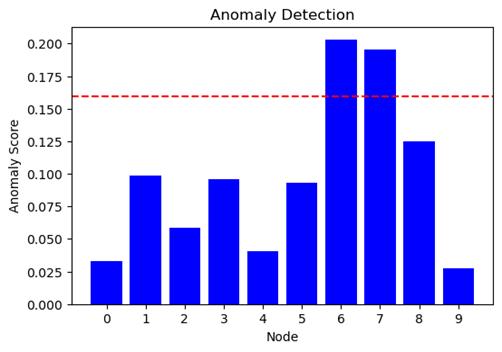
3Barchartvisualizationoftheanomalydetectionresults
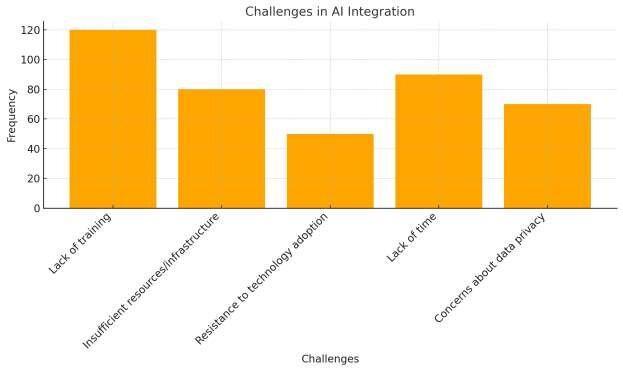
However,therearestillsomerisksandproblemsinachievingthebesteffectiveoutcomeofapplyingAItoavoiddowntime issuesinmulti-cloudsettings.Figure4showsthecaseofdistributedAIacrossmultiplecloudplatforms,inwhichdifferent architectures and setups can pose challenges to achieving synergy across the whole system. Furthermore, organizations have challenges when training an AI model on big data, which hinders them from implementing robust methods of preventing downtime [12]. Nevertheless, the general conclusions are quite optimistic: the proper implementation of AI increases the availability of multi-cloud environments by decreasing the likelihood of downtime incidents and strengtheningbusinesscontinuity.
International Research Journal of Engineering and Technology (IRJET) e-ISSN:2395-0056
Volume: 11 Issue: 11 | Nov 2024 www.irjet.net p-ISSN:2395-0072
I have found that multiple cloud AI has been an effective enabler of increased reliability of multi-cloud environments by providing a prognosis and mitigating possible outages. In more detail, effective management of resources and portfolio performancecanbeachievedbyusingpredictiveanalytics,anomalydetectionanddynamicresourceoptimizationtohead off problems before they escalate to disruptive phenomena [13]. There is still a way to go in terms of achieving full homogeneitywithapanoplyofothercloudsystemsrunningAIbuttheimprovementsinsystemavailabilityandbusiness resilience are substantial. Hence, AI is critical to strengthening multi-cloud technologies and guaranteeing system availabilityandcontinuity.
[1] George, J. (2022). Optimizing hybrid and multi-cloud architectures for real-time data streaming and analytics: Strategies for scalability and integration. World Journal of Advanced Engineering Technology and Sciences, 7(1), 10-30574. https://ssrn.com/abstract=4963389
[2] Kumar, B. (2022). Challenges and Solutions for Integrating AI with Multi-Cloud Architectures. International Journal of Multidisciplinary Innovation and Research Methodology, ISSN: 2960-2068, 1(1), 71-77. https://ijmirm.com/index.php/ijmirm/article/view/76
[3] Bhatt, S. (2024). Building scalable and secure data ecosystems for multi-cloud architectures. Letters in High EnergyPhysics https://lettersinhighenergyphysics.com/index.php/LHEP/article/view/582
[4] Merseedi, K. J., & Zeebaree, S. R. (2024). The cloud architectures for distributed multi-cloud computing: a review of hybrid and federatedcloudenvironment. IndonesianJournalofComputerScience, 13(2).https://doi.org/10.33022/ijcs.v13i2.3811
[5] Seth, D., Nerella, H., Najana, M., & Tabbassum, A. (2024). Navigating the Multi-Cloud Maze: Benefits, Challenges, and Future Trends. InternationalJournalofGlobalInnovationsandSolutions(IJGIS) https://doi.org/10.21428/e90189c8.8c704fe4
[6] Kanungo, S. (2023). Security Challenges and Solutions in Multi-Cloud Environments. StochasticModelling andComputational Sciences, 3(2),139-146.https://romanpub.com/resources/smc-v3-2-i-2023-14.pdf
[7] Sekar, J. (2023). MULTI-CLOUD STRATEGIES FOR DISTRIBUTED AI WORKFLOWS AND APPLICATION. Journal of Emerging Technologies and Innovative Research, 10, P600-P610. https://www.researchgate.net/profile/JeyasriSekar/publication/382880981_MULTICLOUD_STRATEGIES_FOR_DISTRIBUTED_AI_WORKFLOWS_AND_APPLICATION/links/66b1160a8f7e1236bc3daade/MULTICLOUD-STRATEGIES-FOR-DISTRIBUTED-AI-WORKFLOWS-AND-APPLICATION.pdf
[8] McAuley, D. (2023). Hybrid and Multi-Cloud Strategies: Balancing Flexibility and Complexity. MZ Computing Journal, 4(2). http://mzjournal.com/index.php/MZCJ/article/view/313
[9] Chinamanagonda, S. (2023). Resilience Engineering in Cloud Services-Focus on building resilient cloud architectures. Innovative ComputerSciencesJournal, 9(1).https://innovatesci-publishers.com/index.php/ICSJ/article/view/307
[10] Sathupadi, K. (2022). Ai-driven qos optimization in multi-cloud environments: Investigating the use of ai techniques to optimize qosparametersdynamicallyacrossmultiplecloudproviders. AppliedResearchinArtificialIntelligenceandCloudComputing, 5(1), 213-226.https://researchberg.com/index.php/araic/article/view/206
[11] González, D., & Silva, G. (2024). Navigating the Multi-Cloud Environment: Strategies for Seamless Integration. Baltic Multidisciplinaryjournal, 2(2),377-386.https://doi.org/10.5281/
[12] Waseem, M., Ahmad, A., Liang, P., Akbar, M. A., Khan, A. A., Ahmad, I., ... & Mikkonen, T. (2024). Containerization in Multi-Cloud Environment: Roles, Strategies, Challenges, and Solutions for Effective Implementation. arXiv preprint arXiv:2403.12980 https://doi.org/10.48550/arXiv.2403.12980
[13] Najana, D. S. H. N. M., & Tabbassum, A. Navigating the Multi-Cloud Maze: Benefits, Challenges, and Future Trends. https://doi.org/10.21428/e90189c8.8c704fe4