
International Research Journal of Engineering and Technology (IRJET) e-ISSN: 2395-0056
Volume: 11 Issue: 11 | Nov 2024 www.irjet.net p-ISSN: 2395-0072

International Research Journal of Engineering and Technology (IRJET) e-ISSN: 2395-0056
Volume: 11 Issue: 11 | Nov 2024 www.irjet.net p-ISSN: 2395-0072
Suyash M. Yedage1 , Prof. V. V. Nair2
1PG student, Department of Civil Engineering, Padmabhooshan Vasantraodada Patil Institute of Technology, Budhgaon, Sangli, Maharashtra, India.
2Asssistant Professor, Department of Civil Engineering, Padmabhooshan Vasantraodada Patil Institute of Technology, Budhgaon, Sangli, Maharashtra, India.
Abstract - The seismic performance of multi-storey reinforced concrete (RC) buildings is a critical concern in earthquake-prone regions, with shear walls and bracing systems serving as primary structural elements to resist lateral seismic forces. This review paper synthesizes the findings from a diverse set of studies focused on the effectiveness, optimization, and analysis of shear walls and bracing systems in RC buildings. The research covers a broad spectrum of topics, including the impact of shear wall placement onbuildingperformance,comparativeanalysesof steel and concrete bracing systems, and the role of advanced simulation tools such as ETABS for dynamic analysis. Key findingsfromthereviewedliteratureindicatethatshearwalls significantlyenhancethelateralstiffnessandstabilityofhighrisebuildings, reducing displacements and improving overall structuralresilienceduringseismicevents.Incontrast,bracing systems, particularly steel braces, offer a cost-effective and flexible alternative, though their effectiveness in very tall buildings may be limited compared to shear walls. Additionally, the research explores the role of coupled shear walls, hybrid systems, and novel material innovations in further improving seismic performance.
Key Words: RCC building, Seismic analysis, Response spectrummethod,Shearwall,Bracingsystem,ETABS,etc.
Seismicresilienceisacriticalconsiderationinthedesignof multi-storeyreinforcedconcrete(RC)buildings,particularly in regions prone to high seismic activity. Earthquakes impose complex lateral forces on buildings, and without appropriatestructuralinterventions,theseforcescanleadto severedamage,structuralfailure,orevenlossoflife.Among the various structural systems used to mitigate seismic forces,shearwallsandbracingsystemshaveproventobe highly effective in improving the lateral load resistance of buildings.Shearwalls,typicallyverticalstructuralelements, act as a stiffening mechanism to resist horizontal forces generated by seismic events. Similarly, bracing systems, whichincludevariousconfigurationsofsteelandconcrete braces, provide additional stiffness and strength to the structure,reducingdeformationsduringanearthquake.
Overthepastfewdecades,considerableresearchhasbeen conducted to understand the behaviour of RC buildings equipped with shear walls and bracing systems under seismic loading. Numerous studies have focused on optimizingtheplacement,configuration,anddesignofthese systems to improve the seismic performance of buildings. Thefindingsfromthesestudieshighlightthesignificantrole thatshearwallsandbracingsystemsplayinenhancingthe stability,safety,andoverallresilienceofbuildingssubjected to earthquake forces. Additionally, advancements in computational tools and software, such as ETABS and response spectrum analysis, have allowed engineers to conductmoreaccuratesimulationsandanalyses,enabling better-informeddesigndecisions.
In structural engineering, a shear wall is a vertical component of a lateral load-resisting system designed to counteracthorizontalforcessuchaswindandseismicloads. These walls are commonly found in tall buildings or in regionspronetostrongwindsorseismicactivity.Shearwalls are essential for resisting lateral forces generated by earthquakes, wind, or occasionally horizontal ground pressureorhydrostaticforces.Theyprovidebothlateraland verticalloadsupport,inadditiontofunctioningaspartitions withinthestructure.AsillustratedinFigure1.1,shearwalls extend from the foundation up to the roof level. They are particularly suitable for high-rise buildings due to their combinationofstrengthandeffectivestiffness.
Inbuildingssubjecttowindorseismicforces,shearwalls playacrucialroleinresistinglateralloads.Thesewallscan beeitherconnected,non-planarassembliesorindependent, planarstructures.Forbuildingsuptoabout35stories,shear wallsareoftenmorecost-effectiveandrigidthanalternative lateralsystemslikerigidframes.Inlowtomid-risebuildings, itistypicalforshearwallstocarrythemajorityofthelateral loads, while the frame is primarily designed for vertical gravityloads.Researchhasshownthatshearwallstructures perform effectively during seismic events, with ductility beingakeyconsiderationintheirdesign.
International Research Journal of Engineering and Technology (IRJET) e-ISSN: 2395-0056
Volume: 11 Issue: 11 | Nov 2024 www.irjet.net p-ISSN: 2395-0072
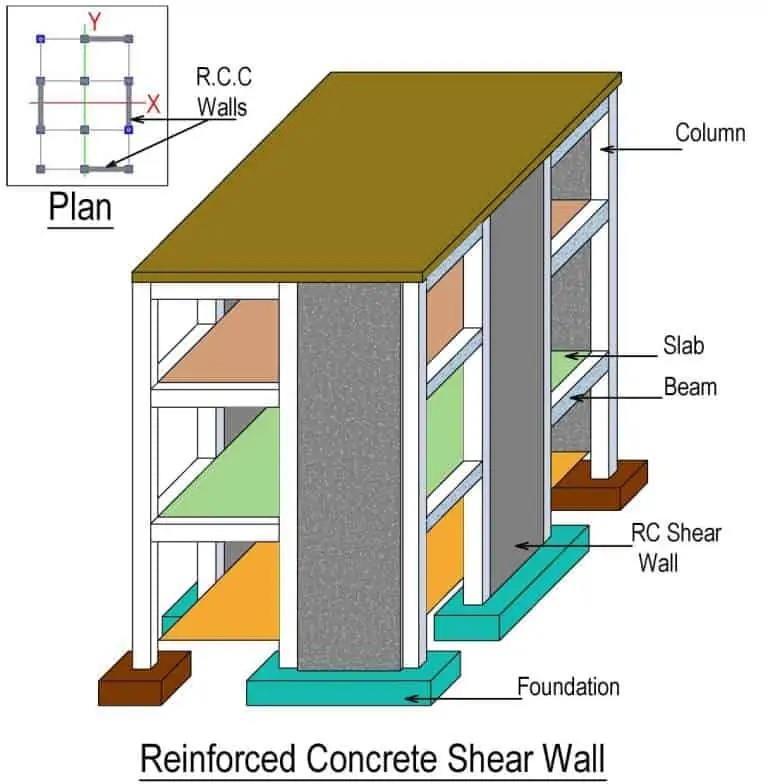
Fig.1.1RCCbuildingwithshearwall (https://civildigital.com/wpcontent/uploads/2017/06/Shear-Wall-in-a-Building.jpg)
1.2 Bracing System
Bracingsystemsareacost-effectivesolutionforbuildings ofallheights,fromlow-risetohigh-rise,duetotheirability tooffersubstantiallateralstiffnesswithminimaladditional material. There are two main types of bracing: concentric andeccentric.Eccentricbracesdonotconnectdirectlyatthe beam-columnintersectionbutarepositionedatadistance, linkingtothebeam.Bracingsystemscanalsobecategorized based on how they transfer lateral loads: vertical or horizontal. Vertical bracing consists of diagonal braces placedbetweencolumnsinverticalplanes,helpingtransfer horizontal forces to the foundation. Horizontal bracing, installedateachfloorlevel,helpsdistributeforcesevenlyto theverticalbracingsystem.
Steel bracing systems, commonly used in the seismic design of new structures, are also highly effective for the seismic retrofitting of existing reinforced concrete (RC) buildings. In these systems, columns act as the primary chords, providing lateral stability to the structure. As illustrated in Figure 1.2, diagonal bracing members, in conjunction with beams, form the web of a vertical truss. Thesebracingsystemsareparticularlyefficientatresisting lateral forces, as the shear forces on the structure are counteracted by the axial tensile and compressive actions within the web elements. While steel bracing is often associated with steel-frame buildings, it is now also increasinglyusedinreinforcedconcretestructures.
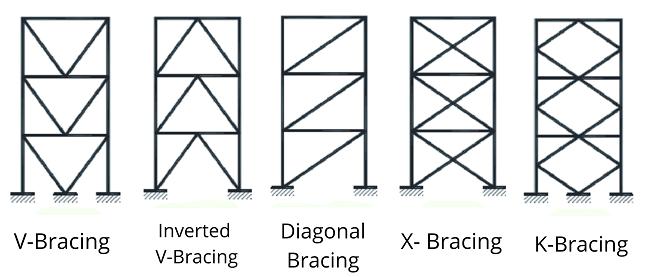
Fig.1.2RCCbuildingwithbracingsystem (https://civilwale.com/wpcontent/uploads/2020/09/Types-of-Braced-framedstructures.png)
Krupaben J. Patel, Dhruvkumar H. Patel (2021), “Different TypesofBracingSysteminMultiStoryRCCBuilding”.
The primary objective of this study is to evaluate the structural performance of steel buildings with different bracingsystems.Theresearchalsoexaminesthestructural efficiency of various bracing types. Several bracing configurations, including no bracing, X-bracing, diagonal bracing,andV-typebracing,wereinvestigatedtoassessthe structuralstrengthofthesteelbuildings.Thestudyinvolved analyzinga10-storybuildingwithdifferentbracingsystems, such as no bracing, X-bracing, diagonal bracing, V-bracing, andinvertedV-bracing,andcomparingkeyparameterslike story displacement,story drift, story stiffness,lateral load, andstoryshear.Theanalysiswascarried outusingETABS software.Theresultsindicatethatsteelbracingsystemsnot only enhance the displacement capacity of reinforced concretestructures butalsoimprove theirlateral stiffness andstrengthbyincreasingshearcapacity.Forsquare-shaped buildings,thediagonalbracingsystemwasfoundtobethe mostefficientintermsoftheseperformanceparameters.
ShaikAkhilAhamad,K.V.Pratap(2020),"DynamicAnalysis of G + 20 Multi Storied Building by using Shear Walls in Various Locations for Different Seismic Zones by using Etabs”.
In this paper, the author observes that the maximum displacementandstorydriftvaluesaresignificantlyhigherin seismiczoneVacrossallcasescomparedtozonesII,III,and IV.Thisindicatesthatreducingdisplacementispossibleby designingthestructurewithconsistentstiffness.Thestudy further shows that the building configuration with shear wallsatallfourcornersresultedinimprovedperformance, with lower maximum displacement, story drift, and base shear.Consequently,thestudyconcludesthatbuildingswith uniformstiffnessoffersuperiorstructuralperformance.
International Research Journal of Engineering and Technology (IRJET) e-ISSN: 2395-0056
Volume: 11 Issue: 11 | Nov 2024 www.irjet.net p-ISSN: 2395-0072
VineethVijayan,M.HelenSanthiandRomyMohan(2020), "SeismicPerformanceofHigh-RiseBuildingswithDifferent TypesofShearWall”.
Thispaperinvestigatesvarioustypesofshearwalls,including concreteshearwalls,silicafumeconcreteshearwalls,steel plateshearwalls,andsteel-silicafumeconcretecomposite shear walls, applied to lift walls in 22-story and 52-story high-rise buildings. The seismic performance of these structuresisanalyzedusingtheresponsespectrummethod inETABS.Keyfactorssuchasstorydisplacement,storydrift, and story shear are examined, and the results indicate a notable reduction in these parameters when compared to traditionalconcreteshearwalls.
Prof. N. K. Meshram, Gauravi Munde (2018), “Seismic AnalysisofShearWallatDifferentLocationonMulti-storey RCCBuilding”.
The primary objective of this project is to determine the optimalplacement ofshearwallsina multi-storybuilding. Threedifferentshearwallpositionswithinthebuildingare analyzedusingSTAADProV8isoftware.Thestructuresare evaluatedbasedonfourkeyparameters:jointdisplacement, axial force, bending moment, and base shear. The study concludesthatasthemodefrequencyincreases,theperiod decreasesforallmodels.Additionally,themaximumlateral displacement increases with the building height across all models.Thepresenceofashearwallpositionedatthecenter ofthebuildingresultsintheminimumlateraldisplacement, therebyimprovingthestructure’soverallperformance.
JontyChoudhary,Dr.P.G.Khare(2018),“ComparativeStudy and Analysis of Unbraced RCC Frame Structure with Steel Braced RCC Framed Structure using Response Spectrum Method”.
The study involved analyzing a G+15 building using the responsespectrummethodinE-TABS(2015).Thebuilding hadaplandimensionof33x15meters,withafloor-to-floor heightof3meters,andwaslocatedinseismiczoneV.The analysisconsideredseveralbracingconfigurations,including X-bracing, Double X-bracing, V-pair, Inverted V-pair, and InvertedV-alternate.TheresultsindicatedthattheDoubleXbracingsystemwasthemosteffectiveinminimizingseismic parameters.
A. A. Qureshi, Tarun Magendra, Abhyuday Titiksh (2016), “Optimum Positioning of Shear Walls in Multistorey Buildings”.
This paper analyzes four different shear wall placement configurations for a G+10 story building, ensuring zero eccentricity between the center of mass and the center of stiffness.Thebuildingismodeledanddesignedasa frame systemusingETABSsoftware.Thedesignprocessincludes load calculations and structural analysis, with the design approach following the Limit State Design method in
accordancewiththeIndianStandardCodeofPractice.The performanceofallframingsystemswasstudiedaspartofthe analysis.Thelateraldrift/deflectionratiowasevaluated,and itwasconcludedthatabox-typeshearwallpositionedatthe centerofthebuilding'slayoutisthemosteffectiveframing solutionforhigh-risebuildings.
RahulD.Sapkale(2016),“SeismicResponseofMulti-Storey BuildingEquippedwithSteelBracing”.
Thispaperinvestigatestheseismicperformanceofmomentresistingreinforcedconcreteframesincorporatingdifferent bracing patterns. Three types of bracing systems are considered:X-bracing,V-bracing,andinvertedV-bracing.A G+6storybuildingismodeledanddesignedaccordingtothe provisionsofIS-1893:2002,withalinearanalysisconducted intheglobalXdirection.Amongthebracingsystemsstudied, the X-bracing system demonstrated the best performance, effectivelyreducingbothdisplacementandstorydrift.
AnujaWalvekar,H.S.Jadhav(2015),“Parametricstudyofflat slab building with and without shear wall to seismic performance”.
Thispaperappliestheresponsespectrummethodtoanalyze thestructuralbehaviorofa15-storybuilding,bothwithand withoutRCshearwalls.Variousshearwallplacementsare explored to assess the impact of their location on the building'sperformance.Thestudyconcludesthatpositioning theshearwallsalongthebuilding'sperimeterresultsinthe loweststorydisplacement.Additionally,thestorydriftvalues forallfloorsremainwithintheallowablelimits.
KrishnarajR.Chavan,H.S.Jadhav(2014),“SeismicResponse ofRCBuildingwithDifferentArrangementofSteelBracing System”.
Thisresearchpaperpresentstheseismicanalysisofasevenstory reinforcedconcrete building (G+6) using STAAD Pro V8i software. The seismic load cases are based on the guidelines provided in IS 1893 – 2002. Several types of bracing systems are examined in the structural analysis, including X-bracing, inverted V-bracing, V-bracing, and diagonal bracing.Thestudyconcludesthattheuseofsteel bracingsdoesnotsignificantlyaltertheoverallweightofthe building.Additionally,thelateraldisplacementisreducedby 50%to56%withtheapplicationoftheX-typesteelbracing system,whichalsominimizesthemaximumdisplacementof thestructure
A review of the literature highlights that many researchershaveinvestigatedvariousfactorsandparameters relatedtoseismicforcesonmulti-storybuildings.Themodels used in these studies are developed through different analyticaltools,suchasSTAADProandETABS.Tominimize storydriftanddisplacement,differentconfigurationsofshear
International Research Journal of Engineering and Technology (IRJET) e-ISSN: 2395-0056
Volume: 11 Issue: 11 | Nov 2024 www.irjet.net p-ISSN: 2395-0072
wallsystemshavebeentested.Researchonbracingsystems has explored topics such as the effects of different crosssectional shapes, comparisons of bracing types based on building geometry, and the impact of the angle between braces.Theaimoftheremaininganalysisistocomparetwo lateral load-resisting systems, focusing on aspects such as theirlocation,type,andusingaspecificanalyticalmethod.
Researchers have independently studied buildings with either bracing systems or shear walls to evaluate their seismicperformance.Variousbracingtypeswereexamined to assess their impact on the structure's seismic behavior, with many studies finding that X-bracing is more effective thanotherbracingconfigurations.Similarly,differentshear wall shapes, such as I, T, or L sections, were analyzed individually to understand their influence on the seismic response of buildings. When combining shear walls and bracing,thetypicalapproachwastoplacetheshearwallsat thebuilding’scoreandthebracingsystemsatthecorners
The seismic performance of multi-storey RC buildings is significantlyinfluencedbythestrategicplacementofshear walls and the use of bracing systems. Various studies indicatethatshearwalls,whenoptimallypositioned,provide essential lateral stability and reduce the building's vulnerability to seismic forces. The location and arrangement of shear walls whether at the center or periphery of the structure can drastically impact the building's dynamic response. The consensus across the reviewed studies is that shear walls improve structural rigidity and minimize displacement under earthquake loading,thusenhancingsafetyandreducingdamageduring seismicevents.
Incomparison,bracingsystems(bothsteelandconcrete)are also found to be effective in improving the lateral load resistanceofRCbuildings.Differentarrangementsofbracing systems(suchasX-bracing,diagonalbracing,andcoupled shear walls) were explored, and while these systems also contribute to improving seismic resilience, they are less efficient in tall buildings compared to shear walls. In particular, coupled shear walls have been shown to outperform traditional shear walls in terms of reducing overall displacement and improving the building's energy dissipationcapacityduringearthquakes.
In conclusion, the optimal design for seismic resilience in multi-storeyRCbuildingsinvolvesa combinationofshear walls and bracing systems, with careful consideration of their positioning, configuration, and the building's overall design. The integration of advanced modeling techniques and the application of seismic codes are essential in achievingthedesiredsafetyandperformancestandardsfor high-risestructuresinseismic-proneareas.
AdvancedMaterialDevelopmentforShearWallsandBracing Systems:
Whiletraditional concreteandsteel bracingsystemshave beenextensivelystudied,thereisanemergingopportunity for exploring novel materials such as fiber-reinforced polymers(FRP),high-strengthconcrete,orsmartmaterials thatcanenhancetheperformanceofshearwallsandbracing systemsunderdynamicseismicloads.Futureresearchcould focusonthedurability,sustainability,andcost-effectiveness ofthesematerialsintheconstructionofhigh-risebuildings.
IntegrationofHybridSystems:
Many studies focus on the use of either shear walls or bracingsystemsindependently.However,thereissignificant potential for exploring hybrid systems, where shear walls and bracing systems are integrated for a more optimized seismic response. Investigating the interactions and synergiesbetweenthesesystemscanleadtobetterdesign solutionsforhigh-risebuildings,especiallyinseismic-prone zones.
SeismicPerformanceinDifferentSeismicZones:
While seismic studies on shear walls and bracing systems areavailableforvariousregions,thereisstillroomformore in-depth analysis tailored to specific seismic zones. Understanding how shear wall and bracing performance variesacrossdifferentseismicclassifications,aswellasthe effectsofsoil-structureinteraction,iscritical.Furthermore, integrating multi-hazard analysis (including wind or fire) alongside seismic analysis could provide more holistic designguidelines.
Inthecontextofsustainableconstruction,futureresearch couldexploretheenvironmentalimpactofshearwallsand bracingsystems.Thisincludesinvestigatingmaterialsand constructiontechniquesthatreducecarbonfootprintswhile maintainingstructuralintegrity.Theroleofgreenbuilding certificationsandtheirinfluenceonthedesignofseismicresistantstructurescouldalsobestudied.
As the trend towards taller buildings continues, research couldfocusontheeffectivenessofshearwallsandbracing systemsinextremelytallbuildings(e.g.,buildingsover50 stories). These buildings experience more complex load distributionanddynamicresponsesthatmightnecessitate alternativesolutionsorhybriddesigns.Understandinghow theperformanceofshearwallsandbracingsystemsscales withheightcouldinformfuturehigh-riseconstruction.
International Research Journal of Engineering and Technology (IRJET) e-ISSN: 2395-0056
Volume: 11 Issue: 11 | Nov 2024 www.irjet.net p-ISSN: 2395-0072
Post-EarthquakeDamageAssessmentandRepairStrategies:
Finally, research could focus on post-earthquake damage assessment of shear walls and bracing systems, exploring innovative methods for quickly identifying and assessing structural damageafteranearthquake.Thiscouldinclude thedevelopmentofautomatedstructuralhealthmonitoring systems that provide real-time data for decision-making related to repairs, ensuring that buildings remain operationalandsafeafterseismicevents
[1] O. Esmaili, S. EpackacbJ, M. Samadzad and S.R. Mirgbadert(2008),"StudyofStructuralRCShearWall SystemIna56-StoryRCTallBuilding."
[2] Krishnaraj R. Chavan, H.S.Jadhav (2014), “Seismic ResponseofRCBuildingWithDifferentArrangementof SteelBracingSystem.”
[3] AnujaWalvekar,H.S.Jadhav(2015),“Parametricstudy of flat slab building with and without shear wall to seismicperformance.”
[4] Bhosle A, Shaikh A. (2015), “ Analysis of Reinforced Concrete Building with Different Arrangement of ConcreteandSteelBracingsystem.”
[5] Mr.K.LovaRaju,Dr.K.V.G.D.Balaji(2015),“Effective locationofshearwallonperformanceofbuildingframe subjectedtoearthquakeload.”
[6] Nitin Bhojkar, Mahesh Bagade (2015), “Seismic EvaluationofHigh-riseStructurebyUsingSteelBracing System.”
[7] Rahul D. Sapkale (2016), “Seismic Response of MultiStoreyBuildingEquippedwithSteelBracing.”
[8] A.A.Qureshi,TarunMagendra,AbhyudayTitiksh(2016), “Optimum Positioning of Shear Walls in Multistorey Buildings.”
[9] MohammedHyderuddin,MubassirImran,SyedMohsin (2016), “Retrofitting of Reinforced Concrete Frames usingSteelBracing.”
[10] SammedS.Rangolli,Dr.VinodHosur(2017),“Analysisof Multi-StoreyBuildingbyUsingCoupledShearWalls.”
[11] 11) Axay Thapa & Sajal Sarkar (2017), “Comparative StudyOfMulti-StoriedRccBuildingWithAndWithout ShearWall.”
[12] JontyChoudhary&Dr.P.G.Khare(2018),“Comparative Study and Analysis of Unbraced RCC Frame Structure withSteelBracedRCCFramedStructureusingResponse SpectrumMethod.”
[13] Prof. N.K.Meshram, Gauravi Munde (2018), “Seismic Analysis of Shear Wall at Different Location on MultistoreyRCCBuilding.”
[14] Anusha K, Raghu K(2018), “Analysis of Braced Frame Multi Storied Structure with Different Angles as Per IndianStandards.”
[15] JaiminDodiya,MayankDevani,AkashDobariya,Mehul Bhuva, Kamalsinh Padhiar (2018), “Analysis Of Multistory Building With Shear Wall Using Etabs Software.”
[16] VivekSuwalka,Mr.NandeshwarLaata,Dr.BharatNagar (2018), “Comparative Study and Modeling of Framed StructurewithShearWall&withoutShearWallbyusing Etabs.”
[17] AbdulNaveed,MohammadSalman(2019),“Analyzing OfMulti-storeyBuildingByStaticAndDynamicAnalysis ByUsingETABSWithAndWithoutShearWalls.”
[18] SiddalaRajani,K.Sowjanya(2019),“DynamicAnalysis OfRCCBuildingWithAndWithoutUsingShearWallsIn EtabsSoftware.”
[19] Vineeth Vijayan, M Helen Santhi and Romy Mohan (2020), "Seismic Performance of high-Rise Buildings withDifferentTypesofShearWall."
[20] Shaik Akhil Ahamad, K.V. Pratap (2020), "Dynamic analysisofG+20multistoriedbuildingbyusingshear wallsinvariouslocationsfordifferentseismiczonesby usingEtabs."
[21] Nadeem Ahmedh, Sri Raghu M.E, Chetan T.G et. al (2020), “A Study On Seismic Analysis Of Multi-Storey FlatSlabAndConventionalStructuresWithAndWithout ShearWallsUsingEtabs.”
[22] Krupaben J. Patel, Dhruvkumar H. Patel (2021), “DifferentTypesofBracingSysteminMultiStoryRCC Building.”
[23] NikhilPandey(2021),“StabilityAnalysisOfShearWall AtDifferentLocationsInMulti-StoreyedGeometrically IrregularBuildingUsingETABS.”
[24] Zimit Sukhadiya, Akash Suthar (2022), “Analysis And DesignOptimizationOfShear-WallInCaseOfHigh-Rise BuildingUsingEtabs.”