Rental Housing Scenario in India: Barriers and Facilitators
Ankita Vinchoorkar1 , Ar. Satyam Shukla2 , Dr. Anjali S. Patil31Student of Master’s in Urban Planning, Department of Architecture and Planning, Madhav Institute of Technology and Science, Gwalior, Madhya Pradesh, India
2Assistant Professor, Department of Architecture and Planning, Madhav Institute of Technology and Science, Gwalior, Madhya Pradesh, India

3Head of Department, Department of Architecture and Planning, Madhav Institute of Technology and Science, Gwalior, Madhya Pradesh, India ***
Abstract - In today’s world housing is one of the basic requirements for human beings after food and clothes. As a result of a high rate of urbanization in cities, changing demographics, and changing income levels. These factors cause the housing shortage in cities. The housing shortage at the city level has resulted in a lack of affordability and availability. This lack of availability and affordability has pushed the government to find an alternative option to gear up the housing need and shortage, and the rental housing policy has emerged. The unavailability of a clear policy framework can hinder the supply of formal rental housing. Moreover, people are forced to live in informal rental accommodations where essential services are absent. It will study the existing policies and regulations for the rental housing market. It will evaluate its effectiveness and understand the current state of rental housing in India concerning the impacts of challenges landlords and tenants face. This paper examines the role of private entities in addressing the issues faced by the rental housing sector in India.
Key Words: housing shortage, affordability and availability, rental housing, policy framework, formal rental housing, informal rental accommodations, landlordsandtenants,privateentities
1. INTRODUCTION
Due to rapid urbanization, around 36% of the Indian population lives in city areas, and this urbanization will increase with time. Urbanization will cause a shortage of housing infrastructure in urbanized cities. The housing shortageinthecitiescanbedescribedasoutofsixpeople only one person has a habitable house. India has a large populationwithdiversehousingneedsbutaffordabilityof housingisstillamajorproblemfacinginurbanareas.The rising land price in urban areas increases the options of unaffordabilityinhousing.Therentalhousingstockavailable inthemarketisinsufficienttoaddressthehousingshortage inurbanareas.Thenumberofvacanthousesinthecountry increasedfrom6.3%in2001[1]to7.5%in2011.Toaddress thehousingissue,weneedsustainablehousingoptionsto meetthepopulation’sdiversifiedhousingneeds.Totarget the section of society who lives in a city temporarily for
different reasons like education, employment, etc. To addressthehousingproblem,therentalhousingoptionin Indiaisanessentialsegmentofthehousingmarket.Itcan play an important role in providing affordable housing to personswhoprefertoliveinrentalhomes.Toregulatethe rentalhousingmarketinIndia,weneedtostrictlyregulate theuniformrental lawsineverystateofIndia.Regulating theuniformrentallawsinIndiawillpromoteformalrental housingwherepeoplewillgetallbasicservicesataffordable prices.Whereasintheabsenceofuniformrentallawspeople areforcedtoliveininformalrentalaccommodationswhere thereisalackofbasicservices.TheRentalHousingPolicy, 2015introducedbythegovernmentinpolicytheydecidethe beneficiarygroup.Informalrentalhousing,thetenanthasto follow some rules and regulations while using the accommodation.Ininformalhousing,theresidentsmostly feelinsecureandfearofevictionbythelandlord.Theplaceis mostly overcrowded, dwellings are constructed in unsafe areaswhichishazard-proneinmanyways.
Aftertheintroductorysection,thesecondpartofthispaper describes briefly on housing situation in India. The third sectionfocusesontherentalhousingscenarioandtypesof rentalhousinginIndia;thefourthpartfocusesonactsand policiesrelatedtorentalhousinginIndia;thefifthpartdeals withsomelegalandregulatoryrecommendationsregarding rental housing; the sixth part deals with a case study of Mumbaiincontexttorentalhousing.Theconclusionisbased ontheanalysisofallsectionsinthepaper.
2. HOUSING SITUATION IN INDIA
ThehousingissueinIndiaisrising,andavailingaffordable housingoptionsforalliscrucial.Housingcomesunderthe necessities of food, shelter, and clothing. The different housingchallenges[2]thaturbanareasfacenowadaysare shortage, overcrowding, ownership of housing, available housing stock, etc. Urban areas need safe, secure, [2] affordablehousingforgrowthanddevelopment.
Thehousingstockhasraisedfrom24.9croreto33.1crorein 2001,and2011respectively,servingasasignofanincrease [3] of 33% as stated in the Census of India 2011. Table 1 showstheshortageofurbanhousingindifferenteconomic sectionsofsociety.
3. RENTAL HOUSING SCENARIO IN INDIA
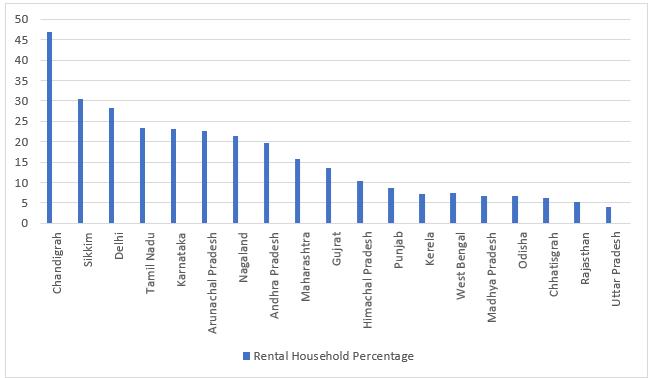
AtthecitylevelinIndia,almost21.72million[1]population livein rental accommodation. The eightstatesandUnion Territorieshavethehighestpercentageofrentalhouseholds witharound16.63 [5]million.
Therentalhousingsharesrisewithcitysize,from28%,36%, and40%insmalltowns,mediumtowns,andlargecities [6] respectively.ThegrowingdemandforrentalhousinginIndia isobserved[6] with82%and71%ofpeopleinruraland urban areas living without any written contract. Figure 1 showsthepercentageofrentalhouseholdsineverystate:
4.2 Formal Rental Housing
Formalrentalhousingismuchfarbetteroptiontoliveinfor a short period. There is proper and organized rental accommodation that has quality and essential needs. The housingdevelopedongovernmentlandormaybeonprivate landhavinglegalstructuresandlegalrulesfortenants.By this,thereisaminimumhome-workdistance.
NeedforRentalHousinginIndia:
Togearupforfasturbanization
Limited availability of land parcels increases housingunaffordability
EconomicandJobUncertainty
ChangeinLifestylePreferences
Lesspressureonthehousingmarket
5. ACTS
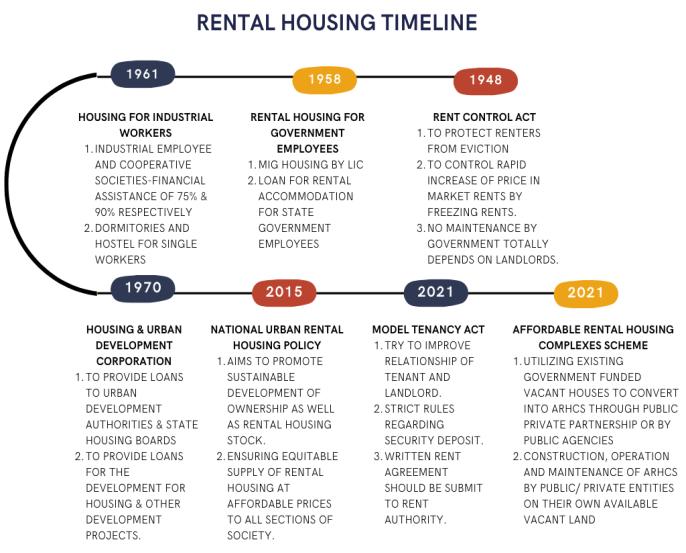
As stated in the Rent Control Act 1948 was introduced to monitor rental properties and prevent exploitation by tenants and landlords. There is a provision that an owner cannot evict a tenantwithoutanymajorcause.Everytenanthas the right to get basic service (water supply, sewerage, electricity, gas, septic tank, etc.) in the rentedpropertybytheowner.
AsstatedinRentControlAct1948Ownershavethe right to evict tenants, but this must not be of a personal or perhaps professional nature. It is not permissible for the tenant to vacate the rental propertywithoutgivingareason.Priortoeviction, the owner must notify the tenant to find a new apartment.Thepropertyissolelytheentityofthe landlordandtoimprovethequalityormodifyany part. Such changes or modifications should not affectthetenancy.
As stated in Model Tenancy Act 2021 aims to equalizetheroleoflandlordsandtenants,thereby extinguishing the concept of rent control laws in Favor of tenants and providing transparency for resolving disputes between both parties and creatinganagileregulatoryenvironment.
4. TYPES OF HOUSING
4.1 Informal/Unorganized Rental Housing
Duetotheabsenceofasupportingenvironment,thereisan abundance of informal and unorganized rental accommodationthatlacksqualityandessentialcleanliness. Thehousingdevelopedonencroachedlandorhavingillegal structures on owned land. The informal accommodations have inferior quality of basic amenities that may cause variousdiseases.Ghettosandkindofslumsandsquatters started developing because of robust community development.
As stated in the Model Tenancy Act 2021 for residentialuselandlordcantakeasecuritydeposit onlyfortwomonthsandinthecaseofcommercial use deposit can be taken up to 6 months. If any dispute occurs between tenant and landlord the responsibleauthoritywillresolveacasewithin60 daysfromthedateit.
Thetenant'soccupancyinthepremisesletouton rent was [5] prompted by "Force Majeure" as a situationofwaroranynaturalcalamity.
Anacceptabledigitalstructuremustbeputinplace so that submitting documents, creating special identity characters, [7] and uploading records of
residency contracts becomes easy. Establishing RentAuthoritiesorinsufficientvacuityoffinanceat theauthoritycanpose[7] provocationonthem.
TheActstates,"premises"toanybuildingstructure orportionofabuildingthatisorisintendedtobe rentedforresidentialorcommercial [5]use-with a few exceptions for hotels, guest houses, Dharamshala,andindustrialuse.
AsstatedinAffordableRentalHousingComplexes Scheme2021itaimstopromotethevisionofaselfreliant ease of living residence near their workplace.
Asstatedintheschemeamixofatleast40DUand dormitories with [8] essential services are to be specifiedinthedesign.
AsstatedinaschemethesizeofDUwillbeupto30 sqm and 60 sqm having a single bedroom and double[8]bedroomrespectively.
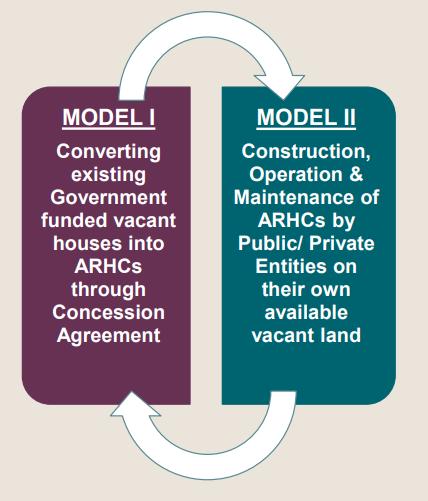
As stated in the scheme will be implemented throughtwomodels [8]asshowninFigure2:
Source:Author
6. RENTAL HOUSING – A CASE OF MUMBAI
6.1 About the Scheme
Aprojectonthe‘RentalhousingschemebyMMRDA, Mumbai(Public-Private)’.
Maharashtra government launched the project “Affordablerentalhousingscheme”.
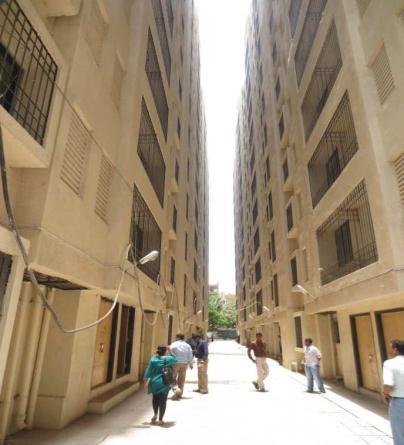
Thisprojectwasdoneincollaborationwithprivatesectorparticipation.
Under this scheme development of self-sustained rental stock has to develop in the Mumbai MetropolitanRegion[9](MMR).
Eachdwellingunitisof160sq.ft.carpetareawith extendedFSI/TDRbenefitstodevelopers.
The scheme applied to a selected population, developmentofaround0.1millionhousesayearto meettheexistingbacklogofaround [9]twomillion housestomeetthedemandofEWS/LIGmigrants.
6.2 Key concerns and issues
Someofthechallengesandissuesobservedareasfollows:
Rental housing units were planned with least priorityandthat’swhynoimportancewasgivento the layout and building plans. This resulted in congesteddwellingunitswithpoorventilation.
Byrectifyingtheplansandworkingonsmalldetails inplanningfloorplansandunitareasrestrictedto createmasshousingofurbanpoorhouseholds.
As prescribed higher FSI creates much higher densitydwellingunits.Now,therevisedunitsizeis doubledtheprevioussize.
Afterthattwodwellingunitscombinetomakeone dwellingunitof320sq.ft.asstatedintherevised schemeforthesingle-familytoreside.
These rental units were distributed among the government and public organizations for their employeesonrentandtheremainingstockabout 15%willsoldbyMMRDAasperthe [10]eligibility criteria.
Toreducetheburdenfromexistinginfrastructure, lowertheFSIproposedfrom4.00to3.00proposed bytheGovernmentof [9]Maharashtra.

Alltheseproposedchangesshiftitsfocusfroman ‘Affordable Rental Housing Scheme’ into an ‘AffordableOwnershipHousingScheme’.
7. LEGAL AND REGULATORY RECOMMENDATIONS
Rentalhousingwillworkonlyifdifferentauthoritiessuchas theCentralGovernment,StateGovernment,localauthorities, andRentRegulatorscometogethertopromotethegrowthof theRentalHousingSectorinIndia.
7.1 State Rental Regulation Acts
Thisregulationisasolidframeworkforreforming therentalhousingsectorinIndia.
Toavoidtenantexploitationbylimitingrentsand evictingrentersas [6]specifiedinRentControl.
“Balancetheinterestsoflandownerandtenantand createanaccountableandtransparentenvironment for renting the premises in a disciplined and efficient manner to promote an inclusive and sustainableecosystem”asstatedinthedraftofthe ModelTenancy[7]Act2019.
The Act is a significant initiative to establish an effective legal structure that promotes landlordtenantpeace.
7.2 State Rental Housing Policy
Thestategovernmentshouldcreatearentalhousingpolicy that outlines the state's rental housing development plan andpath.Rentalhousingpoliciesshouldtakeintoaccountall agegroupsandincomelevelsinsociety.Allthree [6]types ofrentalhousingarelistedinTable3below:
Table 2: TypesofRentalHousing
Type of Rental Housing Section of the society Incentives
Social Rental Housing EWS section of society Needsmonetaryandnonmonetaryincentivesand supportofpolicy
Need Based RentalHousing LIG section of society Needs monetary and limitedmonetarysupport andsupportofpolicy
Market Based RentalHousing MIG & HIG sectionofsociety Monetarypromotionsare not needed, only nonmonetary and policy’s support
7.3 Composition of the State Rent Regulator/Authority
The sector to grow and prosper sustainably, it needs a strong and balanced regulator to drive sectordevelopment.Authoritiesarerequiredto[6] safeguard the legal interests of enterprises and society. Markets support the preservation of citizens'rightsandsecurity,aswellastheprovision ofhigh-qualitygoodsandservices.
Therefore,eachstateshouldestablishastaterental regulator/authority immediately to regulate the rentalhousingsectorefficientlyandtransparently.
Toensurethatcomplaintsareresolvedquicklyto balancethelegalrightsoflandlordsandtenants.
Regulatorsmuststrivetoreduceexistinginformal markets by establishing minimum standards that balancethelegalprivilegesandresponsibilitiesof proprietors and tenants, creating complaint resolutionmechanisms, [6] and developing
strategies to ensure vacant homes/closure to a formal and dynamic rental housing market. The property will be used as rental housing and encouragestaxornon-taxincentives.
8. SUGGESTIONS
InIndia‘GrossRentalyields’arethelowestinthe world [6]at1%-4%.’
According to the Global Real Estate Guide, India's rentalincomerangesfrom'verypoor' [6]to'poor'. Rising real estate prices have provided financial returns for investors, while rental income has covered [6] operation and maintenance expenditures.
Steps should be implemented to increase the financial viability of rental housing initiatives in India to recruit public sector [6]rental housing operators.
Some incentives that the government should considertomaintainfeasibilityincludeanincrease in additional FAR/FSI, essential services to the housingsociety,andmandatorymunicipalcostsfor watersupply,electricity,propertytax,andsoon.
8.1 Tax Reforms
Reforms in rent control acts should be done very precisely.
To promote rental housing for various sizes and variouseconomicgroups.
TouseadditionalFAR/FSIandmixusestopromote rentalhousing.
Topromoterentalhousingweneedtostrengthen therentalhousingagency.
Weshouldstartthemechanismforthemaintenance and operation of the sustainable rental housing society.
Weshouldinstitutionalizerent-to-ownschemesto reducethehousingshortageinbigcities.
8.2 Incentives to Promote Public/Private Entities via ARHC scheme
Projectfinanceatlowerratesofinterestispossible throughtheAffordableHousingFund(AHF).
Aprovisionofsinglewindowapprovalof30days.
The municipal services will be taxed at the same rateasresidentialprojects.
InARHC,profitsareprotectedfromincometax.
InARHC,profitsareprotectedfromGST.
Therequiredtrunkinfrastructureamenitieswillbe provided at no cost to the organization by the respectiveULBs.
Theycanchangethe‘usepermission’forhousingon vacantlandifnecessary
Ininnovationoftechnologygrantsareavailablefor projects that use cutting-edge construction technology.
9. CONCLUSION
The above discussion makes it clear that rental housing fulfillsabasichumanneedforshelterina vastnumber of householdsinIndia.Therentalhousingsectorplaysacrucial roleinprovidingaffordablehousingoptionsandmeetingthe diverseneedsofagrowingurbanpopulation.Thelackofa robustregulatoryframeworkandtenancylawsoftenleads todisputescreatesalackofsecurityforbothlandlordsand tenants,anddiscouragespotentialinvestmentintheleasing sector. The government's efforts to promote affordable housing and introduce reforms to streamline the rental processandlawsareastepintherightdirection.Inaddition, increasingurbanizationandagrowingyoungerworkforce seeking mobility and flexibility are contributing to the demand for rental housing. India will unlock its true potentialintherentalhousingmarket,fosteringsustainable urbandevelopmentandprovidinghousingsolutionstailored todifferentsocio-economicbackgrounds.Thesuccessofthis effortwilldependonallstakesinbuildinganinclusiveand resilient rental housing ecosystem that benefits both landlordsandtenantsandcontributestoafairerandmore prosperous society. The facilitators include policymakers, cityplanners,andstakeholderswhoneedtoworktogether. Legalframeworkssuchasuniformleaseagreements,dispute resolution mechanisms, security deposit regulations, and reformstotenancylawswillcontinuetostrengthenlandlord and tenant confidence. Financial institutions can play a crucial role by offering innovative financing options to investorsanddeveloperslookingtoentertherentalmarket. By promoting awareness campaigns that highlight the benefitsofrentalhousingandexposethesocialstigmathat accompanies it, perceptions of rental housing can be changedpositively.Promotingcommunityengagementand involvinglocalgovernmentsinsupportingaffordablerental housing initiatives will also contribute significantly to the growthofthesector.
REFERENCES
[1] A. Nandan, "Rental Housing in India," Savills, India, 2020.
[2] J. Karmakar, "Affordable Housing Provision in the Context of Kolkata Metropolitan Area," in Institute of Town Planning, India,2019.
[3] "Census of India," 2011. [Online]. Available: https://censusindia.gov.in
[4] "Urban Housing Shortage 2012-2017," Ministry of Housing and Urban Poverty Alleviation, to estimate UrbanHousingShortagein12thfive-yearplan,2010
[5] F.Knight,"ANewEra forRental Real EstateinIndia," KhaitanandCompany,2021.
[6] S. Chitturi, "Roadmap to Rental Housing in India," PrimusPartnerPrivateLimited,NewDelhi,2020.
[7] "MinistryofHousingandUrbanAffairs,"2019.[Online]. Available:https://mohua.gov.in
[8] "arhc.mohua," 2020. [Online]. Available: http://arch.mohua.gov.in/
[9] G. o. Maharashtra, "mmrda,maharashtra.gov," 26 November 2008. [Online]. Available: https://mmrda.maharashtra.gov.in/documents/10180/ 483722/11-RentalHousing6.pdf/. [Accessed 01 08 2023].
[10] "RENTAUTHORITY,MMRDA,"2013.[Online].Available: https://maharashtra.gov.in/
[11] "Report on the housing shortage in India," Planning CommissionofIndia,2007.