Solar Heat Storage Technologies: Advancements and Integration in Renewable Energy Systems
 Bhavesh C Pathak1
1Assistant Professor, Mechanical Engineering Department, Government of Engineering College, Bharuch, Gujarat, India.
***
Abstract - The project provides various data regarding solarheatstoragetechnologiesadvancementsandintegration in sustainable energy systems. Based on the data researcher hasbeenprovidingthevarioussectionwhich iscontainingthe different parts of the project. Here researcher describes the methods, and in the method, the researcher has been describing their chosen methodology. Hence here also other data clearly describe which is helping efficiently describe the entire project. Effective interpretation of the result helps in understanding the basic concept along with detailed optimizing factors.
Key Words: Storagetank,port,MATLAB,simulation,heat storage,temperature,node,ambienttemperature,charging, discharging.
1.INTRODUCTION
1.1. Background
Implementation of solar heat storage technology entirely depends on the generation of energy whenever required without any fossil fuel integration. Such technology is responsible for generating the required energy without generating any harmful emissions aiming at the sustainability measurement in the environment. Sensible heat storage is responsible for storing thermal energy within a storage medium with temperature increment without integration of any phase transformation. Implementation of such a system involves providing a renewablesourceofenergyfordifferentpurposessuchas electricity. Most of the advanced technologies are used in different sectors where a huge amount of heat energy is required. Therefore, the study has aimed to obtain an extensiveoverviewoftherelatedfactorsandunderstanding ofsuchtechnology.
1.2. Problem Statement
Themostrecentproblemrelatedtoenergyconsumptionis the utilization of fossil fuel in huge amounts that causes environmental pollution with the emission of several harmfulgases.Thermalenergyobtainedfromthesuncanbe stored as both latent heat, thermo chemical heat, and sensible heat Suchconsiderationisnecessaryfortheexact utilizationofthethermalenergyandstoragemethod.Hence, thepaperissolelyinvolvedinimplementingamethodthat
storessolarenergyasthermalenergyindifferentweather conditions.
1.3. Aim and Objectives
Aim
The main aim of this report is the implementation of a thermal storage tank, Multiport store model which will provideanoptimizedoutcome.
Objectives
Attainmentofthisdeterminedaimdifferentobjectiveshave beenconstructedasfollowed:
Toevaluatethesignificanceofaheatstoragemodel.
To simulate the model in both charging and dischargingmodesinMATLAB.
To obtain the outcome based on the double port model.
Tooptimizethetemperaturesineachnodeofthe model.
1.4. Research Questions
Thefollowingstructuredquestionsarerelevanttotheentire researchandmodelimplementationprocess.
What is the significance of solar heat storage technologies?
How to simulate the model in both charging and dischargingmodelsusingMATLAB?
What are the procedures to implement a double portheatstoragemodel?
Howtooptimizethetemperaturefromthenodesof themodel?
1.5. Rationale
Theimplementationoftheheatstoragemodelissignificant initspurposeasitinvolvesoptimizingthetemperaturein
differentweatherconditionsandotherrelevantfactors.Such a study is significant in providing an important means of heatenergytransferwithrenewableelectricityproduction sectors.
1.6. Summary
The entire study has aimed to be structured based on the implementationofaneffectivethermalheatstoragesystem forextensiverenewableresources.Effectiveimplementation oftheobjectivesissignificantforthestudyandsimulation optimization of the MATLAB works. Evaluation and justificationoftheresearchwillbeperformedbasedonthe structured research questions. Each of the questions has beenstructuredbasedonthebasicconceptoptimizationand final result optimization of the model that will be implemented to store solar energy as the form of heat energy.Therefore,itcanbeimplicatedthattheoptimization of the process of heat storage and energy transfer will be effectively performed based on the determined requirements.
2. LITERATURE REVIEW
2.1 Introduction
The researcher has been providing data about solar heat storagetechnologiesandalsodescribingthedataabouttheir advancementandintegrationinrenewableenergystorage. Henceinthisliteraturechapterresearcherhavetodescribe thevariousdatawhichisessentialfortheresearchprocess. Here researcher has discussed the advancement of “solar heat storage” andimportance of the “solar heat storage technologies”. It describes the various parts that are essentialforthedataanditalsoprovidesasummaryofthe project, and the literature gap. According to the data, this thermalstorageprocesshasbeenusingvariousapplications whichareessentialforvariousfeaturesandpowercapacity and also help to increase the power capacity for shortdurationenergystorage.Henceshort-time energystorage process has been included with the reserve and response services.
The studies from [56- 72] Anand Patel et al. [73] HD Chaudhary et al. [74] Patel Anand et. al for solar air and water heater [75] Patel, Anand for solar cooker evaluate differentkindofwithdifferentgeometryconditionofsolar thermal storage to enhance the renewability and heat transferenhancement.Thisallliteraturereviewhelpsinthe current study solar heat storage advancements efficacy incrementusingMatlabsoftwareastoolforanalysis.
2.2 Solar Thermal Energy and Industrial Process Heating
“Solar thermal energy” canbeusedforindustrialprocess heating, which involves using heat to carry out various industrialprocessessuchasdrying,melting,sterilizing,and
chemical reactions. Solar thermal systems capture and concentratesunlighttoproduceincreased-temperatureheat, whichcanexistutilizedinstantlyorsortedforlateruse[1]. Additional kinds of “solar systems” can be utilized for industrial process heating, including flare plate collectors, evacuated tube collectors, and concentrating solar power systems.Thesedevicesabsorbsunlightandtransformitinto heat using various technologies. The most popular solar thermal system for heating industrial processes uses flat platecollectors.Theyaremadeupofaheattransferfluid,an absorberplate,andaflat,rectangularboxwithatransparent lid[2].
Solar Thermal Energy and Industrial Process Heating

Sunlightentersthetransparentcoverthroughtheabsorber plate,whichheatsup,transferstheheattothefluid,andthen exits through the transparent cover into the surrounding space.Afterthat,theheatedfluidcanbeutilizedimmediately toheatindustrialprocessesoritcanbestoredforlateruse. Althoughtheyhaveadifferentconstruction,evacuatetube collectorsarecomparabletoflatplatecollectors[3]. They arecreatedupofseveral glass tubes,eachwithanabsorber plate and a heat transmission device. The tubes' internal vacuum reduces heat loss and boosts effectiveness. Since evacuatedtubecollectorscanreachhighertemperaturesand are more effective than flat plate collectors, they are appropriate for several industrial processes that call for high-temperature heat. “Concentrating solar power” systemsareanothertypeofsolarthermalsystemthatcanbe usedforindustrialprocessheating.Thesesystemsareusage mirrors or lenses to consolidate daylight onto a receiver, whichsoakstheconcentratedsunlightandtransformsitinto warmth. CSP systems can achieve very high temperatures andareoftenusedforlarge-scaleindustrialapplications[4].
2.3 Future of SolarHeatStorageTechnologies
The future of “solar heat storage” technologies exists promising, as the world continues to transition towards renewable energy sources. Here are some potential advancements and trends that could shape the future of solarheatstorage:
1. Advanced material:
Aninvestigatorhasbeenresearchingcontemporaryfabrics withincreasedwarmthwarehousecapabilitieslike “Phase change materials” andrefinedceramics.Thesefabricscould holdanddischargewarmthadditionalefficiently,enhancing thegeneralroutineofsolarwarmthrepository[5].
2. Thermal energy storage:
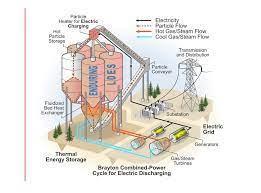
“TES”methodsareachievingvogueastheyqualifyforthe repository of surplus heat caused by “solar thermal collectors”. TES methods can utilize that for a comprehensivecourse,permittingittoexistoperatedduring overcast days or in darkness when solar exuberance productionisdescending.Progressin TES technology,like theusageof “molten salts” orelevated-temperatureliquids, could greatly improve the efficiency and degree of “solar heat storage” [6].
storingexcessheatduringsunnytimes,thesesystemscan provideareliableandsustainablesourceofheatforcooking, heating,orotherthermalapplications[9].
2.4 The cost-effectiveness of Solar heat Storage Technologies
Thecost-effectivenessof “solar heat storagetechnologies” candifferrelyingonseveralelements,includingtheinitial investment cost, the efficiency of the technology, and the localenergyprices[10].
1. Initial investment cost:
Theupfrontcostofinstallingsolarheatstoragetechnologies canberelativelyhigh.Thisincludesthecostofsolarpanels, heat storage systems, and any additional equipment required. However, the cost has been decreasing over the yearsduetotechnologicaladvancementsandeconomiesof scale[11].
Figure 2.3.1: Thermal energy storage technology
3. Integration of other renewable energy technologies:
“Solar heat storage” can be combined with different renewablevitalitytechnologieslikerobust “solar power or geothermal energy”. This integration authorizes a more variedanddependablerenewableexuberancemixasextra warmth from “solar collectors” can exist operated to develop electricity or supply heating in a mixture with differentrenewableembryones[7].
4. Grid integration and demand response:
Solarheatstoragesystemscanbeconnectedtotheelectrical grid,enablingthestoredheattobeusedforspaceheating, water heating, or other applications when the demand is high.Thisgridintegrationcanhelpbalanceeenergysupply anddemand,markingsook,arheatstorageavaluableasset forgridoperators[8].
5. Decentralization ad off-grid applications:

Solarheattechnologiescanbeparticularlyusefulinoff-grid remoteareaswhereaccesstoelectricityislimited.Usingthe
2. Efficiency:
Theefficiencyofsolarheatstoragetechnologiesdetermines how much energy can be stored and utilized. A higher efficiencysystemcanstoreandreleasemoreheatresulting in better cost-effectiveness. efficiency improvements can makethetechnologymoreeconomicallyviablebyreducing the amount of solar panels and storage capacity required [12].
2.5 Advantages and Disadvantages of Solar Heat Storage Technologies
Advantages of the “Solar Heat Storage Technologies”
1. Renewable energy source:
Solar heat storage technologies utilize the sun's energy, whichisarenewableresource,thisreducesdependenceon fossil fuels and contributes to a cleaner and greener environment[13].
2.
Onceinstalled,solarheatsystemshavelowoperatingcosts as they rely on free solar energy, which can lead to significantsavingsonenergybillsinthelongrun[14].

3. Space requirements:
“Solar panels” requireanoteworthyamountofmarginfor buildingspecificallyasalargeamountofenergyneedstobe generated [19]. This might limit their feasibility in urban areasorplaceswithlimitedavailablespace.
2.6 Classification Of Solar Energy Storage Technologies
Solar energy storage technologies can be classified into multiplecategoriesbasedonthetypeofstoragemediumor technologyused.Herearesomecommonclassifications:
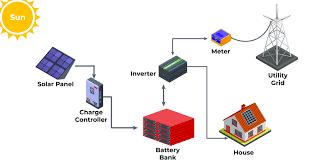
1. Battery storage:
Thisincludesvarioustypesofbatterieslike “Lithium-ion”, “Lead-acid”, “flow batteries”, and “sodium-ion batteries” Thesebatteriesaccumulateextrasolarpowerduringtheday forserviceduringtimesoflowornodaylight[23].
3. Energy independence:
Solarheatstoragesystemsallowindividualsandbusinessto generatetheirenergy,reducingdependenceonthegridad providingenergysecurity[15].
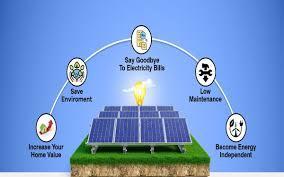
4. Reduce carbon emissions:
Solarheatstoragesystemsdeliverunclutteredenergyand accomplish not radiate conservatory gases, assisting to relieve “carbon emissions” and “combat climate change” [16].
Disadvantages of Solar Heat Storage Technologies
1. Initial cost:
Theupfrontcostofinstallingasolarheatstoragesystemcan berelativelyhigh,includingthecostofsolarpanels,storage tanks, and installation, this can be a barrier for some businesses[18].
2. Weather dependents:
Solar heat storage systems rely upon sunlight to generate energy,therefore,theirperformanceisaffectedbyweather conditions, like cloudy days or reduced sunlight during wintermonths[22].
2. Thermal storage:
This category includes technologies that store “solar energy” intheformofheat,someinstancesare “moltensalt storage”, which stores heat in salts, and phase change materials, which absorb and release heat during phase transitions[20].
3. Pumped Hydro Storage:
Thismethodhasbeeninvolvingusingexcesssolarenergy can then pump water from a lower waterhole to a more elevatedwaterhole.Theaccumulatedenergycanthenexist removedbyallowingthewatertoflowbackdownthrough turbinestomakeelectricity[21].
2.7 Linkage to Objective
Theresearcherhascollectedvariousdatawhichisessential for the research purpose, term “solar thermal energy” referstotheuseofheatforindustrialprocessheating,which includes carrying out processes like drying, melting, sterilizing,andchemicalreactions.Sunlightiscapturedand
concentrated by solar thermal systems to provide hightemperatureheatthatcanbeusedrightawayorstoredfor lateruse.Solarsystemsofmanykinds,suchasconcentrating solar power systems, evacuated tube collectors, and flare plate collectors, can be used to heat industrial processes. These gadgets use a variety of technologies to absorb sunlightandconvertittoheat.Flatplatecollectorsarethe most widely used solar thermal technology for heating industrial processes. They consist of an absorber plate, a heattransferfluid,anda flat,rectangularboxwitha clear cover.
2.8 Literature Gap
The researcher has been providing various data which is essential for understanding the topic of the project. Thus, lack of time, resources, the team works, there are some researchgapsareprovided.Henceresearchersarealsonot providingthevariouscrucialinformationwhichisessential andthosehelpfutureresearch[24].
2.9 Summary
Accordingtothedata,theresearcherhasbeenprovidingthe properdataregardingthe “Solarheatstoragetechnologies “and their advancement and integration for sustainable energies.Basedonthat,theresearcherhasbeendescribing thevariouscrucialdatawhichisessentialforimplantations. Hence,hereresearcherhasbeenusing “MATLAB” todesigna solarenergystoragesystem.Afterthatresearcherhasalso described the objective of their project and the gap in the researchprocess.
3. METHODOLOGY
3.1. Research Philosophy
“Research philosophy” is a group of actual thoughts that handlethelayoutandimplementationofvariousresearch analyses, and perspectives suggest various forms of comprehendingtechnicalresearch.Thisisaveryimportant partofthesuccessofa project.Aproperformofresearch philosophy can enhance the quality of a project to a great extent.Thesuccessofaprojectworkdependsonthevarious aspectsandtheseaspectsaregreatlyinfluencedbytheexact formof research philosophy [26]. Positivism, interpretive, pragmatic, and realism are four kinds of research philosophiesthatareobservedinrecentprojects. Positivism isembeddedintheassumptionthatlearningcanbeacquired via factual observations and proportions. This type of researchphilosophyshowsthattheresponsesarefoundby analyzingandmeasuringthenumericaldata.
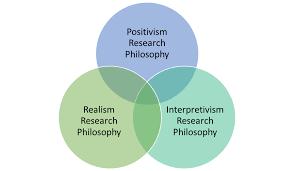
Figure 3.1.1: Research Philosophy
Interpretive is mainly a sociological process of study in whichanactivitygenerallyisexaminedandestablishedon theviews,values,andstandardsofthesocietyinwhichthe processisdone. Pragmatic researchphilosophy isallabout the conceptions that are relevant only if it supports the activity. Thisprocedurehelpstogeneralizetheinformation and also in validating and designing the data [27]. The realism techniquedependsontheviewoftheindependence of the actuality from the human mind. This philosophy is mainlybasedonthebeliefinascientifictechniqueforthe expansionofknowledge.
3.2. Research Design
“Research design” isthemainstructureofstudyprocedures andapproachesselectedbyausertoperformaproject.The layout permits researchers to deepen the various study strategiesappropriateforthesubjectandbuiltanalysesfor accuracy. It is a very crucial part of Solar Heat Storage Technologies to get successful [28]. Descriptive, experimental, correlational, diagnostic,and explanatory research are the main types of design methods utilized in recentprojects.Awell-planneddesignofresearchassures that the methodologies match the relevant aims and objectives of the project. It also confirms the high-quality collectionofdataandthesuitablekindofresearchanalysis to respond to the queries with the help of authentic and trustedsources[29].Properdesignensurestheaccuracyof theresultanditalsohelpstodrawappropriatedecisionsfor theproject.
3.3. Research Approach
The research approach is the method preferred by the student to gather, analyze, or solve information. It is generallyaplanandtechniquethatismadeofthestepsof widening assumptions to a thorough procedure of data collection and analysis [30]. Research problems are also beingdiscussedhereinthispartforthebettermentofthe project. Inductive and deductive are the two kinds of researchapproachesthereinrecentstudies.The inductive research approach is mainly a flexible procedure that enablestheresearchertoadjustthetopicsandapproaches oftheresearchbasedonthecollecteddata[31].Researchers havethefreedomtolearnnewphenomenaandconceptsthat
theydonotthinkbefore.Thedeductiveresearchapproachis thekindofresearchapproachinwhichresearchersbegins with a thesis and then tests it via data collection and observations[49].Themainbenefitofthisapproachisthe optiontoexplainthewayhowthevariablesandconceptsare connectedtoeachother’scauseandeffect.Italsoenablesthe researchertotakedatafromtwoormoreremarksandpulla logically rational decision. This is the reason why the deductive researchapproachisusedhereinthisprojectof “Solar Heat Storage Technologies Advancements and Integration in Renewable Energy Systems”.
3.4. Research Strategy
Research strategy bringsthemainandprimaryelementsof theresearchprojectlikeresearchsubjectareaandpriority, researchobjectives,andresearchdesignandapproaches.A properformofresearchstrategyhelpstocomprehendthe project in a better way and in that way the result can be drawn with better numbers [32]. Solar Heat Storage Technologies areanimportantthinginreticentdaysandthe proper research strategy need to be implemented to accomplish this job in an efficient manner. Everything requirestobeplannedproperlyforgettingabetteroutcome. Inaway,itissaidthattheproperformofstrategyhelpsto savetime toa greatextent, andhelpsto rectifythe errors andmistakes[33].Thisisthereasonbehindchoosingproper strategiesfortheresearchofthisproject.
3.5. Data Collection
“Data collection” signifies the accumulation of data or informationrelatedtothesubjectforbetterunderstanding and analysis of the project. It needs to be done in a systematic and ordered way that helps the researcher to respond to the different questions of the research and evaluate theories and results [48]. It is one of the most important parts of the project and a proper form of collectionofdatacanenhancethequalityoftheprojecttoa great extent. “Quantitative”, “qualitative, and “mixed” processes are the main types of data collection used in recent studies [34]. “Quantitative” collection of data or information defines the accumulation of numerical informationthatmaybeanalyzedbyoperating statistical techniques.Thiskindof data collection isusuallyutilizedin surveys, experimentations, and various other methods of research [35]. “Qualitative” collection of data is the explanatory and conceptual discoveries gathered via discussions, questionnaires, or observation. Analyzing qualitativedataenablesuserstoanalyzeviewsandfurther demonstrate quantitative outcomes. Mixed methodsof data collection are the combination of both processes “quantitative”and “qualitative” [36].
3.5.1: Data Collection Method
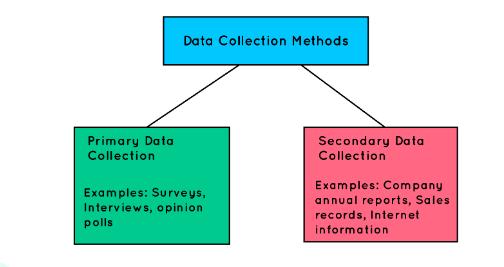
“Primary” and “secondary” arealsotwoimportantpartsof the data collection process. The primary method is the collectionofdatafromactualsources[37].The secondary collectionmethodisthemethodinwhichdataiscollected frompreviouslydonejournals,projects,books,interviews, andfocusgroups.Sourcesof secondary dataareextremely easy to approach, low in cost, and time-saving to a great extent. This is the reason behind the selection of “secondary” and “qualitative” techniques for the bettermentofthe Solar Heat Storage Technologies project [38].
3.6. Tools and technologies
Variousadvancedtoolsandthelatesttechnologiesareused hereinthisprojectforbetteranalysisofthedataandoutput efficiency.“Unglazed solar collectors”,“Transpired solar air collectors”, “Flat-plate solar collectors”, and “Concentrating solar systems” are the main types of technologies used in “solar thermal technologies” [39]. Elementslikegravel,rubber,quartzite,andpebblesareeven utilizedtokeepsolarenergy.“Two-Tank Direct System”is theprocessofhow solar energy isstoredinthestorage[47]. MATLAB softwareisusedhereintheprojectfortheanalysis ofthedesignsof solar energy storage technology
3.6 Feasibility
Matlab is used here in this project for the design and analysisofthesystemanditisveryusefulinthesuccessof theproject.Itexecutesandexperimentsthealgorithmsina very easy and effective way, creates the codes of the computationalsoverysmoothly,anddebugeffortlessly[40]. MATLAB operatesutilizingabiggerdatabaseofstructured algorithmsandprocessesimagesanddevelops simulation videos effectively.Italsocancall external librariesforthe betterment of the design process. It can generate results withlesserrorandbetteraccuracy.Thisisthereasonwhy MATLAB is chosen here in this project to guide this in a betterdirection.
4. RESULTS AND DISCUSSION
Threedifferentmethodsofthermalenergystorageareused to implement for different purposes [51]. In this paper sensible type of thermal energy storage has been implemented to obtain the optimized result of the temperaturedifferencesbasedondifferentmeasurementsof the parameters. Sensible heat is involved in the measurementoftheheatcapacityofaparticularmaterial. Thisadded thermal energy storedinthatmaterialresultsin anincreasedtemperature[52].Themajorconfigurationof thismodelisbasedontwo-tankintegrationwheretheheat ismeasured.Asimilarstoragematerialisusedfortheheat transferprocess.
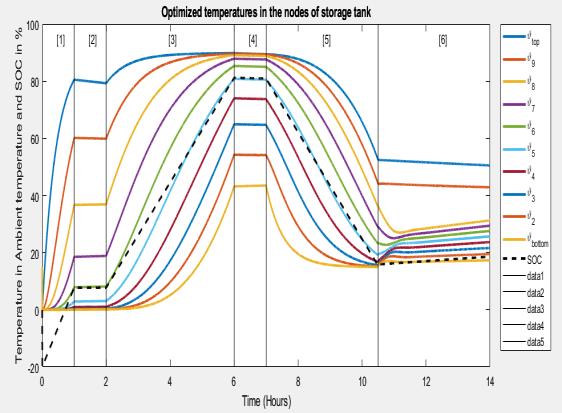
The simulation has been constructed by implementing a doubleportdischargingandchargingmodelofheatstorage [53].Aconstantpowergashasbeenmaintainedtooptimize the measurement of different factors that evaluates the significant outcomes. Several fixed inputs have been maintainedadequatelyincludingthecapacityofthetankina litre,theheightofthestoragetank,andheatlossratesinthe top,bottom,andzones.Whiletheexchangersarenotinuse, the variables(HX) have been set to nan value [54]. The changesintheparametersoftheportshavebeenoptimized from the relative positions. The ambient temperature has beeninitiatedat15Cintheentirestoragetank.
Theheatingtemperaturehasbeenmeasuredbasedonthe different measurements of standby temperatures and durations.Thefirstmeasurementofthesevariableshasbeen structuredas30KWperhourwithadowntimeof1hour. The first measurement of these variables has been structuredas20KWin4hourswithadowntimeof1hour. The discharging process has been performed with 20 KW and 15 KW in 3.5 hours respectively for the different conditions. Effective implementation of the loops helps in optimizing the adequate measurement of the determined valuesofthetemperaturereadingstooptimizethesystem function [55]. The entire simulation has been effectively performedtojustifytheimplementationofthemodel.Itis theprocessoftransferringheatfromonesystemtoanother.
Thefigureisresponsiblefor providinganoverviewofthe charginganddischargingstatesofthenodes(6nodes)with properdifferentiatingthetemperatureinallthenodes.The dotted line resembles the SOC line of the model. All the heatingmeasurementsinbothportshavebeenadequately evaluatedthroughthegraph.Thetimehasbeenstructured alongthex-axiswhereastheoptimizedtemperaturesofthe ports have been structured along the y-axis. It has been effectively measured that the heat storage system is significant in its purpose and justified the simulation outcomes.Potentialheattransferrecordscanbeeffectively observedthroughthegraphthathasbeenobtainedfromthe simulationresultoftheimplementedmodel.
5. FUTURE WORK
The initial expense of buying a solar system is comparatively high which is the reason why cost optimizationneedstobedoneforbetteruseintheupcoming days.Solarenergyismainlyweather-dependenttechnology [41]. Solar can be still gathered at the time of rainy and cloudy days but it rewires some modifications. These modificationsneedtobedoneinaneffectivemannerforthe betterment of the entire system in the days to come [42]. There is also an issue regarding the limitations of the capacity. This is the reason why this capacity limitation needs to be addressed properly and assessed for upgradation.Maintenanceofthesystemisalsomandatory forefficientresultsanditneedstobedonerepeatedlyforthe discoveryoferrorsandmistakes[43].Therearesomerisk factorsassociatedwiththeprocessofimplementationand also the entire process. These risk factors need to be assessedproperlyandrequiretoberesolvedinordertorun theentireprocessinasmoothwayforalongertime.
Future works are very important for the upgradation and betterment of the system. The system can be enhanced greatlyifsomethingsarechangedor modified.Incentives requiretobebuiltbysettingnewinfluentialpolicies,rules, and market tools that identify the importance of energy storage.Technicalissuesorchallengesmaybehandledby improving the interoperability, integration, safety, standardization, and interpretation of energy storage procedures. Research and evolution can enhance the durability, efficiency, and recyclability of technologies of energystorage[44].Implementationoftheseprocedurescan greatly improve the overall system in the days to come. Mandates and subsidies can also be set for the storage of energy integration or deployment. General norms and protocols must be embraced to promote the exchange of data or information between various devices. Testing, credentialing,andrepeatedmonitoringprocessesmustbe implemented to provide the reliability and quality of the storage of solar energy [50]. These are the steps to be followed to make the system very much efficient in the futuredays.
6. CONCLUSION AND RECOMMENDATIONS
Aprojectisdoneonthe“Solar Heat Storage Technologies
Advancements and Integration in Renewable Energy Systems”withthehelpofthe MATLAB softwareplatform. Solar energy has been used widely in recent times as a sourceof renewable energy.Thisisthereasonwhyproper research is needed to analyze the data regarding the advancement and integration procedure. It has been observedintheresearchthat solar energy hasacrucialrole in decreasing greenhouse gas discharge and mitigating weatherchange.Theprojecthasbeendoneinaneffective mannerwiththeproperformofresearchapproach,strategy, and philosophy. Data has been collected from secondary sourcesthatareauthenticandtrustedforbetteranalysis.
6.1 linkage to the objective
The main objective of this project is to evaluate the importanceofthe heat storage model.Thisworkhasbeen achieved with high accuracy in this project. Another objective is to simulate the design model in charging and dischargingmodelswiththehelpofMATLABsoftware.This objectiveisalsofulfilledproperlywitheffectiveresults.Itis alsorequiredtoobtaintheresultbasedonthe double port model. Optimization is also needed to be done with the temperaturesineverynodeofthemodel.Thesetwoworkis alsodoneinaproperwaytoaccomplishmaximumsuccess. Therearesomeresearchquestionsthatarealsoaddressed properly and responded to with accurate results. The procedures are properly followed and explained for the bettermentoftheproject.
6.2 Recommendations
Certain recommendations are done in the project for the betterment of the system in the current scenario. Cost optimizationisagreatfactorthatisrequiredtobedonein ordertodrawthecustomer'sinterest[45].Theimportance ofsolarenergyinthecaseofrenewableenergysourcesis veryhighandtomaintainthispositionsomemodifications aretobedone.Ithasbeensuggestedtomonitortheentire systemrepeatedlytoincreasetheefficiencyanddurabilityof thesystem.Thiscangreatlyimprovethesystemanditwill makethesystem more adaptabletothesociety. The roles andresponsibilitiesoftheexperiencedemployeesarehigh inthiscase. Newandfresheremployeesneedtobetrained properly for the better implementation of solar energy storage technology [46]. The latest trends and patterns need to be observed properly in this scenario for a better understandingofthemarket.Itisrecommendedtousethe latest tools and technologies for better accuracy of the system output. Storage capacity is limited in the recent scenarioanditissuggestedtobeassessedproperlyforthe bettermentofthesystem.
REFERENCE LIST
[1]. Flatley,P.,2023.AdvancementsinRenewable Energy Technologies: A Comprehensive Review. American Engineering Journal, 1(1), pp.01-05.
[2]. Khobragade,P.,Ghutke,P.,Kalbande,V.P.and Purohit,N.,2022,January.Areviewofadvances in the Internet of Things (IoT) based solar collector for thermal energy storage system devices.In20222ndInternationalConference on Power Electronics & IoT Applications in RenewableEnergyanditsControl(PARC)(pp. 1-5).IEEE.
[3]. Vujanović, M., Besagni, G., Duić, N. and Markides, C.N., 2023. Innovation and advancementofthermalprocessesforenergy production, storage, utilizati,on and conservation in sustainable engineering applications. Applied Thermal Engineering, 221,p.119814
[4]. Khan,M.I.,Asfand,F.andAl-Ghamdi,S.G.,2022. Progress in research and technological advancements of thermal energy storage systemsforconcentratedsolarpower.Journal ofEnergyStorage,55,p.105860.
[5]. Mubarrat, M., Mashfy, M.M., Farhan, T. and Ehsan,M.M.,2023.ResearchAdvancementand PotentialProspectsofThermalEnergyStorage in Concentrated Solar Power Application. International Journal of Thermofluids, p.100431.
[6]. Sharma, P., Salkuti, S.R. and Kim, S.C., 2022. Advancementsinenergystoragetechnologies for smart grid development. International JournalofElectricalandComputerEngineering (IJECE),12(4),p.3421.
[7]. Worku,A.K.,Ayele,D.W.,Habtu,N.G.,Admasu, B.T.,Alemayehu,G.,Taye,B.Z.andYemata,T.A., 2022. Energy storage technologies; recent advances, challenges, and prospectives. In Planningofhybridrenewableenergysystems, electric vehicl,es and microgrid: modeling, control and optimization (pp. 125-150). Singapore:SpringerNatureSingapore.
[8]. Ahmed, S.F., Mofijur, M., Nuzhat, S., Rafa, N., Musharrat, A., Lam, S.S. and Boretti, A., 2022. Sustainable hydrogen production: Technological advancements and economic analysis. International Journal of Hydrogen Energy,47(88),pp.37227-37255.
[9]. Alassery,F.,Alzahrani,A.,Khan,A.I.,Irshad,K. and Islam, S., 2022. An artificial intelligencebasedsolarradiationprophesymodelforgreen energy utilization in energy management system. Sustainable Energy Technologies and Assessments,52,p.102060.
[10]. Thakur, A.K., Singh, R., Gehlot, A., Kaviti, A.K., Aseer, R., Suraparaju, S.K., Natarajan, S.K. and Sikarwar, V.S., 2022. Advancements in solar technologies for sustainable development of agricultural sector in India: a comprehensive review on challenges and opportunities. EnvironmentalScienceandPollutionResearch, 29(29),pp.43607-43634.
[11]. Alassery,F.,Alzahrani,A.,Khan,A.I.,Irshad,K. and Islam, S., 2022. An artificial intelligencebasedsolarradiationprophesymodelforgreen energy utilization in energy management system. Sustainable Energy Technologies and Assessments,52,p.102060.
[12]. Nasserddine,G.,Nassereddine,M.andElArid, A.A., 2023. Internet of Things Integration in Renewable Energy Systems. In Handbook of Research on Applications of AI, Digital Twin, and Internet of Things for Sustainable Development(pp.159-185).IGIGlobal.
[13]. Chakraborty,M.R.,Dawn,S.,Saha,P.K.,Basu,J.B. andUstun,T.S.,2022.Acomparativereviewof energystoragesystemsandtheirapplicationin deregulatedsystems.Batteries,8(9),p.124.
[14]. Jayachandran,M.,Gatla,R.K.,Rao,K.P.,Rao,G.S., Mohammed, S., Milyani, A.H., Azhari, A.A., Kalaiarasy,C.andGeetha,S.,2022.Challenges in achieving sustainable development goal 7: Affordableandcleanenergyinlightofnascent technologies.SustainableEnergyTechnologies andAssessments,53,p.102692.
[15]. Ushamah, H.M., Ahmed, N., Elfeky, K.E., Mahmood, M., Qaisrani, M.A., Waqas, A. and Zhang,Q.,2022.Techno-economicanalysisofa hybriddistrictheatingwithboreholethermal storageforvarioussolarcollectorsandclimate zones in Pakistan. Renewable Energy, 199, pp.1639-1656.
[16]. Devadiga, D., Selvakumar, M., Shetty, P. and Santosh,M.S.,2022.Theintegrationofflexible dye-sensitized solar cells and storage devices towardswearableself-chargingpowersystems: A review. Renewable and Sustainable Energy Reviews,159,p.112252.
[17]. Nastasi, B., Markovska, N.,Puksec, T., Duić, N. and Foley, A., 2023. Techniques and technologiestoboardonthefeasiblerenewable and sustainable energy systems. Renewable and Sustainable Energy Reviews, 182, p.113428.
[18]. Bouadila,S.,Baddadi,S.,Rehman,T.U.andAyed, R., 2022. Experimental investigation on the thermalappraisalofheatpipe-evacuatedtube collector-based water heating system integratedwithPCM.RenewableEnergy,199, pp.382-394.
[19]. Hossain, M.B., Islam, M.R., Muttaqi, K.M., Sutanto, D. and Agalgaonkar, A.P., 2023. Advancement of fuel cells and electrolyzers technologies and their applications to renewable-richpowergrids.JournalofEnergy Storage,62,p.106842.
[20]. Younus, A.M. and Zaidan, M.N., 2022. RENEWABLE ENERGY AND MANAGEMENT SYSTEMS'ROLES IN THE DEVELOPMENT OF ENERGYMANAGEMENTMETHODS:BUSINESS ANDTECHNOLOGYPOLICIES.BritishJournalof GlobalEcologyandSustainableDevelopment,4, pp.18-30.
[21]. Hossain, M.A., Islam, M.R., Hossain, M.A. and Hossain,M.J.,2023.Controlstrategyreviewfor hydrogen-renewable energy power system. JournalofEnergyStorage,72,p.108170.
[22]. Shahid, M.K., Mainali, B., Rout, P.R., Lim, J.W., Aslam,M.,Al-Rawajfeh,A.E.andChoi,Y.,2023. A Review of Membrane-Based Desalination Systems Powered by Renewable Energy Sources.Water,15(3),p.534.
[23]. Sayed, E.T., Olabi, A.G., Elsaid, K., Al Radi, M., Alqadi,R.andAbdelkareem,M.A.,2022.Recent progress in renewable energy-baseddesalination in the Middle East and North Africa MENA region. Journal of Advanced Research.
[24]. Saidjalolxon, N., 2023. ENHANCING ENERGY STORAGE SOLUTIONS FOR RENEWABLE ENERGYGRIDINTEGRATION.IntentResearch ScientificJournal,2(7),pp.86-94.
[25]. Al-Ghussain, L., Ahmad, A.D., Abubaker, A.M. andHassan,M.A.,2022.Exploringthefeasibility of green hydrogen production using excess energyfromacountry-scale100%solar-wind renewableenergysystem.InternationalJournal ofHydrogenEnergy,47(51),pp.21613-21633.
[26]. Bazri, S., Badruddin, I.A., Naghavi, M.S., Seng, O.K.andWongwises,S.,2019.Ananalyticaland comparative study of the charging and dischargingprocessesinalatentheatthermal storage tank for solar water heater system. Solar Energy, 185,pp.424-438.
[27]. Pandiaraj, S., Abdul Jaffar, A., Muthusamy, S., Panchal,H.andPandiyan,S.,2022.A studyof solar heat gain variation in building applied photovoltaic buildings and its impact on environment and indoor air quality. Energy Sources, Part A: Recovery, Utilization, and EnvironmentalEffects,44(3),pp.6192-6212.
[28]. Wood, C. and Drewes, K., 2019, October. Vast Solar: improving performance and reducing costandriskusinghightemperaturemodular arrays and sodium heat transfer fluid. In ProceedingsoftheSolarPacesConference(pp. 1-4).
[29]. Dong, Z., Liu, P., Xiao, H., Liu, Z. and Liu, W., 2021.Astudyonheattransferenhancementfor solarairheaterswithripplesurface.Renewable Energy,172,pp.477-487.
[30]. Abushanab,W.S.,Zayed,M.E.,Sathyamurthy,R., Moustafa, E.B. and Elsheikh, A.H., 2023. Performance evaluation of a solar air heater with staggered/longitudinal finned absorber plateintegratedwithaluminiumspongeporous medium. Journal of Building Engineering, 73, p.106841.
[31]. Aouissi,Z.,Chabane,F.,Teguia,M.S.,Bensahal, D.,Moummi,N.andBrima,A.,2023.Numerical and experimental investigations of heat transfer inside a rectangular channel with a new tilt angle of baffles for solar air heater. JournalofRenewableEnergyandTechnology, 1(1),pp.9-15.
[32]. SadiqKhan,M.,Ullah,S.,Sun,T.,Rehman,A.U. and Chen, L., 2020. Land-use/land-cover changes and its contribution to urban heat Island: A case study of Islamabad, Pakistan. Sustainability,12(9),p.3861.
[33]. Sharma, M., 2021. Computational Analysis of Specific Indicators to Manage Crop Yield and Profits Under Extreme Heat and Climate ChangeConditions.
[34]. Faralli,M.,Bontempo,L.,Bianchedi,P.L.,Moser, C., Bertamini, M., Lawson, T., Camin, F., Stefanini, M. and Varotto, C., 2022. Natural variation in stomatal dynamics drives
divergence in heat stress tolerance and contributes to seasonal intrinsic water-use efficiency in Vitis vinifera (subsp. sativa and sylvestris). Journal of Experimental Botany, 73(10),pp.3238-3250.
[35]. Wang,Y.andDedov,A.V.,2020,December.An review for the heat transfer researches of HypervapotronintheITERfirstwall.InJournal ofPhysics:ConferenceSeries(Vol.1683,No.2, p.022100).IOPPublishing.
[36]. Lehr, P.P., Hernández‐Montes, E., Ludwig‐Müller,J.,Keller,M.andZörb,C.,2022. Abscisic acid and proline are not equivalent markersforheat,droughtandcombinedstress ingrapevines.AustralianJournalofGrapeand WineResearch,28(1),pp.119-130.
[37]. Shalaby, S.M., Sharshir, S.W., Kabeel, A.E., Kandeal, A.W., Abosheiasha, H.F., Abdelgaied, M., Hamed, M.H. and Yang, N., 2022. Reverse osmosisdesalinationsystemspoweredbysolar energy: Preheating techniques and brine disposalchallenges–Adetailedreview.Energy ConversionandManagement,251,p.114971.
[38]. He,Y.L.,Wang,K.,Qiu,Y.,Du,B.C.,Liang,Q.and Du, S., 2019. Review of the solar flux distributioninconcentratedsolarpower:nonuniform features, challenges, and solutions. AppliedThermalEngineering,149,pp.448-474.
[39]. Irfan, M., Zhao, Z.Y., Ahmad, M. and Mukeshimana, M.C., 2019. Solar energy development in Pakistan: Barriers and policy recommendations. Sustainability, 11(4), p.1206.
[40]. Schoeneberger,C.A.,McMillan,C.A.,Kurup, P., Akar, S., Margolis, R. and Masanet, E., 2020. Solar for industrial process heat: A review of technologies, analysis approaches, and potential applications in the United States. Energy,206,p.118083.
[41]. Franco, A., 2020. Methods for the sustainable design of solar energy systems for industrial processheat.Sustainability,12(12),p.5127.
[42]. Patel, A., 2023. Comparative Thermal Performance Analysis of Circular and TriangularEmbossedTrapeziumSolarCooker with and without Heat Storage Medium. InternationalJournalofScienceandResearch (IJSR),12(7),pp.376-380.
[43]. Ardabili,N.G.,Feng,Y.andWang,J.,2023,April. Design and optimization of thermally responsive autonomous dynamic glazed attachmentsystemsforbuildingsolarheatgain control. In Building Simulation (pp. 1-16). Beijing:TsinghuaUniversityPress.
[44]. Singh,A.andJain,M.A.,2022.CfdInvestigation of Heat Transfer Characteristics of Solar Air Heater with Benzene Shaped Roughness. Mathematical Statistician and Engineering Applications,71(4),pp.3386-3392.
[45]. Lingayat,A.B.,Chandramohan,V.P.,Raju,V.R.K. andMeda,V.,2020.Areviewonindirecttype solardryersforagriculturalcrops–Dryersetup, itsperformance,energystorageandimportant highlights.AppliedEnergy,258,p.114005.
[46]. Koçak,B.,Fernandez,A.I.andPaksoy,H.,2020. Reviewonsensiblethermalenergystoragefor industrialsolarapplicationsandsustainability aspects.SolarEnergy,209,pp.135-169.
[47]. Louvet,Y.,Fischer,S.,Furbo,S.,Giovannetti,F., Helbig, S., Köhl, M., Mugnier, D., Philippen, D., Veynandt, F. and Vajen, K., 2019. Economic comparisonofreferencesolarthermalsystems for households in five European countries. SolarEnergy,193,pp.85-94.
[48]. Sur, A., Sah, R.P. and Pandya, S., 2020. Milk storage system for remote areas using solar thermal energy and adsorption cooling. Materials Today: Proceedings, 28, pp.17641770.
[49]. Fang,Q.,Li,T.,Lin,H.,Jiang,R.andLiu,F.,2019. Highly efficient solar steam generation from activated carbon fiber cloth with matching water supply and durable fouling resistance. ACS Applied Energy Materials, 2(6), pp.43544361.
[50]. Wang,Z.,Horseman,T.,Straub,A.P.,Yip,N.Y.,Li, D., Elimelech, M. and Lin, S., 2019. Pathways and challenges for efficient solar-thermal desalination. Science advances, 5(7), p.eaax0763.
[51]. Abdullah, A.L., Misha, S., Tamaldin, N., Rosli, M.A.M. and Sachit, F.A., 2019. Hybrid photovoltaic thermal PVT solar systems simulation via Simulink/Matlab. CFD letters, 11(4),pp.64-78.
[52]. Nadimuthu,L.P.R.,Selvaraj,D.A.andVictor,K., 2022. Simulation and experimental study on
performance analysis of solar photovoltaic integratedthermoelectriccoolerusingMATLAB Simulink. Thermal Science, 26(2 Part A), pp.999-1007.
[53]. Narayanan, M., de Lima, A.F., de Azevedo Dantas, A.F.O. and Commerell, W., 2020. Development of a coupled TRNSYS-MATLAB simulation framework for model predictive control of integrated electrical and thermal residentialrenewableenergysystem. Energies, 13(21),p.5761.
[54]. Carrillo, A.J., González-Aguilar, J., Romero, M. and Coronado, J.M., 2019. Solar energy on demand: a review on high temperature thermochemical heat storage systems and materials. Chemical reviews, 119(7), pp.47774816.
[55]. Koçak,B.,Fernandez,A.I.andPaksoy,H.,2020. Reviewonsensiblethermalenergystoragefor industrialsolarapplicationsandsustainability aspectsSolarEnergy,209,pg.135-169.
[56]. Patel, A. (2023f). Thermal Performance of CombineSolarAirWaterHeaterwithParabolic Absorber Plate. International Journal of All Research Education and Scientific Methods (IJARESM), 11(7), 2385–2391. http://www.ijaresm.com/uploaded_files/docu ment_file/Anand_Patel3pFZ.pdf
[57]. Patel,Anand.“EffectofWRibAbsorberPlateon Thermal Performance Solar Air Heater.” International Journal of Research in EngineeringandScience(IJRES),vol.11,no.7, July 2023, pp. 407–412. Available: https://www.ijres.org/papers/Volume11/Issue-7/1107407412.pdf
[58]. Patel, Anand. "Performance Evaluation of SquareEmbossAbsorberSolarWaterHeaters."
International Journal For Multidisciplinary Research (IJFMR), Volume 5, Issue 4, JulyAugust 2023. https://doi.org/10.36948/ijfmr.2023.v05i04.4 917
[59]. AnandPatel.“ThermalPerformanceAnalysisof Wire Mesh Solar Air Heater”. Eduzone: International Peer Reviewed/Refereed Multidisciplinary Journal, vol. 12, no. 2, Aug. 2023, pp. 91-96, https://www.eduzonejournal.com/index.php/e iprmj/article/view/389
[60]. Anand Patel. "Effect of Inclination on the Performance of Solar Water Heater." International Journal for Scientific Research andDevelopment11.3(2023):413-416.
[61]. Patel,Anand."ThePerformanceInvestigationof SquareTubeSolarWaterHeater",International JournalofScience&EngineeringDevelopment Research (www.ijsdr.org), ISSN:2455-2631, Vol.8, Issue 6, page no.872 - 878, June-2023, Available :http://www.ijsdr.org/papers/IJSDR2306123.p df
[62]. Anand Patel. ""Comparative Thermal PerformanceInvestigationofBoxTypedSolar Air heater with V Trough Solar Air Heater"". International Journal of Engineering Science Invention (IJESI), Vol. 12(6), 2023, PP 45-51. JournalDOI-10.35629/6734"
[63]. Patel, Anand, et al. “Comparative Thermal PerformanceEvaluationofUTubeandStraight TubeSolarWaterHeater.”InternationalJournal ofResearchinEngineeringandScience(IJRES), vol. 11, no. 6, June 2023, pp. 346–352. www.ijres.org/index.html.
[64]. Patel,A.,Namjoshi,Dr.S.,&Singh,S.K.(2023). Comparative Experimental Investigation of Simple and V-Shaped Rib Solar Air Heater.
InternationalJournalofAllResearchEducation andScientificMethods(IJARESM),11(6),Page No. 2993–2999. http://www.ijaresm.com/uploaded_files/docu ment_file/Anand_PatelYHv7.pdf
[65]. Patel, Anand. “Experimental Investigation of OvalTubeSolarWaterHeaterWithFinCover Absorber Plate.” International Journal of Enhanced Research in Science, Technology & Engineering,vol.12,issueno.7,July2023,pp. 19–26,doi:10.55948/IJERSTE.2023.0704.
[66]. Patel, Anand. “Comparative Thermal Performance Evaluation of V-shaped Rib and WShape Rib Solar Air Heater.” International Journal of Research Publication and Reviews, vol.14,issueno.7,July2023,pp.1033–1039.
[67]. Patel, Anand. “Experimental Evaluation of Twisted Tube Solar Water Heater.” InternationalJournalofEngineeringResearch & Technology (IJERT), vol. 12, issue no. 7, IJERTV12IS070041, July 2023, pp. 30–34, https://www.ijert.org/research/experimentalevaluation-of-twisted-tube-solar-water-heaterIJERTV12IS070041.pdf.
[68]. Patel, Anand. “Comparative Thermal PerformanceInvestigationoftheStraightTube and Square Tube Solar Water Heater.” World JournalofAdvancedResearchandReviews,vol. 19, issue no. 01, July 2023, pp. 727–735. https://doi.org/10.30574/wjarr.2023.19.1.138 8
[69]. Anand Patel and Sadanand Namjoshi, “Phase change material based solar water heater,” International Journal of Engineering Science Invention.,vol.5,no.8,August2016.
[70]. AnandPatel,DivyeshPatel,SadanandNamjoshi (2018); Thermal Performance Evaluation of SpiralSolarAirHeater;IntJSciResPubl5(9) (ISSN: 2250-3153). http://www.ijsrp.org/research-paper0915.php?rp=P454598
[71]. Patel, Anand (2023). "Thermal performance analysis conical solar water heater". World Journal of Advanced Engineering Technology and Sciences (WJAETS), 9(2), 276–283. https://doi.org/10.30574/wjaets.2023.9.2.022 86
[72]. Patel, Anand et al."Thermal Performance Analysis of Fin Covered Solar Air Heater", "International Journal of Engineering Science andFuturisticTechnology"(2017).
[73]. HDChaudhary,SANamjoshi,APatel,Effectof Strip Insertion on Thermal Performance Evaluation in Evacuated Tube Solar Water Heater with Different Inner Tube Diameter REVISTA GEINTEC-GESTAO INOVACAO E TECNOLOGIAS,Volume11,Issue3,Page-18421847.
[74]. Patel A, Parmar H, Namjoshi S 2016 Comparative thermal performance studies of serpentine tube solar water heater with straighttubesolarwaterheater.IOSRJournal of Mechanical and Civil Engineering (IOSRJMCE)1379–83.
[75]. Patel, Anand. "Comparative Thermal Performance Analysis of Box Type and HexagonalSolarCooker",InternationalJournal of Science & Engineering Development Research (www.ijsdr.org), ISSN:2455-2631, Vol.8, Issue 7, page no.610 - 615, July-2023, Available
:http://www.ijsdr.org/papers/IJSDR2307089.p df"