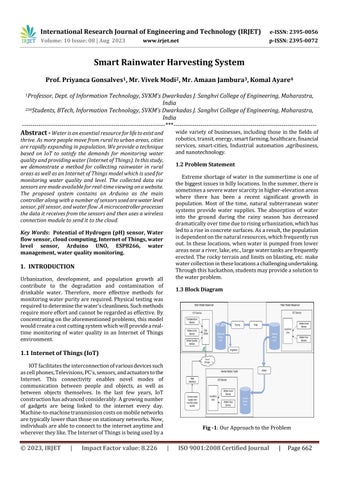
Smart Rainwater Harvesting System
***
Abstract - Water is an essential resource for life to exist and thrive. As more people move from rural to urban areas, cities are rapidly expanding in population. We provide a technique based on IoT to satisfy the demands for monitoring water quality and providing water (Internet of Things). In this study, we demonstrate a method for collecting rainwater in rural areas as well as an Internet of Things model which is used for monitoring water quality and level. The collected data via sensors are made available for real-time viewing on a website. The proposed system contains an Arduino as the main controller along with a number of sensors used are water level sensor, pH sensor, and water flow .A microcontroller processes the data it receives from the sensors and then uses a wireless connection module to send it to the cloud.
Key Words: Potential of Hydrogen (pH) sensor, Water flow sensor, cloud computing, Internet of Things, water level sensor, Arduino UNO, ESP8266, water management, water quality monitoring.

1. INTRODUCTION
Urbanization, development, and population growth all contribute to the degradation and contamination of drinkable water. Therefore, more effective methods for monitoringwaterpurityarerequired.Physicaltestingwas requiredtodeterminethewater'scleanliness.Suchmethods requiremoreeffortandcannotberegardedaseffective.By concentratingontheaforementionedproblems,thismodel wouldcreateacostcuttingsystemwhichwillprovidearealtime monitoring of water quality in an Internet of Things environment.
1.1 Internet of Things (IoT)

IOTfacilitatestheinterconnectionofvariousdevicessuch ascellphones,Televisions,PC’s,sensors,andactuatorstothe Internet. This connectivity enables novel modes of communication between people and objects, as well as between objects themselves. In the last few years, IoT constructionhasadvancedconsiderably.Agrowingnumber of gadgets are being linked to the internet every day. Machine-to-machinetransmissioncostsonmobilenetworks aretypicallylowerthanthoseonstationarynetworks.Now, individualsareabletoconnecttotheinternetanytimeand wherevertheylike.TheInternetofThingsisbeingusedbya
wide variety of businesses, including those in the fields of robotics,transit,energy,smartfarming,healthcare,financial services, smart-cities, Industrial automation ,agribusiness, andnanotechnology.
Extremeshortageofwaterinthesummertimeisoneof thebiggestissuesinhillylocations.Inthesummer,thereis sometimesaseverewaterscarcityinhigher-elevationareas where there has been a recent significant growth in population. Most of the time, natural subterranean water systems provide water supplies. The absorption of water into the ground during the rainy season has decreased dramaticallyovertimeduetorisingurbanization,whichhas ledtoariseinconcretesurfaces.Asaresult,thepopulation isdependentonthenaturalresources,whichfrequentlyrun out.Intheselocations,whenwaterispumpedfromlower areasnearariver,lake,etc.,largewatertanksarefrequently erected.Therockyterrainandlimitsonblasting,etc.make watercollectionintheselocationsachallengingundertaking. Throughthishackathon,studentsmayprovideasolutionto thewaterproblem.
2. LITERATURE REVIEW
The Internet of Things (IoT) has created new opportunities for raising theproductivity and efficiencyof systemsforcollectingrainwater.
Intheexistingsystemtheprimaryfocusofthisstudywas toimprovethequalityofcollectedrainwaterbymonitoring its quality through IoT-based sensors. The system was designed to monitor the pH, turbidity, and total dissolved solids(TDS)levelsofthecollectedrainwater.Theoutcomes demonstratedthatthemethodsuccessfullykeptandtracked thequalityoftherainwatergathered.
Itiscrucialtorememberthattheresearchdidnotcover the temperature and flow rate of the rainfall that was gathered. This is a research drawback because these variablesmaysignificantlyaffecttheusabilityandpurityof thegatheredrainwater.
Themethodusedinthisresearchincludedawaterlevel sensor to ascertain the water level inside a tank, thereby enablingautomatedregulationofthewatermotortoactivate ordeactivateasrequired.Thewaterlevelsensor'sdatawas shown on an Android application, enabling the user to monitorit.
Themethodologyusedinthisresearchstudycenteredon theautomationofwatermanagementtominimizewasteand enhance operational efficiency. The system was designed withthecapabilitytoautonomouslyactivateanddeactivate the water motor in response to the water level inside the tank. The aforementioned strategy isa direct and efficient methodformitigatingwaterlosssinceitguaranteesthatthe watermotorfunctionsonlywhenrequired.
Nevertheless,theinvestigationfailedtoincludethecrucial element of water quality monitoring, a significant facet of water resource management. In the absence of effective quality monitoring, there is a possibility that water of inadequatequalitymaybedistributedtoconsumers.Hence, theintegrationofwaterqualitymonitoringinsidethesystem is crucial to ascertain the safety of the provided water for variousapplications.
Thepresentstudyaddressestheshortcomingsofprevious rainwater-collectingmodelsandproposesanovelapproach that leverages cloud-based storage for sensor data. Implementingthismeasurewillensuretheprotectionofdata and mitigate the risk of data loss. The model we have developedalsointegratestemperaturesensorstoassessthe suitabilityofirrigation,andwaterlevel sensorstoprovide up-to-datedataonthewaterquantityinsidethereservoir
3. PROPOSED FRAMEWORK
3.1 Features of the Proposed System
Arainwaterharvestingsystemequippedwithanintelligent monitoring device may include the accompanying characteristics:
Rainwaterharvestingstructure:Astructuretocaptureand storerainwater,suchasarooforacatchmentarea,isthe firstcomponentofarainwaterharvestingsystem.
Smart monitoring device: A monitoring device with sensorstomeasurethelevelofrainwatercollected,quality, andflowrateisacrucialcomponentofasmartrainwater harvesting system. The monitoring device can be connectedtoasmartphoneapplication,allowingtheuser totrackthesystem'sperformanceandadjustthesystem settingsremotely.
Filtration system: A filtration system is necessary to removeimpurities,debris,andsedimentfromthecollected rainwaterbeforeitisstored.
Storagetank:Astoragetanktoholdthefilteredrainwater isanessentialpartofasmartrainwaterharvestingsystem. Thesizeofthetankdependsontheamountofrainwaterto be collected, the user's water requirements, and the availabilityofspace.
Pumpingsystem:Apumpingsystemisrequiredtodeliver theharvestedrainwatertotheintendedusagepoints,such asfaucets,toilets,orirrigationsystems.
Automatedcontrolsystem:Anautomatedcontrolsystem can be integrated into the smart rainwater harvesting system to manage the water flow and optimize the system'sperformancebasedonreal-timeweatherdataand waterusagepatterns.
Alarmsandalerts:Alarmsandalertscanbeincorporated intothesystemtonotifytheuserofpotentialissues,such aslowwaterlevels,systemmalfunctionsormaintenance requirements.
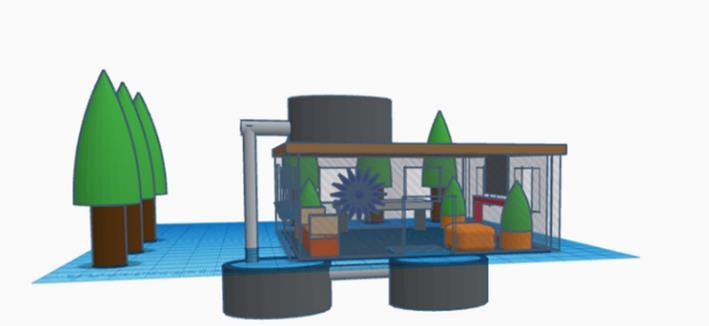
Wethoughtofasolutionthattoprovide2watertanksina radiusof100-200mcoveringaround3-4houseswherein the1stwatertankwillstoreunfilteredwatercollectedfrom rain.
2ndwatertankwillstorethefilteredwaterand3rdwater tankwillbeinstalledineachhouseintherangeof100-200 metersthatwillbeusedforhouseholdpurposes.
Water will be collected by Rain and will be keeping our smart monitoring device in the tanks to monitor various propertiesofthewater.
By creating this system, we can check the quality of the waterbyusingsensorsthatareimmersedinawatertankto collectdataonthedifferentcharacteristicsofthewater.
This device can measure a number of factors from water, includingtemperature,pH,waterlevel,andwaterflow.
3.2 Benefits of the Proposed System
A smart rainwater harvesting system equipped with a monitoringdeviceoffersseveraladvantages:
Water conservation may be achieved by the implementation of a smart rainwater harvesting system equippedwithamonitoringdevice.Thissystemallowsfor thecollectionandstorageofrainwater,whichcanthenbe usedforvariouspurposessuchaslaundry,toiletflushing, andirrigation.Byeffectivelymanagingandusingrainwater resources, this system contributes to the overall goal of waterconservation.
One potential benefit of using gathered rainwater as opposedtomunicipalwateristhepotentialforsubstantial costsavings,particularlyinregionswherewaterpricesare high.
Oneoftheadvantagesofrainwatercollectingisitspositive impactontheenvironment.Byimplementingthispractice, the reliance on municipal water is reduced, leading to a decrease in the carbon footprint connected with water treatmentandtransportation.
Enhanced water quality is achieved by the use of a monitoring device inside a smart rainwater harvesting system,whicheffectivelytracksandverifiesthecleanliness andsafetyofthecollectedwaterforvariousapplications.
Real-time monitoring and control are facilitated by the inclusionofamonitoringdeviceinsideasmartrainwater harvesting system. This device enables the user to continuously monitor water levels, use patterns, and overall system performance. Consequently, the user is empowered to make necessary adjustments to system settingsinordertooptimizeitsperformance.
Oneadvantageofasmartrainwaterharvestingsystemis the potential for reduced maintenance expenses. This is duetothepresenceofamonitoringdevicethatmaynotify the user of any maintenance needs. By promptly addressingtheserequirements,thesystemislesslikelyto experience expensive repairs or periods of system downtime.
Oneofthekeybenefitsofimplementingasmartrainwater harvesting system equipped with a monitoring device is theenhanceddependabilityofwatersupply.Thisbecomes particularly significant during times of drought or when thereareconstraintsonmunicipalwaterresources.
In general, the implementation of an intelligent rainwater harvestingsystemequippedwithamonitoringdeviceoffers a viable approach that is both economically efficient and ecologically sound for the purpose of acquiring, retaining, andusingrainwaterresources.
4. HARDWARE USED
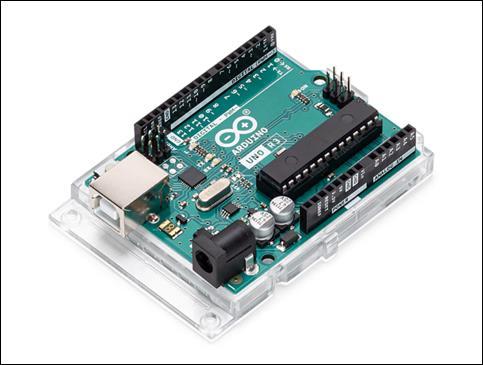
4.1 Arduino
The Arduino platform is an open hardware development platformthatenablesindividualssuchasmakers,hobbyists, and innovators to design and fabricate items capable of interactingwiththephysicalworld.
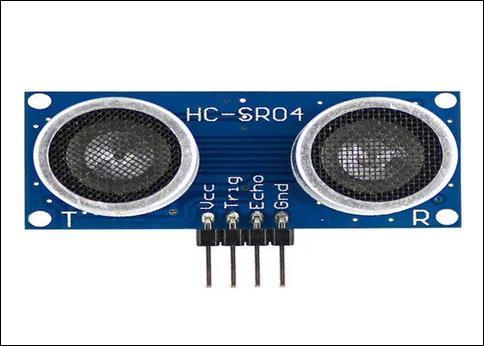
4.2 Ultrasonic Sensor
Ultrasonic pulses are used for the purpose of distance measurement.Thesensorheademitsanultrasonicsignaland afterwardsdetectsthewavethatisreflectedbythetarget. Ultrasonic devices has the capability to determine the distance of a target by precisely measuring the temporal interval between the emission and subsequent receipt of ultrasonicwaves.Thewebsiteprovidesquantitativedataon thevolumeofbothcleananddirtywater,measuredinliters, aswellasthedepthofeachrespectivetank
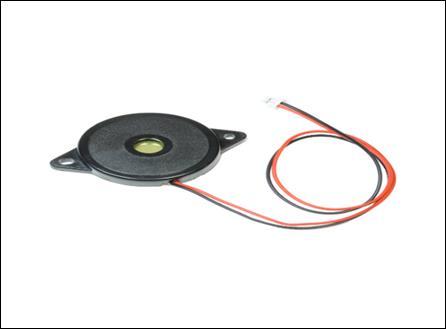
To announce status tones, this buzzer is utilized with the Pixhawkand
4.5
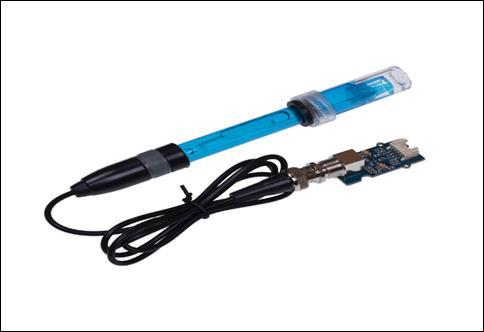
Thevoltagegeneratedbythesolutionunderinvestigation, which pertains to its acidity, is quantified by means of a comparativemeasurementagainstareferencesolution.The discrepancybetweenthetwovoltagevaluesisthenusedto determinethedisparityinpHlevels.ThepHmonitorinside ourprojectassumesresponsibilityforcategorizingrainwater basedonitspHlevels.
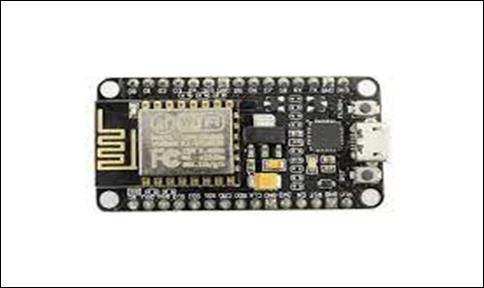
ItisanopensourceInternetofThings(IoT)platform.The deviceoperatesviatheuseoftheESP8266Wi-FiSystem-ona-Chip(SoC)andaccompanyingintegratedcircuits,whichare seamlesslyincludedintotheESP-12module.
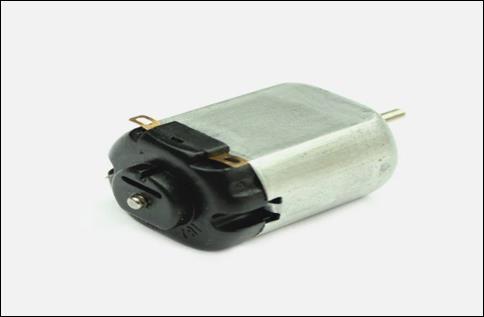
A directcurrent(DC)motorisanelectrical apparatusthat converts electrical energy into mechanical energy. The conversion of electrical energy from direct current (DC), which serves as the input source in a DC motor, into mechanicalrotationisachieved
4.7
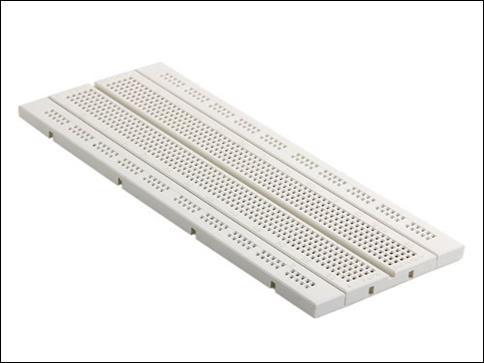
The construction of a semi-permanent prototype for an electricalcircuitofteninvolvesusingabreadboard,solderless breadboard,orprotoboard.Breadboardsprovidereusability since they do not need soldering or incur track damage, unlikeperfboardsorstripboards
6. CONCLUSIONS
In summation, rainwater harvesting systems provide a useful and long-lasting approach to water management. These systems can lessen reliance on the public water supply,preservewaterresources,andlessentheburdenon water purification facilities by collecting and storing rainwater
Rainwaterharvestingsystemscanbesetupinavarietyof locations, from private residences to office and industrial structures,andtheycanbecustomizedtosuitdemandsand specifications.Thesesystemscanofferadependablesupply ofwaterforseveralnon-potablepurposes,suchaswatering plants,flushingbathrooms,andwashingvehicles,withthe properdesign,implementation,andupkeep.
Overall,rainwaterharvestingsystemsprovideaviableand ecologicallyfavorablemethodofmanagingwater,andthey canhaveabigimpactonbothpeopleandcommunities
7. RESULT AND OBSERVATION
Aspartofourresearchproject,wewereabletoeffectively installanintelligentrainwatercollectingsystemthatmade useofinternetofthingstechnology.Thesystemhadthree tanks: one to store unfiltered water, one to store filtered water,andonetostorewaterforuseinthehouse.
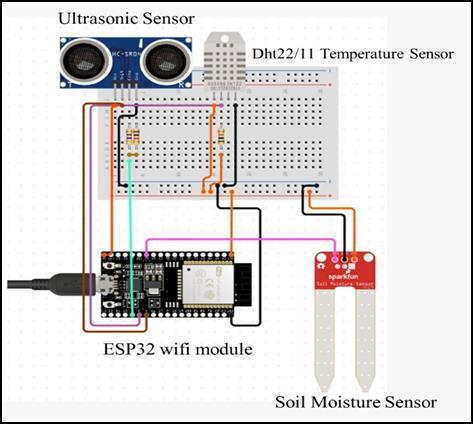
A temperature sensor and a soil moisture sensor were amongthesensorsthatweputalongsidewaterlevelsensors ineachtanksothatwecouldmonitorthewaterlevelineach tank. These sensors were linked up to an ESP8266 microcontroller in order to facilitate the gathering and transmissionofdatainrealtime.
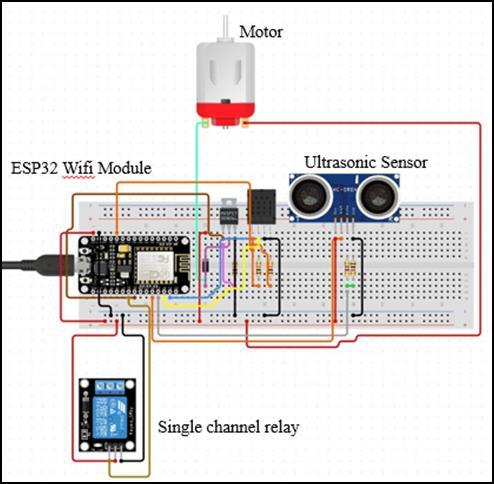
Aftertherainwaterwascollectedinthewatertankthatdid nothaveafilter,itwaspumpedintothewatertankthatdid have a filter. After that, the water was transferred to the storagetankinthebasementofthehousesothatitcouldbe used inside. This insured that there would always be a dependablesupplyofrainwaterthathasbeencleanedand filteredtofulfiltherequirementsoftheconsumers.
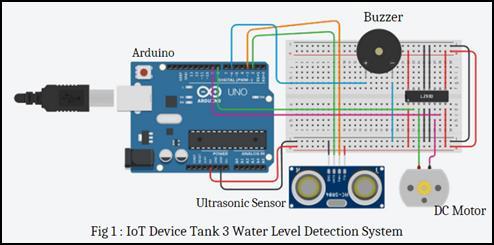
The sensors that were embedded in the soil allowed for continuousmonitoringofthemoisturecontentofthesoil. Thedevicetookmeasurementsofthesoil'smoisturecontent and then automatically watered the area when it became dry,soguaranteeingthattheamountofmoisturewasjust rightforthedevelopmentoftheplants.
The information collected by the sensors, including water levels,temperatures,andtheamountofmoistureinthesoil, wassafelyuploadedtothecloudandkeptthere.Becauseof this,userswereabletomonitorthesysteminrealtimeusing aninterfacethatwassimpletouse.
Intheeventthatthewaterlevelreachedaspecificthreshold, signaling the possibility of an overflow, a buzzer would sound and an alert would be sent to the user. This would ensurethattheuserwouldrespondinatimelymanner,so preventinganywasteordamage.
Ingeneral,ourintelligentrainwatercollectingsystemwas abletoshowgoodwatermanagement,whichpromotedthe environmentallyresponsibleandeconomicallysounduseof waterinresidentialsettings.TheconvergenceofInternetof Things (IoT) technology, sensor integration, and cloud monitoringhasempowereduserswithsignificantinsights and enhanced control over their water resources. This developmenthasplayeda pivotal roleinadvancingwater conservationendeavors.
REFERENCES
[1] P. Khandelwal, “Water harvesting in hilly areaijsrd.com,”
https://ijtre.com/, https://www.ijsrd.com/articles/IJSRDV2I10355.pdf
[2] N. Naj and A. Sanzgiri, “An IoT based Real-Time Monitoring of Water Quality System,” Social Science Research Network, Jan. 2021, doi: 10.2139/ssrn.3883305
[3] Sayali Wadekar, Vinayak Vakare, Ramaratan Prajapati,”Smartwaterman-agementusingIoT”,IEEE pp:97815090,2016.http://ieeexplore.ieee.org/document/7993 425/.
[4] J. Merz, G. Nakarmi, and R. Weingartner, “Potential solutions to water scarcity in the rural watersheds of Nepal’s Middle Mountains,” Mountain Research and Development,vol.23,no.1,pp.14–18,Feb.2003,doi: 10.1659/0276-4741(2003)023
[5] Rupalir. Shevale, “IOT based Real Time Water MonitoringSystemforSmartCity,”InternationalJournal of Innovative Science and Research Technology, https://ijisrt.com/iot-based-real-time-watermonitoring-system-for-smart-city.
[6] V.S.P.C.Kota,C.R.Annepu,K.Dusarlapudi,E.Sreelatha, and C. S. Tiruvuri, “Smart approach of harvesting rainwater and monitoring using IoT,” Journal of Advanced Research in Dynamic and Control Systems, vol. 12, no. 2, pp. 91–100, Jan. 2020, doi: 10.5373/jardcs/v12i2/s202010011.
[7] JoyShah,“AnInternetofThingsBasedModelforSmart Water Distribution with Quality Monitoring”, InternationalJournalOfInnovativeResearchInScience, Engineering And Technology, 2017.https://www.ijirset.com/upload/2017/march/74 _An_Internet.pdf.

[8] M. G. Sarwar Bhuyan, “IOT based smart rainwater harvesting and classifying system - JETIR,” https://jetir.org/, https://www.jetir.org/papers/JETIR2210050.pdf (accessedJun.3,2023).
BIOGRAPHIES
Prof.PriyancaGonsalves Professor,DepartmentofInformation Technology at SVKM’s Dwarkadas J. Sanghvi College of Engineering, Mumbai,India
Mr.VivekModi BTech(InformationTechnology), SVKM’sDwarkadasJ.SanghviCollegeof Engineering,Mumbai,India
Mr.AmaanJambura BTech(InformationTechnology), SVKM’sDwarkadasJ.SanghviCollegeof Engineering,Mumbai,India

Ms.KomalAyare BTech(InformationTechnology), SVKM’sDwarkadasJ.SanghviCollegeof Engineering,Mumbai,India