Plastic Waste Management in Construction: Exploring the Potential of Plastic Bricks
Harshvardhan Dnyandeo Kamble1 , Dr. Chandrakant Balkrishna Pol21Student, Dept. of Civil-Structure Engineering, Walchand College of Engineering, Sangli, Maharashtra, India
2Associate Professor, Dept. of Walchand College of Engineering, Sangli, Maharashtra, India
Abstract-The increasing generation of plasticwaste,driven by population growth, urbanization, and changes in lifestyle, has become a significant environmental challenge. This study focuses on addressing this issue by exploring the use of plastic waste in brick production. The objective is to reduce plastic waste and its environmental impact while creating a sustainable alternative for construction materials. The research methodology involves conducting compression and tension tests on plastic and conventional bricks, as well as designing a three-floor building structure using computeraided software. The results of the testing and analysisindicate that plastic bricks exhibit superior mechanical properties, including higher yield stress, elongation, and tensile strength, compared to conventional bricks. Moreover, cost analysis reveals the potential for economic benefits in utilizing plastic waste for brick manufacturing. This research contributes to the field by providing insights into the feasibility and benefits of incorporating plastic waste into construction materials, thereby addressing the environmental challenges associated with plastic waste and promoting sustainable building practices.
Key Words: Plastic Waste, Environmental Challenge, Non-Biodegradable, Sustainable Solutions, Experimental Study, Strength Analysis, Plastic Bricks, Alternative Building Materials, Methodology, Comparable Strength, Plastic Waste Crisis.
1. INTRODUCTION
The generation of plastic waste is on the rise, with an exponentialincreaseoccurringeverydecadeduetofactors like population growth, urbanization, and changes in lifestyle.India'shighpopulationdensityposesaparticular challenge in managing this plastic waste, which not only persistsintheenvironmentbutalsocontributestolandand water pollution. Polyethylene (PE) is a commonly used plastic, especially in single-use items like carry bags and bottles,furtherimpairingtheissue.Toaddressthisproblem, recyclingplasticwasteintoplasticbrickspresentsaviable solution.However,certainplastics,suchasHDPEandPTE, arehazardous,andthepresenceofmicroplasticsbelow50 micronsinsoilthreatensitsfertility.Theimproperdisposal of plastic waste also pollutes the oceans and endangers marinelife.Consequently,recyclingplasticwasteintobricks can help mitigate the environmental impact of plastic by reducingpollutionandthedemandfortraditionalbuilding
1.1. Research gap
Theliteraturereviewrevealedthatseveralstudieshavebeen conductedontheutilizationofplasticinbrickproductionto reduce soil content. These studies involved experiments using plastic to plastic brick for analyses the strength characteristics Additionally, experimental studies have exploredtheuseofdifferentmaterialsasbindersforplastic bricks Thecurrentstudyaimstofocusonproducingplastic bricks without soil content and subjecting them to testing usingaUniversalTestingMachine(UTM)
1.2. Objectives of proposed study

1) To validate the formulation of a problem statement, developmentofmethodology,anddefiningperformance objectiveforanalysis
2) To characterize the plain plastic brick through experimental studies
1.3. Scope of work
Themethodologyforthisstudywasdevelopedbasedona thorough literature review, which revealed a gap in the existingresearch Thisreviewhelpedtoidentifytheneedfor furtherinvestigationinthefield.Themethodologywasthen designed to address this research gap and contribute new insights and solutions The study aimed to conduct a comprehensiveinvestigationbycastingbricksusingdifferent types of plastic and subjecting them to testing using a UniversalTestingMachine Theobjectiveofthetestingwasto assess the strength of the plastic bricks The procedure involved moulding the plastic into brick shapes, allowing themtosetanddry.Theresultsobtainedfromthistesting processwereutilizedtoevaluatethefeasibilityofutilizing plasticmaterialsinbrickmanufacturing.
2. METHODOLOGY 2.1. Introduction
Themethodologysectionoutlinedtheprocessandtechniques usedtocollectandanalysedataintheresearchstudy.This involvedconductingcompressiontestonplasticbricksand conventionalbricksandtensiontestsonbambootoevaluate thestrengthfeasibilityofplasticbricksinconstruction materials,leadingtoenvironmentalbenefits.
2.2. Mould preparation for casting plastic bricks
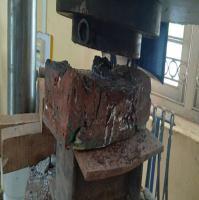
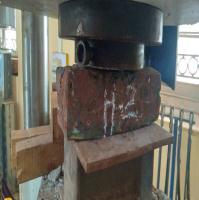
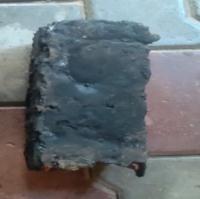
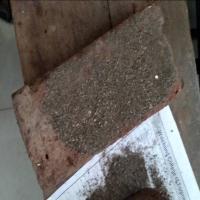
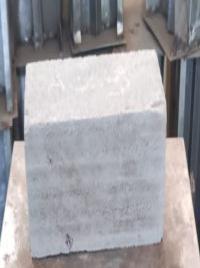
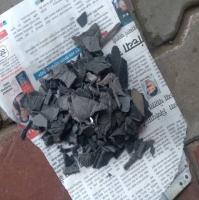

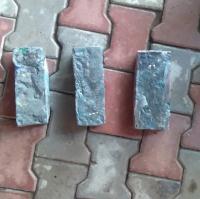
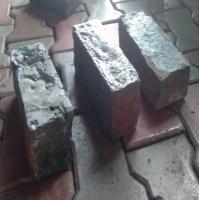
Thepreparationofthemouldwasacrucialstepinensuring the quality of the plastic bricks. This involved cutting and weldingpiecesofmildsteelplatetocreateamouldwiththe required dimensions of 250 x 120 x 200 mm, internal dimensionsof230mmx100mmx200mm,andathickness of 10 mm. Additionally, a handle rod and a hammer were formedtoaidinthebrick-makingprocess.
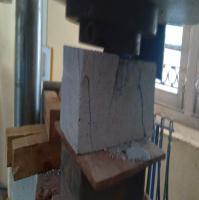
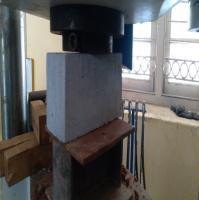
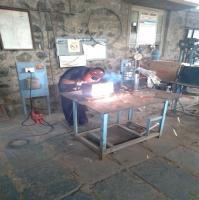
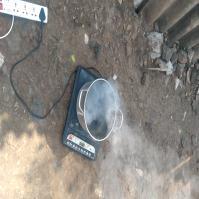
Fig -1: Procedureforpreparationofmould
2.3. Plastic Selection and Preparation for Brick Making
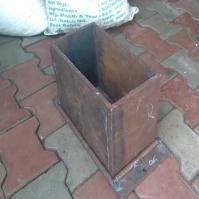
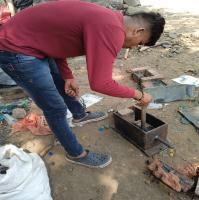
HDPEandPPwereselectedassuitablematerialsformaking plastic bricks due to their specific properties and the availabilityofbottlecapsandusedpiecesforrecycling.The plastic was heated to the correct temperature using a householdinductionsystem,andshreddedsamplesofHDPE andPPmeasuring20mmwereused.Upto3.5kgofplastic wasusedperbrick,withatotalof10.5kgusedfor3samples, andthesoftenedplasticwaspouredintoamouldtoshape the bricks.
process

2.4. Material Testing and for Bricks and Bamboo
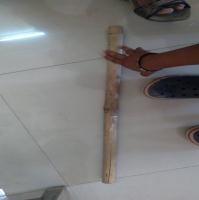
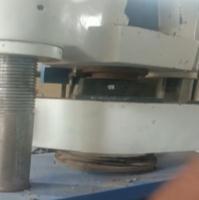
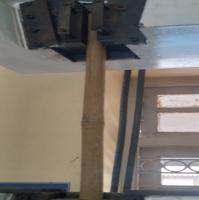
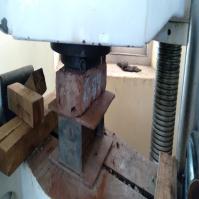
The compression tests were conducted on plastic bricks madeofHDPEandPP,aswellasACCblocksandburntclay bricks, revealing comparable strength. Each material experienced testing with three samples, and careful observation and analysis were performed. The Universal TestingMachine(UTM)wascalibratedtheloadwasapplied atarateof14N/mm2/min.Additionally,thebamboousedin thetensilestrengthtesthadadefect-freediameterof25.4 mm and a length of 1 meter, and three samples of each material were tested and analysed for compression and tension Multiplerepetitionswereconducted,andaverage valueswererecordedtoensureresultaccuracy.
3. EXPERIMENT INVESTIGATION
Thepurposeofthispaperwastoconductanexperimental studyonthepropertiesandbehaviorofplasticbricksmade from recycled HDPE and PP materials, focusing on determiningtheircompressivestrengthandotherimportant parameters.
3.1. Types of Plastic
Plastic is a versatile material withvarious types, including PET,HDPE,PVC,LDPE,PP,PS,PU,PMMA,PE,ABS,PC,and Nylon,eachwithuniquepropertiesandapplications.Inthis study, HDPE and PP were specifically selected for making plastic bricks due to their suitability for recycling plastic wasteandtheiravailability.
3.2. Properties of selected plastic
TableofHDPE&PPproperties
3.3. Comparing other properties of brick material
Table
4. RESULT AND DISSCUSSION
4.1. Result of compression test
4.1.1. Compression testing in HDPE specimens
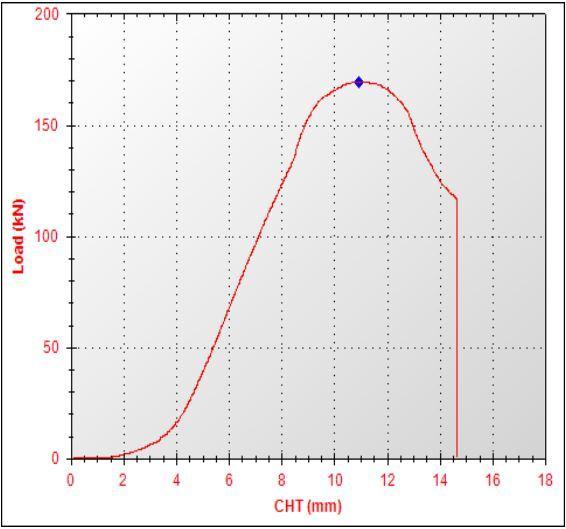
Chart -2: CompressiontestingofHDPEspecimen
During the testing of specimen number 01, the maximum compression load achieved was 169.12 KN, which was 22.47%lowerthanthemaximumaveragecompressionload. Similarly,themaximumelongationrecordedwas11.1mm, representinga9.90%decreasecomparedtothemaximum average elongation. The maximum compressive strength measuredwas10.067units,indicatingareductionof22.47% inrelationtothemaximumaveragecompressionload.
In contrast, for specimen number 02, the maximum compressionloadobtainedwas255.42KN,surpassingthe maximum average compression load by 17%, and the maximumelongationrecordedwas14.58mm,exceedingthe maximum average elongation by 18%. The maximum compressivestrengthmeasuredwas15.20units,showcasing a 17% increase compared to the maximum average compressionload.
Finally,forspecimennumber3,themaximumcompression load achieved was 229.89 KN, indicating a 5.4% increase comparedtothemaximumaveragecompressionload,while themaximumelongationrecordedwas11.29mm,displaying an 8.4% decrease in comparison to the maximum average elongation.Themaximumcompressivestrengthmeasured was13.68units,reflectinga5.4%increasewhencomparedto themaximumaveragecompressionload.
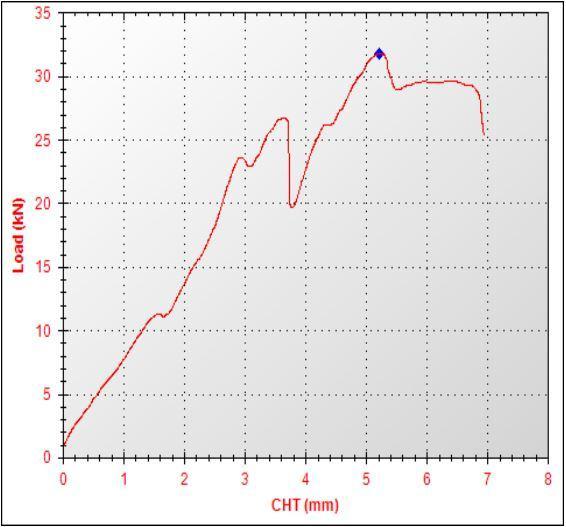
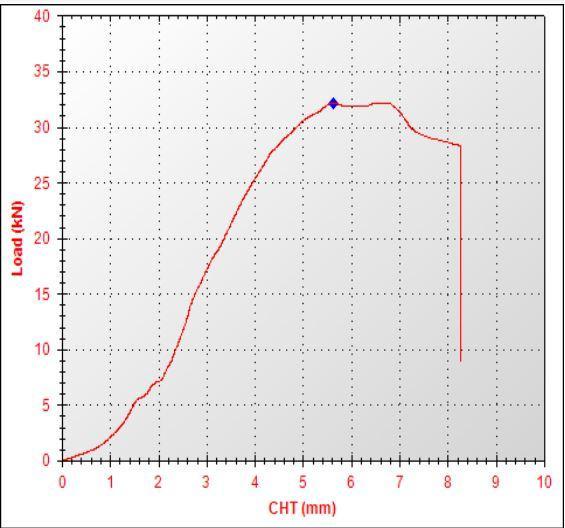
Chart -2: CompressiontestingofACCspecimen
During the compression testing, it was observed that specimen01hadamaximumcompressionloadof31.73KN, which was 26% lower than the maximum average compressionload.Themaximumelongationrecordedforthis specimen was 5.24 mm, indicating an 11% decrease compared to the maximum average compression load. Furthermore,themaximumcompressionstrengthmeasured forspecimen01was1.423N/mm2,showcasingareductionof 26%inrelationtothemaximumaveragecompressionload. Incontrast,specimen02exhibiteddifferentcharacteristics, withamaximumcompressionloadof56.43KN,whichwas 31%higherthanthemaximumaveragecompressionload. Themaximumelongationrecordedforthisspecimenwas5.9 mm, showing no deviation from the maximum average compressionload.Additionally,themaximumcompression strength measured for specimen 02 was 2.53 N/mm2 , representing a significant 31% increase compared to the maximumaveragecompressionload.
Similarly,specimen03displayeddistinctproperties,witha maximumcompressionloadof40.71KN,5%lowerthanthe maximum average compression load. The maximum elongation recorded for this specimen was 6.51 mm, reflecting an 11% decrease compared to the maximum average compression load. Furthermore, the maximum compressionstrengthmeasuredforspecimen03was1.82 N/mm2, indicating a 5% reduction when compared to the maximumaveragecompressionload.
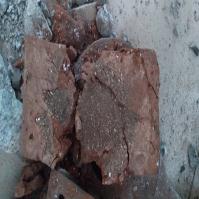
4.1.3. Compression testing in Brunt clay brick specimens
maximumcompressionstrengthmeasuredforspecimen03 was 1.09 N/mm2, representing a slight reduction of 2% in relationtothemaximumaveragecompressionload.
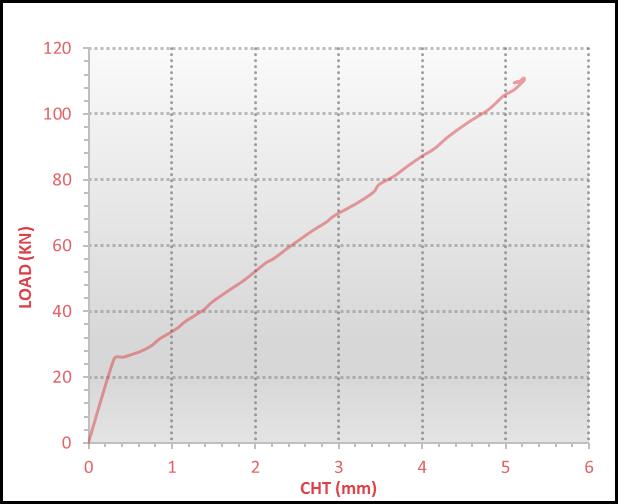
Chart -3: CompressiontestingofBCBspecimen
Duringthecompressiontesting,itwasfoundthatspecimen 01 exhibited a maximum compression load of 32.15 KN, surpassingthemaximumaveragecompressionloadby32%.
The maximum elongation recorded for this specimen was 5.65 mm, representing a 3% increase compared to the maximum average compression load. Furthermore, the maximumcompressionstrengthmeasuredforspecimen01 was1.39N/mm2,showcasingasignificant20%increasein relationtothemaximumaveragecompressionload.
Incontrast,specimen02displayedamaximumcompression loadof17.78KN,whichwas27%lowerthanthemaximum average compression load. The maximum elongation observed for this specimen was 5.73 mm, indicating a 4% increase compared to the maximum average compression load. Moreover, the maximum compression strength recorded for specimen 02 was 0.85 N/mm2, reflecting a notablereductionof24%inrelationtothemaximumaverage compressionload.
Furthermore,duringthetestingofspecimen03,itwasnoted thatthemaximumcompressionloadachievedwas22.91KN, signifyinga6%decreasecomparedtothemaximumaverage compressionload.Themaximumelongationrecordedforthis specimenwas5.14mm,indicatinga7%decreasecompared to the maximum average compression load. Moreover, the
Compression testing in PP specimens
Chart -4:
Duringcompressiontesting,itwasobservedthatspecimen 01 had a maximum compression load of 123.15 KN, exceedingthemaximumaveragecompressionloadby3%, indicating a higher load-bearing capacity. The maximum elongationrecordedforspecimen01was5.89mm,showinga 4% increase in deformation compared to the maximum average compression load, suggesting increased flexibility. Additionally,themaximumcompressionstrengthmeasured for specimen 01 was 5.68 N/mm2, representing a 4% improvementinitsabilitytowithstandcompressiveforces.
Incontrast,specimen02exhibitedamaximumcompression load of 121.93 KN, surpassing the maximum average compression load by 3%, indicating a higher load-bearing capacity similar to specimen 01. However, the maximum compressionstrengthmeasuredforspecimen02was5.45 N/mm2, indicating no significant deviation from the maximumaveragecompressionload.
Finally,specimen03displayedamaximumcompressionload of 111.45 KN, reflecting a 6% decrease compared to the maximum average compression load, suggesting a lower load-bearingcapacity.Themaximumelongationrecordedfor specimen 03 was 5.22 mm, indicating an 8% decrease in
deformationcomparedtothemaximumaveragecompression load,suggestingreducedflexibility.Moreover,themaximum compressionstrengthmeasuredforspecimen03was5.23 N/mm2 , representing a 4% reduction in its ability to withstand compressive forces compared to the maximum averagecompressionload
than the maximum tensile strength. These results suggest moderatestrengthandelongationpropertiesforspecimen 02, making it suitable for applications that require such characteristics.
Similarly,specimen03displayedslightlyhighermechanical properties compared to the average and maximum values obtained. It exhibited a yield stress of 77.30 N/mm2, 1% higherthanthemaximumaverageyieldstress.Thespecimen demonstrated a maximum elongation of 24.76 mm, surpassingthemaximumaverageelongationby2%,anda maximum tensile strength of 98.00 N/mm2, exceeding the maximum tensile strength by 1%. These findings indicate highdurabilityforspecimen03,highlightingitssuitabilityfor applications requiring higher strength and elongation properties.
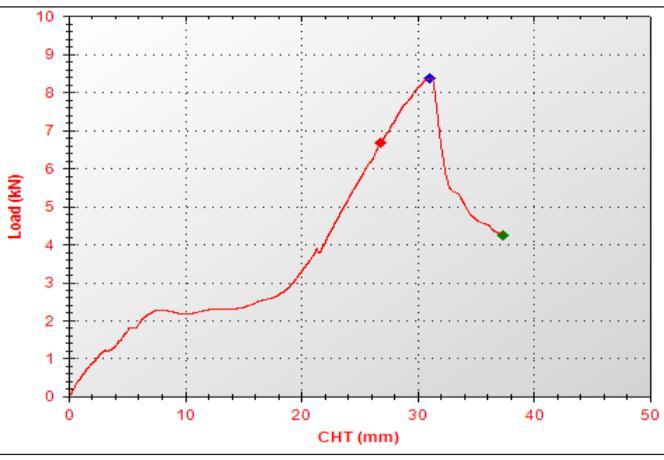
4.1.5. Tensile testing of bamboo specimens
Chart
Tensiletestingofbamboo
During the tensile testing, specimen 01 exhibited superior mechanical properties compared to the average and maximumvaluesobtained.Itdisplayedayieldstressof78.63 N/mm2 ,morethemaximumaverageyieldstressby3%.The specimenalsoshowedamaximumelongationof26.67mm, exceedingthemaximumaverageelongationby10%,anda maximumtensilestrengthof98.99N/mm2,surpassingthe maximumtensilestrengthby2%.Theseexceptionalresults indicate that specimen 01 had enhanced performance and durability,makingitsuitableforapplicationsrequiringhigh strengthandelongationproperties.
In contrast, specimen 02 demonstrated slightly lower mechanical properties compared to the average and maximum values obtained. It had a yield stress of 74.06 N/mm2, which was 4% lower than the maximum average yieldstress.Thespecimenshowedamaximumelongationof 21.22mm,10%lowerthanthemaximumaverageelongation, andamaximumtensilestrengthof93.21N/mm2,4%lower
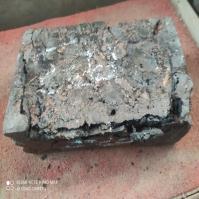
ThecompressiontestingresultsrevealedthatHDPEmaterial exhibitedsuperiorperformancecomparedtoothermaterials, with higher average maximum load, elongation, and compressionstrength.HDPEhadanaveragemaximumload of 218.14 KN, an average elongation of 12.32 mm, and an averagecompressionstrengthof12.99N/mm2.Incontrast, burnt clay brick showed lower compression strength and loadcarryingcapacity,withacompressionstrengthof1.12 N/mm2 and a maximum load of 24.28 KN. The significant difference in performance between HDPE and other
materials, such as PP, highlights the substantially higher compressivestrengthofHDPEby58.04%.
5. CONCLUSION
Inconclusion,thisstudy'sanalysisandtestingshedlighton the superior performance and characteristics of HDPE in structural applications. HDPE demonstrated higher loadcarrying capacity, compressive strength, and flexibility compared to other materials. The comparison between experimental results emphasized the significance of accountingforphysicalconditionsduringtesting. Basedonthedataobtainedfromthecompressiontesting.the followingconclusionscanbedrawn:
5.1. Compression Testing:
1) HDPE specimens exhibited higher values for maximum load,elongation,andcompressionstrengthcomparedto othermaterials.
2) Burnt clay brick specimens demonstrated lower compressionstrengthandloadcarryingcapacity.
3) HDPEoutperformedPPintermsofcompressivestrength.
6. REFERENCE
[1] Ikechukwu F., et.al., (2021), “Strength and durability performanceofmasonrybricksproducedwithcrushed glass and melted PET plastics”, Case Studies in ConstructionMaterials,14,26-33.
[2] Ikechukwu F., et.al., (2021), “Green-efficient masonry bricksproducedfromscrapplasticwasteandfoundry sand”,CaseStudiesinConstructionMaterials,14,223229.
[3] Bhat R., et.al., (2020), “Experimental analysis of mechanical properties of the unconventional sandplastic bricks using statistical method”, Journal of EngineeringScienceandTechnologyReview,13,13-16.
[4] Leela B., et.al., (2020), “Experimental investigation on compressivebehaviourofplasticbrickusingMSandas fineaggregate”,MaterialsToday:Proceedings,23,33-45.
[5] Patil G., et.al., (2020), “Manufacturing of plastic sand bricks from polypropylene and polyethylene waste plastic”,InternationalJournalofAdvancedScienceand Technology,29,2062-2068.
[6] Naveen P., et.al., (2020), “Performance evaluation of plasticbrickcomposites”,InternationalResearchJournal ofEngineeringandTechnology,07,1521-1527.
[7] Chauhan S. et.al., (2019), “Fabrication and Testing of PlasticSandBricks”,MaterialsScienceandEngineering, 691,240-245.
[8] RajarapuB.,et.al.,(2019),“StudyofPlasticBricksMade fromWastePlastic”,InternationalResearchJournalof EngineeringandTechnology,06,1122-1127.
[9] Thirugnanasambantham N., et.al., (2017), “Manufacturing and Testing of Plastic Sand Bricks”, International Journal of Science and Engineering Research(IJ0SER),5,55-63
[10] SinghL.,et.al.,(2017),“ManufacturingBricksfromSand andWastePlastics”,InternationalJournalofEngineering Technology,5,2349-4476.
[11] Kumar P., et.al., (2017), “Production of Construction BricksbyPartialReplacementofWastePlastics”,Journal ofMechanicalandCivilEngineering,14,9-12.
[12] Gopu M., et.al., (2016), “Fabrication of Plastic Brick Manufacturing Machine and Brick Analysis”, InternationalJournalforInnovativeResearchinScience &Technology,2,2349-6010.
[13] Dinesh S, et.al., (2016), “Utilization of waste plastic in manufacturingofbricksandpaverblocks”,International JournalofAppliedEngineeringResearch,11,364-368.
[14] PuttarajH.,et.al.,(2014),“Utilizationofwasteplasticin manufacturing of plastic-soil bricks”, International journal of technology enhancements and emerging engineeringresearch,2,102-107.
[15] QaiserS.,et.al.,(2020),“Flexuralstrengthimprovement inbambooreinforcedconcretebeamssubjectedtopure bending”,JournalofBuildingEngineering,31,1-11.
[16] Mali P., et.al., (2019), “Experimental Evaluation of Bamboo Reinforced Concrete Beams”, Journal of BuildingEngineering,4,1-25.
[17] Mali P. et.al., (2018), “Experimental evaluation of bambooreinforcedconcreteslabpanels”,Construction andBuildingMaterials,188,1092-1100.
BIOGRAPHIES
HarshvardhanDnyandeoKamble Student, WalchandCollegeofEngineering,Sangli D.C.E. Civil, B.E. Civil, M.Tech. CivilStructureEngineering.

Research Interests: Structure Engineering
Dr.ChandrakantBalkrishnaPol AssociateProfessor, WalchandCollegeofEngineering,Sangli DCRE,B.E.Civil,M.E.Civil-Structures,ME Aerospace,Ph.D.Civil-Structures. Research Area: Structural Health Monitoring, Finite Element Analysis, Structural Optimization, Structural Dynamics, Earthquake Engineering, Numerical Techniques, Concrete Technology.