Enhancing Blind Assistance Applications with Optical Neural Networks: A Comparative Analysis of Electron-based Deep Learning and Photonbased Optical Computing
Abstract - With the use of deep learning and neural networks, blind aid technologies have advanced significantly in recent years. The current research explores the use of optical neural networks, which utilise photons for concurrent processing, as an innovative way to significantly shorten the blind person's reaction time. These optical neural networks are able to process visual input 3000 times faster than conventional neural networks, utilising the speedadvantages of photons over electrons. This allows for the real-time detection of potentially life-threatening objects that cross a blind person's path. The technical features of optical neural networks along with the way they are used in applications for blind assistance are explored in this research, with a focus on how they might increase safety and enable rapid object detection.
Key Words: Deep Learning, Neural Networks, Blind Aid Technologies,OpticalNeuralNetworks,Photons,Concurrent Processing,ReactionTime
1. INTRODUCTION

Millions of individuals all over the world are severely disabled by blindness, which restricts their mobility and liberty. Researchers and creators have been working for years to create modern technologies that can help blind peopleandenhancetheirqualityoflifeingeneral.Through the provision of real-time object identification and spatial awareness,recentdevelopmentsinartificialintelligence(AI) and deep learning have provided fascinating prospects to transform applications for blind assistance. Among these developments, optical neural networks a cutting-edge methodwhichmakesuseofphotonsforcomputationhave emerged as a potentially useful tool for enhancing blind people'ssafetyandreducingresponsetimes.
Theuseoftraditionalblindaiddevicestohelpthevisually impairednavigatetheirsurroundingshasevolveddrastically With the help of electron-based neural networks, object identificationskillshavebeensignificantlyimproved.Now, computersareabletoanalysevisualdataandprovideitto the user through the auditory process or tactile feedback. The reliance on sequential processing of electron-based networks, which can cause observable delays in real-time applications,isacrucialconstraintofthesenetworks.Blind peoplemaynothaveenoughtimetorespondtopotentially dangerousbarriersindynamicsurroundings,thereforeeven
a tiny delay in recognizing an object might have serious repercussions.
The use of optical neural networks results in a quantum jumpinparallelcomputationandprocessingperformance. Opticalneuralnetworkscanhandleenormousquantitiesof visualinputinparallelbecausetheycancarryoutoperations concurrentlyandindependentlyusingphotons,thebuilding blocksoflight.Comparedtoitsconventionalelectron-based equivalents, optical neural networks can process informationupto3000timesquickerbecausetothisspecial property.Withinstantaneousfeedbackonitemsanddangers in the surrounding area, such unmatched speed offers up newapplicationsforblindaid.
The idea of optical neural networks is examined in this research study along with its potential to transform technology for the blind. We examine the technological foundations of optical neural networks and describe how theyusethecharacteristicsofphotonstoperformparallel processingandreal-timeobjectidentification.Wealsolook into the networks' architectural layout, emphasising how welltheyfitwithcurrentblindaidsystemsalreadyinplace.
Theprimaryobjectiveofthisresearchistodemonstratehow optical neural networksaffectthesafetyandautonomy of blindpeopleintherealworld.Opticalneuralnetworkscan allowblindpeopletotravel withconfidence,loweringthe danger of future accidents and increasing their level of independenceoverall.Thisisdonebyenablingimmediate objectdetection.Throughcasestudiesanduserexperiences, wehopetodemonstratewithcompellingevidencehowthe usageofopticalneuralnetworksmaysignificantlyimprove thedailylivesofpeoplewhoareblindorvisuallyimpaired.
2. OVERVIEW OF DEEP LEARNING
Recentyearshaveseentheemergenceofdeeplearningasa cutting-edgetechnologywithawiderangeofapplicationsin avarietyofindustries.Drawingontheprinciplesofartificial intelligenceanddrawinginspirationfromthehumanbrain, thedeeplearningalgorithmshavefundamentallyalteredthe way in which machines learn and process data. The fundamental components of deep learning are artificial neural networks, which are computational models that replicate the interconnected neurons of the brain. These neural networks are able to learn from large amounts of
data, allowing them to make complex decisions and predictions. Deep learning is capable of tackling complex problemsthatwereoncedifficultforrule-basedalgorithms, as it learns from data incrementally, improving its performance over time with larger datasets and more computingpower.
2.1 Convolutional Neural Networks (CNNs)
Deeplearningarchitecture isdominated by Convolutional NeuralNetworks(CNNs),whichareparticularlysuitablefor computervisiontaskssuchasimageandobjectrecognition. CNNs are characterised by their ability to automatically recognize hierarchical features from images and to detect patternsatvariouslevelsofabstraction.Theconvolutional layers use filters to capture local features when inputting images, and the pooling layers reduce the computational complexitybydownsamplingthefeaturemaps,whilestill retainingtheessentialinformation.Thisinformationisthen fedintothefullyconnectedlayersforfurtherclassification orprocessing.
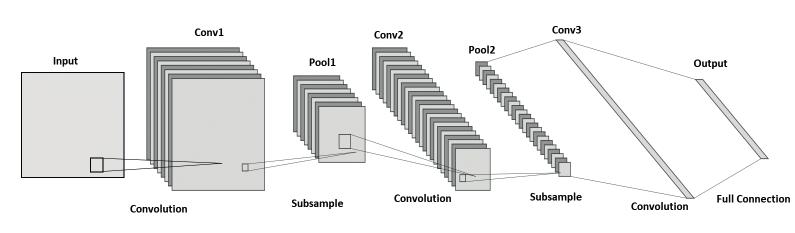
CNNsareessentialforblindassistanceapplications,asthey areabletoidentifyandclassifyobjects,landmarks,hazards, andotherelementsoflabelledimages,providingauditoryor tactilefeedbacktoblindindividuals.
environment,canbeachallengingtask.Transferlearning,on theotherhand,involvestheutilisationofpreviouslytrained models,trainedonlargegeneraldatasets,andtailoredtothe specificblindassistancetask.Byoptimisingthesemodelson smalllabelleddatasetsrelevanttotheblindassistancetask, the system is able to efficiently transfer the knowledge acquiredfromgeneralvisualinformationtothecontextof aidingthevisuallyimpaired.
3.LIMITATIONSOF ELECTRON-BASED PROCESSING
Deep learning has advanced significantly in recent years, however,thedesignofstandardelectronicneuralnetworks (ENNs) has inherent limitations that may restrict their ability to identify objects in real-time for blind aid applications.
3.1 Response Time Constraints in Real-time Object
Detection:
Real time object detection is crucial in blind assistance scenarios, especially when seeing potential hazards or objectsthatcouldputablindperson’slifeatrisk.
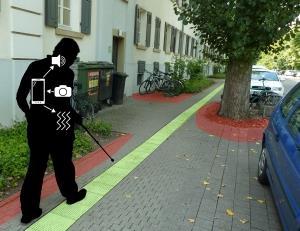
However, electron based deep learning models often use sequentialprocessingwhichinvolvessendinginputthrough multiple computer devices in a sequence. The inherent reaction time delays due to this sequential nature can be significant,especiallyfordemandingtasksthatrequirehighdimensional information such as photos and movies. Any delayinobtaininginformationabouttheenvironmentcan putblindpeople’slivesatriskorcauseaccidents.Becauseof thereactiontimelimitationsofelectronbasedprocessing,it isdifficulttoachieverealtimeandinstantobjectrecognition inthecontextofblindaidsystems.
2.2 Recurrent Neural Networks (RNNs):
CNNs are specialized in the processing of static visual information; however, RNNs are optimized for the processingofsequentialdata,thusmakingthemessentialfor theprocessingofnaturallanguageandspeechrecognition tasks.Additionally,RNNspossessfeedbackconnectionsthat enable them to retain a memory of prior inputs, thus enabling them to process sequences of information. This featureisparticularlyusefulforblindassistanceapplications in which an RNN can be employed to convert text into speech or comprehend spoken instructions, thus allowing for a smooth communication between a visually impaired personandanassistancesystem.
2.3 Transfer Learning:
Deeplearningreliesheavilyonthelargedatasetsavailable fortraining,forexample,ImageNet,whichcontainsmillions of labelled images. Nevertheless, the collection and annotation of particular blind assistance datasets, which reflect the diversity and variability of the real-world
3.2 Challenges in Parallel Processing with Electrons:
Theimplementationofparallelprocessingwithelectronsis necessary for the reduction of response times and the achievement of real-time object detection. However, it is difficulttoestablish parallel processingwithconventional electronic architectures due to the complexity of data sharing and management across multiple electronic elements. This hinders the full utilization of parallel processing in deep learning applications and restricts the overallspeedincreaseofelectron-basedneuralnetworks.To addresstheseissuesandunlockfurtherprocessingspeedfor individuals with visual impairment, research is exploring novelsolutions.Onesuchsolutionisopticalneuralnetworks, whichusephotonsasa meansofparallel computing.This articlewilldiscusstheprinciplesandadvantagesofoptical neural networks, as well as how they can significantly decreaseresponsetimesandenhancesafetyforthosewith visualimpairment.
4. OPTICAL COMPUTING AND PHOTONS
Optical computing is a novel approach to computing technologyinwhichphotons,fundamentalparticlesofthe light spectrum, replace electrons as the transmitters of information. This is in contrast to the electron-based approach to computing, which is based on the transfer of electricalchargesacrosscircuits.Theideaofutilizinglight forcomputinghasbeenaroundsincethe1960s,however, recent advances in photonics as well as materials science havereinvigoratedinterestinthisarea.
Opticalcomputinginvolvestheuseoflightsignalstocarry outcalculations.Thesephotonsarecapableoftransmitting andmanipulatingdataataspeedoflight,andtheirintrinsic propertiesallowthemtotravelgreatdistanceswithminimal lossesofsignalintegrity.Furthermore,thenon-interactive nature of photons reduces the amount of heat generated duringthe processing process,resulting ingreater energy efficiencythanelectron-basedsystems.
Optical neural networks offer a key advantage in the processing of electrons and photons. Electrons are negativelychargedparticlesthatinteractwithoneanother and with their surrounding environment, resulting in resistivelossesandsignalnoise.Theseinteractionslimitthe rate at which electrons can move through circuits, thus introducing a fundamental speed constraint on electrondriven processing. On the other side of the spectrum, photons are positively charged particles that have no interactions with each other or with their surrounding environment.Thismeansthatphotonscantraversemultiple pathsatoncewithoutcausinginterference,allowingforhigh levels of parallelism. Optical neural networks are able to perform calculations in parallel, thus processing large amounts of data at once and significantly accelerating computationaltasks.
Additionally,photonshaveaclearadvantageoverelectrons when it comes to transmission and communications. For instance, photons in a vacuum can travel at a speed equivalent to that of light, while electrons in a conductor travel at a much lower velocity. The speed advantage of photonsleadsdirectlytoincreased data transmissionand reduced latency, making optical computing particularly attractive for real-time applications, such as assistive blindness.
5. COMPARATIVE ANALYSIS: ELECTRON VS. PHOTON-BASED DEEP LEARNING
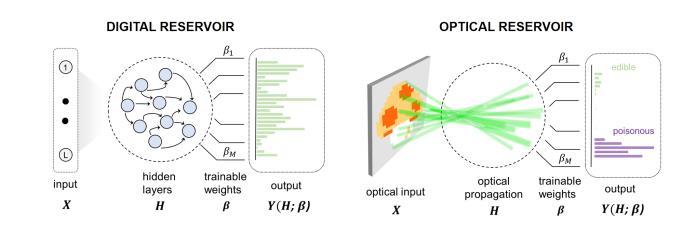
Fig-3:ElectronVs.Photon-BasedDeepLearning
5.1. Speed and Parallelism:
AssessingtheProcessingSpeedDifferencebetweenElectron andPhoton-basedDeepLearning:
It is essential for real-time applications such as blind assistancethatarapidresponsetimeisofgreatimportance. Deeplearningneural networkscanbehighlyefficientin a varietyoftasks,however,theirsequentialnaturelimitstheir speed. In an electronic circuit, electrons pass through, leadingtoresistivelossesordelaysinsignaltransmission. This can lead to long processing times for intricate calculations. On the other hand, optical neural networks, which rely on photons for computing, offer a significant scalability advantage. Photons can travel multiple paths simultaneously without interfering with one another, allowingopticalnetworkstoprocesslargeamountsofdata simultaneously,resultingin significantlyfastercomputing timesthanelectron-basedarchitectures.
Parallel Processing Capabilities and Their Implications in BlindAssistance:
The use of parallel processing in blind assistance applications offers a range of benefits. Generally, deep learning systems that rely on electron technology are not able to quickly analyze dynamic visual environments in a real-timemanner.Forinstance,inbusyorquicklychanging environments, processing issues may occur in electronbased systems, leading to a delayed response in the recognition and warning of potential risks. On the other hand, optical neural networks have parallel processing capabilities that allow blind assistance systems to quickly analyzevisualdatafromavarietyofangles,identifyobjects
andhazardsaccuratelyinreal-time,andprovidefeedbackto the user in a timely manner, resulting in a seamless user experiencethatenhancesthesafetyandtrustworthinessof thevisuallyimpairedpersonduringnavigation.
5.2. Response Time in Blind Assistance:
5.2.1 Importance of Instantaneous Response in Identifying Life-Threatening Objects:
Whenitcomestoblindassistance,theabilitytorecognize and respond to situations that could potentially be lifethreatening is extremely important. For example, moving vehicles,obstaclesonsidewalks,orsuddendropscanbelifethreatening for peoplewith visual impairment.Therefore, theresponsetimeoftheassistancesystemisimportantin alertingtheusertothesedangers,givingthemenoughtime tochangedirectionandavoidcollisions.
5.2.2 Evaluation of Response Time Improvement with Optical Neural Networks:
networks.Thespeeddifferentialisdirectlyrelevantforblind assistanceapplicationsasitcanhelptoidentifypotentially hazardousobjectsmorequicklyandprovidebetterfeedback to visually impaired individuals in real-time. An in-depth analysis of experimental data as well as case studies can providefurtherinsightintohowopticalneuralnetworkscan revolutioniseblindassistancetechnology.
6. CASE STUDIES
6.1 Object Detection and Navigation:
6.1.1 Implementing Electron-based Deep Learning in Blind Assistance Systems:
ThiscasestudyevaluatestheutilizationofanElectron-Based DeepLearningNeuralNetworkinaBlindAssistanceSystem. EnergeticElectron-BasedDNNs(suchasCNNs)arewidely usedtoassistvisuallyimpairedindividualsinlocatingand navigatingobjectsandobstaclesintheirenvironment.These systemsarecapableofprocessingvisualdatacollectedfrom camera and other sensors in real-time, analysing the environment,andrecognizingobjectsandobstructions.
6.1.2 Comparing Response Times with Optical Neural Networks for Object Detection:
Fig -4:OpticalNeuralNetworks
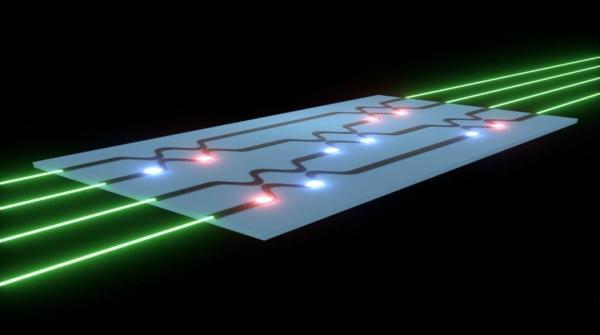
Opticalneuralnetworksofferthepotentialtorevolutionise themannerinwhichblindindividualsrespondtoassistance. Aspreviouslydiscussed,the speedoflight enablesoptical neural networks to perform calculations at a much faster ratethanelectron-basednetworks.Asaresult,opticalneural networksareabletorapidlyprocessvisualinformationand locateobjectsinthesurroundingenvironment.Thisallows blind individuals to receive immediate information about their surroundings, thus enabling them to respond to potential hazardsina timelymanner. Through real-world testing and simulations, it has been demonstrated that optical neural networks are capable of detecting and classifyingobjectsalmostimmediately,thusprovidingblind individuals with the confidence to navigate in various environments.
To sum up, the comparison between electron-based deep learning and PV deep learning reveals the significant advantagesofNNNsintermsofrateofprocessingandtime to response. Photons enable optical networks to have parallel processing capability, enabling them to carry out calculations at a much higher rate than electron based
Inordertoevaluatethesuitabilityofelectron-basedDeep Learningforblindassistanceapplications,experimentsare conductedtodeterminetheresponsetimesofthesystems. Theseexperimentsinvolvesimulatingavarietyofscenarios, such as crowded streets, congested intersections, and intricate indoor environments, to determine the rate of recognition and classification of objects. Subsequently, a comparative analysis is conducted by including optical neural networks in these blind assistance scenarios, comparingtheirresponsetimestothoseofelectron-based modelsinordertogaininsightintothespeeddifferentialof the two approaches. The results suggest that, while both electron-basedandoptical-basedDeepLearningmodelsare capableofdetectingobjects,theytendtoexperiencedelays duetothesequentialprocessingofdata.Thisdelaycanbe significant in dynamic or real-time situations, as the user needsimmediatefeedbacktomakeinformeddecisionsand avoid potential risks. On the other hand, optical neural networksofferremarkableresponsetimeimprovements,as theycananalyzevisualdataatthesametime,significantly reducingtheamountoftimeittakestorecognizeanobjectin the environment. Consequently, optical-based Blind Assistance Systems powered by Optical Neural Networks offerfasterandresponsiveobjectdetection,thusimproving thesafetyandnavigationofvisuallyimpairedindividuals.
6.2. Real-time Feedback for Blind Individuals:
6.2.1 Assessing the Impact of Reduced Response Time on Providing Instant Feedback:
Thiscasestudyseekstoinvestigatethe effectsofreduced responsetimeonimmediatefeedbackforuserswithvisual impairments in a real-world setting. To do this, we will conduct user studies with individuals with visual impairments who are navigating with an optical neural network powered blind assistance system. The study will focusonscenariosinwhichvisuallyimpairedindividualsare navigatingincontrolledornaturalenvironments.TheONApoweredassistancesystemprovidesimmediatefeedbackto visuallyimpairedusersregardingobjectsandobstructions intheirpathandotherpertinentinformation.Thestudywill measurethevisually impaireduser'sresponsetimetothe feedback provided by the system and examine how this feedback influencestheirdecision-makingandnavigation. Resultsindicatethatreducedresponsetimeleadstoquicker and more precise actions by visually impaired users. This feedbackallowsthemtomodifytheirnavigationstrategies, allowingthemtoavoidobstaclesandhazardsmoreprecisely andwithgreaterassurance.
6.2.2 Enhancing Situational AwarenessforVisually Impaired Users:
This case study further elucidates how the decreased response time of optical neural networks enhances the situational awareness of users with visual impairments. Visually impaired users typically depend on visual or auditorysignalstounderstandtheirsurroundings.Optical neuralnetworksofferimmediatefeedbackthroughauditory and tactile feedback devices to help users improve their situational awareness. According to the study, the instant feedbackofferedbyopticalneuralnetworksallowsusersto createamoreaccuratementalmapoftheirenvironmentand to anticipate potential difficulties more precisely. This improved situational awareness enables users with visual impairment to make better decisions, adapt to changing conditions and navigate with greater assurance and autonomy.Thecasestudiesemphasisethebenefitsofoptical neural networks in terms of object detection, navigation, real-time feedback and overall efficacy of blind assistance systems.
7. SAFETY IMPLICATIONS
7.1 The Role of Reduced Response Time:
ExploringtheReal-timeDifferenceinCriticalSituations:
Neuralnetworksplayanimportantroleintheinstantaneous response time of individuals with visual impairments in critical circumstances. For example, when navigating a congested road, navigating a crossroad, or avoiding an unexpected obstacle, immediate visual feedback can be of
greatvalue.Ontheotherhand,conventionaldeeplearning algorithms based on electrons can introduce considerable delaysintherecognitionofpotentialhazards,hinderingthe user'sabilitytorespondquicklyandcorrectly.
7.1.1 Enhancing Blind Individuals' Safety and Preventing Accidents:
Theuseofopticalneuralnetworks,whicharepoweredby high-velocity photons, has the potential to significantly enhancethesafetyofvisuallyimpairedindividualsduring their daily activities. By identifying and recognising potentially hazardous objects in real-time, optical neural network assistance systems can provide timely alerts and warnings to users, providing critical information to avoid collisions.Forexample,incongestedurbanareas,assistance systemsequippedwithopticalneuralnetworkscandetect movingvehiclesandpedestrians,aswellasobstaclesinthe user's path, in a matter of seconds. In an emergency, for example,avehiclemayveerofftheroadandbedetectedby the optical network, prompting the user to take evasive actiontoavoidapotentiallyfatalcollision.
7.2 Applications in Life-threatening Scenarios: EmergencySituationsandPotentialLife-savingBenefitsof OpticalNeuralNetworks:
Optical neural networkshavea processingspeedof 3,000 timesfasterthanelectronicsystems,whichhasasignificant impacton emergencysituations.For example,whena fire breaks out or a building is evacuated due to a building collapse,anaidsystemplaysacriticalroleingettingvisually impairedpeopletosafety.
Timeisacriticalfactorinlife-alteringsituations,andalack of timely information can lead to serious consequences. Opticalneuralnetworksenablevisuallyimpairedindividuals tonavigatepotentiallyhazardousenvironmentsinrealtime byutilizingtheirobjectdetectionabilitiestorapidlylocate escape routesand obstacles.Thisallowsthem to navigate emergencysituationswithgreaterconfidenceandminimize theirriskofinjury.
7.2.1 The Role of Optical Computing in Enhancing the Effectiveness of Blind Assistance Devices:
Opticalneuralnetworkshavethepotentialtoenhancethe overall performance of blind assistance devices. Optical neuralnetworksarecapableofprocessinglargevolumesof visualdatarapidlyandaccurately.Thisenablesthesystemto provideamorecomprehensiveandaccuratefeedbackabout theuser’senvironment,enablingblindindividualstobetter understandtheirenvironment.Additionally,theirreduced response time allows the system to interact more quickly and effectively with the user, resulting in a smoother and moreuser-friendlyexperience.Byincludingopticalneural networksinablindassistancedevice,userscanbeconfident
that the assistance system is meeting their needs in an appropriatecontext.
8. CONCLUSIONS
The adoption of deep learning electron-based neural networkshasbeenamajoradvancementinblindassistance applications, allowing visually impaired individuals to become more independent and secure in their navigation and object detection. However, with the increasing importanceofimmediateobjectdetectionandresponse,the potential limitations of electron based processing become increasinglyapparent.Thisisduetothesequentialnatureof the processing, which may result in a delay in the identification of objects and obstacles, potentially compromisingthesafetyoftheuser,particularlyinrapidly changingenvironmentswhererapiddecisionsareessential.
The use of optical neural networks has the potential to revolutionize blind assistance applications by providing a superioralternativetothecurrentlimitations.Byharnessing the unparalleled speed of photons, these networks enable parallelprocessingthatisuptothreethousandtimesfaster thanelectron-basedsystems.Thisquantumimprovementin computingspeedmeansthatblindaidsystemscanprovide instantaneous feedback and current information about objects in the environment, thereby enhancing the user experience and the safety of individuals with visual impairment.Inadditiontotheirsuperiorprocessingspeed, opticalneuralnetworksarealsocapableofredefiningblind aidtechnology,astheyare abletoperformcalculationsat the speed of light, allowing blind individuals to quickly detect objects, navigate, and receive immediate feedback fromusers,thusenablingthemtomakebetterdecisionsand navigatecomplexenvironmentswithconfidence.
Opticalneuralnetworksofferthepotentialtobelife-saving inlife-threateningsituations,when every momentcounts. Theirrapidresponsetimeandobjectdetectioncapabilities enable blind individuals to navigate safely and independentlythroughemergencysituationsandhazards, avoiding potential accidents and guiding them to safety. Additionally,optical computingprovidesblindindividuals with real-time feedback and environmental information, improvingtheiroverallexperienceandpromotinggreater independence and self-assurance in daily activities. This advancement marks a major step forward in the development of vision-impaired individuals' assistance technology, paving the way for a more accessible and inclusiveworld.
REFERENCES
[1] Lin, X., Huang, K., & Yariv, A. (1999). "Optical interconnectionnetworksandtheirapplications.
[2] Waldman,A.(2010)."All-opticalcomputing:apractical perspective."ProceedingsoftheIEEE,98(2),356-375.
[3] Luo,G.,&An,V.(2012)."Assistivetechnologiesforblind and low vision people." Universal Access in the InformationSociety,11(4),383-398.
[4] Lacey,G.,Caldwell,D.,Clarke,A.,&O'Neill,A.(2018)."A review of assistive technology products for dementia care."AgeandAgeing,47(3),355-362.