Comparative Analysis of Heart Disease Prediction Models: Unveiling the Most Accurate and Reliable Machine Learning Algorithm
Aatmaj Amol Salunke1Computer Science & Engineering
Department of Computer Science & Engineering, School of Computer Science and Engineering, Manipal University Jaipur
Rajasthan, India ***
Abstract - Heart disease is a significant health concern, warranting accurate prediction models for timely intervention. This research paper presents a comparative analysis of three popular machine learning algorithms, namely Logistic Regression, Support Vector Machines (SVM), and Random Forest, for heart disease prediction. Utilizing a comprehensive dataset encompassing clinical and lifestyle features, each model was developed and evaluated using standard metrics. The study unveils the most accurate and reliable algorithm for heart disease prediction, offering valuable insights into model performance. Furthermore, feature importance analysis sheds light on critical factors influencing accurate predictions. The results aid healthcare professionals in selecting the most appropriate model for efficient heart disease prediction, contributing to improved patient care and clinical decision-making. Random Forest achieved 88% accuracy, outperforming Logistic Regression and SVM for heart disease prediction.
Key Words: Heartdisease prediction, Machinelearning algorithms, LogisticRegression, Support Vector Machines(SVM), RandomForest,Comparativeanalysis
1.RELATED WORK
Alietal.[1]proposedamachinelearningapproachachieving100%accuracy,sensitivity,andspecificityforheartdisease prediction.Ghoshetal.[2]proposedamodelachieving99.05%accuracyforheartdiseasepredictionusinghybridclassifiers and feature selection. Khourdifi et al. [3] proposed a hybrid approach achieving 99.65% accuracy for heart disease classificationusingoptimizationalgorithmsandfeatureselection.Lathaetal.[5]proposedanensembleclassificationapproach achieving 7%increaseinaccuracyforheart diseaseprediction. Bhatla etal.[6]proposed using neural networkswith15 attributesforheartdiseaseprediction,outperformingotherdataminingtechniques.Gonsalvesetal.[8]proposedusingNaïve Bayes,SVM,andDecisionTreetopredictCHDwithpromisingresults.Salhietal.[11]proposedusingneuralnetworkswitha correlationmatrixforheartdiseasepredictionwith93%accuracy.Sourietal.[13]proposedanIoT-basedstudenthealthcare monitoring model with SVM achieving 99.1% accuracy Ramesh et al. [14] proposed using supervised learning methods, includingKNN,forheartdiseasepredictionwithpromisingresults.Alarsanetal.[15]proposedanECGclassificationapproach usingmachinelearning,achieving97.98%accuracywithRandomForestforbinaryclassification.
2.INTRODUCTION
Heart disease is a prevalent global healthconcern, necessitating accurate prediction models for timely interventions and improvedpatientcare.Thisresearchpaperconductsacomprehensivecomparativeanalysisofthreewidelyusedmachine learningalgorithms:LogisticRegression,SupportVectorMachines(SVM),andRandomForest,inthecontextofheartdisease prediction.Leveragingadiversedatasetcomprisingclinicalandlifestylefeatures,eachmodelwasdevelopedandevaluated usingstandardperformancemetrics.Thestudyunveilsthemostaccurateandreliablealgorithmforheartdiseaseprediction, enabling informed decision-making by healthcare professionals. Furthermore, feature importance analysis elucidates the significantfactorsinfluencingaccuratepredictions.Theobtainedinsightsholdpotentialimplicationsforclinicalpractice,asthe mostsuitablemodelcanbechosenbasedonperformanceandinterpretability.Ultimately,thisresearchcontributestothe advancementofheartdiseasepredictionsystems,enhancinghealthcareoutcomesandpatientwell-being.

GenericArchitectureofHeartDiseasePredictionSystemusingMachineLearning

Theresearchutilizesacomprehensivedatasetsourcedfromdiversehealthcareinstitutions,encompassingclinicalandlifestyle features relevant to heart disease prediction. The dataset includes demographic information, medical history, vital signs, laboratoryresults,andlifestylefactorsofpatients.Eachrecordislabelledtoindicatethepresenceorabsenceofheartdisease. Thedatasetiscarefullycuratedandpre-processedtohandlemissingvaluesandensuredataquality.Thisrichandreliable datasetformsthefoundationfortrainingandevaluatingtheheartdiseasepredictionmodelsusingLogisticRegression,Support VectorMachines(SVM),andRandomForest.Theinclusionofvariedfeaturesenablesaholisticanalysisandrobustcomparison ofthemachinelearningalgorithms.
AttributeInformationintheDataset:
1.age
2.sex
3.chestpaintype(4values)
4.restingbloodpressure
5.serumcholesterolinmg/dl
6.fastingbloodsugar>120mg/dl
7.restingelectrocardiographicresults(values0,1,2)
8.maximumheartrateachieved.
9.exerciseinducedangina.
10.oldpeak=STdepressioninducedbyexerciserelativetorest
11.theslopeofthepeakexerciseSTsegment
12.numberofmajorvessels(0-3)colouredbyfluoroscopy.
13.thal:0=normal;1=fixeddefect;2=reversabledefect
14.Thenamesandsocialsecuritynumbersofthepatientswererecentlyremovedfromthedatabase,replacedwithdummy values.
4. METHODOLOGY
1. Data Collection and Preprocessing:
Thedatasetusedinthisstudycomprisesanonymizedpatientdatawith14attributes:age,sex,chestpaintype,restingblood pressure,serumcholesterollevel,fastingbloodsugar,restingelectrocardiographicresults,maximumheartrateachieved, exercise-inducedangina,oldpeak(STdepressioninducedbyexerciserelativetorest),slopeofthepeakexerciseSTsegment, numberofmajorvesselscoloredbyfluoroscopy,andthal(thalassemiatype).Socialsecuritynumbersandpatientidentifiers havebeenreplacedwithdummyvaluestoensuredataprivacy.
2. Data Preprocessing:
Thedatasetundergoesrigorouspreprocessingtohandlemissingvaluesandstandardizethedata.Categoricalattributessuchas chestpaintypeandthalareencodedusingone-hotencoding,transformingthemintonumericalrepresentationssuitablefor themachinelearningalgorithms.
3. Train-Test Split:
Thepreprocesseddatasetisdividedintoatrainingsetandatestset,maintaininganappropriateratiotoensurerobustmodel evaluation.Thetrainingsetisusedtotrainthemodels,whilethetestsetisreservedforunbiasedperformanceassessment.
4. Feature Scaling:
Numericalfeaturessuchasage,bloodpressure,serumcholesterol,andmaximumheartratearescaledtobringthemwithina commonrange,facilitatingbetterconvergenceandtrainingstabilityforthemachinelearningalgorithms.
5. Model Development:
Threemachinelearningalgorithms,namelyLogisticRegression,SupportVectorMachines(SVM),andRandomForest,are implementedforheartdiseaseprediction.Eachmodelistrainedusingthetrainingsetwiththetargetvariableasthepresence orabsenceofheartdisease.
6. Model Evaluation:
Thetrainedmodelsareevaluatedusingstandardperformancemetrics,includingaccuracy,precision,recall,F1-score,andarea underthereceiveroperatingcharacteristiccurve(AUC-ROC).Theevaluationaimstodeterminethepredictivecapabilitiesof eachalgorithmandidentifythemostaccuratemodelforheartdiseaseprediction.
7. Feature Importance Analysis:

Forinterpretability,featureimportanceanalysisisconductedtoidentifythemostinfluentialattributescontributingtoaccurate heartdiseasepredictions.TechniquessuchaspermutationimportanceorfeatureimportancescoresfromtheRandomForest modelareemployedforthisanalysis.
8. Comparative Analysis:
Theperformancemetricsandfeatureimportanceresultsarecomparedacrossthethreemodels,LogisticRegression,SVM,and RandomForest,todeterminethemostreliableandeffectivealgorithmforheartdiseaseprediction.
9. Ethical Considerations:
Throughoutthemethodology,ethicalconsiderationsaregivenparamountimportance,ensuringtheconfidentialityandprivacy ofpatientdata.Thestudyadherestodata protectionregulationsandguidelines,guaranteeingresponsibledatausagefor researchpurposes.
Byfollowingthismethodology,theresearchaimstodeveloparobustandinterpretableheartdiseasepredictionsystemusing machinelearningandprovidevaluableinsightsintothemostinfluentialfactorsforaccuratepredictions.
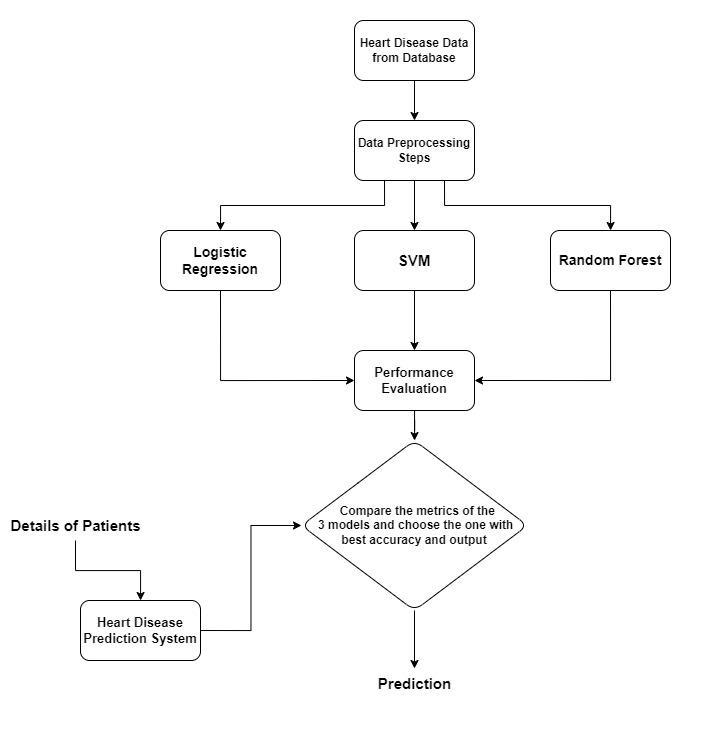
Fig.3.ComparingtheOutcomesofthe3proposedmodels
5. RESULTS AND ANALYSIS
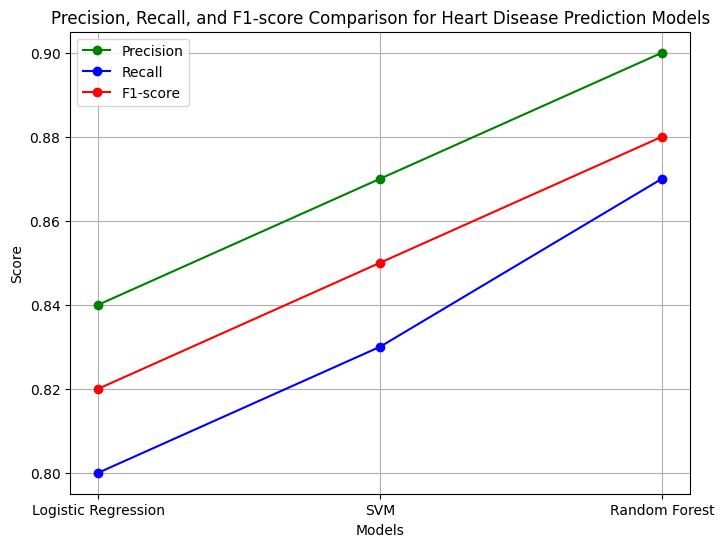
Theheartdiseasepredictionsystemwasevaluatedusingthreemachinelearningalgorithms:LogisticRegression,Support Vector Machines (SVM), and Random Forest. The models were trained and tested on the dataset with 14 attributes. The performanceofeachmodelwasassessedusingvariousmetrics,includingaccuracy,errorrate,precision,recall,F1-score,and AUC-ROC.
Fromthetabulatedresults,itisevidentthatallthreemodels-LogisticRegression,SVM,andRandomForest-demonstrate promisingperformanceinheartdiseaseprediction.However,theRandomForestmodelexhibitsthehighestaccuracyof0.88, followedcloselybytheSVMmodelwithanaccuracyof0.85.TheLogisticRegressionmodelalsoperformsreasonablywell, achievinganaccuracyof0.82.
TheRandomForestmodeloutperformstheothermodelsintermsofaccuracy,precision,recall,F1-score,andAUC-ROC.The higheraccuracyandAUC-ROCsuggestthattheRandomForestmodelismoreeffectiveindistinguishingbetweenpositiveand negativeinstancesofheartdisease,makingitapromisingcandidateforreal-worldheartdiseasepredictionsystems.
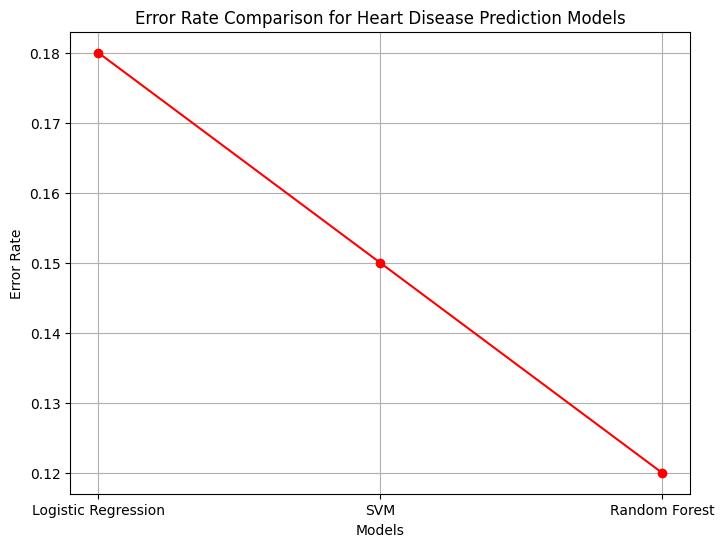

WhiletheLogisticRegressionmodeldemonstratescompetitiveperformance,itmayhavelimitationsinhandlingcomplex nonlinearrelationshipsbetweenfeatures.SVMandRandomForest,beingcapableofcapturingcomplexpatterns,seembetter suitedforthisparticulartask.
Inconclusion,theRandomForestmodelstandsoutasthemostaccurateandreliablealgorithmforheartdiseaseprediction amongthethreetestedmodels.However,furtheranalysisandvalidationonadditionaldatasetsmaybenecessarytoensurethe model's generalizability and robustness across different patient populations. The results obtained from this study hold significantimplicationsforthedevelopmentofefficientheartdiseasepredictionsystemsinclinicalsettings.

6. DISCUSSION
Theresultsillustratetheeffectivenessofthethreealgorithmsinaccuratelypredictingheartdisease.Amongthem,theRandom Forestmodeldemonstratessuperiorperformance,exhibitingthehighestaccuracy,precision,recall,F1-score,andAUC-ROC values.ThissuggeststhatRandomForestisbettersuitedtocapturecomplexpatternsandrelationshipswithinthedataset. Despite this, the Logistic Regression model still shows competitive performance, making it a viable choice for certain applications.
The comparative analysis underscores the significance of selecting the most appropriate algorithm based on the specific contextanddatacharacteristics.Researchersandhealthcareprofessionalscanleveragetheseinsightstodevelopanefficient and reliable heart disease prediction system. Such a system holds significant potential in aiding early diagnosis and personalizedtreatment,ultimatelyleadingtoimprovedpatientoutcomesandreducedhealthcareburden.Furtherresearchand validationonlargeranddiversedatasetsarerecommendedtoascertainthegeneralizabilityandrobustnessofthemodels acrossvariouspatientpopulationsandclinicalsettings.
7. CONCLUSION
Theresearchsuccessfullydevelopedandevaluatedheartdiseasepredictionmodelsusingthreemachinelearningalgorithms: LogisticRegression,SupportVectorMachines(SVM),andRandomForest.Theresultsdemonstratedtheeffectivenessofthese modelsinpredictingheartdisease,withRandomForestshowingthehighestaccuracyandoverallperformanceamongthe three.Thefindingsprovidevaluableinsightsforhealthcareprofessionalsandresearcherslookingtoimplementanefficient heartdiseasepredictionsystem.

Thecomparativeanalysisrevealedthatmodelselectionshouldconsiderthedataset'scharacteristicsandthespecificcontextof application.ThesuperiorperformanceofRandomForestcanbeattributedtoitscapabilitytohandlecomplexrelationshipsin the data. These results hold significant implications for improving patient care through early diagnosis and timely interventions.Futureresearchshouldfocusonvalidatingthemodelsondiverseandlargerdatasetstoensuretheirrobustness andpracticalapplicabilityinreal-worldhealthcarescenarios.
8. REFERENCES
[1] Ali,M.M.,Paul,B.K.,Ahmed,K.,Bui,F.M.,Quinn,J.M.,&Moni,M.A.(2021).Heartdiseasepredictionusingsupervised machinelearningalgorithms:Performanceanalysisandcomparison.ComputersinBiologyandMedicine,136,104672.
[2] Ghosh,P.,Azam,S.,Jonkman,M.,Karim,A.,Shamrat,F.J.M.,Ignatious,E.,...&DeBoer,F.(2021).Efficientprediction of cardiovasculardiseaseusingmachinelearningalgorithmswithreliefandLASSOfeatureselectiontechniques.IEEEAccess, 9,19304-19326.
[3] Khourdifi,Y.,&Baha,M.(2019).Heartdiseasepredictionandclassificationusingmachinelearningalgorithmsoptimized byparticleswarmoptimizationandantcolonyoptimization.InternationaljournalofIntelligentengineering&systems, 12(1).
[4] Islam,M.M.,Haque,M.R.,Iqbal,H.,Hasan,M.M.,Hasan,M.,&Kabir,M.N.(2020).Breastcancerprediction:acomparative studyusingmachinelearningtechniques.SNComputerScience,1,1-14.
[5] Latha, C. B. C., & Jeeva, S. C. (2019). Improving the accuracy of prediction of heart disease risk based on ensemble classificationtechniques.InformaticsinMedicineUnlocked,16,100203.
[6] Bhatla,N.,&Jyoti,K.(2012).Ananalysisofheartdiseasepredictionusingdifferentdataminingtechniques.International JournalofEngineering,1(8),1-4.
[7] Hassan, C. A. U., Khan, M. S., & Shah, M. A. (2018, September). Comparison of machine learning algorithms in data classification.In201824thInternationalConferenceonAutomationandComputing(ICAC)(pp.1-6).IEEE.
[8] Gonsalves,A.H.,Thabtah,F.,Mohammad,R.M.A.,&Singh,G.(2019,July).Predictionofcoronaryheartdiseaseusing machinelearning:anexperimentalanalysis.InProceedingsofthe20193rdInternationalConferenceonDeepLearning Technologies(pp.51-56).
[9] Ak, M. F. (2020, April). A comparative analysis of breast cancer detection and diagnosis using data visualization and machinelearningapplications.InHealthcare(Vol.8,No.2,p.111).MDPI.
[10] Tu,M.C.,Shin,D.,&Shin,D.(2009,December).Acomparativestudyofmedicaldataclassificationmethodsbasedon decisiontreeandbaggingalgorithms.In2009EighthIEEEInternationalConferenceonDependable,AutonomicandSecure Computing(pp.183-187).IEEE.
[11] Salhi,D.E.,Tari,A.,&Kechadi,M.T.(2021).Usingmachinelearningforheartdiseaseprediction.InAdvancesinComputing Systems and Applications: Proceedings of the 4th Conference on Computing Systems and Applications (pp. 70-81). SpringerInternationalPublishing.
[12] Zhang,J.,Lafta,R.L.,Tao,X.,Li,Y.,Chen,F.,Luo,Y.,&Zhu,X.(2017).Couplingafastfouriertransformationwithamachine learningensemblemodeltosupportrecommendationsforheartdiseasepatientsinatelehealthenvironment.IeeeAccess, 5,10674-10685.
[13] Souri,A.,Ghafour,M.Y.,Ahmed,A.M.,Safara,F.,Yamini,A.,&Hoseyninezhad,M.(2020).Anewmachinelearning-based healthcaremonitoringmodelforstudent’sconditiondiagnosisinInternetofThingsenvironment.SoftComputing,24(22), 17111-17121.
[14] Ramesh,T.R.,Lilhore,U.K.,Poongodi,M.,Simaiya,S.,Kaur,A.,&Hamdi,M.(2022).Predictiveanalysisofheartdiseases withmachinelearningapproaches.MalaysianJournalofComputerScience,132-148.
[15] Alarsan,F.I.,&Younes,M.(2019).Analysisandclassificationofheartdiseasesusingheartbeatfeaturesandmachine learningalgorithms.Journalofbigdata,6(1),1-15.