How Clean is the Green? Electric Vehicles the Way Forward
Ananya Chowdhery, Samarthya Bindlish1Student Grade 12, Sat Paul Mittal School, Ludhiana, Punjab, India
2Student Grade 10, Vivek High School, Chandigarh, India ***
Abstract - Humanity has come a long way, particularly where development is concerned. Unfortunately, we have paid a heavy price for it too. Man has encroached upon nature, and now is reeling under the after-effects of the same. With the effects of pollution and subsequently climate change felt acutely by one and all, the entire world is in a race to discover quick fixes for it. In this attempt, electric vehicles are being hailed as the magical formula that will deliver us from the evils of environmental pollution. It has the ‘clean’ label attached to it. But are they as ‘clean’ as is being claimed? This question is especially of vital importance when it comes to a country like India. India has seen a meteoric rise in the last few decades. It’s on the fast-track road to development but at the heavy price of forsaking the environment. The necessity to change the development track to take environmental sustainability into account is of utmost importance. So, the question that arises is, are EVs really right for India? Do we really have the infrastructure in place to claim EVs to be the elixir vitae delivering us from the evils of environmental pollution? Will it really be the panacea we are hoping it to be, or are we running after a mirage?
Key Words: Electric vehicle, India, Carbon footprint, Electricity, Fossil fuel, Environment, Lithium
1. INTRODUCTION
Historyhastaughtusthateconomicdevelopmentandenvironmentaldegradationgohandinhand.Wehavealwaysimpinged uponnatureandtheenvironmentforindustrializationandurbanization.Wemighthaveprogressedoverthesufferingof nature,butnowthistrade-offisthreateningourownsurvival.Humanshaverealisedthattheycannotlordandmasterover nature.Thereisadireneedfordevelopmenttoworkalongwithenvironmentalpreservation.Nowweneedsafeprogressprogresswhereweareprogressingwhilstkeepingourenvironmentsafe.
Intheraceforfindingsafer,cleanersolutions,huntingforsolutionsforvehicularpollutionisamongtheforerunners. The transportindustryaloneisresponsiblefor25%ofallemissionsthatareemittedintotheatmosphere,withroadtransport accountingfor75%ofthoseemissions. Theadventofelectricvehiclesisslowlybutsurelyrevolutionisingthetransportsector. ItisbeinghailedastheDicatholiconthatwilldeliverusfromtheevilsoftheautomobileindustry.Ithasthe‘clean’label attachedtoit.Buteversincetheyhavebeenrolledontheroads,the‘clean’labelisunderconstantscrutiny.Aretheyas‘clean’ astheyclaim?Aretheyreallythesolutiontotheenvironmentalpollutionwehavedesperatelysought?
India is on the fast-track road to development. But we are paying a heavy price for it by sacrificing the quality of the environmentaroundus.ThesmogconditionsofNorthIndiaandthefactthatquiteafewIndiancitiesfeatureintheworld’s mostpollutedcitiesisproofenough. JustasacrosstheworldpeopleofIndiaarelookingforwardtoelectricvehiclesonroads believingthemtoeasethepressureontheenvironment.TheprojectedrateofgrowthjustforIndiaaloneissupposedtobe 35%until2026.Astheentireautomobileindustryisfacingaradicalshift,withanobviousinclinationtowardscleanerand greenervehicles,electricvehiclesarebecomingthenorm.Butthemillion-dollarquestionofhowgreenthesevehiclesare remainsunanswered.ItisespeciallyofvitalimportancewhenitcomestoacountrylikeIndia.Willitreallybethepanaceawe arehopingittobe,orarewerunningafteramirage?

2. ADVANTAGES OF ELECTRIC VEHICLES
Thereareseveralfeaturesofelectricvehiclesthatarebeneficialtotheenvironment.Asperdatacollectedbyvariousresearch organisations,electricvehicleshelpinimprovingairqualityastheyreleaseaverysmallamountofgreenhousegasesandair pollutantsascomparedtoconventionalcars.Theircarbondioxideemissionswhiledrivingisalmostnilastheydonothaveany tailpipeemissions.1.5milliongramsofCO2 onanestimateissavedbyanelectriccar.Electricvehiclesaremuchquieterthan regularcarstherebyreducingnoisepollutionconsiderably.Infact,itissaidthatwithelectricvehiclesstreetsarecleanerand quieter,therebymakingthecitiesmorepeacefulforallandespeciallythepedestriansandcyclists.
Therunningcostsofelectricvehiclesarepocketfriendlytoo.Tocoverthesamedistanceascomparedtoconventionalcars, thecostofcharginganelectriccaris40%lessthanthecostofrefueling.Withtheadventofchargingstationsatalldestinations,
charginghasbecomestraightforwardandeffortless.Beitmalls,fuelstations,metrostations,workplaces,etc. electricvehicle ownersdon’thavetospendextratimetochargetheirvehicles.Onecanevenchargetheircarwhiletheyshoporhavetheirlunch.
Due to all these aspects, electric vehicles are being promoted as the most viable mode of transport which offers unprecedentedbenefitsandenjoymenttotheownersandbusinesses.However,thisindustryisstillinitsnascentstageanddoes leaveonewondering.Arethesevehiclesreallyasgreenastheyarebeingadvertised?Arewejustshownonesideofthecoin?Or dobehind-the-scenestelladifferentstory?
Anycarduringitslifecycle-namelymanufacturing,usage,andrecyclingdischargesgreenhousegases.Tofindoutthedamaging impactofbothregularcarsandelectricvehicles,allthreestagesneedtobeconsidered.
3. THE MANUFACTURING PHASE
Intheproductionstage,todeterminecarbonemissions,allprocessesmustbestudied.Miningofores,refiningofmaterials, manufacturingvariouscomponents,andfinallyassembly,i.e.,howarevariouselementsprocuredandtransformed.
Onaveragemanufactureofadiesel/petrolcaremitsapproximately10tonnesofCO₂percarascomparedtoapproximately 15tonnesforanelectriccar,outofwhichapproximately3.2tonnesofcarbonemissionsresultfromthemanufacturingofbattery only.Lead-acidbatteriesusedinregularcarsarequiteeconomicaltoproduce,makingthemanaffordablesourceofenergy. However,usingthesebatteriescanproduceamuchhighercarbonfootprint.Butinelectricvehicles,themanufacturingstage alonecontributestomorethanathirdoftotalemissionsdischargedduringthelifetimeofanelectriccar.
Oneofthemajorreasonsforthehigherrateofemissionsistheproductionoflithiumbatteries,whichisavitalpartofan electric vehicle. The raw material for the batteries has to be mined and then refined for use. Both these processes emit greenhousegases.
Anelectricvehiclerequiresaboutsixtimestheamountofmineralsascomparedtoaregularcar.Themineralsandmetals usedinthebatteryarerareandfoundonlyinafewplaces.Theessentialcomponentsforbatteries,includinglithium,cobalt, nickel,andmanganese,mustbeextractedfromthedepthsoftheearth.Miningpracticesfollowedaregenerallydetrimentalto theecologyaroundthem.Lossofbiodiversity,risingtemperature,soilcoverloss,watershortages,anddestructionofecosystems aresomeofthedetrimentaleffectsofmining.
Lithium,oftenhailedasthenextoil,requiresapproximately2.2millionlitresofwaterfromthegroundtomineametrictonof lithium.Thismakeslithiumminingahugedrainonwaterresources.Groundwaterispumpedatamuchfasterratethanitcanbe replenished.InSouthAmerica,lithiumdepositsarefoundindry areaswhereaccesstowaterishardtocomebyandthus groundwaterbecomesanessentialsourceofsurvivalforonlythehumanpopulationbutalsothefloraandfaunaoftheregion.
Whenanareaisidentifiedformining,itlosesitsnaturalforests.Withthelossoftreecover,themainsourceofcarbonfixation islost.WithmoreCO2releasedintotheenvironment,globaltemperaturesrise,thusdefeatingthepurposeofshiftingtoelectric vehiclesforthebenefitofclimate.Chilehaslostaround56.8kilohectaresofitsforestcoverin2021roughlyestimatingto28.5 metrictonsofCO2emissions.Australialost231kilohectaresofitsforestcoverby2021,estimatingcarbonemissionstothetune ofover90.5metrictons.Moreover,thefearthatsomeoftheworld’smostinvaluableecosystemsmightgetdestroyeddueto whatisbeingdoneinthenameofgoodfortheglobalclimateisfastgrowing.AlreadypopulationoftwospeciesofFlamingoshas greatly reduced in Chile due to lithium mining and is threatening the existence of a rare wildflower, Tiehm’s buckwheat. Scientistsarealsoexploringthepossibilityofdeepsea-bedmining,whichcouldleadtothedestructionofthesurrounding sensitivefloraandfauna.
Wastegeneratedfrommininggenerallypercolateinthelocalenvironment,leadingtocontaminatedwaterresources,low yields,andhealth issuesamong other things,greatlyimpacting thelocal communities. There is no establishedprotocol to measurethesocialcostsofthesame.Neithertheyhavebeentabulated.
Lithium-ionbatteriesareconsideredtobebetterastheynotonlystoremorepower,buttheyhavealongerlifetoo,makingit theobviouschoiceforenvironmentalists. Butthehiddenfactisthattheproductionoflithium-ionbatteriesisdependenton fossilfuelswhichincreasestheirtotalcarbonfootprint.Also,Chinaisthemajorproducerofthesebatteries.Chinadepends majorlyoncoalasanenergysourcewhichaccountsforalargecarbonfootprint.Subsequently,batteriesproducedbyChinahave asignificantcarbonfootprint.
Whenitcomestolabour,theworkingconditionsarepoorandhighlydangerous,physicallyverydemandingandthepayis notenough.Thereareevennoisesbeingmadeabouttheuseofchildlabourformining.Theexploitationoftheworstkindis fuelingthesupplyboomofbatteries.
4. THE USE PHASE
Thecapacityoflithium-ionbatteriesinmodernelectricvehiclesisaround30kWh–200kWh.Thiscapacityspeaksofthehours thatthevehiclecanrunafterafullcharge.Onanapproximatebasis,acarwitha30-kWhbatterycankeeprunningforaround30 hours.Thesefiguresmightchangedependingonthetypeofvehicleandmodelofthecar.BelowisachartwithdifferentlithiumionbatteriesandestimatesforCO2-eqemissions.Theseemissionsvarynotjustwiththetypeofcarandmodelbutalsotheplace whereitisdrivenamongotherfactors.
Table -1: BatteryCapacityandCarbonEmissions
Whenthecarisbeingusedemissionsareeitherupstreamemissionsortailpipeemissions.Inapetrol/dieselcarbothtypes of emissions are released, i.e., upstream emissions and tailpipe emissions. Whereas in an electric vehicle only upstream emissionsareinvolved,whichdependonthematerialusedtoproduceelectricity,i.e.,eitherrenewablesourcesorfossilfuels.
Tailpipeemissions:Smokereleasedfromafossil-fueledcarcontainsparticulates.Theseparticulatescontaintoxicchemicals whichcangodeepintoourlungsandmakeussick.Carbonmonoxideisanodorlesspoisonousgasknowntocauseavarietyof healthissues.Nitrousoxideisalsoknowntocauserespiratoryproblemsandtheformationofsmog.Ifthecarisoldorrunson diesel,thenthepresenceoftheseparticulatesisheightened.Accordingtoareport,about4.6metrictonsofcarbondioxideis releasedeveryyearbyaregularcar,whichistheleadinggreenhousegasresponsibleforglobalwarming.
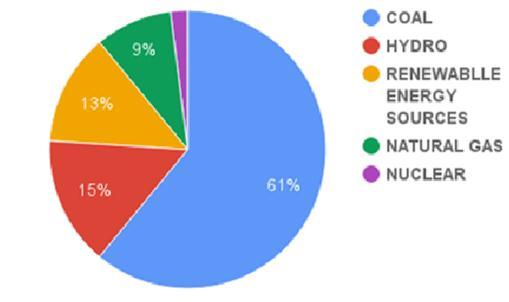
Upstream emissions: Upstream emissions happen when the fuel that powers the car is produced. In electric vehicles, upstreamemissionsdependonthecountry’selectricitygenerationmix,whetherelectricityiscoalgeneratedleadingtoabig carbonfootprintorproducedfromlow-carbonsources.Inelectricvehicles,batteriesneedtobechargedregularly. So,the electricitymixisthemajorsourceofemissionsinelectricvehicles.Mostcountriesrelyheavilyoncoal-generatedelectricity.This increasesemissionnumberssubstantially.Veryfewcountriesdrawmostoftheirenergyfromrenewablesourcesgivingasmall carbonfootprinttoelectricvehicleslikeNorway.Apartfromtheenergyused,carbonemissionsalsodependupontheareathatit isbeingdrivenin.
Asanexample,AustraliaandNewZealandarebeingconsidered.Theyhavedifferentelectricitymixes.InNewZealand,about 84%ofelectricityisproducedfromrenewablesourcesasopposedtoonly21%inAustralia.(Figuresarefortheyear2018). EstimatesbasedonthisdatashowthatupstreamemissionsofanelectricvehicleinAustraliawillbearound170gofCO2perkm andofanelectricvehicleinNewZealandwillbeapproximately25gofCO2perkm.DrivinganelectricvehicleinNewZealandis farbetterthandrivinginAustralia. Fromaregularcar,theupstreamemissionswillbearound251gofCO2 perkm.Itisquite evidentthatdrivingelectricvehiclesinthesecountriesisamuchbetterchoicethanfossilfuelcarsastheemissionsaremuch higherthanelectricvehiclesinbothcountries.
Theenvironmentalimpactofelectricvehiclescanbedecreasedconsiderablybyusingrenewableenergyforchargingtheir batteries.Electricityproducedusingcoalreleasesapproximately800-850gramsofCO2perkWh.Whenenergysourceslikesolar panelsorwindturbinesareused,thestatisticssignificantlydeclinetoabout36gCO2 perkWh.
5. THE RECYCLING PHASE
Transitiontoe-vehiclesisbeingincentivizedeverywhere.However,theenvironmentalconsequencesofthesamearestill underconsideration.
Thecomponentsofanycarrecyclinginvolveitsdismantling,recyclingofitsparts,recyclingofbattery,andrecoveryofthe material. Whenelectricvehiclesaretakenoutofcommission,itisbatterydisposal/recyclingwhichisamajorcauseofconcern.
Inelectricvehicles,lithium-ionbatteriesstartdegradingfromthefirstcycleofdischargeandcharge,tilltheyreachapoint wheretheyareunabletoperform.Afterbeingusedfor5-8years,thebatteriesdonotgenerateenoughpowertoachievethe requiredrangeinanelectricvehicle.Thesebatterieshaveaserviceablelifeoflessthantenyears. InU.S.around200,000and 500,000electricvehiclebatteriesweredecommissionedinthelate2010s,eachyear.Extrapolatingonthesefigures,by2025, aroundonemillionunitswillberetiredannually,andaroundtwomillionunitsby2040.
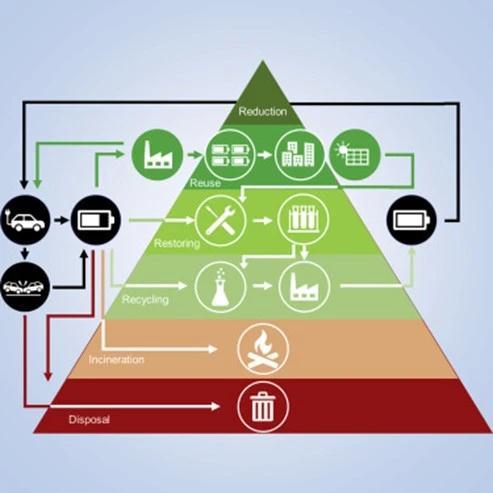
Therearefiveoptionsavailableforbatteriesoncetheyhaveexhaustedtheircapacity.Recycle,reuse,restore,dispose,or incinerate.Thelithium-ioncellsformthecoreoftheelectricvehiclebatteryalongwithadditionalrawmaterialslikecobalt, nickel,graphite,andotherrareearthelements.Afterthebatterylifeisexhausted,thewasteincludesmassiveamountsofthese chemical components. Out of which, only cobalt is worth recycling. This leaves nickel, graphite, manganese, and other substances,recyclingoftheseisnoteconomicalandinvolvessubstantialcostsforanyadditionalprocessing.Recyclingbatteries islabour-intensiveandnotsafe.Eventhetransportcoststotransportthesebatteriesforrecyclingincurredarequitehighas shippingandtransportcompaniesadheretosomeverystrictguidelinesandendupchargingextraforthesebatteries.Theyare estimatedtobealmostashighas40%ofthetotalrecyclingcosts.Duetoincreasedcosts,therearenotmanyplayersinthe recyclingbusiness,andforthewantofbuyersforlithiumandmanganese.Theeffectoftheseleftovermaterialsisruinousforthe environment.Lithiumisknowntoreactspontaneouslywiththemoistureintheenvironment.Ifdumped,thiscanresultinthe possibilityofhugelandfillexplosionstoo.Thetoxicwaterthatentersthewatersourcesduetorecklessdisposalofbatteries,not justreduceswaterfitforconsumptionbutalsodestroysthefloraandfaunaoftheregion.
AccordingtoastudyconductedinChina,emissionsonanestimateforanelectricvehicleis2.4tonnesasopposedto1.8 tonnesforaregularcar.Thehighemissionrateofanelectricvehicleismostlyduetobatteryrecycling,whichisapproximately around0.7tonnes.
Thebatterymaybereusedeitherdirectlyorrefurbishedtobeusedforsomeotherapplicationssuchasforstoringenergyfor homesorbusinessesorinothervehiclessuchaspublicbuses.Reusealsorequireslessprocessingthanrecycling.Restoringis mid-way between recycling and reusing, in which the cathode materials are reinstated without further processing. Under incineration,materialsinsidethebatteryareusedasfuelforotherprocesses.However,ithastheaddedriskofreleasingtoxic gasesintotheair.
6. SURVEY ON THE PERCEPTION OF INDIANS REGARDING ELECTRIC VEHICLES
To gain valuable insights into public perceptions and attitudes toward electric cars and their environmental impact, we conductedasurvey.Inthisendeavor,wecollectedandanalyzedresponsesfromadiverserangeofparticipants.Throughthis survey,ouraimwastodelveintovariousaspectsrelatedtoelectricvehicles,suchasawarenesslevels,perceivedbenefitsand drawbacks,andbarrierstoadoptionandtocheckhowgreenarethesevehiclesperceivedbytheIndianpopulation.
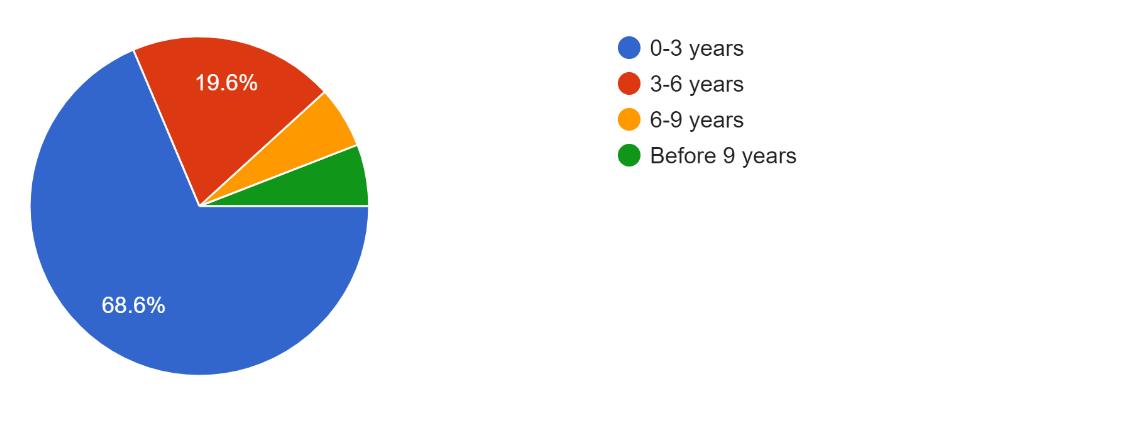
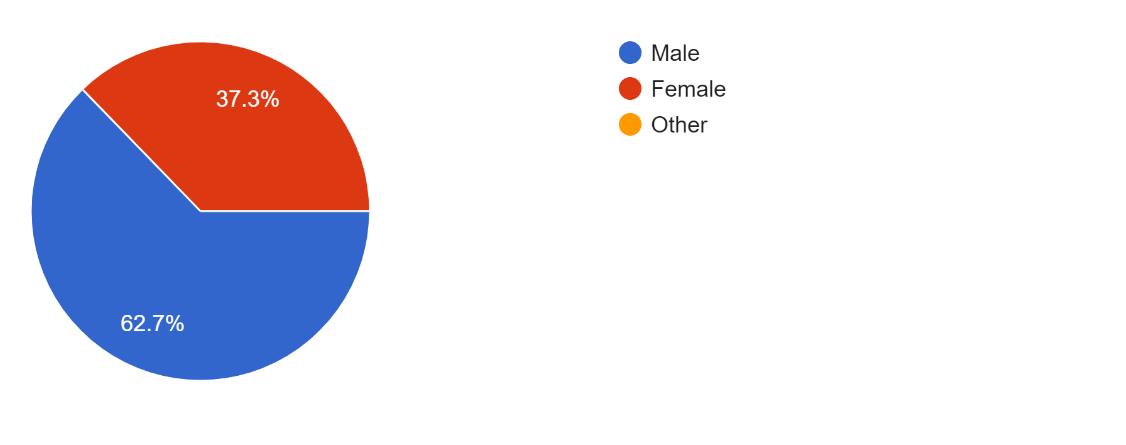
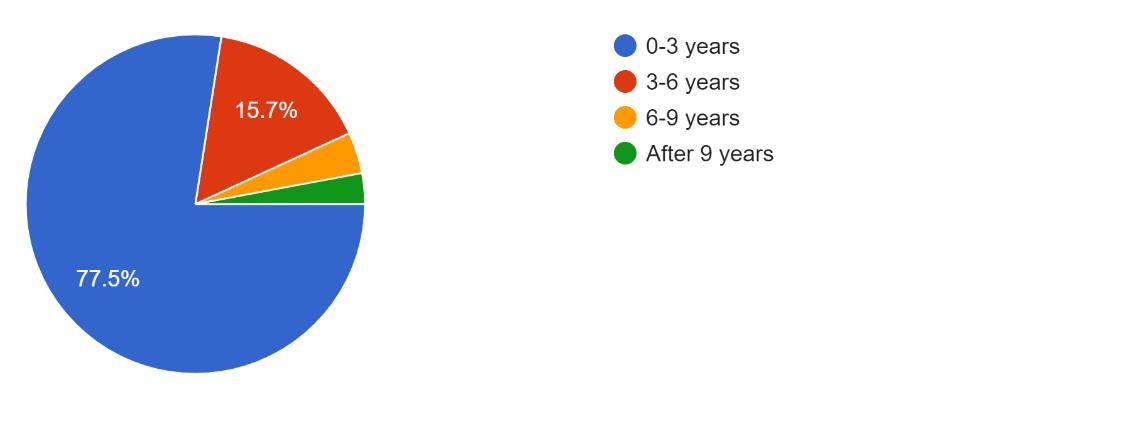
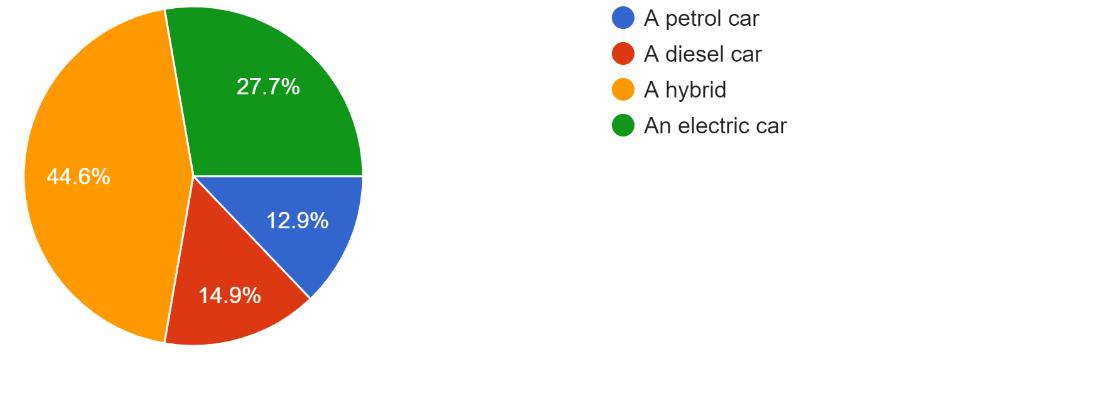
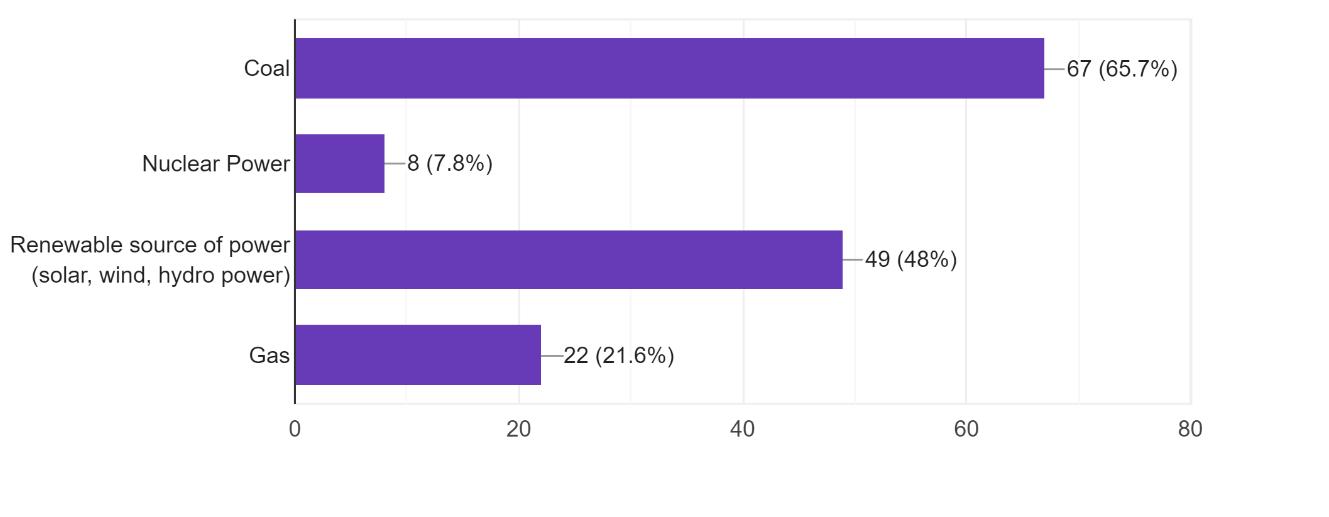
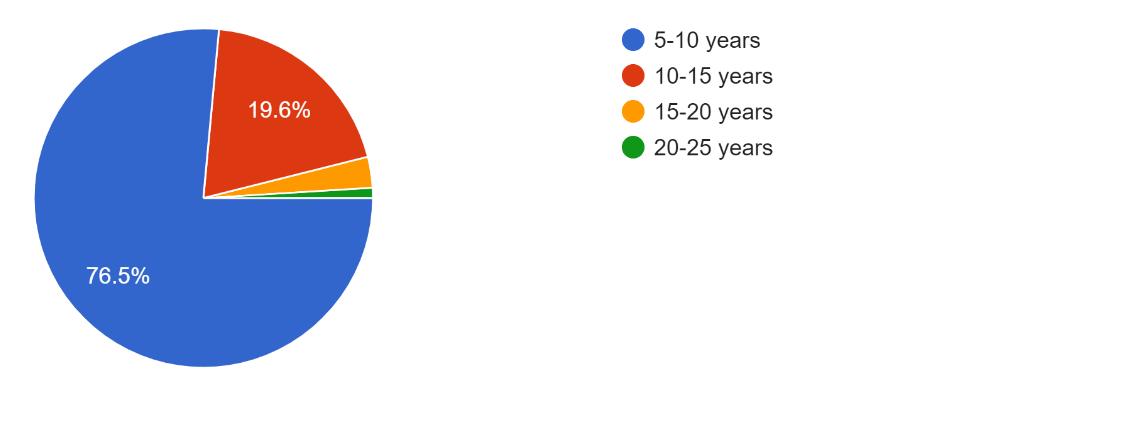
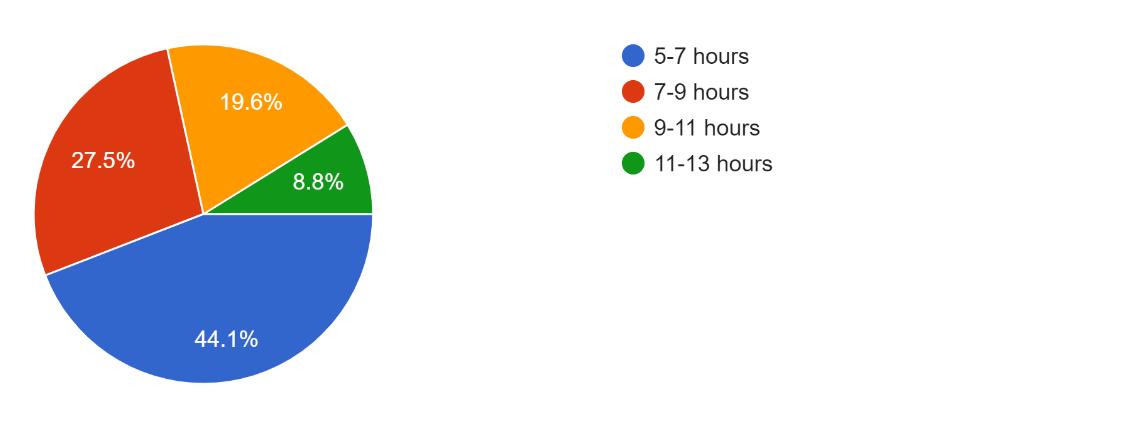
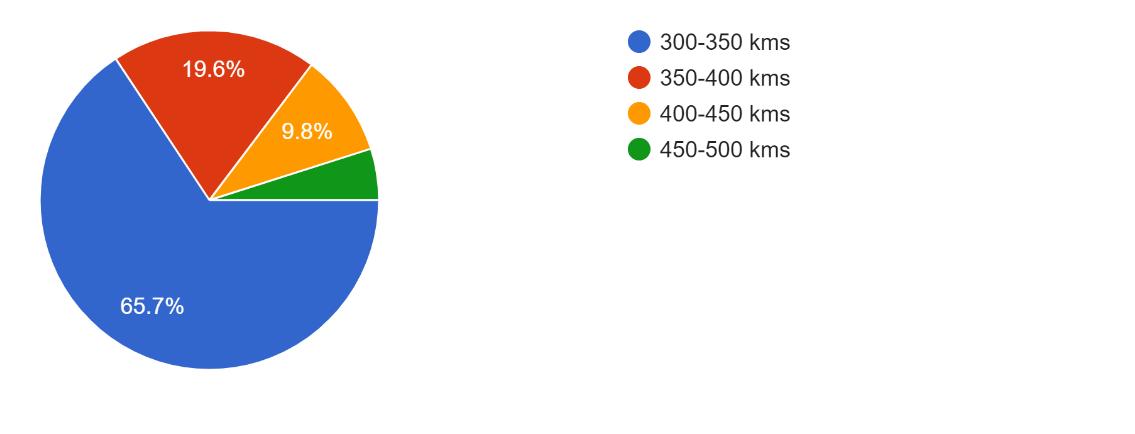
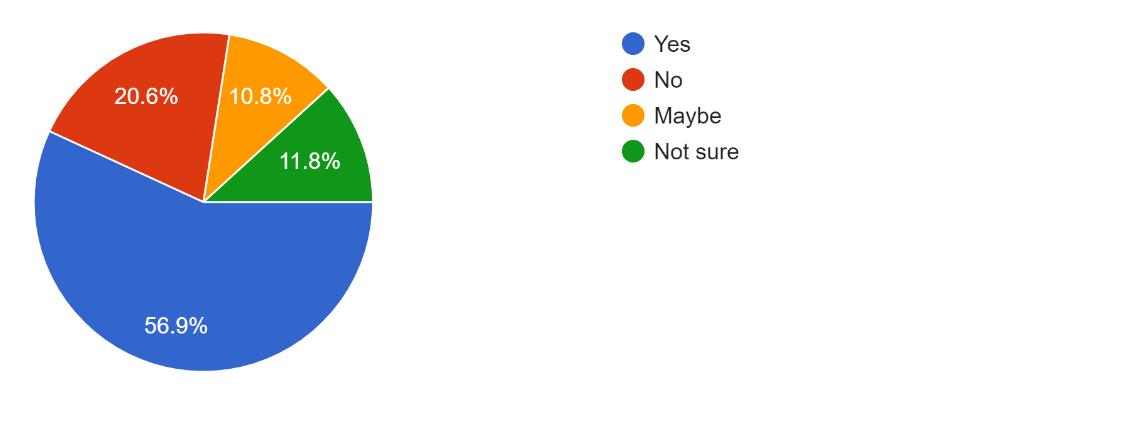
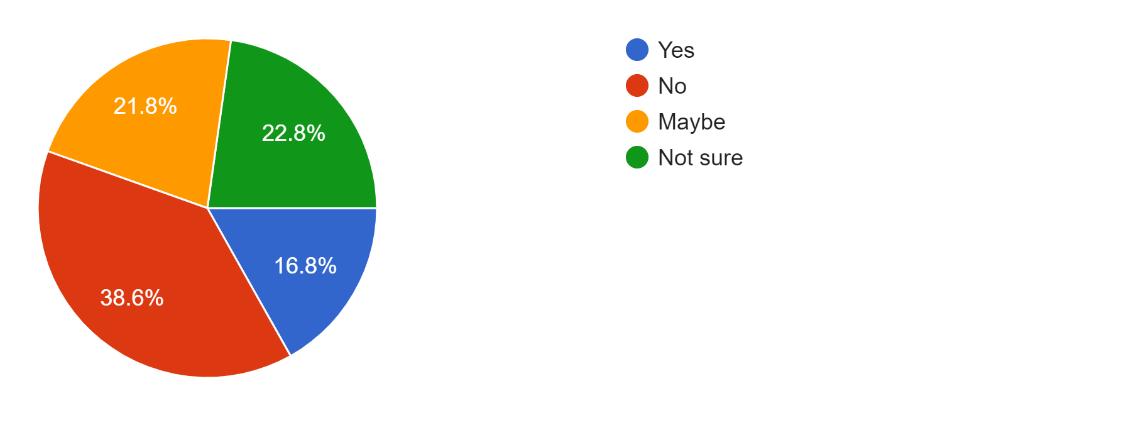
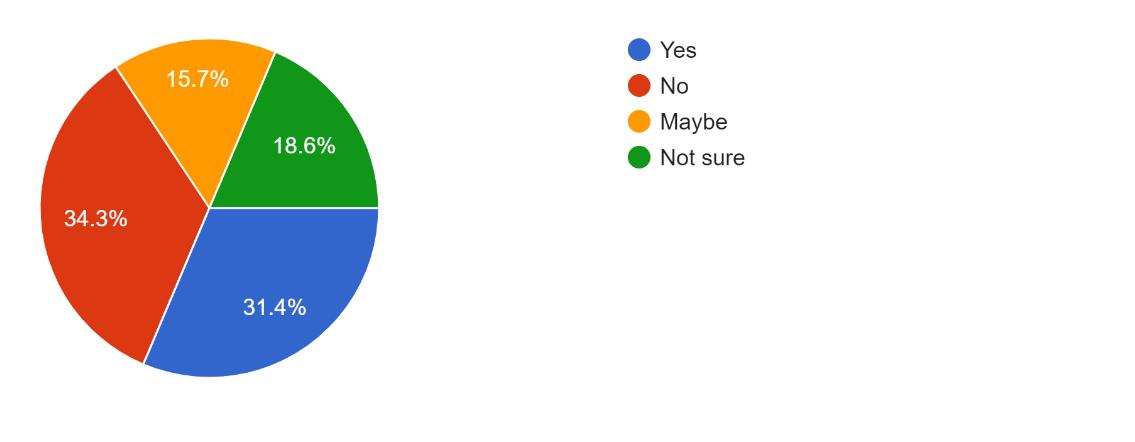
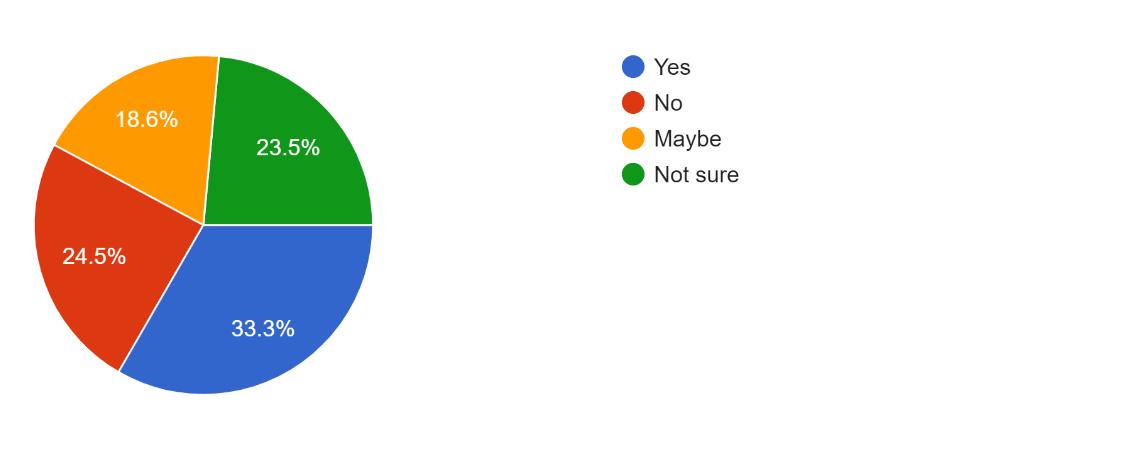
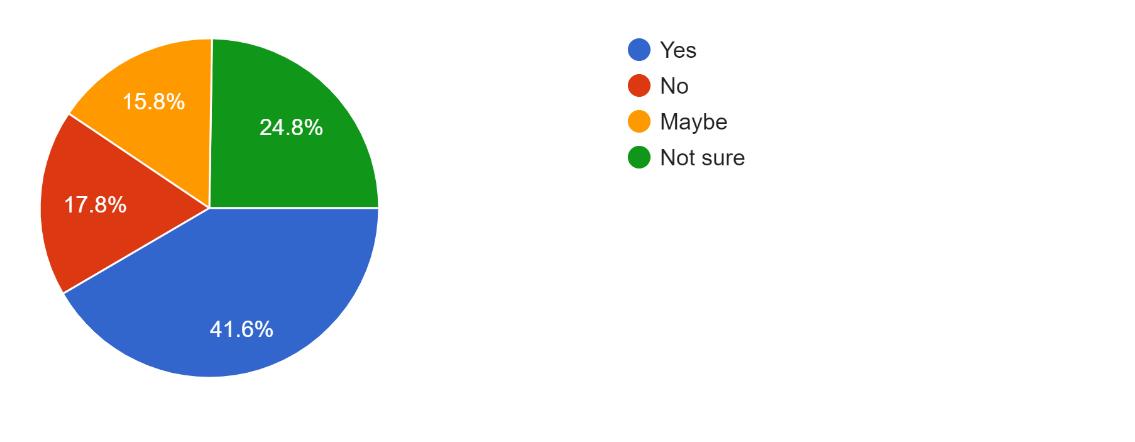
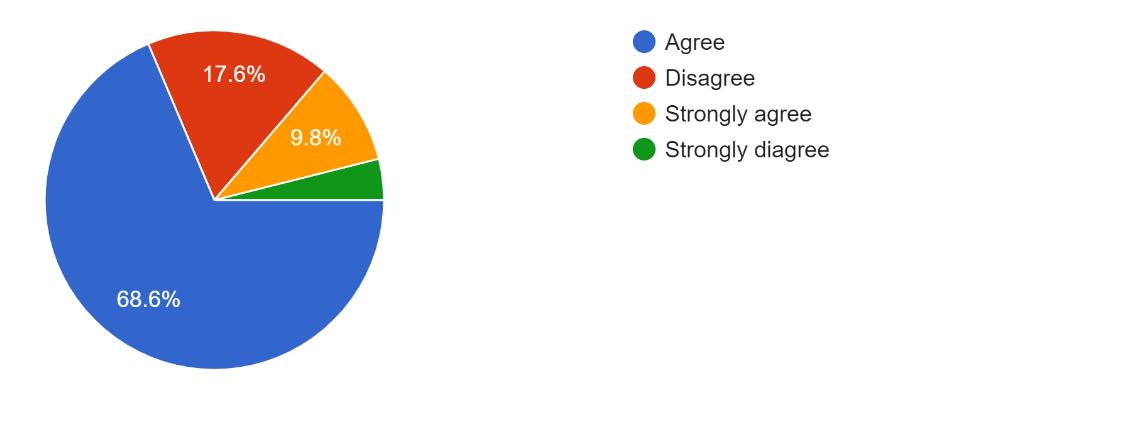
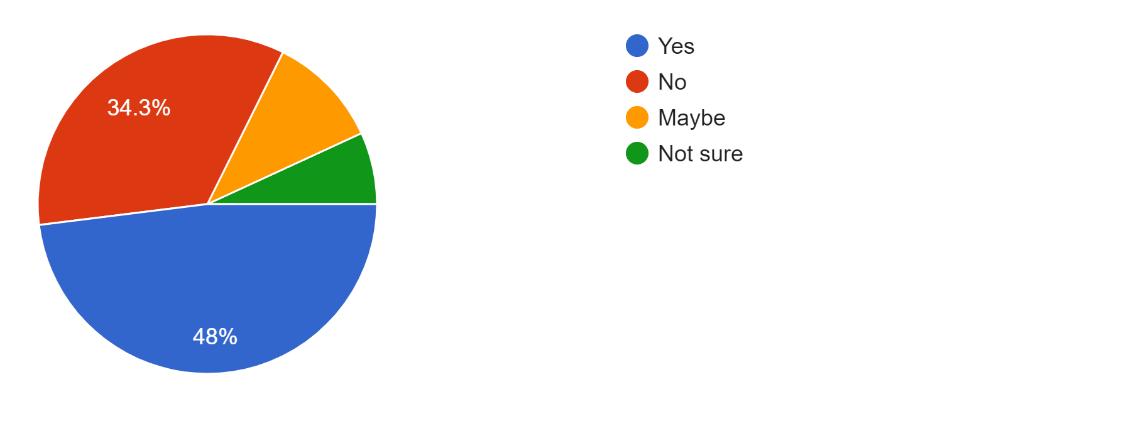
Thesurveypoolcomprises49%participantsofintheagegroup20-40yearsand51%intheagegroup40-60years,outof which62.7%weremaleandtherestfemales. Byanalyzingtheresponses,wegainedacomprehensiveunderstandingofpublic sentiments,concerns,andpreferencesinrelationtoelectricvehicles.Accordingtothecollecteddata,27.7%werethinkingof buyinganelectriccarsoon,44.6%ahybridcar,andtherestaconventionalcar.76.5%wereawareofthebatterylifeinstalled intheelectricvehiclebutonly8.8%wereawareofthereal-timerequiredtochargeanelectricvehiclebatteryfully.56.9%of participantswereawarethatelectricvehiclebatterieshavealongerlifethanconventionalcarbatteries.However,morethan 30%believethattherawmaterialtomakethesebatteriesisavailableinIndiaandtheyaremanufacturedinIndia. 41.65% believethatthesebatteriescanbeeasilyrecycledand38.6%areawarethatIndiadoesnothaveaproperdisposalsystemin place.Only48%wereawareofdifferentchargingstationsintheircity.Awhopping68.6%believedthatelectricvehiclesare greenintheIndiancontext,despitethefact65.7%areawarethatcoalisthemajorsourceofpowerinIndia.
The responses have helped us identify trends, patterns, and key insights regarding public attitudes toward electric cars. Accordingtothesurveyresponses,thereisanoticeableinterestinelectricvehiclesinIndia.Thisispartlyduetotheglobalshift toward sustainable and eco-friendlytransportationoptions,aswell asgovernment initiativesto promote electricvehicle
adoption.Butsinceelectriccarsoftenhavegreaterupfrontcoststhanconventionalpetrolordieselcars,pricingisstillamajor concernformanyIndians.TheIndianconsumersarenotfullyawareofallfacetsofelectricvehiclesandthereareconcerns abouttheperformanceandrangelimitationsofelectricvehicles.Overall,theperceptionofelectricvehiclesamongtheIndian populationisquitepositive.
7. THE INDIAN PICTURE
TransformingtransportindustryinIndia hastotransversequiteafeweconomicblocks.Indiaisoverlydependentonthe importoflithiumandhasverylimitedcapacityofbatteryproductionandrefiningcapacitiesatthemoment. Thisisgoingto stresstheImportbillalot.ImportsfromChinahaveincreasedfrom19.79%in2019to32.05%in2021.Indiacanhopeto accesstheadvantagesofferedbyelectricvehiclesonlyifitachievesself-relianceintheseaspects,whichisstillquiteadistant dream.
InIndia,theenergymixisheavilydependentonfossilfuels.EstimatesbasedondatacollectedbyIPCCandEUprojectonlya slightimprovementindecreasingCO2levelswithelectricvehiclesontheroad. Ononehand,regularcarsemit253gofCO2per kmand52.9tonnesofCO2 overtheirlifetime,andontheotherelectricvehicleswouldemit235gmofCO2 perkmand57 tonnesofCO2overtheirlifetimeinIndia,resultinginapaltrysavingof7%only.Withfuelefficiencyimprovingregularcarsto 15kmperlitre,thentheywillaccountfor227gmofCO2,therebybecomingmoreefficientthanelectricvehicles.Ontheother hand,manufacturersarealsoinnovatingtoimprovetheefficiencyofelectriccars.
EnergysavingthroughoutIndiavariesgreatlyacrossstatesandregionsdependingonthe electricmixofthatplace.Onan estimate,thenortheasternpartofIndiawillwitnessthemaximumsavingsofCO2fromelectricvehicles(around36%),Whereas thewesternandeasternstatesfarebadly.Delhiwillbeabletosavearound13%ofitscarbonemissionswhileHaryanaismore coal-reliant,only4%.InUttarPradesh,bothtypesofcarswillreleasethesamecarbonemissionsandinChhattisgarh,apetrol carwillbemoreefficientthananelectriccar.SimilarlyinJharkhandandWestBengalpetrolruncarswillbemoreefficient. Additionally,apetrolcarwouldbecome23%moreefficientthananelectricvehicle,ifthefuelefficiencyrisesto19kmperlitre, inthecaseofsub-compactcars,whichareamajorityinIndia.
India’selectricitymixishighlyskewedinfavourofpowerthroughfossilfuels.Thisgreatlyreducestheefficiencyofelectric vehicles.Amajorshifttomorerenewablesourcesofelectricityproductionisneeded.Unlessitisachieved,electriccarsinIndia won’thelpinattaininganysubstantialenvironmentalbenefits.
Whenitcomestoe-waste,Indiaiswoefullyinadequateindealingwithit,withmostofitendingupinlandfill.Evenlegislation regardingtheillegitimatedumpingofusedlithiumbatteriesislacking.Inthepresentlaws,theE-waste(Managementand Handling)Rules,2011,E-waste(ManagementandHandling)Rules,2016,andE-waste(Management)AmendmentRules,2018, thereisnoreferencetorecyclingortreatmentofdisposedlithiumbatteries. Indiamightendupbeingadumpinggroundfor suchbatteries. Thatisaveryscarypicturetocomprehendasthetoxinsarehazardoustobothhumanlifeandtheenvironment ifnottreatedproperly.
TherecyclingsectorinIndiaislargelyunorganisedwithmostofitbeinginisolatedruralareaswhereadequatecontrolsare missing.Recyclingcostisquitehigh,amountingtoapproximately₹9200perkglithium-ionbattery.Settinguparecycling facilityinvolveshighinvestmentsandhugetransportationandhandlingcosts,whileprofitmarginsarecomparativelylow.On anestimatetorecovercostandstartearningprofits,ittakesabout5years.AtpresentbatterydisposalandrecyclinginIndia mostlycomprisesofdismantlingthebatterytoextractcopperaluminiumandblackpowder(blackpowdercollectivelycontains lithiumgraphitecobaltandothers).Governmentpoliciesareurgentlyneededeveninthisregard.
Standardsforreusingexistingelectricvehiclebatteriesarealsonecessarytodeployelectricvehiclebatterieseffectivelyin stationaryapplicationssuchasrenewableenergyandothers.Acirculareconomyforlithium-ionbatterieswillbenefitdomestic electricvehiclesandthestorageindustry.By2030,recycledcomponentsfromoldbatteriesmightsupportIndia'sgenerationof 60GWhofLi-ionbatteries.Thismayboostthegovernment'sAatmaNirbharBharatinitiative,lessenIndia'sdependencyon imports,andopennewmarketsforLi-cellmanufacturers.AstudyfoundthatusingrecycledmaterialsmightcutCO2emissions asmuchas90%.Numerousbusinesseshavealreadybegunrecyclinglithium-ionbatteriesonalimitedscale.
8. POSSIBLE
SOLUTIONS
Certainmeasurescanaidinreducingtheenvironmentalimpactofthemanufactureanddisposaloflithiumbatteries. Carbonoffsetcredit:Acompanycausingpollutionpurchasescarboncredittooffsetthepollutioncausedbyit.Thesumisused toundertakemeasurestoeitherpreventcarbonemissionsoreliminatethesameamountofcarbonemissionsfromtheair. Collaborativeresearchbetweendifferentcountriesforfindingwaystoextractlithiumusingseawater.
ShallowCyclingofBatteriesata50%chargecanleadtoalongerlifecycleoflithiumbatteries,therebyreducingCO2emissions overitslifecycle.Thiswillalsoreducetheimpactofproducingtheseontheenvironmentasalessernumberofbatterieswillbe required.
ProperDisposalofBatteriesonlyatselectedcentersofcollectionandmorerecyclinginitiativesneedtobeundertaken.
Encouragingtheuseofhybridcarsastheyhaveaquickermeansofemissionreduction.AstudyconductedbyToyotashows thatifweusethelimitedamountoflithiumbatteriesavailableinhybrids,ratherthanelectricvehicles,thenitispossibleto achievebetteremissionreductions.Anelectricvehicleusesaround80-100kWHofbatteryasopposedto3-5kWHinanelectric vehicle.Withalimitedsupplyoflithium fewerelectricvehicleswillbebuilt,butmorehybridscanbebuiltwiththesame supply.Thiswouldprobablyhelpinachievingreducedemissionsascomparedtoelectricvehicles
Therearefivemajorpathways excludingreduction,whichisexpected fordeadelectricvehiclebatteries,allwiththeir ownrisksandadvantages.Sustainabilityrequiresinnovationsinrecyclingtechnology,thoughtheprocessisexpensiveand hazardous.
9. CONCLUSION
Electricvehiclesarethecarsofthefuture.Theycanplayaveryintegralroleinthetransportindustry.Electricvehiclesmay,if technologycontinuestoadvanceandbecomemoresustainable,provetobetheanswertotheworld'sclimatechangeproblems. Atpresentatleastaccordingtoourresearch,theyarenottheanswertoIndia’sproblemofenergyandclimatechange.The current electrical grids need to be more efficient and reducetheir reliance on fossil fuelsand increase renewableenergy production.Technologymustbedevelopedsothattheneedtominefornewmaterialsisreducedandproperrecyclingand disposalmethodsshouldbeputinplacetostartaccruingthebenefitsofelectricvehicles.Theindustryneedstoaddressthe issuesmentionedabovealongwithrequisitegovernmentpoliciesbeforetheymaketheenvironmentgreenerandcleanerinthe Indiancontext.
9.1 ANNEXURE 1 (SURVEY RESULTS)

REFERENCES
[1] https://www.eetimes.com
[2] http://timesofindia.indiatimes.com/
[3] https://e-vehicleinfo.com/
[4] https://www.eetimes.com/
[5] https://climate.mit.edu/
[6] https://www.nature.com/
BIOGRAPHIES
AnanyaChowdhery
ScienceEnthusiastwithaCreative
BentofMind
StudentofGrade12
SatPaulMittalSchool,Ludhiana
SamarthyaBindlish
Car Afficionado with a Scientific
BentofMind
StudentofGrade10

VivekHighSchool,Chandigarh